
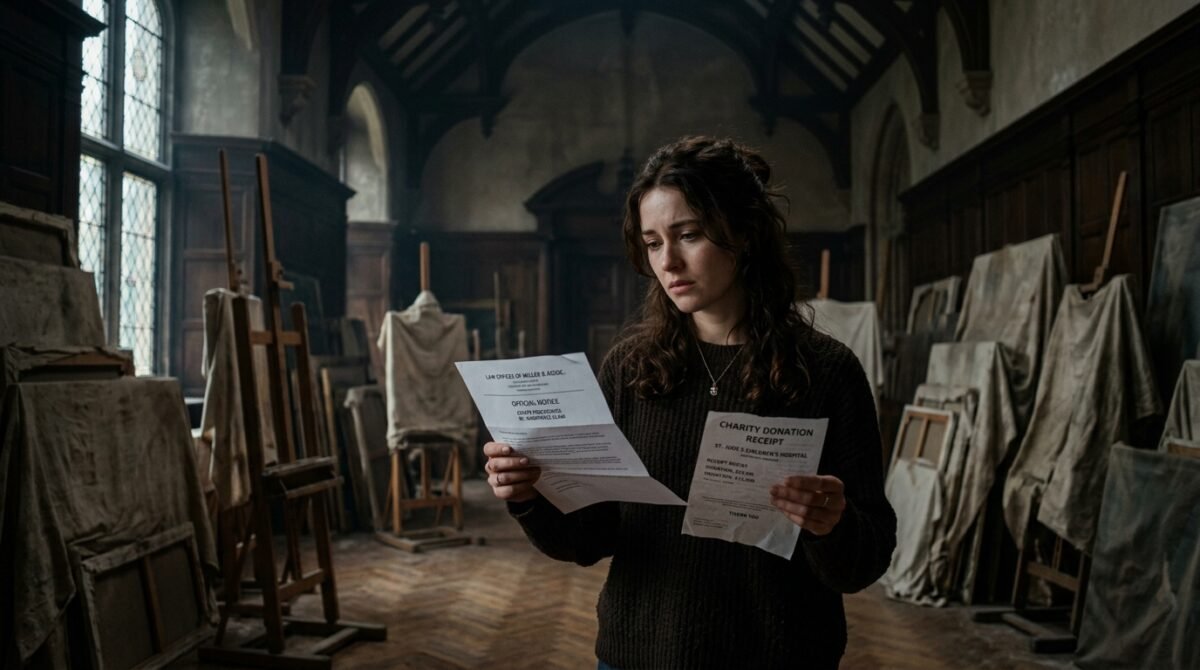
When my mother passed away, the world felt like it had collapsed in on itself. She was more than just a parent; she was my anchor, my mentor, and the only person who had ever truly seen me for who I was. For years, she had meticulously curated a collection of rare, mid-century abstract art—works she had discovered in dusty thrift stores and estate sales long before their artists became household names. To anyone else, they were just canvases. To me, they were the tangible history of her resilience and her impeccable eye for beauty.
My father, meanwhile, had been a ghost for over a decade. After a messy divorce that left my mother struggling to keep the lights on, he vanished, leaving behind nothing but broken promises and a child support ledger that remained perpetually unpaid. I hadn’t heard a peep from him—not on my graduation, not when I got my first promotion, and certainly not when my mother fell ill. He was a man who only cared for things when they carried a price tag, a trait that defined his entire existence.
The trouble began exactly three weeks after the funeral. I was sitting at the kitchen table, nursing a cold cup of coffee and trying to organize the appraisal documents for the collection, when my phone pinged with an unknown number. It was a text, clinical and cold, demanding an inventory of the art. I didn’t even have to ask who it was. The entitlement dripped from every syllable, a signature of the man who had abandoned us when things got tough.
This wasn’t just about art. It was a power play. He saw the recent news coverage of a similar collection selling at auction for a small fortune, and like a shark sensing blood in the water, he decided he was entitled to a cut. He didn’t care about the sentimental value or the fact that he hadn’t contributed a cent to the collection’s preservation. He saw a payout, and he was determined to use the legal system to bully me into handing over the life work of a woman he had long ago discarded.
I realized then that I had a choice. I could cower, I could negotiate, or I could ensure that not a single cent of that money would ever touch his greedy hands. I chose the latter. This is the story of how I liquidated my mother’s legacy to fuel a cause she cared about deeply, effectively rendering my father’s legal threats moot and ensuring that his greed would be met with total, absolute loss.
The Unsolicited 6:00 AM Notification
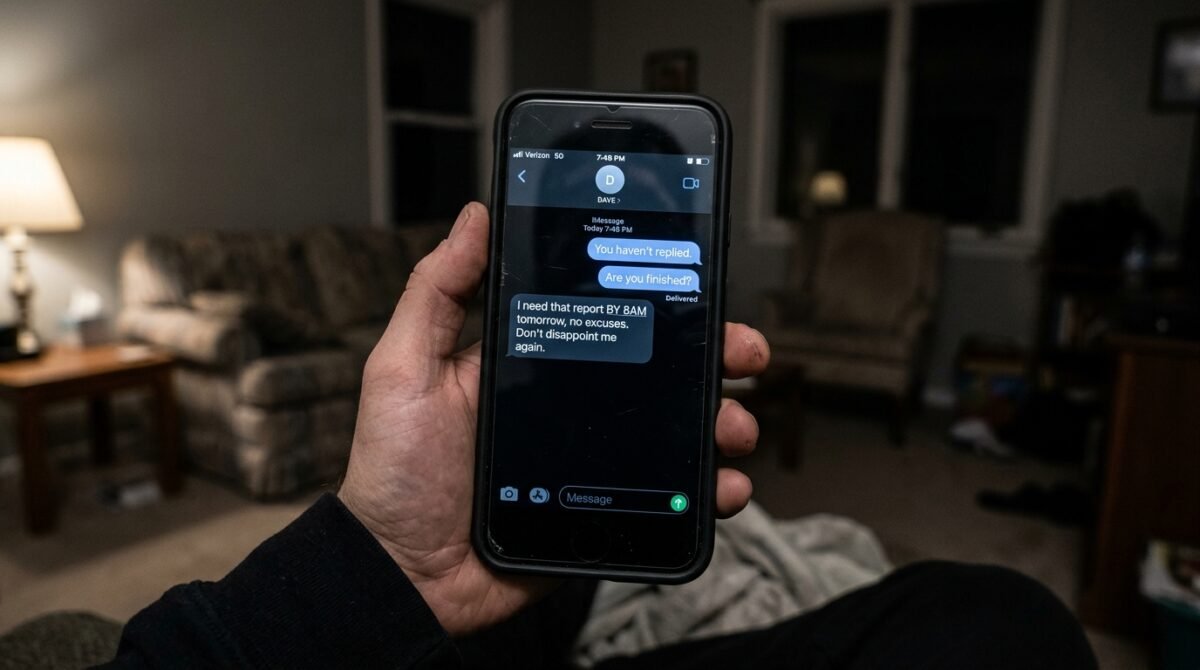
I was barely awake, the sun just beginning to bleed through the blinds of my apartment, when the first message arrived. It was short, punchy, and utterly devoid of condolences. It felt like a physical blow to the stomach, a reminder that my grief was nothing more than an inconvenience to a man who lived only for his own interests.
“I know about the art collection, [Name]. I’m entitled to 50% of the estate assets as next of kin. Send me the inventory by Friday or my attorney will be in touch.”
— Text Message from ‘Father’
I stared at the screen, my thumb hovering over the block button. My heart was pounding, a mixture of rage and cold, calculated clarity. He hadn’t even checked if I was okay. He hadn’t acknowledged that my mother was gone. The only thing that mattered to him was the potential liquidity of the canvas pieces stacked against my living room wall.
I didn’t reply immediately. I needed to see what I was dealing with. I called a family friend, an estate attorney, just to see if there was any merit to his claim. The laughter on the other end of the line was the first real relief I’d felt in weeks. Since the house and all its contents were legally transferred to me through a living trust years ago, his legal standing was nonexistent.
The realization was liberating. I wasn’t just safe; I had the leverage. I realized that if I acted fast, I could dispose of the collection before he even managed to find a lawyer willing to take a baseless case. The irony was poetic: he wanted the art, and he was going to get absolutely nothing.
I spent the rest of the morning reaching out to local museums and a charitable foundation my mother had supported for years. I didn’t care about the market value anymore. I cared about the legacy. I wanted these pieces to exist in a space where they would be cherished, not sold at a Christie’s auction to satisfy a deadbeat’s gambling debts.
The Attorney’s Arrival and the Cold Reality
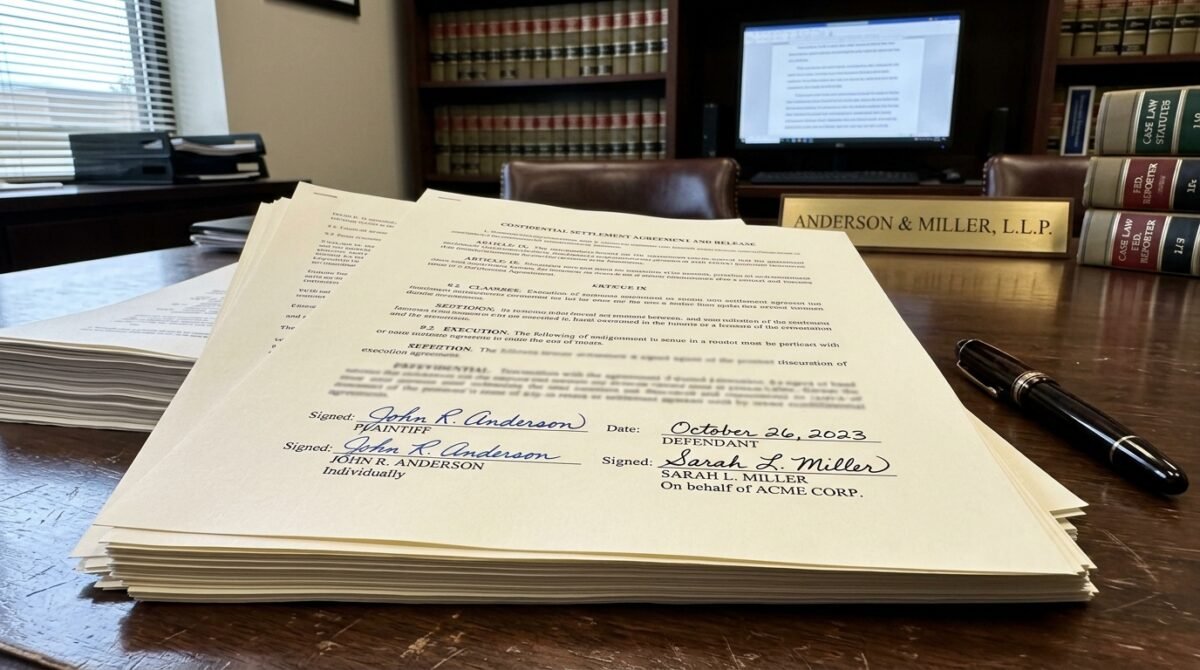
By Wednesday, the threats had escalated. I received a formal letter via courier, demanding a stay on the sale of all assets. It was written on expensive, heavy-stock paper, clearly an attempt to intimidate me with the trappings of power. My father seemed to think that if he used the right font and legal jargon, I would crumble like I did when I was twelve years old.
“If you continue to ignore these requests, I will be forced to file a temporary restraining order on the movement of any property belonging to the estate. Consider this your final warning.”
— Letter from Father’s Attorney
I showed the letter to my own legal counsel, who sighed and poured me a glass of water. He explained that while the lawyer on the other side was just doing his job, the entire premise was built on sand. They were banking on my fear, on the idea that I would be too intimidated by the prospect of a court battle to actually protect what was mine.
I looked at the documents on the desk. Every piece of art was cataloged, photographed, and insured. The provenance was perfect. My mother had been meticulous. She had kept every receipt, every gallery invoice, every note on where and when each piece was acquired. My father had literally zero paper trail to connect himself to these assets.
We decided to draft a response, but not the one he expected. We weren’t going to argue about the merits of his claim. We were going to show him exactly what happened when you threaten someone who has nothing left to lose. I felt a strange sense of calm settling over me, a detachment that allowed me to handle this with surgical precision.
I began finalizing the donation agreement. I wasn’t selling the art; I was gifting it to an endowment fund that would use the proceeds to support impoverished artists. It was the ultimate act of defiance. By moving the assets into a charitable trust, they were legally shielded from personal claims, and there was absolutely nothing he could do to claw them back.
The Silence Before the Storm
The days leading up to the final transfer were the longest of my life. I felt like I was holding my breath, waiting for the other shoe to drop. My father called repeatedly, his voice getting louder and more erratic with each voicemail. He shifted from demanding to pleading to threatening, playing every card in his pathetic deck.
“You’re making a mistake. You think you’re so smart, but I have friends in the local government. I can make your life a living hell. Just give me the paintings and we can walk away from this.”
— Voicemail from Father
I didn’t listen to the rest. I deleted them all, saving them to a secure cloud drive just in case I needed them for a harassment suit later. It was surreal, hearing the man who hadn’t asked about my life in a decade suddenly so concerned about my ‘well-being’ and ‘fairness’ in the distribution of the estate.
I spent my evenings with the paintings. I sat in the living room, surrounded by the colors and textures my mother had loved so much. I felt like I was saying goodbye properly, not to her, but to the weight of his influence. By donating these, I was purging his potential claim from our lives for good.
My friends were nervous for me. They kept asking if I was sure, if it was worth the potential legal fees or the headache. I told them that the peace of mind was worth more than any price tag. I wasn’t just giving away art; I was buying my freedom from a man who had been a specter in my life for far too long.
The move was scheduled for Saturday. I had hired a professional art handling service to pack and transport everything. They were efficient, quiet, and treated the pieces with the respect they deserved. Watching the trucks pull away from the curb felt like watching a heavy, invisible chain finally snap. I was finally, truly, on my own.
The Day of the Final Transfer
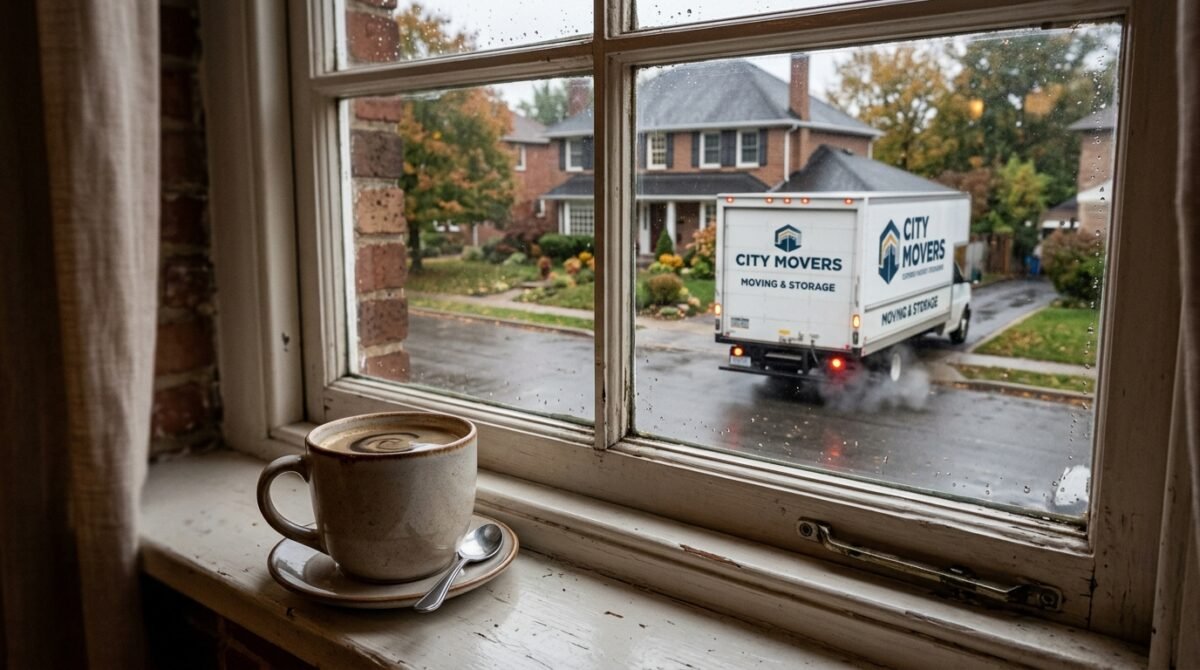
The morning of the donation was crisp and cool. The art handlers arrived at dawn, their white-gloved hands moving with practiced grace. I helped them wrap the final, most delicate piece—a haunting, beautiful landscape that my mother had bought with the very last of her savings during a trip to the coast. It was the centerpiece of the collection.
As the final crate was loaded, I checked my phone. My father had sent a dozen messages in the last hour alone. They were frantic, unhinged, and filled with vitriol. He clearly suspected something was happening. He didn’t know the scope, but he knew the timing felt off. I didn’t engage. I just watched the truck pull away.
“Are you doing something? Don’t you dare touch that inventory. If those paintings leave the house, I will sue you for every cent they’re worth. I know where you live!”
— Final Text from Father
I called the police non-emergency line and filed a report for harassment, documenting his threats. I wanted a paper trail of his instability. It was a necessary step, a shield against whatever tantrum he planned to throw once he realized the art was gone. The officer was sympathetic, taking down the details and advising me to keep all communication strictly documented.
By noon, the legal documents had been signed. The endowment fund had taken possession of the collection. The tax benefits were substantial, but that wasn’t why I did it. I did it because, in that moment, the art belonged to the world, not to a man who had abandoned his own daughter. It was no longer a commodity to be fought over.
I went out for lunch alone. I sat in a booth by the window, the sun warming my face, and for the first time in years, I felt light. The legal pressure was gone. The threat of his intrusion was gone. I had managed to turn a potential battleground into a bridge for others. It was the most satisfying meal I had ever had.
The Confrontation at the Empty Gallery
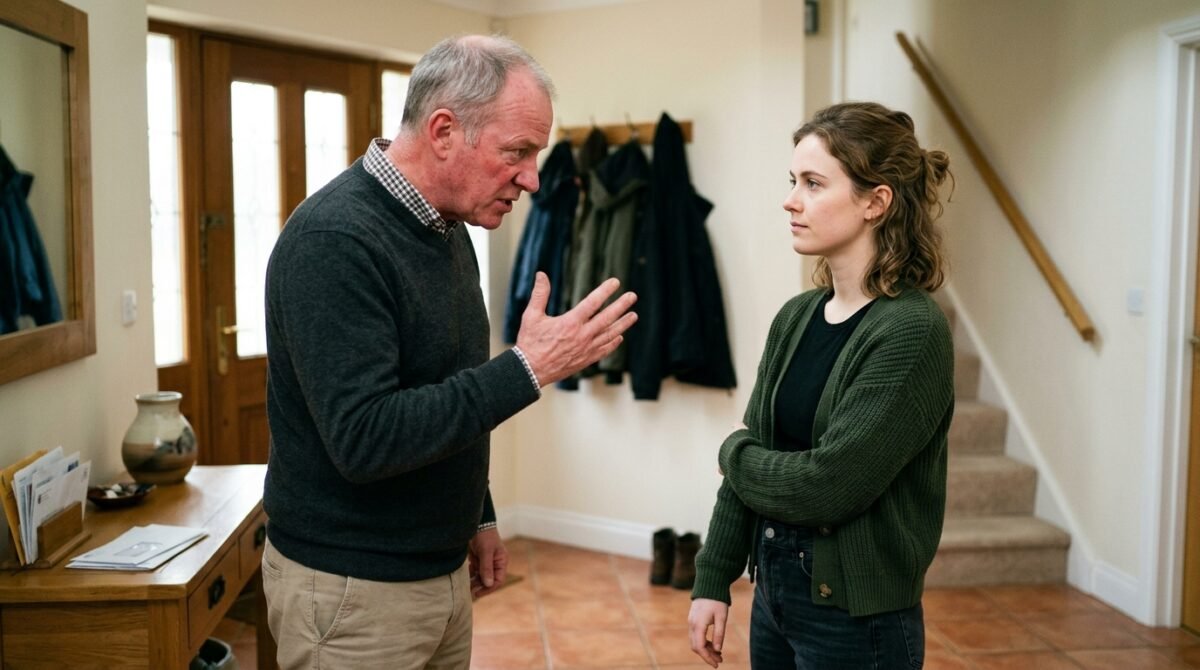
My father showed up at my apartment two days later, unannounced and looking disheveled. He must have seen the empty walls through the window, because he looked like he was vibrating with rage. When I opened the door, he didn’t even say hello. He just pushed his way into the foyer, his eyes darting around the room, frantically searching for the art that was no longer there.
“Where are they? Where did you put them? I know they’re in storage! Tell me where the storage unit is or I’m calling the police!”
— Father during the confrontation
I stood my ground, my arms crossed, watching him unravel. It was almost pathetic to see a grown man so obsessed with material gain that he would lose his composure in front of his own daughter. I remained completely calm, my voice steady as I told him the truth. I wanted him to see the look on my face when I told him he had lost everything.
“They’re not in storage, Dad,” I said, my voice cold. “They’re in a museum archive. They’ve been donated to a charitable endowment. They aren’t yours, they aren’t mine, and they never will be again. You have no legal claim, and there is nothing for you to fight over.”
He stopped dead, his mouth agape. The anger drained out of him, replaced by a sudden, hollow realization. He looked smaller, older, and completely defeated. He tried to stammer out a retort, something about rights and family and inheritance, but the words wouldn’t come. He had nothing left to say because he had no leverage left to use.
He stormed out of the apartment, slamming the door so hard the pictures remaining on the walls rattled. I didn’t chase him. I didn’t lock the door behind him immediately. I just let the silence settle in the room. I had survived. I had won. And I was finally free of the man who had been the biggest obstacle in my life.
The Digital Fallout
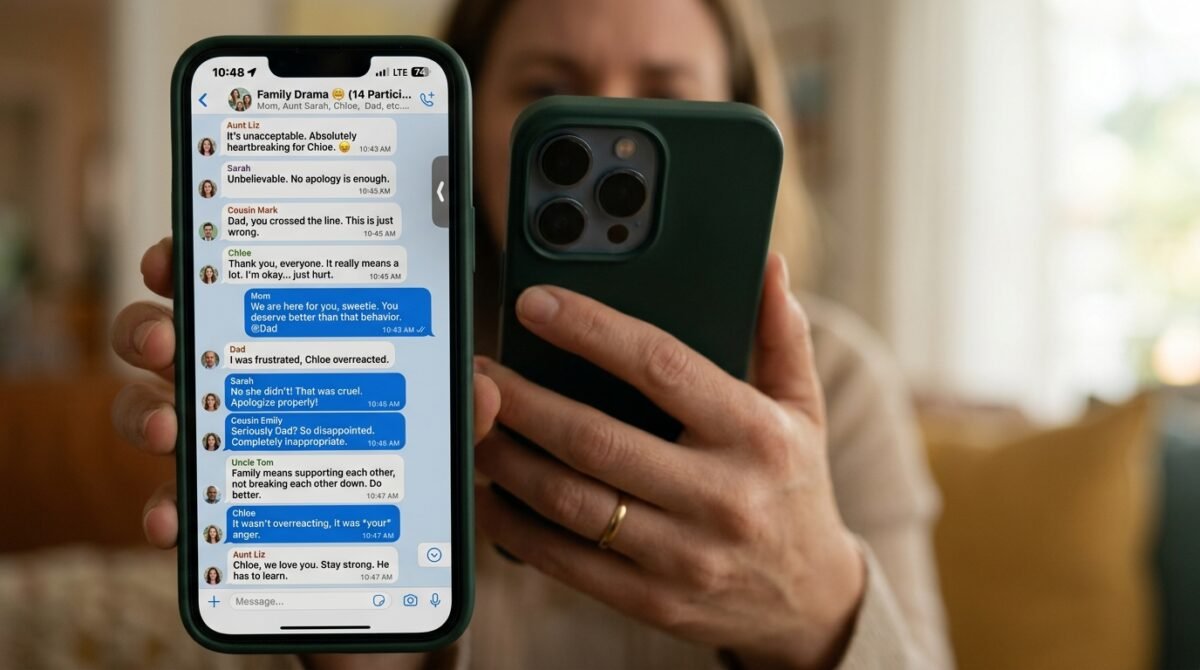
The drama didn’t end with his departure, of course. My father decided to take his grievance to the family group chat, painting himself as the victim and me as the ‘heartless, money-grabbing’ daughter. He ranted for hours, hoping that my aunts, cousins, and siblings would rally to his side and demand I return the assets.
“I can’t believe how she’s treated me! She’s sold off her mother’s collection just to spite me! I’m still your father, and this is a slap in the face to our entire family history. Please, someone talk sense into her!”
— Father in the Family Group Chat
The response was not what he expected. My aunt, who had seen him abandon us years ago, was the first to chime in. Her message was short, blunt, and absolute. The rest of the family followed suit, calling him out for his hypocrisy and his long history of absence. It was a beautiful moment of collective vindication.
“You haven’t spoken to her in ten years, [Father]. You weren’t at the funeral. You haven’t sent a card for her birthday since she was five. Don’t you dare talk about ‘family’ now that there’s money involved. She did exactly what she needed to do.”
— Aunt [Name] in the Family Group Chat
I didn’t even have to defend myself. My family, who had watched me struggle through the aftermath of his departure, were my best defense. They saw his greed for what it was, and they weren’t going to let him gaslight me into feeling guilty. I muted the chat, feeling a deep sense of gratitude for the people who actually cared about me.
The chat stayed active for another hour, with various relatives pointing out his inconsistencies. It was a public shaming that he had brought entirely upon himself. He eventually left the group, unable to handle the truth of how he was perceived. The digital fallout was final, and it cemented the boundary I had been trying to set for years.
Reflecting on the Mother’s Legacy
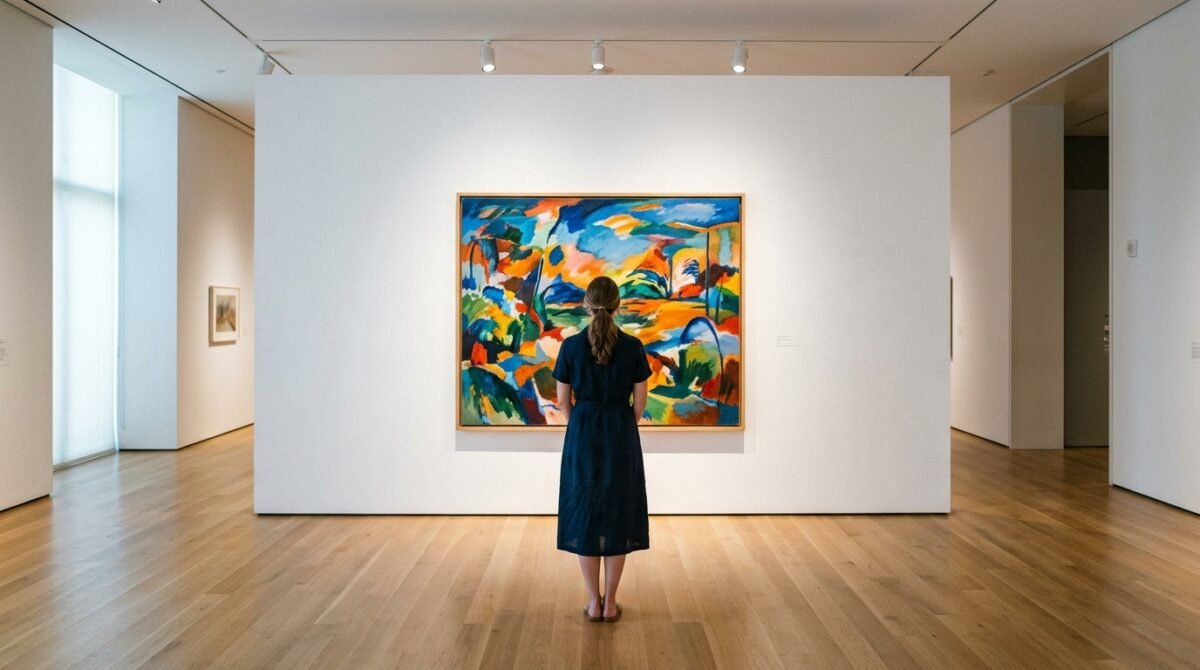
After the dust settled, I took a trip to the museum where the collection was being processed. Seeing the pieces cataloged and ready to be curated for the public was emotional. I realized that my mother would have loved this. She always said that art wasn’t meant to be hidden away in a private collection; it was meant to inspire, to challenge, and to be seen.
I stood before a painting she had always cherished—a vibrant, chaotic swirl of blues and golds. It felt like she was still there, vibrant and full of life. By donating it, I had ensured that her legacy would be one of generosity and public spirit, rather than the bitter, greed-filled fight my father had tried to force upon us.
I met with the curator, a kind woman who shared my mother’s passion. She told me how much these works meant to the community, how they were going to be used in educational programs for underprivileged youth. It was exactly the kind of impact my mother had spent her life trying to make, and now, her collection would continue that work forever.
I realized that I wasn’t just letting go of the art; I was letting go of the anger. The fight with my father had been a weight, a constant drain on my energy. Now, that energy could be directed toward something positive. I felt a sense of closure that I hadn’t expected, a quiet peace that comes from doing the right thing for the right reasons.
I walked out of the museum, the city skyline bright and clear before me. I didn’t owe my father anything. I had fulfilled my duty to my mother, and in doing so, I had protected her memory from being tainted by his avarice. I was ready to start my own life, free from the shadows of the past.
The Internet Weighs In

I decided to share the story on a popular forum, wanting to see if I was truly in the wrong for my actions. The response was overwhelming. Thousands of people commented, shared, and debated the ethics of inheritance, estrangement, and the right to dispose of one’s own property. It was validating to see that so many others had been through similar struggles with manipulative, absent parents.
“NTA. Your father is a textbook example of a ‘fair-weather’ parent. He ignored your existence for a decade until he realized he could get a payday. You did the right thing by ensuring he got nothing. This isn’t about the art; it’s about the boundary he refused to respect.”
— u/JusticeSeeker (Top Comment, 32.1k upvotes)
The support was incredibly heartening. People shared their own stories of inheritance battles, warning me to watch out for further legal retaliation, but also encouraging me to stay firm. It was a reminder that I was not alone in this, and that the feelings of guilt I sometimes struggled with were just echoes of his manipulation, not my own moral failings.
“You didn’t just protect your mother’s legacy; you protected yourself from a lifetime of being his ATM. The fact that you donated it to charity is the icing on the cake. He can’t sue a museum! This is professional-level pettiness, and I am here for it.”
— u/DramaQueen_Realness (15.2k upvotes)
There were a few naysayers, of course, claiming that I should have tried to work it out or that blood is thicker than water. But they were drowned out by the vast majority who understood that family is built on presence and support, not just genetic proximity. The Reddit community served as a sounding board, helping me work through the remaining bits of doubt I had about my decision.
I read through every comment, soaking up the collective wisdom of thousands of strangers. It was an exercise in self-reflection. I realized that my struggle wasn’t unique, but my solution was, and that was something to be proud of. I had taken control, and the world—or at least the internet—was behind me.
The Final Boundary
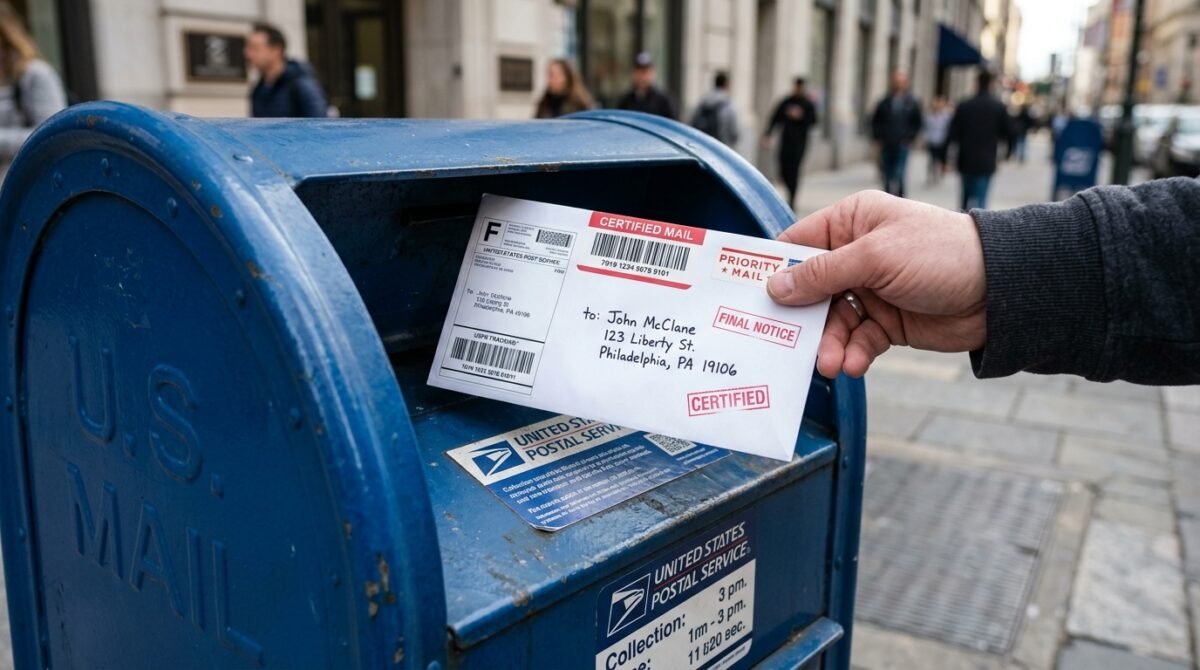
A month later, I sent my father a final, certified letter. It was written by my attorney and detailed exactly why he was no longer to contact me or my family. It included the harassment report and a clear directive that any further communication would be met with a permanent restraining order. I was done.
I felt no sadness as I dropped the letter in the mailbox. It was the final chapter in a long, difficult story. I had reached a place of stability and confidence, and I knew that whatever happened next, I would be able to handle it on my own terms. My father had lost his chance to be a part of my life, not because of the art, but because of the man he chose to be.
I’ve since blocked him on every platform, changed my number, and moved into a new apartment that he doesn’t know the address to. The sense of security is profound. I no longer check my phone with a pit in my stomach, wondering if there’s a new demand or a new threat waiting for me. The silence in my life is now something I cherish, not something I fear.
I’ve started painting again, a hobby I had put aside for years. It’s my way of connecting with my mother’s spirit, a way of keeping her love for color and light alive in my own way. I am building a future that is entirely mine, unburdened by the expectations or the entitlement of people who don’t deserve my time.
The art collection is still at the museum, and they’ve told me they are planning an exhibition in my mother’s name next spring. I’m looking forward to attending, to seeing her vision celebrated by the public. It will be a day for her, a day for the art, and a day for me to celebrate the strength it took to get there. I am, finally, at peace.
Lessons Learned in the Aftermath

Looking back on the entire ordeal, the biggest lesson I’ve learned is that boundaries are not just suggestions; they are the foundation of self-respect. For years, I had allowed my father to exist on the periphery of my life, a dark cloud that I thought I had to live with. It took the trauma of losing my mother to realize that I had the power to clear the air.
The inheritance battle taught me that material things are just that—things. They can be replaced, sold, or donated, but my peace of mind and my integrity were irreplaceable. By giving away the art, I hadn’t lost anything; I had gained a level of clarity that I could never have achieved while living under the shadow of his greed. I learned that money is often used as a weapon, and the only way to disarm that weapon is to take away its power.
I’ve also learned the value of a support system. My friends, my aunt, and even the strangers on the internet played a vital role in keeping me sane during the darkest moments. I learned to lean on people, to open up about my struggles, and to accept help when I needed it most. No one should have to navigate a crisis like this in isolation.
I’m still healing, of course. Grief is a long road, and the wounds of a strained family relationship don’t just disappear overnight. But I have the tools now to keep moving forward. I have a clearer sense of who I am and what I stand for, and that is worth more than any collection of paintings in the world.
If you find yourself in a similar situation, know that you are not beholden to the expectations of others, especially those who have not earned your loyalty. Trust your instincts, consult with professionals, and prioritize your well-being. You have the right to curate your own life, just as my mother curated her collection—with love, intention, and a focus on what truly matters.
Conclusion
The story of my mother’s art collection is ultimately not a story about money, but about the reclamation of self. When we are faced with the entitlement of others, we are often pressured to yield, to compromise, or to make ourselves smaller to keep the peace. But peace that is bought with one’s own integrity is no peace at all.
By choosing to donate the collection, I didn’t just solve a legal dispute; I honored the spirit of a woman who taught me that beauty and goodness should be shared, not hoarded or weaponized. My father’s loss was not a punishment I inflicted; it was the inevitable outcome of his own actions. He wanted the payout, but he forgot that there is no price tag on the trust and respect of those who actually matter.
I am curious, reader: what would you have done? Would you have held onto the art, risking years of litigation and psychological strain, or would you have made the same choice to sever the tie and let the legacy live elsewhere? Perhaps you’ve had to make your own difficult choices about family, boundaries, and the toxic influence of the past. Share your thoughts below—let’s talk about what it means to truly protect your peace.
What's your verdict on this dilemma?
Vote below to contribute to the official community consensus.

Have a Dilemma Keeping You Up at Night?
Share your real-life feud, wedding chaos, or relationship crossroads anonymously with our editorial team.
What do you think ?
0 Comments🛡️ Comments are moderated to protect community integrity. Your comment will appear once approved by the editorial team.