
Death has a way of stripping away the polite veneer of a family, leaving only the raw, jagged edges of unresolved history. When my grandmother, a woman whose heart was as expansive as the garden she tended until her final days, finally succumbed to her illness, the silence in our house was deafening. She had spent the last three years of her life fighting a quiet, grueling battle, and for most of that time, my cousin Julian was nothing more than a ghost in our family narrative. He lived three towns over, yet he couldn’t find the time to visit, to call, or to offer even a modicum of support during her darkest hours.
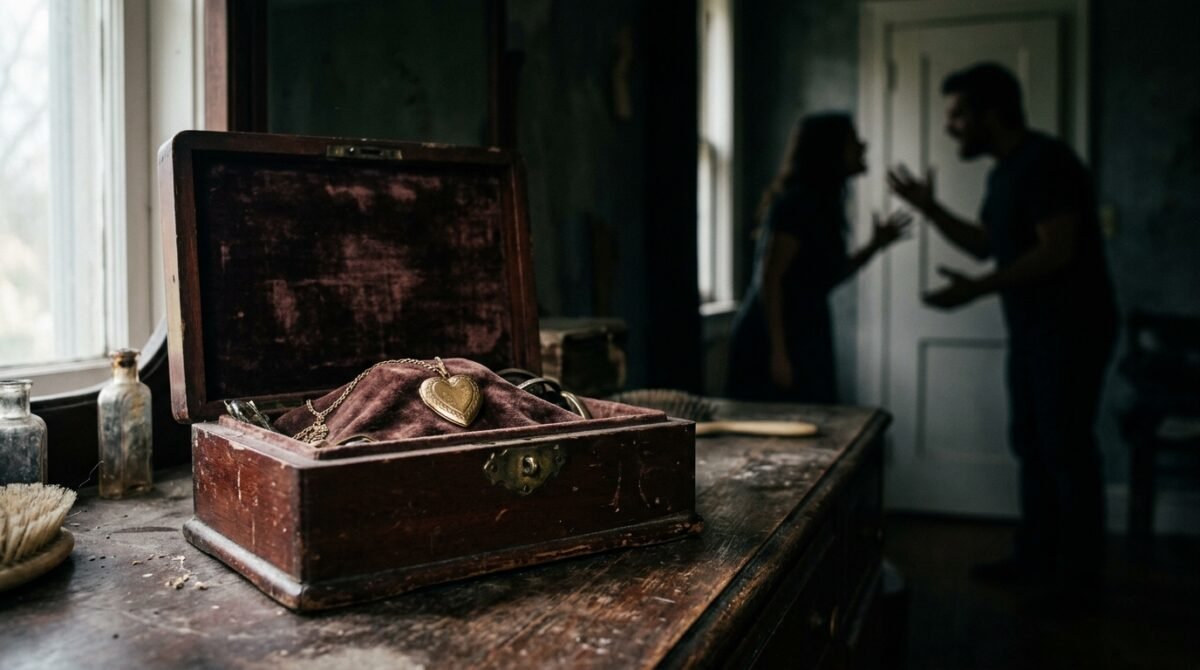
The jewelry box was not just a container for trinkets; it was a curated museum of a life well-lived. It held my great-grandmother’s pearl brooch, a delicate sapphire ring gifted during the war, and various gold pieces that were meant to be passed down as symbols of love and endurance. My grandmother had handed me the key to that box three months before she passed, whispering that she trusted me to ‘keep the history alive.’ She didn’t want it sold, and she certainly didn’t want it partitioned like a piece of commercial property.
When the funeral ended and the damp earth was still fresh, the vultures began to circle. It wasn’t the distant relatives asking for keepsakes, but Julian, who showed up at the probate lawyer’s office with a look of practiced grief and a lawyer’s ambition. He saw dollar signs where there should have been mourning. He wanted his ‘fair share’ of the jewelry, a demand he felt entitled to simply by virtue of his bloodline, ignoring entirely the years of abandonment he had inflicted upon a woman who had once loved him like her own son.
This wasn’t just about gold or gemstones; it was about the fundamental nature of connection. If you are absent for the suffering, do you have a right to the spoils of the memory? I was raised to believe that inheritance is a recognition of the bond between the living and the deceased. When that bond is severed by apathy, the claim to the physical manifestation of that bond should logically evaporate. I stood in the doorway of my grandmother’s house, the box tucked safely away, and prepared to defend the integrity of her final wishes against a cousin who had forgotten she existed until the inheritance became a reality.
The Three-Year Silence and the Sudden Reappearance
The timeline of Julian’s absence was not merely a matter of forgetfulness. It was a calculated distance. During the three years my grandmother spent in and out of palliative care, I was the one navigating the labyrinth of insurance paperwork, scheduling hospice nurses, and sitting in uncomfortable plastic chairs in sterile hospital rooms. I watched her spirit flicker, and I held her hand through the tremors of pain. Julian, meanwhile, was posting photos of beach trips and luxury car test drives on social media, completely silent when asked about his whereabouts.
I remember one specific afternoon, about six months before the end, when I tried to bridge the gap. I sent him a message, pleading with him to just call her. She had been asking about him, her memory occasionally failing, but her heart still yearning for a connection to the grandson she had raised for several summers during his youth. His response was chilling in its brevity and lack of care.
“I’m really swamped with work right now and honestly, seeing her like that is just not good for my mental health. Maybe next month?”
— Text from Julian, 6 months before Grandmother’s death
The ‘next month’ never came. He didn’t show up for her birthday, he didn’t show up for the holidays, and he didn’t show up when she was moved into full-time hospice care. Then, the moment the obituary hit the local paper, his phone suddenly started working again. He called me not to offer condolences, but to ask about the house, the car, and, most specifically, the jewelry.
I felt a cold, hard knot form in my stomach. The audacity was breathtaking. He wasn’t mourning; he was performing an inventory. I watched him walk into the wake, wearing a suit that looked brand new, shaking hands with distant relatives and telling them how much he ‘missed her.’ It was a masterclass in performative grief, and it made me want to scream. I had the key to the box in my pocket, pressing against my leg like a talisman of truth, protecting the only thing left of her that was truly hers.
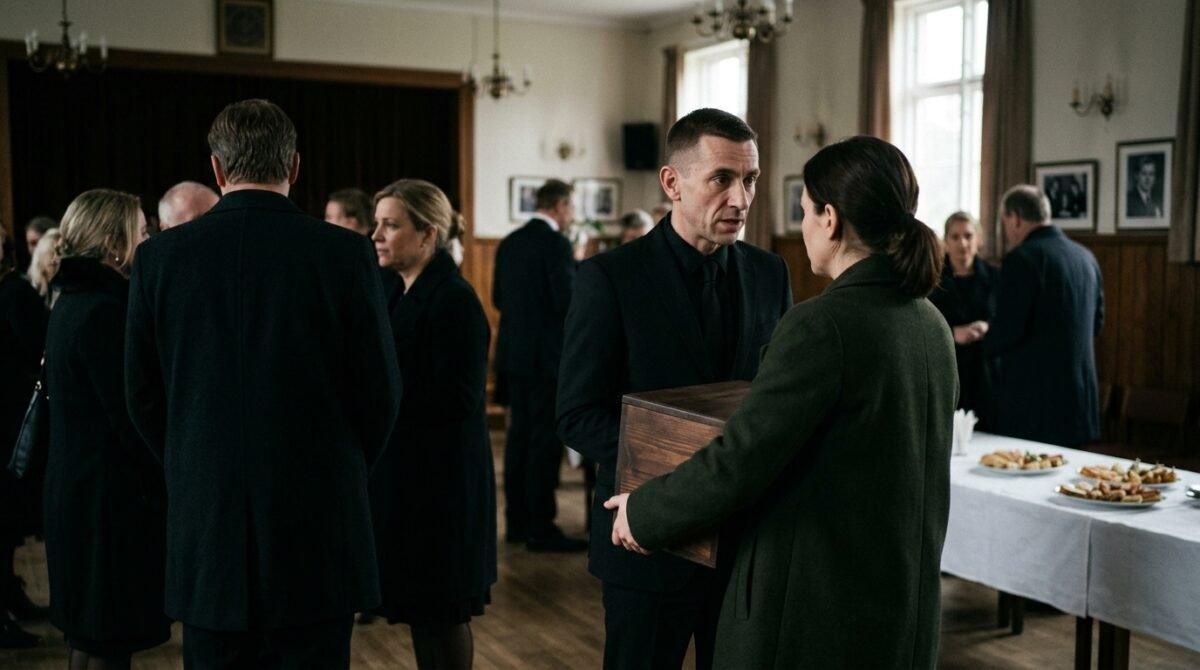
He approached me near the refreshments table, his smile tight and his eyes darting toward the small velvet box I had brought to the house to keep safe. ‘We should talk about the distribution,’ he whispered, his tone far too casual for a room filled with flowers and tears. ‘I know she left the jewelry to you, but legally, we’re equal heirs. I’m expecting my half by the end of the week.’ I didn’t even look at him. I just took a sip of water and walked away, knowing that the battle lines had been drawn in the sand.
The Probate Office Standoff

The meeting with the estate attorney was supposed to be a formality, a way to settle the remaining assets and honor the will. I arrived early, sitting in the quiet office, listening to the ticking of a clock that seemed to mark the seconds until the inevitable explosion. Julian arrived ten minutes late, bringing with him a sense of entitlement that filled the small room. He wasn’t there to listen to the attorney; he was there to negotiate like he was buying a used car.
The attorney, a stern woman named Ms. Gable, laid out the documents. Grandmother had left the house to the estate, the car to be sold, and the jewelry to me specifically, citing my care during her final years. The mention of the jewelry caused Julian to physically lean forward, his knuckles turning white as he gripped the armrests of his chair. He interrupted the attorney before she could finish reading the distribution clause.
“That’s preposterous. A jewelry collection of that size is a significant asset. It’s a violation of family fairness for one person to hoard it all. I want a professional appraisal and an even split, or we go to court.”
— Julian during the probate meeting
I looked at the attorney, then back at Julian. The room felt suddenly small, suffocating with his greed. I remembered the nights I stayed up until 3:00 AM researching medication interactions or just listening to my grandmother talk about the history of each piece in that box. He hadn’t contributed a single minute to that history. He was a stranger to her final years, yet he felt comfortable demanding the fruit of her legacy.
I spoke firmly, my voice steady despite the adrenaline surging through my veins. I explained that this was not about the market value of the gold or the rarity of the gemstones. I explained that these items were bequeathed based on a specific, stated desire by the deceased to keep them with someone who actually cared about their preservation and sentiment. I told him he had no moral standing to make such a demand.
The attorney looked at me, then at the documents, and confirmed that the will was ironclad. Unless there was evidence of coercion—which there wasn’t—the jewelry was legally mine. Julian turned bright red, his jaw twitching. He stood up, knocking his chair back against the wall, and pointed a finger at me. ‘You’re stealing from this family,’ he spat. ‘You’re a gold-digging opportunist.’ I just sat there, waiting for him to leave, feeling a strange sense of relief that the legal truth was on my side.
The Digital Campaign of Harassment
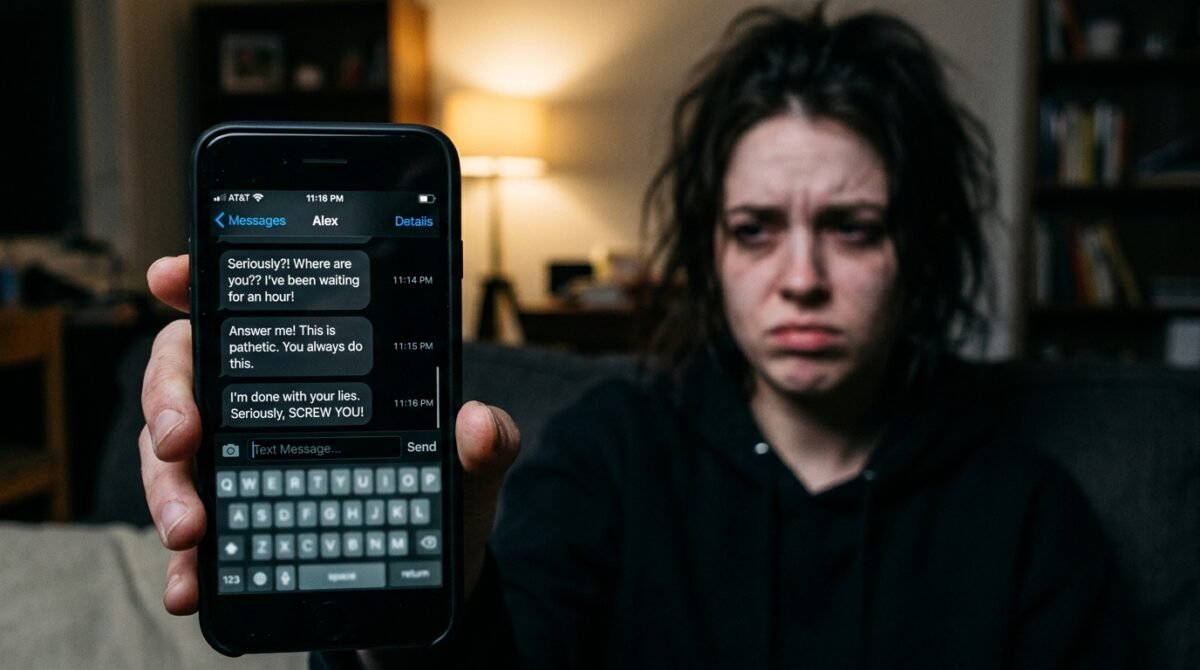
When the legal route failed, Julian turned to the digital arena. Within forty-eight hours of the probate meeting, my phone was blowing up with messages from various family members who had only heard ‘his side’ of the story. He had created a narrative where I had ‘manipulated a dying woman’ into changing her will, painting me as a villainous relative who had effectively stolen his inheritance. The smear campaign was swift and brutal.
My aunt, who hadn’t spoken to me in years, chimed in, claiming she felt ‘betrayed’ by my actions. The group chat, which had been dormant for months, became a cesspool of accusations and demands. I watched as the messages scrolled by, each one more venomous than the last, questioning my character and my motives. It was exhausting, a constant barrage of guilt-tripping designed to break my resolve and force me into submission.
“How could you be so selfish? Julian is hurting. He just wants what is rightfully his. Are you really going to let a piece of jewelry destroy our family? Just give him the pearls and we can all move on. You’re being a brat.”
— Message from Aunt Sarah in the family group chat
I decided to respond, not with apologies, but with facts. I took screenshots of the dates I had sent messages to Julian, asking for his help, and I detailed the months of medical bills I had paid out of pocket, which I had never asked for reimbursement for. I didn’t frame it as a ‘receipt battle,’ but as a clear-eyed account of the reality he had chosen to ignore. The silence that followed my response was deafening.
He wasn’t finished, though. He started posting cryptic statuses on his public profile, referencing ‘thieves’ and ‘family snakes’ and ‘people who take advantage of the elderly.’ It was all very dramatic and incredibly immature. Friends of his, who didn’t know the full story, started commenting with supportive emojis and condemnations of my character. It felt like I was being tried in a court of public opinion by people who didn’t even know what color my grandmother’s eyes were.
Despite the digital noise, I held my ground. I deactivated my social media accounts for a few weeks to protect my peace. I realized that responding to his vitriol was only feeding his need for attention and validation. The more I stayed silent, the more he seemed to ramp up his antics, eventually looking desperate to anyone with even a shred of common sense. I was done playing his game, and I refused to let his digital tantrums dictate how I honored my grandmother’s memory.
The Unexpected Midnight Visit
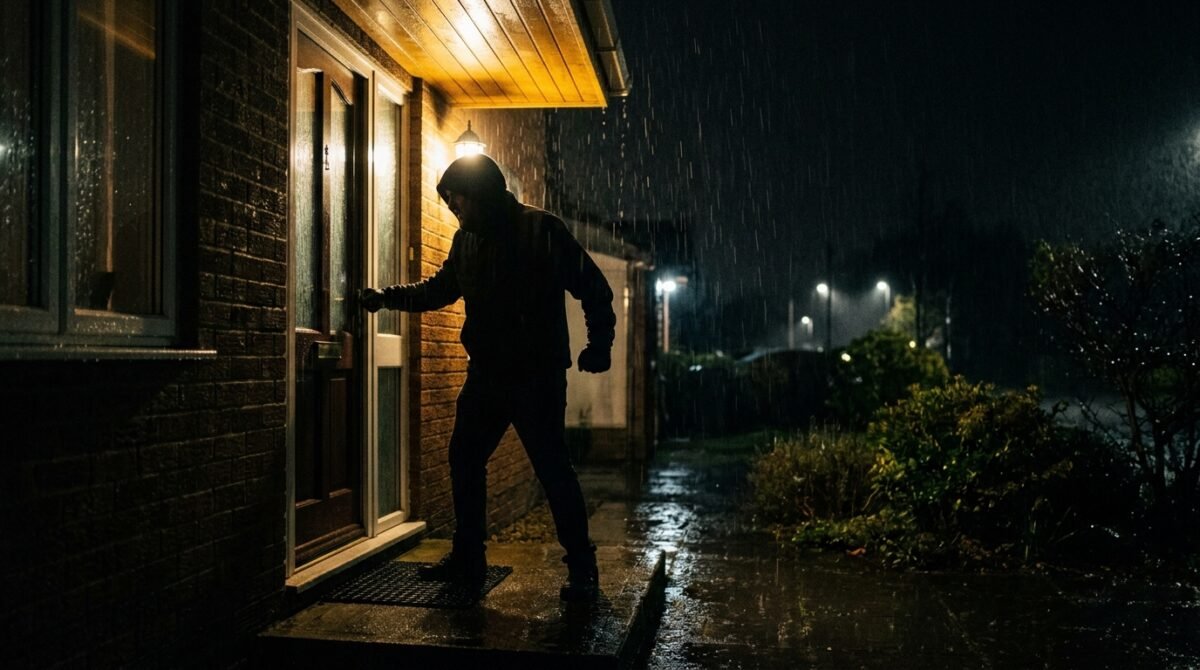
The escalation reached a breaking point on a Tuesday night. I was at home, finally starting to process the grief now that the legal and social drama had quieted down, when I heard a heavy pounding at my front door. It was well past 11:00 PM. I looked through the peephole and saw Julian, looking disheveled and smelling faintly of alcohol. My heart hammered against my ribs, not out of fear for my safety, but out of absolute fury at his lack of boundaries.
I opened the door, but kept the security chain engaged. I didn’t invite him in. He looked at me with bloodshot eyes, demanding to be let in so we could ‘finish this.’ He claimed he was just ‘being reasonable’ and that he couldn’t sleep because of the ‘theft’ I had committed. It was a bizarre, surreal encounter that felt more like a scene from a bad thriller than real life. He was insistent, his voice rising in volume, waking up my neighbors.
“I know you have it in here. I can see the box on the table from here! Just hand it over, and I promise I’ll leave. We’re family, we shouldn’t be doing this! You’re making me act like a maniac, but this is your fault!”
— Julian, shouting from the doorstep
I told him to leave, or I would call the police. I didn’t raise my voice; I kept it cold and clipped. ‘Julian, you haven’t been in this house in three years. You haven’t cared about anything in this house for five. You are not a guest, and you are definitely not entitled to anything here. If you don’t leave my property right now, I am going to call the police and file a restraining order for harassment.’ He looked at me, stunned that I wasn’t cowering or apologizing.
He lingered for a few more minutes, muttering curses and calling me names, but eventually, the threat of legal consequences sobered him up enough to retreat. I watched from the window as he stumbled to his car and drove off, his taillights fading into the darkness. I locked the door, feeling the weight of the moment. It was the last time he would ever be welcome near my home. I spent the rest of the night sitting in the living room, the jewelry box on my lap, ensuring that no one could ever touch it again.
The next morning, I contacted my lawyer to initiate a formal cease-and-desist letter. I realized that my desire for ‘keeping the peace’ was only enabling his boundary-crossing behavior. If I wanted to protect what was mine, and more importantly, protect the memory of my grandmother from his toxicity, I had to be willing to be the ‘villain’ in his story. And honestly? I was perfectly fine with that. He had lost his right to be part of this legacy the moment he walked away from her while she was still breathing.
The Community Weighs In: The Reddit Verdict

When I finally posted my story on a popular forum, I expected some backlash. I expected people to argue about the ‘fairness’ of bloodline inheritance or the ‘social contract’ of family duties. What I got instead was an overwhelming wave of support that validated everything I had felt throughout the entire ordeal. People shared their own stories of inheritance disputes, and the common thread was always the same: inheritance is not a right, it is a reflection of a relationship.
The comment section became a place for people to process their own grief and frustration with toxic family members. One comment, in particular, resonated with me so deeply that I saved it as a reminder of why I did what I did. It helped me realize that the guilt I was feeling was not mine to carry; it was the result of societal conditioning that says we must sacrifice our boundaries to keep the peace with blood relatives, regardless of how they treat us.
“Inheritance is not just money or objects; it is a parting gift of love. If your cousin didn’t invest in the relationship while she was alive, he has no equity in the estate. You are the custodian of her memory, not the keeper of a bank vault for entitled relatives. NTA. Do not give him a single cent, let alone a piece of her jewelry.”
— u/FamilyBoundariesReal, 24.3k upvotes
Others brought up the legal aspects, confirming that my decision to hold the line was not only morally correct but legally sound. They warned me about the ‘extinction burst’—the phenomenon where a person escalates their bad behavior when they realize their usual tactics of manipulation are no longer working. It was helpful to know that what I was experiencing was a predictable psychological pattern, not a failing on my part.
Some commenters shared their own regrets about caving into family pressure, noting how it only emboldened the entitled relatives to demand more in the future. ‘The more you give, the more they take,’ one wrote. ‘If you give him one item, he will come back for the house, the furniture, and anything else he can get his hands on.’ That advice was invaluable. It reaffirmed my commitment to ‘No Contact’ and the absolute preservation of the estate as it was intended.
Reading the comments felt like being part of a larger conversation about integrity. It was empowering to see that I wasn’t alone, that there were thousands of others who had faced similar situations and chosen the path of self-respect over the path of appeasement. The community’s support turned my sense of isolation into a sense of purpose. I was no longer just protecting a box of jewelry; I was protecting a boundary that was crucial to my own mental health and the honor of my grandmother’s legacy.
The Finality of Legal Action
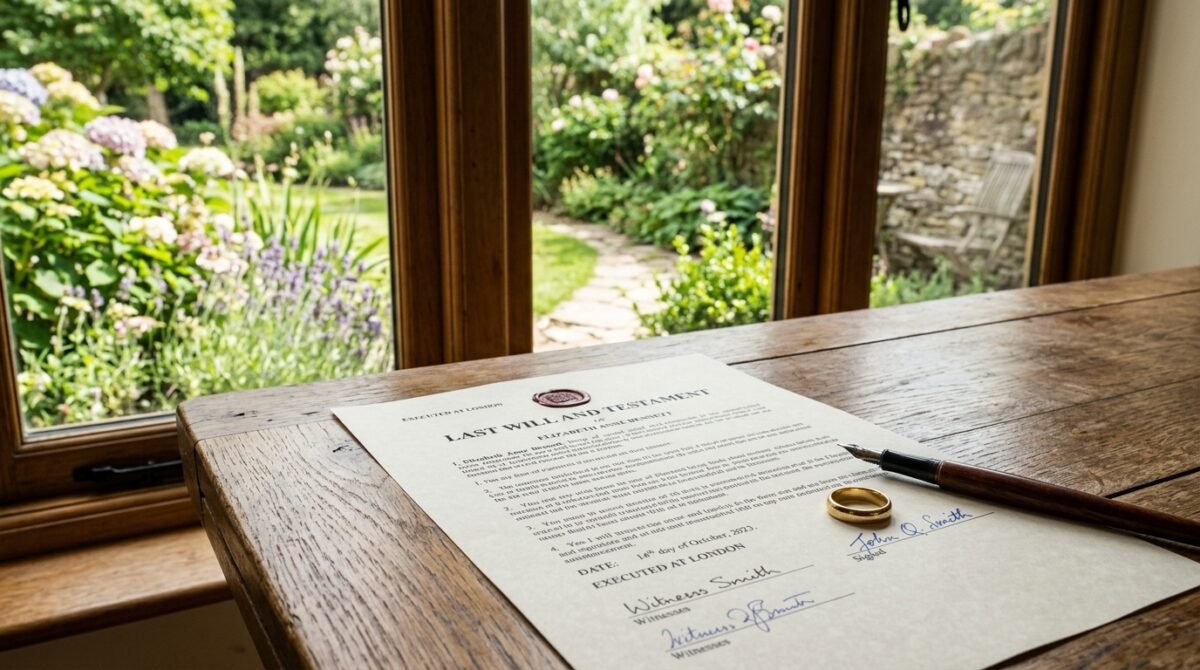
The cease-and-desist letter arrived at Julian’s doorstep three days later, and the transformation in his behavior was immediate. The messages stopped. The social media posts about ‘thieves’ vanished into the ether. It was as if the legal weight of a formal warning acted as an anchor, pulling him back to reality. It was a stark reminder of how these types of people operate; they are often bullies who only respect the force of law or a consequence they cannot talk their way out of.
My lawyer advised me to document everything—every interaction, every phone call, every text message—in a ledger. We created a timeline, noting the dates of his absences and the dates of his demands. It became a clear piece of evidence that could be used in any future litigation, though we hoped it would never come to that. The structure of the process provided me with a sense of control that I had been missing for so long.
I felt a strange sense of mourning as I finalized the paperwork. It wasn’t mourning for Julian, but for the family dynamic I had lost. I realized that the family I thought I had—a cohesive unit that supported one another through thick and thin—was largely an illusion, or at least one that didn’t apply to this side of the family. Closing the door on that expectation was painful, but it was also freeing.
I spent an afternoon sitting in my garden, the same one my grandmother loved so much. I brought the jewelry box out with me, opening it for the first time in weeks without the anxiety of a confrontation. I held the sapphire ring, feeling the cold weight of the stone, and I remembered her. I didn’t think about the lawyers, the texts, or the threats. I just thought about her smile and the way she would have supported my decision to stand up for myself.
The resolution of the legal side allowed me to finally breathe. I had successfully defended the legacy of a woman who had given me everything, and I had done it while maintaining my own dignity. The jewelry stayed in my possession, exactly where she wanted it to be. The drama, while exhausting, had clarified my values and taught me that I am capable of defending what matters, even when it is uncomfortable or unpopular.
Reflecting on the True Meaning of Inheritance
Inheritance is often viewed as a financial windfall, but in the case of my grandmother’s estate, it was a test of character. When we strip away the market value of the assets, we are left with the essence of the person who owned them. By demanding a split, Julian was effectively trying to monetize a relationship he hadn’t bothered to maintain. He saw the jewelry as a commodity, while I saw it as a responsibility.
I’ve spent a lot of time reflecting on why this hit me so hard. It wasn’t just the greed; it was the lack of remorse. If he had come to me, acknowledged his absence, and asked if he could have a small token to remember her by, I might have felt differently. I might have even offered him one of the pieces. But he didn’t do that. He arrived with a demand, a sense of entitlement, and a complete disregard for the pain I had endured while caring for her.
This experience has changed how I view ‘family obligations.’ I no longer believe that biology is a blank check for access to my life or my resources. I believe that relationships, especially family ones, must be reciprocal. If you want the rewards of the bond, you must be willing to endure the trials of the bond. If you walk away when things get difficult, you surrender your claim to the rewards that follow.
I think of my grandmother now not as a source of assets, but as a source of wisdom. She chose to leave the jewelry to me not because I was her favorite, but because I was the one who showed up. She understood that trust is earned through presence, not through blood. I am honored to be the one to carry her stories forward, and I will continue to be the guardian of those memories, regardless of what anyone else thinks.
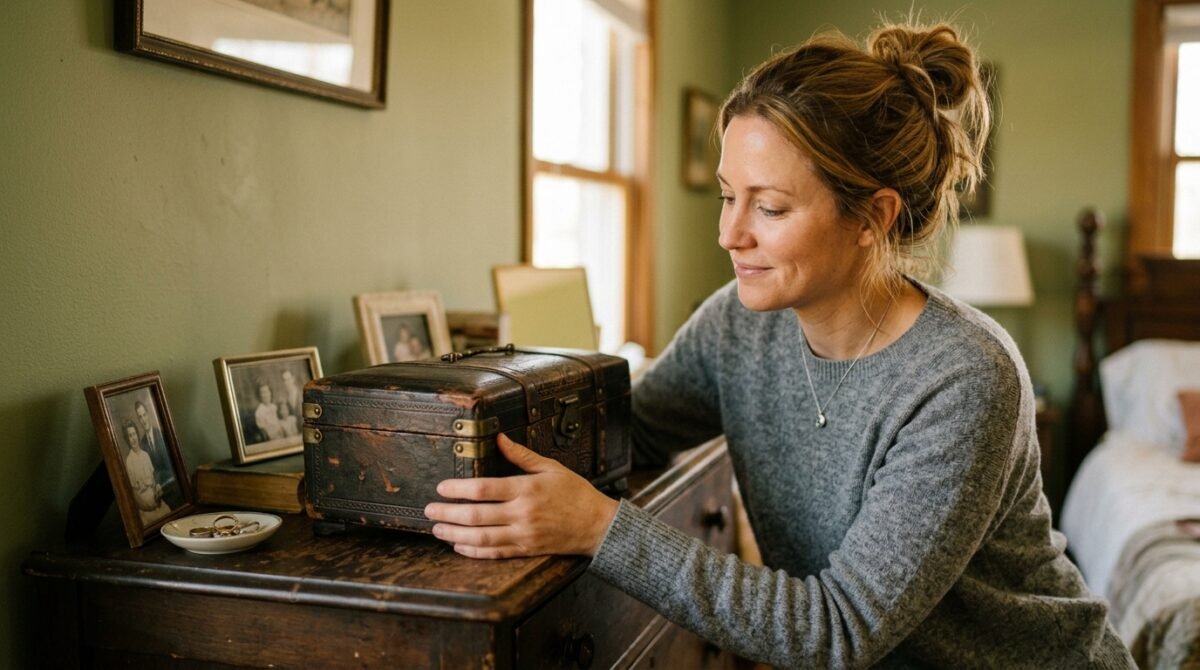
The jewelry box now sits on my dresser, a daily reminder of her life and the strength I found in defending it. I don’t see the gold or the stones anymore; I see the time we spent together, the laughter we shared, and the quiet dignity of her passing. I have made peace with the estrangement from my cousin. It is a small price to pay for the preservation of my integrity and the fulfillment of a promise made to someone I loved dearly.
Setting Boundaries for the Future

Moving forward, I have a much clearer understanding of how to handle toxic dynamics. The experience with Julian taught me that boundaries are not just suggestions; they are necessary for survival. I have implemented a ‘zero-tolerance’ policy for anyone who attempts to guilt-trip me or manipulate my resources. Life is too short to be spent managing the expectations of people who do not have my best interests at heart.
I have become much more assertive in other areas of my life, as well. I’ve learned to say ‘no’ without feeling the need to provide an exhaustive list of reasons. I’ve learned that I don’t owe anyone an explanation for how I choose to spend my time, my money, or my emotional energy. The confidence I gained from this ordeal has bled into my professional and personal life, and I am all the better for it.
I still receive updates from family members about what Julian is doing, but I treat them as background noise. I don’t engage, I don’t ask for more information, and I certainly don’t offer any of my own. I have chosen to cultivate a chosen family of people who support me, respect my boundaries, and understand the importance of reciprocity. It is a much healthier and more fulfilling way to live.
The jewelry box is no longer just a source of conflict; it is a symbol of my independence. I plan to pass it down to someone who truly understands the value of the pieces inside, someone who will cherish them for the stories they tell rather than the money they could bring. I will make sure the next generation understands that these items are symbols of love, not just assets to be liquidated.
I am at peace with my decision. I look back on those months of stress and heartache and see them as a crucible. I was forged into someone stronger, someone who knows their worth and is not afraid to defend it. I hope my story encourages others to stand up for their own boundaries, even when it is difficult, and to remember that you are the architect of your own legacy.
The Lessons Learned in the Aftermath

Looking back, the most important lesson I learned is that grief is individual, but entitlement is communal. People who are entitled will always find a way to make someone else’s grief about their own needs. Recognizing this early on is key to protecting yourself from being sucked into their orbit. I had to learn the hard way that you cannot reason with someone whose primary motivation is greed.
I also learned the importance of having a support system that isn’t afraid to tell you the truth. My friends were the ones who kept me grounded when the family drama threatened to overwhelm me. They reminded me of who I was and why I was taking the stand I was. I owe a lot of my sanity to them, and I’ve made sure to prioritize those relationships in the aftermath.
I’ve also come to appreciate the power of silence. In a world that demands constant engagement, choosing not to respond to toxic behavior is one of the most powerful tools you have. It denies the other person the attention they are seeking and allows you to maintain your focus on your own healing and well-being. It is a lesson I will carry with me for the rest of my life.
Finally, I’ve learned that it is okay to be the ‘bad guy’ if it means doing the right thing. Society often pressures us to prioritize family harmony over individual justice, but that is a false dichotomy. You can be a kind, compassionate person and still refuse to be exploited. In fact, I would argue that true kindness requires us to set boundaries, both for ourselves and for those who would take advantage of us.
I am grateful for the journey, even the difficult parts. It taught me things about myself that I wouldn’t have discovered otherwise. I am more resilient, more assertive, and more aware of the importance of living a life that is true to my own values. I have honored my grandmother in the best way possible: by living a life that reflects the love and integrity she taught me.
Moving Forward: A New Chapter

Today, the atmosphere in my home is quiet and filled with peace. The shadows of the past have receded, and I am focused on the future. I have started a new project, documenting the histories of the items in my grandmother’s jewelry box, writing down the stories she told me so they can be passed on to the next generation. It is a way of honoring her legacy that is proactive and positive.
I have also begun to mend the relationships with other family members who were swept up in the drama. I have reached out, one by one, to explain my side of the story, not to demand they pick sides, but to offer clarity. Some have been understanding, while others remain distant. I accept this, knowing that I have done all I can to be honest and transparent. The rest is up to them.
I find joy in the little things now: the way the light hits the garden in the morning, the satisfaction of a day’s work, and the knowledge that I am living a life that is my own. I have reclaimed my agency and my peace of mind, and that is worth more than any jewelry collection in the world.
I often think about what I would tell someone in a similar situation. My advice would be to trust your instincts, get legal advice if needed, and never be afraid to set a boundary. You are the only person who can protect your own happiness, and you owe it to yourself to do so. The drama will pass, but the strength you gain from standing up for yourself will last a lifetime.
I am moving forward with a heart full of memories and a spirit that is unburdened. I have learned to let go of the need for approval from people who don’t deserve it, and I have embraced the freedom that comes with living an authentic life. My grandmother would be proud of the woman I have become, and that is the only inheritance that truly matters.
Conclusion
The story of the inherited jewelry box is, at its core, a story about the intersection of love and duty. It is a reminder that inheritance is not just a transfer of wealth, but a transfer of trust. When we receive something from a loved one, we are also receiving a piece of their life, and it is our responsibility to honor that by living in a way that reflects their values.
I chose to stand up for my grandmother’s wishes, not because I wanted to hold onto things, but because I wanted to hold onto the truth of our relationship. My cousin’s entitlement was a direct affront to the bond we shared, and I could not allow that to go unchecked. I have no regrets about the path I chose, and I am grateful for the lessons I learned along the way.
What about you? Have you ever had to draw a hard line with family regarding an inheritance or a shared legacy? How did you navigate the pressure to ‘keep the peace’ against your own sense of what was right? Let’s discuss in the comments below.
What's your verdict on this dilemma?
Vote below to contribute to the official community consensus.

Have a Dilemma Keeping You Up at Night?
Share your real-life feud, wedding chaos, or relationship crossroads anonymously with our editorial team.
What do you think ?
0 Comments🛡️ Comments are moderated to protect community integrity. Your comment will appear once approved by the editorial team.