

We all have that one family member who treats our time like a limitless commodity. For me, that was my sister-in-law, Clara. For years, I had been the reliable, ‘go-to’ aunt, the one who would cancel plans, skip workouts, and rearrange my entire work-from-home schedule just to ensure her kids were taken care of whenever she had a ‘crisis.’ It was a role I played out of love, or perhaps out of a misguided sense of familial obligation that I hadn’t yet learned to question.
The dynamic was always the same: a frantic, last-minute text, followed by an emotional appeal about how she had ‘nobody else to turn to.’ I was the safe harbor, the person who didn’t charge, didn’t complain, and didn’t ask questions. But as the months dragged on, the requests shifted from genuine emergencies to mere inconveniences for her, and the toll it took on my mental health became impossible to ignore.
The breaking point wasn’t a shouting match or a dramatic confrontation in a crowded room. It was a single, sun-drenched photograph on Instagram that shattered the illusion of her desperation. It was a Tuesday afternoon, a day she had claimed was the most stressful workday of her life, and yet, there she was, tagged in a serene, eucalyptus-scented sanctuary, sipping cucumber water while I was scrambling to feed her toddlers.
This story is about the moment I stopped being the family doormat and started reclaiming my own life. It is a tale of realization, the gut-wrenching guilt that follows setting a boundary, and the inevitable family fallout that occurs when you finally tell a selfish person ‘no.’ The following account details the sequence of events that led to my decision, the explosive aftermath, and the quiet, hard-won peace I found on the other side.
The Tuesday Afternoon SOS
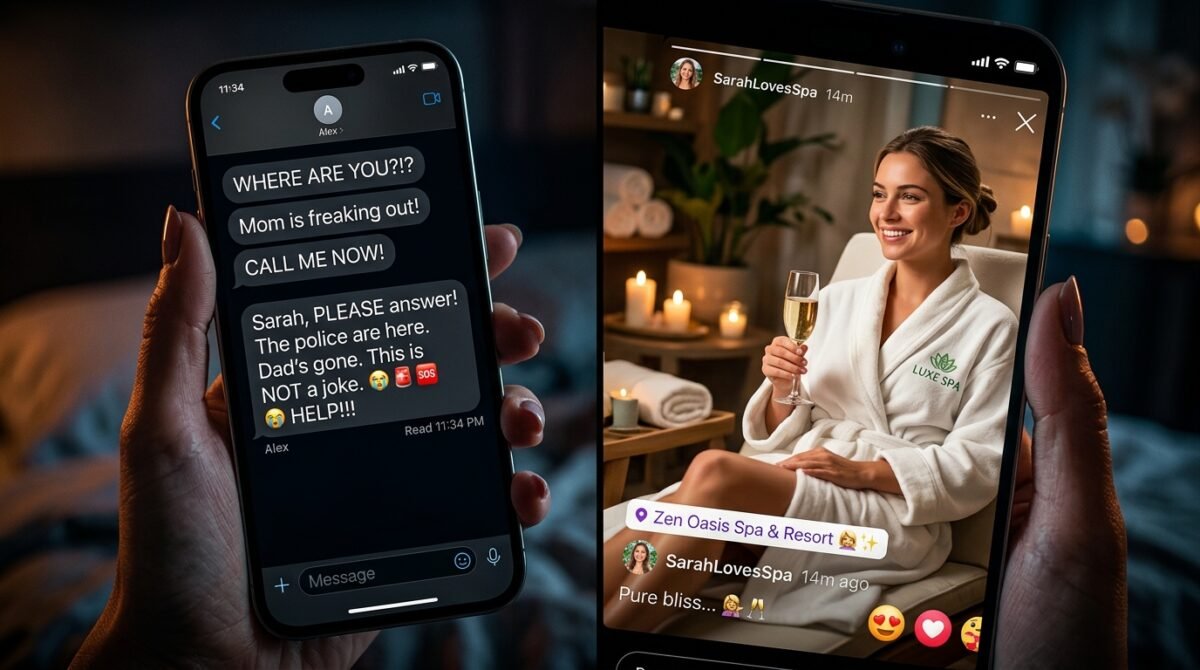
It was 1:45 PM on a Tuesday, the exact moment I was settling into a deep-focus block for a major project deadline. My phone buzzed aggressively against the mahogany desk, vibrating with the tell-tale rapid-fire pattern of Clara’s texts. I already felt the familiar tightening in my chest, a Pavlovian response to the inevitable request for help.
I unlocked the screen to see a string of messages that read like a soap opera script. She was claiming a sudden pipe burst in her kitchen, a plumber who wouldn’t be there until 6:00 PM, and a mandatory client meeting that she ‘couldn’t possibly miss.’ The language was designed to trigger my guilt: ‘I have no one else,’ ‘Please, you’re the only one who truly cares about the kids,’ and the kicker—the mention of how she was ‘spiraling’ because of the stress.
“I am literally sitting on my floor crying right now. The water is everywhere and I have to be downtown in an hour. Can you please, please pick up Jax and Chloe? I wouldn’t ask if I wasn’t at my absolute breaking point.”
— Text from Clara
I looked at my computer screen, then at the clock. My deadline was at 5:00 PM. I had a team call in ten minutes. I sighed, feeling the familiar weight of the ‘good sister-in-law’ mantle. I started typing a reply, ready to sacrifice my afternoon, when a notification popped up from Instagram. It was a story update, and out of habit, I clicked it.
There was Clara, wearing a fluffy white bathrobe, her face covered in a green clay mask, reclined on a chaise lounge in the dimly lit relaxation room of the city’s most expensive day spa. The timestamp was two minutes ago. The caption read, ‘Mid-week mental health day! Needed this break more than anything. #PamperTime #SpaLife.’
The silence in my office was deafening. I felt a cold wave of realization wash over me. The ‘burst pipes’ and ‘client meetings’ were a mirage, a calculated play to secure free childcare while she sought a few hours of quiet bliss. I stared at the screen, the image of her relaxed, cucumber-eyed face burning into my mind as my phone continued to ping with her ‘urgent’ pleas for assistance.
The Moment of Quiet Clarity

I didn’t immediately reply. I sat there for ten minutes, watching the cursor blink on my document. The anger hadn’t fully materialized yet; it was replaced by a strange, hollow sense of clarity. For three years, I had been operating under the assumption that Clara was struggling, that she was a single mother fighting against the current, and that I was the necessary buoy keeping her afloat.
I looked back at our chat history. It was a graveyard of excuses. Every time I had plans—a concert, a date, a quiet Sunday morning—a ‘catastrophe’ would manifest. I had missed my own anniversary dinner because she ‘suddenly’ needed a last-minute sitter for a work emergency that I later realized was a happy hour with friends. I had been paying the ‘clueless aunt’ tax for years, and I was finally looking at the receipt.
The most painful part wasn’t the deception itself; it was the realization of how little she respected me. She didn’t view me as a person with a career, a social life, or needs of my own. She viewed me as an extension of her own household management, a resource to be tapped into whenever she felt like dodging her responsibilities. The betrayal wasn’t the spa visit—it was the years of manipulation that led up to it.
I realized that if I said ‘yes’ again, I was actively participating in my own exploitation. I was teaching her that my time had no value and that I was always available to be discarded when something ‘better’ came along. The decision to stop wasn’t just about this one afternoon; it was about reclaiming the agency I had surrendered to a woman who didn’t even have the decency to lie well.
I took a screenshot of her story. I didn’t want to be accused of imagining things. Then, I closed the app, took a deep breath, and began to draft a response. It wasn’t angry, and it wasn’t pleading. It was cold, firm, and final. I knew that once I hit send, the dynamic between us would be irrevocably altered, but I found I didn’t care.
The Text That Ended the Arrangement
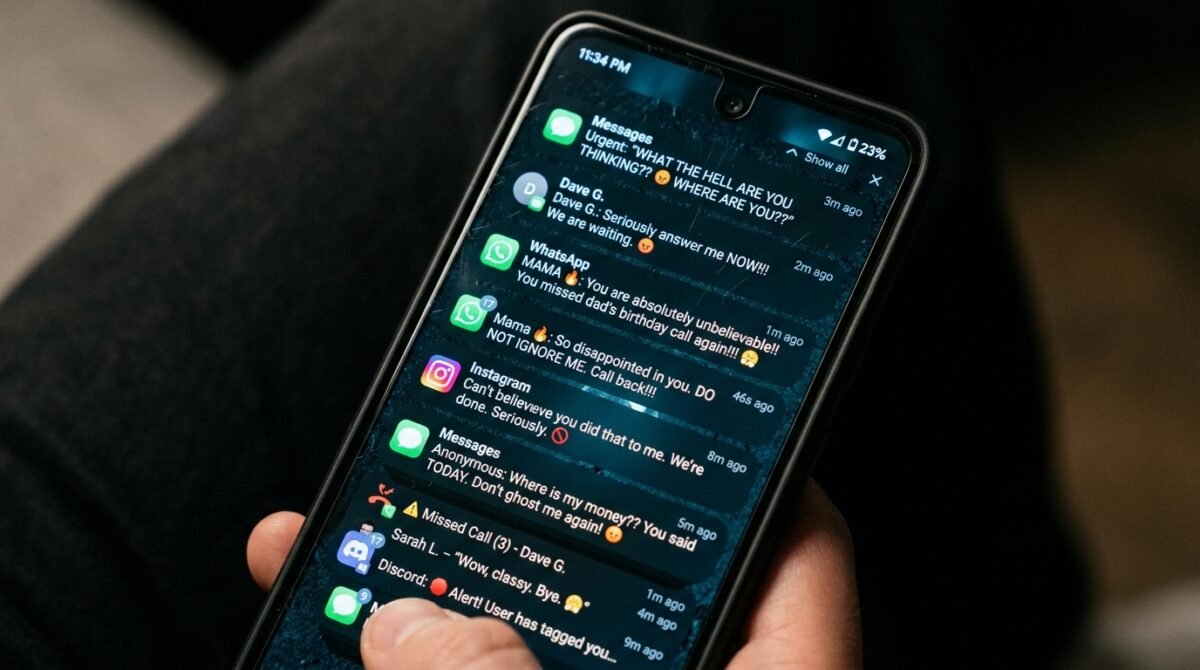
I kept my response professional and detached. I didn’t want to give her the satisfaction of a dramatic scene, nor did I want to engage in the inevitable gaslighting that would follow if I started a fight. I simply stated that I was unable to help and wished her luck with her ‘pipes.’ I also decided to include the screenshot, just to remove any room for doubt.
“Clara, I won’t be able to pick up the kids today. I have a major deadline. I also saw your Instagram story. If you’re at the spa, you clearly have the time to manage your own schedule. Please stop asking me for help under the guise of emergencies.”
— My text response to Clara
The response was almost instantaneous. The little ‘typing’ bubbles appeared and disappeared, reappearing again and again. She was clearly drafting a manifesto. I put my phone on ‘Do Not Disturb’ and forced myself to focus on my work. For the first time in my life, I finished my project ahead of schedule, feeling a surge of adrenaline that was entirely unrelated to stress.
When I finally checked my phone an hour later, the vitriol was astounding. There were fourteen missed calls and a wall of text messages. She started with confusion, moved to defensive anger, and finally settled into full-blown victimhood. She claimed the spa visit was a ‘business networking’ event, which was an absurdity that I almost laughed at.
She accused me of stalking her social media, of being ‘jealous’ of her brief moments of peace, and of being a ‘terrible sister-in-law’ who didn’t care about the welfare of her nieces and nephews. It was a masterclass in deflection. She ignored the fact that she had lied about an emergency; instead, she focused entirely on my ‘unacceptable’ behavior of checking her Instagram.
I didn’t respond to a single one of the messages. I knew that if I entered the arena, she would win by dragging me down to her level of petty, irrational combat. By refusing to engage, I was denying her the fuel she needed to keep the fire burning. It was the most liberating feeling I had experienced in years.
The Fallout at the Family Dinner
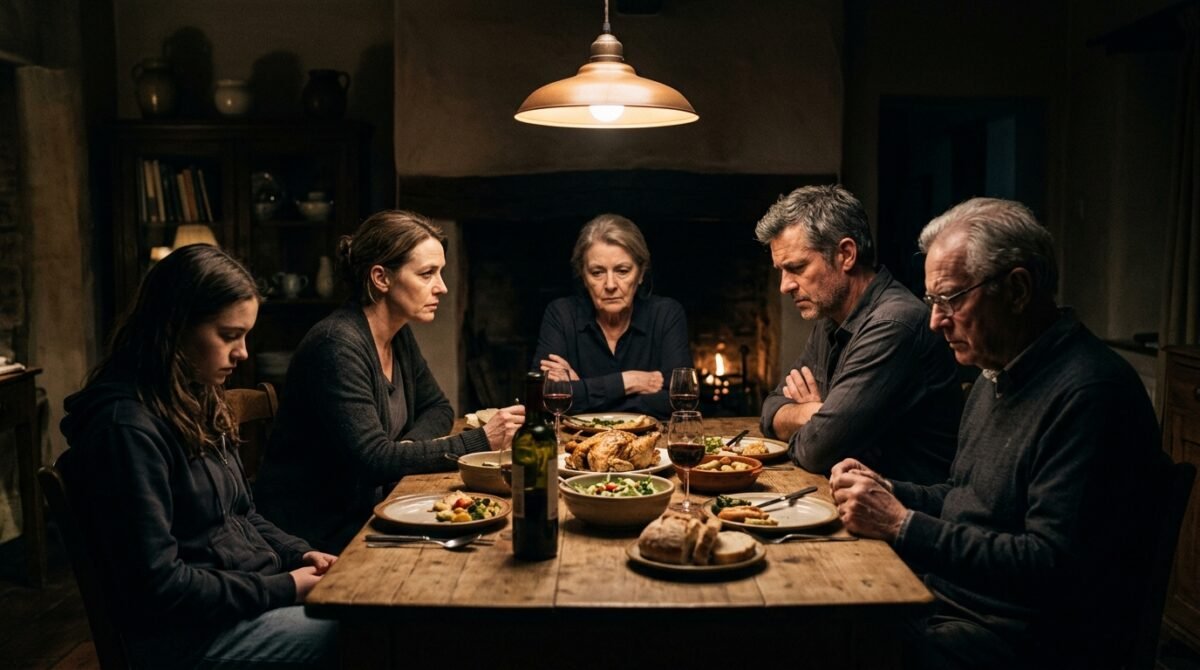
The true storm arrived on Sunday. We were scheduled for our monthly family dinner at my in-laws’ house. I knew before I walked through the front door that I was going to be the main topic of conversation. The tension in the living room was palpable; my mother-in-law, Susan, wouldn’t look me in the eye, and Clara was sitting on the sofa, clutching a glass of wine with white-knuckled intensity.
The conversation started with the usual pleasantries, but beneath the surface, there was a jagged edge. Clara had clearly been talking, painting herself as the aggrieved party who was abandoned by a ‘cruel’ aunt. I sat there, listening to the small talk, waiting for the inevitable accusation. It didn’t take long.
“I just think it’s sad that some people in this family would rather play detective on social media than help a mother in need when she’s at her absolute limit.”
— Clara, speaking at the dinner table
The table went silent. My husband, Mark, looked between us, his face a mask of confusion and mounting dread. I finally spoke, my voice steady and clear. I didn’t raise it, nor did I look at the floor. I looked directly at Clara, who seemed almost startled by my composure.
I explained the timeline, the ’emergency’ texts, and the spa photo. I didn’t apologize. I simply laid out the facts. I explained that I wasn’t upset that she wanted to go to a spa, but I was done being the person who was lied to so she could indulge in luxuries while I worked to support her. The reaction of the table was mixed, but the look on my father-in-law’s face was one of dawning realization.
Clara tried to interrupt, to pivot back to her ‘networking’ excuse, but she was losing steam. The weight of the truth was heavy in the room. Mark, who had been silent, finally spoke up, saying that he had been wondering why I was so stressed lately and that he agreed my boundaries had been consistently trampled. The tide of the room was shifting.
Reddit Weighs In: The Verdict of the Internet
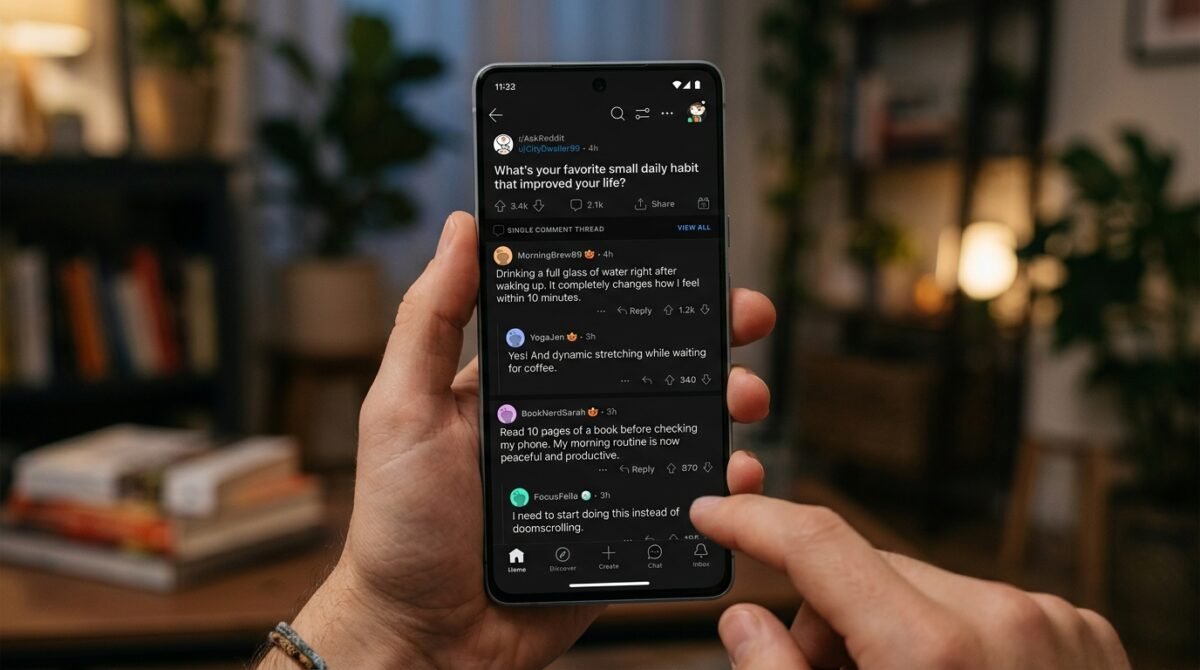
I took the situation to Reddit, needing an outside perspective to make sure I wasn’t losing my mind. The response was overwhelming. Within three hours, the post hit the front page. Thousands of people shared their own stories of being ‘the reliable one’ and the burnout that inevitably followed. It was comforting to know that I wasn’t alone in this specific type of family dynamic.
“NTA. The audacity to claim an emergency while lounging in a robe and cucumber mask is a level of gaslighting that deserves an award. You are not a free childcare service, and you are definitely not a doormat. Keep the boundary firm!”
— u/BoundariesQueen (Top Comment, 32.1k upvotes)
There were, of course, the dissenters. Some argued that families should just ‘help each other out’ regardless of the circumstances, claiming that being a good family member meant sacrificing your own comfort for theirs. But the vast majority of the community was firmly on my side, identifying the ‘weaponized incompetence’ that Clara had been employing against me for years.
“The moment she lied to you, the ‘family’ excuse went out the window. Family is a two-way street. If she treats you like an employee she doesn’t have to pay, she’s not acting like family, she’s acting like an entitled client. Don’t feel guilty for firing your most difficult customer.”
— u/RealTalkExpert (15.2k upvotes)
Reading through these comments helped me solidify my stance. It was clear that the issue wasn’t my inability to be a ‘good’ relative, but rather Clara’s total disregard for my personal life. The validation from strangers—people with no stake in the family drama—was exactly what I needed to stop the creeping doubt that I had been too harsh.
I saved several of the most poignant comments to look at whenever I felt the urge to ‘fix’ things. The consensus was clear: I had given her ample opportunity to treat me with respect, and she had consistently chosen manipulation instead. The boundary wasn’t an act of aggression; it was an act of survival.
The Aftermath: Redefining the Relationship

In the weeks following the dinner, the relationship with Clara has been… distant. And honestly, it’s been the healthiest thing for me. We don’t speak unless it’s necessary, and the requests for favors have completely stopped. It’s almost as if she realized that her favorite tool in her kit was no longer functional, so she decided to find a new target.
I still see her at family events, but the dynamic is entirely changed. I no longer feel the need to fill the silences, and I definitely don’t feel the need to offer my services. She’s had to find other people to watch her kids—paid sitters, mostly, or perhaps other relatives who haven’t yet been burned by her specific brand of chaotic entitlement.
There were times when the guilt flared up, especially when I saw photos of her struggling with the kids on social media, but I practiced a simple mantra: ‘Not my circus, not my monkeys.’ It wasn’t my job to manage her life, and by stepping back, I was actually giving her the opportunity to learn how to manage it herself.
My relationship with the rest of the family has actually improved. By being firm, I showed everyone else that I have standards for how I am treated. People seem to respect me more now that I don’t just say ‘yes’ to everything. It turns out, when you stop being a servant, people stop treating you like one.
I’ve also started investing that extra time into my own goals. I’ve taken up a new hobby, focused more on my career, and spent more quality time with my husband. The stress that used to sit behind my eyes has dissipated, and I finally feel like I have room to breathe in my own life.
Lessons in Emotional Self-Preservation

If I could go back and tell my younger self anything, it would be this: ‘Your time is the most valuable resource you have, and you are allowed to protect it.’ I spent so many years thinking that ‘niceness’ was synonymous with ‘availability.’ I thought that being a good person meant being a martyr, but that is a dangerous fallacy that only leads to resentment.
I’ve learned that setting boundaries isn’t about being mean. It’s about communication and respect. By saying ‘no,’ I wasn’t attacking Clara; I was defining my own parameters for interaction. If she couldn’t respect those parameters, that was a reflection of her character, not mine. I have to remind myself of this every time a family member tries to guilt-trip me into ‘making up’ with her.
I’ve also realized how important it is to be aware of the ’emergency’ trap. Whenever someone uses the word ’emergency’ in a professional or personal setting, I now pause and evaluate the evidence. Is this truly an unavoidable catastrophe, or is it a sign of poor planning on their part? It’s a simple question, but it has saved me from countless hours of unnecessary stress.
I’ve learned to listen to my own instincts. That tightening in my chest when she texted? That was my body telling me something was wrong long before my brain caught up. I’ve started paying attention to those physical cues now. They are my early warning system, and they’ve yet to be wrong.
Finally, I’ve learned that the people who get angry when you set a boundary are the exact people who needed you to have one. Their anger is proof that the boundary was necessary and that they have been benefiting from your lack of one. When someone gets mad that you’re suddenly ‘unavailable,’ take it as a compliment—it means you’re finally doing something right.
The Persistent Pressure to ‘Make Peace’

Despite the improved boundaries, there is still the occasional family member—usually a well-meaning aunt or an overly diplomatic cousin—who tries to push me to ‘just let it go’ and ‘be the bigger person.’ They argue that family is blood, that we need to be together for the holidays, and that I’m being ‘unnecessarily stubborn’ by holding onto this grudge.
I’ve developed a standard response to these requests: ‘I’m not holding a grudge, I’m holding a boundary. I’m happy to be around Clara at family events, but I’m not going to be available for her personal errands.’ It usually shuts the conversation down, although I still get the occasional eye-roll or sigh of disappointment.
It’s fascinating to watch the different reactions. Some people genuinely don’t understand the concept of boundaries; they view family as a collective where individual needs are secondary to group harmony. Others, however, see exactly what I’ve done and are secretly relieved that someone finally stood up to her, even if they wouldn’t have the courage to do it themselves.
I don’t expect everyone to understand my position, and I’ve stopped trying to convince them. The truth of the situation is between me and Clara, and the evidence is in the history of our interactions. If other people want to be the ones to take over her childcare duties, they are more than welcome to do so. My spot is officially open.
I’ve found that by being unbothered by their opinions, I’ve actually gained more respect. I’m not defending my choice; I’m living it. There’s a certain power in quiet certainty that words can never match. I’m not ‘the angry sister-in-law’; I’m just the woman who knows what she’s worth.
Finding the Hidden Supporters

The most surprising thing about this whole ordeal has been the quiet messages I’ve received from other members of my extended family. People I haven’t spoken to in years reached out to tell me that they were proud of me, or that they had been on the receiving end of similar manipulation from Clara in the past.
It turns out, I wasn’t the only one; I was just the one who finally broke the cycle. There’s a sense of solidarity in these messages, a feeling that we’re all part of a larger, unspoken network of people who are tired of being taken for granted. Some of them even shared their own stories of ‘The Great Rebellion,’ where they had finally cut off an entitled relative.
These interactions have been deeply healing. They reminded me that my struggle was not a failure on my part, but a systemic issue within our family dynamic that Clara had been exploiting. Knowing that I’ve inspired others to look at their own boundaries has been a source of unexpected joy.
We’ve even started a small, private group chat where we share stories and support each other. It’s not about gossiping; it’s about validating the work we’ve done to reclaim our lives. It’s a community of survivors who have decided that ‘family’ doesn’t mean having to sacrifice your own happiness.
This support system has made the occasional coldness from Clara and her defenders much easier to bear. I have a team, even if it’s a quiet one. We’ve learned that you can love your family from a distance, and that distance is often necessary to keep the love alive.
Why ‘Being the Bigger Person’ Is a Trap

I think a lot of us are taught, from a very young age, to ‘be the bigger person.’ It’s a nice sentiment, but in practice, it’s often used to silence people who are being treated unfairly. It’s the ultimate tool for enablers—a way to pressure you into accepting mistreatment so that everyone else can remain comfortable and avoid conflict.
I realized that for years, I was ‘the bigger person’ right into the ground. I was so busy being big and magnanimous that I disappeared. I didn’t exist as an individual; I existed only as a service provider for the people who were ‘smaller’ than me—the ones who were allowed to throw tantrums, make demands, and act out, because someone else would always pick up the pieces.
Being the bigger person shouldn’t mean being a doormat. It should mean having the self-respect to refuse to be mistreated, and the maturity to walk away from toxic situations without needing a fight. It’s not about winning an argument; it’s about winning back your peace of mind.
I’ve redefined what it means to be ‘big.’ To me, it now means having the strength to stand by your convictions even when you’re being pressured by the people around you. It means knowing that you don’t owe anyone an explanation for your boundaries, and that your own needs are just as valid as anyone else’s.
I’m happy to be ‘the small person’ if it means I’m finally living my own life. I don’t need the validation of being the ‘good’ one anymore. I’d rather be the ‘happy’ one, the ‘healthy’ one, and the one who finally learned that the most important person to be good to is myself.
Conclusion
Looking back, the day I saw that spa photo feels like a lifetime ago. It was the moment the veil lifted, and I finally saw the reality of my situation for what it was. It wasn’t a tragedy; it was a wake-up call. I didn’t lose a sister-in-law; I gained a life of my own, free from the weight of expectations I never asked for and the guilt I was never responsible for carrying.
Boundaries are not walls; they are gates. They protect what is precious and allow you to decide who gets access to your time, your energy, and your heart. When you stop being a servant to the whims of others, you start being the architect of your own happiness. The fallout was difficult, yes, but it was the price of admission for a more authentic, peaceful existence.
I want to hear from you. Have you ever had a ‘spa photo moment’—a realization that someone you were helping was taking advantage of your kindness? How did you set your boundary, and what was the reaction? Share your stories in the comments below, and let’s keep this conversation about healthy family dynamics going. Remember, you are worthy of respect, and your ‘no’ is a complete sentence.
What's your verdict on this dilemma?
Vote below to contribute to the official community consensus.

Have a Dilemma Keeping You Up at Night?
Share your real-life feud, wedding chaos, or relationship crossroads anonymously with our editorial team.
What do you think ?
0 Comments🛡️ Comments are moderated to protect community integrity. Your comment will appear once approved by the editorial team.