
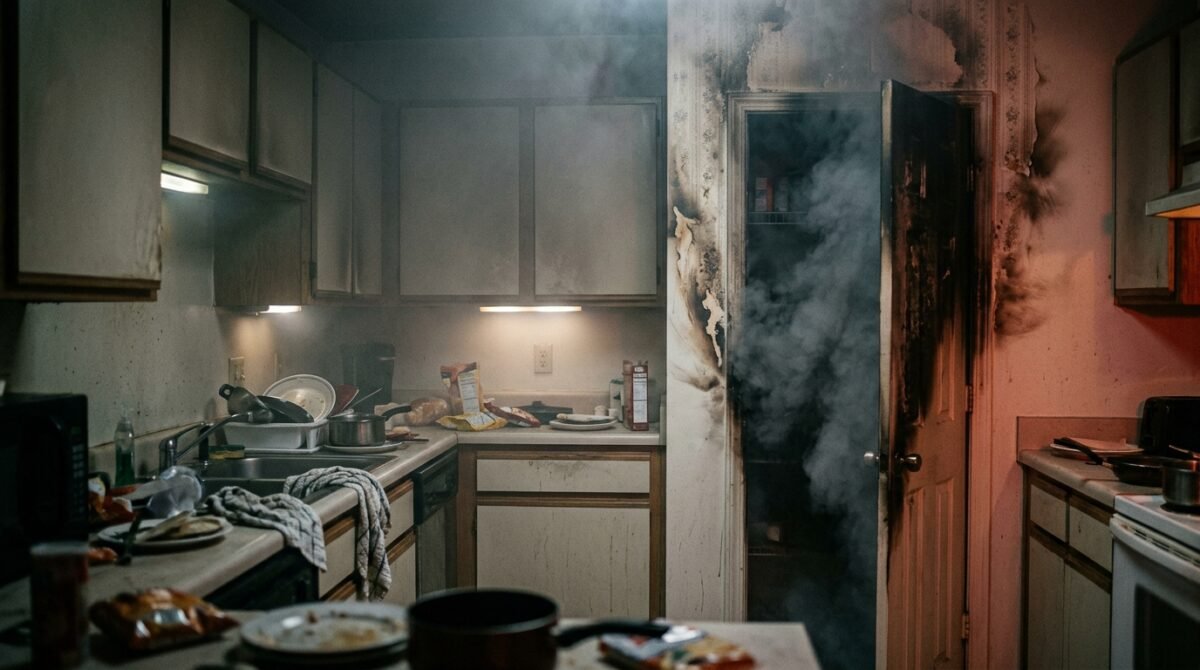
Living with a roommate is often a gamble, but when I moved in with Marcus, I thought I had hit the jackpot. He was a culinary enthusiast, someone who spent his evenings perfecting sourdough starters and sous-vide techniques. The apartment was pristine, the bills were split evenly, and we shared a mutual respect for each other’s space. That was until the autumn cold set in, and Marcus decided that store-bought beef jerky was simply beneath his refined palate.
It started as a subtle scent of hickory and mesquite wafting through the living room. At first, I found it charming, a rustic addition to our urban dwelling. But as the days passed, the smell grew suffocating, thick with the oily residue of rendered fat and wood chips. I didn’t realize until it was too late that my pantry, a space intended for dried pasta and canned goods, had been converted into a high-voltage industrial drying chamber.
The moral dilemma began not with a fight, but with a silence—the silence of the refrigerator hum dying out at 3:00 AM. When the lights flickered and vanished, I assumed it was just a local grid failure. It wasn’t until I opened the pantry door to find a jury-rigged ventilation system leaking black soot onto my pantry shelves that the gravity of the situation hit me like a physical blow.
This isn’t just a story about a bad roommate; it is a story about the intersection of unchecked entitlement, dangerous DIY projects, and the fallout of living with someone who values their craft over the basic safety and financial stability of their housemates. From the first spark of the smokehouse to the final legal threat, this is how my home life turned into a total catastrophe.
The Scent of Impending Doom
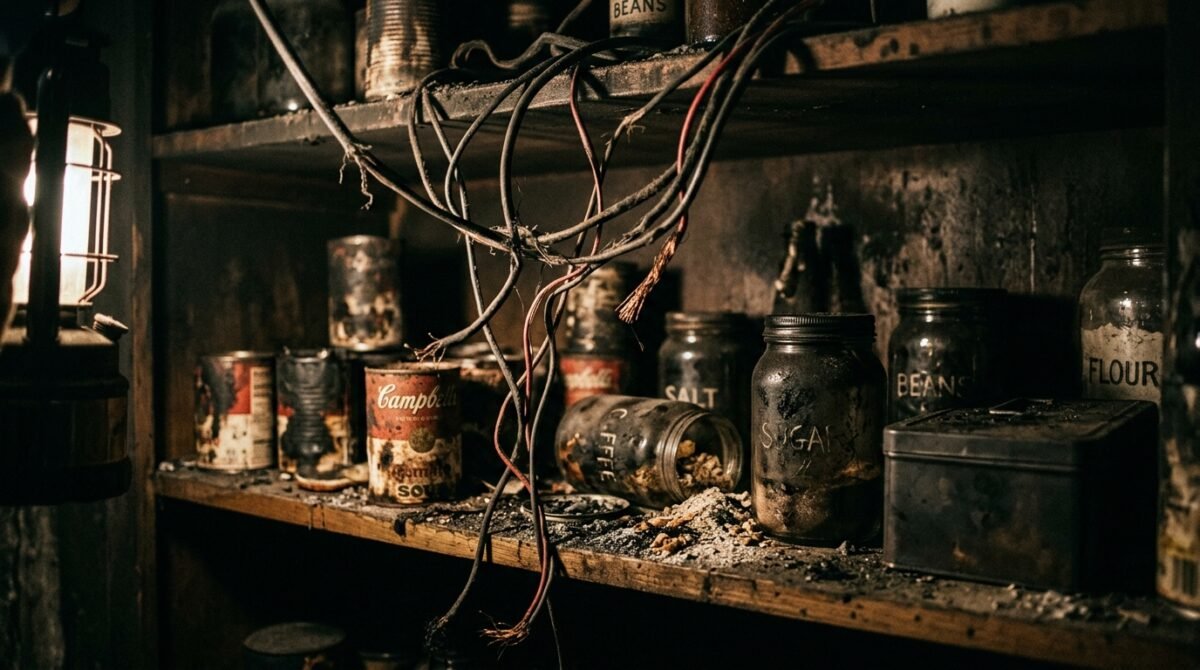
It began on a Tuesday. Marcus came home with three massive industrial fans, a collection of heating elements, and enough raw brisket to feed a small army. He claimed it was for a ‘gourmet project’ he was selling at a local farmers market. I, being the accommodating roommate, thought nothing of it. We had the space, and he had the ambition. Little did I know, he was gutting the shelving of our pantry to install a custom-built drying rack system that pulled directly from the wall’s electrical outlets.
By Thursday, the air in the apartment felt heavy, almost oily. My clothes, hanging in the hallway closet, began to smell like a campfire. When I approached Marcus about it, he was dismissive, his eyes glazed over with the intensity of someone who had been staring at curing meat for twelve hours straight. He promised it was a temporary setup and that the quality of the product would justify the minor inconvenience.
“Marcus, I can taste the smoke in the living room. Is it safe to have that much heat and electrical wiring running in a small enclosed closet?”
“You’re overreacting, man. It’s high-efficiency equipment. It’s literally designed for this. Just enjoy the free house aroma; it’s better than the stale air we usually have.”
I should have insisted he stop then and there. I should have checked the pantry myself. Instead, I retreated to my room, trying to ignore the subtle, rhythmic buzzing coming from behind the wall. The hum of the fans became the soundtrack to my life, a constant, low-frequency reminder that something was fundamentally wrong with my living environment.
The neighbors started texting me by the weekend, asking if I was doing some kind of heavy construction. One neighbor, Mrs. Gable, sent a message asking why there was smoke leaking into the hallway ventilation. I lied for him. I told her we were testing a new air purifier. It was the first of many lies I would tell to cover for his insanity.
The Great Blackout of Apartment 4B
The power failure didn’t happen with a bang, but with a terrifying, heavy silence. The refrigerator, the Wi-Fi router, the bedroom lamps—everything died simultaneously. I stepped out into the dark hallway, stumbling over a pile of shoes that I hadn’t realized were there. The smell of burning plastic hit me first, followed by the acrid, biting scent of charred wood.
I found Marcus in the kitchen, illuminated only by the faint glow of his phone. He looked pale, sweating despite the cooling temperatures in the apartment. He didn’t say a word as I approached. He just pointed toward the pantry door, which was now slightly ajar. A thin, dark line of smoke was snaking its way out from the crack, curling toward the ceiling like a ghost.
“Marcus, what did you do? The entire floor is dark. I can hear the neighbors screaming in the hallway.”
“The breaker tripped. It’s fine. I just had the fans running a bit too high to compensate for the humidity. I just need to reset the main panel.”
When we opened the pantry, the sight was nothing short of horrific. The heat had melted the plastic casings on the outlet, and the wooden shelves had been scorched black. The ‘gourmet’ jerky was nothing but charcoal-colored lumps of ruin. The heat had been so intense it had warped the door frame, effectively sealing us out of our own storage space.
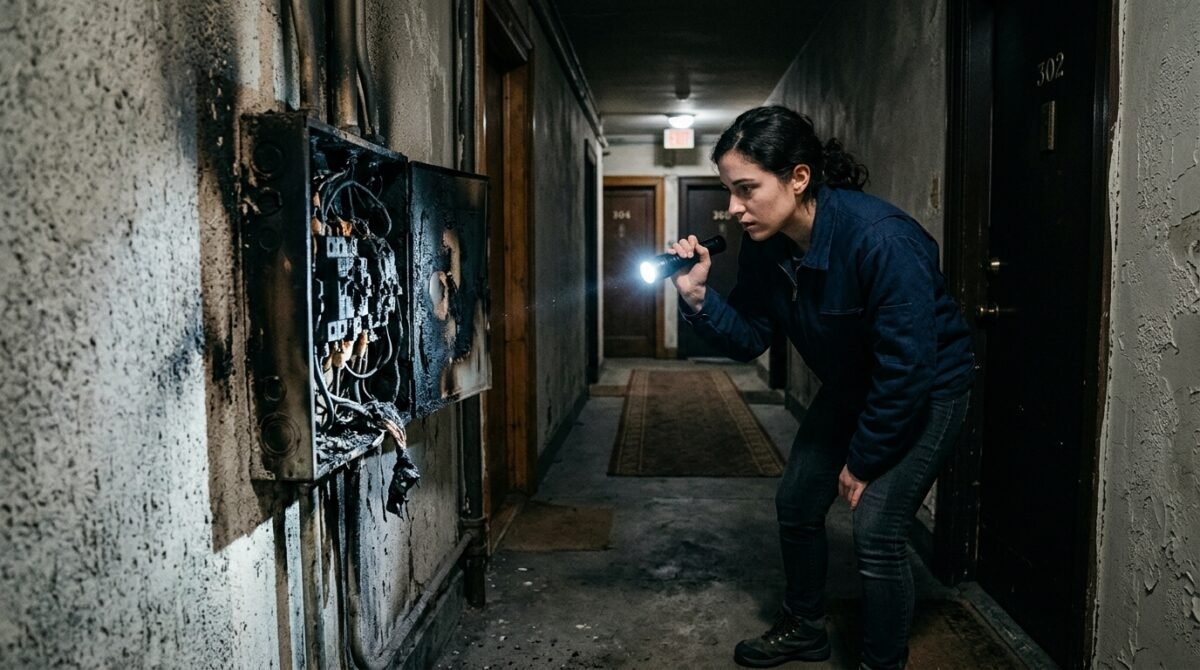
I grabbed my flashlight and checked the main breaker box in the hallway. It was fried. Not just tripped—the entire internal mechanism had fused together from the surge. It wasn’t just our apartment; it was the whole wing. The building manager arrived ten minutes later, looking less like a landlord and more like an executioner.
The Landlord’s $4,500 Ultimatum
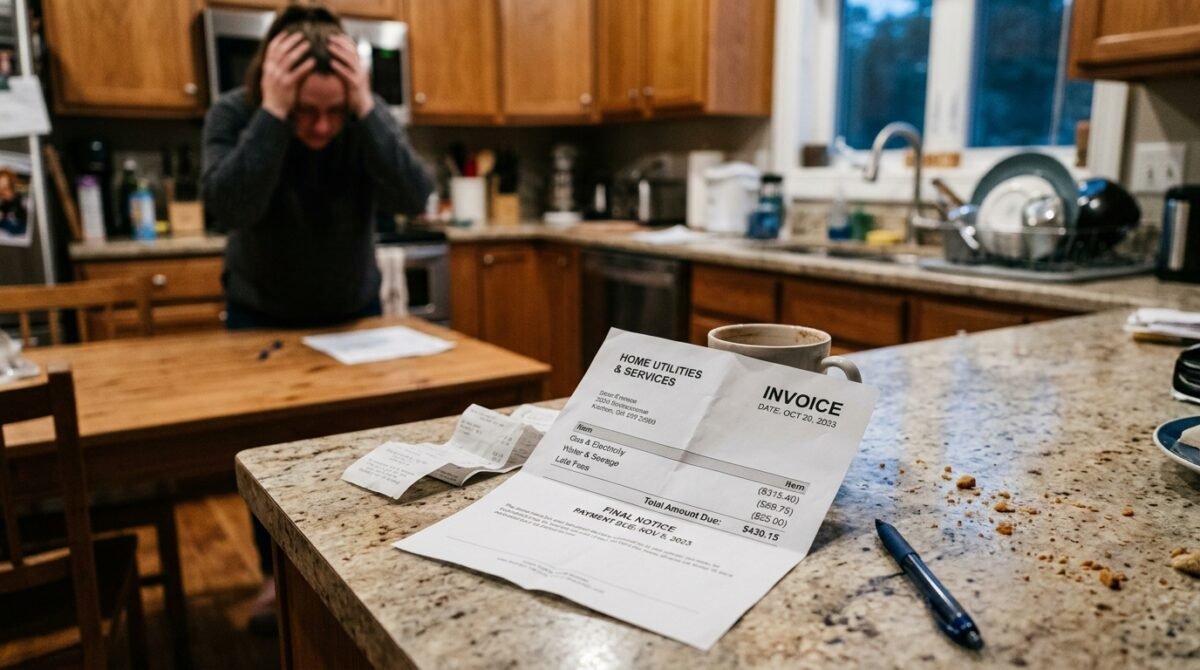
Mr. Henderson, our landlord, was not a man known for his patience. He stood in our kitchen, his face a mask of controlled fury, as he pointed at the charred remains of our pantry. He explained that the electrical surge had caused a cascading failure throughout the building’s wiring, requiring a complete overhaul of the sub-panel and several units’ electrical lines. The estimate he threw on the counter was astronomical.
Marcus, at this point, had retreated into a defensive shell. He kept muttering about insurance and how it was ‘just an accident.’ I was stunned. I stood there, clutching the bill, realizing that my share of the rent was the least of my worries. This was a financial disaster that would follow me for years if I let it.
“You have 48 hours to secure the funds for the repairs, or you’re both out on the street. And I’m filing a report with the fire marshal for creating a hazardous living environment.”
After he left, the reality of the situation set in. I looked at Marcus, expecting him to offer to pay for the damage he had caused. Instead, he started complaining about how unfair it was that the building had such ‘outdated’ wiring. He didn’t see the danger he had put us in; he only saw his ruined project and the inconvenience of the landlord’s demand.
That night, I didn’t sleep. I sat in the living room, illuminated by the moonlight, and realized that I was living with a person who had no concept of accountability. He was a danger to my wallet, my safety, and my reputation in the building. It was time to start planning my exit strategy, regardless of the financial cost.
The Secret Group Chat Revealed
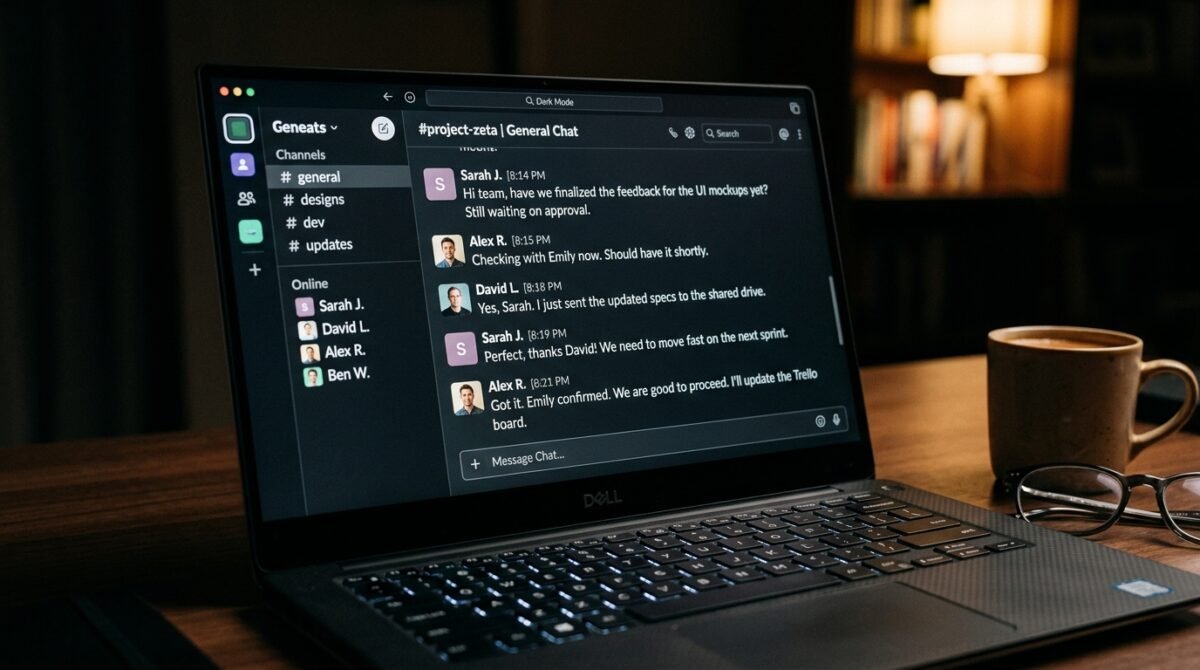
I discovered the betrayal by accident. Marcus had left his laptop open while he went to grab a coffee, and a notification popped up from a group chat titled ‘The Meat Grind.’ I didn’t intend to snoop, but the name caught my eye, and when I saw my own name mentioned, my curiosity took over. I scrolled through the messages, and the blood drained from my face.
They were laughing about the fire. They were joking about how ‘tightly wound’ I was for worrying about the smoke, and one of his friends suggested that he just ‘pin the cost’ on me because I had the higher credit score. It was a calculated, cold-hearted plan to ruin me financially to save himself.
“Don’t worry about the bill, man. Just tell the landlord you were both working on it. He’s got that corporate job, he’ll pay it just to keep his credit clean. Just play the broke artist card.”
— From ‘The Meat Grind’ group chat
I felt sick to my stomach. I had defended him to the neighbors, I had covered his back, and all along, he was planning to use me as a financial shield. The realization that he never saw me as a friend, but as a resource to be exploited, was the final straw. I took screenshots of every single message, documenting the intent to commit fraud and the admitted liability for the fire.
I closed the laptop and walked into my room, my hands shaking with rage. The mask of the ‘quirky foodie’ had fallen, revealing the manipulative person underneath. I knew exactly what I had to do, but I had to play it cool. I couldn’t let him know I knew his plan until I had the leverage to bury him.
The Confrontation in the Dark
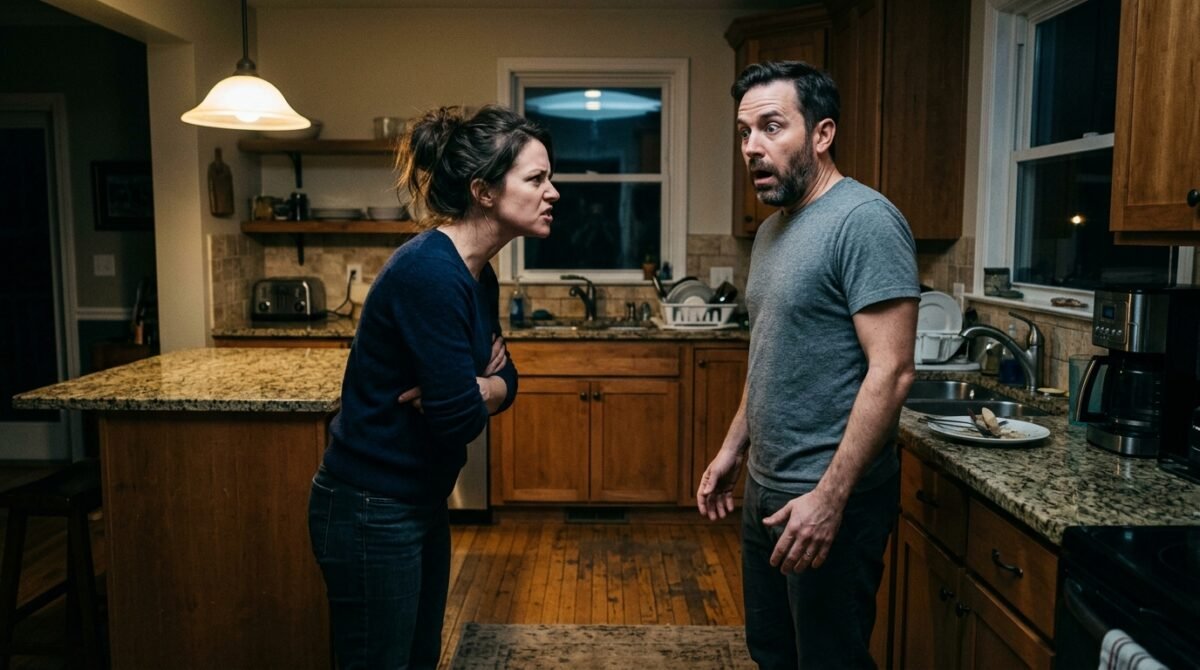
I waited until the power was partially restored, but the apartment was still largely in disarray. I invited Marcus to sit at the kitchen table. He looked smug, as if he expected me to agree to a payment plan for the damages. I didn’t say a word at first; I just laid my phone on the table with the screenshots of the chat displayed clearly.
His face went from smug to sheet-white in a matter of seconds. He reached for the phone, but I pulled it back. I told him that I wasn’t going to pay a single cent of the repair bill, and if he tried to pin it on me, I would hand over the messages to the landlord and the insurance company.
“You’re really going to throw me under the bus? We’re roommates, Marcus. We’re supposed to have each other’s backs.”
“You lost the right to that the second you started planning to defraud me in a group chat. You’re paying every cent of that $4,500, or you’re dealing with the police.”
He tried to argue, to minimize, to gaslight. He said I was ‘misinterpreting the banter.’ I just laughed. It was the most liberated I had felt in months. I told him he had 24 hours to find the money or I would be calling the landlord and the authorities myself. The power dynamic had shifted entirely.
He spent the next few hours pacing the kitchen, making frantic calls. I didn’t care. I started packing my bags, knowing that even if he paid, I couldn’t stay. The trust was gone, replaced by a cold, hard resolve to wash my hands of this entire disaster.
The Community’s Brutal Verdict
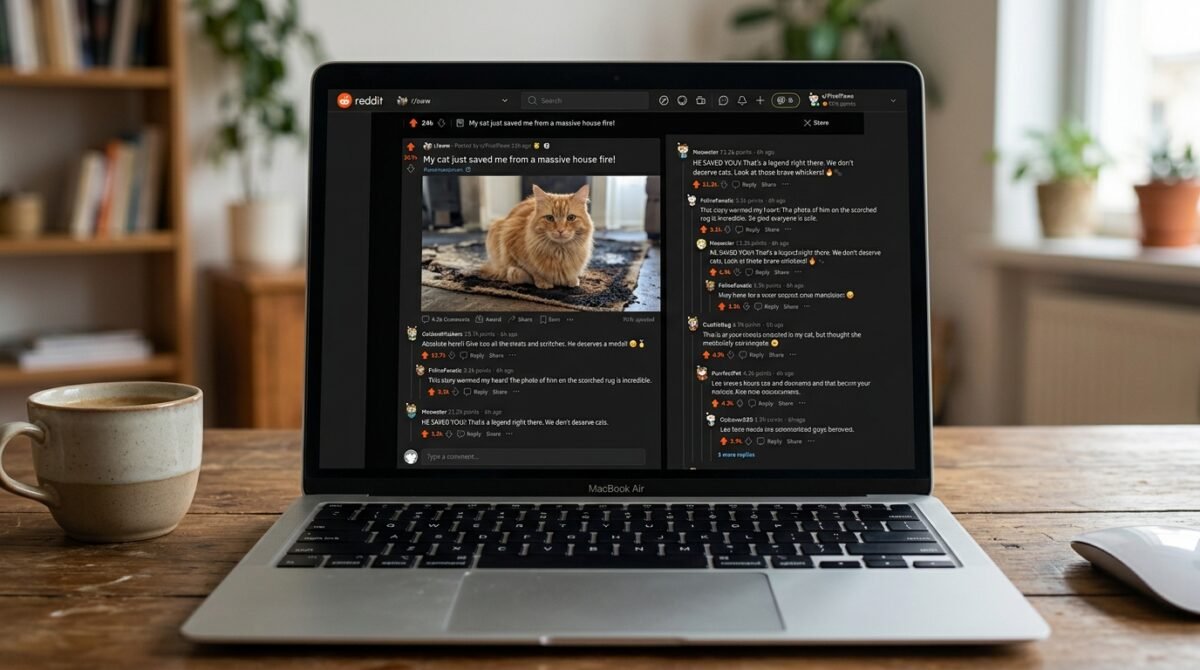
I posted my story on a popular forum, needing to know if I was crazy for feeling this level of rage. The response was immediate and overwhelming. Thousands of people chimed in, supporting my decision to hold him accountable and warning me about the legal implications of staying involved with his schemes.
“This is not a roommate; this is a liability waiting to happen. Get out now. Do not pay a single dollar. If you have the proof that he caused the damage, you are not responsible for the repairs. Call the landlord directly and show them the messages.”
— u/PropertyLawPro (Top Comment, 32.1k upvotes)
Reading the comments helped me realize that I had been far too passive. The community validated my feelings of exploitation, and many shared their own stories of roommates who had destroyed property and tried to pass the buck. It was a collective wake-up call that empowered me to take the final steps to protect my future.
Others pointed out that staying in the apartment was a risk in itself. If he was willing to burn the pantry for jerky, what was stopping him from causing a real fire next time? The consensus was clear: cut ties, document everything, and get out of there as quickly as possible. The validation gave me the strength to follow through with the legal threat.
The Final Exit
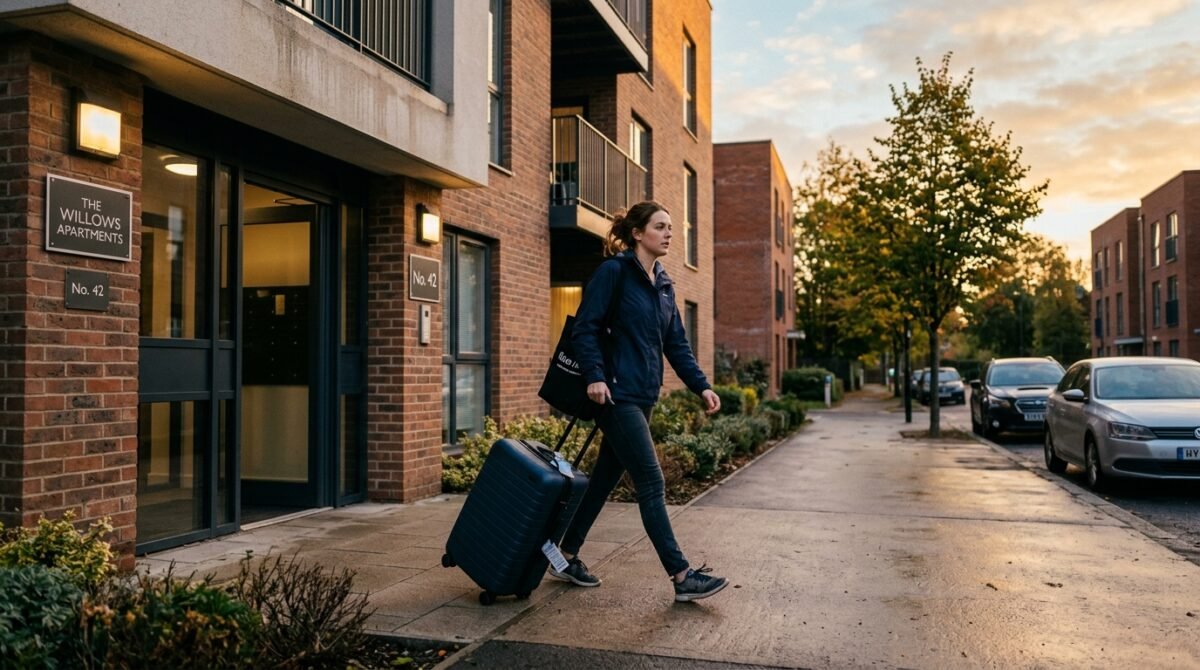
I left on a Friday, the day before the landlord was set to finalize the repair costs. I had paid my portion of the utilities up to that day and nothing else. I left a copy of the screenshots on the kitchen counter, along with a note to the landlord explaining exactly what happened and why Marcus was the sole party liable for the damages.
Moving out in the middle of the night felt like a prison break. I took only my belongings, leaving behind the smoke-damaged furniture that I didn’t want to salvage anyway. Every box I taped shut felt like a weight being lifted off my shoulders. I didn’t look back as I drove away from the apartment building.
Marcus tried to call me a dozen times while I was loading my car. I blocked his number, his email, and his social media profiles. I had no interest in hearing his excuses or his threats. I was moving on to a fresh start, one that didn’t smell like hickory smoke and desperation.
The next day, I received an email from Mr. Henderson. He thanked me for the documentation. He had evicted Marcus and was pursuing him for the full cost of the repairs, plus damages. I felt a surge of relief that was almost overwhelming. It was over. I was free.
Reflecting on the Smoke

Looking back, I realized that the jerky smokehouse was just a manifestation of a deeper problem. Marcus had a lack of respect for communal spaces and a total disregard for the people he lived with. I had allowed him to trample on my boundaries because I wanted to be the ‘easygoing’ roommate. I learned that being easygoing is just another word for being a doormat.
The financial hit was avoided, but the psychological toll of the situation lingered for weeks. I found myself hyper-aware of electrical appliances and suspicious of anyone who acted ‘quirky’ about their hobbies. I had to relearn how to trust, and more importantly, how to assert my needs in a living situation.
I spent time talking to friends and family, and the common theme was clear: I had ignored the red flags because I didn’t want to confront the reality of the situation. I had enabled his behavior by staying silent. It was a hard lesson, but one that I was glad to have learned before the situation escalated even further into physical danger.
Life is better now. I live alone, in a quiet, boring apartment where the only thing in the pantry is dry pasta and cans of soup. It’s exactly the kind of peace I need. And every time I smell a campfire, I take a deep breath and remind myself that I’m out, I’m safe, and I’m in control of my own home.
Lessons in Boundaries and Bills
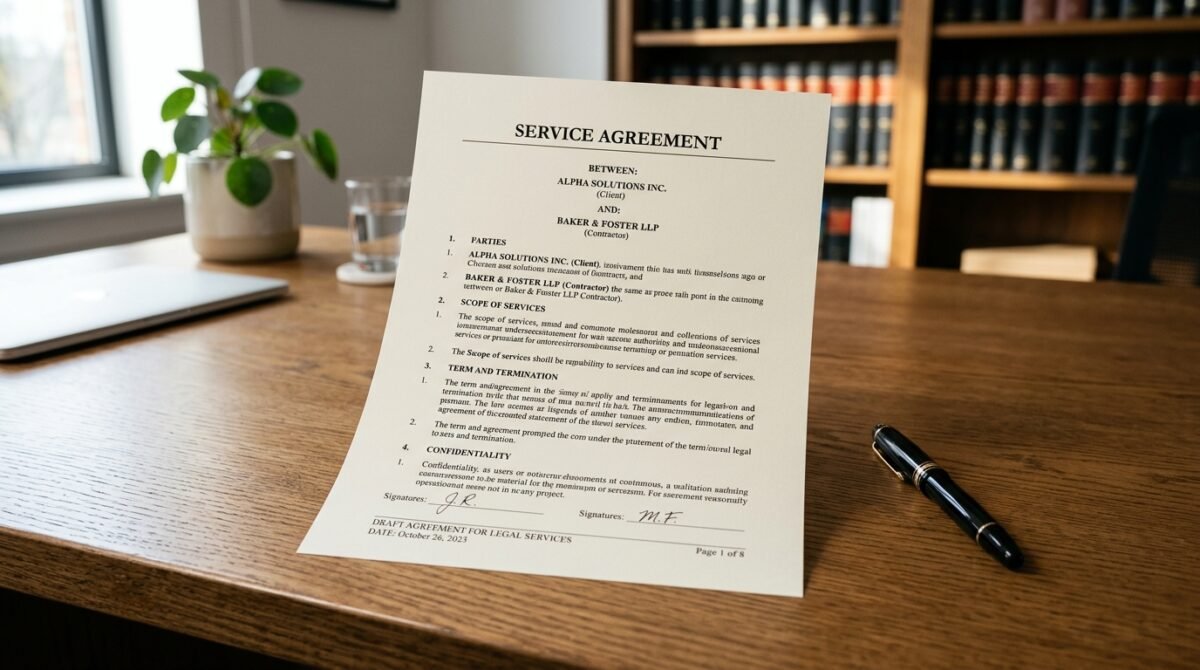
The most important thing I took away from this ordeal was the necessity of ironclad roommate agreements. Even if you are friends, you must have a clear understanding of what is allowed in the apartment and who is responsible for damages. I would never again move in with someone without a written document outlining liability for any modification or project that involves fire, high voltage, or structural changes.
I also learned the importance of immediate action. I waited days to address the smoke. I waited hours to address the power outage. In each case, my hesitation allowed the situation to spiral out of control. If I had stopped the jerky project on day one, the $4,500 bill would never have existed.
If you find yourself in a situation where your roommate is overstepping, do not wait for it to get better. It won’t. Confront it head-on, document the behavior, and protect yourself legally. It might feel uncomfortable in the moment, but it is infinitely better than the alternative of being dragged down by someone else’s irresponsibility.
My experience is a warning to anyone who thinks that a ‘small hobby’ won’t turn into a catastrophe. Always check the circuits, always check the lease, and never, ever compromise your safety for the sake of being polite.
The Aftermath: Where Are They Now?

I heard through the grapevine that Marcus moved back in with his parents. He’s currently working off the debt he owes the landlord, and his plans for a artisanal meat business have been shelved indefinitely. It was a harsh wake-up call for him, but one that was entirely of his own making.
As for me, I’ve moved on to a better chapter. I’ve found a roommate who shares my values regarding cleanliness and safety. We have a weekly chore chart, we communicate openly about any new additions to the apartment, and yes, we have a strict ‘no indoor smoking’ rule that we both adhere to with religious fervor.
I’m finally at a place where I can laugh about the insanity of it all. It’s a ridiculous story to tell at dinner parties, and it serves as a great icebreaker for my new friends. I’m glad I had the courage to walk away when I did, and I hope anyone reading this learns that they have the right to stand their ground, even when it feels like the world is going up in smoke.
The experience changed me. I am more confident, more decisive, and less willing to put up with nonsense. It was a costly lesson, but it was one that ultimately led to a much better, safer life.
Conclusion
This story of the jerky smokehouse serves as a poignant reminder that your home should be your sanctuary, not a testing ground for someone else’s reckless ambitions. The financial and emotional cost of living with someone who lacks boundaries is far greater than the cost of finding a new living arrangement or setting firm rules. Whether it’s an unauthorized business or a high-risk hobby, the moment your comfort or safety is compromised, you owe it to yourself to take action.
What about you? Have you ever had a roommate whose ‘quirky’ hobby turned into a complete nightmare? How did you handle the situation, and what would you do differently if you could go back in time? Let’s talk about it in the comments below.
Poll: If your roommate started a high-risk project in your home, how quickly would you call the landlord?
1. Immediately (The day they start).
2. After the first minor issue (e.g., smell, minor heat).
3. Not until it causes actual damage.
4. I would try to work it out with them indefinitely.
What's your verdict on this dilemma?
Vote below to contribute to the official community consensus.

Have a Dilemma Keeping You Up at Night?
Share your real-life feud, wedding chaos, or relationship crossroads anonymously with our editorial team.
What do you think ?
0 Comments🛡️ Comments are moderated to protect community integrity. Your comment will appear once approved by the editorial team.