
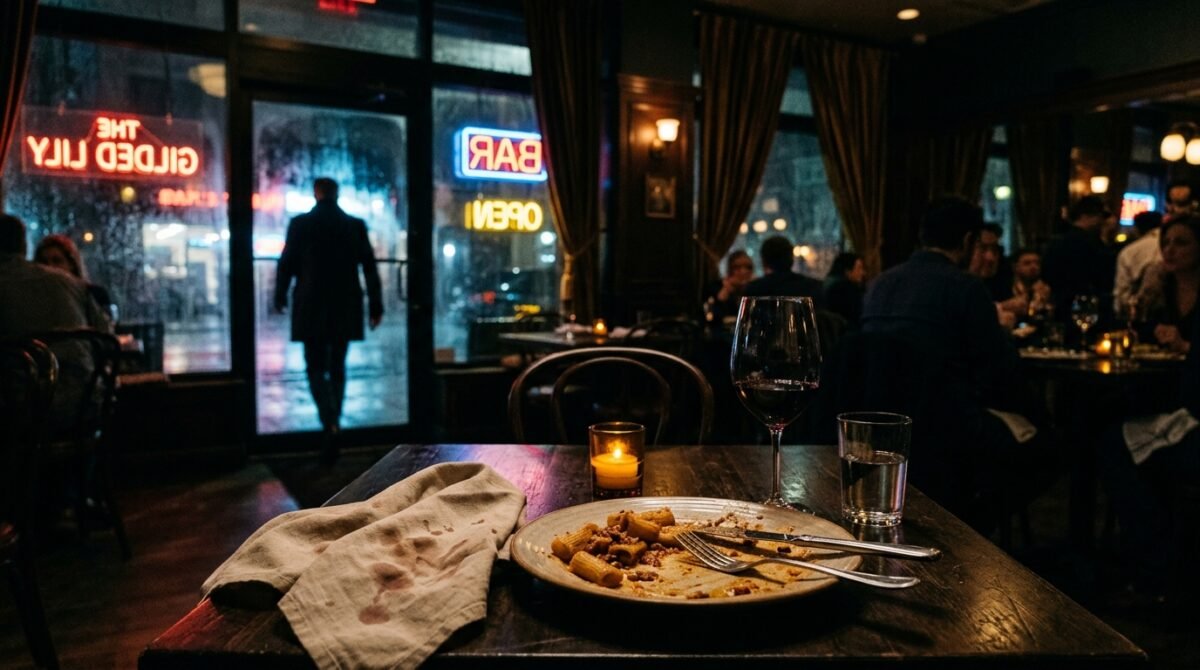
We all have that mental checklist when we head out on a first date. You look for the basics: is there chemistry? Do we laugh at the same things? Is the conversation flowing, or does it feel like pulling teeth? For months, I had been looking for a genuine connection, and when I finally matched with ‘Mark’—a charismatic project manager with a penchant for high-end dining—I thought I had hit the jackpot. He was articulate, well-dressed, and had a smile that seemed to light up the room, at least until the moment our appetizer arrived.
What started as a sophisticated evening at an upscale bistro quickly descended into a masterclass in entitlement and degradation. It wasn’t a major catastrophe; it was simply a plate of fries that had lost their crispness. Yet, for Mark, this minor culinary inconvenience was a trigger for a display of vitriol so sharp and unprovoked that it made the entire room go silent. He didn’t just complain; he systematically dismantled the dignity of a young waitress who looked like she was barely nineteen.
As I sat there, witnessing the transformation of a ‘perfect gentleman’ into a snarling, power-tripping bully, I realized that I wasn’t just observing a bad date; I was observing a fundamental character flaw. The moral dilemma hit me with the force of a physical blow: do I sit there and normalize his abuse by staying, or do I take a stand for someone who couldn’t defend herself? The choice felt less like a decision and more like an instinctual survival mechanism for my own integrity.
This story isn’t just about a plate of cold fries. It is about the masks we wear, the subtle ways we allow bad behavior to persist, and the cathartic power of walking away. It is about the moment I stopped caring about social decorum and started caring about doing the right thing, even if it meant leaving my date stranded in the middle of a Friday night dinner rush.
The Illusion of the Perfect Gentleman
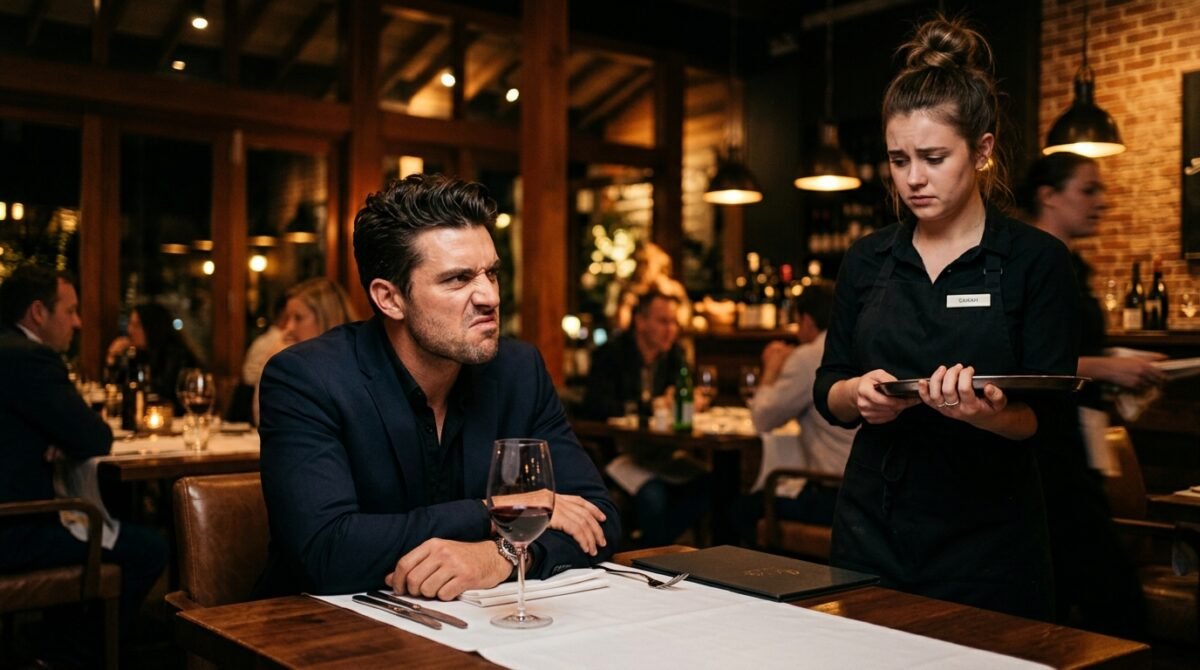
The first thirty minutes of the date were textbook. We had navigated the ‘getting to know you’ phase with ease, discussing travel plans, our favorite books, and the strange quirks of our respective careers. Mark was charming, funny, and incredibly attentive to the atmosphere of the restaurant. He had specifically chosen this place, a local favorite known for its fusion menu and dark, romantic lighting, and he seemed proud of his choice.
I remember thinking that he was ‘too good to be true.’ He asked thoughtful questions, listened to my answers without constantly checking his phone, and actually laughed when I made a self-deprecating joke about my cooking skills. Everything about our interaction felt like a breath of fresh air compared to the usual cycle of ghosting and lackluster conversations I’d become accustomed to in the dating scene.
We ordered a shared starter, the signature truffle-oil fries, and a bottle of wine. The ambiance was perfect. The jazz music was low, the other patrons were engaged in quiet chatter, and for a fleeting moment, I felt like I was in a movie scene where everything goes exactly as planned. I had no way of knowing that the trajectory of the evening was about to shift into a dark, ugly place.
When the food arrived, the server—a young girl named Sarah, who wore her name tag crookedly and looked visibly exhausted—placed the platter down with a polite smile. It was a simple, mundane interaction. She checked in on our drink levels, asked if we needed anything else, and retreated to the service station. It was the picture of standard hospitality, devoid of any friction or drama.
However, as Mark reached for a fry and realized it wasn’t steaming hot, his entire posture shifted. His shoulders tightened, his jaw locked, and the charm that had been present seconds ago evaporated. It wasn’t the complaint that shocked me; it was the sheer, unadulterated venom he poured into the words that followed. The mask had completely slipped, leaving behind something cold and unrecognizable.
The First Crack in the Facade
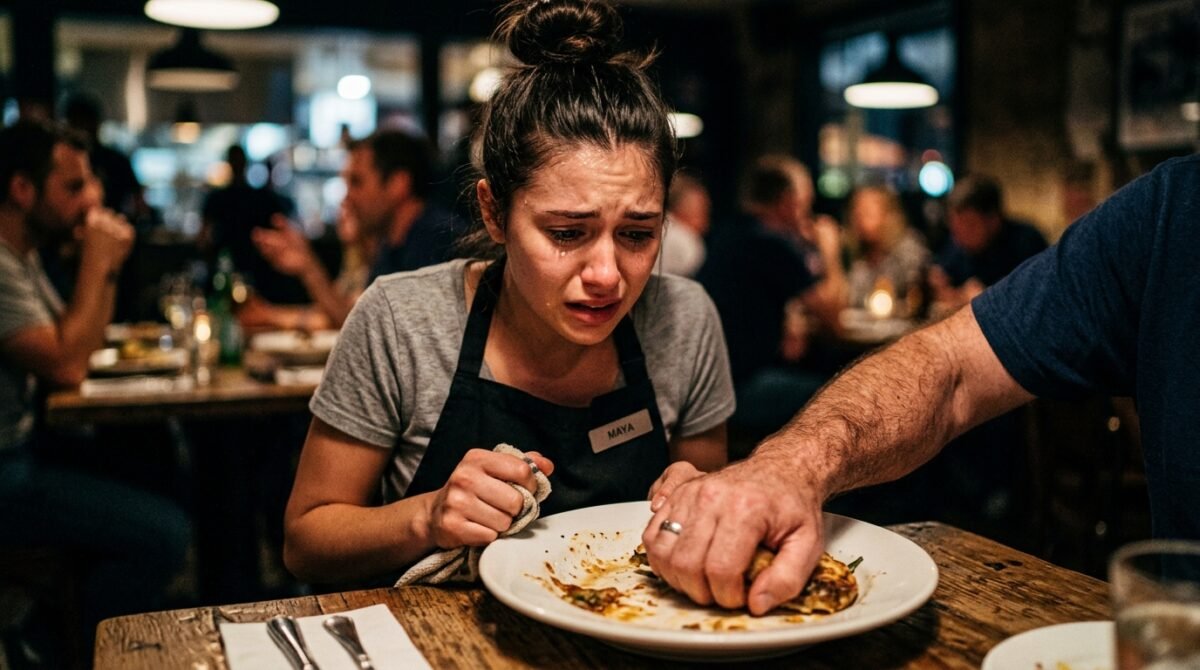
When Sarah returned to check on the table, Mark didn’t use his ‘date voice.’ He summoned her with a sharp, impatient click of his fingers that made the people at the neighboring table look over. When she approached, he didn’t offer a polite critique. He pushed the plate toward her so hard that the ceramic clattered against the wood of the table, making a jarring sound that cut through the music.
“Do you see this? Are you blind, or is your kitchen staff just functionally illiterate? These are cold. Like, arctic cold. I’m not paying for soggy, room-temperature garbage. Take it back and bring me something edible, or is that too complex for your tiny brain to process?”
The girl looked stunned. Her eyes welled up, and she stammered an apology, explaining that the kitchen had been swamped by a large party. But Mark wasn’t interested in explanations. He leaned forward, his voice dropping to a dangerous, low register that was meant to humiliate her in front of the entire dining room. He went on a tirade about how people like her were the reason the service industry was dying and how she should be grateful for any job she could get.
I felt a sickening knot form in my stomach. The humiliation was palpable. I could see the other diners looking at us—some with pity for the waitress, others with a mix of annoyance and discomfort. I tried to interject, to tell him to calm down, but he simply waved his hand at me as if I were a child trying to speak out of turn. The entitlement was so thick it felt like I was choking on it.
He continued to berate her, calling her ‘incompetent’ and ‘pathetic.’ It was clear this wasn’t about the fries anymore; it was about the power dynamic. He wanted to feel like the most important person in the room, and he was using this nineteen-year-old girl to manufacture that sense of self-importance. Every word he spat at her felt like a jagged edge cutting into the foundation of what I thought I knew about him.
I looked at Sarah, who was doing her best to maintain her composure, though her hands were shaking visibly. She apologized again and tried to take the plate away, but Mark held onto the edge of the platter, preventing her from moving. It was a hostage situation over a snack. I realized in that second that if I said nothing, I was complicit. My silence would be his validation.
The Moment of Decision
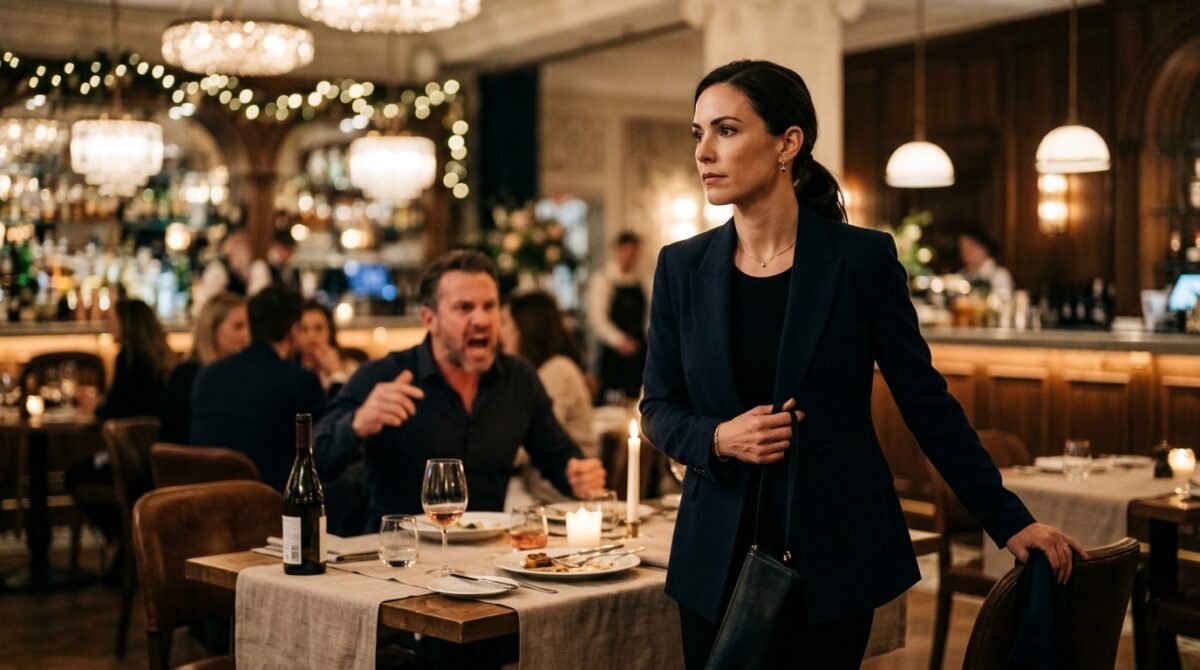
I knew then and there that there would be no second date. In fact, I knew there wouldn’t even be an end to this one. I reached for my clutch, my movements calm and deliberate, a stark contrast to the internal fire burning in my chest. I watched Mark as he continued his verbal assault, now moving on to criticizing her appearance and her ‘lack of future prospects.’ It was vile, plain and simple.
I stood up, and for the first time, he actually looked at me. His expression was one of confusion, perhaps thinking I was going to agree with him or join in on the bullying. I didn’t give him the satisfaction. I turned to Sarah, who was still frozen by the table, and I looked her directly in the eyes. I didn’t care about the other diners or the scene I was about to cause. I just wanted to make sure she knew she didn’t deserve any of this.
“I am so sorry you have to deal with this. You don’t deserve this kind of treatment. Please, just walk away. You don’t have to listen to another word he says. I’m leaving, and I’m handling the bill.”
Mark’s jaw dropped. He looked between me and the waitress, his face turning a shade of red that signaled a coming explosion. He stammered, ‘What are you doing? Sit down! We haven’t even finished the bottle!’ I ignored him completely. I signaled for the manager, who was already hovering near the host stand, sensing that something was wrong. I walked over to the terminal and insisted on paying for the entire check, including a massive tip for Sarah.
The act of paying felt like a declaration of war against his ego. He stood up, knocking his chair back against the floor, drawing even more eyes to our table. He started shouting, calling me ‘dramatic’ and ‘crazy,’ and claiming that I was ‘ruining the vibe’ of our dinner. I didn’t even look back at him. I looked at the manager, handed over my card, and kept my focus entirely on making sure Sarah felt protected.
The silence in the restaurant was deafening now. Every conversation had stopped. The air was thick with the weight of the confrontation. I felt a weird sense of clarity. The more he shouted, the smaller he looked. He was a grown man throwing a tantrum in a restaurant, and the optics were glorious. I wasn’t the crazy one; I was the one who had finally drawn a line in the sand.
The Silent Walk to the Exit
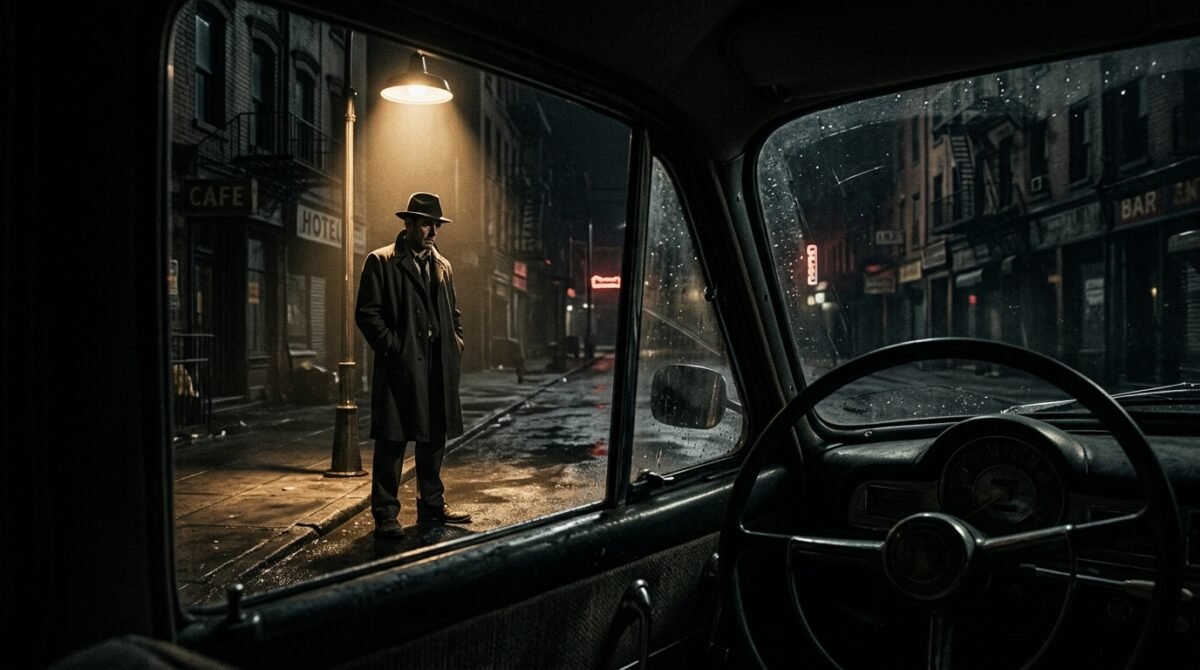
The walk to the front door felt like it lasted an eternity. I could hear his footsteps behind me, heavy and aggressive. He was still muttering threats about how I was acting like a ‘social justice warrior’ and how I would never find a guy who understood my ‘fragility.’ I just kept walking. The cool night air hit my face as I pushed the heavy glass door open, and for the first time in an hour, I felt like I could actually breathe.
He caught up to me on the sidewalk, grabbing my arm to stop me from reaching my car. It was a brief, physical violation, and I jerked away immediately, my voice firm and loud enough for the valet to hear. ‘Don’t you ever touch me again,’ I said. The shock on his face was almost comical. He was so used to asserting dominance that he couldn’t grasp the idea of someone not just standing up to him, but dismissing him entirely.
He looked around, realizing that his ‘date’ had effectively ended in public disgrace. He started to pivot to damage control, trying to explain that he was ‘just having a bad day’ and that ‘everyone gets frustrated.’ I just stared at him. I didn’t offer a rebuttal. I didn’t offer an excuse. I just looked at him with the kind of pity that is far more stinging than anger. It stripped away his attempt to frame himself as the victim of my ‘overreaction.’
“You aren’t having a bad day, Mark. You are a bad person. There is a difference. A bad day is a circumstance; being a bully is a choice. You made your choice tonight, and I’m making mine. Goodbye.”
I got into my car and locked the doors, my hands finally starting to shake as the adrenaline began to wear off. I watched in the rearview mirror as he stood on the sidewalk, looking small and pathetic under the streetlamp. He pulled out his phone, likely preparing to send a barrage of insults, but I didn’t wait to see. I pulled away from the curb, leaving him in the dust of his own making.
The drive home was quiet. I found myself replaying the scene over and over, wondering if I had done enough. Had I been too harsh? No, the voice of reason in my head countered. The moment I started doubting myself was the moment the abuser wins. I had done the right thing, and for the first time in a long time, I felt genuinely proud of my own backbone.
The Aftermath and the Digital Fallout
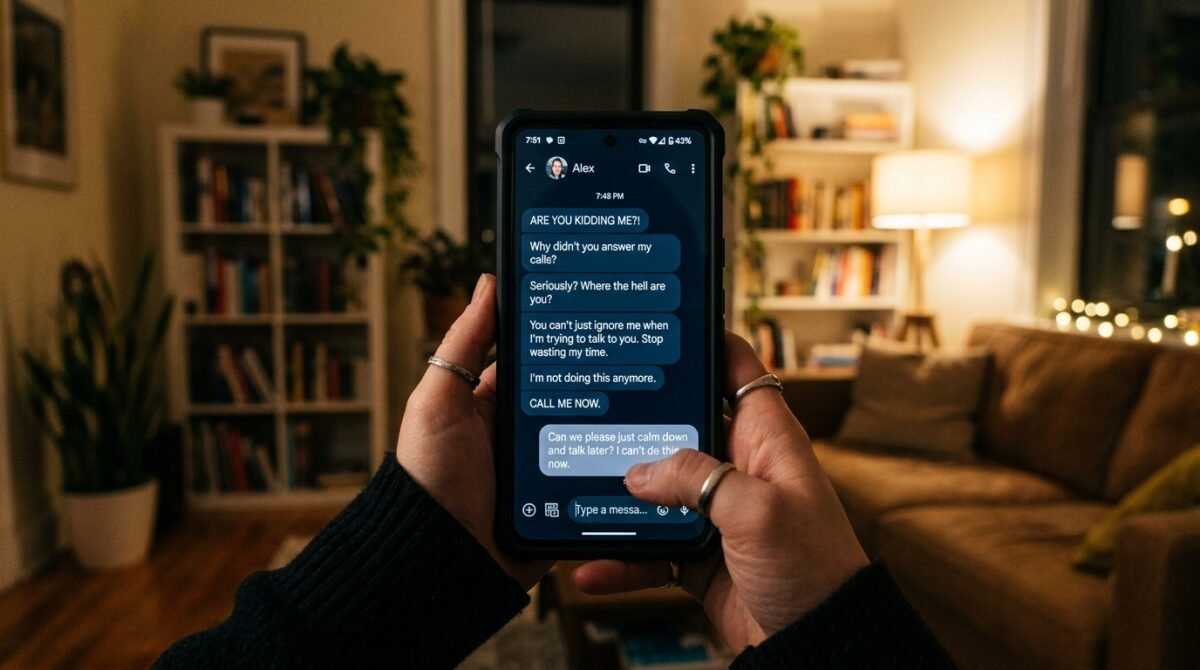
I knew the messages would come. They started arriving about twenty minutes after I got home—a barrage of texts that ranged from gaslighting apologies to outright vitriol. He claimed that I was ‘mentally unstable’ and that I had ’embarrassed him in front of his professional contacts.’ He was more concerned about the optics of the situation than the fact that he had reduced a young woman to tears.
“You really think you’re better than me? You acted like a total psychopath. I was just holding the staff accountable. You’re going to be single forever if you keep acting like a martyr over some fries. Do us both a favor and stay away.”
— Text message from Mark
I didn’t reply. I blocked his number, his social media, and his email. It was a digital purge that felt incredibly satisfying. I didn’t need to explain myself to him. I knew exactly who he was, and that was enough. The next morning, I did something I hadn’t planned on—I shared the story on a local community forum. I didn’t name him, but I detailed the incident to warn others about the kind of behavior that hides behind a suit and a smile.
The response was overwhelming. My inbox flooded with messages from people who had similar experiences, as well as those who simply wanted to offer support. It was a reminder that I wasn’t alone in my intolerance for such behavior. The most touching message came from an anonymous user who claimed to know the waitress I had defended. They told me she was doing fine and that the manager had commended her for keeping her cool, and that my gesture of paying the bill had meant the world to her.
It wasn’t about the money. It was about the validation. It was about showing someone that they don’t have to tolerate abuse just because they are in a service position. I spent the next few days processing everything. I realized that my dating standards had shifted. I wasn’t looking for someone ‘perfect’ anymore; I was looking for someone with a baseline level of empathy that was non-negotiable.
The incident had been a crucible, stripping away the performative aspects of modern dating and leaving behind a raw, essential truth: character is defined by how we treat those who can do absolutely nothing for us. If a date treats the staff poorly, they will eventually treat you poorly. It’s a law of human behavior that is rarely broken.
The Reddit Verdict: Echoes of Approval
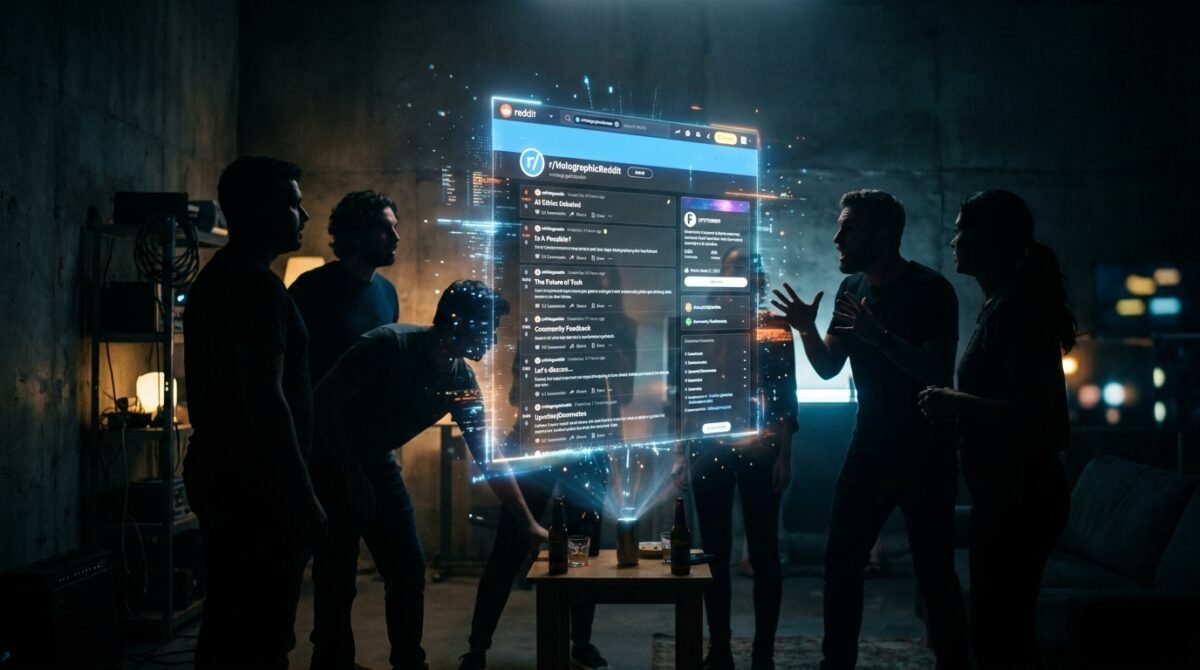
When I posted the summary of the event on r/dating_advice, the community reaction was swift and decisive. Within hours, the post hit the front page, with thousands of comments debating the nature of ‘bad date etiquette’ and the absolute toxicity of service-industry abuse. It was as if I had tapped into a collective nerve that everyone had been waiting to expose.
“As a server for five years, thank you. People like your date are the absolute worst. They treat us like sub-human entities because they think the bill gives them ownership over our lives. You aren’t just ‘NTA’—you are a hero for making him face the consequences.”
— u/ServerLifeHero (Top Comment, 42.1k upvotes)
There were, of course, the contrarians. A few commenters argued that I should have stayed to ‘resolve the situation’ or that I was being ‘confrontational.’ But they were quickly drowned out by the overwhelming majority who recognized the pattern of abuse. It was fascinating to see how clearly the internet could spot the red flags that I had been blind to just a week prior.
“The way he treated her is exactly how he would treat you after six months of dating. The only difference is that you’re currently in the honeymoon phase. You dodged a bullet the size of a cannonball, OP. Good for you for leaving.”
— u/DatingCoachRealist (15.6k upvotes)
The community discourse moved beyond just the immediate event. People started sharing their own stories of ‘The Date Who Yelled at the Waitstaff.’ It became a library of cautionary tales, a testament to the fact that service-worker abuse is a universal litmus test for compatibility. It made me realize that my experience wasn’t an anomaly; it was a common, recurring problem that needed to be talked about more.
I felt a sense of relief knowing that the public sentiment was so strongly on the side of kindness. It reinforced my belief that while jerks like Mark exist, they don’t represent the majority. We all have the power to curate our own environments, and choosing not to engage with toxicity is a form of self-care that is often overlooked in the pursuit of ‘making it work’ in relationships.
Reading those thousands of comments, I felt a weight lift. I wasn’t the ‘crazy one’ for walking out. I was the person who refused to lower their standards for a mediocre man. That realization changed the way I look at dating entirely. I’m no longer worried about finding a partner as much as I’m worried about maintaining my own sense of self-respect in the process.
Why We Tolerate the Intolerable
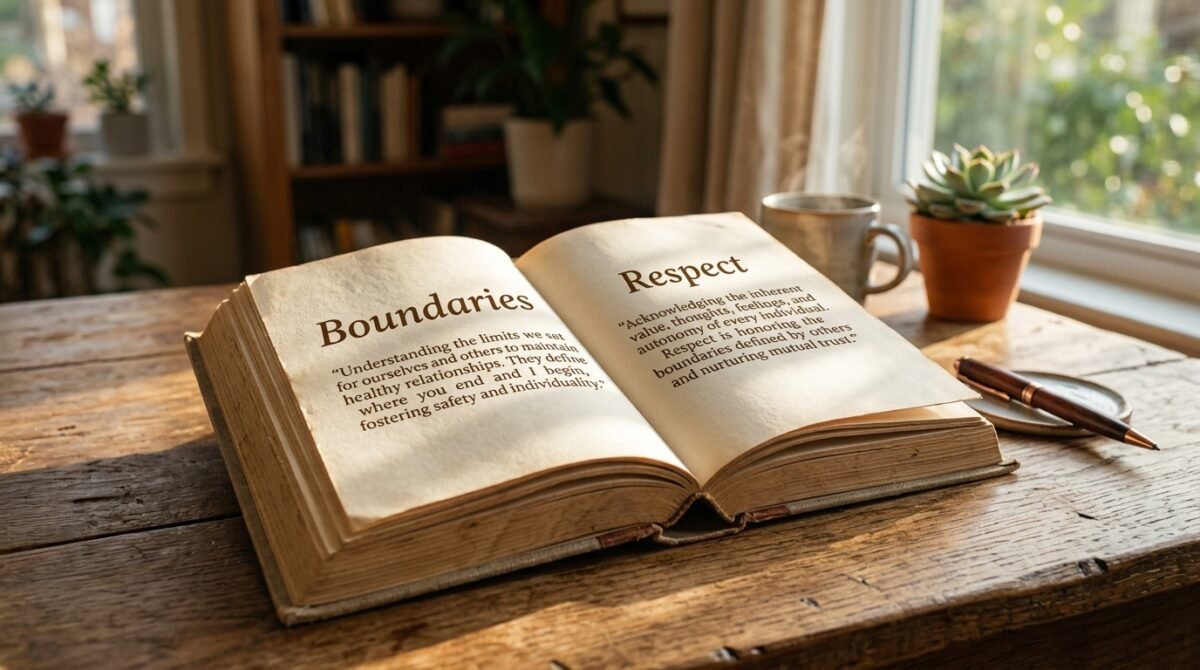
One of the most persistent questions I’ve asked myself since that night is: why did I wait as long as I did? Why did I allow him to finish his tirade before I spoke up? The answer, I think, lies in the social conditioning that tells us to be ‘polite.’ We are taught that, especially as women, we should be the peacemakers, the ones who absorb the friction and keep the social gears turning smoothly.
Mark counted on that conditioning. He assumed that I would be too embarrassed by a scene to push back. He relied on the ‘polite society’ rulebook where leaving a date early is considered a faux pas, while yelling at a teenager is just ‘being a customer.’ The irony is that we have collectively allowed this double standard to exist for far too long, and it’s time we start flipping the script.
I think about the power dynamics in all our relationships—not just dating. How often do we let a boss, a family member, or a friend get away with ‘minor’ rudeness because we want to keep the peace? Every time we do that, we are essentially signing a contract that says their comfort is more important than our values. That is a dangerous contract to keep signing.
I realized that by walking out, I wasn’t just ending a date; I was breaking a contract. I was choosing my own peace over the social obligation of finishing a meal with a man who had shown his true colors. It was the most liberating feeling I have experienced in years. And it wasn’t just about me—it was about showing Sarah that someone in that room had her back.
When we confront intolerance, it might feel uncomfortable in the moment. It might draw eyes, it might create a scene, and it might leave us feeling a bit frayed at the edges. But the alternative—sitting in silence while someone is being degraded—is a far heavier burden to carry. I’d rather be the ‘dramatic one’ who stood up than the silent one who watched it happen.
The Lessons Learned in the Aftermath
Looking back, the fries were the best thing that ever happened to me. They were the catalyst that revealed a core personality trait that would have taken months, or perhaps years, to uncover. I’ve since developed a ‘waitstaff litmus test’ for every new person I meet. It’s not a formal thing, but it’s a constant observation: how do they talk to the barista? The delivery driver? The person at the help desk?
It’s amazing how much information you can gather in a three-minute interaction. A kind word, a ‘thank you,’ or even just a patient nod can tell you more about a person’s character than a thousand hours of conversation about their career goals or their ‘hobbies.’ Kindness is the ultimate filter for long-term compatibility, and I have made it the non-negotiable bedrock of my dating life.
I’ve also learned to trust my gut. That initial knot in my stomach when Mark first snapped his fingers? That was my brain processing a red flag before my conscious mind had even caught up. We are biologically wired to recognize threats, and emotional toxicity is a threat to our well-being. We just need to stop overriding those signals with the desire to be ‘nice’ or ‘fair.’
I am now more comfortable with being ‘the difficult one.’ If being difficult means calling out bad behavior and refusing to participate in the degradation of others, then I will wear that label with pride. I don’t need to be liked by everyone; I just need to be able to look at myself in the mirror at the end of the day and know I stood for something.
My advice to anyone reading this is simple: watch the way they treat the service staff. If you see a flicker of the same cruelty I witnessed, don’t wait for the second date. Don’t wait for the fries to arrive. Walk away, pay the bill if you have to, and reclaim your time. Your integrity is worth more than any fancy dinner or any ‘perfect’ guy.
The Financial Breakdown of the Incident
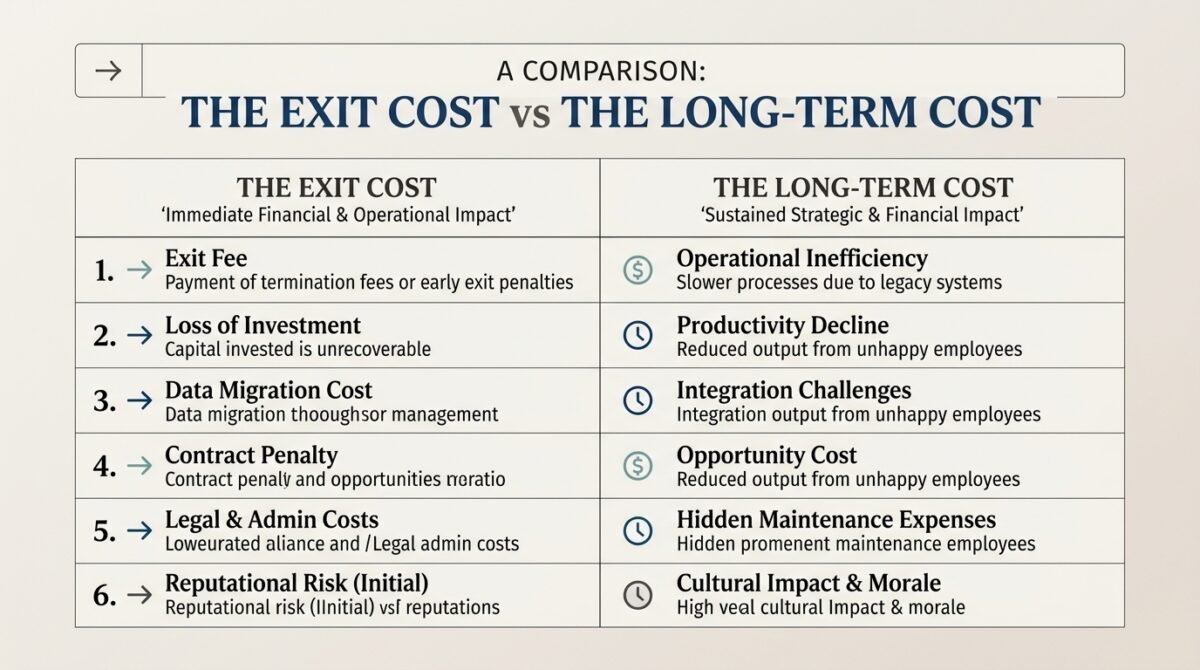
People often ask me if the money I spent was worth it. Was it worth paying for a meal I barely ate, just to walk away? To put it into perspective, I’ve broken down the cost of my ‘exit strategy’ vs. the long-term cost of staying with someone like Mark. It’s a simple math equation that I revisit whenever I feel a bit of lingering guilt about the waste.
| Category | The Exit Cost | The Potential ‘Stay’ Cost |
|---|---|---|
| Meal & Drinks | $85.00 | Emotional drainage |
| Waitress Tip | $50.00 | Loss of self-respect |
| Ubers/Gas | $20.00 | Months of toxic gaslighting |
| Total Value | $155.00 | Priceless |
The financial cost was negligible compared to the mental energy I saved. If I had stayed, I would have been subjected to more of his verbal abuse, I would have had to endure an awkward dinner, and I would have felt the slow decay of my own spirit. $155 is a small price to pay for the immediate removal of a toxic individual from my life.
I look at that table and realize that the cost was actually an investment. It was an investment in my own future. It set a precedent for how I want to be treated and, more importantly, how I want to treat others. It was a reminder that I have the resources and the agency to protect my peace, and that is something that money simply cannot buy.
Sometimes people tell me that I could have just left without paying, or that I shouldn’t have tipped the girl so much. But that wasn’t the point. Tipping her was an apology from the world for the behavior she had to endure. It was a small, tangible way to say, ‘You are valued, even if he doesn’t see it.’ That kind of solidarity is worth every penny.
I don’t regret a single cent. In fact, I wish I could afford to do it more often—not the leaving in a huff part, but the standing up for someone in need part. It’s a powerful thing to realize that you are in control of your own narrative, and that you have the power to change the atmosphere of a room just by speaking up.
The Final Word on Boundaries

Setting boundaries is rarely a soft or subtle process. It is often loud, messy, and deeply inconvenient for the person who wants to violate them. Mark hated it because it took away his control. Sarah, on the other hand, was relieved because it gave her a moment of safety. Boundaries are not about being ‘mean’; they are about being protective of the environment you choose to live in.
I am currently seeing someone new, and we had our third date last week. We were at a coffee shop, and the barista spilled a latte all over the counter. My date didn’t get angry; he just laughed, grabbed a napkin, and helped her wipe it up. That moment was more romantic to me than any candlelit dinner could ever be. It showed me that he was a partner who shared my values.
Life is too short to settle for anything less than a partner who is kind to the people who make our lives easier. If they can’t show basic human decency to a stranger, they are incapable of showing deep, consistent love to you. It’s a hard lesson, but it’s one that has made me much happier in the long run.
I’m grateful for the cold fries. They were a gift, a warning, and a test all wrapped in one. They taught me to trust my instincts, to value my worth, and to never, ever prioritize social grace over moral integrity. And that, I think, is a lesson worth sharing with anyone who is still waiting for their ‘perfect’ date to arrive.
Take the stand. Make the scene. Walk away. You have no idea how much freedom is waiting for you on the other side of that door.
Conclusion
The story of my date with Mark spread further than I ever anticipated, becoming a touchstone for thousands of people who were tired of the casual cruelties of the modern dating world. It served as a reminder that we are all, in some way, responsible for the culture we cultivate. Whether we are in a boardroom, a kitchen, or a high-end bistro, our choices define us. I chose to prioritize empathy over entitlement, and in doing so, I found a deeper sense of self-worth that no amount of ‘perfect’ dating profiles could provide.
Reflecting on this, I realize that the most important relationship you will ever have is the one you have with your own integrity. When you protect that, everything else eventually falls into place. The people who respect you will stay, and the people who don’t will simply be left standing on the sidewalk, wondering why the world didn’t bend to their will.
What about you? Have you ever had a moment where you had to walk away from a toxic situation, or perhaps you’ve been the one to witness someone else’s rudeness and felt the pressure to stay silent? Let’s talk about it in the comments. Is there a ‘line in the sand’ for you that, once crossed, means the end of a relationship, no questions asked? Share your stories below.
What's your verdict on this dilemma?
Vote below to contribute to the official community consensus.

Have a Dilemma Keeping You Up at Night?
Share your real-life feud, wedding chaos, or relationship crossroads anonymously with our editorial team.
What do you think ?
0 Comments🛡️ Comments are moderated to protect community integrity. Your comment will appear once approved by the editorial team.