

Friendship is often described as a journey of shared experiences, but for Sarah and me, that journey reached a jagged, insurmountable cliff the moment my company announced an unexpected, performance-based bonus. After three years of grueling overtime, missed holidays, and surviving on cheap coffee, I finally hit the jackpot—or so I thought. A six-figure bonus hit my account on a Tuesday afternoon, and while I was still processing the numbers, the reality of my new life was already being carved out by someone else.
Sarah, my best friend of twelve years, had always been vocal about her desire for a ‘mommy makeover’ and specific facial enhancements. She had never been shy about her insecurities, and I had always been the supportive ear, the one who offered validation and a shoulder to cry on. I assumed she would be the first person to pop a bottle of champagne for my success. I was wrong. Instead, I received a text message that would change the trajectory of our relationship forever.
The entitlement wasn’t sudden; it was a slow-growing vine that I had neglected to prune. Over the years, I had covered dinners, chipped in for her vacations, and made excuses for her financial instability. I viewed it as helping a sister; she, apparently, viewed it as a permanent line of credit. When the bonus arrived, the dynamic shifted from ‘supportive friend’ to ‘private investor’ without my consent.
This is not just a story about money. It is a story about the boundaries we allow others to cross, the silent resentment that builds when we prioritize other people’s happiness over our own, and the shocking realization that some people stay in our lives only as long as they can extract something from us. It is the anatomy of a friendship breaking under the weight of an unearned demand.
As I sit here now, months after the fallout, the silence in my life is deafening, yet peaceful. People often ask if I regret saying no. I don’t. But I do look back at the years of enabling and wonder at what point the mask slipped. The following chapters detail the descent from celebratory cheers to the cold, hard reality of a broken bond.
The Tuesday Afternoon Ping That Changed Everything

It started with a ping. I was still sitting at my desk, staring at the direct deposit confirmation on my banking app, when my phone vibrated. Sarah had sent a link. It wasn’t a meme, or a funny video, or a ‘congrats’ text. It was a link to the website of a high-end plastic surgeon in Beverly Hills, specializing in full-body contouring and rhinoplasty. I clicked it, assuming she wanted my opinion on a consultation she was considering for her birthday.
Then came the second text. It was a screenshot of the quote she had received just an hour prior. Total estimated cost: $18,400. My heart sank. I knew she didn’t have that kind of money. She worked part-time at a boutique and had been struggling with credit card debt for years. But I still didn’t put it together. I typed back, ‘Wow, that’s expensive! Are you planning on doing it soon?’
“I’ve been waiting for this for so long, and now that you finally have the bonus, we can actually make it happen. I’m so excited to book the surgery date for next month!”
— Text message from Sarah
I felt a chill crawl up my spine. My fingers hovered over the keyboard. Did she say ‘we’? I read it three times, hoping my brain was playing tricks on me. ‘We’ was not a typo; it was a declaration. I felt a weird mix of confusion and nausea. I replied, ‘I’m not sure I understand, Sarah. What do you mean by we?’
She didn’t answer immediately. She started typing, the little bubbles appearing and disappearing for what felt like an eternity. When she finally hit send, the message was short, cold, and entirely detached from reality. ‘You have the money now. You promised you’d help me when you were rich. Are you going back on your word?’
I sat in my office chair, the air in the room suddenly feeling very thin. I had never promised such a thing. I had mentioned in passing, perhaps years ago when we were drinking wine, that I wanted to be successful enough to help the people I loved. But that was a general sentiment, not a binding legal contract for elective cosmetic surgery. The audacity was so staggering that I didn’t even know how to begin arguing against it.
The Unannounced Kitchen Intrusion

I didn’t answer the text. I went home, locked the door, and tried to ignore the world. But Sarah had a key. She had moved to the city to be closer to me, and in a moment of extreme generosity three years ago, I had given her a spare set. Around 7:00 PM, I heard the lock turn. She walked in as if she owned the place, carrying a bag of takeout and a bottle of wine, looking at me with a mixture of practiced charm and underlying irritation.
‘Why aren’t you answering your texts?’ she asked, tossing her purse onto my kitchen island. ‘I’ve been trying to coordinate with the surgeon’s office. They have an opening on the 15th, but we need to pay the deposit by tomorrow.’
“Sarah, we need to talk. I am not paying for your surgery. That money is for my mortgage and my retirement. It’s not a slush fund for you.”
— My response during our confrontation
She froze. The wine bottle stopped mid-air. Her face transitioned from a casual ‘best friend’ expression to one of pure, unadulterated venom. She didn’t cry. She didn’t plead. She got angry. It was as if I had just stolen money directly out of her wallet rather than simply refusing to give her my own.
‘You are being incredibly selfish,’ she hissed. ‘You know how much this would change my life. You’ve been talking about how you want to do good in the world, and here is a chance to do good for your best friend. But no, you’d rather hoard it like some dragon. Is it because you don’t want me to look better than you?’
The accusation was so absurd, so far from the reality of our dynamic, that I almost laughed. I stood my ground, leaning against the counter. ‘I am not hoarding anything, Sarah. I am securing my future. You are a grown woman with a job. You can save for this if it’s that important to you. But you don’t get to demand my hard-earned money for elective surgery.’
She looked around my apartment as if she were tallying up the cost of my furniture. ‘You have no idea what it’s like to live in a body you hate,’ she said, her voice dropping to a dangerous, low register. ‘You’ve always had everything handed to you. This is the first time I’ve asked for something real, and you’re showing your true colors. You’re not a friend. You’re an elitist.’
The Secret Group Chat Strategy
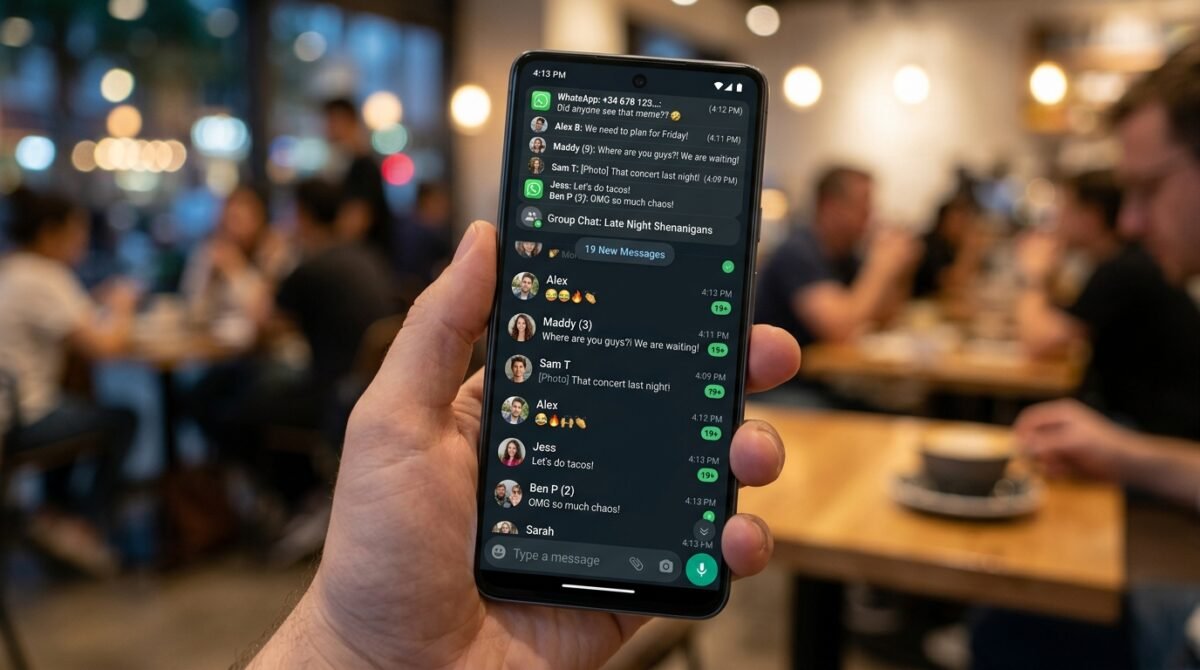
The next morning, I woke up to a flurry of notifications. My phone was blowing up with messages from our mutual friend group. Sarah had gone on a campaign. She hadn’t just told them I was rich; she had told them I was ‘withholding’ help from someone who was ‘suffering.’ She framed it as me being a cruel, detached, nouveau-riche monster who had forgotten her roots.
The group chat, usually reserved for brunch plans and memes, was now a courtroom. I saw messages from acquaintances I barely knew, echoing her sentiments. ‘It’s just a drop in the bucket for you, OP,’ someone wrote. ‘Why be so stingy?’ It was a coordinated strike. She wanted to shame me into submission. She wanted to use social pressure to open my wallet.
“Honestly, if you have that much extra cash, helping a friend is the kind thing to do. She’s really struggling with her self-esteem. Don’t be that person.”
— Message from a mutual friend in the group chat
I read through the messages, feeling my heart harden. I didn’t respond immediately. I took screenshots of every single message. I realized that my circle was much smaller than I thought, and that Sarah had been poisoning the well for a long time. She had clearly been waiting for a reason to frame me as the villain, and my bonus was the perfect catalyst.
I decided not to engage in the group chat. Instead, I sent a single, final message. ‘This is a private financial matter, and I will not be discussing it here. If you want to talk about my finances, feel free to do it without me in the chat.’ Then, I muted the conversation and took a deep breath. The silence that followed in my home was the first step toward reclaiming my autonomy.
Sarah didn’t stop, though. She started calling my parents. She started posting passive-aggressive stories on Instagram about ‘fake friends who change when they get a little money.’ She was playing a desperate game, and I was the primary target. Every notification felt like a brick being added to the wall I was building between us.
The $18,400 Demand Breakdown

I decided to document the absurdity. I pulled up the quote she had sent me and broke it down, not to justify myself to her, but to clarify the reality for anyone who might be listening. The list was extensive, covering everything from liposuction to a nose job. It was a complete overhaul, not a medical necessity. It was a lifestyle choice, and a very expensive one at that.
| Procedure | Cost | Status |
|---|---|---|
| Rhinoplasty | $8,500 | Elective |
| Liposuction (multiple zones) | $6,900 | Elective |
| Recovery/Facility Fees | $3,000 | Elective |
| Total | $18,400 | UNFUNDED |
Seeing it in a table made it feel even more ridiculous. She wasn’t asking for help with a health crisis or a debt payment; she was asking for $18,400 worth of vanity modifications. The fact that she felt entitled to this from a friend is a testament to the level of delusion she had reached. It wasn’t about the surgery; it was about the power dynamic.
She wanted me to be her benefactor, not her peer. She wanted the version of me that was successful to exist solely to serve the version of her that was insecure. It was a parasitic arrangement disguised as a friendship. I looked at the numbers and realized I had been paying for her emotional labor in the form of dinners and gifts for years, and this was simply the final, most expensive invoice.
I kept the table on my computer as a reminder. Whenever I felt guilty, whenever the social pressure from the group chat started to get to me, I opened the file. It was my anchor to reality. It reminded me that ‘no’ is a complete sentence and that I didn’t owe anyone my hard-earned savings, regardless of how long we had known each other.
The Sunday Dinner Silence

Two weeks later, my sister invited me to a family dinner. I knew Sarah would be there—we shared the same social circle—but I decided to go anyway. I wasn’t going to let her exile me from my own community. The tension in the dining room was palpable. People were talking, but nobody was looking at me directly. It was the classic ‘we heard the rumor’ vibe.
Sarah arrived late, looking like she had been crying, which was her signature move when she wanted to gain sympathy. She sat at the far end of the table, avoiding my gaze. When the main course was served, she leaned over to my cousin and said, just loud enough for me to hear, ‘It’s amazing how much money can change someone. I never thought I’d be sitting here with a stranger.’
“If you want to talk about money, Sarah, let’s do it. You wanted $18,400 for plastic surgery. I said no. That’s the entire story.”
— My statement at the dinner table
The entire table went silent. You could hear the silverware clinking against the china. My cousin looked at me, then at Sarah, visibly uncomfortable. Sarah’s face went beet red. She hadn’t expected me to be so blunt. She had been counting on me being too polite, too embarrassed, to call her out in front of everyone.
‘That’s not the whole story,’ she stammered, trying to regain control of the narrative. ‘It’s about what you promised me. It’s about being a friend.’ I looked her straight in the eye. ‘A friend supports you, Sarah. A friend doesn’t treat you like a bank account. And a friend certainly doesn’t try to manipulate you using family and mutual acquaintances.’
She stood up, grabbed her coat, and left without saying another word. The silence that followed was heavy, but for the first time in weeks, it felt like the truth had finally been spoken. I finished my meal, thanked my sister for the dinner, and went home. The guilt was gone, replaced by a cold, hard resolve. The bridge wasn’t just burning; I was the one who had finally cut the rope.
The Reddit Community Weighs In

I posted my story on a popular forum, needing an outside perspective to see if I was truly the villain. Within hours, the post had thousands of upvotes and a deluge of comments. The consensus was overwhelming, but the nuance in the debate was fascinating to read. It wasn’t just ‘NTA’; it was a deep dive into the psychology of financial boundaries.
“The audacity of someone to ask for $18,000 for elective surgery is astronomical. You aren’t a bank, you’re a human being. The fact that she tried to shame you in a group chat is toxic behavior. Block her and move on.”
— u/FinanceExpert99 (Top Comment, 32.1k upvotes)
Others pointed out the manipulative history. One user noted, ‘She didn’t ask for help because she’s your best friend; she asked because she’s been waiting for her payday. You are an ATM to her, not a person.’ It was validating to hear that my intuition—that this was a long-term pattern—was shared by thousands of strangers online.
There were a few contrarians, of course. Some argued that ‘if you’re super rich, you should take care of your tribe.’ But those comments were quickly buried under replies explaining that ‘taking care of your tribe’ doesn’t mean funding elective medical procedures at the expense of one’s own future. The community helped me realize that the guilt I felt was a construct I had been conditioned to accept by Sarah.
The most helpful comments were the ones from people who had been through similar ‘best friend’ breakups. They shared stories of how they had finally learned to say no and how their lives had improved once the emotional vampires were removed. It was a digital support group that gave me the strength to handle the inevitable aftermath of our fallout.
The Fallout: Navigating the New Normal
The weeks following the dinner were difficult. I lost some friends who believed Sarah’s version of the story. It hurt, but it also clarified who was actually on my side. Those who stayed were the ones who understood boundaries and respected my autonomy. My circle became smaller, but it was much, much stronger. I started focusing on my career, my health, and my own goals, no longer distracted by the drama of someone else’s life.
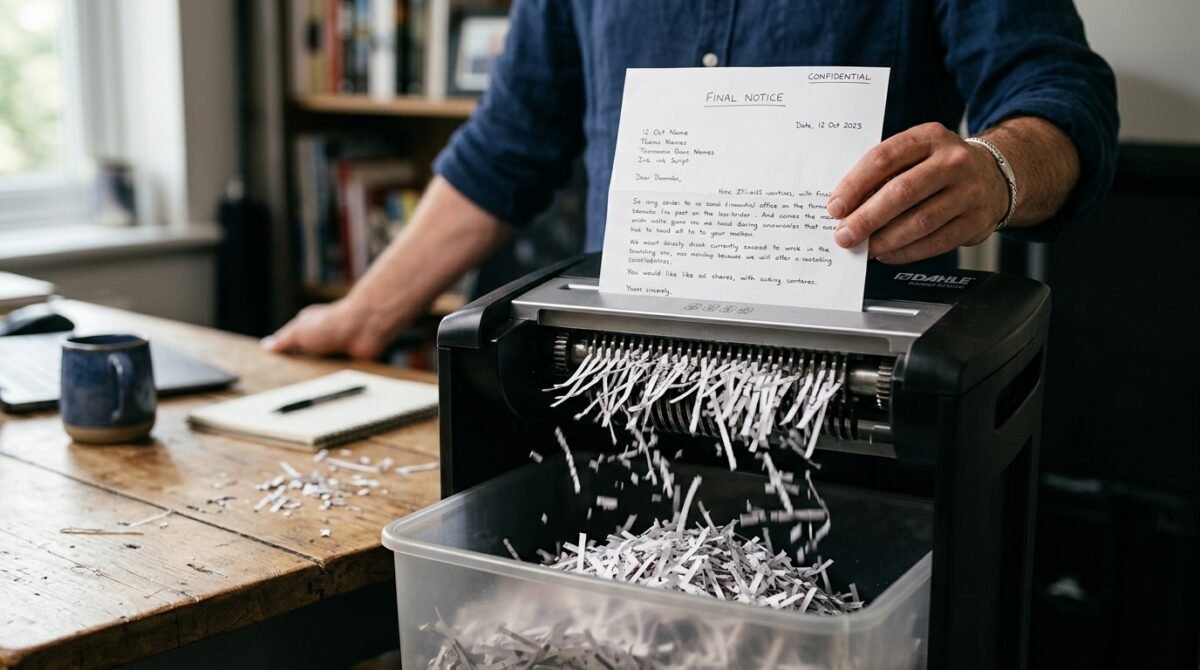
Sarah made one more attempt to contact me. She sent a long, handwritten letter to my apartment, apologizing for the ‘misunderstanding’ but reiterating that she was in a ‘dark place’ and that I was the only one who could save her. It was a classic manipulation tactic: guilt, blame, and a plea for help. I didn’t open it. I dropped it in the shredder without reading past the first paragraph.
It was liberating. I realized that ‘saving’ someone is not the job of a friend. A friend is someone you walk beside, not someone you carry. If she wanted to be in a better place, she had to do the work herself. My bonus was meant for my future, and I felt proud for the first time that I had protected that future from those who would have stripped it away.
I started therapy to understand why I had allowed myself to be a doormat for so long. The therapist helped me see that my need to be the ‘helper’ had been exploited by people who didn’t actually care about me, only about what I could do for them. It was a tough realization, but it was necessary for growth.
Lessons in Financial Boundaries

I learned more about human nature in those few months than I had in the previous decade. Financial success is a magnifying glass; it highlights the people who truly love you and the people who are just waiting for a handout. I now keep my finances strictly private. I don’t share details about bonuses, raises, or windfalls. It’s not out of paranoia, but out of a desire for authentic, ego-free relationships.
Setting boundaries is the most important skill I’ve developed. I learned that saying no is not an act of hostility; it’s an act of self-preservation. When you say yes to someone else’s unreasonable request, you are saying no to your own peace of mind, your own security, and your own growth. I choose my peace of mind every single time now.
I also realized that I don’t need to justify my decisions to anyone. I don’t need to explain why I have money or why I’m keeping it. My life, my choices. The people who genuinely care about me don’t demand anything from me, and the people who demand things from me don’t genuinely care about me. It’s a simple rule, but it changed everything.
If you find yourself in a position where you’re being asked to fund someone else’s lifestyle, take a step back. Ask yourself if they would do the same for you. Ask yourself if the friendship would survive without the money. If the answer is no, you have your answer. You don’t owe anyone your future.
The Final Reflection on Friendship

Looking back, I don’t miss Sarah. I miss the memory of the friendship I *thought* we had, but I don’t miss the reality of the friendship we actually possessed. That friendship was a fiction I had written to feel good about myself. I wanted to be the hero, the savior, the generous friend. But I wasn’t being a hero; I was being a facilitator for someone else’s toxicity.
True friendship is about mutual support and shared joy. It’s not about debt, obligation, or financial maneuvering. I’ve realized that the best friends I have now are the ones who don’t care about my bank account. They care about my day, my thoughts, and my well-being. They are the ones I want to share my success with, and they are the ones who are genuinely happy when I do well.
I’ve stopped trying to ‘fix’ my friends. I’ve stopped trying to buy their affection or their loyalty. It’s a much cleaner, more honest way to live. I’ve learned that sometimes, the best thing you can do for someone is to let them stand on their own two feet, even if they fall. My bonus didn’t just change my financial life; it saved me from a relationship that would have eventually drained me of everything.
The experience was a hard, expensive lesson, but it was worth it. I am no longer the person who feels guilty for having success. I am no longer the person who feels obligated to sacrifice my security for the validation of others. I am free. And that is the best bonus I could have ever received.
Community Reflection: Would You Have Paid?
The debate continues in the comments, with readers weighing in on their own experiences with friends and money. Many people have shared stories of similar betrayals and the relief they felt after cutting ties. It seems this is a more common issue than I ever imagined. The pressure to support others is a universal struggle, especially when wealth is involved.
I am curious to hear your take. Would you have said yes, or would you have set the same boundary? Have you ever had a friend demand something so unreasonable that it ended the relationship? The stories shared in the comments are a testament to the fact that we are all navigating these complex human interactions, trying to find the balance between generosity and self-respect.
I will be reading through the comments and engaging with the community. Let’s keep the discussion going. Share your thoughts, your advice, or your own horror stories. It’s a safe space to vent and to learn from one another. We are all just trying to navigate life, and sometimes, sharing our stories is the best way to find clarity.
What would you do if your best friend asked you to fund their surgery? Is there ever a scenario where you would say yes, or is elective surgery always a hard line? Let’s talk about it. The floor is yours, and I look forward to reading your perspectives.
Conclusion
The journey from that initial, intrusive text to this moment of calm reflection has been long and fraught with emotional complexity. I’ve learned that the boundaries we set are the architecture of our own happiness. By refusing to let my bonus be the catalyst for someone else’s vanity, I didn’t just save my money; I saved my self-worth.
Friendship should be a sanctuary, not a hostage situation. If you are currently feeling the weight of an unreasonable demand from a friend or family member, know that you are not obligated to set yourself on fire to keep them warm. It is okay to say no. It is okay to choose yourself. It is okay to walk away from people who only value what you can provide.
I am now focusing on my own goals, surrounded by people who celebrate my success rather than trying to tax it. The experience taught me to value my peace above all else. For those of you who have supported me in the comments, thank you. Your validation helped me realize that I wasn’t the one who was wrong. To those who were skeptical, I understand—but I encourage you to think about what you would do if the demand was yours to face.
Join the discussion below: If you had an unexpected windfall, how would you navigate the request of a friend or family member in need? Have you ever had to draw a hard line to save a relationship, or did it inevitably lead to an ending? Share your thoughts, and let’s see where the community stands on the ethics of ‘helping’ versus ‘enabling.’ Your experiences might just save someone else from making the same mistake.
What's your verdict on this dilemma?
Vote below to contribute to the official community consensus.

Have a Dilemma Keeping You Up at Night?
Share your real-life feud, wedding chaos, or relationship crossroads anonymously with our editorial team.
What do you think ?
0 Comments🛡️ Comments are moderated to protect community integrity. Your comment will appear once approved by the editorial team.