
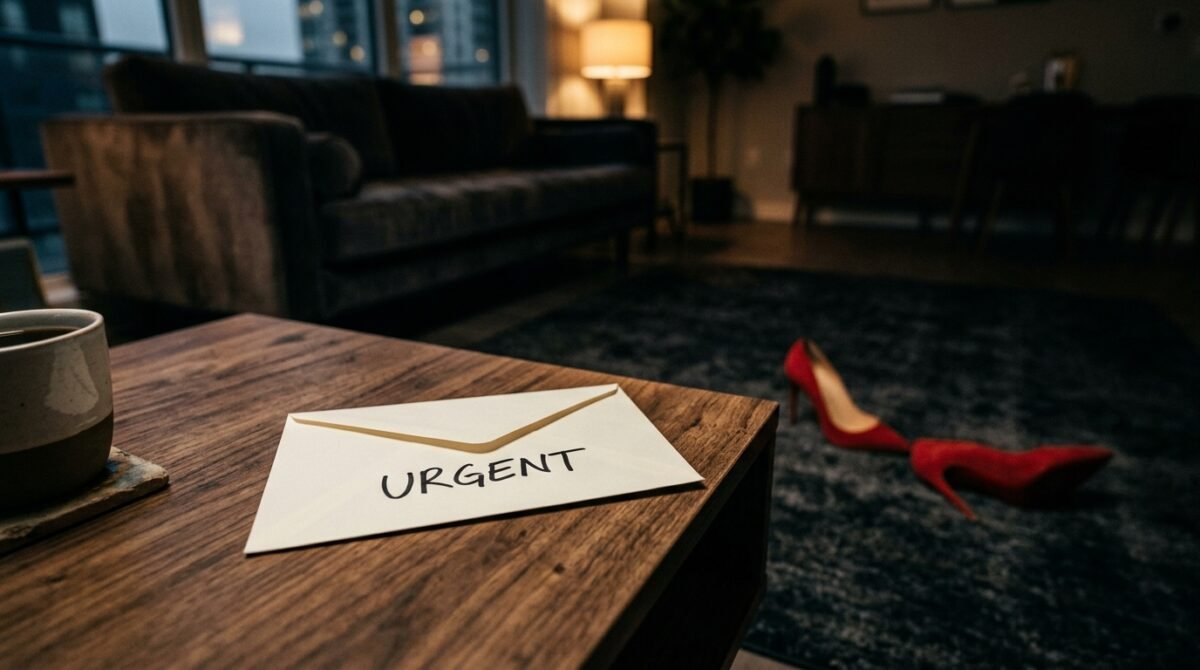
We all have that one friend who refuses to dress down, even for a casual Friday night gathering involving pizza and board games. My friend, Clara, has always been the ‘extra’ one in our group. While the rest of us were comfortably settled into leggings and oversized sweaters, Clara would arrive in designer dresses and footwear that looked like they belonged on a Parisian runway. I’ve always admired her commitment to her aesthetic, even if it meant she spent half the night complaining about her feet.
Last month, I hosted a small get-together at my place. It was meant to be low-key—just four of us, a bottle of wine, and a new strategy game I’d been dying to try. The air was thick with the scent of pepperoni and the sound of laughter. I had cleared the area, pushed the rug back, and made sure the living room was as hazard-free as a standard apartment could be. I certainly hadn’t anticipated the chaos that was about to unfold.
Clara arrived late, looking stunning as always, but teetering on six-inch platforms. Within twenty minutes, she attempted to cross the room to grab a drink, caught her heel on the edge of a hardwood floor transition, and went down hard. The sound wasn’t just a thud; it was a sickening crack that silenced the room instantly. We spent the next three hours at the emergency room, with me acting as her chauffeur and support system, never once thinking that this night would end in a financial demand.
What followed over the next few weeks was a masterclass in entitlement and gaslighting. I assumed that friends covered their own accidents, but Clara had a different perspective. She argued that because she ‘only’ wore the shoes because she knew I was hosting, the environment was my responsibility. It started as a joke, then a nudge, and finally, a formal invoice left in my mailbox. This is the story of how a harmless game night turned into a bridge-burning legal nightmare.
The High-Stakes Arrival in the Living Room

Clara’s entrance was dramatic by design. When she walked through my front door, she didn’t just walk; she made a statement. The click-clack of her heels on my hardwood floor sounded like a countdown to something, though I couldn’t have predicted what. She was wearing a satin slip dress and those sky-high platforms she swore made her feel like a ‘goddess.’ I remember thinking, briefly, that she was going to have a hard time navigating the apartment, but I kept my mouth shut to avoid being the buzzkill.
We had barely started the first round of the game when the atmosphere shifted. Clara was restless, constantly moving between the kitchen and the couch to check her phone or refresh her wine. I watched her wobble on the transition strip between the kitchen tiles and the living room rug. It was a slight bump in the floor that I had been meaning to fix for months, but everyone who lived here knew to step over it. Clara, distracted by her social media notifications, simply didn’t see it coming.
The fall was fast and terrifying. One moment she was standing, and the next, she was sprawled out on the floor, her ankle twisted at an angle that made my stomach turn. The room went cold. Everyone froze, unsure if we should laugh or panic. The groan that escaped her lips told us everything we needed to know. She wasn’t just embarrassed; she was in genuine, sharp pain.
“Oh my god, Clara! Are you okay? Don’t move your foot, let me grab the ice pack from the freezer right now.”
— Me, immediately after the fall
I felt a pang of guilt, even though I knew it wasn’t my fault. I hovered over her, trying to assess the damage while the others looked on with concerned expressions. She was pale, clutching her ankle, refusing to let anyone touch it. The decision to go to the hospital was unanimous, even if she insisted she was ‘fine’ through gritted teeth. I left my half-finished wine, grabbed my keys, and prepared for a long night of waiting under fluorescent lights.
The drive to the ER was tense. Clara kept alternating between crying and scrolling through Instagram, as if to prove she was still ‘fine.’ I apologized for the floor, for the rug, for the lighting—I apologized for everything. I wanted to be the supportive friend, the one who would be there when the doctor told her it was just a sprain. I had no idea that my empathy was being cataloged as an admission of guilt in her head.
The $4,000 Surprise in the Mailbox
Life returned to a semblance of normal for a few days. I checked in on Clara via text, sent her a gift card for food delivery, and offered to pick up anything she needed from the store. She seemed appreciative, or at least that’s how it read over text. She mentioned having to pay a deductible at the ER, but she never once suggested that I should be the one to pay it. It felt like a standard post-injury recovery phase, where we both moved on from the trauma of that night.
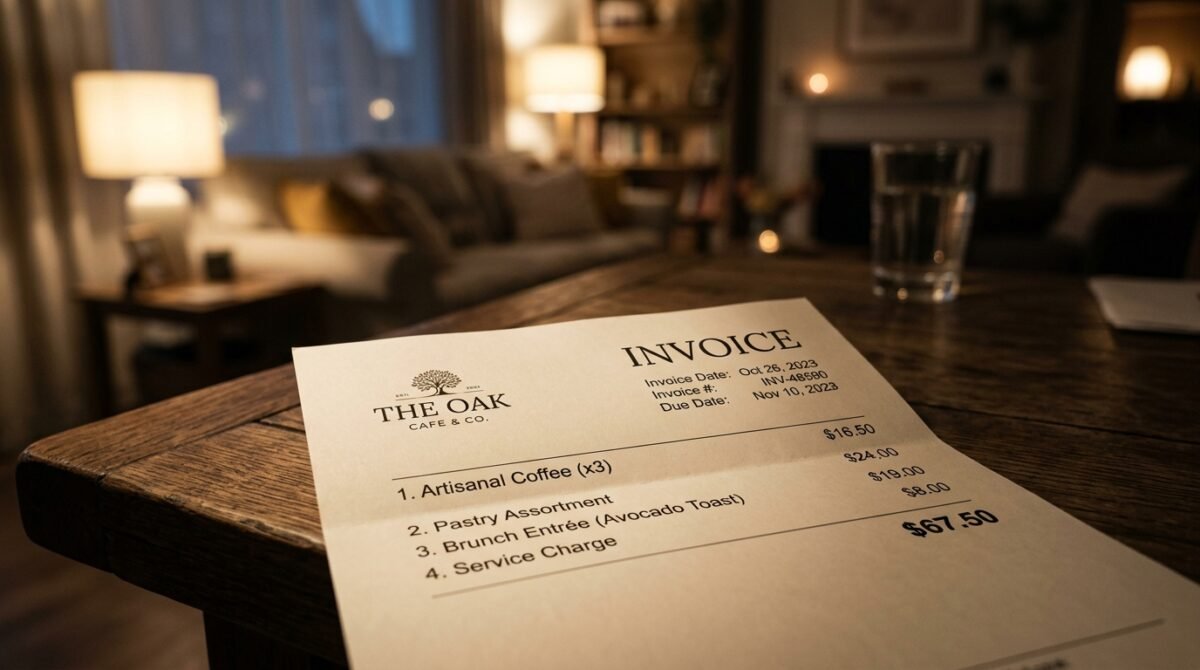
Then came the envelope. It wasn’t a standard piece of mail; it was a heavy, off-white cardstock envelope with no return address, just my address typed in the center. Inside was a crisp, printed invoice from her insurance provider and a handwritten note from Clara. The total due was $4,200. She had attached a post-it note that read: ‘Since you didn’t have a safe walkway for your guests, I’m hoping you can take care of this. Love you!’
I stared at the paper for a long time, wondering if it was a prank. I called her immediately, my heart hammering against my ribs. I wanted to give her the benefit of the doubt, to hear her explain that it was just a joke she took too far. But when she picked up, her tone was business-like and cold, completely devoid of the warmth she’d shown just days before. She wasn’t laughing.
“Clara, I just opened the envelope. Please tell me this is some kind of sick joke. You want me to pay four thousand dollars for your medical bills?”
— Me, during the phone call
She sighed, a long, dramatic sound that told me she had prepared for this conversation. She explained that she had consulted with someone—maybe a boyfriend or a cousin, she wouldn’t say—who told her that homeowners have a duty to keep their premises safe for guests. She framed it as a ‘matter of principle,’ claiming that if I had fixed my floor, she wouldn’t have been injured. The audacity was suffocating.
I hung up the phone and sat in silence for an hour. The realization that my friend of five years saw me as nothing more than a liability insurance policy was a bitter pill to swallow. I felt used, manipulated, and ultimately, deeply betrayed. I wasn’t just looking at an invoice; I was looking at the end of a friendship. I decided then and there that I wouldn’t pay a single cent, even if it meant she took me to small claims court.
The Digital Breadcrumb Trail of Entitlement
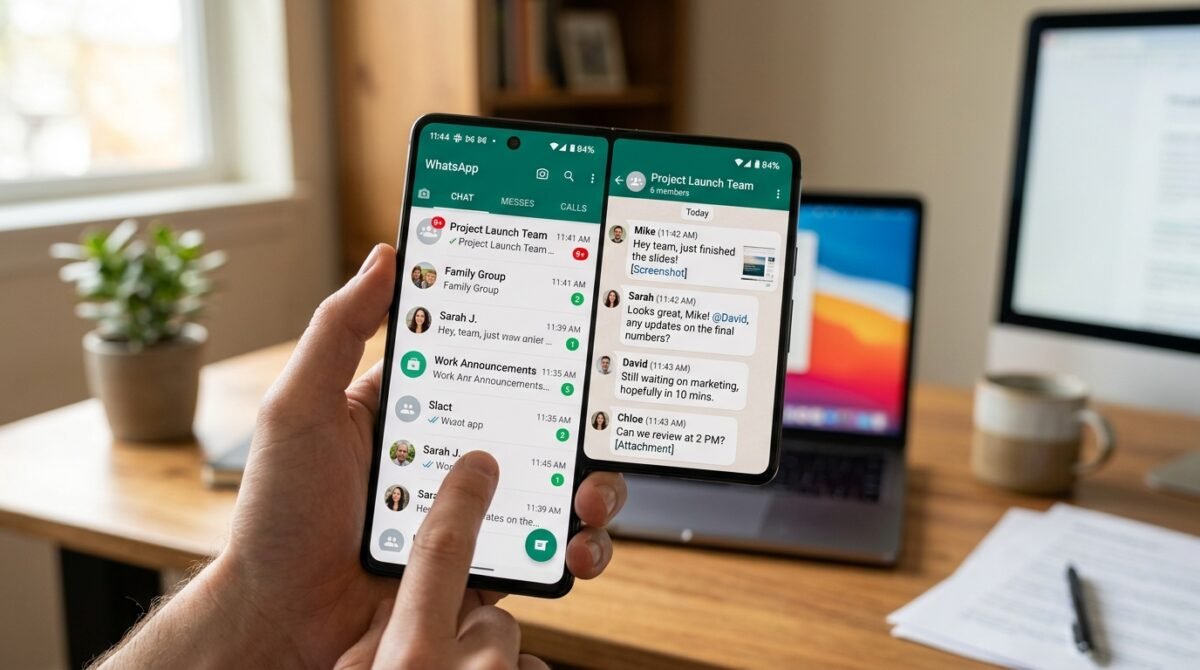
I knew I couldn’t keep this to myself. I needed to know if I was losing my mind, so I went to our group chat—the one that had been silent since the night of the incident. I took a deep breath and screenshotted the invoice, then sent it to the group with a simple caption: ‘Is this real life?’ The response was immediate. Within minutes, my phone was blowing up with messages from our mutual friends, all of whom were as shocked as I was.
Sarah, one of our closest friends, was the first to weigh in. She had been at the apartment that night and knew exactly how the fall went down. She was livid. She pointed out that Clara had been drinking, that she had chosen to wear those shoes despite knowing we were hanging out at a private residence, and that none of us had seen the floor as a danger. The support was validating, but it also fueled the fire of our collective anger.
“Are you kidding me? She fell because she was showing off those shoes! I saw her trip, she was clearly looking at her phone! This is absolutely insane. Don’t you dare pay that, OP.”
— Sarah, in our group chat
The conversation quickly turned into a dissection of Clara’s history of entitlement. We recounted stories of her expecting others to pay for her drinks, her tendency to cancel plans at the last minute if something ‘better’ came up, and her general lack of accountability. It was as if the dam had broken, and all the suppressed frustrations of the last few years were finally coming to the surface. It was therapeutic to realize I wasn’t the only one who felt this way.
But the real shock came when someone shared a screenshot of Clara’s own Instagram story. Taken just an hour before the accident, it showed her posing in the very shoes she claimed were ‘too dangerous’ for my floor. The caption read: ‘Living my best life in my favorite platforms!’ It was the perfect piece of evidence. She wasn’t forced to wear them; she was proud of them. The argument that I was responsible for her choices was crumbling before my eyes.
I felt a strange sense of relief. I wasn’t just fighting a friend; I was fighting an illogical demand that had no basis in reality. I began drafting a response to her, one that was firm and final. I didn’t want to leave room for negotiation. I wanted her to know that the friendship was over, and that the bill would be staying exactly where it was—in her hands.
The Confrontation at the Coffee Shop
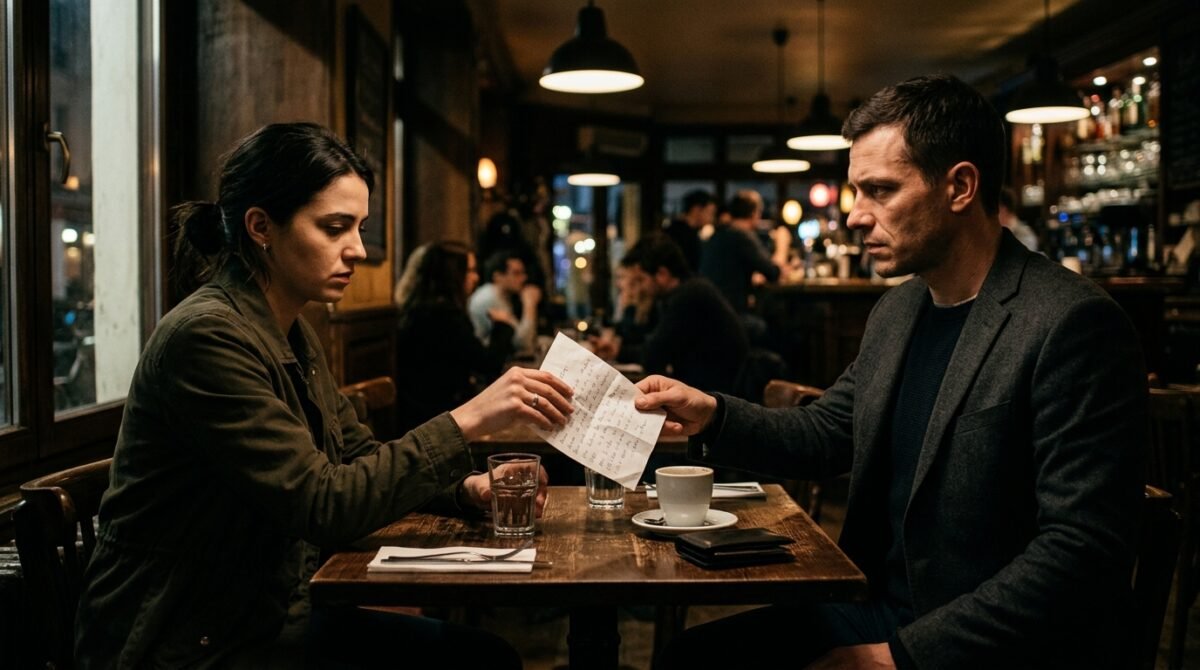
I agreed to meet her one last time, mostly because I wanted to deliver my answer in person. We chose a public place—a quiet coffee shop downtown where she wouldn’t be able to make a scene without drawing attention. She arrived in a chic trench coat, still wearing a brace on her ankle, looking every bit the victim. She didn’t offer a greeting, just sat down and placed her phone on the table, as if waiting for me to pull out a checkbook.
I didn’t waste time. I slid the invoice back across the table toward her. My hands were shaking, but my voice remained steady. I told her that I was not responsible for her personal choices, including her footwear. I reminded her of the Instagram post, the drinks she had consumed, and the fact that everyone else had navigated that floor without incident. I told her that our friendship was based on mutual respect, and this demand was the complete opposite of that.
“I am not paying for your mistake, Clara. You made a choice to wear those shoes, and you made a choice to be in my home. I am not an insurance company, and I am certainly not your ATM.”
— Me, during the coffee shop confrontation
Her reaction was a mix of disbelief and cold fury. She didn’t apologize; she doubled down. She started talking about ‘legal precedents’ she had read about online, rambling about ‘negligence’ and ‘premises liability.’ She looked at me with genuine contempt, as if I were the one failing to be a good friend. It was chilling to watch her transform into someone so transactional and uncaring.
I watched her as she talked, and I realized I didn’t know this person at all. Everything we had shared, every memory of late-night talks and shared secrets, felt hollow. She didn’t value me; she valued the potential gain she could get from me. When she stopped talking, I just stood up. I didn’t say goodbye. I walked out into the cool air, leaving her sitting there with her invoice and her designer shoes, and for the first time in weeks, I felt light.
The walk back to my car was long, but it felt like a victory lap. I had set a boundary, and I had held it. The fear of being the ‘bad friend’ was gone, replaced by the clarity of knowing that a real friend would never put me in this position. I knew she might follow through with the legal threats, but I was ready for it. I had the evidence, the witnesses, and the truth.
The Reddit Jury Delivers Their Verdict

When I finally posted the full story to the AITA subreddit, I didn’t expect the response I got. Within three hours, the post had over 10,000 upvotes and thousands of comments. The community was overwhelmingly on my side, with people sharing their own stories of ‘friends’ who had tried to sue them or guilt them into paying for accidents. The validation was overwhelming, but the legal advice was also surprisingly helpful.
One user, who claimed to be a paralegal, broke down why her threat was completely baseless. They explained that in most jurisdictions, a ‘social guest’ isn’t owed the same level of safety as a business patron, and that ‘comparative negligence’ would likely prevent her from recovering anything even if she did file a suit. It was the reassurance I needed to stop worrying about the potential for a lawsuit.
“NTA. Your friend is a delusional narcissist. She chose the shoes, she chose to walk on the floor, and she is responsible for her own body. Do not pay, block her, and move on. This friendship is a parasite.”
— u/LegalEagle88 (Top Comment, 18.2k upvotes)
There were, of course, a few contrarians. Some people argued that as a host, I had a moral obligation to ensure my home was safe, and that I should have ‘offered’ to help. But these comments were quickly shouted down by the majority, who pointed out the difference between a minor gesture of goodwill and a forced demand for thousands of dollars. The nuance of the situation—the shoes, the alcohol, the Instagram post—seemed to be the deciding factor for most.
Reading the comments was like watching a community rally behind me. It was a stark reminder that while I had felt isolated in my living room, I wasn’t alone in the world. People understood the boundary I was drawing, and they supported it. It gave me the courage to finally block Clara on everything. I didn’t need to hear her excuses anymore; I had all the confirmation I needed from the thousands of strangers who saw the situation exactly as it was.
The Reddit thread became a place for me to process the grief of losing the friendship. I shared updates, answered questions, and read stories from others who had faced similar betrayals. It was a digital support group that kept me grounded. By the time the thread began to lose steam, I was already feeling like a different person. I was no longer the guilty host; I was someone who had stood up for themselves.
The Aftermath: Silence and New Boundaries
A month has passed since the coffee shop confrontation. I haven’t heard from Clara, and to be honest, I hope I never do. I’ve heard through the grapevine that she’s been badmouthing me to some of our mutual acquaintances, calling me ‘cheap’ and ‘unsupportive,’ but it doesn’t sting the way it used to. I’ve realized that the people who believe her are the ones I don’t need in my life anyway.
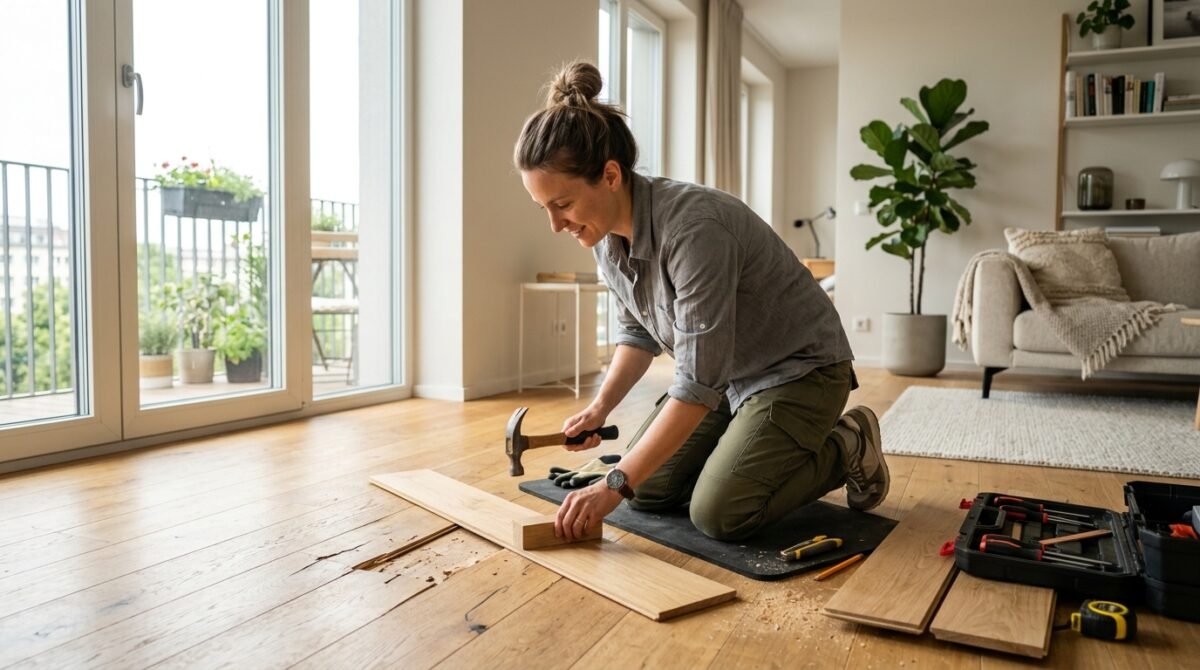
I finally fixed the floor transition. It was an easy, inexpensive job that took me all of thirty minutes. Every time I look at it, I think about that night. It’s no longer a symbol of my guilt, but a reminder of the lesson I learned. I’ve become much more discerning about the people I invite into my home. I don’t feel the need to be the perfect, accommodating host anymore. If someone is uncomfortable, they can leave. I’m not responsible for their comfort or their fashion choices.
My social life has changed, too. I still have game nights, but they’re smaller, more intimate affairs with people who respect my space and my boundaries. We don’t have drama; we have fun. It’s a relief to know that I don’t have to walk on eggshells—or worry about someone else’s heels—in my own apartment. I’ve reclaimed my home as a sanctuary, not a battleground.
“I learned that boundaries aren’t just about what I do; they’re about what I refuse to allow. Saying ‘no’ was the hardest part, but it was also the most empowering.”
— My internal reflection, one month later
I’ve also started saving the money I would have ‘gifted’ her towards a trip I’ve been wanting to take. It feels like a small act of self-care. I’m putting that money into my own life, my own experiences, and my own happiness. It’s the ultimate way to show that I’m moving on. I’m not looking back, and I’m definitely not paying for anyone else’s bad decisions ever again.
Reflecting on the Cost of Friendship

Looking back, I find myself thinking about the nature of friendship. How many of us stay in toxic relationships because we feel a sense of obligation? We excuse bad behavior, we pay for mistakes that aren’t ours, and we prioritize the other person’s feelings over our own sanity. I used to think that being a ‘good friend’ meant being a doormat. I thought that if I gave enough, I’d eventually get the same treatment in return. I was wrong.
Clara taught me that friendship isn’t a ledger. You don’t get ‘credits’ for being nice, and you don’t ‘owe’ people just because you share a history. Real friendship is built on mutual respect, empathy, and the ability to say ‘I’m sorry’ without making it a transaction. If someone can’t do that, they don’t belong in your inner circle. It’s a hard lesson to learn, and it’s even harder to watch a long-term bond dissolve, but it’s worth it for the peace of mind.
I often wonder what she would have done if I had paid. Would she have come back for more? Would she have found another ‘accident’ to blame on me? I suspect she would have. People like that don’t change because they get what they want; they just get more entitled. By saying no, I didn’t just save my money; I saved myself from a lifetime of being her scapegoat.
“I finally realized that some friendships are meant to expire. Keeping them on life support when they’ve already died is just holding you back from finding the people who actually value you.”
— My realization during a quiet evening
I’m grateful for the experience in a strange, twisted way. It forced me to grow up and define my values in a way I never had to before. I’m stronger, more confident, and much clearer about what I will and will not tolerate. The $4,000 bill was a steep price, but the life lesson was priceless. I’m finally living for me, and that is a victory that no amount of money could ever buy.
The Anatomy of a Failed Relationship
As I sit here today, I can analyze the friendship with a bit more clarity. It wasn’t always this way. There were good times—road trips, late-night heart-to-hearts, celebrating milestones together. But looking back, I see the cracks. The way she always needed the spotlight. The way she made me feel small so she could feel big. It was a pattern, one I had been ignoring for years because I was so desperate for her approval.
The ER bill was just the final piece of a puzzle I had been avoiding for a long time. It was the moment the mask slipped, and I finally saw the person behind the charm. She wasn’t my best friend; she was someone who was using me for validation, for resources, and for a place to play out her dramatic fantasies. It’s painful to admit that, but it’s the truth. I was an accessory to her life, not an equal partner.
I’ve reached out to a therapist to help me process the fallout. It’s been helpful to talk through the feelings of guilt and the lingering anger. I’ve realized that I had a hard time setting boundaries because I was raised to be ‘polite’ and ‘accommodating.’ I’m unlearning those habits now, replacing them with a sense of self-worth that doesn’t depend on anyone else’s opinion of me. It’s a work in progress, but I’m making strides.
“You deserve friendships that fill your cup, not ones that drain it. If you’re constantly giving and never receiving, you aren’t in a friendship—you’re in a transaction.”
— My therapist’s advice
I hope that one day, she reflects on this and realizes how she lost a true friend. But I’m not holding my breath. She seems to be living in a world where she is the perpetual victim, and that’s a sad place to be. I’ve moved on to a better, more authentic life. I’m surrounded by people who lift me up, and I’ve never been happier. The lesson, while costly, was essential.
Setting Boundaries in a Host-Guest Culture

This experience has changed how I host parties entirely. I’m no longer obsessed with making sure everything is perfect. I don’t care if the wine glasses don’t match or if the floor has a slight bump. My home is a living space, not a hotel. If people want to be comfortable, they should dress for the occasion. I’ve stopped worrying about the ‘vibe’ and started focusing on the company. The people who matter don’t care about the decor; they care about the conversation.
I’ve also become more vocal about expectations. When I invite people over now, I send a quick note: ‘Casual dress code, wear flats or sneakers, we’re keeping it low-key.’ It sounds silly, but it’s a way of setting the tone before anyone arrives. It’s not about being controlling; it’s about being clear. Communication is the key to avoiding misunderstandings, and I’ve learned that it’s better to be upfront than to deal with the consequences later.
I’ve seen a shift in my friend group, too. Others have started to set their own boundaries. It’s like we all realized that we were working too hard to please people who didn’t care about us. We’re more honest with each other now, more authentic. We don’t have to put on a show. We can just be ourselves, and that’s the greatest gift of all. The ‘accident’ might have been a disaster for Clara, but it was the catalyst for a much-needed change in my life.
“The most important boundary you will ever set is the one that protects your own peace. Don’t let anyone make you feel guilty for saying no.”
— A quote I found that really resonates with me now
I’m looking forward to the future. I have plans, goals, and a community of people who love and support me. I’m no longer defined by the expectations of others. I’m defined by who I am and what I stand for. And if that means I’m the ‘bad guy’ in Clara’s story, so be it. I know the truth, and that’s all that matters. My home is my own again, and I’m finally at peace.
Moving Forward: My Final Stance
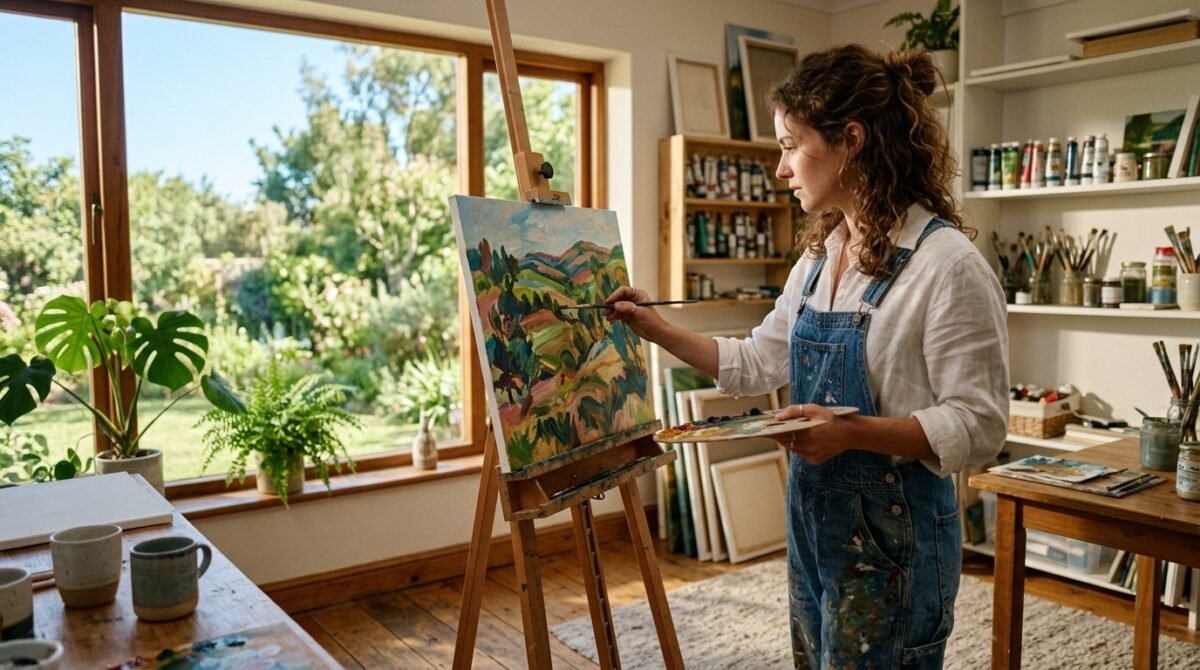
So, where am I now? I’m here, thriving, and completely free of the drama. I’ve stopped checking my bank account to see if the payment has gone through (it never will). I’ve stopped worrying about what she says to our mutuals. I’m focused on my own growth. I’ve taken up a new hobby—painting—and I’ve found that it helps me express the emotions I used to keep bottled up. Life is vibrant, full, and completely mine.
If there’s one takeaway from this entire ordeal, it’s this: trust your gut. If a situation feels wrong, it is wrong. If a person makes you feel small, they’re not your friend. And if someone ever tries to hold you responsible for their own poor choices, don’t just say no—run. Life is too short to be someone else’s scapegoat. I’m glad I learned this at this stage in my life, and I’m ready for whatever comes next.
I’ve learned that sometimes the most painful experiences are the ones that lead us to the most significant breakthroughs. I wouldn’t wish the stress of the last few months on anyone, but I wouldn’t change the outcome for the world. I’ve found my voice, I’ve found my strength, and I’ve found the freedom to be myself without apology. It’s a beautiful place to be.
“I am not responsible for the choices of others. I am only responsible for my own actions and the boundaries I set. And today, those boundaries are stronger than ever.”
— My final, personal mantra
Thank you for listening to my story. It’s been a long journey, but I’m finally at the end of it. I’m looking forward to a future filled with genuine connections, honest communication, and a whole lot of peace. And if anyone ever shows up to my place in six-inch heels? I’ll just smile, offer them a pair of slippers, and let them know that the rug is slippery. But that’s all they’re getting from me!
Conclusion
Reflecting on this, I realize how easy it is to fall into the trap of ‘polite guilt.’ We are often conditioned to believe that as long as we are ‘nice,’ we can avoid conflict. But true conflict resolution doesn’t come from being nice—it comes from being firm, clear, and honest. I learned that my boundaries aren’t an attack on others; they are a defense of my own integrity. I hope that by sharing my story, I’ve encouraged at least one person to stand up for themselves the next time someone tries to shift the blame for their own mistakes onto them.
I want to hear from you. Have you ever been in a situation where a friend tried to blame you for their own accident? How did you handle it? Did you stand your ground, or did you cave to the pressure? Let’s talk about it in the comments. We can all learn from each other’s experiences, and perhaps, together, we can redefine what it means to be a ‘good friend’ in the modern age. Is it time we stop equating ‘being nice’ with ‘being a doormat’?
What's your verdict on this dilemma?
Vote below to contribute to the official community consensus.

Have a Dilemma Keeping You Up at Night?
Share your real-life feud, wedding chaos, or relationship crossroads anonymously with our editorial team.
What do you think ?
0 Comments🛡️ Comments are moderated to protect community integrity. Your comment will appear once approved by the editorial team.