
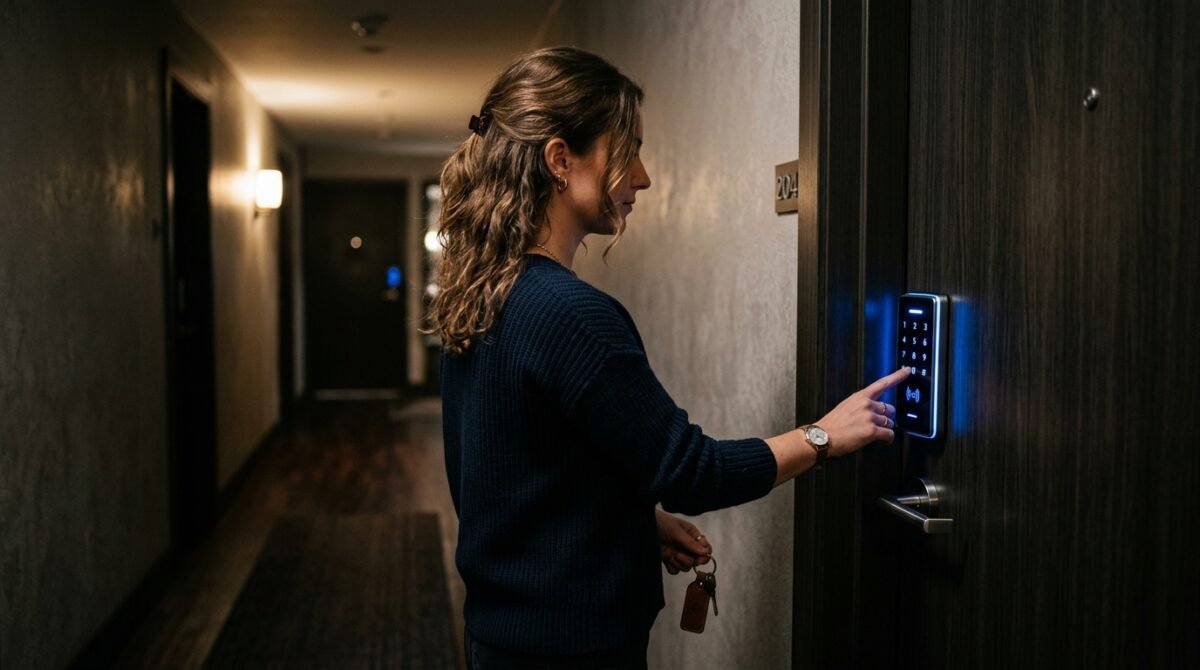
Marriage is built on the foundation of shared trust and mutual access. We share bank accounts, we share life goals, and most importantly, we share the physical space where we rest our heads at night. For three years, Mark and I had a perfectly functional, if occasionally argumentative, life. But everything changed when my younger sister, Elena, was diagnosed with a severe autoimmune flare-up that required me to travel across the state to help her recover. I expected to be gone for two weeks; I expected my husband to hold down the fort. I did not expect to return to a fortress.
The phone call I received while I was away was mundane—a request for my work schedule, a complaint about the dry cleaning. There was no mention of home renovations. There was no discussion of security upgrades. When I finally walked through the front door after ten days of exhaustion and hospital sterile environments, I expected the comfort of my own bed. Instead, I was met with the high-pitched chirp of an electronic reader mounted firmly against the doorframe of our master bedroom.
It wasn’t just a lock; it was a statement. It was a digital barrier between me and the space that was legally and emotionally mine. Mark wasn’t there when I arrived. He was at work, blissfully unaware that the power dynamic he had tried to shift had just tilted violently in the other direction. I stood in the hallway, the blinking red light of the RFID sensor mocking me, and I realized that this wasn’t just about a door. It was about control.
I am not a woman who cowers. I am not a woman who asks for permission to enter her own home. As the silence of the house pressed against my ears, the shock slowly dissolved into a cold, hard clarity. If Mark wanted to play games of access and exclusion, he had picked the wrong opponent. I didn’t reach for a screwdriver to pry the device off; I reached for my phone to find a locksmith who could get here before he returned.
The Chime of the Electronic Sentinel
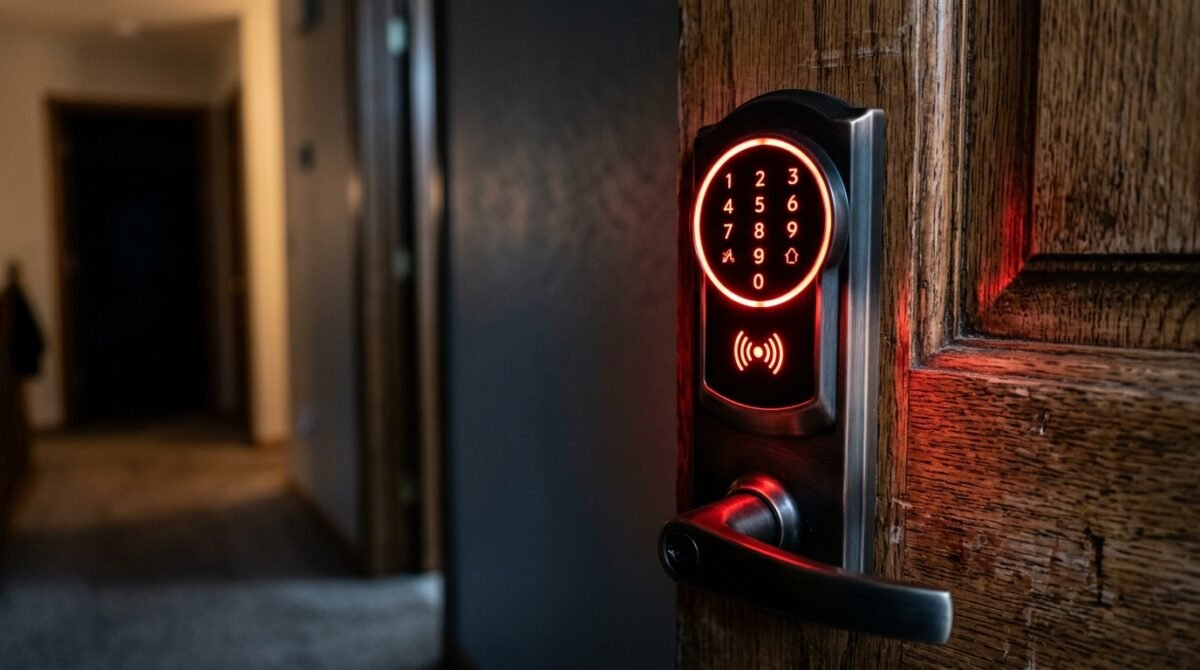
The sound of the door clicking shut behind me was heavy. I dropped my suitcase in the foyer, the wheels scraping against the hardwood with a sound that felt entirely too loud in the empty house. I walked down the hall, expecting to see the room as I left it—perhaps a bit messy, maybe some laundry on the floor, but familiar. Instead, the sight of the brushed-metal RFID reader, a piece of industrial hardware completely out of place in our suburban colonial home, hit me like a physical blow.
I reached out to touch the panel. It felt cool, clinical, and utterly foreign. There was no keyhole, just a smooth black surface where a keycard or a fob was meant to rest. I hadn’t been given a key. I hadn’t been informed. This was a unilateral decision made in the dark, a silent installation meant to surprise me, or perhaps, to exclude me.
“What in God’s name did he do? He turned the master suite into a server room. Why?”
— My internal monologue, standing in the hallway.
I backed away, pulling out my phone. I saw no messages from Mark. No ‘Welcome home, hope you had a safe trip.’ Just the silence of a man who thought he had successfully cordoned off his domain. I felt the pulse in my throat thumping against my skin, a mix of panic and a rising, white-hot anger that I hadn’t felt in years. He knew I was coming home today. He knew exactly what he was doing.
I walked into the kitchen and sat at the island. I looked at the mail piling up, the half-empty coffee mug he’d left on the counter, and the utter disregard for my presence. It wasn’t just the lock. It was the audacity of the assumption that I would simply accept it. I took a deep breath, composed my face, and looked up a local locksmith who specialized in residential security. I needed him gone, or at least, I needed the power to come and go as I pleased.
The locksmith arrived within forty-five minutes. He was a middle-aged man with a heavy tool belt and a look of confusion as I pointed him toward the exterior doors. ‘You want the deadbolts replaced?’ he asked, scratching his head. ‘The current ones look brand new.’ I smiled, a tight, humorless expression. ‘Yes,’ I said. ‘I want them replaced. And I want the keys to be entirely new. No duplicates in the house, except for the ones I keep.’
The Locksmith’s Unexpected Question

As the locksmith worked, the rhythmic sound of his drill echoed through the house. It was a grounding sound. Every turn of the screw felt like a reclamation of my territory. He was efficient, a man of few words, but he clearly recognized the tension in the room. He didn’t ask about the master bedroom lock; he didn’t need to. He saw the shift in the atmosphere and kept his head down, focusing on the heavy-duty hardware I had selected.
When he was finished, he handed me a set of three keys. They were heavy, brass, and felt incredibly sturdy. ‘These are high-security cores,’ he noted. ‘Nobody is going to be picking these or bumping them. You’re good to go.’ I thanked him, paid him, and watched him leave, feeling a strange sensation of triumph. I was currently the only person in the world who could unlock the front and back doors of this house.
I retreated to the guest room—the room I had been staying in while caring for my sister—and waited. I didn’t have to wait long. At exactly 6:00 PM, the sound of Mark’s car pulled into the driveway. I heard the engine cut, the door slam, and the confident, heavy footsteps of a man who thought he had everything under control. He walked up to the front door, inserted his key, and the silence that followed was music to my ears.
“Wait, why isn’t this opening? Did you re-key the house? Open this door, Sarah! This isn’t funny!”
— Mark, pounding on the front door.
I walked to the door, peering through the peephole. He looked red-faced, frustrated, and utterly bewildered. It was a look of pure, unadulterated confusion. He tried his key again, twisting it with force, but the new deadbolt held firm. It was a beautiful, static piece of metal. I didn’t open the door. I walked back to the kitchen and waited for his next move.
He went to the back door next, the sound of his frantic fumbling echoing through the house. I stood in the kitchen with a glass of water, watching the clock. He was starting to panic, his rhythm changing from measured attempts to panicked pounding. I felt no guilt. I felt a surge of energy that had been suppressed for far too long. He had installed a barrier, and now he was experiencing the exact same thing.
The Confrontation Through the Glass
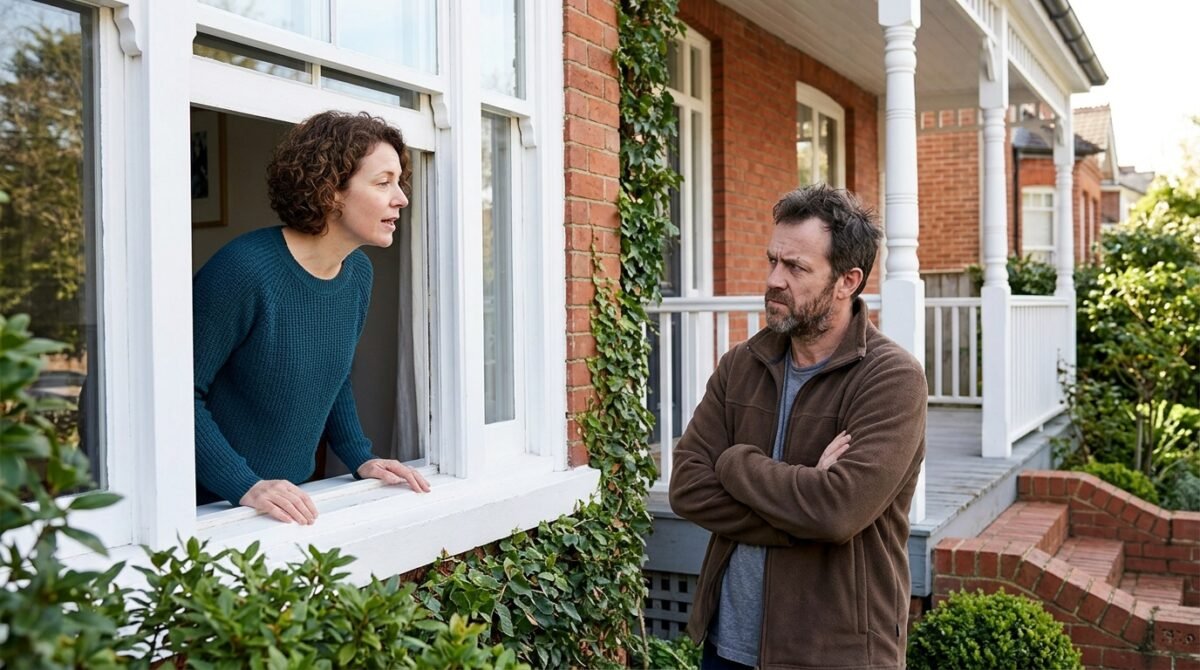
Eventually, Mark realized I wasn’t coming to the door. He walked around to the side window, tapping on the glass. I walked over and pulled back the curtain. Our eyes met through the pane. He looked like he was about to explode, but I just stood there, arms crossed, staring him down. I tapped on my watch. He had been home for ten minutes, and he still wasn’t inside.
“Are you insane?” he shouted, his voice muffled by the double-pane glass. “Unlock the door right now! What is wrong with you?” I didn’t shout back. I stayed calm, my voice steady as I opened the window just a crack to let his words through. “I’m not unlocking anything, Mark,” I said. “I’m busy. And I’m sure you have a way to get into the master bedroom, don’t you? Maybe you should go try your little electronic badge on the front door. Oh wait, it doesn’t work there.”
He went pale. He hadn’t expected me to be home. He hadn’t expected me to notice the change so quickly, or to react with such immediate, decisive action. “That lock… I put that there for security! There have been break-ins in the neighborhood! I just wanted to make sure our most valuable stuff was safe!” He was backpedaling, his bravado crumbling the moment he realized his own security had been compromised.
“Valuable stuff? You mean me? Or the room? Because I am pretty sure I’m the one who lives in there, and I don’t recall asking for a digital warden.”
— Sarah to Mark, through the cracked window.
I watched him struggle with his internal narrative. He was trying to justify his actions as an act of protection, but the lie was too thin. He knew, and I knew, that the lock was about control. It was about defining the space in a way that excluded me, or at least, kept me under his watchful eye. He looked at me, really looked at me, and saw that the submissive wife he had left behind ten days ago had vanished.
“I’m going to call a locksmith,” he threatened, pulling out his phone. I chuckled. “Go ahead. But it’s five o’clock on a Friday. Good luck finding someone who can bypass these specific high-security cores in under four hours. You’re going to be waiting on the porch for a long time, Mark. Maybe you should have thought about that before you turned our home into a restricted-access facility.”
The Digital Breadcrumb Trail
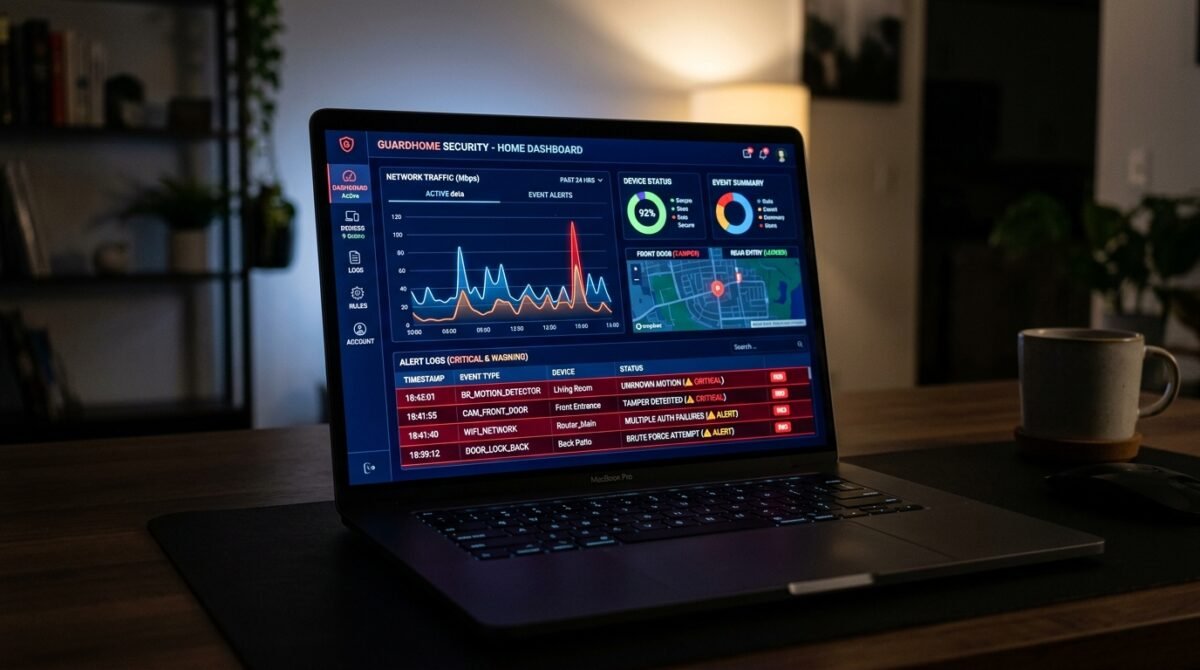
While he paced on the porch, I sat down and pulled out my laptop. I didn’t just want to win the battle; I wanted to understand the full scope of the war he had declared. I logged into our shared smart-home hub, the one he insisted we use for ‘energy efficiency and security.’ I started digging through the logs. I wanted to see exactly when that reader was installed and what it was linked to.
The logs were revealing. Not only had he installed the lock, but he had also configured it to send alerts to his phone every time the door was accessed. He had also linked it to the master bedroom’s climate control, which would automatically set to a specific temperature if no one was registered as being in the room. He was managing our private space like he was running a data center.
I found a series of emails in his trash folder that he had failed to permanently delete. They were from a home automation company, discussing the installation of ‘restricted access protocols for residential master suites.’ The emails were cold, calculating, and confirmed that this wasn’t a sudden, impulsive decision. He had been planning this for months, likely while I was still here, waiting for the perfect opportunity—my trip to see my sister—to execute the plan.
“Project Fortress: Phase One complete. Master suite secured. Awaiting remote access integration for remaining household zones.”
— Email found in Mark’s deleted folder.
My heart sank, but it also solidified. ‘Project Fortress.’ The level of premeditation was staggering. He wasn’t protecting the house; he was systematically stripping away my autonomy. I felt a chill run down my spine. How much else had he planned? How much else had been happening under my nose while I was focused on my sister’s health? I kept digging, finding more evidence of his desire to monitor, track, and restrict.
I took screenshots of everything. I saved the logs, the emails, and the configuration settings. I didn’t know what I was going to do with them yet, but I knew that in any future negotiation—be it a conversation or a divorce settlement—this would be my ace in the hole. He thought he was the architect of my environment; he was actually providing the blueprints for his own undoing.
The Silent Standoff

Hours passed. The sun began to dip below the horizon, casting long, orange shadows across the living room. Mark had stopped pacing. He was sitting on the porch steps, staring at his phone. He had tried calling me, but I had muted the ringer. I wasn’t ready to talk. I needed the silence to process the betrayal. Every time I looked at the hallway, I saw the black plastic of that reader, and I felt a renewed sense of purpose.
I went to the kitchen and prepared a simple dinner. I didn’t care that he was hungry. I didn’t care that he was cold. He had made a choice, and now he was living with the consequences. I ate, I cleaned, and I spent the rest of the night reading in the living room, listening to the occasional sound of his frustrated sighing from outside. It was a strange, surreal night, the kind that changes the trajectory of a life.
At around midnight, he finally knocked on the door again, but this time it wasn’t the frantic, demanding knock of before. It was slow, hesitant. He was tired. I walked to the door and spoke through the wood. “The keys are on the kitchen table, Mark,” I said. “But they only work for the front door. You are not entering the master bedroom until that reader is gone. And if you even think about trying to bypass it, I will be calling a lawyer.”
“Sarah, please. You’re being dramatic. It’s just a lock. Let me in, we can talk about this.”
— Mark, through the locked door.
“It’s not just a lock, Mark,” I replied. “It’s a symptom of a much larger problem. You don’t get to manage my life like a piece of equipment. You have until tomorrow morning to remove that hardware and restore the door to its original state. If it’s still there when the sun comes up, I’m leaving, and I’m taking everything that’s mine with me.”
I didn’t wait for his response. I went to the guest room and locked the door from the inside. I didn’t sleep much, but I felt a strange peace. For the first time in three years, I felt like I was in control of my own physical reality. The power dynamic had shifted, and I was the one holding the keys. Literally.
The Morning After: The Ultimatum
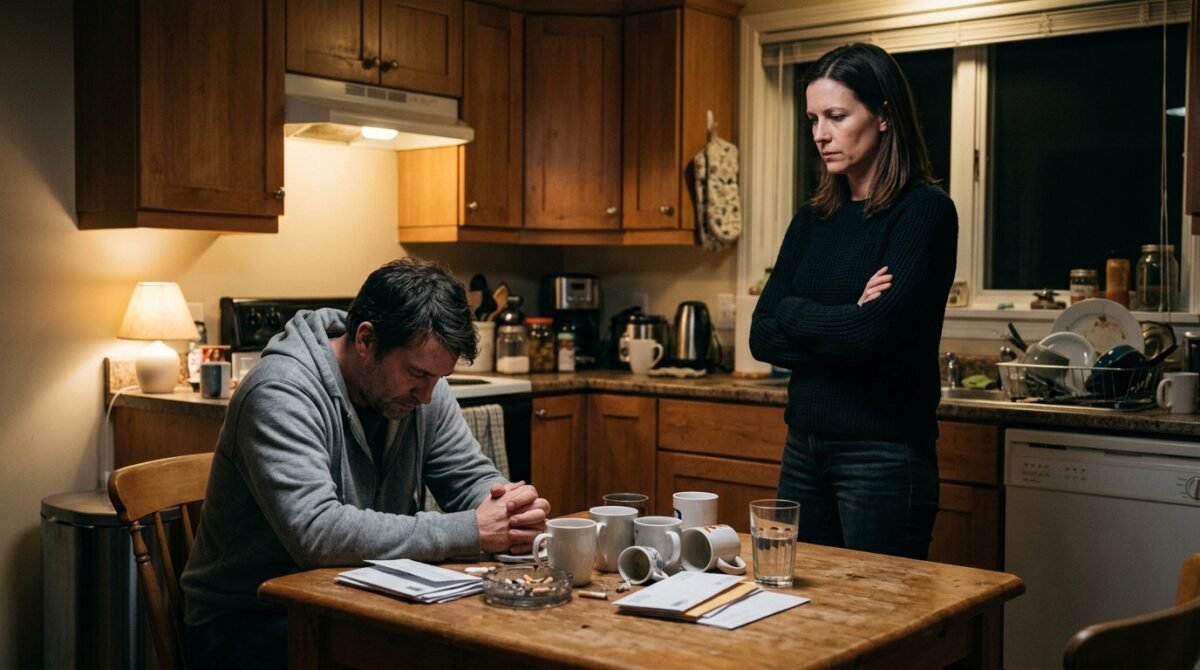
When I woke up, the sun was streaming through the curtains of the guest room. I felt stiff, but my mind was sharp. I went to the hallway and checked the front door. The deadbolt was still the one I had installed. I walked toward the master bedroom. The RFID reader was still there, glowing softly in the morning light. He hadn’t touched it. He had spent the night on the couch, or perhaps he had left to find a hotel. It didn’t matter.
I walked to the kitchen and found him sitting at the table. He looked disheveled, his clothes wrinkled from the night. He looked up as I entered, his eyes bloodshot. “I can’t believe you’re doing this,” he said, his voice raspy. “I’m your husband. We’re supposed to be a team. You’re acting like I’m an enemy.”
“You started acting like an enemy when you installed a security checkpoint on my bedroom, Mark,” I countered. “Teams don’t lock their partners out of their own private spaces. You made a decision to prioritize your control over my trust, and now you’re surprised that I’m prioritizing my independence over your comfort. The reader comes off today, or I’m done.”
“You’re throwing away our marriage over a piece of hardware? That’s insane, Sarah. Just let me explain.”
— Mark, pleading his case at the kitchen table.
“I’m throwing away the version of our marriage where I’m a subordinate,” I said. “I don’t need an explanation for why you wanted to track my movements or restrict my access. I need to know why you thought it was acceptable to treat me like that in the first place. And honestly? I don’t think you have a good answer.”
He stood up, looking like he wanted to argue, but the look in my eyes must have stopped him. I wasn’t angry anymore. I was past anger. I was at the point of detachment, a place where he no longer had the power to hurt me. He looked at me, and for the first time, he seemed to realize that the person standing in front of him wasn’t the same woman who had left for her sister’s house ten days ago.
The Reddit Verdict: Community Outrage

I knew I needed perspective, so I posted the story on a popular relationship subreddit. I didn’t expect the flood of support that followed. Within hours, my post had thousands of upvotes and hundreds of comments. People were horrified, not just by the lock, but by the implications of the ‘Project Fortress’ emails I had found. It was validating to see that I wasn’t crazy for reacting the way I did.
The community response was unanimous: this was a textbook case of controlling behavior escalating into abuse. Many users pointed out that the RFID reader was just the tip of the iceberg, and that the pre-meditation involved in the installation was a massive red flag. The advice ranged from immediate divorce to counseling, but everyone agreed on one thing: the lock had to go, and I needed to protect myself.
“OP, please listen: this is not about a door. This is about total control. He didn’t just ‘install a lock.’ He built a system to track you and manage you. This is dangerous. Get a lawyer, get your important documents, and get out of there. You are not safe with someone who views you as a security vulnerability.”
— u/SafetyFirstAlways (Top Comment, 32.1k upvotes)
Another user noted the financial aspect: “Check your bank accounts. If he’s this controlling about the house, he’s definitely trying to control the money. Make sure you have your own accounts and that he doesn’t have access to your personal savings. This guy is a power-tripper, and those people don’t change without years of intensive therapy, if at all.”
Reading the comments felt like being hugged by thousands of strangers. They saw what I was living through, and they gave me the strength to follow through with my plan. It wasn’t just my perspective; it was the consensus of people who had been through similar situations. I wasn’t overreacting. I was reacting to a situation that was fundamentally untenable.
I kept reading, noting the different angles. Some people warned me about legal repercussions if I changed the locks, but most were adamant that in a shared home, ensuring one’s own access is a right, not a crime. The advice was clear: keep the evidence, document everything, and prioritize my own safety above all else. The community became my support system, the one I had been missing while I was stuck in this house with Mark.
The Removal: A Symbolic Destruction
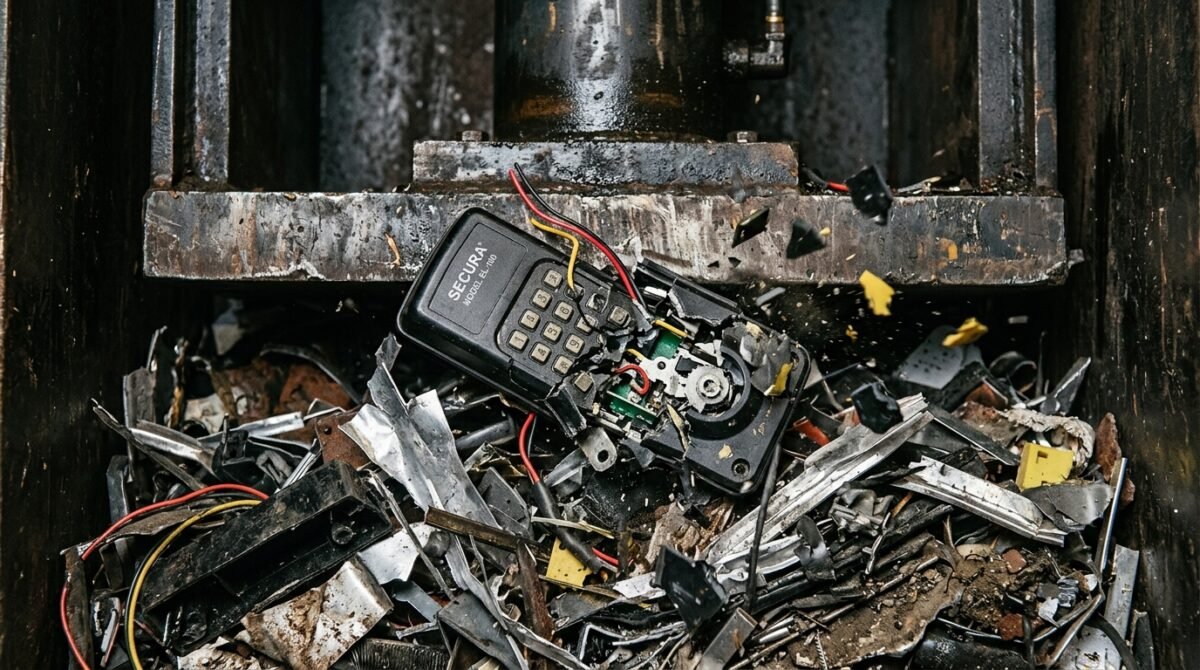
With the support of the community and the clarity that comes from knowing you’re not alone, I decided to take the next step. I didn’t want him to remove the lock. I wanted to remove it myself, in front of him. I wanted to take that piece of equipment and destroy it, to show him that his ‘Project Fortress’ was nothing more than a toy to me. I called the locksmith back.
He arrived an hour later, looking a bit confused but happy to take another job. ‘Ready for it to come off?’ he asked. I nodded. We walked to the master bedroom. Mark tried to stop us, standing in the doorway, but I pushed past him. ‘This is my home, Mark. And I don’t want this in my home anymore.’ The locksmith, sensing the tension, didn’t hesitate. He took his tools and, in less than five minutes, the reader was off the wall.
The holes left behind were jagged, a stark reminder of the violence done to the door. I looked at the device, now sitting in the palm of the locksmith’s hand. It looked so small. So insignificant. How had I let something so small define my life for even a second? I took the device from the locksmith, thanked him, and then, in front of Mark, I walked to the kitchen and dropped it into the trash compactor.
“That was six hundred dollars, Sarah. You just destroyed six hundred dollars of hardware.”
— Mark, watching as the compactor crushed the RFID reader.
“It wasn’t worth six cents to me, Mark,” I said, watching the machine grind the metal and plastic into scraps. “It was a symbol of your lack of respect for me, and I don’t want it in my house. You can buy all the gadgets you want, but you will never again have the power to control where I go or what I do in my own home.”
The act of destruction was cathartic. It wasn’t just about the lock; it was about reclaiming my agency. I felt the weight of the last few days lifting. Mark stood there, stunned, unable to comprehend that his ‘project’ had been dismantled in such a public and decisive way. He looked smaller, somehow, less like the man who tried to control everything, and more like someone who had lost the only game he knew how to play.
The Aftermath: Redefining the Boundaries
The days that followed were tense, but productive. We didn’t talk much. I spent the time organizing my finances, making sure that every single penny I earned was in an account he couldn’t touch. I also started looking at apartments. I knew that I couldn’t stay here. Even without the lock, the house was tainted by the memory of what he had done. It was a space that no longer felt like mine, not because of the lack of access, but because of the lack of trust.
Mark tried to apologize. He said he was stressed, that he was overwhelmed, that he just wanted to feel ‘in control’ of something in a world that felt chaotic. I listened, but I didn’t offer comfort. His explanations were just more excuses for behavior that was fundamentally unacceptable. He didn’t want a partner; he wanted a subordinate, someone to manage and control. And I wasn’t that person anymore.
I told him I was leaving. I didn’t do it in a fit of rage, but with a quiet, firm conviction. He was shocked, but deep down, I think he knew it was coming. The moment the lock was destroyed, our marriage was effectively over. You can’t rebuild a foundation that has been so thoroughly poisoned by the desire for control. He tried to bargain, offering to take down all the other smart-home devices, to give me full control, to go to therapy. It was too little, too late.
“I don’t want control, Mark. I want a partner. And you’ve shown me that you’re not capable of being that for me. I’m done.”
— Sarah to Mark, during the final conversation.
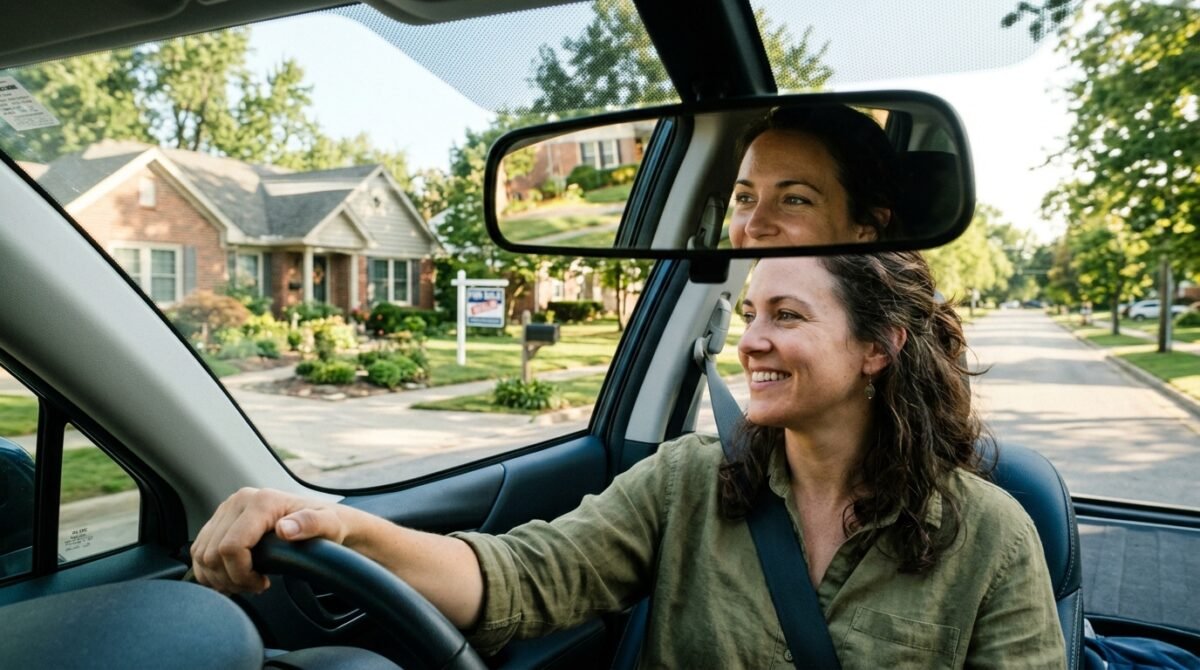
I left the house a week later. I took my things, my documents, and my dignity. It was the hardest thing I’ve ever had to do, but it was also the most liberating. As I drove away, I looked back at the house one last time. It looked exactly the same as it had when I moved in, but everything had changed. I wasn’t just moving out; I was moving on to a life where I was the architect of my own space.
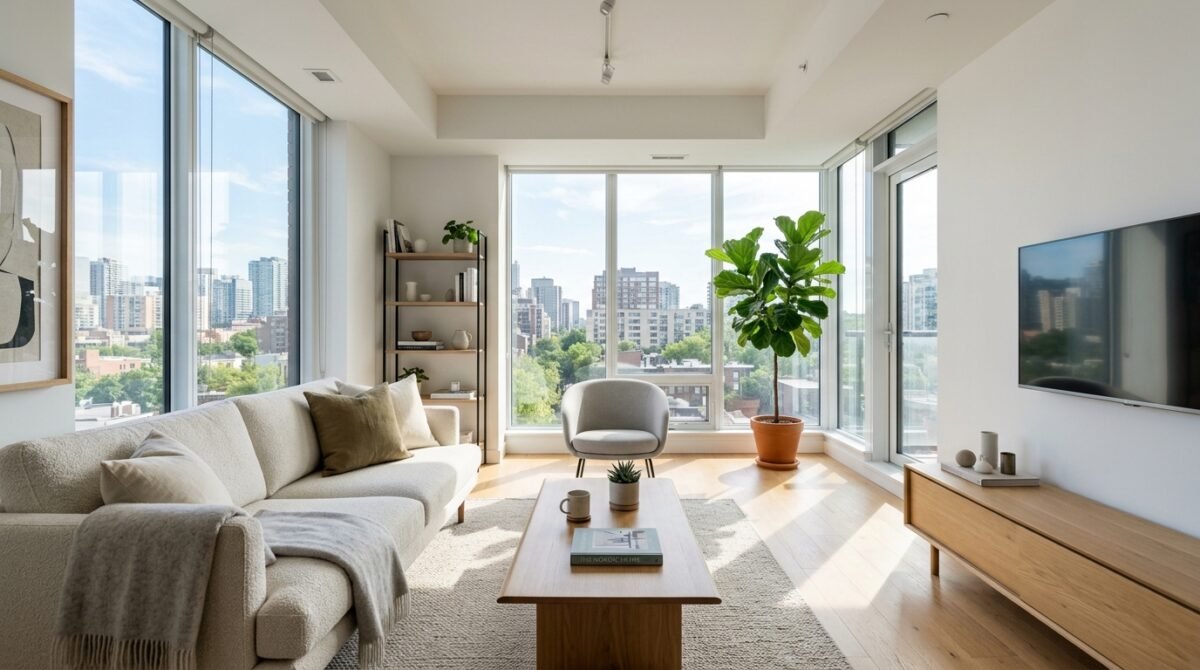
The transition wasn’t easy, but it was necessary. I moved into a small, sunny apartment that was entirely my own. There were no smart locks, no RFID readers, no hidden cameras. Just a simple, old-fashioned key that I kept in my bag. It was the best feeling in the world. I was finally, truly, in control of my own life.
Reflections on a Reclaimed Life
Looking back, I realize that the RFID reader was just a catalyst. It was the final, most visible piece of a puzzle I had been trying to solve for years. I had been living with a man who needed to feel superior, who needed to manage every aspect of our lives to feel secure. It wasn’t love; it was management. And I was the one being managed.
The experience taught me the value of setting boundaries early and enforcing them without apology. I used to think that being a ‘good wife’ meant compromising, giving in, and letting things slide for the sake of peace. I was wrong. True peace comes from respect, and you can’t have respect if your partner doesn’t value your autonomy. I lost my marriage, but I gained my self-respect. And that is a trade I would make every single time.
I still talk to my sister. She’s doing better now, and our relationship has become one of the most important parts of my life. She was the reason I was away, and in a way, she was the reason I found the strength to leave. Seeing her struggle and fight for her health made me realize that life is too short to be wasted on people who don’t support your journey. I’m grateful for that perspective.
“You didn’t lose anything, Sarah. You just got rid of a weight that was holding you back. You’re finally free to be yourself.”
— My sister, during one of our evening calls.
I’m still learning who I am on my own. I’m learning how to make decisions without worrying about how they’ll affect someone else’s sense of control. I’m learning how to build a space that is truly mine, a sanctuary where I can feel safe and secure without the need for high-tech surveillance. It’s a work in progress, but it’s a progress that I’m making on my own terms.
To anyone who is going through something similar: trust your gut. If something feels off, if you feel like your autonomy is being stripped away, don’t ignore it. Don’t rationalize it. Your home should be your sanctuary, not a prison. And you have the right to lock the doors and decide who gets to walk through them. Always.
Conclusion
My journey from a locked-out wife to a woman living on her own terms has been the most transformative period of my life. The RFID reader was the ultimate wake-up call, a blunt reminder that when trust is replaced by control, the relationship is already over. By changing the locks, I didn’t just reclaim my house; I reclaimed my life, my dignity, and my future.
Today, I am in a much better place. I have found my own rhythm, my own voice, and my own space. I’ve learned that the most important locks to change are the ones we put on ourselves—the ones that keep us in situations that diminish our worth. I hope my story serves as a reminder that your autonomy is non-negotiable. If you find yourself in a situation where your partner is trying to manage you, take a step back, look at the big picture, and don’t be afraid to take the keys back.
What about you? Have you ever had to draw a hard line in your relationship, or have you experienced a situation where you felt like you were losing your autonomy? How did you handle it, and what did you learn? Let’s talk about it in the comments below—I’d love to hear your perspectives and stories of reclaiming your space.
What's your verdict on this dilemma?
Vote below to contribute to the official community consensus.

Have a Dilemma Keeping You Up at Night?
Share your real-life feud, wedding chaos, or relationship crossroads anonymously with our editorial team.
What do you think ?
0 Comments🛡️ Comments are moderated to protect community integrity. Your comment will appear once approved by the editorial team.