

It was supposed to be the trip of a lifetime—a week-long excursion to a secluded, five-star resort in the Maldives. My friend, Clara, and I had been planning this getaway for eighteen months. We had spreadsheets, curated outfits, and an itinerary that felt like a dream. But as the saying goes, ‘Man plans, and God laughs.’ Two weeks before our departure, my appendix ruptured in a sudden, violent turn of events that landed me in the emergency room for an urgent surgery and a week-long recovery period.
While I was laying in a sterile, white hospital bed, struggling with the post-operative fog and the sheer terror of the ordeal, I received a notification on my phone. It wasn’t a ‘Get well soon’ card or a worried text from my travel companion. It was a formal, cold invoice for my half of the non-refundable resort deposit and the projected cost of the room, amounting to nearly four thousand dollars. The text that followed was even more harrowing: ‘I know this is bad timing, but I can’t afford to cover your share, and we both signed the contract. You owe me.’
This is the story of how a twenty-year friendship disintegrated in the span of an afternoon. It is a cautionary tale about the intersection of money, expectations, and the complete lack of basic human decency during a crisis. When the dust settled, I wasn’t just recovering from surgery; I was recovering from the realization that I had spent years pouring my heart into a friendship with someone who viewed me as a line item on a budget sheet rather than a person.
The dilemma of whether to pay for a vacation I physically could not attend became the epicenter of a social circle fracture. As I share the details of the arguments, the leaked messages, and the social media fallout, I hope this serves as a reminder to always vet the people you trust with your time and your money. Sometimes, the most expensive lessons are the ones that force you to cut the dead weight of people who never truly cared for you in the first place.
The Initial Notification from the Hospital Bed
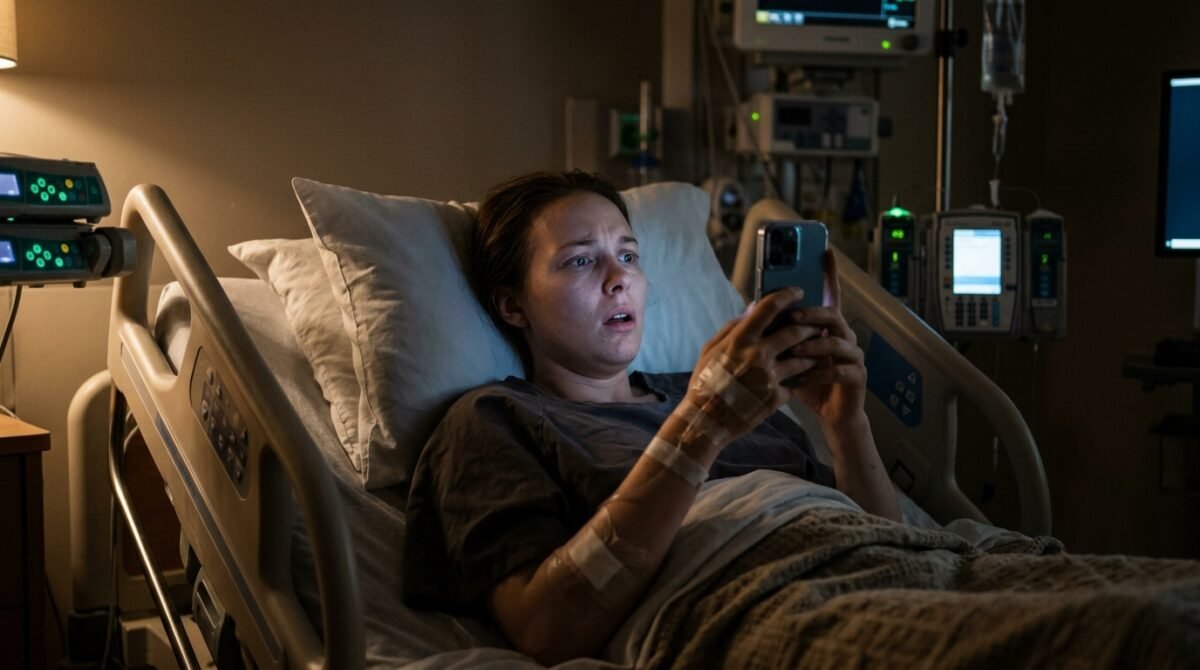
The morphine was still wearing off when my phone chirped against the metal bedside table. I had been in surgery for six hours, and my body felt like it had been put through a meat grinder. I hadn’t even had the chance to update my social media or call my extended family. I assumed it was my sister checking in, or perhaps my workplace asking for an update on my leave. Instead, the screen displayed a message from Clara that felt like a punch to the gut.
The text wasn’t just a demand; it was a manifesto of logistics. She had already calculated the exact exchange rate for the remaining balance and provided a Venmo request that spanned the width of my screen. It was as if she had been waiting for the exact moment I regained consciousness to ensure I couldn’t dodge the payment. I stared at the screen, unable to process the lack of concern for my physical wellbeing.
“Hey, I know you had your surgery, but the resort just sent the final invoice. Since you aren’t going, I need you to transfer $3,850 by end of day so I don’t lose my booking. It’s not fair for me to pay for the full room.”
— Clara (Text Message)
I didn’t reply immediately. I couldn’t. I was barely able to lift my arm to reach for the water cup. My mother, who had been sitting in the chair by the window, saw my face drop and rushed over. She thought I was in pain from the incision, but when she read the text, her expression turned from concern to pure, unadulterated fury. She tried to take the phone away, but I held onto it, needing to see if there was any nuance or empathy buried in the follow-up messages.
There was none. Instead, there was a screenshot of the resort’s cancellation policy, highlighted in yellow, pointing out the ‘no-refund’ clause. It felt less like a conversation between friends and more like a deposition in a court case. I felt a cold shiver that had nothing to do with the hospital’s air conditioning. This was a side of Clara I had never seen before—a side that prioritized a luxury vacation over the fact that I had almost died.
I finally typed out a shaky reply, explaining that I was still in the ICU and that money was the last thing on my mind. I told her I would deal with it when I was released, but that I needed time. Her response was instantaneous, proving she was glued to her phone, waiting for my confirmation of debt. She didn’t acknowledge my health; she only acknowledged the delay in payment.
The silence that followed in the room was deafening. My mother stood over me, her hands on her hips, ready to go to war. I realized in that moment that my life was about to change in more ways than just my physical health. I was mourning the loss of a person I thought I knew, and the surgical trauma seemed to pale in comparison to the sting of this betrayal.
The Anatomy of a ‘Fair’ Financial Split
When I finally got home from the hospital, the reality of the situation hit me. I had a stack of medical bills and a friend who was aggressively pursuing me for a luxury vacation cost. We had originally agreed to the trip as equals, but the dynamic had always been one where I, having a slightly higher income, often absorbed the ‘small’ costs—the dinners, the Ubers, the drinks. I had never minded, thinking of it as a way to facilitate shared memories. Now, those memories felt tainted by the realization that I was seen as a financier, not a friend.
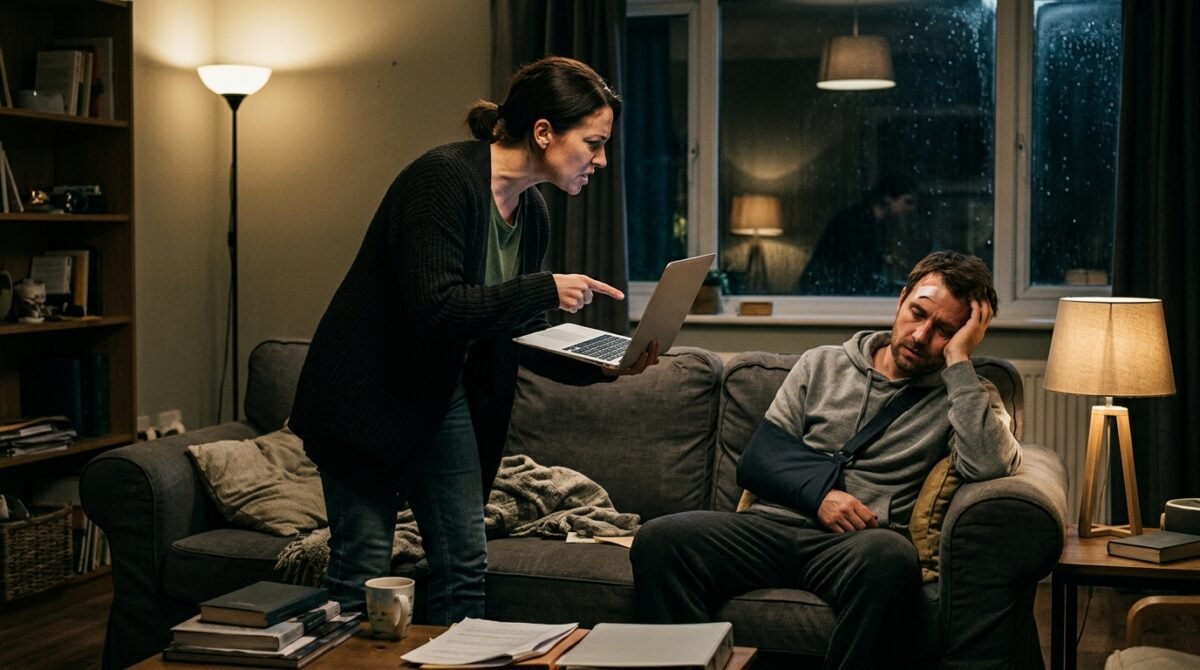
Clara arrived at my front door unannounced three days after I was discharged. I was still walking with a cane, struggling to move without pain. She didn’t bring flowers or a care package. She brought her laptop. She set it on my coffee table like she was preparing for a board meeting, and she launched into a lecture about the ‘legal obligations’ of our travel contract. She wasn’t here to check on me; she was here to collect.
“Look, I know this surgery was expensive, but we had a verbal agreement that we would cover 50/50. If you back out, you are essentially stealing my vacation. I can’t afford to go solo, so if you don’t pay, I have to cancel, and that means I lose my deposit too. That is your fault.”
— Clara (During the home confrontation)
I looked at her, truly stunned. The lack of humanity was staggering. I explained that an appendix rupture is an ‘act of God’—something I couldn’t predict or prevent. I told her that in any normal friendship, the other person would be asking if I was okay, not how they were going to get their money back. I told her that she was welcome to find another friend to take my spot, and I would even help her post it on social media to find a replacement.
She scoffed at the idea. She claimed that she didn’t want a stranger in the room with her, and that it was ‘too late’ to find someone compatible. She insisted that because I was the one who couldn’t travel, the burden of the financial loss was entirely mine. She acted as if I had bailed on the trip because I found something better to do, rather than being in a surgical ward.
The conversation devolved from there. She started listing all the times she had ‘supported’ me, which included things like driving me to a doctor’s appointment three years ago and listening to me vent about my ex-boyfriend. She was tallying up emotional labor to justify her financial extortion. I realized then that she had been keeping a ledger in her head of everything she had done for me, waiting for a moment to cash it in.
I asked her to leave. My mother, who had been in the kitchen, heard the raised voices and intervened, ushering Clara out the door. It was the last time she was allowed inside my home, but the digital harassment was only just beginning. She sent me a series of emails later that night, CC’ing our mutual friends, outlining her financial distress and my ‘failure’ to uphold my end of the bargain.
The Group Chat Explosion
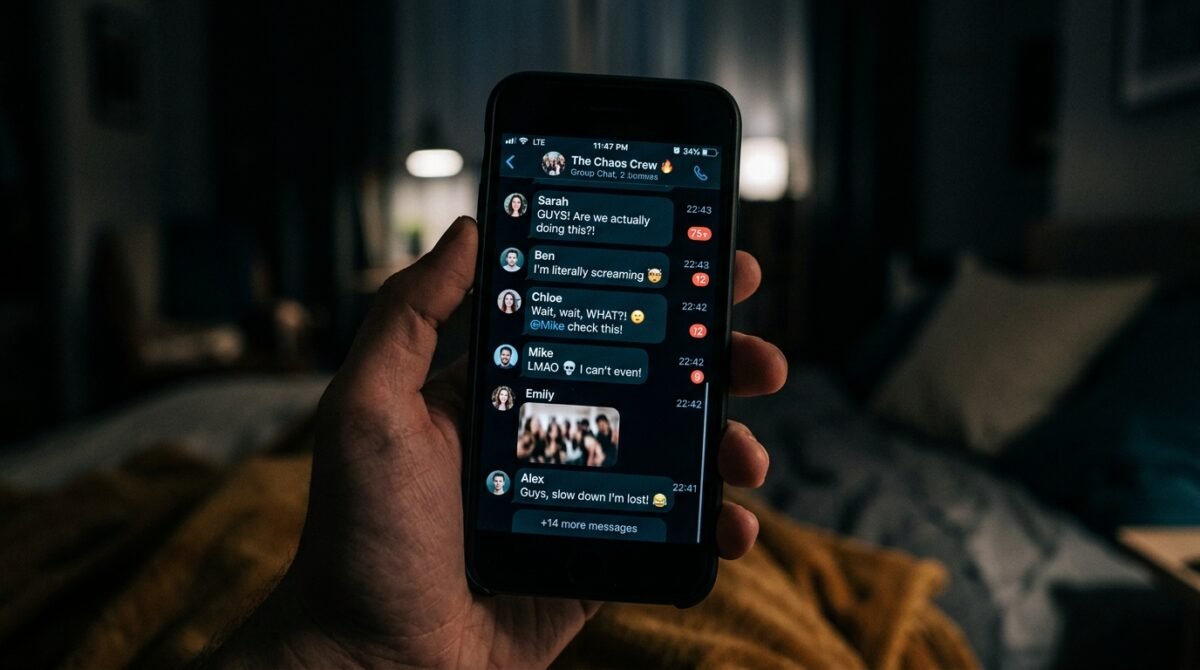
By the next morning, my phone was blowing up with messages from our mutual friends. Clara had effectively weaponized our social circle against me. She had spun a narrative that I was ‘flaking’ on a trip we had planned for months and that I was leaving her in a financial hole, failing to mention the small detail of the emergency surgery. She had turned herself into the victim of my ‘irresponsibility.’ The messages were a mixture of confusion and judgment.
“Hey, I heard about the Maldives trip. Are you really not going to pay Clara back? She says you’re leaving her with a $4k bill. That’s really not cool, especially since she’s been planning this forever. Can’t you just put it on a credit card?”
— Sarah (Mutual Friend, via Group Chat)
I felt a surge of adrenaline that was probably dangerous for my stitches. I started typing a response, but then I stopped. Why was I explaining myself to people who didn’t take the time to call me? I realized that Clara had carefully selected the people she sent the email to—people who were less likely to check the facts and more likely to take sides in a dramatic conflict. It was a calculated smear campaign.
I decided to address the group directly, but with facts. I sent a single, calm message to the group chat, attaching a picture of my medical discharge papers with the sensitive info blacked out. I didn’t write an angry manifesto; I just let the evidence speak for itself. The silence that followed was heavy. One by one, people started to realize they had been manipulated.
But Clara didn’t back down. She pivoted. She argued that the surgery was elective (it wasn’t) and that I had known about ‘issues’ for months (I hadn’t). She was rewriting history to make her financial demand seem reasonable. It was gaslighting on a public scale. I had friends messaging me privately to apologize, but publicly, the group chat was a minefield of conflicting loyalties and awkward silence.
The mental toll was exhausting. I was trying to recover from a major physical trauma while simultaneously defending my integrity against a smear campaign. I stopped responding to the group chat entirely. I realized that if these people were so quick to believe the worst in me without asking me if I was alive, they weren’t really my friends. The ‘friendship’ was a house of cards, and one gust of wind had brought it all down.
I spent the afternoon blocking numbers. Every notification that popped up felt like a new insult. I felt lonely, yes, but there was also a strange sense of liberation. For years, I had walked on eggshells with Clara, and now, the eggshells were broken. I was forced to face the reality that I had been carrying the weight of this friendship for a long time, and I was finally being set free, even if the price of freedom was my reputation in that group.
The Reddit Verdict: A Community Divided

I turned to the internet for validation. It sounds desperate, but when you are isolated by a smear campaign, you need to know if you’re the crazy one. I posted my situation on a popular sub-forum, keeping names anonymous but keeping the details exact. I waited, my heart pounding in my chest. The response was almost immediate, and it was overwhelming. Within hours, the post had thousands of upvotes and hundreds of comments.
“NTA (Not The Asshole). This is a medical emergency, not a casual cancellation. If she was a true friend, she would be worried about your health, not her bank account. Also, most travel insurance policies have ‘cancel for medical reasons’ clauses. Has she even checked that? If she didn’t buy insurance for a trip this expensive, that’s her own fault for being irresponsible.”
— u/ReasonableObserver (Top Comment, 18.2k upvotes)
There were, of course, the dissenters. Some people argued that I *was* legally obligated because of the contract, and that my health didn’t excuse me from my financial commitments. These comments were fewer, but they stung. They reinforced the idea that money matters more than human life, and it made me question the moral compass of the internet—and perhaps, society at large.
Reading the comments helped me process the emotional turmoil. It gave me the vocabulary to define what Clara was doing: emotional blackmail, financial manipulation, and lack of empathy. I saw stories from hundreds of others who had been in similar situations, where friends or family had turned on them during a crisis. It was a grim realization that this kind of behavior was, unfortunately, far more common than I had hoped.
I started replying to some of the comments, clarifying the details. I felt a sense of power returning to me. I wasn’t just a victim in my hospital bed anymore; I was a person with agency, a person with a support system that stretched beyond the people who were currently trying to ruin my reputation. The Reddit thread became my sanity anchor.
I saw one comment that really stuck with me: ‘The trash took itself out.’ It was a simple, blunt sentiment, but it resonated. By demanding I pay for a vacation I couldn’t attend, Clara had revealed that she was never a friend. She was an acquaintance who saw me as an asset. Once that asset became a liability, she disposed of it. I stopped feeling sad about the loss of the friendship and started feeling relieved.
The thread continued to grow, and I eventually turned off notifications. I had my answer. I wasn’t the one in the wrong. I had done everything I could, and I was not going to give her a single cent. I prepared my final response to her, a concise legal-sounding message that left no room for negotiation. It was the closing chapter of our history, and I was ready to write it.
The Final Ultimatum and Legal Threats
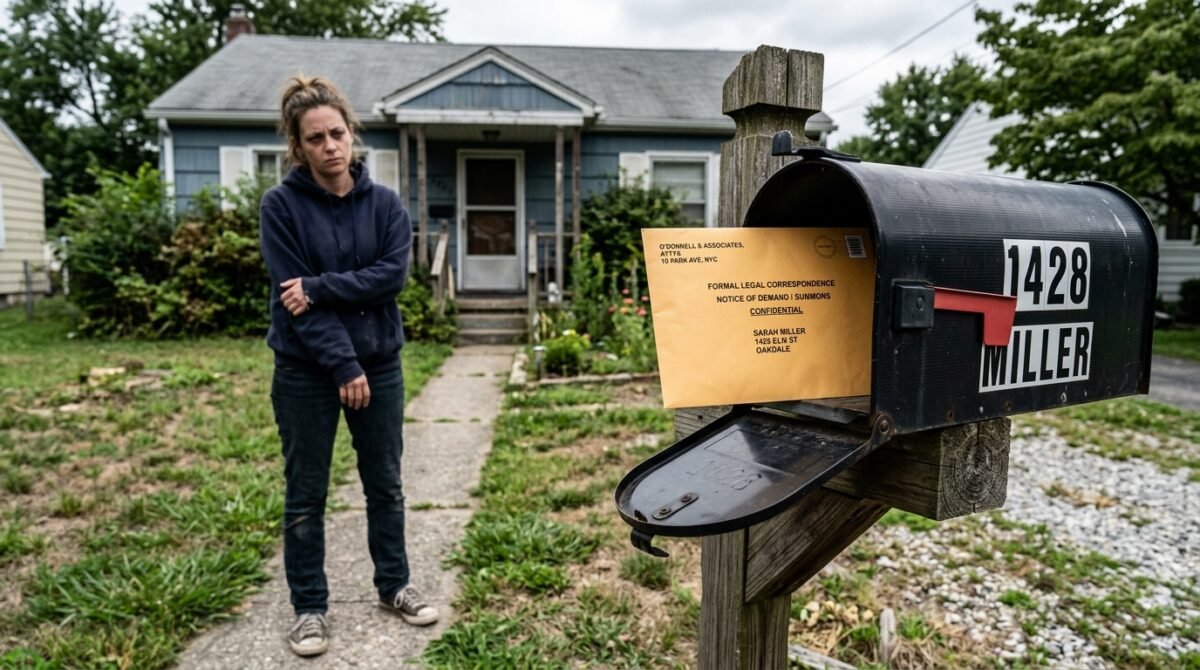
Clara didn’t take the silence well. Without the group chat to perform in, she tried to escalate. She sent me a formal letter, drafted by someone who clearly had no legal training, threatening to take me to small claims court if I didn’t pay the balance by the end of the month. She included a list of ‘damages,’ which somehow included the cost of her own therapy sessions to deal with the ‘stress’ of my betrayal. It was laughable, but it was also chilling.
I showed the letter to a lawyer friend, who just laughed. He explained that a verbal or even a written ‘agreement’ to go on a trip doesn’t override the reality of a medical emergency, and most courts would find her claim preposterous. He told me to send one final message: an offer to help her find a replacement, and a statement that I would not be paying any further costs. Anything else, and I should block her permanently.
“Clara, I am not paying for a trip I cannot attend due to a life-threatening medical emergency. If you choose to take this to small claims court, I will provide the judge with my surgical records and your messages showing you were aware of my hospitalization. This is my final response on this matter. Please do not contact me again.”
— My final text to Clara
The response was a torrent of insults. She called me selfish, she called me a pathological liar, and she threatened to tell everyone at our workplace that I was a thief. I didn’t even read the whole thing. I blocked her on every platform—phone, email, social media. I didn’t look back. It was like cutting off a gangrenous limb; it was painful for a moment, but it was necessary for survival.
The next few weeks were quiet. I focused on my recovery. I went to physical therapy, I rested, and I started re-evaluating my life. I had been so busy trying to maintain friendships that I didn’t notice how much they were draining me. I realized that my circle had become stagnant and filled with people who were only there for the good times.
I started reaching out to old friends, the ones I had neglected because I was too busy with the ‘popular’ crowd. It was a refreshing change. We talked about life, not just about money or status. I felt a weight lift off my shoulders. I was recovering, not just from the surgery, but from a life of performative friendship. The $3,850 I didn’t pay was the best investment I never made.
Eventually, I heard through the grapevine that Clara had indeed gone on the trip, alone. She had posted pictures of herself on the beach, looking miserable in every single one of them. She tried to frame it as a ‘solo journey of self-discovery,’ but anyone who knew her could see the desperation. She was alone, in a luxury resort, nursing a grudge that she had created herself. I felt no pity, only a strange, detached curiosity.
The Aftermath: Rebuilding Life Post-Drama

Recovery is slow. It’s not just the physical pain of the surgery or the scar that serves as a permanent reminder of that week. It’s the emotional scar of realizing how quickly the people you love can turn on you. I found myself becoming more guarded, more cautious about who I let into my inner circle. Is that a bad thing? Some might say yes, but I think it’s just maturity. I’m not as quick to trust, and I’m definitely not as quick to offer my credit card.
I’ve developed a new system for planning trips, one that is purely transactional. Everything is paid for upfront, and I have a clear, written agreement about what happens if someone drops out. It’s not romantic, but it’s safe. I’ve realized that money and friendship shouldn’t mix, and if they have to, they need to be treated with the seriousness of a business contract. No more ‘we’ll figure it out later.’
I also stopped trying to prove my worth to the people who took Clara’s side. If they want to be friends with someone who behaves like that, they are welcome to it. I’ve found that the people who stayed in my life after the explosion are the ones who actually matter. They are the ones who brought me soup, checked in on me without asking about the money, and supported me when the gossip was at its worst.
“I don’t need a friend who is only there for the sunshine. I need a friend who stays when the storm hits. You showed me who you were, and I’m finally listening.”
— My internal reflection during a quiet recovery afternoon
I’ve started focusing on my career and my own personal goals. I’m no longer the person who is always ‘available’ for a last-minute brunch or a high-end vacation. I’m investing in my own future. I’m saving for a home, I’m taking courses to advance my skills, and I’m spending time with family. It’s a quieter life, but it’s a much more peaceful one.
I still see Clara on social media occasionally, through a mutual friend’s account. She seems to be doing the same thing—jumping from one ‘best friend’ to the next, planning the next big trip. I wonder if she ever thinks about what happened. I wonder if she ever realizes that she didn’t lose a friend; she lost a person who would have done anything for her, if she had just asked.
But that’s not my business anymore. My business is my healing. My business is my happiness. And honestly, I’m doing better than I ever was before. The surgery was a wake-up call in more ways than one. It saved my life, and it helped me save my soul from a toxic connection. I am grateful for the pain, because it taught me how to walk away.
The Psychology of Entitlement

Looking back, I’ve spent a lot of time reading about entitlement. Why did Clara feel she had the right to my money? I think it comes down to a lack of perspective. Some people go through life thinking that they are the center of the universe, and that everyone else is just a supporting character in their story. When a supporting character has a ‘plot twist’ that inconveniences the protagonist, the protagonist gets angry, not empathetic.
Clara grew up with everything she wanted, and her friendships were often based on what people could do for her. She saw me as someone who would always be there to facilitate her lifestyle. When that stopped, she didn’t see a friend in pain; she saw a ‘failure’ of service. It’s a sad way to live, really. She will always be surrounded by people, but she will never have a true connection because she doesn’t know how to give without expecting a return.
I’ve learned to spot the signs now. The constant tallying of favors, the pressure to always do what they want, the lack of interest in my struggles—these are red flags that I used to ignore. I used to think I was being ‘flexible’ or ‘accommodating.’ Now I realize I was just being a doormat. I don’t want to be a doormat anymore. I want to be a partner in a relationship, not a provider.
“Entitlement is a parasite that feeds on the generosity of others. Once you stop feeding it, it turns on you, revealing its true, ugly nature.”
— My personal journal entry
It’s important to remember that we aren’t responsible for other people’s finances. If someone can’t afford a luxury vacation on their own, they shouldn’t be planning it, period. Relying on someone else to cover your costs is a recipe for disaster. I’m glad I learned this lesson now, rather than later when the stakes might have been higher, like a house or a business.
I’ve started setting firmer boundaries in all my relationships. I’m clearer about what I can and cannot do. I say ‘no’ more often, and I don’t feel guilty about it. It’s amazing how much respect you get when you start respecting yourself. People who were used to walking all over me are surprised, and some have left. That’s fine. I’d rather have two true friends than twenty fair-weather ones.
This whole ordeal has been a masterclass in human behavior. I’ve seen the best and the worst of people. I’ve seen the opportunistic parasites and the loyal protectors. I’m choosing to surround myself with the latter. I’m moving forward, and I’m not bringing any of that baggage with me. I’m lighter, freer, and finally, for the first time in a long time, I am fully myself.
Why We Need To Discuss Financial Boundaries
We don’t talk enough about money in friendships. We treat it like a taboo subject, something that should just ‘work out’ naturally. But money is the root of so many conflicts. If we aren’t honest about our budgets, our expectations, and our boundaries before we commit to things, we are setting ourselves up for failure. I want to encourage everyone to have those awkward conversations early.
What is your budget? What happens if someone gets sick? What happens if someone loses their job? These are not fun questions to ask, but they are necessary questions if you want to protect your relationships. A real friend will understand why you’re asking. If someone gets defensive or offended by these questions, that’s your first sign that they might not be the right person to travel or invest with.
I’ve started a small group of friends who meet once a month to talk about life, and yes, we talk about money. We share our goals, our fears, and our struggles. It’s been so liberating to realize that I’m not the only one who has had a hard time with finances. We’ve even started a ‘travel fund’ where we only plan trips we can all afford, with no pressure to ‘cover’ for anyone. It’s been a game-changer.
“Financial transparency is the foundation of long-term friendship. If you can’t talk about money, you probably shouldn’t be making big life plans together.”
— A piece of advice from my new support group
I know it’s hard to change the way we do things. It’s uncomfortable to be the person who says ‘I can’t afford that’ or ‘I need this in writing.’ But the alternative is what I went through—a total breakdown of trust and a very public, very painful drama. I would choose the uncomfortable conversation any day over the disaster of a broken friendship.
I want to thank everyone who has supported me, both online and in real life. Your kindness has been the antidote to the toxicity I experienced. You’ve reminded me that there is still a lot of good in the world, and that one bad experience doesn’t define who I am or what my future will look like. I’m moving forward with a clear head and a closed bank account, and I’m ready for whatever comes next.
If you find yourself in a similar situation, remember: you are not a bank. You are a person. Your health and your wellbeing are more important than any vacation. And if someone can’t see that, they don’t deserve to be a part of your life. Walk away, keep your money, and keep your peace. You won’t regret it.
The Final Reflection on Friendship

In the end, friendship is a choice. We choose who we want to surround ourselves with, and we choose who we want to give our energy to. I chose Clara for a long time, even when I shouldn’t have. I made excuses for her, I overlooked her faults, and I gave her the benefit of the doubt. But the moment the masks came off, I had to make a different choice. I chose myself. And that was the best decision I ever made.
It’s okay to outgrow people. It’s okay to realize that the person who was your best friend in your twenties might not be the right person for your thirties. Life changes, and we change with it. Sometimes that means leaving behind people who don’t want to grow with us. It’s not a failure; it’s a natural part of the human experience.
I’ve learned that I am resilient. I’ve survived a physical crisis and an emotional one in the same month. I’m still standing, and I’m stronger than ever. I have a new appreciation for the small, quiet moments of my life—the ones that don’t cost a fortune and don’t involve drama. I’m content, and that is a feeling I never had when I was running around trying to keep Clara happy.
“True friendship is found in the trenches of life, not on the beaches of a luxury resort. Find the people who help you build your future, not the ones who spend your present.”
— Final thought on the lessons learned
I hope my story helps someone else who is struggling with a toxic friendship. I hope it gives them the courage to say ‘no,’ to set a boundary, and to prioritize their own health and wellbeing. You don’t owe anyone your life or your savings. You owe it to yourself to be treated with respect, kindness, and empathy. Never settle for anything less.
I’m finally at peace. The drama is behind me, the bills are paid (the medical ones, that is), and I’m looking forward to a future that I’ve built on my own terms. I’ve learned that the most important relationship you will ever have is the one you have with yourself. Take care of that relationship above all else, and everything else will fall into place.
Thank you for listening to my story. It’s been a long, hard journey, but I’m finally home. And this time, I’m the only one with the keys.
Community Perspectives: How Others Handled It
The response to my post didn’t just provide validation; it provided a wealth of shared experiences. I was shocked to find that so many of you had faced similar dilemmas. From wedding ‘non-refundable’ deposits that friends demanded back, to shared rental properties where a roommate bailed, the stories were endless. It seems that when money gets involved, the true colors of our ‘closest’ friends often bleed through.
Many of you shared your own ‘breakup’ stories. Some of you were the ones who had to cut off toxic friends, while others were the ones who stood by their friends during their darkest times. It was incredibly moving to read about the strength of people who prioritize their values over their social standing. One person shared how they had to walk away from a ten-year friendship because their friend expected them to cover a ‘guilt-trip’ vacation after a funeral. Your resilience is inspiring.
“I had a similar situation where a ‘friend’ demanded I pay for her half of a rental because I had to work late. I blocked her immediately. Best decision of my life. It really filters out the people who see you as a person versus a wallet.”
— u/FreelancerLife (12.4k upvotes)
I also saw a lot of advice on how to prevent these situations in the future. The consensus was clear: separate finances, clear communication, and, if possible, avoid sharing large expenses with friends who have different financial priorities. Some of you even mentioned using apps that track expenses in real-time, which might have saved me a lot of stress if we had used one earlier.
It’s comforting to know that I’m not alone. Even though the drama felt isolating at the time, the community response proved that these issues are part of a larger conversation about modern friendships and financial boundaries. We need to keep talking about this. We need to keep sharing our stories so that others don’t have to go through the same pain.
I’ve started a private group for people who have been through similar ‘friendship breakups’ due to financial entitlement. We share tips on setting boundaries and supporting each other as we navigate our new lives. It’s been an incredibly healing space. If you’re going through something similar, know that there is a community out there for you, too.
I’m so grateful for the transparency. I hope this serves as a resource for anyone who feels trapped by the expectations of others. Don’t be afraid to take a stand. Don’t be afraid to walk away. Your future self will thank you for the courage you show today.
Conclusion
Reflecting on this ordeal, the most profound takeaway is that boundaries are not just about saying ‘no’—they are about defining the architecture of your own life. When I was in that hospital bed, I wasn’t just fighting an infection; I was fighting for the right to be human. By refusing to pay for a luxury I couldn’t enjoy, I wasn’t being ‘selfish’ or ‘unreliable.’ I was being a self-respecting individual who refused to be used as a financial casualty of someone else’s vacation.
Friendship, at its core, should be an ecosystem of mutual support. If a crisis occurs, a friend shouldn’t be the first person to invoice you; they should be the first person to ask, ‘What can I do to help?’ Clara’s inability to see past her own disappointment was the end of our bond, but it was the beginning of my true independence. I have learned to listen to my own instincts, to value my health over social obligations, and to never, ever apologize for having a life-altering, non-negotiable emergency.
I want to turn this over to you, the readers. Have you ever had a friend demand money from you for something you couldn’t attend or participate in? How did you handle it? Did you pay, or did you hold your ground? More importantly, did the friendship survive, or did you realize that the relationship was built on something much more fragile than you thought? Share your thoughts and experiences in the comments below—I read every single one, and I know that your stories will help others who might be feeling trapped in their own ‘friendship’ dramas right now.
Let’s open the floor for a debate. Was I truly in the wrong for not paying for a ‘non-refundable’ reservation, or is this a classic case of misplaced priorities? Let me know where you stand!
What's your verdict on this dilemma?
Vote below to contribute to the official community consensus.

Have a Dilemma Keeping You Up at Night?
Share your real-life feud, wedding chaos, or relationship crossroads anonymously with our editorial team.
What do you think ?
0 Comments🛡️ Comments are moderated to protect community integrity. Your comment will appear once approved by the editorial team.