

We all have that one friend—the one who keeps track of everything. The one who remembers exactly who bought the last round of drinks or whose turn it was to pay for the appetizers. But there is a line between being organized and being transactional. For over ten years, Sarah and I were inseparable. We navigated college heartbreaks, career shifts, and the general messiness of our twenties together. I thought I knew her better than anyone. I thought our bond was built on mutual support, not a ledger.
That was until last Tuesday. I stopped by her new apartment to drop off some mail she’d accidentally had sent to my house. It was a scorching afternoon, and I had been walking for blocks. When I asked for a glass of water, I didn’t think twice about it. It’s water, right? It comes out of the tap. It costs fractions of a penny. Or so I thought.
Later that evening, while I was settling in for dinner, my phone buzzed. It was a Venmo notification from Sarah. Thinking she was maybe sending me money for a recent lunch, I opened it with a casual smile. That smile vanished the moment I saw the description. It wasn’t a refund. It was a bill. And the itemized list was as absurd as it was insulting. My heart hammered against my ribs, not out of anger initially, but out of sheer, confused disbelief.
I sat in my kitchen, staring at the screen for ten full minutes, wondering if this was a prank. Surely, she was being sarcastic. Perhaps she thought it would be funny to mock people who act like landlords to their friends. But as the hours ticked by and she didn’t send a follow-up text saying ‘lol jk,’ the reality began to sink in. The cost of my friendship, it seemed, had been reduced to the price of a hydration unit.
This isn’t just about water. It’s about the erosion of trust and the moment you realize that someone you love sees you not as a person, but as a source of revenue. This is the story of how a single glass of water—and a passive-aggressive digital transaction—shattered a ten-year friendship beyond repair.
The Three-Dollar Invoice
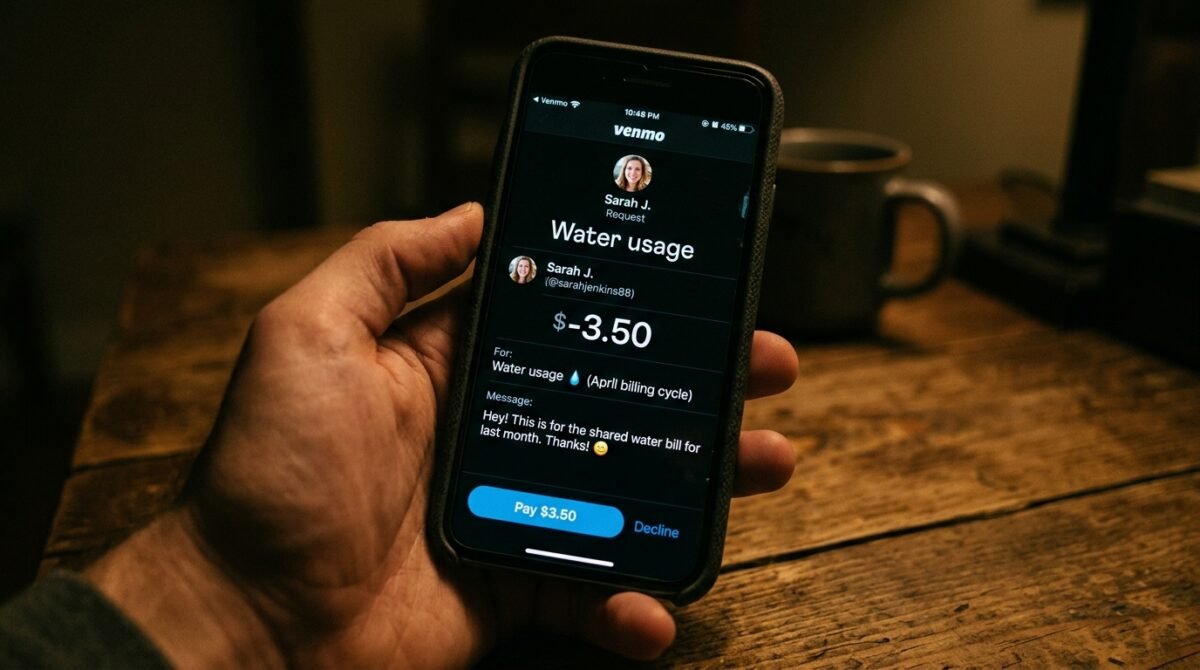
When the notification finally clicked open, I couldn’t process the math. The charge was for $3.50. Underneath it, in her signature neatly typed font, it read: ‘Water usage (filtered), A/C supplement, and guest convenience fee.’ I stood in my kitchen, the silence of my apartment suddenly feeling heavy and suffocating. My first instinct was to call her, to ask if her account had been hacked or if she had finally lost her mind.
I grabbed my phone and started typing, then deleted it, then started again. My hands were shaking. I had been her maid of honor. I had sat through her messy breakup, crying into a tub of ice cream with her until 4:00 AM. And now, she was charging me for the privilege of existing in her living room for twenty minutes while I drank a glass of room-temperature tap water from her kitchen sink.
Me: Hey Sarah, I think you made a mistake on your Venmo request. It says you’re charging me for water? Is this a joke?
— Sent via iMessage at 7:42 PM
I waited for the bubbles to appear. I stared at the screen, watching the time tick by. She was online; I could see the status. Five minutes passed. Ten. Finally, the bubbles appeared, and my stomach dropped. I expected an apology, or at least a laugh. What I got was a cold, calculated justification that felt like a slap in the face.
Sarah: It’s not a joke. I’ve been tracking my utility bills since I moved into the new place. The costs have gone up significantly. I can’t afford to host guests who don’t contribute. It’s just fair.
— Received at 7:58 PM
I read the words three times, and every time, they felt more surreal. She was essentially saying that my presence in her home was a financial drain she could no longer subsidize. The absolute audacity of it left me speechless. It wasn’t about the money. It was about the fact that she viewed our friendship as a business transaction where she was always the one holding the invoice.
I realized then that this hadn’t started with the water. The water was just the breaking point. Looking back, I realized that for the last six months, Sarah had been doing ‘little things’—small, calculated moves to ensure she was never ‘out’ a single cent. I had been willfully blind to it, chalking it up to her being ‘thrifty’ or ‘responsible.’ I was wrong. She was counting, and I was being measured.
The History of Invisible Accounting

Thinking back on our recent interactions, the signs had been there all along. There was that time at the coffee shop when she insisted we pay separately for our pastries because her blueberry scone was ‘technically’ twenty cents more expensive than my croissant. I had laughed it off then, thinking it was just a quirky personality trait. We were students, after all, and every cent mattered.
But the patterns didn’t stop when we graduated and found stable jobs. If anything, they intensified. There were dinners where she would calculate the tip down to the exact percentage of her meal, often rounding up to ensure I covered the extra ‘overhead’ of her soda. I always paid. I never thought twice about it because that’s what friends do. We cover each other. We ebb and flow.
I remember a weekend trip we took to the mountains last year. I drove. I paid for the gas, the parking, and the snacks. She bought a single bottle of water at a rest stop. When we got back, she sent me a text asking if I could ‘even out’ the cost of her gas contribution because she felt she had ‘over-budgeted’ for the trip. I sent her the money without asking why. I just wanted to avoid the friction.
Me: I’ve always been generous with you, Sarah. When did our friendship become a series of line items? I paid for our entire weekend in the mountains and never asked you for a dime.
— My reply to her justification
The response was delayed by an hour. She wasn’t just being petty; she was being meticulous. She had clearly been waiting for a reason to unleash these grievances. It wasn’t a sudden onset of penny-pinching; it was a long-simmering resentment that she had been documenting in her own personal ledger, waiting for the perfect moment to present the bill.
Looking back, I felt like a fool. I had been pouring my heart and my finances into a relationship that was being audited by someone who didn’t view me as an equal, but as a customer. The realization wasn’t just painful; it was humiliating. I had defended her behavior to others, making excuses for her ‘extreme budgeting.’ Now, I saw the truth clearly: she simply didn’t value our friendship enough to let go of a few pennies.
The Group Chat Intervention

By the next morning, I couldn’t handle the isolation. I took a screenshot of the Venmo request and the subsequent text conversation, and I shared it with our mutual friend, Chloe. I wasn’t trying to start drama, but I genuinely needed to know if I was the crazy one. Was this normal? Was this how modern adult friendships worked in this economy?
Chloe’s response was immediate. She didn’t hold back. It turned out I wasn’t the only one who had been feeling the ‘tax’ of hanging out with Sarah. Apparently, Sarah had pulled similar stunts with other people in our circle. She had once charged a colleague for the ‘electricity usage’ of a laptop charger when they were working together on a project.
Chloe: Oh my god, girl. Block her. I’ve been saying for months that she’s losing it. She tried to charge me for ‘wear and tear’ on her couch after I sat there for three hours watching a movie. I just laughed in her face and she got so offended.
— Text from Chloe
I felt a strange sense of relief, followed by a surge of anger. If everyone knew, why hadn’t anyone said anything? We were all so afraid of the confrontation that we allowed her to dictate the rules of engagement. By staying silent, we had enabled her to continue this behavior, turning our social lives into a series of financial transactions.
We decided to form a small group chat—without Sarah—to discuss the ‘Sarah situation.’ It felt petty, but at the same time, it felt like an act of reclamation. We were taking back the power. We shared stories of the times she had been ‘fair’ to the point of being cruel. It became clear that this was not a temporary lapse in judgment; it was a fundamental shift in her personality.
The group chat quickly became a space for venting. We realized that Sarah’s need for control extended far beyond money. She wanted to control the narrative of our friendships. She wanted to know that she was ‘winning’ every single interaction, even if that meant losing the people who actually cared about her. The group chat wasn’t just for gossip; it was for validation.
An Unexpected Confrontation

I knew I couldn’t just walk away without saying something. I didn’t want to leave things in the air. I went to her place—not to hang out, but to confront her face-to-face. I wanted to see if she would have the nerve to say these things to my face, away from the safety of a screen. She opened the door, looking surprised but not apologetic.
I walked in, not waiting for an invitation. I sat on the couch, the same couch she had presumably charged others for using. I wanted to be clear. I wanted her to know that my departure from her life was not a mistake, but a choice based on her values, which no longer aligned with mine. The air in the room was thick with tension.
Me: Sarah, I’m not paying the $3.50. And I’m not coming back here. You need to understand that friendships aren’t banks. You can’t just invoice your friends for being human beings.
— My confrontation at her doorstep
She crossed her arms, her expression hardening. She looked at me not as her best friend of ten years, but as a debtor who had refused to pay. ‘It’s about boundaries,’ she said, her voice eerily calm. ‘If you can’t respect the cost of maintaining a household, then maybe you aren’t the kind of friend I need in my space. It’s not personal; it’s professional.’
I couldn’t help but laugh. The absurdity of it was almost comedic. ‘Professional? We aren’t business partners, Sarah. We’re friends. Or we were. You’ve successfully monetized our history, and quite frankly, it’s pathetic.’ The way she stood there, perfectly poised, waiting for me to ‘see the logic’ in her spreadsheet-driven life, was the final straw.
I left without looking back. I didn’t wait for her to come up with a rebuttal. I didn’t want to hear about utility costs or inflation. I wanted to go home and breathe. I wanted to remember what it felt like to have a friend who didn’t calculate the value of my company in water and electricity. As I walked to my car, I felt lighter than I had in years.
The Digital Aftermath

When I got home, I blocked her on everything. Venmo, text, social media. I didn’t want the notifications. I didn’t want the ‘I’m sorry, but…’ messages that I knew would inevitably come once she realized that I was serious. I wanted a clean break. The silence that followed was the most peaceful thing I had experienced in months.
But the digital aftermath wasn’t quite that simple. A few hours later, I started getting notifications from other friends who were still in her circle. She was posting on social media about ‘toxic people’ and ‘boundaries.’ It was clear she was painting herself as the victim, the ‘responsible’ one who was being taken advantage of by ‘entitled’ friends who refused to pay their fair share.
Sarah’s Status: It’s sad when you set healthy boundaries with people and they react with hostility. If you can’t respect someone’s home, you don’t deserve to be in it. #Boundaries #Adulting #SelfRespect
— Sarah’s Instagram Story
I didn’t engage. I didn’t comment. I didn’t share my side of the story. I watched the drama unfold from a distance, amazed at how she could twist the narrative to fit her own worldview. It was a masterclass in gaslighting. She had convinced herself that she was the hero of her own story, even if that story meant being completely alone.
What struck me most was the support she was getting from people who didn’t know the context. ‘You go, girl!’ ‘Boundaries are so important!’ They were cheering on a woman who was charging her best friend for tap water. It was a bizarre glimpse into the power of social media to validate bad behavior, provided you frame it with the right buzzwords.
I eventually had to put my phone on ‘Do Not Disturb’ to keep my sanity. It was fascinating and terrifying to see how quickly a friendship could be dismantled and reconstructed as a ‘toxic’ situation by someone who refused to take accountability. I realized then that I had been grieving the loss of a friend who had been gone for a long time.
Reddit Weighs In
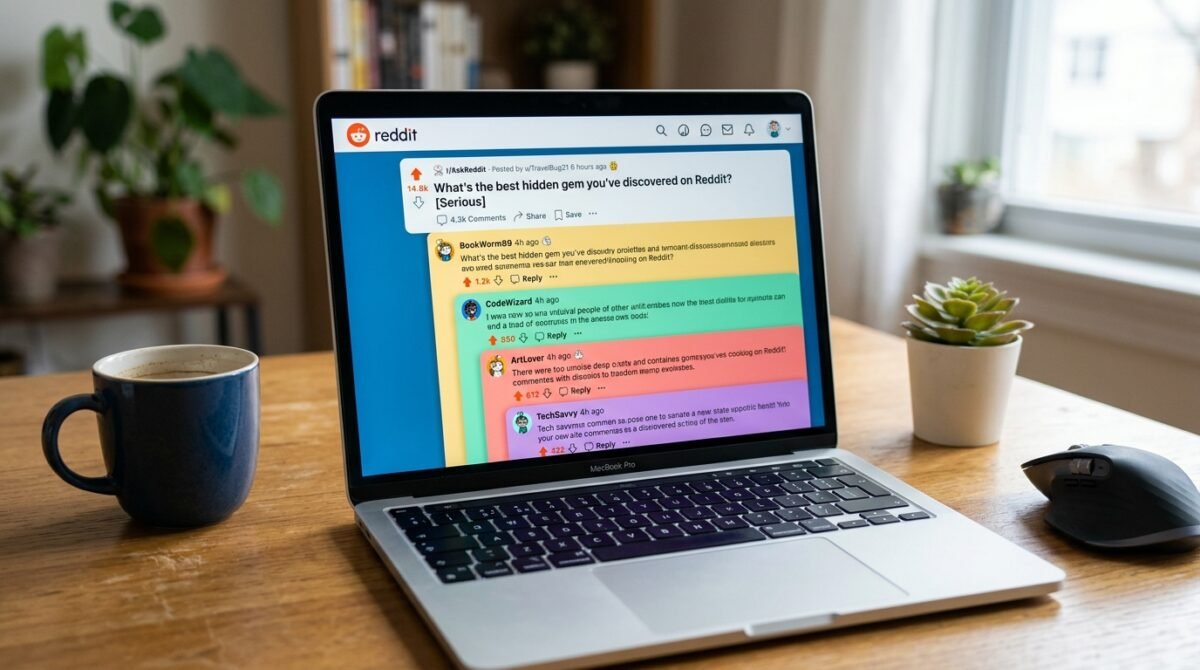
I knew I had to share this. Not for attention, but because I needed the perspective of thousands of strangers who weren’t involved in our messy social circle. I posted the story on a popular subreddit, keeping the details anonymous but clear. Within an hour, the post had blown up. The consensus was overwhelming, but the debate in the comments was where the real insights were.
u/HelpfulHuman: NTA. This isn’t about the water. This is about control and a fundamental lack of understanding of what a friendship is. A friend isn’t an Airbnb. Block her and don’t look back.
— Top Comment, 32.4k upvotes
There were people who argued that I was being too harsh, that maybe she was going through a financial crisis I didn’t know about. But the majority of the community saw right through it. They recognized the pattern of ‘weaponized boundaries.’ It was a term I hadn’t heard before, but it perfectly described what Sarah was doing: using the language of self-care to justify being a jerk.
Some users shared their own stories of friends who had turned into ‘micro-managers’ of their social lives. It was comforting to know I wasn’t alone. One commenter noted that people who start charging for small things are often suffering from a lack of control in other areas of their lives, and they try to exert that control on their surroundings and their relationships.
u/RelationshipAnalyst: This is a classic case of someone who has lost their sense of community. When you stop viewing people as friends and start viewing them as ‘costs’ or ‘assets,’ you have already lost the friendship. You did the right thing by walking away.
— Comment, 18.2k upvotes
The feedback was a validation that I wasn’t the ‘entitled’ one. I had been a supportive, generous friend, and I had reached my limit. The sheer volume of support gave me the courage to stick to my boundaries. I realized that my decision to cut her off wasn’t just justified—it was necessary for my own well-being.
The Financial Breakdown

To better understand what I was dealing with, I took the time to look back at the ‘costs’ I had incurred during our final months together. I made a list. It wasn’t to ask for a refund; it was to prove to myself that I hadn’t been the one taking advantage of the relationship. The discrepancy was staggering.
| Occasion | My Contribution | Sarah’s Contribution |
|---|---|---|
| Mountain Trip | $450.00 (Gas/Food) | $5.00 (Water) |
| Dinner (Monthly) | $60.00 (Average) | $20.00 (Often ‘forgot’) |
| Birthday Gift | $100.00 | $0.00 (Handmade card) |
| Total | $610.00 | $25.00 |
The data was clear. I had been funding our friendship for years. The $3.50 water charge wasn’t an isolated incident; it was the final, laughable attempt at balancing a ledger that had been skewed in my favor for ages. She wasn’t a victim of my entitlement; she was a beneficiary of my generosity who had decided she wanted even more.
This table wasn’t just numbers. It was the story of my misplaced loyalty. I had given so much, thinking I was building a stronger bond, while she had been tallying up the times I ‘owed’ her. It was a sobering realization. I had been living in a completely different reality than she had, and it was only when the financial mask slipped that I finally saw the truth.
I didn’t share this table with her. It wouldn’t have mattered. She would have found a way to justify it, to say that my ‘contributions’ were ‘voluntary’ and that her requests were ‘necessary.’ She lived in a world of rigid, self-serving logic where she could never be wrong, and I was finally done trying to argue with that logic.
The Finality of Silence

Weeks have passed since the ‘Water Incident.’ I haven’t heard from her directly, although I’ve heard through the grapevine that she’s still telling anyone who will listen about the ‘entitled friend’ who refused to pay for a glass of water. It doesn’t bother me anymore. The anger has subsided into a quiet, sad realization that I miss the person she used to be, not the person she became.
I’ve started seeing other friends more, friends who don’t have a Venmo request ready before we even finish our coffee. It’s been a breath of fresh air. I’ve realized that I don’t miss the constant, low-level anxiety of wondering if I was doing something that would ‘cost’ me points in her ledger. I feel free, and for the first time in a long time, I feel like my friendships are based on connection, not calculation.
I sometimes wonder if she’ll ever realize what she lost. Probably not. She’s too busy balancing her books to notice the people walking out of her life. She’s trapped in a world of her own making, where every interaction has a price tag. And while that might work for a business, it’s a lonely way to live a life.
I’ve learned a lot from this. I’ve learned that boundaries are important, but they should be used to protect your peace, not to weaponize your relationships. I’ve learned that when someone shows you who they are—through their actions, their words, and even their Venmo requests—you should believe them the first time. I’m done being the ‘generous’ one who gets taken for granted.
A Lesson in True Worth

When I reflect on the past decade, I don’t want to define it by the end. I want to remember the times we genuinely laughed, the support we gave each other in the beginning, and the growth we shared. But I also have to accept that the version of Sarah I knew is gone, replaced by someone I don’t recognize. And that’s okay. People change, and sometimes they change in ways that make it impossible to remain part of your life.
I’ve stopped checking her social media. I’ve stopped worrying about what she’s telling people. The truth is simple: a real friend wouldn’t charge for water. A real friend wouldn’t keep a secret ledger. A real friend would rather be broke with you than rich without you. I’m moving on, and I’m taking my generosity, my loyalty, and my friendship to people who understand their true value.
If you’re reading this and you’re currently in a ‘transactional’ friendship, I urge you to ask yourself why you’re still there. Are you staying because you love them, or are you staying because you’re afraid to be the one who ends it? Don’t let your kindness be exploited. You are worth more than a line-item on a spreadsheet.
As for the $3.50, I’m keeping it. I’m going to use it to buy myself a coffee, and I’m going to drink it, and I’m going to enjoy every single sip, knowing that I didn’t have to pay a ‘convenience fee’ to anyone to enjoy it. Life is too short to be spent with people who don’t know the difference between a friend and a customer.
Conclusion
The story of the $3.50 glass of water is, in many ways, a microcosm of the transactional nature of modern life. We live in an age where everything can be measured, tracked, and invoiced. But friendship, at its core, is the one thing that should never be commodified. When we start counting the cost of our kindness, we stop being friends.
This experience has been a painful lesson in the importance of recognizing when a relationship has ceased to be a source of joy and has instead become a source of stress. It is a reminder that we have the right to set our own terms for who we allow into our lives, and that those terms should be based on mutual respect, not financial gain. I am walking away with my dignity, my boundaries, and a newfound appreciation for the people who truly deserve my time.
I’d love to hear your thoughts. Have you ever had a friend who started acting like an accountant? How did you handle the situation, and do you regret the way it ended? Let’s keep the discussion going in the comments below.
What's your verdict on this dilemma?
Vote below to contribute to the official community consensus.

Have a Dilemma Keeping You Up at Night?
Share your real-life feud, wedding chaos, or relationship crossroads anonymously with our editorial team.
What do you think ?
0 Comments🛡️ Comments are moderated to protect community integrity. Your comment will appear once approved by the editorial team.