
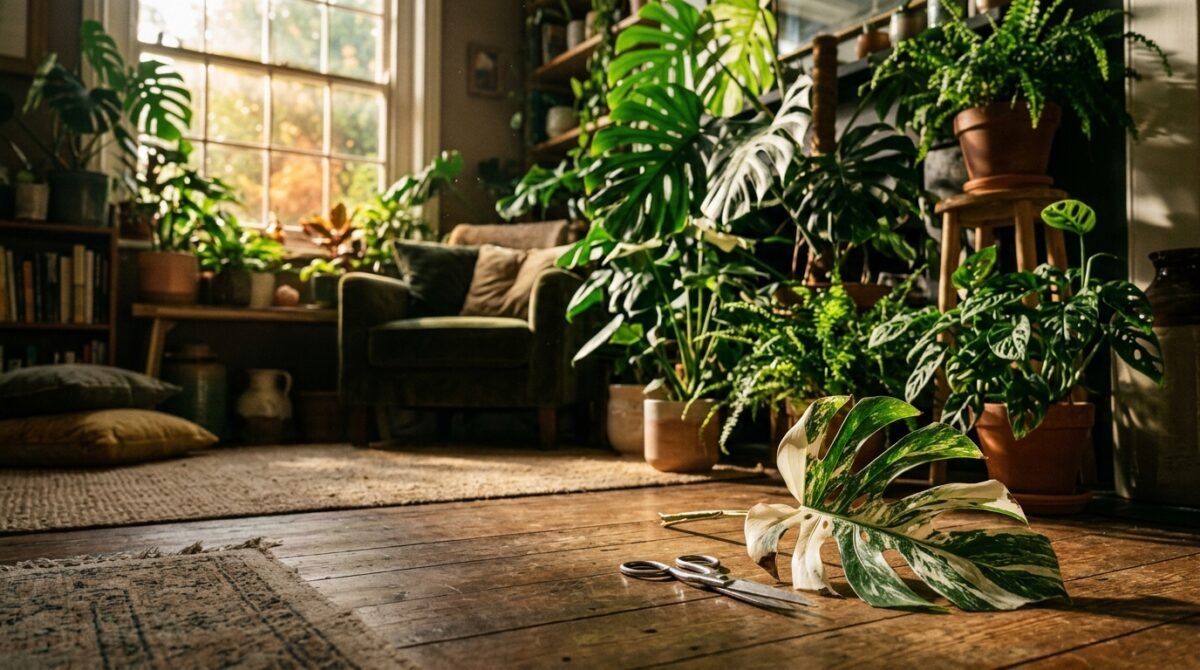
When I moved into my downtown condo, I made one thing abundantly clear to every potential roommate: my plant collection was not just decoration; it was my life’s work. I spent years curating rare variegated Monsteras, including a Monstera Deliciosa Thai Constellation that I had spent nearly two thousand dollars acquiring as a rooted cutting three years prior. To me, these plants were living art, fragile biological investments that required precise humidity, specific light cycles, and a gentle hand. My roommate, Sarah, seemed to respect this at first. She was a ‘holistic wellness’ enthusiast who often talked about the power of nature, but I never imagined her idea of nature included turning my living room into a pharmacy.
For months, the arrangement seemed perfect. She paid her half of the rent on time, she was quiet, and she rarely brought guests over. I felt lucky, perhaps even complacent. I spent my weekends misting leaves and checking soil pH, while Sarah spent hers mixing essential oils and dried herbs in the kitchen. The tension began as a subtle, creeping suspicion. I would notice a leaf missing here or there, or a brown edge on a plant that should have been perfectly healthy. I dismissed it as natural senescence or a minor pest issue, never once suspecting that the person living across the hall was the source of my botanical nightmares.
The breaking point arrived on a Tuesday afternoon when I returned home early from work. The smell of boiling water and pungent herbs hit me the moment I turned the key in the lock. Walking into the living room, I didn’t see my roommate, but I saw the aftermath. Several of my most prized Monstera stalks had been systematically stripped of their foliage. The vibrant, creamy variegation I had spent hours nurturing was now sitting in a glass bowl, destined for some misguided concoction. My heart sank, followed immediately by a cold, searing rage that I had never experienced before.
This wasn’t just a roommate disagreement over dishes left in the sink or the thermostat settings. This was the deliberate destruction of thousands of dollars of property, a complete disregard for my boundaries, and a violation of the sanctuary I had built for myself. As I stood there, staring at the hacked remains of my Thai Constellation, I knew that the living arrangement was over. There was no room for discussion, no capacity for apologies, and certainly no path back to a functioning friendship. The countdown to her eviction had begun, and I wasn’t going to wait for the standard thirty days to regain control of my space.
The Ritual of the Stolen Leaves
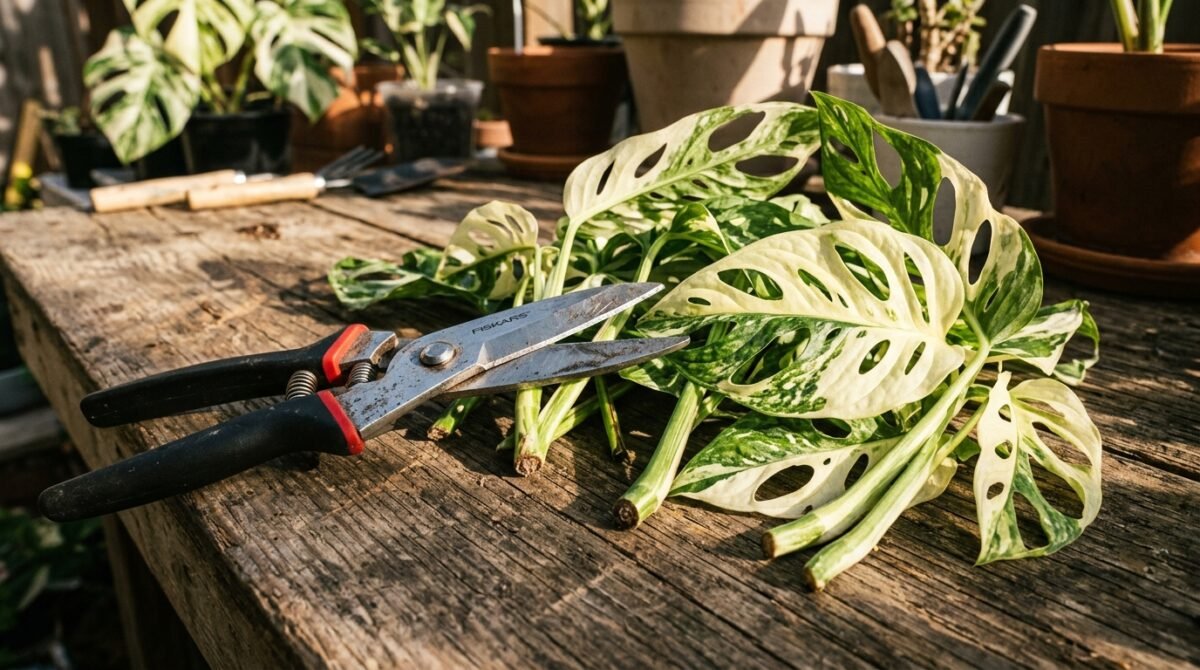
I didn’t immediately confront Sarah. My first instinct was to document everything. I pulled out my phone and began recording every single plant that had been mutilated. There were at least six distinct cuts, clean and surgical, on the most mature leaves. It wasn’t an accident; it was a harvest. As I wandered deeper into the sunroom, I found a dehydrator running in the corner of the kitchen, stuffed with my variegated clippings, already turning brown and brittle under the heat.
My mind raced through the financial impact. I had invested heavily in specialized substrates, high-end grow lights, and the cost of the plants themselves. This was thousands of dollars of personal property ruined by someone who thought that because a leaf was ‘natural,’ it was fair game. I felt sick. I had spent years researching, sourcing from international collectors, and nurturing these plants from tiny, fragile cuttings into specimens that were now worth a small fortune on the open market.
I finally found Sarah in her room, listening to a podcast about ‘foraging in your own home.’ When I knocked, she opened the door with a smile that quickly faded when she saw the look on my face. I didn’t raise my voice; I didn’t have to. The anger was so concentrated that it felt like a physical weight in the room. I held up my phone, showing her the recording of the mangled plants.
“Did you think I wouldn’t notice, Sarah? Those aren’t backyard weeds. You have destroyed thousands of dollars of my property for what—a jar of tea? A skin cream?”
She tried to laugh it off, claiming that the plants were ‘so abundant’ that they would surely grow back even faster if they were ‘pruned.’ The audacity of her response was staggering. She truly believed that because she found the plants beautiful, she had an inherent right to harvest them. The cultural divide between a hobbyist collector and someone who viewed the world as their personal pantry had never been wider.
I told her to turn off the dehydrator and stay away from my plants. I told her that if she touched a single root, a single leaf, or even the soil in the pots, I would be calling the police for vandalism. I then went back to my room, locked the door, and began looking at our lease agreement. The clause regarding ‘unauthorized removal of roommate property’ was thin, but I knew I had enough leverage to make her uncomfortable.
The Lease Agreement and the 24-Hour Ultimatum
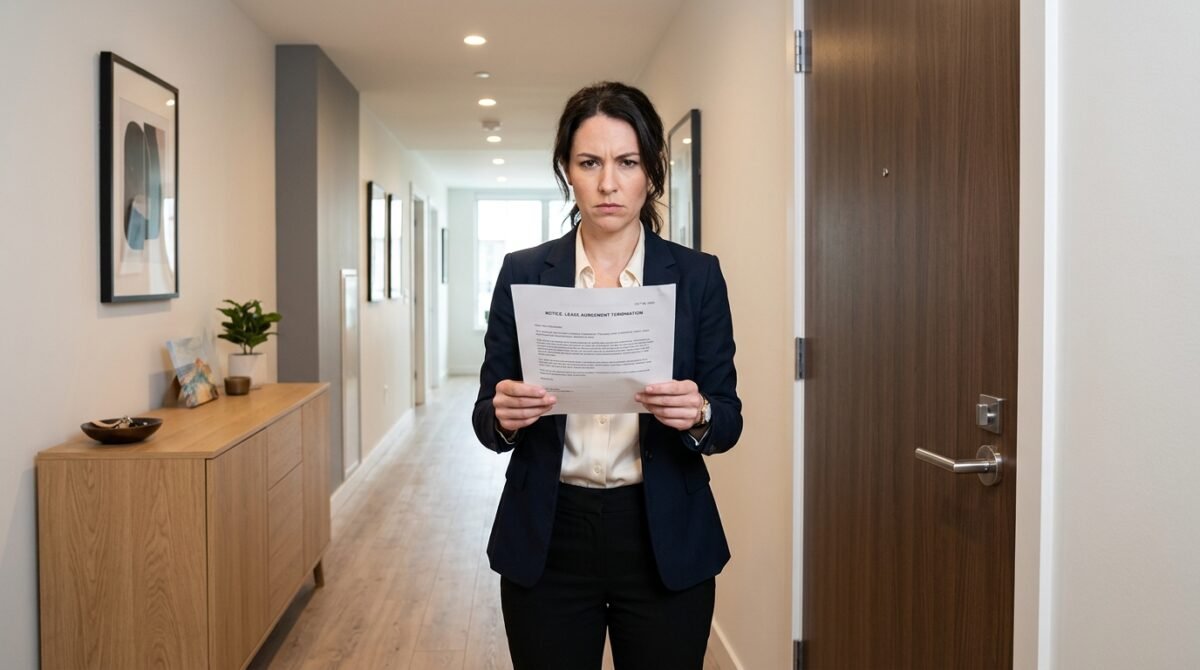
I spent the next three hours reading through the fine print of our rental agreement. While the lease didn’t explicitly mention ‘houseplants,’ it did have a strict clause about property damage and the right to quiet enjoyment of the premises. I knew that I couldn’t legally toss her out on the street in 24 hours, but I knew I could make her current living situation so unbearable that she would choose to leave. I had the upper hand, and I wasn’t going to let it slip away.
I drafted a letter. It wasn’t a formal eviction notice from the landlord, but a ‘Notice of Intent to Terminate Sublet’ that I had drafted myself, citing the destruction of personal property and the violation of the ‘mutual respect’ clause we had signed as roommates. I printed it out and slipped it under her door, along with a list of the current market prices for the damaged plants. The total was staggering, and I knew she didn’t have the cash to pay for it.
When she emerged from her room an hour later, she looked pale. She started pacing the living room, trying to make excuses about how ‘spiritual’ the plants were and how she was just trying to tap into their energy. I didn’t care about the energy. I cared about the fact that she had effectively cut a hole in my bank account. I told her that she had 24 hours to pack her things, find a new place to crash, and vacate the property, or I would involve the landlord and potentially small claims court.
“You have exactly 24 hours. If you are not gone, I am filing a police report for the theft and destruction of high-value property. I have pictures, I have the dehydrator evidence, and I have the receipts for these plants. Choose.”
She tried to argue, claiming that I was being ‘reactionary’ and ‘materialistic.’ She even brought up the idea of ‘community property,’ a concept that clearly only applied to things she wanted to take from me. I didn’t engage. I just walked back to my room and put on my headphones, letting the silence serve as my firmest boundary. The psychological pressure of that silence was exactly what she needed to realize she had lost.
By the time I came out for a glass of water, she was frantically texting someone. I could hear her sobbing in the kitchen, but my sympathy was entirely gone. You don’t get to destroy someone’s passion and then expect them to comfort you in the aftermath. The house felt cold, but it also felt like a place I could finally reclaim as my own.
The Online Reaction and the ‘Plant Parent’ Community

I decided to post about the incident on a popular plant enthusiast subreddit, mostly to vent and to get a reality check on whether I was being too harsh. I detailed the situation, the cost of the plants, and the ‘holistic’ justification Sarah had given me. I wasn’t prepared for the sheer volume of support that flooded the comments. People who understood the time and effort that goes into growing variegated tropical plants were absolutely livid on my behalf.
The thread hit the front page within a few hours. Thousands of people chimed in, sharing their own horror stories of roommates or family members who ‘pruned’ their collections without asking. The consensus was clear: this wasn’t just a misunderstanding; it was a massive violation of personal boundaries. People were calling for me to report her to the authorities immediately, regardless of whether she moved out or not.
“As a fellow collector, I am physically pained reading this. That Thai Constellation isn’t just a plant; it’s an investment and a masterpiece. She didn’t just ‘prune’ it; she committed theft. NTA. Evict her yesterday.”
— u/LeafCollector99, 14.2k upvotes
The community support helped validate my anger. It wasn’t just me being a ‘materialistic’ person; it was a matter of respect and property rights. Some users even provided legal advice on how to secure my space and ensure she couldn’t take anything else with her when she left. I felt like I had an army of thousands of people behind me, which made the final hours of her stay much easier to manage.
Of course, there were some dissenters. A few people suggested I was overreacting and that plants are ‘supposed to be enjoyed.’ I ignored those comments. Those were the people who would probably walk into a museum and start painting over the art because they thought they could improve the brushwork. They clearly didn’t understand the years of meticulous care required to grow a healthy, rare plant.
The constant stream of notifications on my phone kept me distracted. I was able to maintain my ‘no-contact’ policy with Sarah because I was too busy reading these stories of solidarity. It turned a dark, isolating experience into a community event. I realized that my collection was more than just plants—it was a community of people who valued the same things I did.
The Midnight Packing Panic
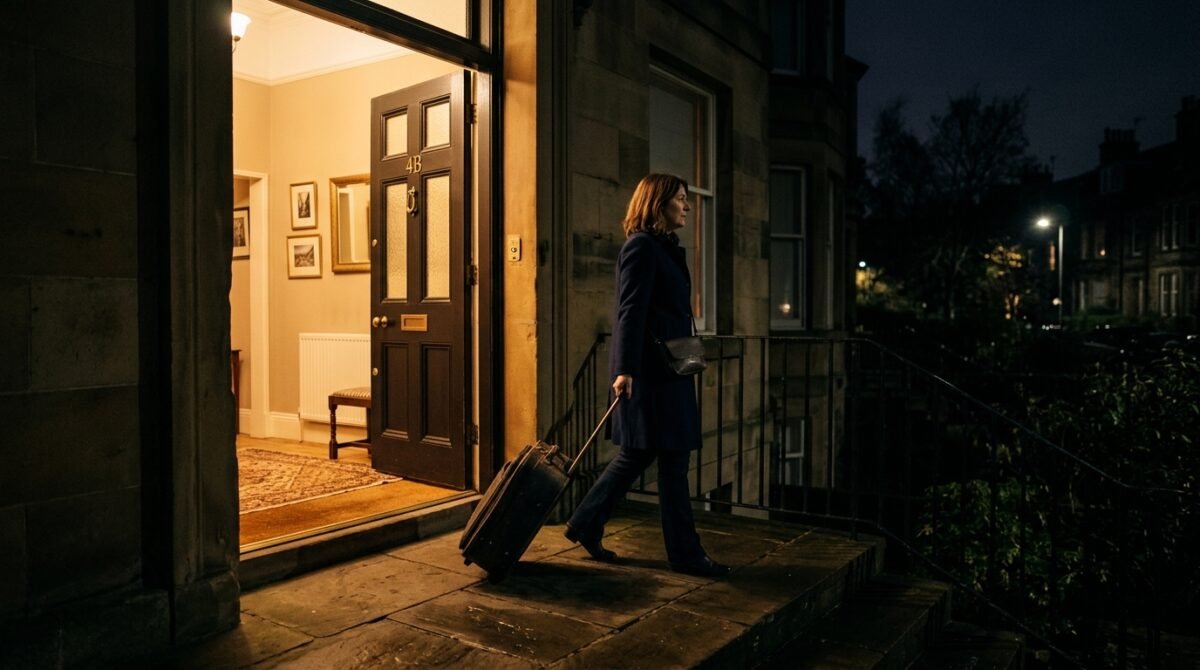
As the 24-hour mark approached, the atmosphere in the apartment became increasingly thick. Sarah had spent most of the day in a flurry of activity, packing her essential oil kits, her dried herb jars, and her various ‘wellness’ gadgets. Every time a door slammed or a box was taped, I felt a wave of relief. I remained in the living room, keeping a close eye on the remaining plants, ensuring that nothing else was taken or damaged during her exodus.
She tried to approach me one last time, wanting to ‘discuss the future of her stuff.’ I didn’t even look up from my book. I told her that the only future she had was to be out of the apartment by the time the clock struck the 24-hour limit. I didn’t want to hear her excuses, her apologies, or her attempts to justify her actions. The trust was gone, and there was no rebuilding it. The bridge had been burned, and it was her who brought the match.
“I don’t need a discussion. I need you to leave. Everything you took is gone. Everything you left is safe. There is nothing else to talk about.”
She tried to plead that she had nowhere to go, that she was ‘just trying to connect with nature.’ I pointed out that she had plenty of options—friends, family, or even the places where she bought her expensive essential oils. I wasn’t responsible for her living situation, especially not after she had decided to treat my property as her personal apothecary. It was a cold moment, but it was necessary.
The final hour was silent. She finished packing her final box and dragged it to the door. I waited for her to leave, and the moment the deadbolt clicked into place, I felt a sense of peace that I hadn’t experienced in months. I walked through the house, checking each plant. They were safe. Wounded, but safe. I started the process of repotting and treating the cuts immediately, working through the night to ensure they would recover.
I felt a strange sense of liberation. I had taken back control of my home, my property, and my sanity. It was the hardest 24 hours of my life, but it was also the most empowering. I knew that in the future, my criteria for roommates would change drastically. I wouldn’t just be looking for someone who could pay the rent; I would be looking for someone who respected the boundaries I set.
The Aftermath: Assessing the Botanical Damage
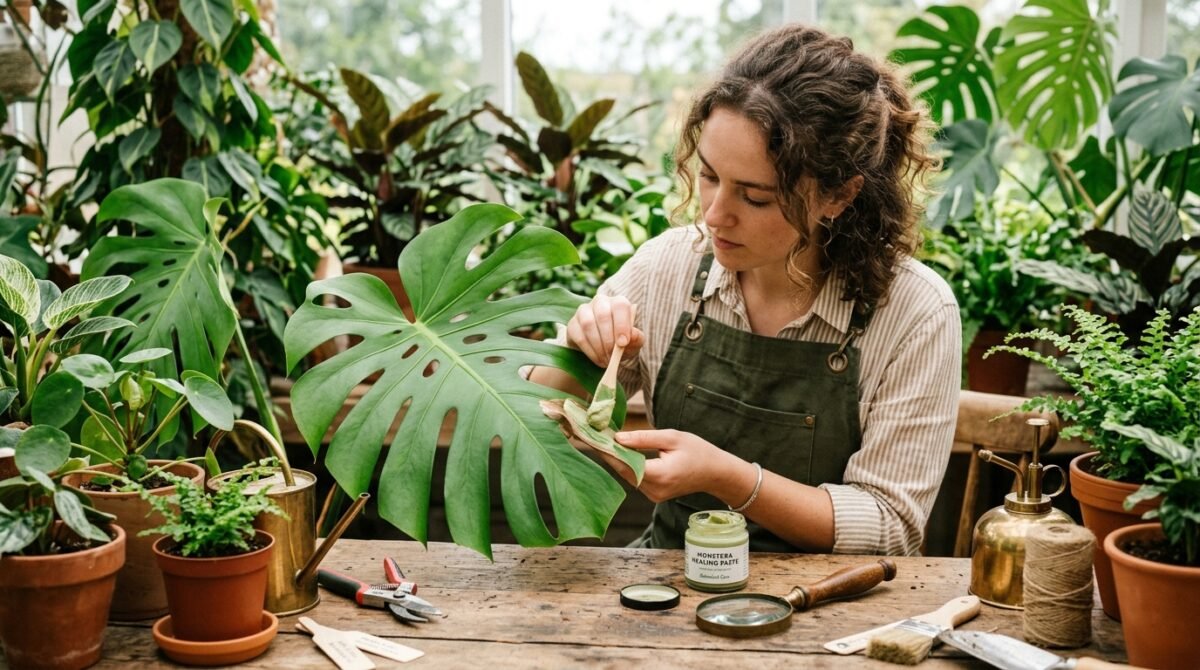
Once Sarah was gone, the real work began. I had to assess the damage to each plant systematically. The Thai Constellation had been the hardest hit, with several mature leaves removed, which meant it would struggle with photosynthesis for a while. I applied a fungicide to the cuts to prevent infection, a standard procedure when dealing with such drastic damage. It was like performing surgery on a loved one.
I went through my entire collection, one by one. I checked the moisture levels, the light exposure, and the health of the root systems. I found that she had also ‘pruned’ a Philodendron Pink Princess, which was another expensive plant I had invested in. It seemed she had a taste for the most expensive varieties, likely because they were the ones she had seen on social media or in her herbalist groups.
I kept a log of the damage. I took photos of every single cut, noting the date and the time. I figured that even if I didn’t take her to small claims court, I needed to have this record for my own peace of mind. It was a testament to what had happened, a physical manifestation of the betrayal. As I worked, I found myself talking to the plants, apologizing for not protecting them better. It sounded crazy, but in that moment, it felt necessary.
“I’m so sorry. I should have known. I shouldn’t have let her anywhere near you. It won’t happen again.”
The process took hours. My hands were stained with soil and sap, and my back ached from leaning over the tables. But as I finished each one, I felt a sense of closure. Each plant was back to its rightful state of being cared for and protected. I moved the most valuable specimens into my bedroom, where I could keep an eye on them twenty-four-seven. The living room was now a bit emptier, but it felt safer.
I realized that I had been too trusting. I had viewed the world through the lens of my own passions, assuming that everyone else operated with the same level of respect. This was a harsh lesson, but it was one that would stay with me for a long time. I would never again allow a roommate to have access to my collection without strict, written, and enforced rules. If they didn’t like it, they didn’t belong in my home.
The Financial Reality Check

I decided to calculate the exact financial loss. It wasn’t just the plants; it was the potential growth, the time I had spent, and the cost of the specialized nutrients I had used. When I added it all up, the figure was north of $2,500. This was money that I could have spent on a trip, a new appliance, or even just savings. Instead, it was gone, sacrificed to a ‘wellness’ hobby that didn’t even have the courtesy to ask for permission.
I looked into the legalities of the situation again. While I could technically pursue damages, the cost of a lawyer would likely exceed the value of the plants themselves. I decided that the ‘eviction’ was a sufficient enough price for her to pay. She had to move on short notice, she had to pay for a new place to stay, and she had to deal with the social fallout of her actions. That was enough for me.
I also realized that I had been subsidizing her in other ways. She had been using my high-end cleaning supplies, my organic groceries, and even my Netflix account. I immediately changed all my passwords and blocked her on all social media platforms. I didn’t want to see her ‘apology’ posts, which I knew would be filled with victim-blaming language about how she was ‘misunderstood’ and ‘persecuted’ for her beliefs.
“She doesn’t get to call herself a victim. She chose to steal. She chose to destroy. My bank account is the real victim here.”
The financial loss was a bitter pill to swallow, but it was also a wake-up call. I needed to be more protective of my assets, both physical and digital. I started a new spreadsheet, tracking every expense I had for the household and for my collection. It was a small, tedious task, but it gave me a sense of control that I had lost during the chaos of the last 24 hours.
I decided that I would no longer look for roommates. The risk was simply too high. I would rather live in a smaller place and struggle a bit more with the rent than risk the safety of my plants and my peace of mind. I started looking at smaller, more affordable studio apartments where I could have complete autonomy over my living space. It was a change, but it was a change for the better.
Why the Sunday Dinner Table Went Completely Silent

A few weeks later, I ran into a mutual friend at a cafe. They had heard about the ‘incident’ and were curious to know what had really happened. They had heard Sarah’s version of the story, which involved me being a ‘plant-obsessed narcissist’ who valued leaves over people. It was a classic deflection tactic, designed to make her look like the victim and me like the villain. I wasn’t having it.
I sat the friend down and showed them the photos of the plants. I explained the cost, the effort, and the fact that she had been stealing from me for months. The look on their face changed from curiosity to shock. They hadn’t realized the scale of the damage. They had assumed it was just a small disagreement over a few clippings, not a systematic destruction of a valuable collection.
We had a dinner that Sunday with a group of friends who knew us both. The atmosphere was strained. Sarah was there, and she kept trying to steer the conversation toward ‘how nature gives freely to those who know how to ask.’ I let her talk, waiting for the right moment. When she finished her monologue about ‘abundance,’ I calmly held up my phone and showed the photos to everyone at the table.
“Is this what you mean by ‘abundance,’ Sarah? Because this is what you left in my living room. This is over two thousand dollars of property you destroyed for your tinctures.”
The table went silent. You could hear a pin drop. Sarah tried to stammer out a defense, but it was useless. The visual evidence was too powerful. Everyone at the table, who had previously been sympathetic to her ‘plight,’ now looked at her with a mixture of disgust and embarrassment. She left the dinner early, and I didn’t follow her. I finished my meal, feeling a sense of vindication that was long overdue.
The fallout from that dinner was immediate. People stopped inviting her to events, and she was effectively ostracized from our social circle. It wasn’t about me being a ‘bully’; it was about the truth coming to light. People don’t like to be lied to, and they especially don’t like to find out that their friend is a thief who rationalizes their behavior as ‘spiritual.’
The Lessons Learned from the Green Massacre
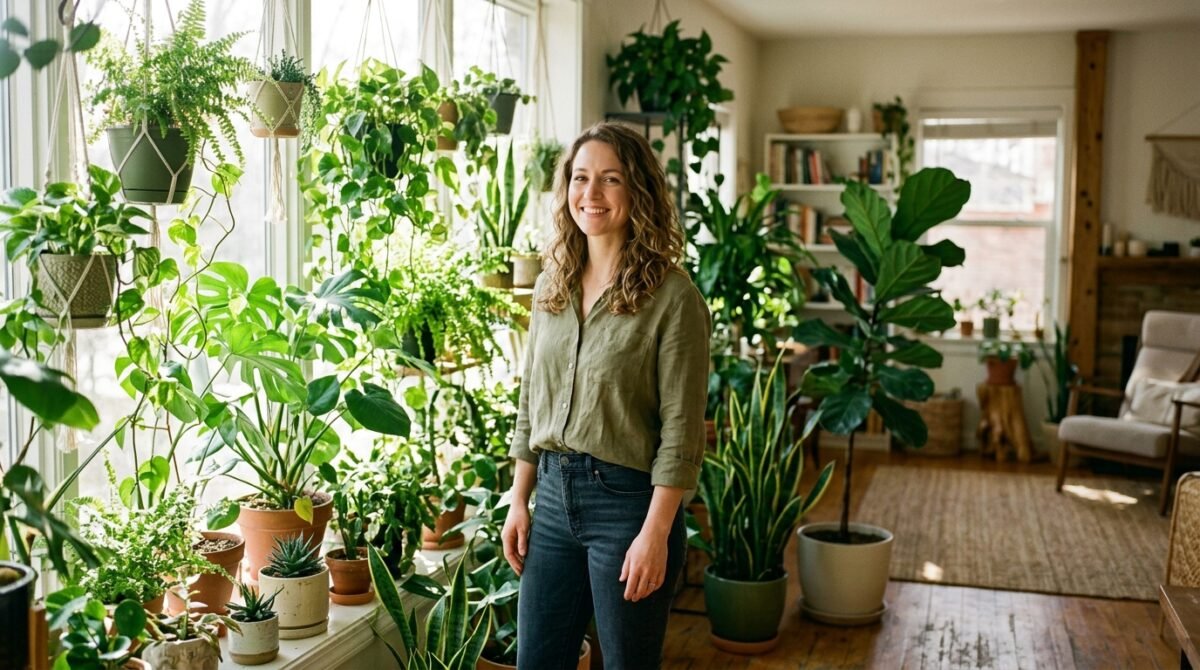
Looking back, the entire experience was a masterclass in boundary setting. I learned that you cannot assume that other people share your values, even if they seem like they do. I had assumed that someone who talked about ‘wellness’ and ‘nature’ would automatically respect a plant collection. I was wrong. I learned that I need to be explicit about my expectations, even if they seem obvious to me.
I also learned the importance of having a clear, documented, and enforced living agreement. If I ever do have a roommate again, I will have a contract that explicitly states the rules regarding shared property, personal items, and consequences for breach of contract. It might seem like overkill, but it’s a small price to pay to ensure that I never have to go through something like this again.
The plants are recovering well. The Thai Constellation has pushed out two new leaves, and the Pink Princess is looking healthier than ever. They are resilient, much like I had to be. They taught me that even after something is taken from you, you can still grow, you can still thrive, and you can still find beauty in the aftermath. It’s a lesson that I’ll keep with me for the rest of my life.
“I don’t just grow plants. I grow resilience. Every new leaf is a reminder that I survived.”
I have become more guarded, yes, but I have also become more confident in my ability to handle conflict. I don’t feel the need to be ‘the nice guy’ all the time. I know that I have a right to defend my space and my property, and that is a lesson that is worth more than any plant collection. I am finally at peace, and for that, I am grateful for the ‘green massacre’ that started it all.
I encourage everyone to set their boundaries early and firmly. Don’t wait for the ‘breaking point’ to happen. If you see a red flag, address it. If you see a boundary being pushed, pull it back. Your life, your space, and your passions are worth defending, and you shouldn’t have to apologize for protecting them.
Community Perspectives: How Would You React?

The Reddit community thread continued to grow for days after the incident. People kept sharing their own experiences, which I found deeply comforting. It wasn’t just my story; it was a universal theme of people struggling to maintain boundaries in an environment where they were expected to be ‘accommodating’ and ‘easygoing.’ The discussion eventually turned toward the question of whether or not I should have taken her to court.
Many people argued that for a sum of $2,500, I was missing an opportunity to teach her a real-world lesson. They argued that if she didn’t face a tangible consequence, she would just go on to do it to someone else. It was a valid point, and one that I spent a lot of time thinking about. But I also realized that the mental and emotional toll of a legal battle was not something I was willing to pay.
“Even if you don’t take her to court, you should at least report it to the landlord. She is a liability. You have a duty to let the owner know what she is capable of.”
— u/PropertyManagerExpert, 9.2k upvotes
That comment resonated with me. I hadn’t thought about the long-term implications for the landlord. I ended up sending a formal email to the management office, documenting what had happened and why she was no longer on the lease. It felt like the right thing to do, ensuring that future roommates or landlords would be aware of her behavior. It was the final piece of the puzzle, the last step in closing this chapter of my life.
The reactions were diverse. Some people felt that I had been too harsh, while others felt I hadn’t been harsh enough. It was a fascinating window into human nature. I realized that everyone has a different threshold for what they consider ‘acceptable’ in a roommate relationship, and that my threshold had shifted significantly after this experience. I am much more selective now, and I don’t have a problem saying ‘no’ to people who don’t align with my values.
I am glad I shared my story. It gave me the chance to process the anger, the pain, and the ultimate sense of growth that came from the experience. I hope that by sharing this, someone else who is struggling with a boundary-crossing roommate will feel empowered to take action. You are not a bad person for defending your home and your belongings. You are just being human.
Moving Forward: New Beginnings
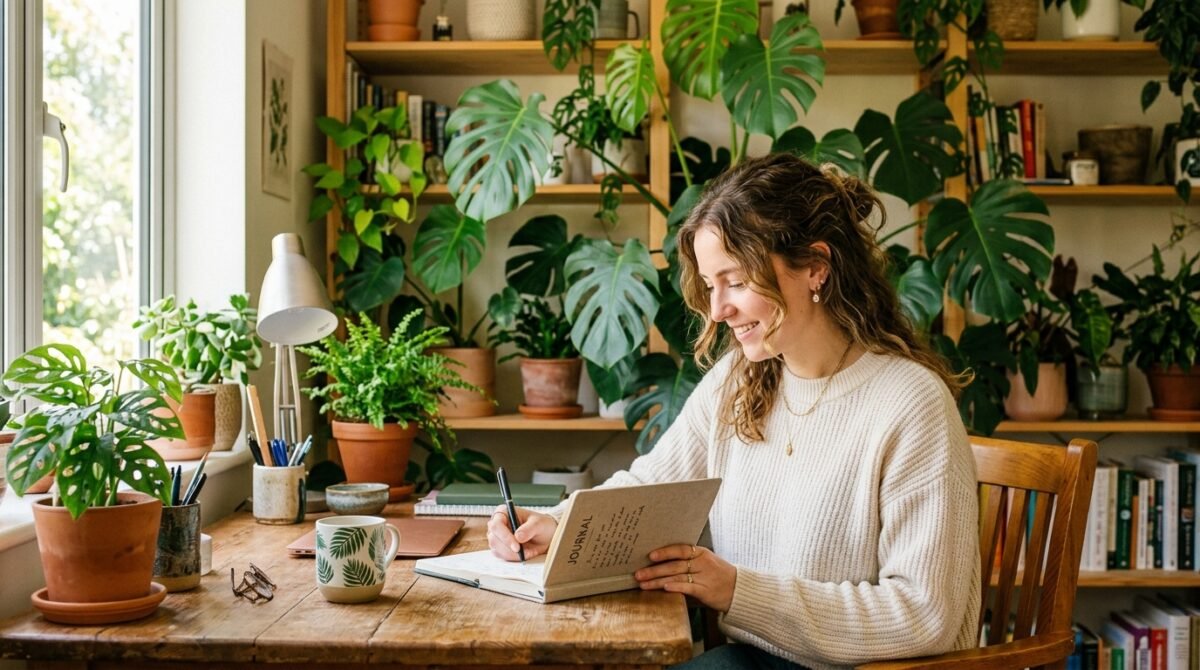
I am now in a new apartment, one that I can afford on my own. It’s a smaller space, but it’s perfect for me and my plants. I have set up a new shelf system that gives them the optimal light they need, and I have installed a smart camera that I can check from my phone whenever I’m away. It gives me peace of mind, knowing that I can always see what’s happening in my living room, even when I’m at work.
I have also become more active in the local plant community. I volunteer at a local nursery on the weekends, helping other people learn how to care for their plants properly. It has been a rewarding experience, connecting with people who share my passion and my respect for nature. I’ve even met a few people who have become good friends, and we often trade cuttings and advice. It’s a healthy, supportive community, and I’m glad to be a part of it.
I’ve also started a small blog where I write about the care and maintenance of rare tropical plants. It’s my way of giving back to the community and sharing the knowledge I’ve gained over the years. I focus on the scientific side of plant care, the importance of humidity, light, and soil quality, and the joy of watching something grow from a tiny cutting into a beautiful specimen.
“My plants don’t just grow; they thrive. And so do I. It’s a symbiotic relationship that has taught me more about life than any other experience I’ve had.”
I am no longer the person who was afraid to speak up. I am no longer the person who felt like they had to walk on eggshells in their own home. I am confident, I am secure, and I am happy. I have learned to prioritize my own well-being above all else, and that has made all the difference. I am looking forward to the future, and I am excited to see what new growth it will bring.
If you take anything away from my story, let it be this: don’t compromise your values for the sake of ‘keeping the peace.’ The peace you think you’re maintaining is just a facade, and eventually, the truth will come out. It’s better to address things early, clearly, and firmly. You owe it to yourself, and you owe it to the life you’re trying to build.
Conclusion
The story of my ‘green massacre’ was, in many ways, the turning point of my adult life. It forced me to confront the reality that kindness is not the same as passivity, and that my boundaries are not suggestions, but requirements for my mental and physical health. The trauma of the damage eventually faded, replaced by the pride of having successfully navigated a truly difficult situation. The rare Monsteras continue to grow, and in many ways, they are a testament to that recovery.
I realize that for many of you reading this, the question of ‘was it worth it’ is the primary focus. Was the destruction of a living situation worth the price of a few plants? For me, the answer is an absolute yes. It wasn’t about the plants; it was about the lack of respect, the violation of my sanctuary, and the realization that I had been allowing someone to diminish my life under the guise of friendship. It was the catalyst I needed to stand up for myself.
I am curious, though, how the rest of you would have handled it. Have you ever had a roommate who crossed a line that you couldn’t forgive? What did you do, and how did you move on? Let me know in the comments below. Let’s start a conversation about what it truly means to set and maintain boundaries in a world that often demands we be ‘accommodating.’ Your stories might just be the inspiration someone else needs to reclaim their space, their sanity, and their own version of ‘home.’
What's your verdict on this dilemma?
Vote below to contribute to the official community consensus.

Have a Dilemma Keeping You Up at Night?
Share your real-life feud, wedding chaos, or relationship crossroads anonymously with our editorial team.
What do you think ?
0 Comments🛡️ Comments are moderated to protect community integrity. Your comment will appear once approved by the editorial team.