
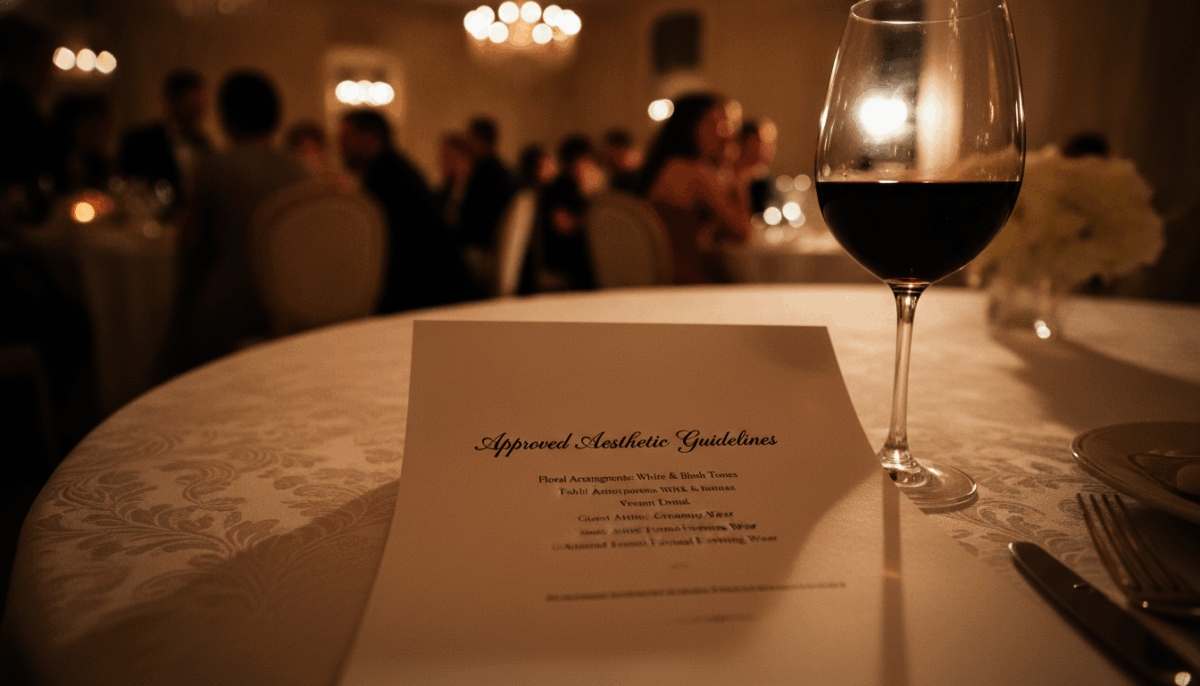
The rehearsal dinner was meant to be the final, calm breath before the hurricane of our wedding day. My family had flown in from across the country, the venue was draped in white lilies, and the champagne was chilled to perfection. My fiancé, Mark, had spent months obsessing over every detail of the event, but I had assumed his perfectionism was limited to the decor and the seating chart. I was wrong. I was entirely, devastatingly wrong.
As I sat at the head table, listening to his father make a heartfelt speech about ‘partnership and compromise,’ I felt a heavy envelope slide across the table toward me. It was thick, creamy, expensive stationery. When I opened it under the table, expecting perhaps a romantic note or a final itinerary for the morning, I found a multi-page document that would eventually destroy everything we had built. It wasn’t a love letter; it was a manifesto.
The document, printed in a crisp serif font, was titled ‘Post-Marriage Aesthetic Guidelines.’ As I flipped through the pages, my heart stopped. It detailed everything: the specific shades of makeup I was permitted to wear, the length of my skirts, and, most bizarrely, a comprehensive list of ‘Approved Hairstyles.’ It wasn’t just a suggestion; it was an ultimatum, complete with a signature line at the bottom for me to acknowledge my ‘commitment to maintaining our brand’ as a couple.
I looked up at Mark. He wasn’t looking at me with love. He was looking at me with a satisfied, expectant gaze, waiting for me to acknowledge the ‘gift’ he had prepared for our future. That moment of clarity was so sharp, so cold, that the heat from the room seemed to vanish instantly. I didn’t argue. I didn’t cry. I simply stood up, tucked the paper into my clutch, and walked out of the ballroom, leaving behind my marriage, my guests, and the person I thought I knew.
The Pre-Wedding Transformation
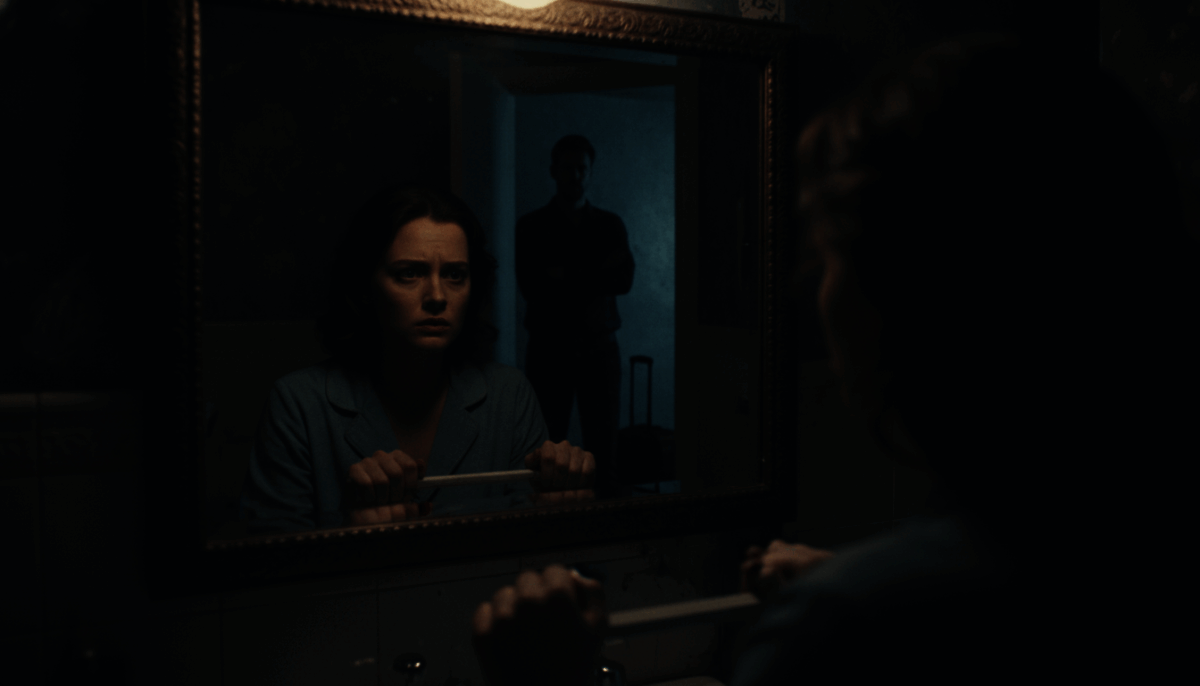
Looking back, the signs were always there, hidden behind the guise of ‘improving’ me. For the two years we dated, Mark had a way of steering my choices. It started small—a comment about how a certain color didn’t suit my complexion, or how he preferred me in heels rather than flats. I thought I was just being loved by a man who had a strong sense of style. I was a professional, an architect, yet he spoke to me as if I were a project he was slowly renovating.
When we got engaged, the frequency of these ‘suggestions’ spiked. I went from having a personal style to having a ‘Mark-approved’ wardrobe. He told me that for the wedding, we needed to present a cohesive image. I agreed, foolishly, thinking it was just for the photographs. I spent hours at dress fittings, endure hours of hair trials, all to satisfy a vision that felt increasingly less like me and more like a mannequin in a department store window.
The stress began to mount in the weeks leading up to the big day. He was constantly checking my social media, critiquing my friends’ fashion choices, and making passive-aggressive remarks about my natural hair texture. I kept telling myself it was just nerves. Everyone says wedding planning makes people crazy. I told myself that once the ring was on my finger, he would finally be satisfied and the pressure would subside. I was so desperate to believe that we were a team.
The rehearsal dinner was supposed to be the end of the planning phase. I had looked forward to it as a night where I could finally let my guard down, have a drink with my sister, and laugh about the chaos of the last few months. But when I arrived at the restaurant, Mark seemed unusually tense, pacing near the bar, clutching a leather folder as if it were a high-stakes legal brief. I didn’t know then that he had spent the entire afternoon finalizing his vision of me.
“You look okay, I guess, but your hair is a bit unruly today, isn’t it? We have a lot of important people coming tomorrow. I need you to look like you’re ready for the life we’re about to start.”
— Mark, two hours before the rehearsal dinner
The Manifesto on the Table
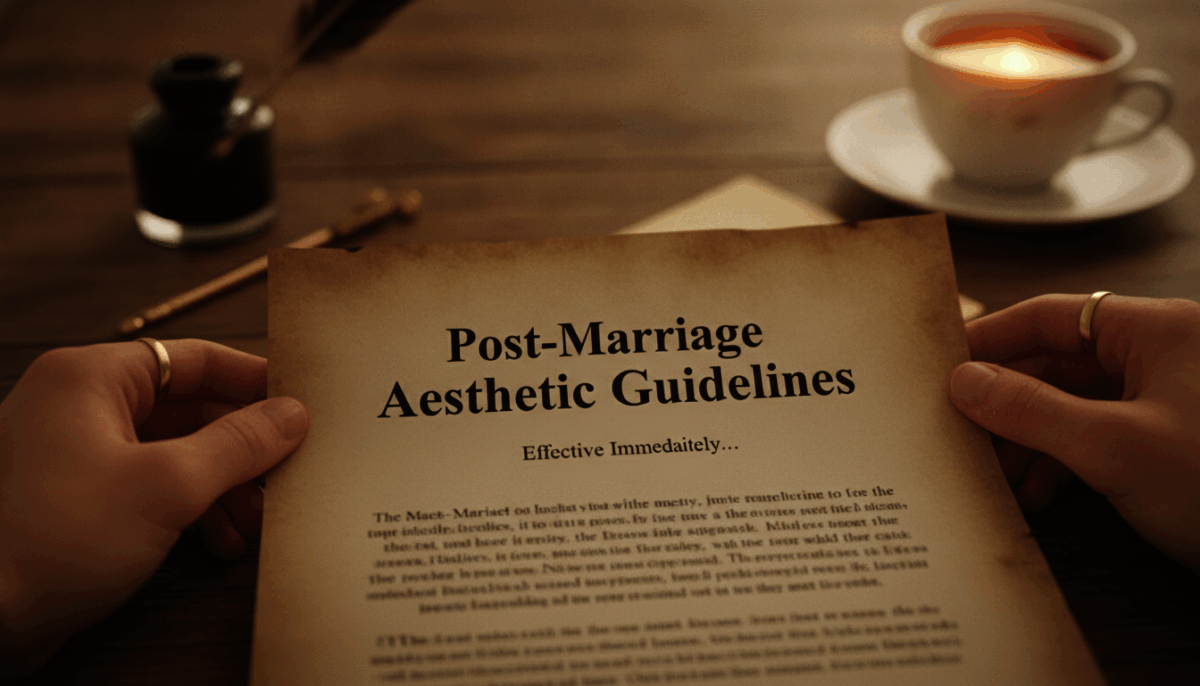
The restaurant was bustling with the laughter of friends and the clinking of glasses. I was seated next to Mark, who was uncharacteristically quiet. He kept glancing at his watch. I assumed he was just anxious about the toasts. When the waiter brought the wine, Mark leaned in close, his voice dropping to a whisper. He told me he had something ‘important’ for me, something to help us start our marriage on the ‘right foot.’ That’s when the envelope slid across the tablecloth.
I opened it, expecting a card or a heartfelt note. As I scanned the first page, my eyes widened. It was a list. ‘Post-Marriage Aesthetic Guidelines.’ Underneath the title, there was a bulleted list: ‘1. No unnatural hair colors. 2. Hair must be kept in professional styles only. 3. No bangs shorter than brow-length.’ I stopped reading for a second, wondering if this was some kind of elaborate joke or a prank from his groomsmen. I looked at him, but he was dead serious.
I kept reading. The document included a section on ‘Home Attire,’ which stipulated that I was to avoid wearing sweatpants or oversized shirts in common areas. There was a section on ‘Public Presentation,’ which dictated the types of fabrics I was allowed to wear to his work events. My blood turned to ice. This wasn’t just a list of suggestions; it was a legalistic attempt to strip away my autonomy before the vows were even exchanged. The document ended with a line: ‘By signing, I agree to these terms for the betterment of our union.’
I felt a strange sensation in my chest—a mix of nausea and a sudden, sharp clarity. I realized then that Mark didn’t want a wife; he wanted a curated accessory. He had been planning this document for months, likely calculating the exact moment to present it when I would be too surrounded by family to say no. He wanted to lock me into his control while everyone else was watching, ensuring I’d be too embarrassed to make a scene.
“I hope you’ve had a chance to read it. I’ve put a lot of work into our brand. I think you’ll find that if you follow these simple rules, our life together will be so much more harmonious. Sign it before the cake comes out.”
— Mark, whispering during the rehearsal dinner
The Silent Exit
The restaurant seemed to shrink around me. I could hear the hum of conversation, the clinking of silverware, and the distant sound of a jazz band playing in the corner, but it all sounded muffled, as if I were underwater. I looked at the signature line on the document. Mark had even brought a gold fountain pen, resting it right next to my water glass. The arrogance of it—the sheer, blinding entitlement—was staggering.
I didn’t say a word to him. I didn’t want to cause a scene in front of his parents, who were laughing at a joke at the other end of the table. I didn’t want to explain to my mother why I was suddenly pale. I just slowly folded the document, put it back into the envelope, and slid it into my designer clutch. I took one last sip of my wine, stood up, and smoothed out my dress. Mark looked up, a confused frown knitting his brows.
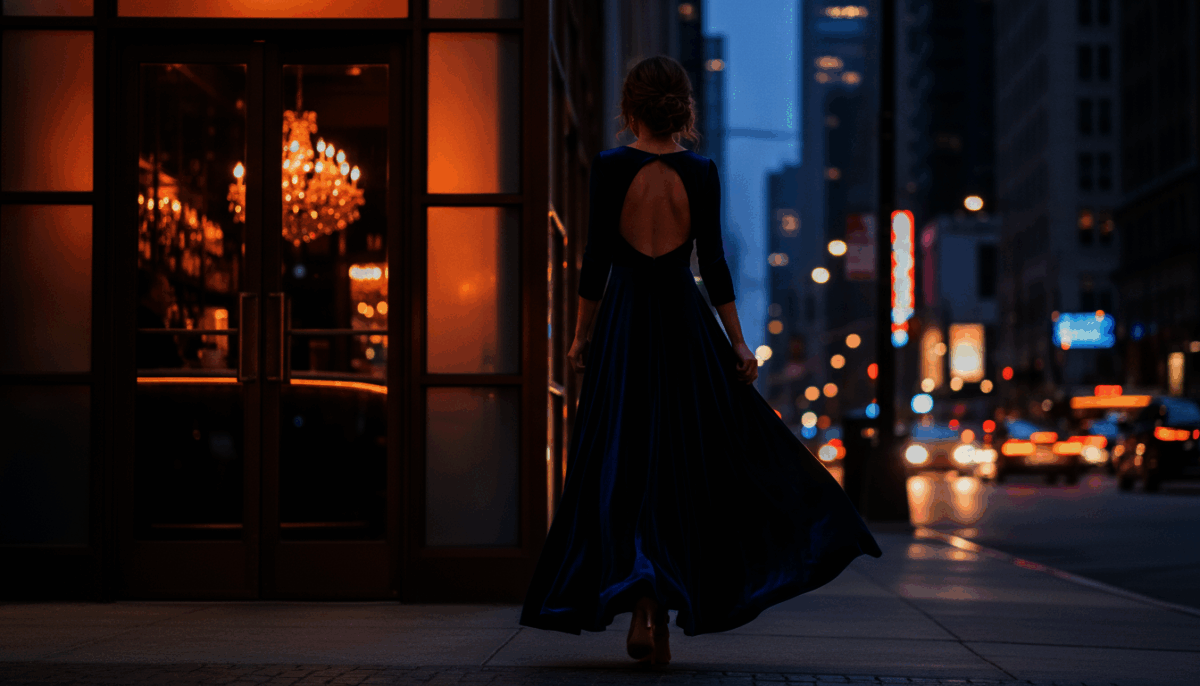
“I’ll be right back,” I whispered, my voice steady in a way I didn’t recognize. I walked toward the restrooms, but I didn’t stop there. I walked past the lobby, past the maître d’ who greeted me with a polite nod, and out through the heavy glass doors into the cool night air. The city lights were blurring in my vision as I walked to the valet stand. I didn’t have my car keys—Mark had insisted on driving—so I hailed a cab.
As the taxi pulled away from the curb, I looked back at the restaurant. It glowed like a warm, inviting box, a place where, just ten minutes ago, I had been the future bride. Now, I was just a woman in a cocktail dress fleeing the scene of a psychological imprisonment. I felt the paper in my bag like it was burning a hole through the leather. I wasn’t going back. Not to the wedding, not to the apartment, and certainly not to him.
“Where are you going? You left your phone on the table. Are you coming back for the toasts?”
— A missed text from Mark, sent 10 minutes after I left
The Morning After the Fire
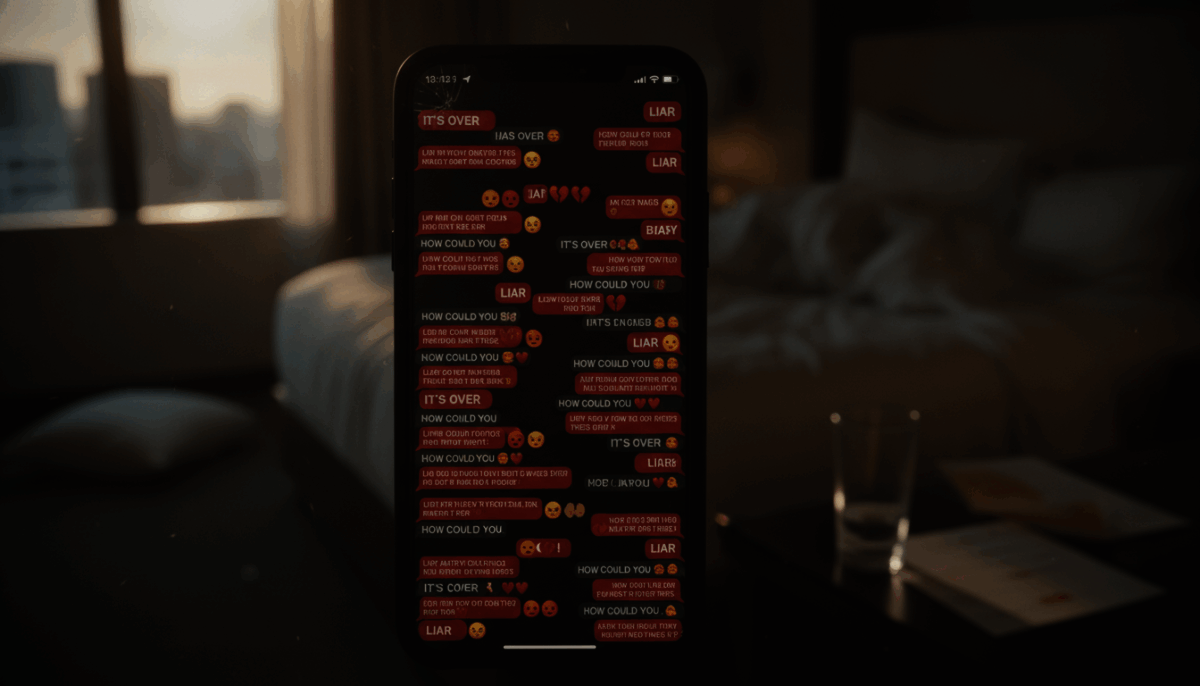
I spent the night at a hotel downtown, unable to sleep, staring at the ceiling and the document I had retrieved from the envelope. By morning, my phone was a graveyard of notifications. There were dozens of texts from Mark, ranging from confused to outright furious. There were missed calls from his mother, frantic messages from my sister, and an alarming number of social media alerts from mutual friends who were starting to put the pieces together.
I didn’t answer any of them. I knew that if I engaged, I would be pulled back into his reality. He would tell me I was overreacting. He would say it was just a ‘joke’ or ‘planning for the future.’ He would use his charisma to gaslight me into feeling guilty for abandoning the wedding. I needed time to process the fact that I had just walked away from a $50,000 wedding and a three-year relationship because of a list of hair requirements.
My sister finally reached me on a secondary line. She was terrified. She thought I had been kidnapped or that something terrible had happened. When I told her the truth—that I had left because of a document detailing how I was allowed to wear my hair—there was a long silence on the other end of the line. She wasn’t laughing. She was horrified, not at me, but at the sheer audacity of what Mark had attempted to do.
By noon, I had made my decision. I wasn’t going to be the silent victim of a ‘wedding disaster.’ I was going to own my decision. I started drafting a message to the wedding guests, keeping it professional and brief: ‘Due to unforeseen circumstances regarding fundamental values, the wedding will not proceed.’ It was enough. It was the truth, even if it was incomplete.
“You have ruined everything. Do you have any idea how much money we have lost? You are being selfish. Come back to the hotel right now and talk to me like an adult.”
— Mark, in a message sent at 8:00 AM
The Family Intervention
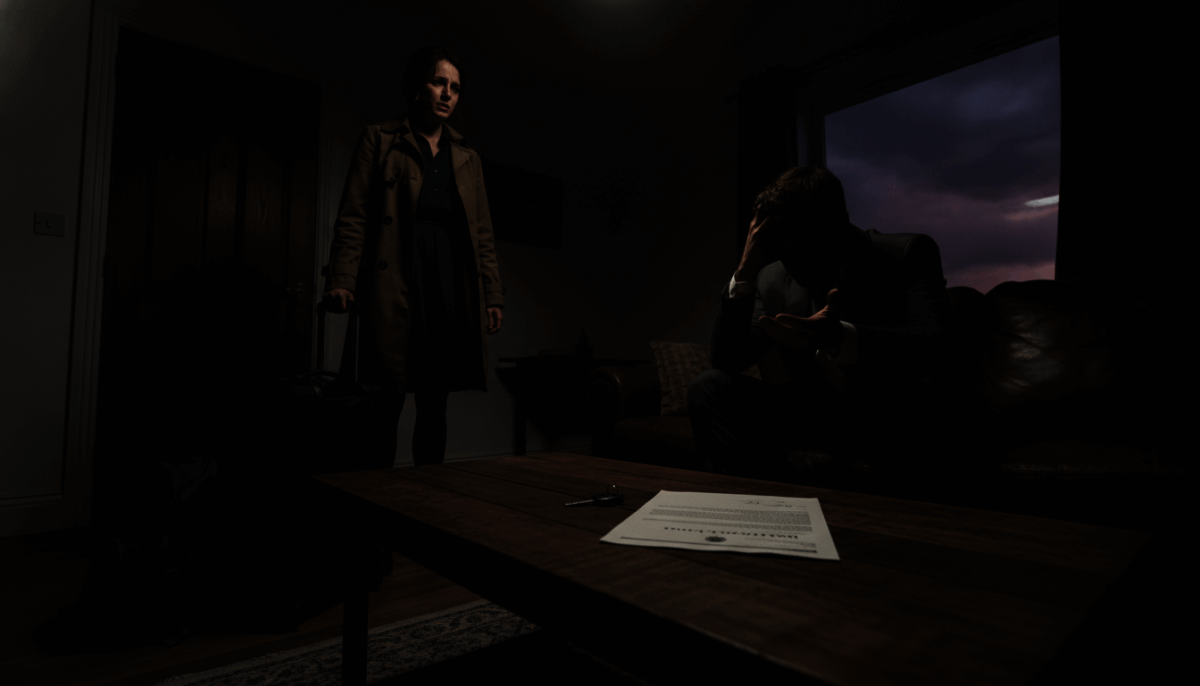
The fallout was instantaneous. Mark’s family arrived at my parents’ house, demanding an explanation. They were convinced that I was having a mental breakdown or that I had been influenced by someone else. They couldn’t fathom that a man like Mark, who was so charming and successful, could have done something so blatantly controlling. They wanted me to apologize, to swallow the insult, and to go through with the wedding ‘for the sake of the family.’
My father, who had always been a man of few words, sat in the living room and watched as Mark’s mother berated me for my ‘impulsive’ behavior. I sat there, exhausted, holding the document in my hands. Finally, I stood up and laid the document on the coffee table. I didn’t say a word. I just pointed to the section on ‘Approved Hairstyles.’ The room went dead silent as Mark’s mother read the paper.
She didn’t know what to say. She looked from me to the document, then back to me. The shame that crept into her eyes was the first bit of validation I had received since the night before. She knew, in that moment, exactly who her son was. She knew that he hadn’t just made a mistake; he had revealed his true character. She tried to stammer out an apology, but the damage was already done.
I packed my bags that afternoon. I wasn’t staying to argue. I wasn’t staying to be negotiated with. The wedding was off, and for the first time in years, the crushing weight on my shoulders started to lift. I felt a sense of freedom that was terrifying but absolutely necessary. I was leaving the life Mark had curated for me and stepping into the void, and for the first time, the void looked like an opportunity.
“I raised him to be a leader, not a warden. I am so sorry you had to see this side of him. I think it’s best if you leave.”
— Mark’s mother, after reading the list
The Reddit Community Weighs In
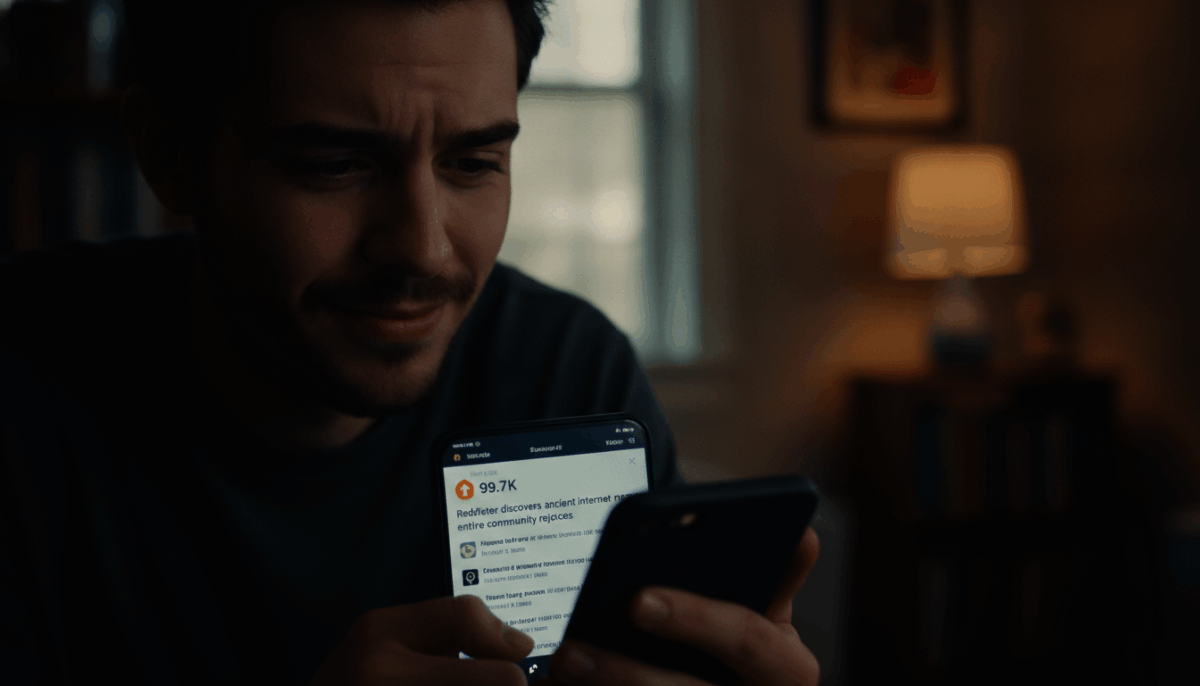
I posted my story on a popular relationship subreddit, not looking for validation, but just needing to put the insanity into words. I expected some skepticism, but the reaction was overwhelming. Thousands of people commented, sharing their own stories of ‘aesthetic control’ and warning me about the dangers of narcissism. The support was a lifeline; it made me realize that I wasn’t just ‘a woman who walked away’—I was a survivor of a slow-motion hostage situation.
The community was particularly focused on the document itself. People were analyzing the language, the specific demands, and the sheer audacity of printing it. The consensus was clear: this was a classic case of escalation. The hair list wasn’t the start; it was just the point where I finally noticed. The comments were a mix of anger, shock, and genuine encouragement. It was as if the entire internet was standing behind me, confirming that my reaction was not only reasonable but necessary.
One comment, in particular, stood out. It came from a user who claimed to be a divorce attorney. They pointed out that if he was willing to dictate my hair before the wedding, he would have eventually controlled everything from my bank accounts to my contact with my own family. It was a sobering, terrifying realization. I had saved myself from a lifetime of being a curated object rather than a human being.
Reading the comments didn’t fix the heartbreak or the mess, but it did silence the voice in my head that kept asking if I had overreacted. I hadn’t overreacted. I had responded to an ultimatum with an exit. The community helped me see that the ‘aesthetic guidelines’ were a symptom of a much deeper, more dangerous illness in our relationship. I started to understand that I had traded a wedding for my sanity, and that was a bargain I would make every single time.
“This wasn’t just a list; it was a leash. You didn’t just walk out of a rehearsal dinner; you walked out of a prison. OP, you saved your own life. Do not look back.”
— u/LibertyBelle88 (Top Comment, 32.5k upvotes)
The Financial Fallout
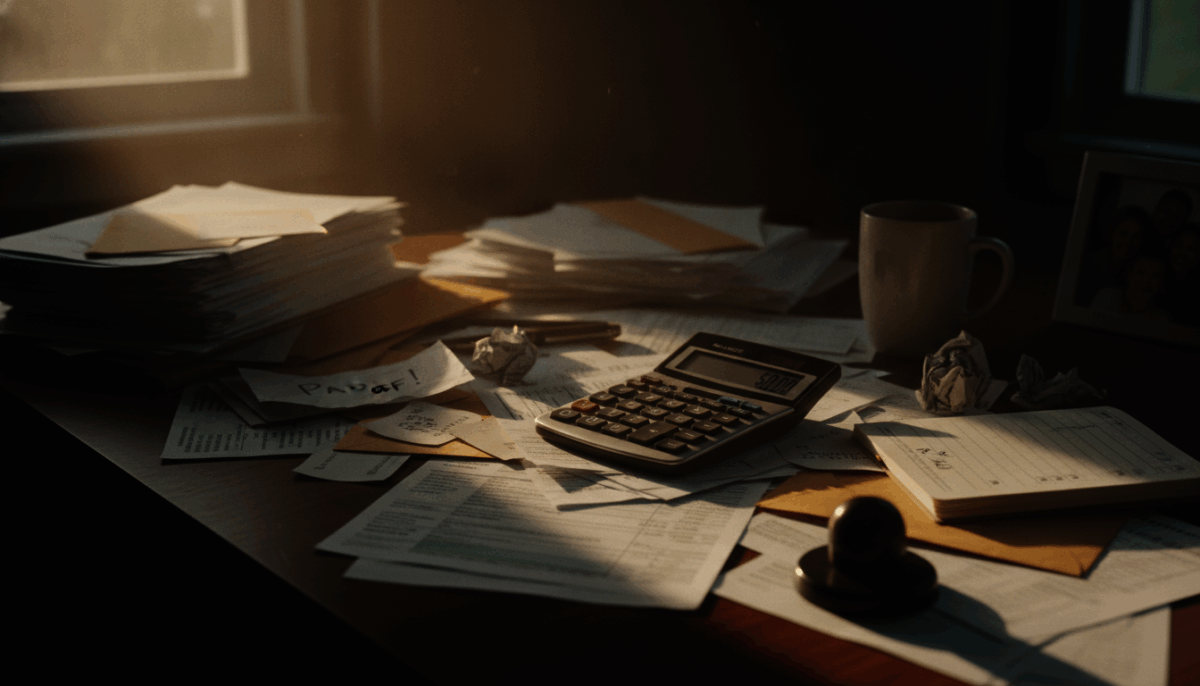
The weeks after the cancelled wedding were a blur of bank statements, contract cancellations, and awkward conversations with vendors. The costs were astronomical, but somehow, they didn’t matter. Every dollar I spent on a cancellation fee felt like a payment for my freedom. My parents were incredibly supportive, covering the costs that weren’t recoverable, and we worked together to settle the debts with the caterers, the florist, and the venue.
Mark, however, was not as cooperative. He tried to sue me for his share of the non-refundable deposits, claiming that I had breached our ‘verbal agreement’ to marry. It was absurd. His lawyers sent letters, but my own attorney simply replied with a copy of the ‘Aesthetic Guidelines’ and a statement regarding the psychological duress caused by his controlling behavior. The letters stopped coming after that.
The financial ledger of the wedding became a symbol of how much I had invested in a lie. I had spent thousands on dresses, hair appointments, and beauty treatments that were all part of his ‘brand.’ I started selling the things I could, donating the rest. I wanted to purge my life of anything that reminded me of that version of myself—the version that was afraid to have messy hair in front of the man who supposedly loved her.
I learned that financial entanglement is the final barrier to leaving a toxic relationship. If you don’t have your own resources, you are trapped. I was lucky that I had my own career, but I realized how many people don’t. The financial hit was a heavy price, but it was nothing compared to the cost of spending a lifetime in a gilded cage. I emerged from the financial wreckage with a clean slate, and for the first time, my money was truly my own.
| Category | Initial Investment | Outcome |
|---|---|---|
| Wedding Venue | $15,000 | Lost |
| Custom Dress | $8,000 | Donated |
| Catering | $12,000 | Partial Refund |
| Legal Fees | $5,000 | Necessary Expense |
The Lingering Whispers
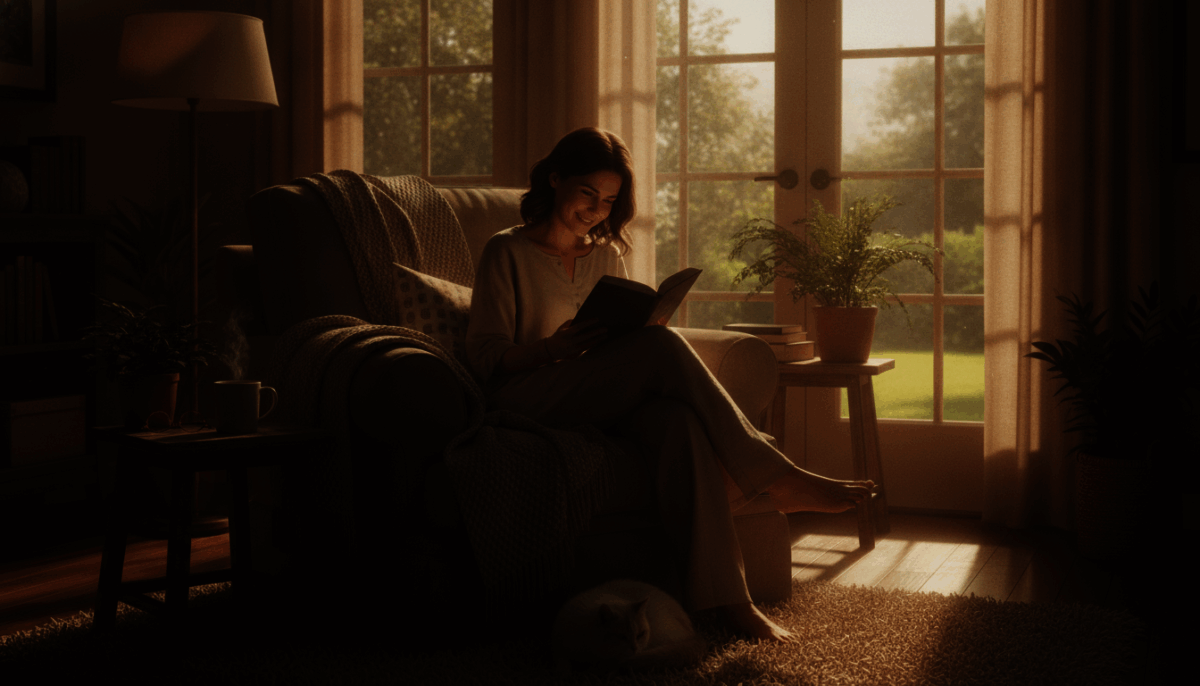
Even months later, the social fallout was difficult to navigate. There were people who thought I was the villain. They whispered that I had ‘cold feet’ or that I was ‘unstable.’ Some of our mutual friends took his side, convinced by his narrative that he was the heartbroken victim of a woman who just couldn’t handle the commitment. I didn’t defend myself. I didn’t try to change their minds. I knew the truth, and that was enough.
I found that the people who were truly my friends didn’t care about the ‘why.’ They saw that I was happy, that I was lighter, and that I was finally being myself again. They saw me growing my hair out, wearing whatever clothes I wanted, and laughing with a genuine, unforced joy. Those who needed an explanation weren’t worth my time. I learned to cut ties with the people who prioritized the ‘perfect couple’ image over my actual well-being.
There were moments of doubt, of course. I would sometimes wake up in the middle of the night wondering if I had been too harsh. Was there a way to talk it out? Could we have gone to therapy? But then I would remember the look in his eyes when he handed me the document. It wasn’t the look of a partner seeking growth; it was the look of a collector adding a new piece to his gallery. There was no ‘talking it out’ with someone who viewed you as a possession.
I started attending therapy to unpack why I had stayed as long as I did. It wasn’t just about him; it was about the parts of myself that were willing to accept his control. I had to learn to value my own autonomy more than the validation of others. It was a long road, but it was the most important work I had ever done. The whispers eventually died down, replaced by the quiet, peaceful reality of a life that was finally entirely my own.
“You owe no one an explanation for why you chose your own sanity over their convenience. You did the right thing.”
— My therapist, during a session
Finding the New Me

My life today looks nothing like it did when I was with Mark. I have a new job, new hobbies, and a group of friends who love me for exactly who I am—messy hair and all. I find myself doing things I never would have dreamed of while I was with him. I’ve started traveling, taking painting classes, and actually enjoying the spontaneous, unplanned moments of life. I’ve realized that I don’t need a brand; I just need to be.
The most important change is in how I relate to myself. I don’t look in the mirror anymore and ask if ‘this is good enough for Mark.’ I look in the mirror and ask if I feel comfortable. I’ve reclaimed my body, my choices, and my voice. It sounds small, but for someone who spent years being told how to exist, these are radical acts of defiance. I am no longer a project; I am a person.
I still think about that rehearsal dinner sometimes. I think about the person I was sitting at that table, terrified of losing a man who didn’t actually like me. I feel a wave of sadness for her, but mostly, I feel proud. I feel proud that she had the strength to stand up and walk away. That moment wasn’t a tragedy; it was a liberation. It was the moment I finally woke up.
If you are reading this and you feel like you are being molded into someone you don’t recognize, please listen to me: you don’t have to stay. You don’t have to accept the ‘guidelines’ for your life that someone else is trying to enforce. You have the right to be exactly who you are, without conditions, without apologies, and without permission. You are enough, just as you are.
“I am not an accessory to someone else’s life. I am the architect of my own. And it’s the most beautiful thing I’ve ever built.”
— My journal entry, one year later
Conclusion
The journey from the rehearsal dinner to where I am today has been a lesson in the power of boundaries. We are often told that marriage is about sacrifice and compromise, but no one tells you that those things should never come at the expense of your own identity. When someone tries to write the rules for your life, they aren’t looking for a partner; they are looking for a reflection.
I didn’t lose a marriage that night; I gained a life. The document that once felt like a cage is now just a scrap of paper in a box, a reminder of the bullet I dodged. I hope that by sharing my story, others will see the signs earlier than I did and have the courage to walk away before it gets too far. You deserve to be with someone who loves you for your messy hair, your unapproved clothes, and your authentic, unpredictable self.
What about you? Have you ever had to walk away from a situation that was slowly eroding your sense of self? What was your ‘rehearsal dinner’ moment—the one that finally made you realize it was time to leave? Let’s share our stories in the comments below. Your voice is important, and you are not alone.
What's your verdict on this dilemma?
Vote below to contribute to the official community consensus.

Have a Dilemma Keeping You Up at Night?
Share your real-life feud, wedding chaos, or relationship crossroads anonymously with our editorial team.
What do you think ?
0 Comments🛡️ Comments are moderated to protect community integrity. Your comment will appear once approved by the editorial team.