
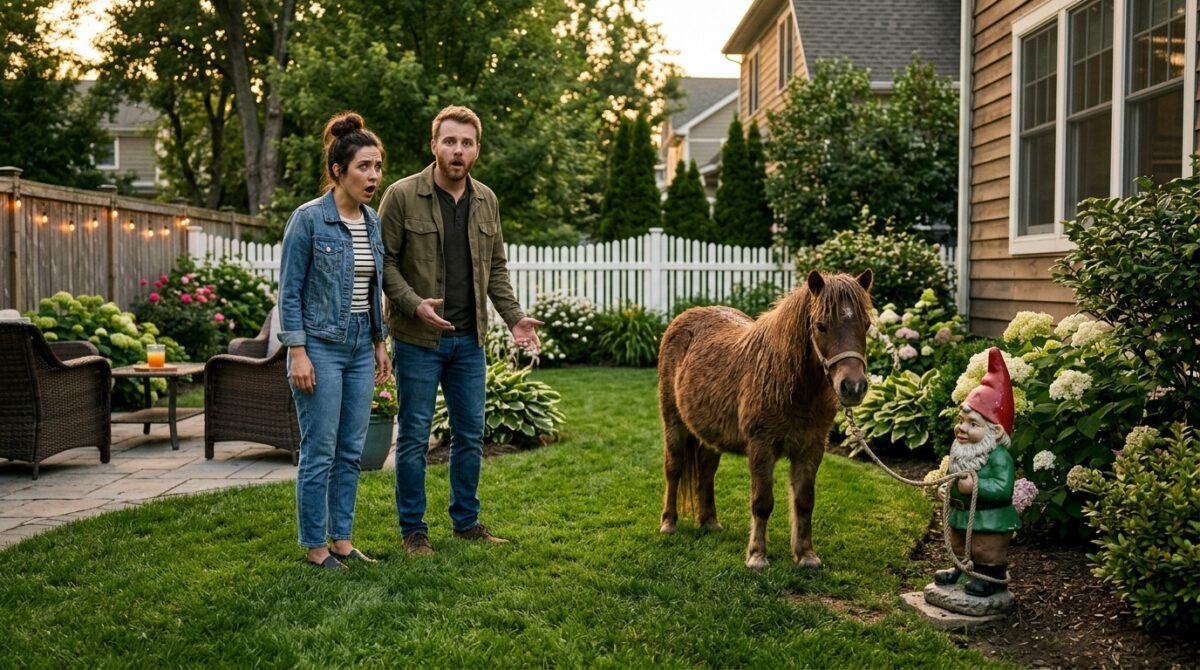
Living in the suburbs comes with a set of unspoken agreements: you keep your lawn mowed, your noise levels reasonable, and you certainly don’t surprise your neighbors—or your own family—with livestock. My husband, Mark, and I have worked tirelessly to cultivate a peaceful, manageable life for our two-year-old daughter. We are the kind of people who plan our grocery runs three days in advance and keep a color-coded calendar for household chores. When Mark’s parents, Susan and Arthur, started hinting at ‘big’ plans for our daughter’s second birthday, I expected a swing set or perhaps a subscription to an educational book club. I never, in my wildest nightmares, anticipated a living, breathing, four-legged creature appearing in our fenced-in yard on a Tuesday afternoon.
The moral dilemma here isn’t just about the animal; it’s about the fundamental disrespect of our autonomy as parents. For years, Susan and Arthur have treated our suburban home like an extension of their own property—a place where they could drop by unannounced, move furniture without asking, and dictate how we raise our child. We had tried polite requests, firm boundaries, and even therapy. Every attempt at asserting our independence was met with claims that we were ‘overly sensitive’ or ‘ungrateful.’ The arrival of the pony was not an act of love; it was a power play, a way to force us into a situation where we would be compelled to interact with them on their terms.
As we stood on our back porch, watching a miniature horse chew on our prize-winning hydrangeas, the silence between Mark and me was deafening. It was the sound of a breaking point. This wasn’t just a birthday gift; it was an invasion of our sanctuary. It was the ultimate test of whether or not we were the masters of our own home, or if we were merely tenants in a house owned by our in-laws’ sense of entitlement. In that moment, the realization hit me: if they could do this, what wouldn’t they do? How could we ever trust them to respect our decisions again?
This is not a story about a cute animal. This is a story about the slow, agonizing erosion of boundaries and the final, necessary explosion that occurs when you finally decide that enough is enough. It is about the aftermath of cutting off toxic family members, the guilt that follows, and the profound, life-altering relief of reclaiming your own space. If you have ever felt like your family members view your life as their personal sandbox, this story will resonate with you. It is a cautionary tale of what happens when you let ‘just one more thing’ slide, until you find yourself looking at a pony in your backyard and wondering how your life became a circus.
The Tuesday Afternoon Invasion
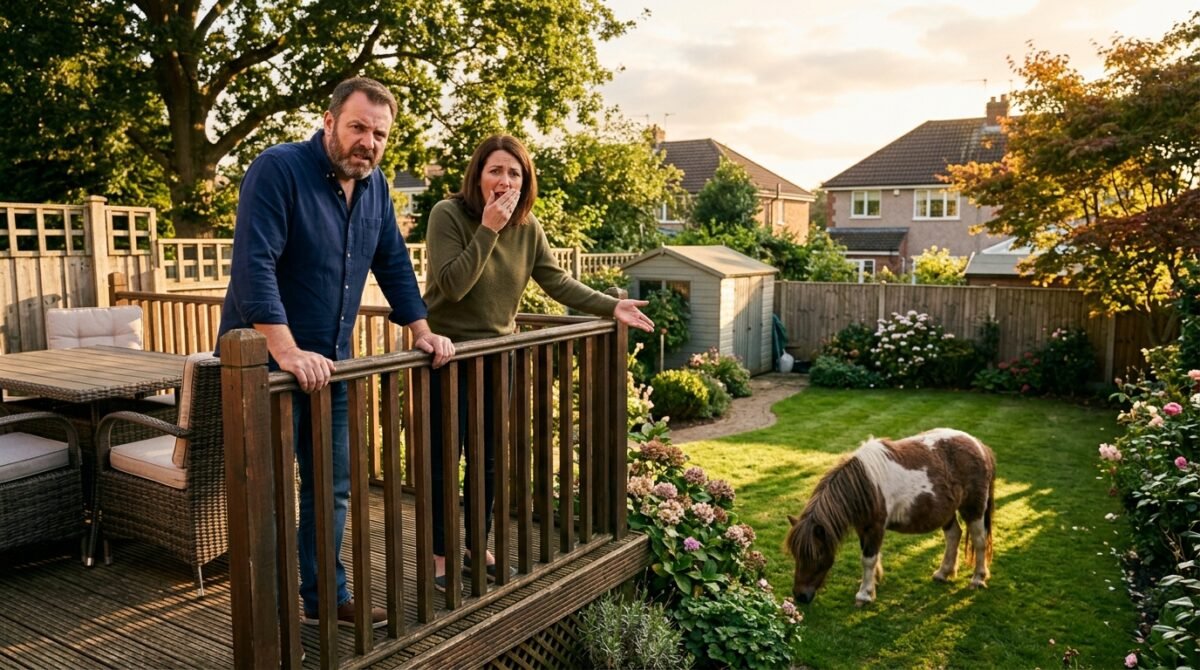
The sound of a heavy-duty trailer backing into our driveway was the first warning sign. I was in the middle of a Zoom call, trying to finalize a project, when the rumble of a truck shook the windows. Through the kitchen window, I saw Arthur, beaming like he had just won a lottery, stepping out of the driver’s seat. Susan was close behind, already pulling a rope attached to a small, chestnut-colored pony that looked as confused as I felt. My heart sank into my stomach. This was the exact scenario I had feared for months—the uninvited, unsolicited ‘surprise.’
I muted my microphone and rushed to the back door, my hands trembling. As I stepped onto the deck, Arthur was already unlatching our gate. ‘Surprise!’ they both shouted in unison, their voices echoing in our quiet cul-de-sac. The pony, seemingly indifferent to the life-altering drama it was about to cause, immediately began sniffing at the edge of my garden. I felt a surge of adrenaline so sharp it made my vision blur. This was our home, our private space, and they had just brought a farm animal into our suburban yard without so much as a text message.
“Arthur, what on earth is this? You didn’t ask us about this. You didn’t even mention this was a possibility!”
— Me, 10 minutes after the trailer arrived
Arthur just laughed, waving a hand dismissively. ‘Oh, don’t be such a stick-in-the-mud! It’s a pony for little Sophie. Every girl dreams of having her own pony in the backyard. We found a great deal on a breeder site and thought, why not? It’s a birthday gift that will last a lifetime!’ The entitlement was so thick you could cut it with a knife. They weren’t interested in our needs or our capacity to care for an animal; they were interested in the applause they would receive for being the ‘hero grandparents’ who made a child’s dream come true.
Mark arrived home from work twenty minutes later. His face went pale as he pulled into the driveway. He didn’t even park properly; he just left his car running and ran toward the backyard. The look of utter defeat on his face was heartbreaking. He knew, just as I did, that this was the end of the road. His parents hadn’t just crossed a line; they had obliterated it. As the pony let out a soft whinny, the absurdity of the situation became almost funny, if it hadn’t been so devastatingly invasive.
The Facade of Generosity
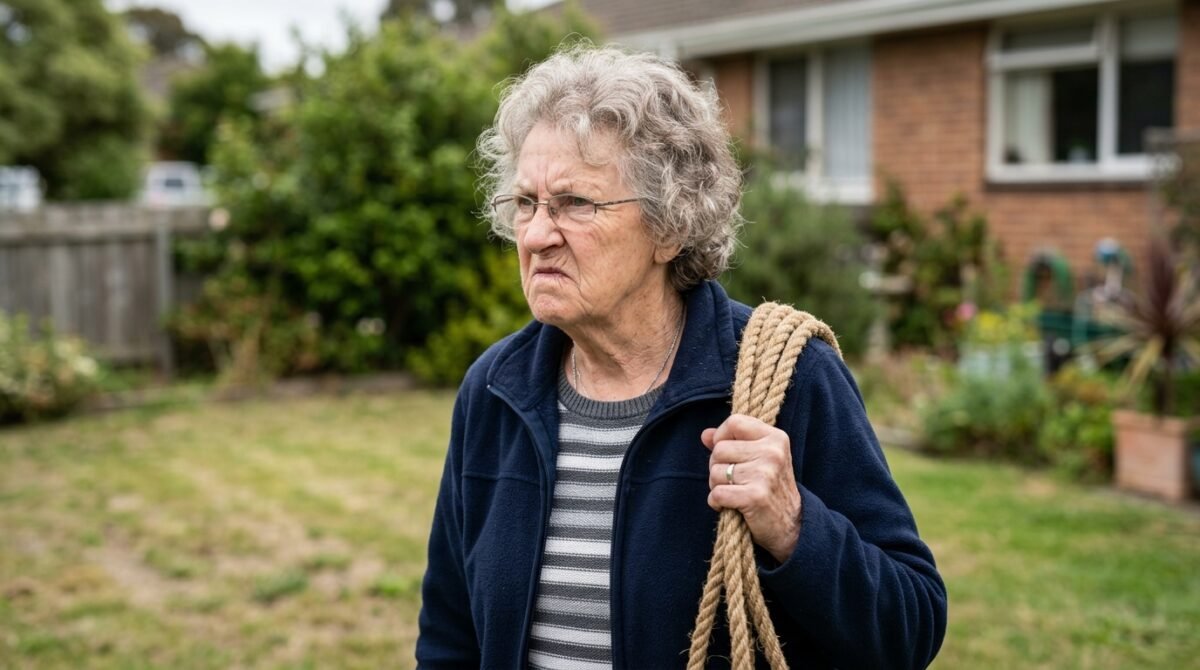
The next hour was a blur of high-stakes confrontation. We tried to remain calm, but the situation was untenable. Where were we going to keep the animal? Did they think about the feed, the manure, the legal zoning restrictions, or the fact that we both work full-time? Susan acted as if we were the ones being difficult, suggesting we just ‘figure it out.’ She had brought a bag of hay and a bucket, as if that was all a living creature needed to survive in a residential neighborhood.
We explained, as clearly as we could, that we were not equipped for this. We told them about the Homeowners Association rules, which strictly forbade livestock. We told them about our lack of expertise in equine care. Their response was to mock us for being ‘too corporate’ and ‘afraid of a little work.’ It became clear that they hadn’t planned this for our child; they had planned this for their own satisfaction, to force us to depend on them for help with the animal’s care.
“We can come over every morning to muck the stall! It’s exercise for us, and the kids will love watching you guys work with the animal. You’re making this into a problem when it’s a blessing!”
— Susan, during the confrontation
The suggestion that they would be ‘coming over every morning’ was the final nail in the coffin. It was a veiled threat. They were trying to manufacture a scenario where we would be forced to host them every single day. The pony wasn’t just a gift; it was a tether. It was a way to bypass our boundaries and ensure their daily presence in our home. Mark’s eyes locked with mine, and in that silent exchange, we both knew what had to be done.
We told them they had exactly one hour to load the pony back into the trailer and take it away, or we would be calling animal control and the local authorities regarding zoning violations. They were shocked. They looked at us like we had just betrayed a sacred trust. They had expected us to fall in line, to be grateful for the ‘generosity’ of their gift. When they realized we were serious, the mask of the loving grandparent slipped, revealing the manipulative, controlling people we had been trying to distance ourselves from for years.
The Digital Fallout Begins
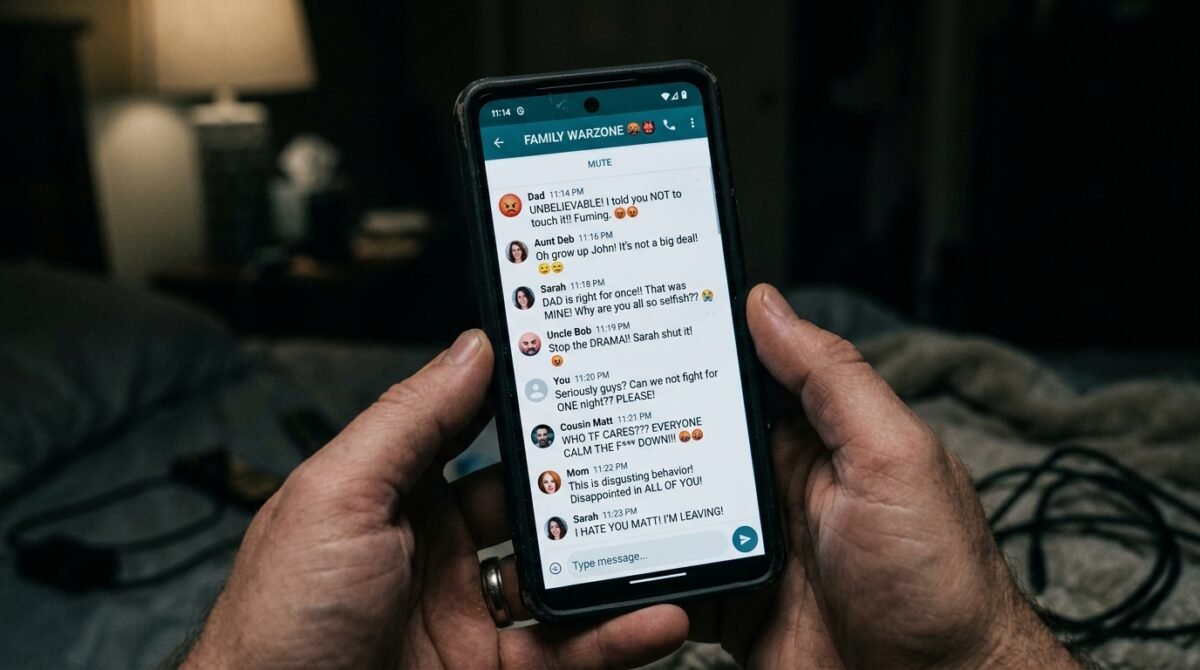
The moment they drove away with the trailer, the phone started blowing up. The family group chat, which had been relatively quiet for weeks, became a war zone. Susan had clearly wasted no time in spinning the narrative. She framed us as ungrateful, cold-hearted parents who denied their child a once-in-a-lifetime experience. She sent screenshots of the ‘cute’ pony and messages about how ‘disappointed’ she was in our reaction. It was a masterclass in gaslighting, designed to make us doubt our own reality.
“I don’t understand how you can be so cruel. That poor animal was meant for Sophie, and you sent her away like she was trash. We are so hurt. We just wanted to do something nice for our granddaughter.”
— Susan, in the family group chat
Mark sat on the kitchen floor, reading the messages out loud. Each notification ping felt like another strike against our mental health. His siblings, who had always stayed out of the drama, were suddenly weighing in, asking what ‘the big deal’ was. It was exhausting. We had to defend our decision to our entire extended family, explaining the logistical and ethical nightmare of keeping a pony in a suburban backyard. It was a thankless, uphill battle.
We didn’t just delete the messages; we took screenshots. We knew we would need evidence if they tried to claim we were ‘unstable’ or ‘abusive’ in the future. The sheer volume of vitriol sent our way in such a short window of time was staggering. They weren’t just angry; they were panicked. They had lost the ability to control us, and that realization had sent them into a spiral of projection and blame. It was the most validating moment of our marriage: we were finally on the same page about how truly broken this relationship was.
The Legal Ultimatum
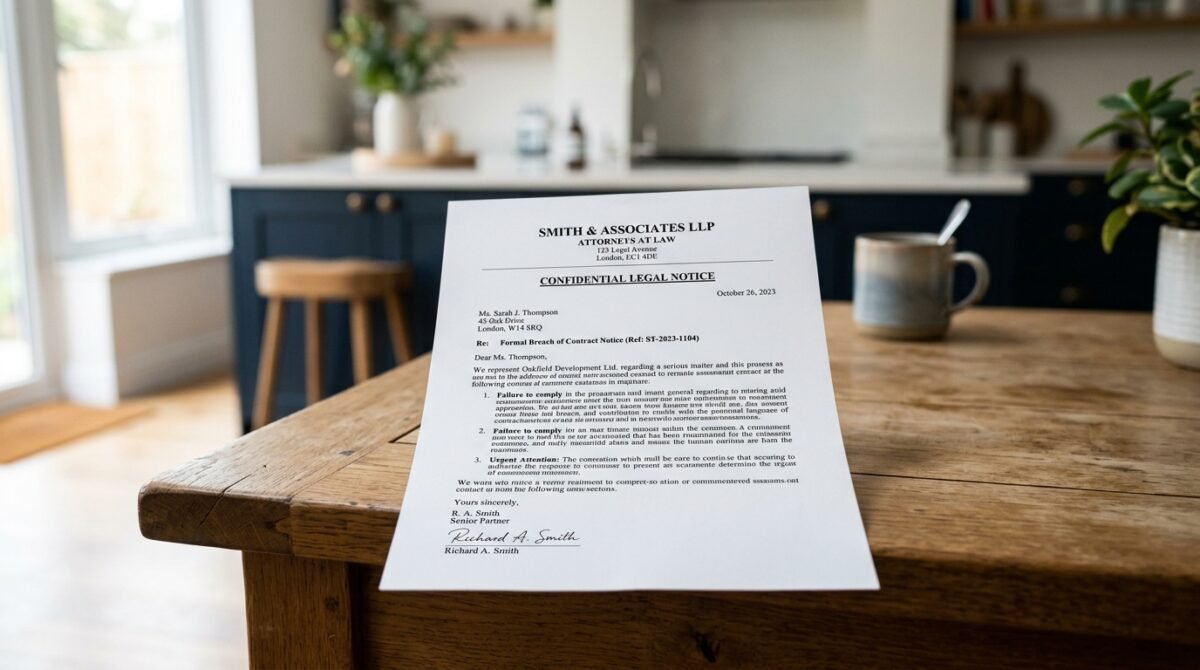
The following morning brought a letter in the mail, sent via certified post. It was from a lawyer friend of theirs, suggesting that we had ‘wrongfully interfered’ with property that was technically meant for our daughter. It was a ridiculous claim, but it was enough to make us realize that this was no longer a family dispute—it was a legal entanglement. We realized then that if they were willing to go this far over a pony, they would stop at nothing to get their way in other areas of our lives.
We spent the entire day consulting with a lawyer of our own. The advice was clear: document everything, cease communication, and issue a formal cease and desist. It felt extreme, but the alternative was a life of constant interference and emotional manipulation. We sat down and drafted a letter that clearly outlined our boundaries: no unannounced visits, no gifts without prior consultation, and no further attempts to involve themselves in our domestic logistics. It was the hardest thing I’ve ever had to do, but it was necessary.
“If you persist in these actions, we will have no choice but to involve legal counsel to ensure our privacy and the safety of our household. This is your only warning.”
— Our formal letter to the in-laws
Sending that letter was like lighting a fuse. We knew there would be an explosion, but we were ready for it. The relief of finally setting a hard, uncrossable line was transformative. We felt lighter, even in the middle of the chaos. For the first time, we weren’t waiting for their permission to live our lives; we were setting the terms of our own existence. It was a pivotal moment of maturation for both of us, shedding the last vestiges of our fear of their disapproval.
That night, we had a quiet dinner. There was no talk of the in-laws, no talk of the drama. For the first time in months, we talked about our own plans, our own dreams, and our own vision for our family. It was a small victory, but it was ours. The pony incident had forced us to stop being the ‘good kids’ and start being the ‘parents.’ It was a painful transition, but one that was long overdue. We were no longer their pawns; we were the architects of our own home.
The Community Weighs In

When I finally posted about the situation on a popular Reddit thread for family drama, I expected the typical ‘they’re just crazy’ comments. Instead, the response was overwhelming. Thousands of people shared their own stories of ‘gift’ manipulation, boundary stomping, and the emotional toll of dealing with toxic family members. It felt like I had tapped into a collective vein of suppressed frustration. The community support was the validation we didn’t know we needed. It wasn’t just us; this was a systemic issue for many.
“OP, this is classic ‘gift as a shackle.’ By forcing you to care for an animal, they were guaranteeing their own place in your daily life. Cutting contact is the only way to save your sanity. NTA 100%.”
— u/FamilyBoundariesPro (Top Comment, 32.5k upvotes)
The thread became a repository of wisdom on how to handle narcissistic family members. I read comment after comment from people who had been through the same thing—the ‘surprise’ house additions, the unannounced visits, the guilt trips. It was like reading a roadmap to our own future. We weren’t alone, and more importantly, we weren’t wrong. The ‘NTA’ (Not The Asshole) verdict was unanimous, which helped quiet the lingering voice of doubt in my head that I had been raised to ignore.
We spent hours responding to comments and engaging with people who offered advice on how to navigate the no-contact phase. One user, a family therapist, gave us the best advice: ‘Stop trying to make them understand. You are seeking closure from the very people who caused the wound. You will never get the apology you want, so stop waiting for it.’ That hit home. I realized I was still waiting for them to say, ‘Oh, we see how we were wrong.’ That was never going to happen.
The community support helped us solidify our resolve. When the next wave of ‘you’re destroying the family’ messages came from his aunts and cousins, we didn’t reply with frustration. We replied with silence. We had the support of thousands of strangers, and that was enough to drown out the noise of our own toxic family members. We were building a new community, one based on respect and healthy boundaries, and it felt incredible.
The Total Silence

Months passed, and the silence from the in-laws was heavy, but it was also incredibly peaceful. We blocked their numbers, restricted their social media access, and made it clear to the rest of the family that any attempt to bring up the ‘pony incident’ would result in an immediate end to the conversation. It was a hard line, but it worked. We stopped getting the guilt-tripping texts, the ‘checking in’ calls from flying monkeys, and the passive-aggressive updates about their lives.
The change in our daily lives was profound. Our weekends were no longer spent dreading a visit or preparing for a confrontation. We spent time in our backyard, which was finally, truly ours. We planted a new garden, one that was just for us. We had friends over for dinner, and we didn’t have to worry about who might show up unannounced. It was the suburban life we had always imagined, but one that required a war to protect.
“I never realized how much energy I was spending just waiting for the other shoe to drop. Without them in our lives, I feel like I can finally breathe again.”
— Mark, during a quiet Sunday morning
We saw the positive impact on our daughter as well. She was happier, more relaxed, and we were more present as parents. We weren’t distracted by the tension or the constant need to police our surroundings. We were free to create our own traditions, our own rules, and our own version of family. It was the greatest gift we could have given her, even if it meant she wouldn’t have a relationship with her paternal grandparents.
We still have moments where the ‘what ifs’ creep in. What if they had been different? What if they had respected us? But we learned to push those thoughts aside. Dwelling on the ‘what if’ was a trap that kept us tethered to their dysfunction. We chose to focus on the ‘what is’—a peaceful home, a healthy marriage, and a future that we define on our own terms. The pony, as strange as it sounds, was the catalyst that saved us.
Reflecting on the ‘Gift’ Culture

Looking back, the entire situation feels like a fever dream, but it’s a vital one. It exposed the rot that had been festering in our family dynamic for years. The pony was just the extreme manifestation of a culture that prioritizes ‘being seen’ over ‘being supportive.’ They wanted the credit of being the perfect grandparents without doing the work of being respectful adults. It’s a common theme in many families, where the ‘giver’ feels entitled to the recipient’s life.
We had to unlearn the idea that ‘gifts’ are inherently good. We had to realize that gifts come with strings—sometimes invisible, sometimes thick as rope. We learned to ask the hard questions: Is this gift useful? Is it welcome? Did the giver ask before buying it? If the answer is no, we don’t accept it. It sounds simple, but it’s a radical departure from the way we were raised, where saying ‘no’ to a gift was considered an act of war.
“A gift that requires your labor or forces a change in your lifestyle is not a gift; it is a burden disguised as a favor.”
— A piece of advice from our therapist
This philosophy has saved us so much grief. We now have a ‘no-surprises’ policy in our house. It’s not about being ungrateful; it’s about being responsible. We are the stewards of our home, and we take that job seriously. It’s a lesson that took a miniature horse to teach, but one that we will carry with us for the rest of our lives. It’s a small price to pay for the autonomy we’ve reclaimed.
If you find yourself in a similar situation, don’t be afraid to be the ‘bad guy.’ Sometimes being the bad guy is the only way to be the protector of your own peace. You are not responsible for the emotions of others, especially when they are the ones violating your boundaries. Stand your ground, document everything, and remember that you deserve to live in a house that feels like a home, not a battleground.
Moving Forward Without the Drama

Today, we are in a much better place. We have officially moved to a new neighborhood, one where we are closer to friends who respect our boundaries and further away from the reach of the in-laws. It was a fresh start that we both desperately needed. The move wasn’t just about changing our zip code; it was about changing our narrative. We are no longer the couple being bothered by intrusive family; we are the family that sets our own path.
We don’t talk about them much anymore. When we do, it’s with a sense of distance, almost like we’re talking about characters in a book. The anger has faded, replaced by a profound sense of indifference. That, I think, is the true sign of healing. You stop needing to win the argument, and you start focusing on winning your own life. It’s a liberation that is hard to describe but easy to feel.
“The best revenge isn’t conflict; it’s living a life that is so peaceful and fulfilled that their drama no longer has a place in it.”
— A realization I came to during a long walk
We’ve learned to value our time and our space. We are more intentional with our relationships, choosing to surround ourselves with people who support our growth rather than those who try to stifle it. We are stronger as a couple, having weathered this storm together and come out the other side with a clear understanding of what we will and will not tolerate. We are the authors of our own story now, and the pages are finally blank.
If you’re reading this and feeling trapped, know that there is a way out. It might feel like the end of the world, but it’s really just the beginning of your own agency. You have the power to draw lines, to say no, and to demand respect. Don’t let anyone—family or otherwise—make you feel like your life is up for negotiation. It belongs to you, and that is a beautiful, powerful thing to embrace.
The Final Verdict: Setting Your Own Terms
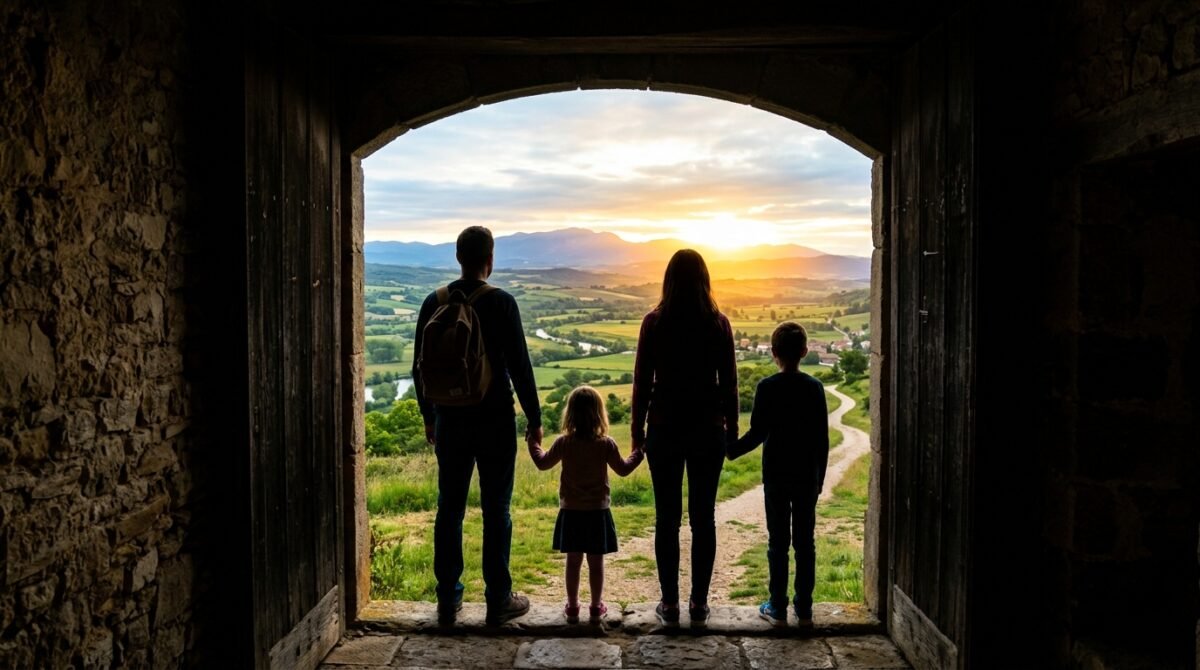
The story of the pony has become a family legend of sorts, a shorthand for ‘don’t cross the line.’ Whenever we feel ourselves getting complacent or letting someone push us around, one of us will just look at the other and say, ‘Remember the pony?’ It’s enough to snap us back to reality. It serves as a reminder of what we are capable of defending and why our peace is worth fighting for. We don’t regret the decision to go no-contact; we only regret that it took us so long to get there.
We have found that the people who get angry when you set boundaries are the exact same people who were benefiting from you having none. That is a truth that has guided us ever since. It’s a litmus test for relationships: if someone cannot respect your ‘no,’ then they never truly cared about your ‘yes.’ It’s a harsh realization, but a necessary one for anyone looking to build a healthy, sustainable life in adulthood.
“Boundaries are not a way to push people away; they are a way to ensure that the people who stay are the ones who respect you.”
— A thought that keeps us grounded
We are grateful for our life today. We are grateful for the quiet moments, the lack of drama, and the freedom to be ourselves. We are grateful for the experience that taught us how to stand up for our family. It wasn’t the way we would have chosen to learn, but we wouldn’t change a thing. We are the owners of our home, the protectors of our daughter, and the masters of our own destiny.
To anyone out there struggling with their own version of ‘the pony’—whether it’s unwanted advice, intrusive visits, or financial manipulation—know that you have the right to choose your environment. You are not obligated to accept anything that disrupts your peace. Stand tall, set your boundaries, and never look back. Your life is yours to live, and the only people who deserve a place in it are the ones who respect the space you’ve created.
Lessons Learned from the Suburban Standoff

Reflecting on this ordeal, the most significant lesson is the necessity of early intervention. We spent years letting small transgressions slide, convincing ourselves that they were just ‘quirks’ or ‘expressions of love.’ We should have addressed the small boundary violations long before they escalated into a literal farm animal in our backyard. The pony was the climax of a long, slow accumulation of disrespect. Learning to catch these things early is a skill we’ve had to master the hard way.
We’ve also learned that clear communication is not a substitute for boundaries. We had plenty of conversations with them, but we didn’t have the consequences to back them up. A boundary without a consequence is just a suggestion. Once we started implementing consequences—like ending calls, leaving visits, and ultimately, going no-contact—the dynamic shifted. It wasn’t about talking anymore; it was about taking action that forced them to respect our limits.
“A boundary is not a cage for others; it’s a fence for yourself. You decide what comes into your yard, and you have every right to protect it.”
— Another piece of wisdom we’ve adopted
Furthermore, we’ve learned the value of a united front. Mark and I had to be perfectly aligned in our approach, or they would have exploited the cracks between us. We spent hours debriefing, planning our responses, and ensuring we were always in agreement before taking any action. That unity was our greatest strength. Without it, we would have been easily manipulated, divided, and conquered by their tactics.
Finally, we’ve learned to let go of the guilt. The societal pressure to ‘keep the family together’ is immense, especially when grandparents are involved. We had to realize that our first priority was the health and happiness of our own nuclear family, not the comfort of the extended one. Once we accepted that, the guilt vanished. We were doing what we had to do to raise our daughter in a healthy environment, and that is a noble, necessary pursuit.
Conclusion
Our life today is the result of a hard-won victory. We reclaimed our backyard, our time, and our peace of mind. While the incident with the pony was an extreme, almost farcical event, it served as the final push we needed to prioritize our own well-being over the demands of toxic family members. We have since learned that the most important thing you can offer your children is not a ‘perfect’ relationship with their grandparents, but a healthy, stable, and autonomous example of what a family should look like.
We continue to maintain our boundaries, living our life with the quiet confidence that comes from knowing we are in control. The silence, once intimidating, is now our favorite part of the day. It’s a testament to the fact that you don’t need the approval of others to be successful in your own home. We hope that sharing this story helps others find the courage to set their own limits, even when it feels like the world is pushing back.
We want to hear from you. Have you ever had a family member cross a line so significantly that it forced you to reconsider your entire relationship? What was the ‘pony’ moment that finally led you to set a boundary? Share your experiences in the comments below—let’s talk about how to protect our peace in a world that often demands we sacrifice it for the sake of ‘family.’ Is it ever truly possible to heal with toxic relatives, or is distance the only path to sanity?
What's your verdict on this dilemma?
Vote below to contribute to the official community consensus.

Have a Dilemma Keeping You Up at Night?
Share your real-life feud, wedding chaos, or relationship crossroads anonymously with our editorial team.
What do you think ?
0 Comments🛡️ Comments are moderated to protect community integrity. Your comment will appear once approved by the editorial team.