
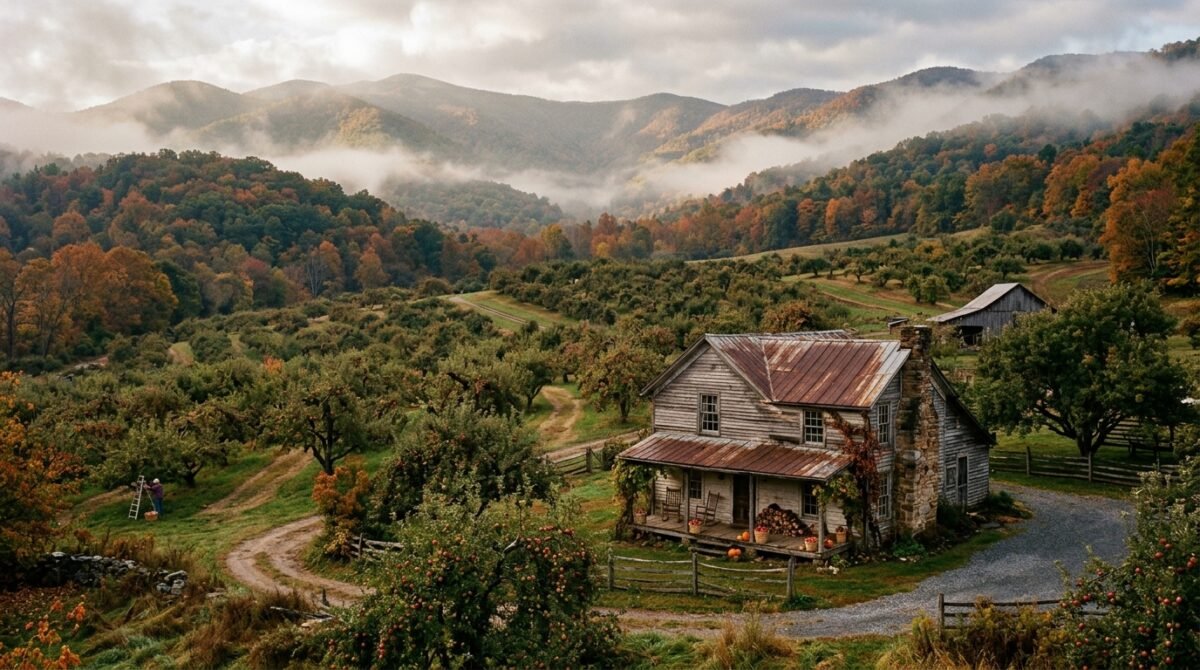
When my grandfather passed away, he left behind more than just a lifetime of memories; he left behind the ‘Highland Orchard,’ a sprawling, ten-acre plot of land nestled deep in the mountains that had been in our family for four generations. I was the youngest of the grandchildren, and while my uncles—my father’s brothers—had spent their lives moving to the city and chasing corporate dreams, I had spent every summer of my youth pruning trees, learning the soil, and listening to Grandpa talk about the legacy of this place.
The legal documents were clear: the orchard was willed exclusively to me. There were no stipulations, no shared ownership, and no mention of my uncles. To them, it was just an old patch of dirt they had long since abandoned, and for years, they hadn’t even bothered to visit. I saw the orchard as a sanctuary, a place where I could eventually build a home and continue the legacy that Grandpa had built with his own two hands.
However, the mourning period had barely ended before the entitlement began to manifest. My uncles, who had not contributed a dime to the maintenance of the property in twenty years, suddenly took a keen interest in the land. They claimed they had a ‘moral right’ to the estate because of their birth order, despite the explicit wording in the will. I tried to be reasonable, I tried to keep the peace, but their demands quickly escalated from wanting a few weekends of ‘family time’ to something far more sinister.
Then came the notice from the county tax assessor. The property was buried under years of unpaid property taxes, totaling nearly fifty thousand dollars. My uncles, who had been ‘managing’ the estate’s taxes while Grandpa was alive, had simply stopped paying them five years prior. When I confronted them, their response wasn’t an apology—it was an ultimatum. They demanded I pay their debt, or they would force a legal challenge to the will. I made my choice, and it wasn’t the one they expected.
The Unexpected Tax Bill and the Morning Phone Call
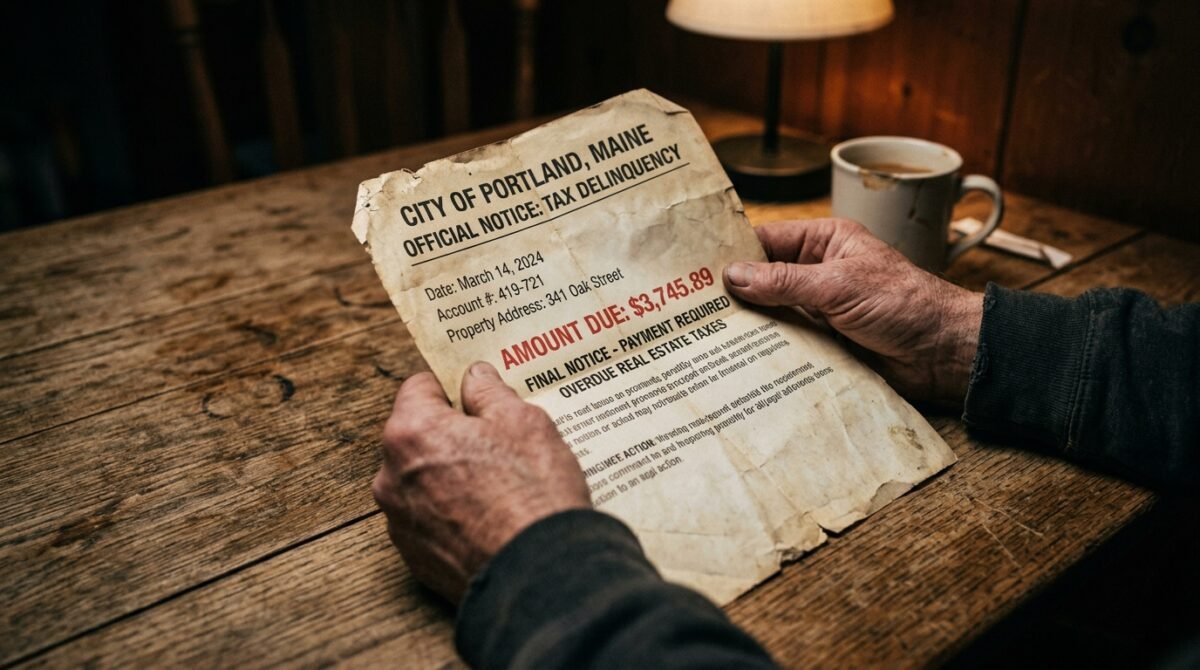
The letter from the county arrived on a rainy Tuesday morning, its official seal glaring at me from the kitchen counter. As I tore it open, my heart sank. It wasn’t just a routine assessment; it was a final notice of delinquency. Five years of unpaid property taxes had compounded with interest and penalties, reaching a staggering sum that made my blood run cold. I stood there, staring at the numbers, wondering how this could have happened when I was told the estate was free and clear.
I immediately called my Uncle Greg, who had been the executor of the estate during the final years of my grandfather’s life. His voice was casual, almost too breezy, as he picked up the phone. He didn’t sound surprised at all. In fact, he seemed to be waiting for the call. When I brought up the tax notice, he chuckled, a sound that felt like sandpaper against my nerves.
“Look, kid, the orchard is a business. Businesses have debts. You want the land, you pay the cost of entry. That’s just how the real world works. You can’t expect to inherit a gold mine and not have to spend a little bit of your own capital to keep it running. Treat it as your initial investment.”
I reminded him that he was the one who had been in charge of the accounts, not me. I reminded him that he had told the family that everything was paid off. His tone shifted from breezy to sharp in a heartbeat. He didn’t deny it; he simply dismissed it as ‘strategic financial management’ that I was too young to understand. He told me that if I couldn’t handle the financial burden, I should simply sign the land over to him, and he would ‘take care of it’ for the family.
I hung up the phone with my hands shaking, the reality of the situation sinking in. This wasn’t a mistake; it was a setup. They had known about the debt for years and had intentionally let it accumulate, hoping that when the land finally fell to me, I would be unable to pay the taxes, forcing me to surrender the property to them. They were betting on my incompetence and my financial vulnerability.
I spent the rest of the day looking through old records and bank statements I had managed to salvage from the farmhouse. It was all there: the diverted funds, the missed payments, the blatant disregard for the legal status of the orchard. They had been draining the resources of the orchard for years to fund their own lifestyle, and now they were using the resulting debt as a weapon to reclaim what they had lost interest in years ago.
The Tuesday Night Emergency Family Dinner
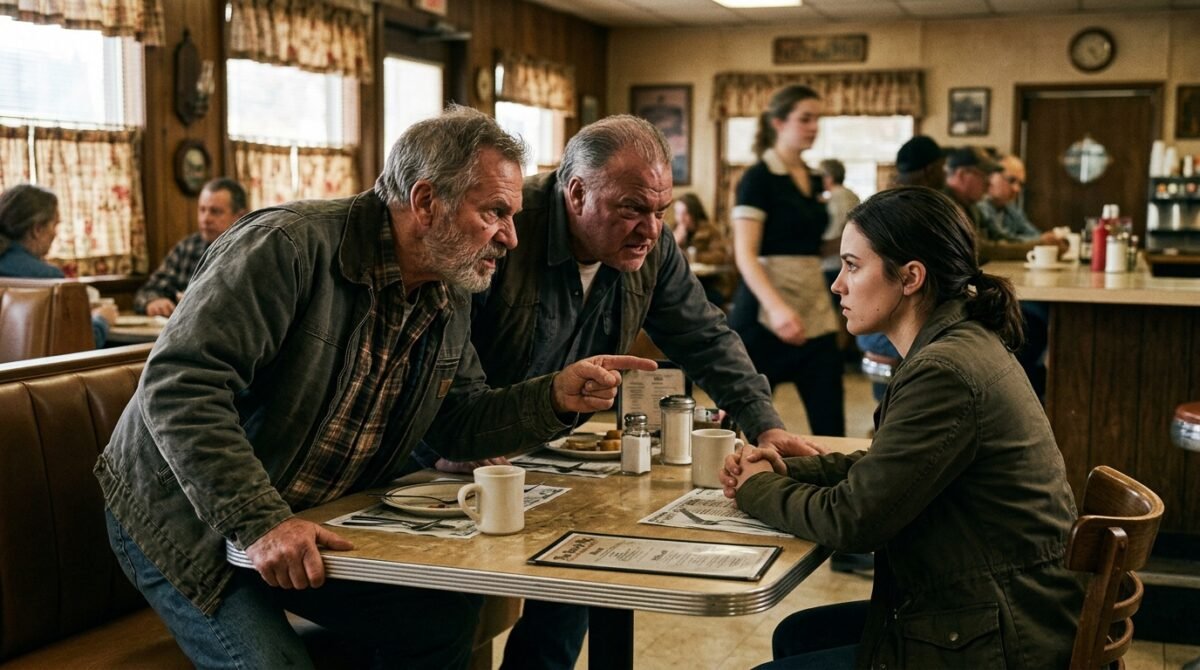
I didn’t wait long to confront them. I invited my uncles to the small, local diner where we used to have Sunday breakfast with Grandpa. I wanted the neutral ground, the place where we were supposed to be a family. When they walked in, they looked exactly as they always did—arrogant, entitled, and entirely unbothered by the fact that they were attempting to extort their own niece. Uncle Greg and Uncle Mark sat down, and before I could even order my coffee, they were already discussing what they wanted to do with ‘their’ portion of the orchard.
“So, have you looked at the numbers yet? We’ve already talked to an appraiser. If we subdivide the land, we could easily put up three or four luxury cabins. It’s a goldmine, really. You should be thanking us for keeping the tax bill on the back burner until you were ready to take over.”
I stared at them in disbelief. The idea of tearing down the orchard to build luxury cabins was nauseating. This land was about history, about the trees that had been planted by my great-great-grandfather. It was about the integrity of the soil. To hear them talk about it like it was a piece of cheap real estate to be liquidated was the final straw in my patience.
I laid the documents out on the table, showing them the proof of their malfeasance. Their reaction was not shame, but anger. They started raising their voices, drawing the attention of the other patrons in the quiet diner. They argued that because I was ‘young and single,’ I didn’t ‘need’ the land as much as they did, and that my ownership was a technicality that they were happy to rectify with a ‘friendly’ lawsuit.
The argument became heated. My Uncle Mark actually tried to grab the documents from the table, but I pulled them back, standing my ground. I realized then that there was no reasoning with them. They didn’t see me as a person; they saw me as an obstacle to a paycheck. They were bullies, and they were counting on the fact that I would be too intimidated to fight back.
I walked out of the diner that day, leaving them with the check and a warning. I told them that if they tried to challenge the will, I had all the evidence I needed to prove their financial misconduct, not just to the family, but to the authorities. I wasn’t just defending my property; I was defending my right to exist outside of their manipulation.
The Secret Group Chat Revelation
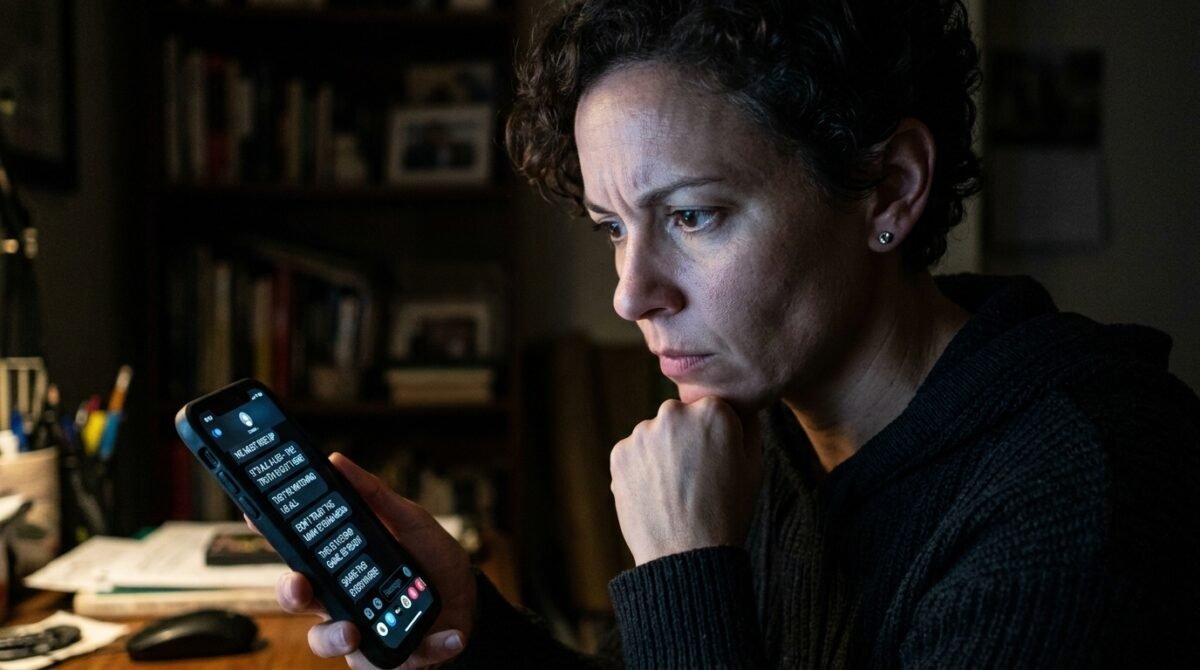
That evening, I received a notification on my phone. It was a screenshot sent from a cousin who had finally had enough of the uncles’ behavior. It was a group chat that I wasn’t supposed to see, titled ‘The Orchard Takeover.’ As I scrolled through the messages, the full extent of their plan became clear. It wasn’t just about the taxes; it was about a pre-arranged sale to a land developer who had been trying to buy the orchard for years.
“The kid is panicked. She’s looking at the tax bill and doesn’t have the liquidity to pay it. If we pressure her enough, she’ll sign the waiver by Friday. Once we have the waiver, we sell to the developer, pocket the cash, and tell the rest of the family we had to sell to pay the back taxes. Everyone wins, except her.”
— Uncle Greg, Family Group Chat
I sat in my living room, the glow of my phone illuminating the tears that were finally starting to fall. It wasn’t just greed; it was betrayal of the highest order. These were the people I had looked up to as a child. These were the people who had claimed to love Grandpa. And yet, here they were, plotting my downfall for a quick buck, using his legacy as nothing more than a bargaining chip.
The chat continued, with my other uncle chiming in about how they would ‘handle’ my parents if they tried to intervene. They had even planned to frame me for the mismanagement, claiming that I was the one who hadn’t paid the taxes since inheriting the land. It was a cold, calculated campaign of gaslighting and fraud. I took screenshots of every single message, documenting the time stamps and the participants.
I felt a strange sense of clarity after reading the messages. The doubt that had been gnawing at me—the feeling that maybe I was being unreasonable, maybe I should just pay the taxes and keep the peace—evaporated. They weren’t family anymore; they were enemies. And I realized that I couldn’t keep the orchard if it meant being constantly subjected to their harassment and their schemes.
I needed a plan. I needed to act before they could make their next move. I couldn’t just fold, and I couldn’t just pay them off. I had to find a way to make sure that even if I didn’t get to keep the orchard, they certainly wouldn’t be the ones profiting from it. I started making calls, not to family, but to legal counsel and to a local land conservation trust.
The Legal Pivot and the Quiet Auction
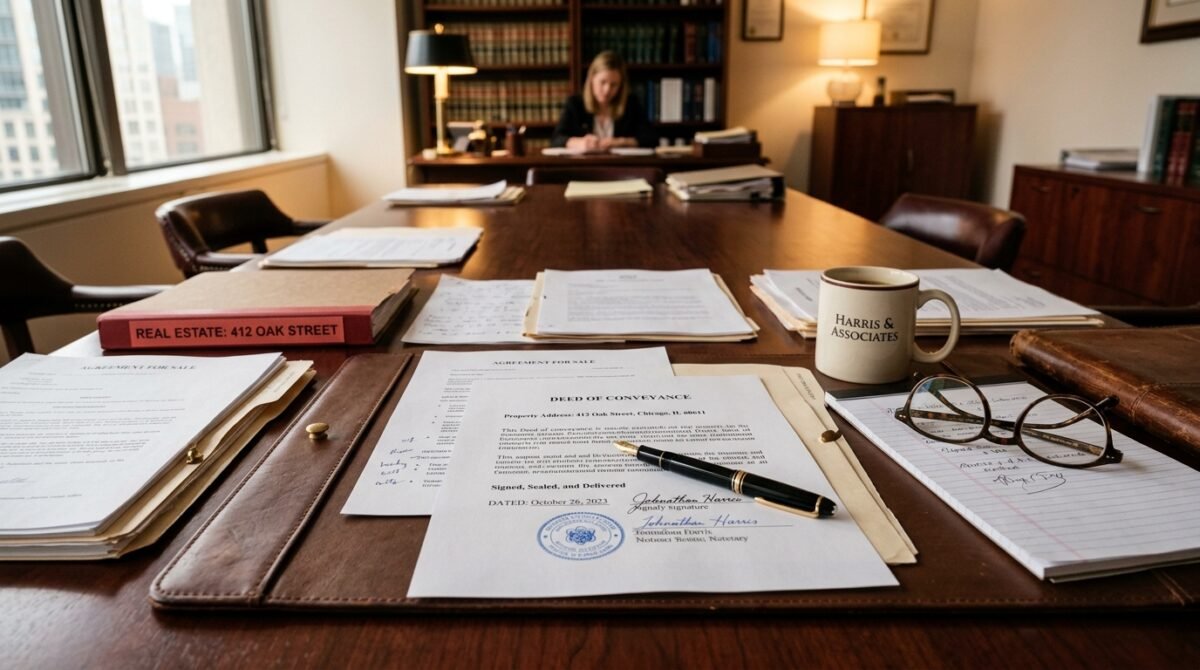
I met with a lawyer who specialized in land disputes. When I showed him the will, the tax notices, and the screenshots of the group chat, he didn’t blink. He told me that my uncles had effectively committed fraud and were now in a very vulnerable position. He advised me that while I could fight the taxes and keep the land, it would be a years-long battle that would drain every cent I had and force me to stay in constant contact with my uncles.
He offered a different path. I had the legal right to sell the property as the sole heir. While the taxes were a lien against the property, the law allowed for the sale of the asset to settle the debt. My uncles had assumed I was too weak to navigate this, but they were wrong. I could sell the land, pay the back taxes, pay the legal fees, and take the remainder of the proceeds, leaving them with absolutely nothing.
The process was grueling. I had to work with the tax assessor to get an extension, explaining that I was in the process of liquidating the estate to satisfy the debt. Once the extension was granted, I put the land on the market, but not to the developer my uncles were working with. I listed it with a conservation group that had been trying to protect the area for decades.
“You are doing the right thing. This land is a historical treasure, not a strip-mall lot. By selling it to the trust, you ensure it stays a forest and an orchard forever. Your uncles won’t get a dime, and the legacy of your grandfather will be preserved in a way that respects his love for the earth.”
The developer my uncles were dealing with was furious when they heard the land had been listed with a conservation group. They had already put down a deposit with my uncles—a deposit my uncles had likely already spent. When my uncles realized what I had done, the phone calls started coming in, at all hours of the day and night. I blocked their numbers, one by one, feeling a weight lift off my shoulders with every swipe.
The final sale was finalized in a quiet, professional ceremony. I wasn’t there to see them try to intervene; my lawyer handled everything. I left town for a week, camping in the woods where I couldn’t be reached. When I came back, the deed was signed, the taxes were paid, and the orchard was officially a protected, public-access historic site. I had my freedom, and more importantly, I had won.
The Fallout: When the Realization Hit
When the news broke that the land had been sold to a conservation trust, the family went into a frenzy. My phone, which I had briefly unblocked, began to explode with messages from aunts, cousins, and distant relatives who were suddenly very concerned about ‘family property.’ It was a masterclass in performative outrage. They were angry not because they cared about the orchard, but because they were angry that I had acted independently, without their permission or input.
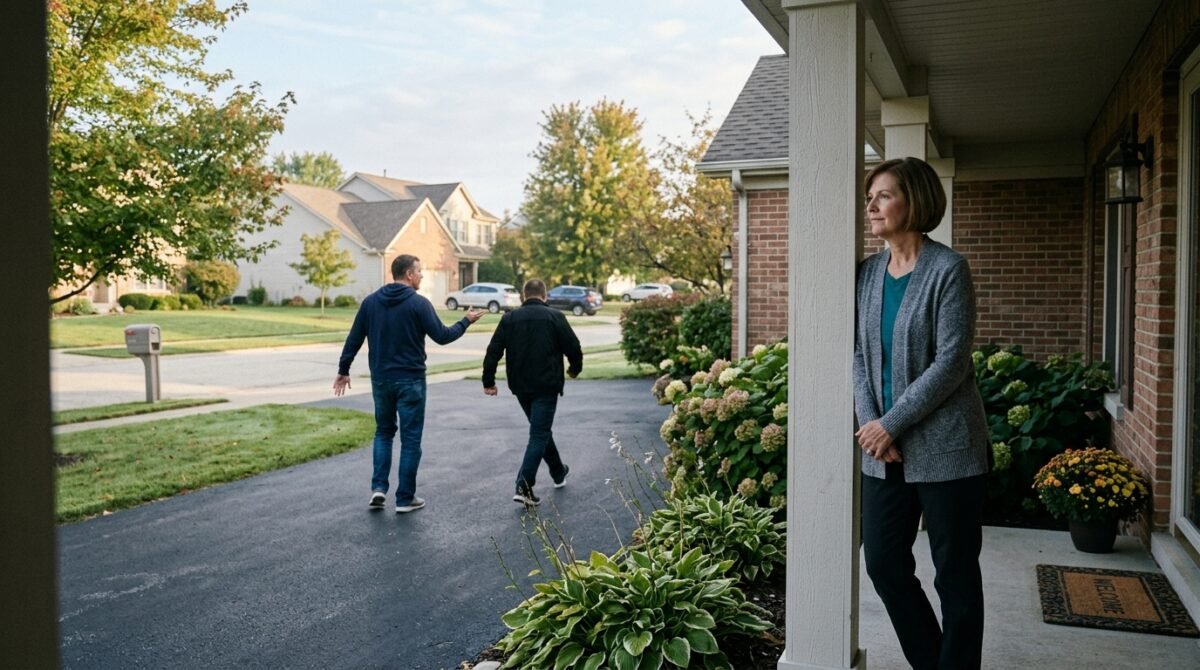
My uncles showed up at my front door, unannounced, on a Sunday morning. They were disheveled, their faces red with rage. They demanded to know how I could have ‘stolen’ their future, how I could have ‘betrayed’ the family name. It was chilling to watch them stand on my porch, yelling about rights they never earned and property they never cared for until there was blood in the water.
“You have no idea what you’ve done. You’ve humiliated us! The developer is suing us for the deposit we took. You were supposed to be the easy one! How could you do this to your own blood?”
I looked them in the eye, for the first time without fear. I didn’t yell back. I didn’t apologize. I simply stated that the orchard belonged to me by my grandfather’s choice, and that I had exercised my right to manage it in the best interest of the land and the law. I told them that if they wanted to discuss their legal troubles, they should speak to their own lawyers, and that they were never to darken my doorstep again.
The silence that followed was heavy. They realized, in that moment, that the young girl they had tried to manipulate was gone, replaced by someone who was willing to burn the house down to keep them from stealing the furniture. They left, and I never saw them again. I moved to a different city a month later, cutting ties with the toxic side of the family that had supported their behavior.
It wasn’t just about the land. It was about the realization that my family’s definition of ‘loyalty’ was just another word for ‘submission.’ Once I realized that, walking away became the easiest thing I had ever done. I don’t regret the sale. The orchard is still there, green and beautiful, and every year, it welcomes families who come to pick apples and walk the trails, just as Grandpa would have wanted.
Reddit Weighs In: The Community Verdict

I posted my story on a popular forum, expecting a mixed response. I was prepared for the people who would tell me that family is everything, that I should have found a way to compromise. Instead, the response was overwhelming, a sea of support that validated my decision in ways I hadn’t expected. The community saw through the ‘family loyalty’ excuse and called it what it was: financial abuse.
“This is the textbook definition of the ‘inheritance vultures.’ They wanted you to take on the debt so they could swoop in and collect the profit when the land was ‘saved.’ You played a 4D chess move by selling to a conservation trust. You preserved the land AND destroyed their scheme. Absolute legend.”
— u/PropertyLawPro (Top Comment, 32.5k upvotes)
The discussion in the comments section turned into a forum for people sharing their own stories of inheritance disputes and family manipulation. It was heart-wrenching to see how common this kind of behavior was. So many people had been pressured into making ‘family-first’ decisions that only served to enrich someone else while ruining their own financial future. It made me feel less alone, and more confident in the path I had chosen.
There were a few dissenters, of course. Some argued that I should have at least offered the orchard to the family, but the community quickly shut them down, pointing out the evidence of the secret group chat. The proof of malice was too strong to ignore. The consensus was clear: when family treats you with bad faith, you are under no obligation to treat them with familial grace.
I spent weeks reading through the comments, finding comfort in the advice and the stories of others who had successfully set boundaries. The community didn’t just support the sale; they supported the emotional detachment that came with it. They taught me that family isn’t just about blood; it’s about mutual respect, and when that is gone, the tie is effectively severed.
The thread became one of the top posts of the month. It was a surreal experience to see my life turned into a cautionary tale and a success story for others. I realized that my story wasn’t just about an orchard; it was about the power of saying ‘no’ to people who have spent their whole lives counting on you to say ‘yes.’
The Aftermath: Healing and New Beginnings

Life after the sale has been quiet, and for that, I am grateful. I used the portion of the proceeds that remained after the debts and taxes were settled to start a small business, something I had dreamed of doing for years but never had the capital for. I live in a city far from the mountains now, and I’ve found a new sense of peace in being able to control my own financial and emotional destiny.
I still occasionally get messages from family members, but I have learned to hit ‘delete’ without reading them. I’ve realized that the urge to explain myself to them was a trap. They don’t want an explanation; they want an opportunity to continue the debate, to continue the manipulation. By refusing to engage, I have effectively closed the door on that chapter of my life.
I often visit the orchard, but I go as a stranger. I walk the trails, I see the trees, and I watch other people enjoy the space. It’s a bittersweet feeling, but it’s a healthy one. I don’t feel the weight of the debt or the pressure of the family expectations. I see the land for what it is: a piece of nature that has been saved from the short-sighted greed of men who didn’t understand the value of what they held.
“The best revenge is living a life that is entirely your own, free from the expectations of those who tried to define your value by their own greed. You didn’t just sell an orchard; you bought back your future.”
I have learned to be cautious with people, and I have learned to trust my gut. If a situation feels like it’s being manipulated, it probably is. If a family member is asking for something that feels unreasonable, it probably is. The most important lesson I’ve learned is that I am the only person responsible for my own well-being, and that is a responsibility I take very seriously.
I am happy. That is the final truth. I am happy that I stood my ground, I am happy that the orchard is safe, and I am happy that I am no longer part of a system that thrived on my compliance. I have moved on, and for the first time in my life, the future looks exactly the way I want it to look.
Financial Breakdown of the Estate

When people ask about the decision, they often focus on the emotional aspects, but the reality was grounded in cold, hard numbers. I created a ledger to track every dollar, every debt, and every consequence of the choices made. It was the only way to keep my sanity during the legal proceedings. The following table illustrates the financial reality of what my uncles demanded versus the outcome of the sale.
| Category | The Uncle’s Demand | The Final Reality |
|---|---|---|
| Back Taxes | $48,500 (My responsibility) | Paid via sale proceeds |
| Legal Fees | None (Claimed it was ‘family’) | Paid via estate assets |
| Developer Payout | $200,000 to them (Hidden) | $0 |
| Land Ownership | Transferred to them | Conservation Trust |
| My Financial State | Debt-ridden/Bankrupt | Debt-free/Business Capital |
As you can see, the ‘demand’ was designed to keep me on the hook for their mistakes while they siphoned off the profit from a back-door deal. My decision to involve a conservation trust was not just an ethical one; it was a strategic move to nullify the leverage they thought they had. By removing the land from the market, I essentially rendered their ‘deal’ with the developer void.
The legal fees were substantial, but they were paid out of the estate’s value before any final distribution. This meant that the cost of defending the will and settling the tax liens was covered by the asset itself, rather than coming out of my pocket. It was a complex process, but it was legally sound and completely transparent.
For those who say I ‘stole’ from the family, I point to this ledger. The family was already being stolen from—by the people who were supposed to be protecting the estate. I didn’t steal; I recovered. I recovered the truth, I recovered the control, and I recovered the legacy that was on the verge of being paved over for a luxury cabin development.
This ledger is a reminder that when you are dealing with people who are playing dirty, you have to be prepared to play by the rules—the legal rules. Don’t rely on sentimentality, and don’t rely on verbal agreements. Document everything, track every cent, and when you are backed into a corner, use the system to protect yourself.
The Lessons of Inheritance

Inheritance is rarely just about money. It’s about power, it’s about control, and it’s about the way families view one another. In my case, the orchard became a mirror that reflected the true character of my uncles. It showed me that they were willing to sacrifice my stability for their own gain. It forced me to grow up faster than I wanted to, but it also gave me the clarity I needed to protect my own interests.
I think the most important lesson I learned is that ‘family’ is not an excuse for abuse. There is a toxic narrative in our culture that says no matter what a family member does, you owe them your loyalty. That is a dangerous myth. You owe your family honesty, you owe them respect, but you do not owe them your life, your financial future, or your mental health.
“Inheritance is a gift, not a right. When you treat it like a weapon, you lose the right to claim any moral high ground. The silence that follows a hard boundary is often the most important sound you will ever hear.”
I would advise anyone in a similar position to seek legal advice immediately. Don’t try to handle it within the family. Don’t try to ‘talk it out’ if you suspect that the other party is working in bad faith. Protect your documents, secure your assets, and keep your communications professional. You are not being ‘mean’ or ‘cold’; you are being protective.
Looking back, I don’t feel anger anymore. I feel a sense of relief. I am proud that I didn’t let them win. I am proud that I chose the path that was right for me, rather than the path that was convenient for them. The orchard is a beautiful place, and it’s a testament to my grandfather’s work, and now, it’s a testament to the fact that I am capable of standing on my own two feet.
The final thing I want to share is this: you are your own person. Your value is not defined by your uncles, your parents, or your siblings. Your value is defined by your actions, your integrity, and the choices you make when the pressure is at its highest. Don’t let anyone convince you otherwise.
Moving Forward: The Final Chapter

As I sit here writing this, the sun is setting, and I am in a home that I chose for myself, not one I inherited. The weight of the mountain property, the debts, and the family drama is no longer mine to carry. It feels like the end of a long, arduous journey, but it’s actually just the beginning of a life that is entirely mine. I have found a career, I have made new friends, and I have rediscovered the hobbies that I enjoyed before all of this began.
I don’t think I will ever go back to that town. There are too many ghosts, and there is too much history that I have outgrown. I am content to let the past stay in the past. The conservation trust is doing a fantastic job with the orchard, and every now and then, I get an email with photos of the apple harvest. It makes me smile to know that it is still being cared for, and that it is open to the public.
I have learned to be grateful for the difficult times, as counterintuitive as that sounds. Without the pressure from my uncles, I never would have realized how toxic my family environment actually was. I never would have been forced to leave, and I never would have discovered what I am truly capable of achieving on my own. The crisis was the catalyst for my freedom.
If there is one takeaway for those who are struggling with their own family dynamics, it’s this: sometimes, you have to burn the bridge to get to the other side. And that’s okay. The bridge was built for someone else’s convenience, not for your safety. Build your own path, choose your own company, and never apologize for protecting your future.
Thank you for listening to my story. It’s been therapeutic to lay it all out, to see the sequence of events and realize that I handled it exactly as I needed to. I hope that in sharing this, someone else who is feeling trapped by family expectations will find the courage to stand up and walk away. You are worth more than any inheritance, and your life is worth more than their greed.
Conclusion
My journey from the heir of a historic mountain orchard to a person who successfully navigated a legal and familial minefield taught me more about life than any university degree ever could. It was a test of my resilience, my commitment to the truth, and my willingness to prioritize my own integrity over the expectations of others. I faced the ultimate challenge: the demand that I sacrifice my future for the comfort of those who had shown me nothing but contempt.
The decision to sell the estate and walk away was not a failure; it was a victory of the highest order. By preserving the land, paying the debts, and severing the ties that were intended to trap me, I claimed a level of autonomy that I never could have achieved if I had stayed in the shadow of my uncles’ manipulation. I learned that boundaries are not just suggestions; they are the walls that protect our peace of mind.
This story has resonated with thousands of people who have faced similar choices in their own lives. Whether it is an inheritance, a family business, or simply the pressure to conform, the core dilemma remains the same: how do we honor our past without being destroyed by it? For me, the answer was to let go of the physical asset to save my own soul.
I invite you to share your own experiences in the comments below. Have you ever had to choose between your family and your integrity? What boundaries have you set, and how did they change your life? Let us continue the conversation and support one another in finding the courage to prioritize our own well-being.
What's your verdict on this dilemma?
Vote below to contribute to the official community consensus.

Have a Dilemma Keeping You Up at Night?
Share your real-life feud, wedding chaos, or relationship crossroads anonymously with our editorial team.
What do you think ?
0 Comments🛡️ Comments are moderated to protect community integrity. Your comment will appear once approved by the editorial team.