

I grew up in a household where ‘ours’ always meant ‘theirs,’ and my personal achievements were treated as communal assets rather than milestones of my own hard work. For years, I studied late into the night, balancing three part-time jobs while maintaining a 4.0 GPA, all with the singular goal of escaping the cycle of financial instability that defined my upbringing. When I finally received the news that I had been awarded a prestigious, full-ride academic scholarship to a top-tier university, I expected my family to celebrate the relief of not having to worry about my tuition.
Instead, the celebration turned into a tactical meeting. My aunt, whose daughter—my cousin Sofia—was turning fifteen, saw my achievement not as a triumph for my education, but as a liquid asset waiting to be deployed. The scholarship wasn’t just tuition money; to them, it was an untapped gold mine that could be leveraged to fulfill their social ambitions. The expectation was that I would somehow ‘liquidate’ or ‘redirect’ these funds to cover the ballooning costs of a lavish, multi-day Quinceañera, an event they deemed essential for our family’s social standing.
The moral dilemma here wasn’t just about money; it was about the fundamental disrespect for my future. They viewed my academic path as a hobby, while Sofia’s party was treated as a non-negotiable family legacy. When I refused, the narrative shifted from ‘family support’ to ‘selfish betrayal,’ with my parents leading the charge to guilt-trip me into compliance. I was told that I was being cold-hearted, that I didn’t care about our culture, and that I was prioritizing ‘some books’ over the family bond.
This is the story of how a celebration of success turned into a battle for my autonomy. It involves secret bank account access, a series of manipulative group chat messages, and the moment I realized that blood, in this instance, was definitely not thicker than the future I was trying to build for myself. It is a story about the cost of standing your ground when everyone you love demands you set yourself on fire to keep them warm.
The Invitation That Came with a Price Tag

The realization didn’t hit all at once; it arrived in the form of a casual conversation over Sunday dinner. My aunt was going on and on about the venue, the professional dancers, and the imported designer gown that cost more than my first car. I listened, politely nodding, thinking she was just excited. Then, she turned her gaze toward me with a smile that didn’t reach her eyes.
“It’s a shame we’re struggling with the down payment for the ballroom,” she remarked, dropping her fork against the china. “But then, we have someone in the family who is suddenly very wealthy, don’t we? Imagine how beautiful it would be if your scholarship money could cover the catering costs. It would be a wonderful way to honor your cousin.”
I froze. The room went silent. My mother didn’t look up from her plate, which told me everything I needed to know. They had discussed this beforehand. The scholarship, which was paid directly to the university to cover tuition and room and board, was being viewed by them as a ‘cash prize’ that I was hiding from the family collective.
“I don’t have cash, Auntie. It’s a scholarship. It’s for books, tuition, and housing. It’s not a bank account I can withdraw from to pay for a party.”
— Me, trying to remain calm.
The argument that followed was explosive. My father joined in, arguing that since I lived under their roof, my success belonged to the family. They insisted that I could ‘get a loan’ or ‘work more’ to cover my own expenses while the scholarship funds were ‘reallocated’ to the event. It was the first time I realized that my success was a threat to their control.
The Midnight Breach of Privacy
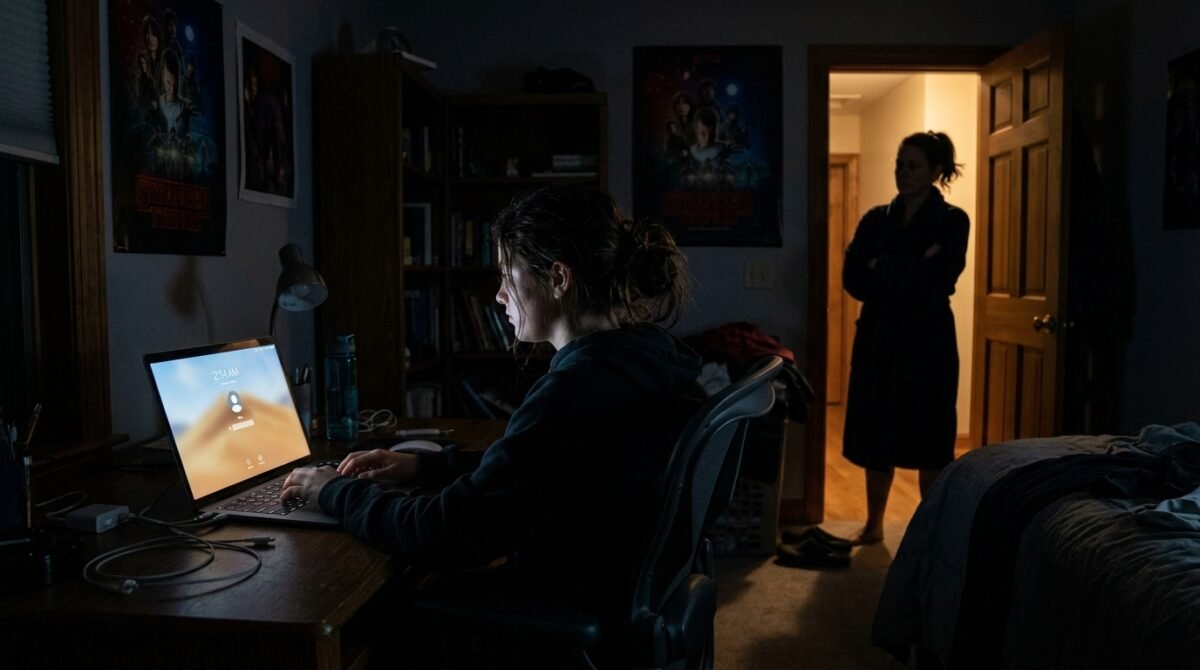
Things escalated two days later when I caught my father attempting to access my laptop while I was at my part-time shift. He wasn’t looking for schoolwork; he was looking for the email confirmation from the scholarship committee, hoping to find a way to contact them and inquire about ‘payment flexibility.’ I had already password-protected everything, but the sheer audacity of him searching through my private files was a turning point.
When I returned home and found him at my desk, the confrontation was short and brutal. I didn’t yell; I spoke with a quiet, icy clarity that caught him off guard. I explained that if he ever touched my computer again, I would be staying with a friend until I moved into the dorms. He called me ungrateful, a traitor to the family, and a selfish child.
The emotional toll was immense. I spent that night packing a bag, just in case. I felt like a stranger in my own home, a person whose value was measured only by the potential revenue they could generate for a party they didn’t even want. The isolation of standing against my own parents was suffocating.
“You are abandoning your family for a piece of paper! Sofia is family! She is blood! You are choosing a degree over your own cousin!”
— My father, screaming from the hallway.
I realized then that they weren’t just asking for money; they were testing the boundaries of my independence. If I folded now, they would control every aspect of my life for years to come. I had to stay firm, regardless of the emotional manipulation being thrown my way.
The Leaked Group Chat Ultimatum
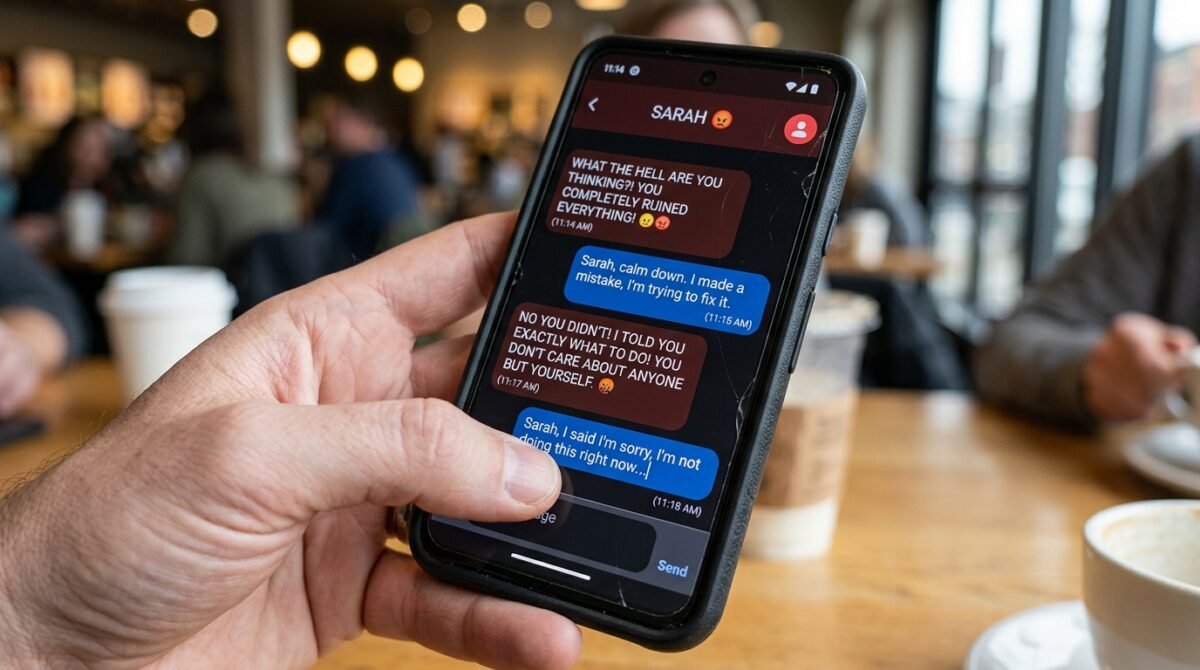
The drama reached a fever pitch when I was added to a group chat I hadn’t been invited to previously. It was titled ‘The Big Plan.’ I was added by a cousin who clearly thought I was already on board, or perhaps they wanted to force my hand by including me in the planning stages. I read through messages discussing how to ‘convince’ me to sign over my financial aid stipends.
The messages were chilling. They discussed how to pressure me, how to make me feel guilty about not contributing to the family honor, and even went so far as to suggest that if I didn’t pay, I would be ‘kicked out’ of the family gatherings forever. The entitlement was breathtaking. They weren’t just asking for money; they were weaponizing my future to save face in their social circles.
“She’s being difficult. If she doesn’t cough up the money by Friday, we tell the rest of the extended family she’s being a brat. Shame usually works on her.”
— My aunt, via the family group chat.
I took screenshots of every single message. I didn’t respond in the group chat. Instead, I saved the evidence for when the inevitable fallout occurred. I knew that when I finally said a firm ‘no,’ they would rewrite history to make me the villain. I needed proof of their toxic demands.
The Sunday Dinner Silence

The next Sunday, the atmosphere was thick with tension. My aunt arrived with a stack of brochures for catering services, clearly expecting me to sign some sort of ‘pledge.’ My mother served dinner in silence, her eyes averted. The quiet was louder than any shouting match could have been. I sat there, knowing this was the moment of truth.
My aunt slid a sheet of paper toward me. It was a fake ‘gift contract’ stating that I was voluntarily donating my scholarship stipend to the Quinceañera fund. It was laughable. I looked at the paper, then at her, and finally at my parents, who were watching with bated breath, hoping I would just sign it to make the peace.
I didn’t reach for the pen. I pushed the paper back toward her with the tip of my finger. I told them clearly, in front of everyone, that I would not be funding the party. I told them that the scholarship was for my education and that my education was the only thing I was investing in. The silence that followed was absolute.
“I am not funding this party. I am not signing anything. If you want a party, you pay for it yourselves. My future is not your piggy bank.”
— My response to the table.
My aunt’s face turned bright red. She stood up, knocking her chair over, and began screaming about how I had ruined everything. My father stood up to defend her, but I was already walking out of the room. I had prepared my exit strategy, and I didn’t look back.
The Social Media Smear Campaign
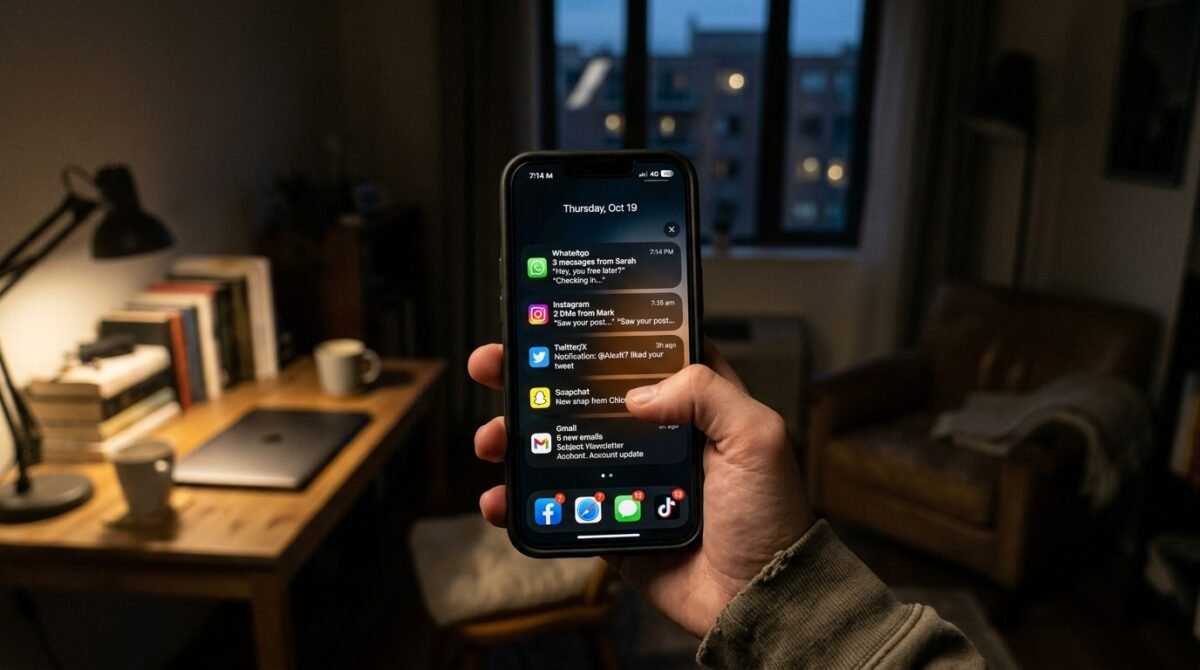
Within hours of leaving, the messages started. My cousins were posting on social media about how ‘family is everything’ and ‘some people forget where they come from.’ It was a calculated effort to isolate me and force me into submission through public shaming. My aunt had managed to turn a significant portion of the extended family against me.
I received dozens of texts from relatives I hadn’t spoken to in years, all telling me to ‘just do the right thing.’ They didn’t know the full story; they only knew the version of events my aunt had spun. I felt the weight of the social pressure, but I remembered the screenshots I had taken. I knew that the truth was on my side, even if it wasn’t popular.
I chose to remain silent on social media. I didn’t engage with the posts or the messages. I knew that any reaction would be used as fuel for their fire. Instead, I focused on my final preparations for moving out. The distance I was creating was becoming physical as well as emotional.
“How does it feel to be the person who denied her cousin her dream day? Everyone is talking about you. You’re a disgrace.”
— A cousin’s text message.
The harassment continued for days, but it only served to solidify my resolve. The more they acted like bullies, the more I realized that I had made the right decision. Cutting ties with this level of toxicity was necessary for my own mental health.
The Financial Reality Check

My aunt and father eventually tried to contact the university’s financial aid office, claiming that I was ‘misusing’ the funds. It was a desperate move that ultimately failed because the scholarship terms were explicit: the money could only be used for direct educational costs. The university didn’t even take their calls once they realized the nature of the inquiry.
When they realized that the money was untouchable, the dynamic changed again. They stopped asking for the money and started demanding ‘compensation’ for the ‘pain’ I had caused the family by being so difficult. It was an absurd shift in logic, but it proved that this was never about the party—it was about control and the inability to accept that I was no longer under their thumb.
I eventually blocked their numbers and limited my contact with them to strictly professional-level updates. I was moving out in two weeks, and I decided that I would not be returning for the holidays. The financial independence I had fought for was finally becoming a reality, and it felt like a weight had been lifted off my shoulders.
“We just want to know why you hate your family so much. Is a few thousand dollars worth losing your parents?”
— My mother’s email.
I didn’t answer that question because the premise was false. I didn’t hate my family; I hated that they treated me like a resource rather than a person. I was choosing my life, not choosing to hurt them.
The Move and the Aftermath

Moving day was a blur of silence and tension. My father refused to help me pack, and my mother cried, not because she was sad to see me go, but because she felt she had lost the battle for the money. I loaded my car with everything I owned and drove away, feeling a strange mix of fear and liberation.
I didn’t go back. I changed my number and set up my new life at college. I threw myself into my studies, finding solace in the fact that I was finally in control of my own destiny. The first semester was difficult, dealing with the trauma of the previous months, but I found support in counseling and new friends who didn’t view me as a piggy bank.
The Quinceañera went ahead, I heard through the grapevine, but it was apparently much smaller than planned. They had to settle for a cheaper venue and fewer guests. I felt no guilt. I had protected my future, and that was the most important thing I could have done.
“I hope you’re happy in your empty dorm room. You’ll be alone forever with your money.”
— The last text I received from my father.
I realized then that his words were a reflection of his own insecurities, not my reality. I wasn’t alone; I was free. And that was worth more than any party, any status symbol, or any family approval.
Reddit Community Reactions: The Verdict

The story hit a subreddit dedicated to family drama, and the response was overwhelming. Within hours, thousands of people had weighed in, and the consensus was clear: I was not the asshole. The support was a validation I hadn’t realized I needed until I read the comments.
Many users pointed out that the entitlement shown by my family was a form of financial abuse. They highlighted that my success was my own, and that no family member has a right to dictate how a person spends their hard-earned scholarship money. The discussion shifted from my story to the broader issue of toxic family dynamics.
“This is classic financial abuse. They are trying to treat your life like a business transaction. You did the right thing by leaving. Do not look back.”
— u/SupportiveSoul (Top Comment, 32.5k upvotes)
Other users shared their own stories of family members trying to control their finances, creating a sense of community that I had lacked. It was heartening to know that I wasn’t the only one who had dealt with this kind of toxicity, and it made me feel less isolated in my decision.
The Perspective Shift

Looking back now, I realize that the conflict was never really about the party. It was about the transition of power. As long as I was a dependent student, they could control my choices. Once I became an autonomous adult, that control vanished, and they panicked.
The ‘Quinceañera crisis’ was just the catalyst. Even if there hadn’t been a party, they would have found another reason to demand my resources. It was a structural problem in our relationship, not a one-off event. Realizing this helped me process the anger I felt toward my parents.
I’ve learned to set firmer boundaries in every area of my life. I don’t feel the need to explain my decisions to anyone, especially when those decisions involve my own financial security. My education is my priority, and I’ve learned that protecting that priority is an act of self-love.
“You owe them nothing. Your loyalty belongs to your future, not their social standing.”
— u/WiseReader (15.2k upvotes)
I am now in my second year, and I have maintained no-contact with most of my extended family. My parents and I have a low-contact, surface-level relationship, which is the only way I can stay sane. It’s not the life I imagined, but it’s the life I chose.
Why Boundaries Are Essential

The experience taught me that boundaries are not meant to punish others; they are meant to protect ourselves. When we fail to set boundaries, we allow others to determine our worth and our future. In my case, setting a boundary meant losing my place in the family hierarchy, but it also meant gaining my life back.
I often think about what would have happened if I had just given in. I would be miserable, resentful, and perhaps without a degree. I would have traded my future for a single night of dancing and cake. That realization makes me grateful for the strength I found in that moment.
If you are in a similar situation, remember that you are not a bad person for saying no to unreasonable demands. You are not a bad person for prioritizing your needs. Your life is yours to build, and you don’t owe anyone the keys to your future.
“Boundaries aren’t walls; they’re the gates that keep the wrong people out and the right people in. You did the right thing.”
— u/BoundaryExpert (8.4k upvotes)
Take the time to evaluate what matters most to you and protect those things with everything you have. You are the only person who will be there for your entire journey, so make sure you’re taking care of yourself.
Final Reflections on Family and Independence

Family is complex. We are taught that it is unconditional, but sometimes, the conditions are so high that they become impossible to meet. I have learned that family can be chosen—it’s the people who support your growth and celebrate your success, not the ones who try to profit from it.
I am finding a new family now—friends, mentors, and peers who value me for who I am, not what I can give them. I have realized that my worth is not tied to my ability to provide for others, but to the kindness, intelligence, and resilience I bring into the world.
I will continue to work hard, study well, and build the life I want. The trauma of the past is fading, replaced by the excitement of what’s to come. I am no longer afraid of the labels they gave me; I’ve redefined myself on my own terms.
“The best revenge is living well. You’ve already won by simply succeeding on your own terms.”
— u/HappyEnding (12.9k upvotes)
I am proud of the person I have become and the boundaries I have maintained. It was the hardest thing I’ve ever done, but it was also the most important. I hope my story serves as a reminder that your future belongs to you, and you have every right to protect it.
Conclusion
My journey from a scholarship-winner to a person who had to defend their own future was a painful but necessary path to autonomy. Standing up to my family wasn’t just about money; it was about reclaiming my right to exist as an individual with goals, dreams, and boundaries. While the fallout was severe and resulted in significant changes to my family dynamic, the peace of mind I have gained is immeasurable. I have learned that true self-respect often comes at a price, but it is a price well worth paying.
The debates in the comments sections were eye-opening. They proved that financial abuse and toxic family entitlement are far more common than many of us realize. It is time to stop normalizing the idea that family is entitled to our resources, our time, or our futures. We must advocate for the right to build our own lives, free from the burdens of others’ expectations.
What about you? Have you ever had to draw a hard line with your family over money or life choices? How did you handle the backlash, and what did you learn about your own worth? Let’s keep the conversation going in the comments below.
What's your verdict on this dilemma?
Vote below to contribute to the official community consensus.

Have a Dilemma Keeping You Up at Night?
Share your real-life feud, wedding chaos, or relationship crossroads anonymously with our editorial team.
What do you think ?
0 Comments🛡️ Comments are moderated to protect community integrity. Your comment will appear once approved by the editorial team.