
Living with a roommate is often a delicate dance of shared boundaries, unspoken agreements, and the assumption of basic mutual respect. For three years, Sarah and I had navigated this space with relative ease. We were the kind of roommates who shared groceries, occasionally split a bottle of wine, and generally stayed out of each other’s personal property. Or so I thought.
My obsession with vintage fashion wasn’t a secret. My collection of handbags was my pride and joy—not just accessories, but investments I had saved for over years of working overtime and skipping vacations. Among them was a limited-edition piece I had purchased during a trip to Milan; a bag that represented a milestone in my career. It lived on a dedicated shelf in my closet, protected by a dust bag, waiting for the rare, special occasion.
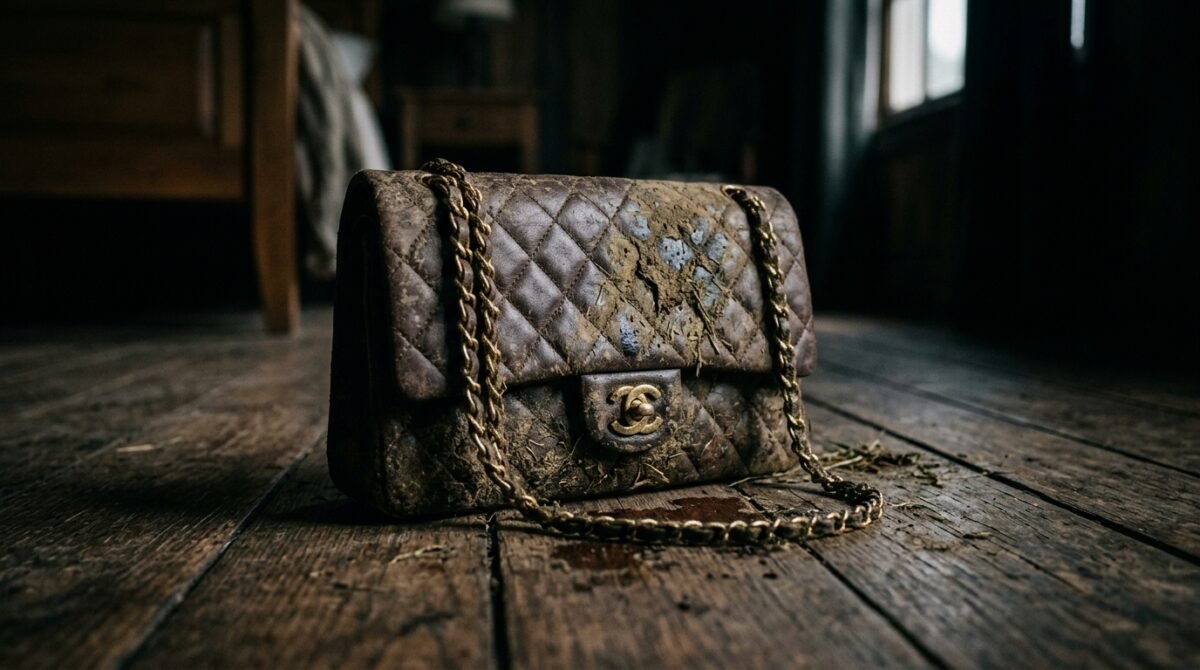
Last weekend, I went to visit my parents for an impromptu trip. I left my apartment secure, or so I believed. When I returned on Monday evening, exhausted and ready for a quiet night, I opened my bedroom door to find something that stopped my heart cold. Resting on my carpet was my bag—or rather, the ghost of it.
It was unrecognizable. The soft, buttery leather was stiff with dried mud. There were dark, unidentifiable stains across the front panel, and the metal hardware was scratched and tarnished. It looked like it had been dragged through a swamp. As I stared at the destruction, my roommate walked in, blissfully unaware of the storm she had just unleashed upon our living arrangement.
The Morning of the Discovery

The realization hit me in waves. First, the smell—a nauseating mixture of stale beer, campfire smoke, and damp earth. Then, the visual confirmation. I picked up the bag, and my hands trembled. This wasn’t just a purse; it was a three-thousand-dollar piece of artistry. I knew instantly that the damage was likely permanent.
I didn’t have to wait long for the confrontation. My roommate, Chloe, emerged from her room wearing sunglasses and looking like she hadn’t slept in forty-eight hours. She was still wearing her festival wristbands, multiple of them, clinking against each other with every movement. She looked at me, then at the bag, and her expression didn’t shift to horror. It shifted to mild annoyance.
“Oh, you’re back. I was going to wipe that down later. It got a little messy at the main stage, but honestly, it held up better than I thought it would.”
I stood there, mouth agape, unable to process the sheer audacity of the statement. She had taken it. She had admitted to taking it. And she was speaking about it as if she had borrowed a cheap umbrella on a rainy day. My voice was barely a whisper when I finally managed to speak.
I asked her how she could possibly justify touching my belongings, let alone taking them to a crowded, muddy, outdoor festival. Chloe just shrugged, walking toward the kitchen to start the coffee machine. She acted as if my distress was an inconvenience to her recovery from the weekend.
The conversation quickly devolved into a shouting match. I explained that this was a private, expensive item, not a shared community resource. Chloe fired back that because we were roommates, she thought everything in the apartment was ‘fair game’ for us to use when we were in a pinch. It was a terrifying realization: she had no concept of personal boundaries.
The Justification of a Thief
Once the initial shock wore off, the gaslighting began in earnest. Chloe sat at the kitchen island, nursing an iced coffee, while I stood over her, demanding to know why she didn’t ask first. She claimed she didn’t want to ‘bother’ me while I was away, knowing I was busy with family.
She argued that the bag ‘needed to be seen’ and that it was a waste for it to sit in a closet. She claimed that she had taken care of it, and that the mud was just ‘unfortunate luck’ due to the weather conditions. The level of entitlement was staggering. She truly believed that because we lived together, she had a right to my property.
“It’s just a bag, okay? You’re acting like I committed a crime. I’ll clean it, and if it’s still stained, I’ll buy some leather cleaner. Stop being so dramatic and materialistic.”
I explained the specific value of the piece. I explained that it was a limited edition and that the value had likely been halved, if not destroyed entirely, by the damage. She rolled her eyes as if I were talking about a piece of plastic junk from a department store. Her refusal to acknowledge the financial reality of the situation was infuriating.
She then tried to turn the tables, accusing me of being a ‘bad roommate’ for not being more generous. She brought up times she had shared her snacks or let me use her hair straightener, as if those minor exchanges justified the unauthorized usage of a luxury heirloom. It was the classic ‘tit-for-tat’ argument used to deflect from a major betrayal.
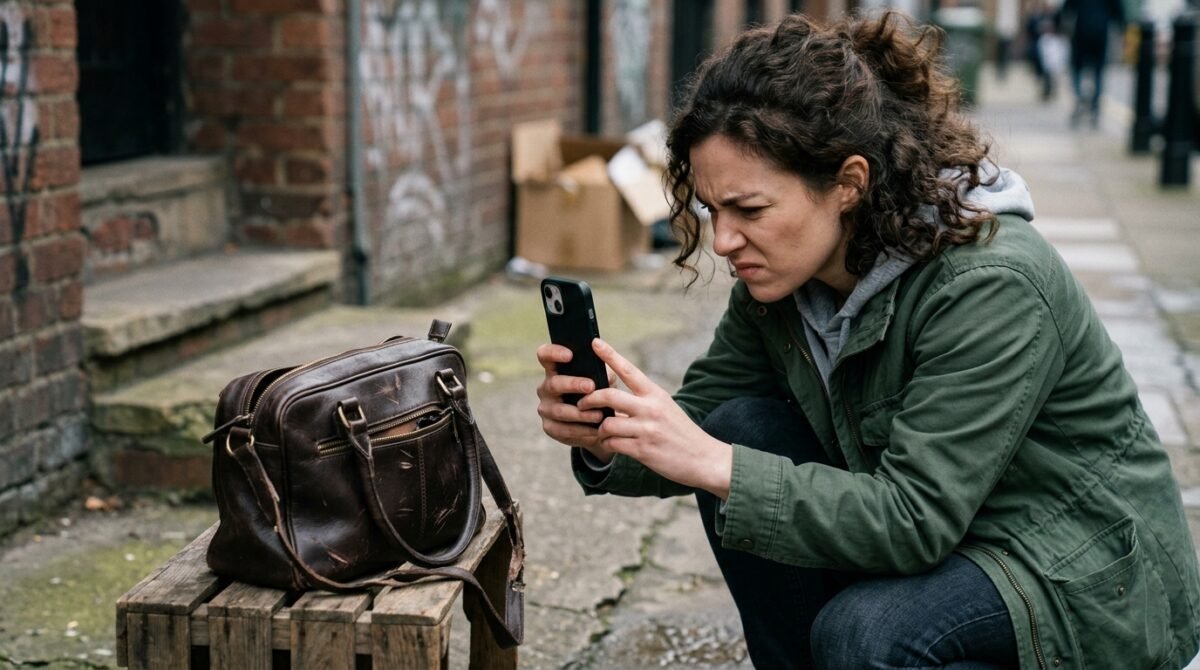
I realized then that this wasn’t an accident; it was a pattern of behavior that had finally crossed the line into something unforgivable. I needed to document everything. I took photos of the bag from every angle, documenting the gouges and the deep, ground-in stains that were never coming out.
The Group Chat Exposure

The true depth of the betrayal came that evening when I accidentally saw a notification pop up on her laptop, which she had left open on the coffee table. It was a group chat with our mutual friends, titled ‘Festival Squad.’ I wasn’t supposed to see it, but the message was right there in the preview.
“Managed to snag her fancy bag for the weekend. She’s too uptight to notice, and it makes my outfit look way better. Lol, don’t tell her!”
— Leaked Message from Chloe’s Group Chat
My stomach dropped. This wasn’t a mistake. This wasn’t an ‘in-a-pinch’ decision. This was calculated. She had planned to take it, knowing I would be gone, and specifically bragged about it to our friends. She knew exactly what she was doing and felt entitled to it.
I felt a cold rage settle over me. I took a picture of the laptop screen with my own phone. When Chloe walked back in, she saw me standing there with her computer open. Her face went pale, and for the first time, she looked actually nervous. The facade of the ‘oops, my bad’ roommate shattered.
I didn’t yell. I didn’t cry. I was eerily calm. I told her that I had seen the messages. I told her that this was no longer a conversation about an accident, but about a violation of trust that had been planned in advance. She tried to stammer out an apology, but it was hollow—the kind of apology you give when you’re caught, not when you’re sorry.
The atmosphere in the apartment became stifling. The trust was entirely broken. I retreated to my room and locked the door, realizing that I was now living with someone who didn’t respect me, my belongings, or my boundaries. The next few hours were spent researching my rights as a tenant and looking into the cost of professional leather restoration.
The Financial Reality Check
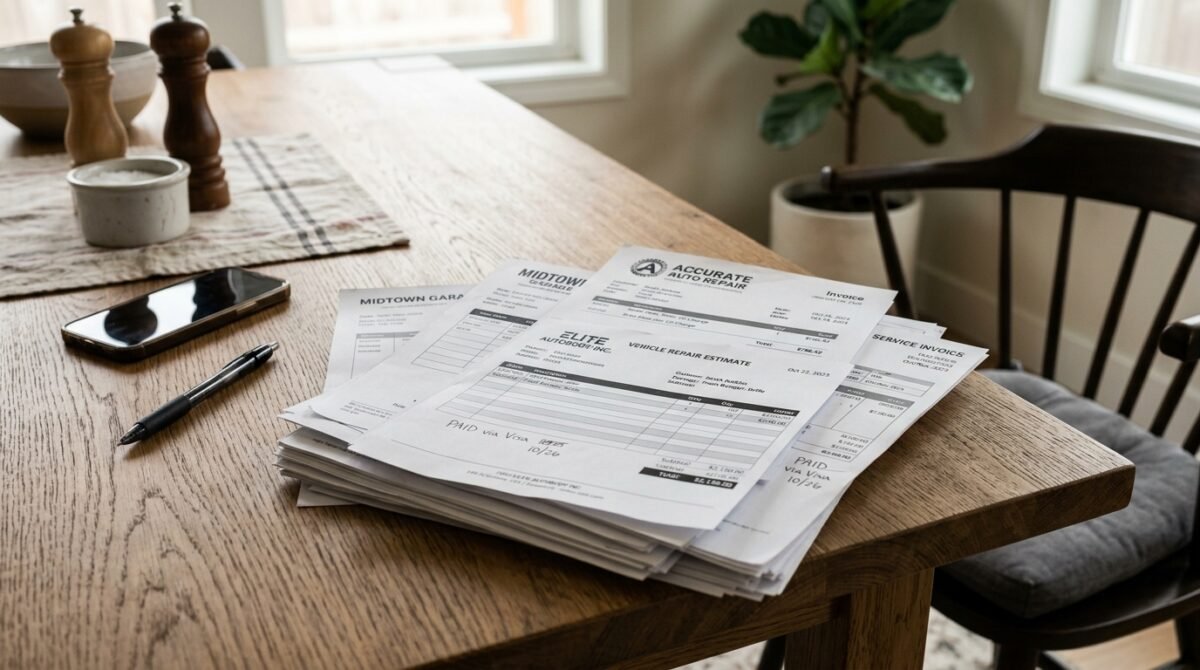
The next morning, I took the bag to a high-end luxury restoration expert in the city. The technician took one look at it and sighed. He pointed out that the leather had absorbed the alcohol from the beer, and the mud had acted like an abrasive, damaging the grain of the skin. He gave me a quote for the restoration, which was astronomical, and even then, he couldn’t guarantee the stains would disappear.
I returned home with the invoice and a written assessment of the value loss. I placed it on the kitchen table in front of Chloe. The total was nearly $1,200 for restoration, plus the estimated $1,500 in lost resale value. She stared at the numbers as if they were written in a foreign language.
“I don’t have this kind of money. You’re trying to ruin me over a purse. This is insane. I thought we were friends!”
I looked at her, truly seeing the selfishness for what it was. Friendship implies respect, and she had shown none. I told her that she had until the end of the month to pay the restitution, or I would be forced to take this to small claims court. She laughed, thinking I was bluffing, but I was deadly serious.
I started documenting every interaction from that point forward. I communicated via text only, ensuring there was a digital trail. I also started looking for a new apartment. I knew that even if she paid, there was no way I could continue living in a space where I felt vulnerable to such theft.
The financial stress was real for her, and she started reaching out to our mutual friends to ‘tell her side of the story.’ She framed me as the villain who was obsessed with money, ignoring the fact that she had stolen, ruined, and then lied about a high-value item. The social circle began to divide.
The Social Media Fallout

It didn’t take long for the drama to bleed onto social media. Chloe posted photos of herself at the festival, wearing the bag in its pristine state, with the caption ‘Living my best life.’ It was a blatant slap in the face. A few of our mutual friends commented on the bag, and she replied, ‘Yeah, borrowed it from my roomie, she’s so jealous I got to wear it.’
I decided to respond, not with a tantrum, but with the facts. I commented under her photo: ‘It’s funny you call it borrowing when you didn’t ask, and you returned it destroyed. You still owe me $2,700 for the damage. Looking forward to your payment by the end of the month.’
“Oh wow, OP, that’s a bit much for a public comment, don’t you think? Why are you trying to shame me? Let’s talk about this privately.”
— Chloe’s public response on Instagram
The comment section exploded. People I barely knew were jumping in, some taking her side because they thought I was being ‘petty’ over a bag, while others were shocked at the audacity of using someone else’s property without permission. It became a public spectacle, and the embarrassment for Chloe was palpable.
I didn’t back down. I clarified that my personal boundaries aren’t up for public debate, especially when they involve theft. The post was eventually taken down by the platform due to reporting, but the damage to our reputation within the friend group was done. Everyone knew the truth now.
Living in the apartment became a silent, tense game. We avoided each other in the halls, and I made sure to lock my bedroom door every time I left, even to go to the bathroom. The psychological weight of the situation was immense, but I knew I was doing the right thing by standing my ground.
The Reddit Verdict

I turned to the community for perspective. I posted the story on a popular forum, detailing the events and the financial damage. The response was overwhelming. Within hours, there were thousands of comments, and the thread was trending. The consensus was clear: I was not the one in the wrong.
“This isn’t just about a bag. This is about a complete lack of respect for your boundaries. She stole your property, lied about it, and then tried to gaslight you when she got caught. NTA (Not The Asshole), and please, for the love of everything, take her to small claims court.”
— u/JusticeForAll (Top Comment, 28.5k upvotes)
“The fact that she bragged about it in a group chat before even wearing it proves premeditation. This isn’t a ‘roommate mishap,’ this is theft. You are being way too patient.”
— u/RealityCheck99 (8.2k upvotes)
Reading the comments was cathartic. It validated my feelings of anger and betrayal. It gave me the courage to pursue the legal route more aggressively. I realized that my desire to keep the peace was actually just allowing her to continue her abusive behavior without consequences.
Many people shared their own stories of roommates who had stolen clothes or belongings, and the common thread was always the same: if you don’t enforce boundaries, the behavior only escalates. I felt empowered to set a firm deadline for the payment and to begin the process of moving out.
The community also provided practical advice on how to secure my belongings in the future, including renter’s insurance and keyed locks for internal doors. I had never considered the necessity of these things before, but now they seemed like basic requirements for a healthy living situation.
The Formal Demand
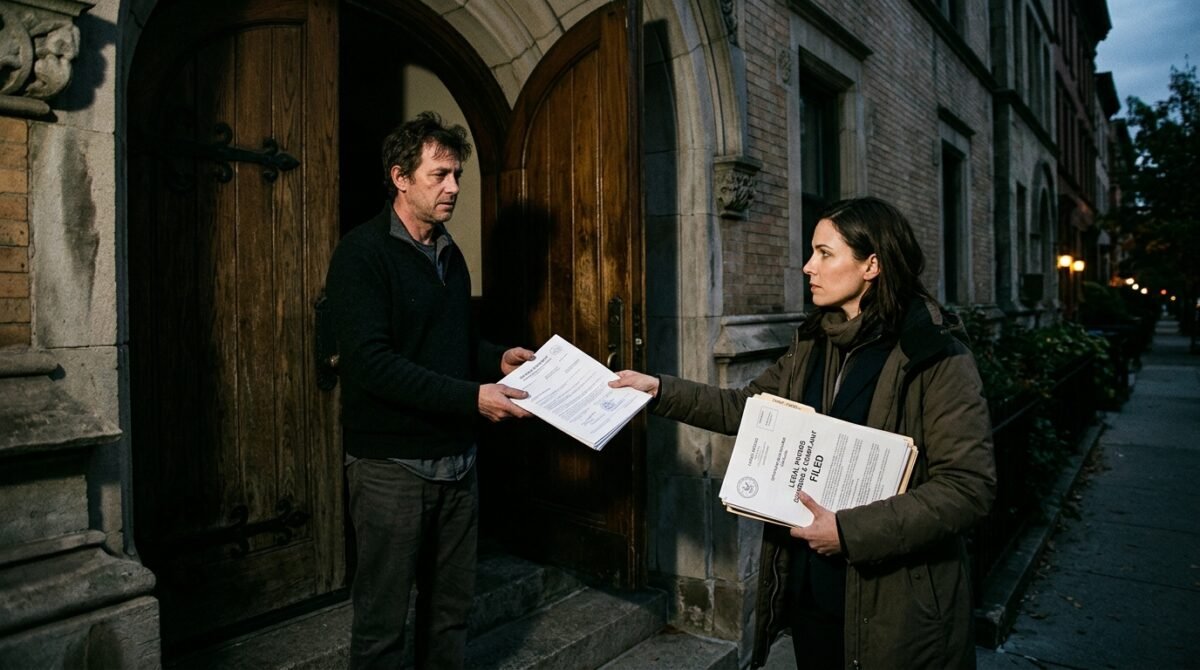
I drafted a formal letter, outlining the damages and the timeline for payment, and had it sent via certified mail. I also included a copy of the repair estimate. It was a serious escalation, and I knew it would be the final straw for our living situation.
When Chloe received the letter, she finally realized I wasn’t joking. She knocked on my door that night, her face tear-streaked, trying to play the ‘we’re such good friends’ card. She tried to convince me that I should just let it go because of ‘our history.’ I didn’t let her speak.
“Our history is irrelevant here. You took my property, you destroyed it, and you lied about it. You need to pay the debt you owe, or we will handle this in court. The choice is yours.”
She tried to bargain, suggesting she could pay in installments over the next two years. I told her that was unacceptable. I needed the money now because I was moving out and needed the funds for my own deposit. She was furious, calling me heartless, but I stood my ground.
The silence that followed in the apartment was deafening. She spent the next two days making phone calls, likely asking her parents for money. I didn’t care where the money came from, as long as it was paid. My goal was simply to be made whole for the loss she had caused.
By the end of the week, I received a partial payment through a digital transfer app, with a message that the rest would follow. It was a start. I kept the pressure on, not because I enjoyed the conflict, but because I deserved to be treated with respect.
The Final Departure
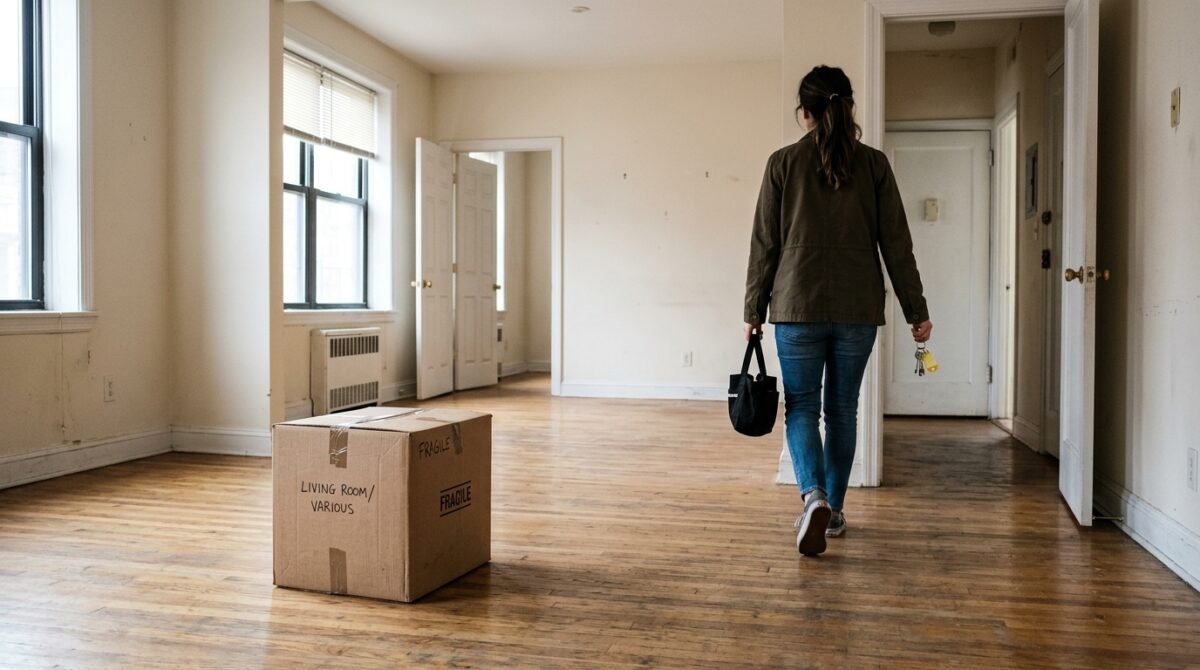
Moving day was both stressful and liberating. I packed my belongings with a sense of urgency, wanting to put as much distance between myself and that apartment as possible. Chloe stayed in her room for the entire duration, avoiding any contact. It was for the best.
As I loaded my final boxes into the truck, I looked back at the space. It had been my home, but it had also become a prison of resentment and distrust. I realized that the value of my peace of mind was far higher than the value of the bag, but the bag had been the catalyst for me to see the truth about who I was living with.
My new place is small, but it’s mine. I have a lock on my closet, and I have a clear understanding of boundaries. I don’t share my belongings, and I don’t feel guilty about it. The experience taught me that being ‘easy-going’ is often just another word for ‘having no boundaries,’ and that is a mistake I won’t make again.
I kept the ruined bag as a reminder. It sits on a shelf in my new office, a testament to the importance of self-respect and the folly of trusting people who don’t have the same moral compass as you. It serves as a daily reminder to value my own worth and never let someone else dictate my boundaries.
The Unpaid Balance
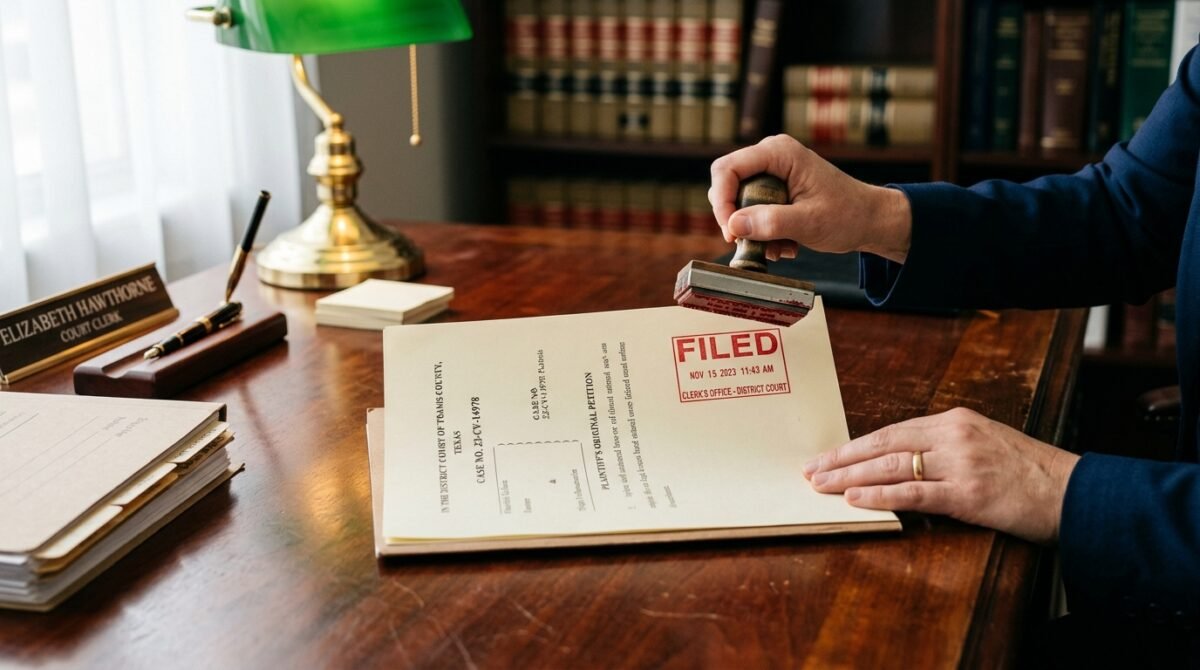
A month later, I was still missing half the promised payment. Chloe had stopped responding to my texts, and it was clear she had no intention of paying the rest. I had to make a decision: let it go or take the next step. I chose the next step.
I filed the paperwork for small claims court. The process was straightforward, and the evidence was clear. I had the text messages, the group chat screenshot, and the repair estimate. It was an open-and-shut case of destruction of property and breach of implied trust.
“You’re really going to drag me to court? Over a few hundred dollars? You’re such a pathetic human being.”
— A final text from Chloe before she blocked me.
I didn’t respond to the insult. I simply sent the court summons to her address via a professional process server. The moment she realized this was going on her record, she panicked. She suddenly ‘found’ the money and transferred it, along with a pathetic, non-apologetic note.
The money was in my account, but the victory felt hollow. It wasn’t about the money anymore; it was about the principle. I had held her accountable, and she had finally been forced to face the consequences of her actions. It was a lesson she clearly needed to learn.
I closed the court case, satisfied that I had done everything in my power to rectify the situation. I had stood up for myself, maintained my integrity, and refused to let someone walk over me. It was a hard-won victory, but a necessary one.
Lessons in Boundaries

Looking back, the most painful part wasn’t the loss of the bag, but the realization that I had allowed someone to treat me with such blatant disrespect for so long. I had ignored the ‘red flags’—the small boundary crossings, the lack of consideration—because I wanted to keep the peace.
I learned that peace at the expense of self-respect is not peace at all; it’s submission. I learned that true friends and good housemates ask for permission, they respect your property, and they never, ever, brag about exploiting you behind your back. These are the non-negotiables of a healthy life.
I am now more discerning about who I let into my inner circle and who I share my living space with. I have implemented a system of ‘trust but verify’—not out of paranoia, but out of a healthy need to protect my own well-being. It has changed the way I interact with everyone in my life.
The experience was a catalyst for personal growth. I am more assertive now, more confident in my ability to enforce boundaries, and more aware of the importance of surrounding myself with people who share my values. I am grateful for the lesson, even if the price was high.
Conclusion
The saga of the ruined handbag ultimately became more than just a story about a piece of leather and metal; it became a defining moment in my journey toward self-advocacy. It forced me to confront the reality that being ‘nice’ and ‘accommodating’ is often exploited by those who lack basic empathy. I learned that standing up for oneself isn’t being ‘dramatic’ or ‘petty’—it is the fundamental requirement for a life defined by respect.
In the aftermath, I’ve found that many of you have had similar brushes with ‘entitled’ friends or roommates. The consensus in the community has been a powerful reminder that we are not alone in these struggles, and that setting boundaries is a universal challenge. I hope my story serves as a reminder that your things, your time, and your boundaries are worth protecting, regardless of what anyone else says.
How about you? Have you ever had a friend or roommate cross a major boundary and then try to gaslight you about it? How did you handle the fallout, and what advice would you give to others currently struggling with a similar situation? Let’s keep the conversation going in the comments below.
What's your verdict on this dilemma?
Vote below to contribute to the official community consensus.

Have a Dilemma Keeping You Up at Night?
Share your real-life feud, wedding chaos, or relationship crossroads anonymously with our editorial team.
What do you think ?
0 Comments🛡️ Comments are moderated to protect community integrity. Your comment will appear once approved by the editorial team.