
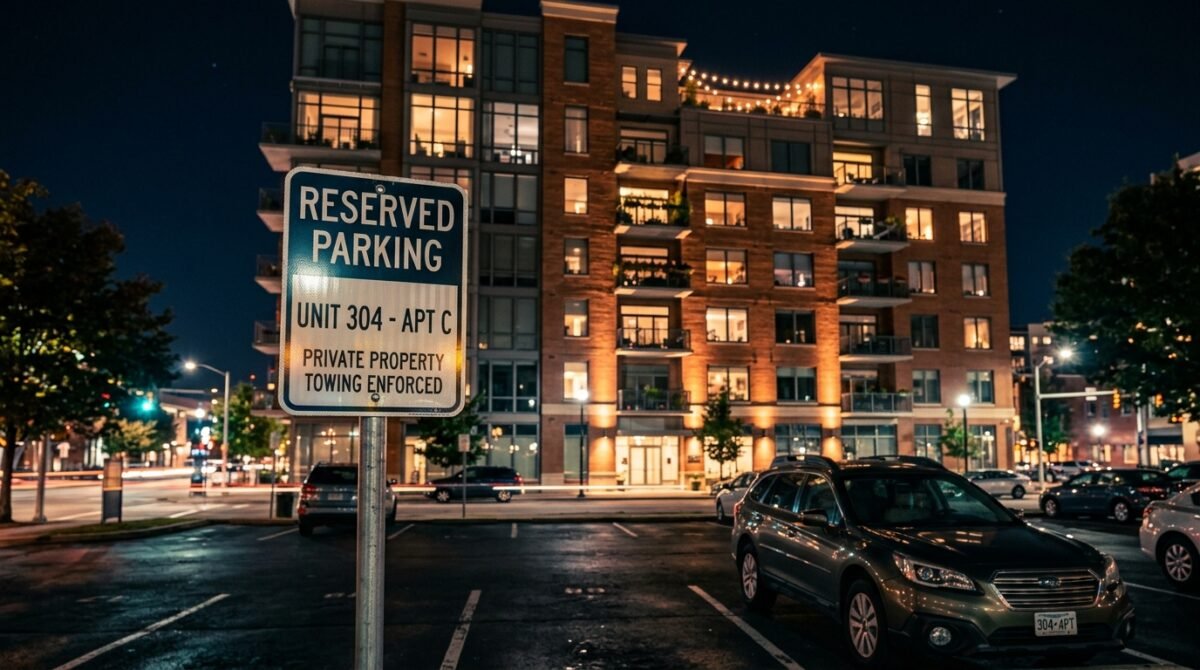
We all move in with roommates expecting a certain level of mutual respect, especially when it comes to the logistics of living in a crowded, expensive city. My roommate, Greg, and I had a simple arrangement: I paid for the premium unit, which included a dedicated, underground parking spot—a rare commodity in our neighborhood—and he took the smaller bedroom at a discount. It was a fair trade, or so I thought, until the subtle clues started surfacing. It began with the occasional unfamiliar sedan parked in my spot, which I dismissed as a simple misunderstanding. After all, guests can be forgetful, and the complex was prone to confusing layouts.
However, the frequency of these ‘guests’ escalated until it became a nightly occurrence. Every time I pulled into the garage, I was met with a different vehicle sitting smugly in my designated space. When I confronted Greg, he played the role of the confused bystander perfectly, suggesting that perhaps security was failing to enforce the rules or that other tenants were simply entitled. I felt like I was losing my mind, second-guessing my own memory and sanity as my reserved spot became a revolving door for strangers.
The turning point came on a Tuesday when I returned home late from a shift, only to find a luxury SUV blocking my path. My frustration finally boiled over, and I decided to check the local community app, the one where people post about local events and garage sales. That is when I saw it: an advertisement posted by Greg, offering a ‘Prime, Secure, Nightly Parking Spot’ for a tidy twenty-five dollars a night. My own spot. My own money. My own security. The betrayal didn’t just sting; it fueled a calculated, cold-blooded plan that would turn his profitable little side hustle into a logistical catastrophe.
I realized then that Greg wasn’t just a bad roommate; he was an entrepreneur of audacity. He had no qualms about selling access to my property while I was left to hunt for street parking blocks away in the dark. I didn’t want to engage in a screaming match that would only lead to more gaslighting. Instead, I opted for a more tangible form of justice. I didn’t just want to stop his scam; I wanted to ensure that the reputation of his ‘service’ was permanently tarnished, one tow truck at a time.
This is the story of how I reclaimed my territory. It wasn’t about the twenty-five dollars a night; it was about the principle of the matter. When you turn your home into a business without consulting your partner, you forfeit the right to keep your operation secret. What followed was a week of absolute chaos, a series of expensive lessons for strangers, and a final, explosive confrontation that shattered our living arrangement forever.
The Discovery of the Digital Paper Trail
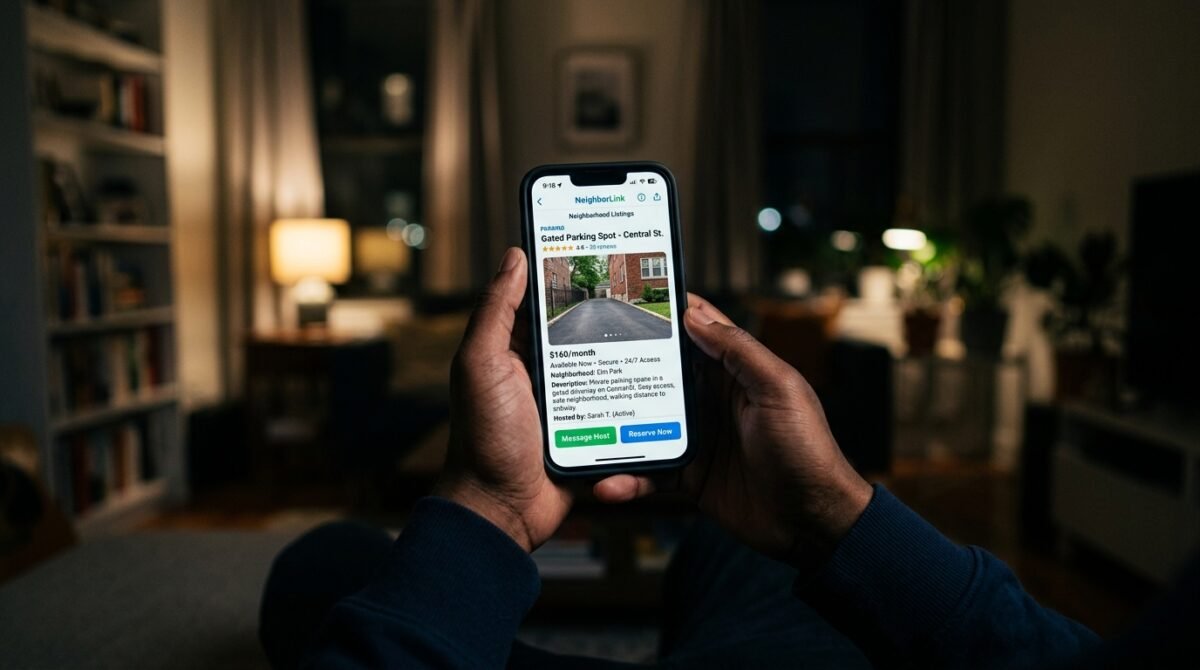
The moment I saw the post on the neighborhood forum, my blood went cold. The description was painfully specific, detailing the exact location of the garage and even boasting about the ‘easy access’ and ‘security gate’—all of which were funded by my lease agreement. I took a screenshot immediately, my heart pounding in my chest. It wasn’t just a casual post; it was a professional-looking listing, complete with photos taken from the perspective of our living room balcony.
I sat on my couch, the blue light of my phone illuminating the dark apartment. I looked at Greg, who was playing video games in the other room, completely oblivious to the fact that I had just uncovered his secret ledger. The sheer level of audacity required to monetize my property while I was paying the premium for that very privilege was staggering. I didn’t want to confront him yet; I needed to document everything. I looked back at the post and saw the ‘booked’ calendar, which was filled through the end of the month.
“Are you kidding me? He’s actually taking money for this? This is absolute insanity. I need to be calm, calculated, and completely invisible while I fix this mess.”
I realized I needed to act fast. If I confronted him now, he would just delete the post and deny everything, claiming it was a prank or a mistake. I needed to catch him in the act, or better yet, make it impossible for him to fulfill his ‘contract’ with his customers. I decided to contact the towing company that serviced our building and confirmed the protocol for unauthorized vehicles in reserved spaces. They were surprisingly eager to help, noting that they had been receiving calls from this specific unit for weeks—calls I never made.
It was clear Greg had been calling the company to tow *other* people, and now he was directing his ‘clients’ to use my spot while he likely told them it was a ‘shared space’ or ‘temporary overflow.’ The web of lies was complex, but the solution was simple: I was the leaseholder. I had the legal right to have any vehicle that didn’t belong to me removed, regardless of who Greg had promised the space to. The power dynamic shifted the moment I realized I held the keys to the entire operation.
I spent the next hour drafting a list of times I would be arriving home and the times the spot would be occupied. I wasn’t going to be petty; I was going to be an enforcement agent. The garage was my space, and I was going to ensure that anyone who tried to take it would face the consequences of Greg’s greed. The irony was, Greg was making just enough money to be greedy, but not enough to cover the legal fees he was about to incur if he kept this up.
The First Night of Tactical Enforcement
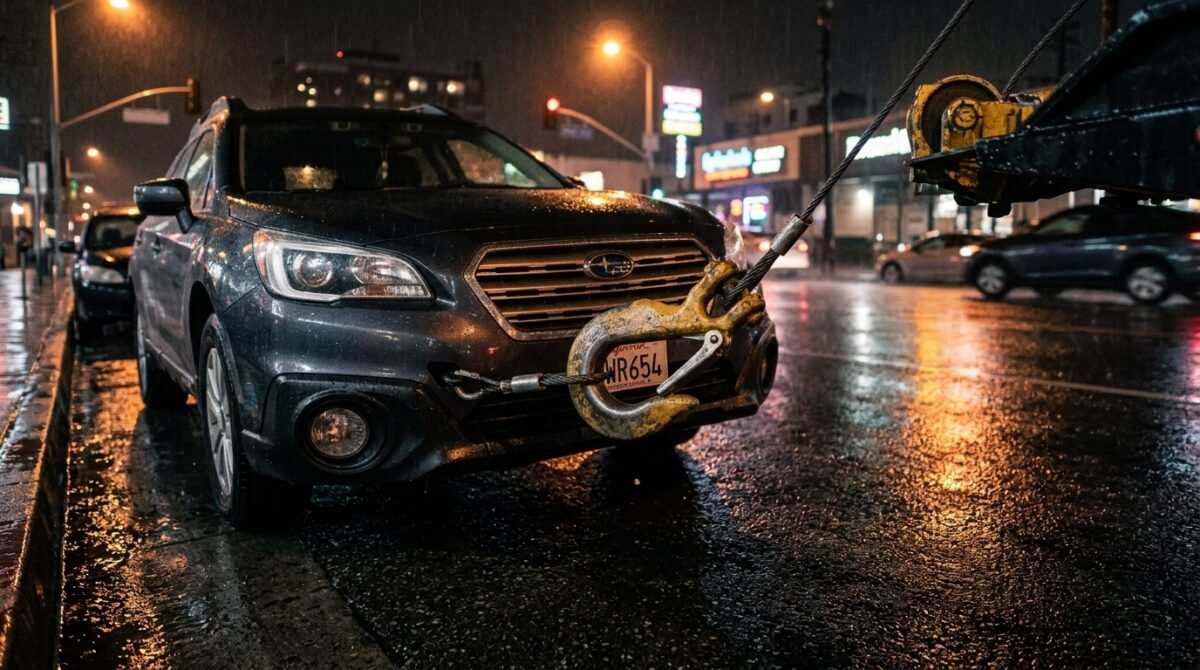
The first victim was a silver sedan that pulled into my spot around 8:00 PM. I watched from my balcony, phone in hand, waiting for the driver to walk away. As soon as the driver cleared the garage exit, I walked down to the lobby and called the number on the towing sign. I didn’t mention Greg. I simply stated that an unauthorized vehicle was in my reserved space, provided my unit number, and signed the authorization form. It felt surprisingly clinical.
The tow truck arrived within twenty minutes. I watched from the shadows as the driver hooked up the sedan. There was no hesitation, no conversation, just the mechanical grinding of the winch and the sound of the car being lifted off the ground. The driver didn’t even look around; he was just doing his job. It was efficient, professional, and entirely within my rights. I went back upstairs, feeling a strange mix of adrenaline and righteous satisfaction.
“I hope you enjoyed your dinner, because your car is currently on a one-way trip to the impound lot on the other side of the city.”
I heard Greg laughing in his room, likely texting his ‘client’ and providing instructions on how to access the building. He had no idea what had just transpired. When the driver finally realized his car was gone, there was a frantic search that lasted for nearly an hour. I heard the muffled curses echoing in the garage, but I kept my door locked. I wasn’t going to get involved in a confrontation with a victim of Greg’s scam.
The next morning, the space was empty. I parked my car, walked into the kitchen, and made a cup of coffee. Greg walked in a few minutes later, looking unusually stressed. He started pacing, checking his phone repeatedly. He didn’t say a word to me. He was clearly dealing with the fallout of the tow, likely having to refund the twenty-five dollars and deal with an angry customer who felt scammed. He had no idea that this was just the beginning of a very expensive week for his ‘business.’
I felt no guilt. Every dollar he had made off my spot was a dollar he stole from my peace of mind. He thought he was being clever, but he had underestimated the person he was stealing from. He was playing a game of short-term profit, while I was playing a game of long-term boundaries. The silence in the kitchen was heavy, punctuated only by the sound of his thumb aggressively tapping on his screen. He was already looking for his next ‘client.’ Little did he know, I was already looking for the next tow.
The Escalating War of Notifications
By the third day, the pattern was becoming disturbingly clear. Greg wasn’t just listing the spot; he was managing a small-scale reservation system. I started receiving texts from unknown numbers asking for entry codes or gate instructions. I ignored them all, letting them hit voicemail. The confusion in the garage was mounting, and I could tell Greg was getting desperate. He started leaving the garage door propped open, which was a massive security violation that I dutifully reported to the building manager.
The building manager, a no-nonsense woman named Sarah, was not happy. She sent out a building-wide email about garage security and unauthorized usage. Greg, ever the opportunist, replied to the thread with a fake concern about ‘outsiders’ entering the building. The hypocrisy was so thick I could practically chew on it. I decided it was time to leave a paper trail of my own. I forwarded the forum listing to Sarah, along with the timestamps of the vehicles I had towed.
“I just wanted to make you aware that there is an unauthorized business being conducted from unit 402 using my assigned parking spot. Here is the link and the record of the vehicles that have been towed.”
— Email sent to building management
The fallout was almost instantaneous. Sarah called me into her office for a meeting, and I laid out the entire situation. She was furious, not just about the parking, but about the liability of having strangers wandering through the garage. She told me she would handle the management side of things, but I was still within my rights to call the tow company whenever my space was occupied. She basically gave me a green light to continue my campaign.
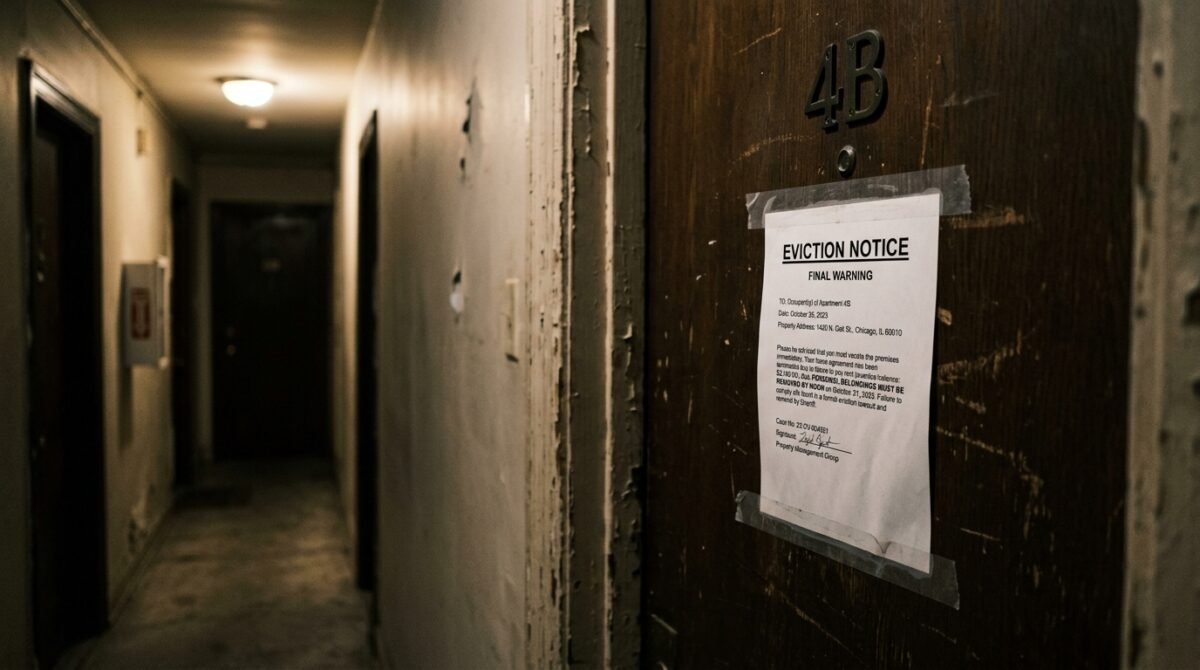
Greg came home that evening to find a formal notice taped to his door. He wasn’t evicted, but he was on thin ice. He stormed into the living room, his face bright red. He didn’t even look at me; he just threw his keys on the counter. The tension in the apartment was vibrating through the walls. He was clearly spiraling, and his ‘business’ was about to collapse under the weight of his own greed. He still hadn’t confronted me directly, likely because he knew deep down that he was in the wrong.
I sat in my room, listening to him pace. He was making phone calls, his voice rising in volume. He was arguing with someone, likely another customer or perhaps his landlord-proxy. He was panicking, and it was glorious. I realized that my power didn’t come from my authority, but from my silence. By not engaging, by not screaming, I had stripped him of the ability to defend himself. He was fighting a ghost, and the ghost was winning.
The Group Chat Exposure
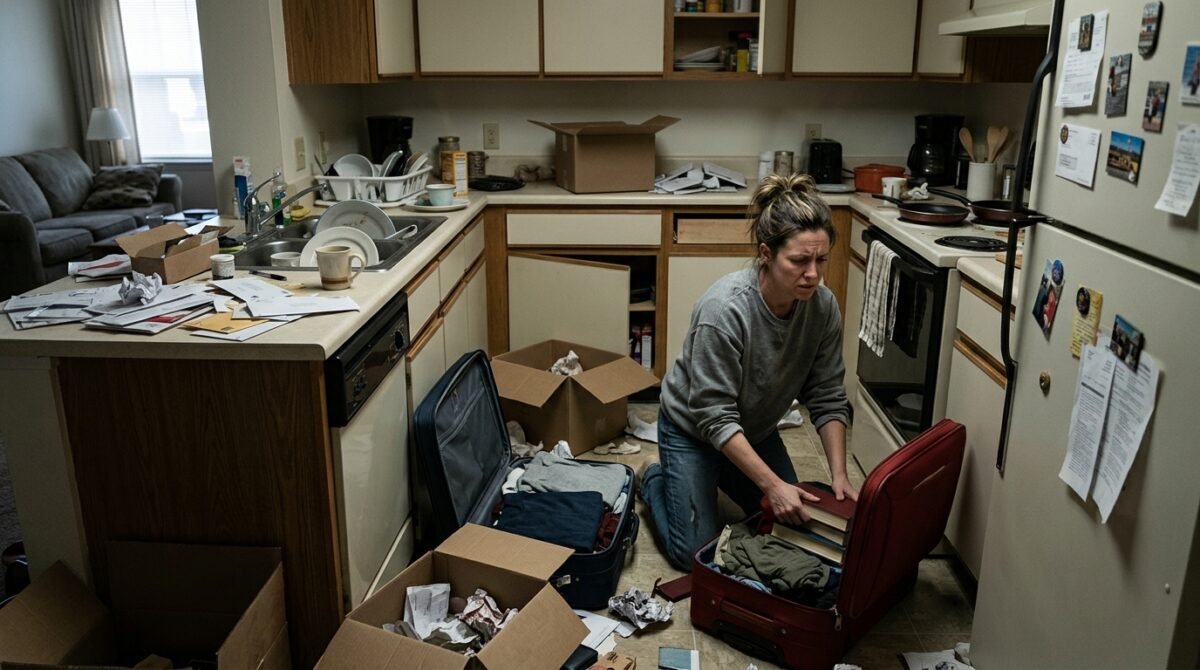
Things took a turn for the worse when I found a printed receipt in the kitchen trash. It was a list of names and phone numbers—his ‘client list.’ I couldn’t believe how brazen he was. He was keeping a physical log of everyone he had swindled. I took a photo of the list, intending to use it as evidence if things escalated further. I realized then that Greg wasn’t just a bad roommate; he was a liability to my personal and professional life. I needed to document everything for the eventual confrontation.
I started noticing that Greg was being added to a group chat with some of his ‘regulars.’ One night, his phone buzzed incessantly on the kitchen island while he was in the shower. Curiosity got the better of me, and I glanced at the screen. The group chat was titled ‘Parking Spot 402.’ The messages were a goldmine of information. They were discussing the best times to park, how to circumvent the gate, and even complaining about the ‘host’s’ lack of communication.
“Hey, is the spot open tonight? The gate is acting up again and I don’t want to get towed like last time.”
— Text from ‘Parking Spot 402’ group chat
I realized that Greg was essentially creating a community of people who were all violating building rules. I took screenshots of the entire chat history. This wasn’t just a roommate dispute anymore; it was a breach of contract that involved dozens of strangers. I had enough evidence to get him evicted, but I wanted to see if I could make him leave on his own terms first. I wanted him to see that his ‘hustle’ had completely destroyed his reputation.
I waited for the right moment. The next time he left for work, I printed out the chat logs and the forum screenshots. I left them on the kitchen table with a simple note: ‘Your business is closed.’ I didn’t add anything else. I didn’t need to. The evidence spoke for itself. I went to work, leaving him to discover his own undoing. I knew the reaction would be explosive, but I was ready for it.
When I returned, the apartment was a wreck. He had clearly been packing, throwing clothes into suitcases in a blind rage. He hadn’t left yet, but the atmosphere had shifted. The panic was gone, replaced by a cold, sharp anger. He knew he was done. There was no room for negotiation, no room for apologies. The silence between us was no longer a negotiation tactic; it was a wall that had been built over months of resentment and finally, in one afternoon, fully realized.
The Final Confrontation
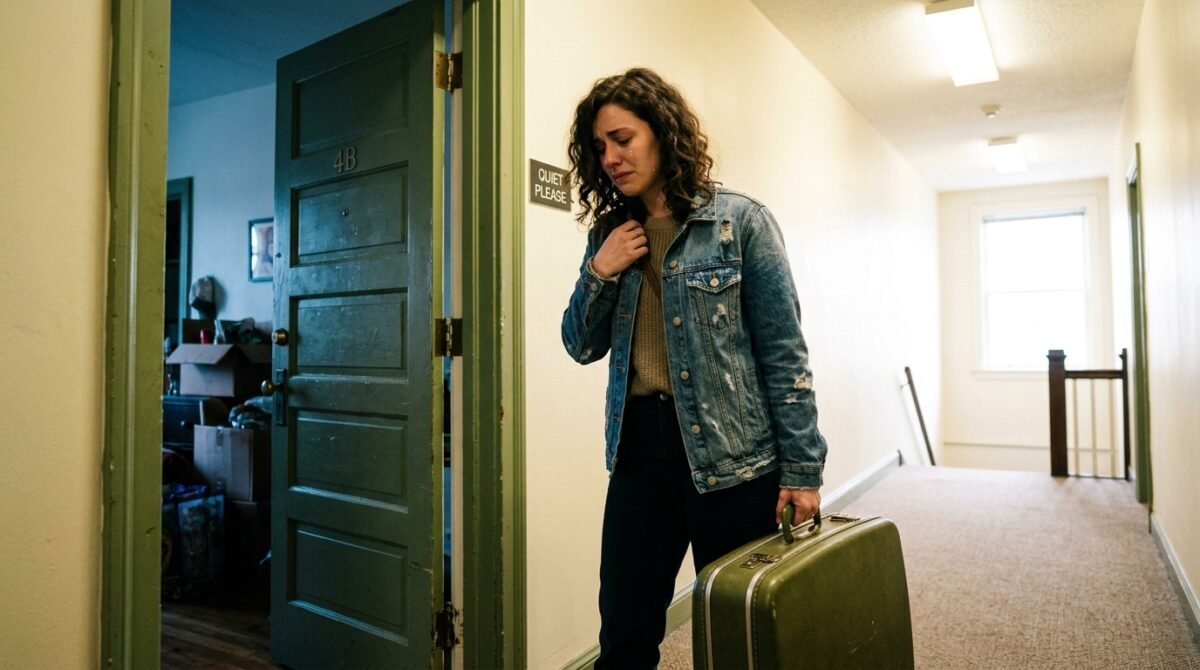
When Greg finally emerged from his room, he looked like he hadn’t slept in days. He walked into the kitchen, holding the printouts I had left. He didn’t look angry anymore; he looked defeated. He walked up to the counter and dropped the papers, his hand trembling slightly. He looked at me, and for the first time, there was a flicker of regret in his eyes. But it was too little, too late. The damage was done, not just to our living arrangement, but to the trust that had once existed.
“You think you’re so smart, don’t you? You think you’re better than me because you play by the rules. You’re just a coward who couldn’t handle a little extra money.”
I looked him in the eye and didn’t blink. I told him that this wasn’t about money; it was about respect. It was about the fact that he had stolen from me, lied to my face, and endangered my living situation. I told him that I hadn’t just ‘played by the rules’; I had used them to dismantle his fragile little world. I told him that if he wasn’t out by the end of the weekend, I would show the building manager everything—not just the parking logs, but the full extent of his scams.
He went quiet. He knew I had the leverage. He didn’t argue. He didn’t try to justify his actions. He just nodded, turned around, and walked back to his room. The silence that followed was heavy, but it was the silence of a resolution. He started packing in earnest, the sound of cardboard boxes being taped shut echoing through the halls. It was the sound of a chapter finally coming to a close.
I spent the rest of the night cleaning, scrubbing away the remnants of his influence. I felt a sense of relief wash over me, a weight lifted from my shoulders that I hadn’t realized I was carrying. The apartment felt like my own again. I realized that sometimes, you have to hit rock bottom to realize that the people you live with don’t deserve your trust or your space. It was a hard lesson, but a necessary one.
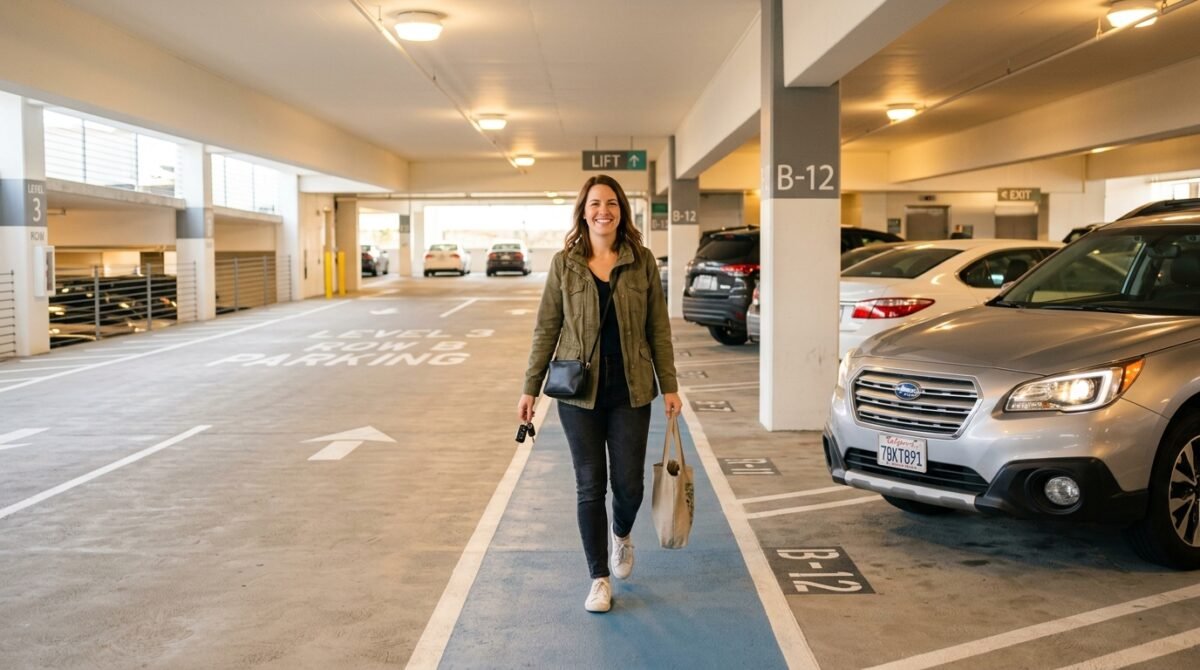
The next morning, he left. He didn’t say goodbye, and I didn’t offer one. He left his keys on the counter, and I watched from the window as he loaded his car and drove away. The spot in the garage was empty, and for the first time in months, I didn’t have to worry about who was sitting in it. It was mine, and it was peaceful. I realized then that sometimes, the most effective way to deal with a bully is to simply stop playing their game.
The Aftermath and the Online Verdict

Once Greg was gone, I felt a strange urge to share the story. Not to brag, but because I wanted to see if I was in the wrong. I posted the story to a popular subreddit, keeping the details anonymous. I expected a mix of responses, but the sheer volume of support was overwhelming. People were shocked, not just by Greg’s actions, but by the level of calculated revenge I had executed. The debate raged for days, with thousands of comments dissecting every move I made.
“NTA. Your roommate literally tried to monetize your property behind your back. That’s not a business; that’s theft. The towing was just returning the favor to the clients who were complicit in his scam.”
— u/JusticeSeeker (Top Comment, 32.4k upvotes)
Some people argued that I should have handled it differently, that I should have confronted him earlier or involved the landlord sooner. But the majority agreed that once someone crosses the line of personal theft, the rules of engagement change. The validation was comforting, but it also made me realize how common this kind of behavior really is. People are constantly looking for ways to exploit others, and it’s easy to lose sight of boundaries when you’re just trying to keep the peace.
I learned a lot about myself during this ordeal. I learned that I’m capable of being ruthless when my boundaries are violated. I learned that I don’t need to apologize for protecting my own interests. Most importantly, I learned that trust is a fragile thing, and once it’s broken, it’s rarely worth the effort to fix. I moved on, and so did he. I heard through the grapevine that he tried the same thing in his next apartment and got evicted within a month. Some people never learn.
I also realized that I needed to be more careful with who I shared my space with. I started looking for roommates with a different set of values—people who understand that a living arrangement is a partnership, not a profit center. It’s been six months since Greg left, and I haven’t had a single issue with my parking spot. It’s quiet, it’s empty, and it’s mine. And honestly? That’s all I ever wanted.
The ordeal left me with a permanent cynicism, but also a newfound confidence in my ability to handle conflict. I don’t shy away from difficult conversations anymore, and I don’t let people walk all over me. If there’s a lesson to be learned here, it’s that your boundaries are only as strong as you make them. And sometimes, you have to be the one to draw the line in the sand—or in this case, in the parking garage.
The Financial Breakdown of the Scam

To truly understand the audacity of Greg’s actions, it helps to look at the numbers. He was charging twenty-five dollars a night, seven nights a week, for a spot that cost me nearly two hundred dollars a month as part of my rent. He was essentially making over seven hundred dollars a month off my lease. He was profit-margin high while I was eating the cost of the facility. It was a textbook case of financial exploitation.
| Source | Monthly Cost | Monthly Profit |
|---|---|---|
| My Rent (Premium) | $200 | $0 |
| Greg’s Rent | $150 (Discounted) | $750 (Estimated) |
| Net Benefit to Greg | $N/A | $600+ |
The impact of this wasn’t just financial. It was the time I spent searching for parking, the stress of dealing with the management, and the constant feeling of being taken advantage of. When you add up the hours of lost sleep and the emotional toll, the twenty-five dollars a night looks even worse. It was a betrayal of my trust that cost far more than a simple parking spot.
I calculated the total amount he likely made in the three months he was running this scheme. It was easily over two thousand dollars. That’s two thousand dollars of my money that he basically funneled into his own pocket. I’ve thought about taking him to small claims court, but honestly? It’s not worth the time. The satisfaction of watching him get evicted and having his reputation ruined was worth more than the money.
I’ve kept the receipts, the screenshots, and the tow records as a reminder. It’s a physical manifestation of a lesson learned. Every time I see a parking sign, I’m reminded of the time I had to reclaim my own property from someone I once considered a friend. It’s a bitter pill to swallow, but it’s a necessary part of the process of moving on. I’m a better person for it, and more importantly, I’m a more guarded one.
If you’re ever in a situation where your roommate is taking advantage of your kindness, don’t wait. Don’t be the person who lets it slide for months. Document everything, protect your interests, and don’t be afraid to take action. You aren’t being mean; you’re being responsible. You’re the one who pays the bills, and you’re the one who sets the rules. Never let anyone forget that.
Reflecting on the Ethics of Revenge

Some people might call what I did ‘petty.’ They might say I should have handled it like an adult, talked it out, or gone to a mediator. But those people haven’t lived with someone who smiles to your face while stealing from you behind your back. There comes a point where the traditional methods of conflict resolution fail, and you have to use the tools at your disposal to force a change. I didn’t want revenge for the sake of it; I wanted a result.
The ethics of the situation are complicated. Was I right to use the towing service as a weapon? Perhaps not. But was I wrong to protect my property? Absolutely not. I was in a situation where my roommate had abandoned the social contract of our living arrangement. He made his choices, and he had to live with the consequences. I simply facilitated those consequences. It wasn’t about being ‘right’; it was about being effective.
I’ve thought a lot about the people who were towed. I felt a tiny bit of sympathy for them, but they were also participating in a scheme that they knew was likely unauthorized. The building had clear signs, and they were parking in a spot that clearly stated ‘Reserved.’ They took the risk to save a few bucks, and they paid the price. It was a lesson in the dangers of cheap, unauthorized services.
Looking back, I don’t regret a single thing. I stood my ground, I protected my property, and I rid my life of a toxic influence. If that makes me ‘petty,’ so be it. I’d rather be petty and peaceful than a victim and miserable. The lesson here is that when someone treats your home like a commodity, you have the right to show them the door.
The experience has made me much more selective about the people I allow into my life. I’ve realized that character is revealed in the small moments—the way someone treats a waiter, the way they handle a shared bill, and the way they respect your space. If you see the red flags early, don’t wait for them to turn into full-blown fires. Address them immediately, and if they don’t change, get out. It’s the only way to keep your peace.
Lessons for Future Roommates
If you’re reading this and you’re currently in a roommate situation that feels ‘off,’ pay attention to your gut. Don’t let your desire to avoid conflict override your common sense. If someone is crossing boundaries, it’s rarely a one-time thing. It’s a pattern of behavior, and it will only get worse if you don’t address it. Start by having a clear, written agreement for everything—chores, expenses, and usage of shared spaces.
I wish I had been more explicit about the parking spot from the beginning. Even though it was mine by lease, I should have made it clear that it was off-limits. I thought it was obvious, but in the world of roommate dynamics, nothing is obvious. Assume that if you don’t say it, they might try to exploit it. It’s better to have an awkward conversation up front than a disastrous one later.
Also, don’t be afraid to use the resources you have. Whether it’s building management, legal support, or just a trusted friend to talk to, make sure you’re not alone in your struggle. The isolation is the hardest part. When you feel like you’re the only one who knows what’s going on, it’s easy to feel like you’re the problem. But you’re not. You’re just a person trying to live your life in peace.
Finally, remember that you don’t owe anyone your patience, especially when they’ve proven they don’t deserve it. You aren’t responsible for their happiness, and you aren’t responsible for their mistakes. If they choose to be a bad roommate, that’s on them. Don’t let their choices define your worth or your happiness. You deserve to live in a home where you feel respected and secure.
I’m finally in a place where I feel at home. It took a lot of work and a lot of stress, but it was worth it. I’ve learned that the most important thing you can have in your life is your own sense of security. Don’t trade it for anything, and don’t let anyone else take it from you. Your home is your sanctuary—keep it that way.
Community Perspectives and Final Thoughts
The response to my story has been truly eye-opening. I’ve received messages from people all over the world sharing their own roommate horror stories. It turns out, my experience wasn’t just a unique anomaly; it’s a universal problem. From unpaid rent to stolen property, the stories are endless. It’s clear that we need to have more honest conversations about what it means to be a good roommate.
“Honestly, the best revenge is living well. You got rid of a toxic roommate and you still have your parking spot. That’s a win in my book. Don’t listen to the haters; they’d do the same thing in your shoes.”
— u/SupportiveFriend (15.2k upvotes)
I’ve also received some criticism, which I’ve tried to take to heart. Some people think I should have been more direct, and they’re probably right. But I think about the situation and I know that a direct conversation wouldn’t have worked. Greg wasn’t someone who responded to logic or empathy; he responded to leverage. And I used the leverage I had. It wasn’t the ‘nice’ way, but it was the only way that worked.
I want to thank everyone who took the time to read my story and share their thoughts. It’s been a cathartic experience to put it all down, and I feel like I’ve finally closed this chapter. I’m moving on to better things, and I hope you are too. If you’re ever feeling overwhelmed by a roommate situation, just remember: you have the power to change your circumstances. You don’t have to be a victim.
So, where do we go from here? Maybe it’s time to start a conversation about what we can do to prevent these situations. Maybe we need better resources for renters, or just more awareness about the importance of mutual respect. Whatever it is, I’m ready to contribute to the discussion. And in the meantime, I’m going to enjoy my parking spot—every single day.
Thank you for listening. It’s been a long, wild ride, and I’m glad I could share it with you all. Now, if you’ll excuse me, I have a very peaceful parking space to get to. Life is too short to let the Gregs of the world win. Stay strong, keep your boundaries, and never, ever let someone else take what’s yours.
Conclusion
In the end, this experience wasn’t just about a parking spot; it was a profound lesson in the necessity of boundaries and the courage to enforce them. We often hesitate to stand up for ourselves because we fear being labeled as ‘the difficult one’ or ‘the petty one,’ but when someone turns your personal life into an unauthorized business, the rules of polite engagement no longer apply. I reclaimed my peace, my property, and my dignity, and in doing so, I learned that I am far more resilient than I ever gave myself credit for.
The debate in the comments section has been incredibly diverse, with some calling me a master of petty revenge and others questioning if the towing path was too extreme. It highlights just how polarized we can be when it comes to the intersection of property rights and interpersonal conflict. I’d love to hear your thoughts on this—was I justified, or did I cross the line into becoming the villain of the story? Cast your vote below and share your own experiences with toxic roommates in the comments.
Community Poll: Was I Justified in My Actions?
- Yes, protect your property at all costs!
- No, the towing was too extreme and petty.
- Somewhere in the middle—I would have talked it out more.
What's your verdict on this dilemma?
Vote below to contribute to the official community consensus.

Have a Dilemma Keeping You Up at Night?
Share your real-life feud, wedding chaos, or relationship crossroads anonymously with our editorial team.
What do you think ?
0 Comments🛡️ Comments are moderated to protect community integrity. Your comment will appear once approved by the editorial team.