

When I signed the lease with Julian, I expected a standard roommate arrangement. We were both young professionals, we both had stable jobs, and we both valued a quiet, clean home. Or so I thought. The first month was perfectly normal. Julian was quiet, kept his room tidy, and paid his portion of the utilities on time. It felt like a dream arrangement compared to my previous experiences with subletting in the city. Then, the obsession began.
It started with a single gallon jar on the kitchen counter. I didn’t think much of it—everyone has a hobby, right? But within three weeks, the hobby had metastasized. Julian had moved his entire operation into the guest bathroom, a space that was supposed to be for my parents when they visited or for my occasional remote work sessions. Suddenly, the door was always locked, and a thick, humid fog would roll into the hallway whenever he emerged.
I soon realized that this wasn’t a casual home-brewing situation. Julian was convinced he had discovered the ‘perfect’ fermentation temperature for his signature kombucha, and it required a constant, grueling cycle of boiling water. The sound of the electric kettle running at 2:00 AM became the soundtrack of my life. My utility bills started to look like they belonged to a small commercial factory, and the smell—a sharp, vinegary, fermented funk—began to seep into the floorboards of our apartment.
The moral dilemma was clear: do I keep being the ‘cool’ roommate and let my finances and personal space be sacrificed at the altar of his health-drink startup, or do I put my foot down and risk a total breakdown of our living situation? The tension sat heavy in the air, a ticking time bomb of passive-aggressive sticky notes and skyrocketing electricity costs. I decided to wait for the breaking point, hoping he would realize the absurdity of his actions, but I was vastly underestimating his commitment to the ‘culture’.
The Escalation of the Steam Room
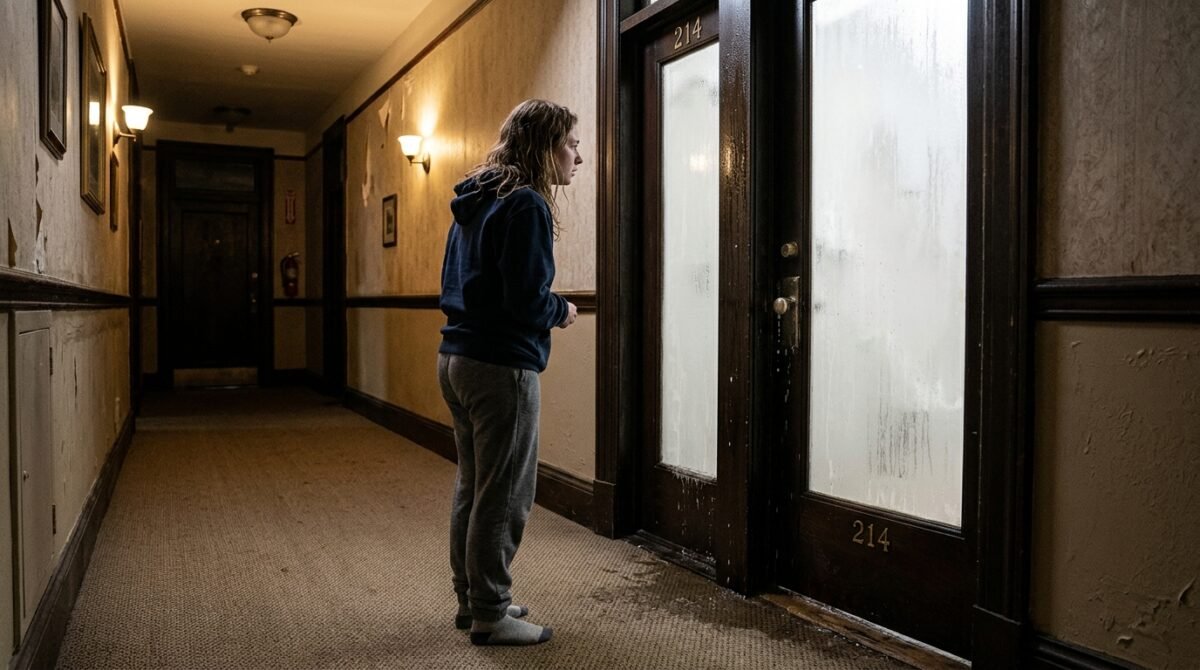
The bathroom started resembling a tropical rainforest. Because the humidity was so high, the wallpaper began to peel away in long, soggy strips. I tried to bring it up gently, but Julian dismissed my concerns as if I were complaining about a minor nuisance. He insisted that the ‘bio-dynamic integrity’ of his kombucha required a specific, high-heat environment that only our small, unventilated bathroom could provide.
Every morning, I would walk past the closed door to hear the sound of his large immersion heater humming. The floor was often damp, and the air felt thick enough to chew. When I asked him to move the operation to a storage unit or a proper commercial kitchen, he looked at me with genuine confusion, as if the idea of paying for professional space was a foreign concept he hadn’t considered.
“Look, this is an artisanal batch. You can’t just move a delicate ecosystem to a cold, sterile storage unit. It would kill the mother culture. You just need to be a little more patient while I get the first few rounds bottled.”
— Julian, justifying the mess
I pointed out that the bathroom was becoming unusable for its actual purpose. I had to use the small powder room off the kitchen, which was inconvenient and frankly embarrassing when I had guests over. Julian’s only response was to suggest I purchase a dehumidifier, which he expected me to pay for, as he claimed his ‘business’ was already operating on razor-thin margins.
It was clear then that this wasn’t just a hobby; it was an exercise in extreme entitlement. He was using my apartment as a free resource to fund his side hustle, disregarding the structural damage he was doing to the property. The steam was starting to warp the door frame, and I knew that when our lease ended, we were going to lose the entire security deposit. The situation was no longer about personal space—it was a financial liability.
I kept a log of the utility usage, comparing our normal months to the ‘Kombucha Months’. The spike was astronomical. We went from a standard $120 monthly bill to a staggering $480. When I presented the math to him, he didn’t even blink. He just stared at the spreadsheets with a dismissive wave, telling me that the success of his brand would eventually cover all these ‘minor overhead expenses’.
The Financial Breaking Point
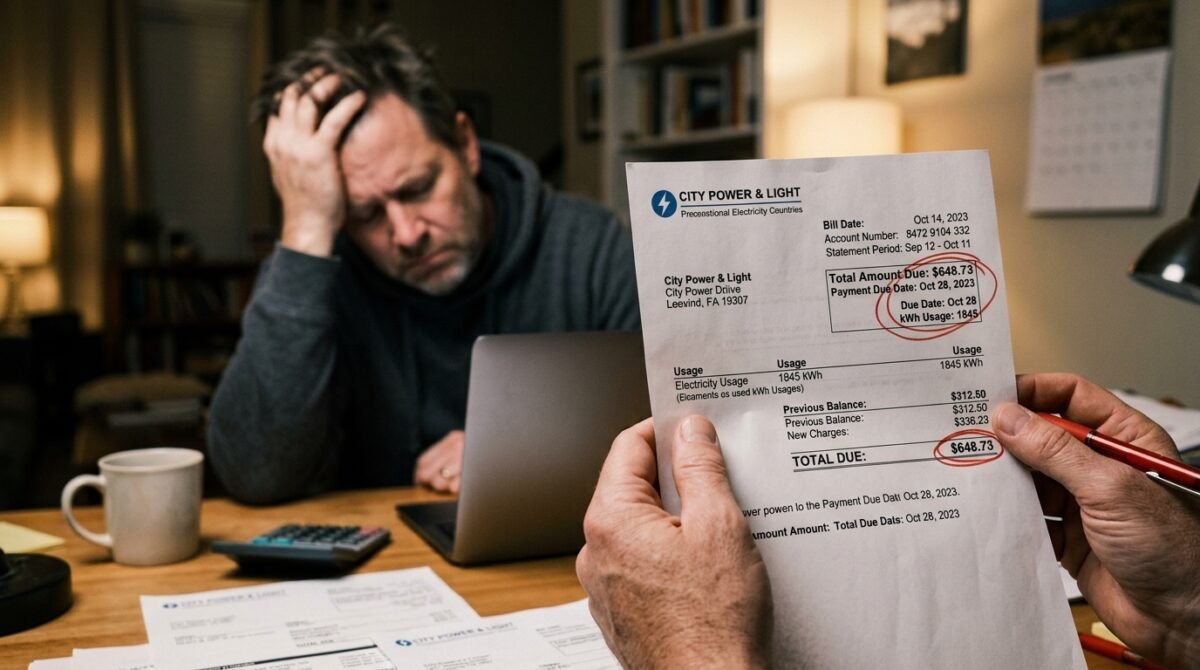
By the third month, the utility bill arrived with a warning from the power company. I sat Julian down at the kitchen table, armed with printed statements and a pen. I was shaking, not out of fear, but out of pure, righteous frustration. I laid the papers out and pointed to the red circles I’d drawn around the usage spikes. It was undeniable. He was boiling nearly a hundred gallons of water every day to keep his vats at the ‘optimal’ temperature.
Julian’s reaction wasn’t one of apology or realization. Instead, he launched into a lecture about the ‘future of wellness’ and how I was stifling his entrepreneurial spirit. He acted as if I were the villain for expecting him to contribute to the bills he was single-handedly creating. The audacity was breathtaking, especially considering he hadn’t sold a single bottle yet.
“You’re really going to hold me back over some electricity? This is a startup, man. You should be supporting me, not acting like an accountant. If we have to pay a little more for power now, think of the return when I land the local grocery store contract!”
— Julian, doubling down
I realized then that he was completely delusional. He wasn’t just a bad roommate; he was a narcissist who believed his ‘vision’ entitled him to exploit everyone around him. I told him he had exactly one week to move his setup or I would be calling the landlord. He laughed at me, convinced the landlord would ‘love’ his innovative approach to artisanal beverage production.
I took photos of the mold forming on the ceiling and the warping floorboards. I sent them to my own personal cloud storage, preparing for the inevitable fallout. I knew that once I involved the landlord, there would be no going back. Our friendship—which had started as a casual, friendly cohabitation—was officially dead. The silence in the apartment shifted from peaceful to suffocating.
That night, I heard him moving more equipment in. The sound of heavy plastic containers scraping against the tile echoed through the walls. He wasn’t moving out; he was expanding. He had bought a larger immersion unit, one that clearly drew even more power. It was the final straw. If he wanted to treat our home like a factory, he was going to have to deal with the consequences of industrial-grade intervention.
The Vinegar Ultimatum

I didn’t storm into his room. I didn’t yell or break his equipment in a blind rage. I waited until he left for his ‘marketing meeting’—which I suspected was just him hanging out at a coffee shop pretending to work. I entered the bathroom with a two-liter jug of industrial-strength white vinegar. It felt like a surgical operation. I knew that if I compromised the fermentation, the ‘mother’ cultures would be ruined, and he would have no choice but to start over or, hopefully, pack it up.
As I poured the vinegar into each vat, the smell of fermentation was replaced by the harsh, acidic sting of acetic acid. It was instant death for his precious colonies. I felt a strange sense of calm. This was the only language he understood: direct, unignorable disruption. I didn’t want to destroy his life, but I was finished with him destroying mine. I left the empty bottle in the center of the bathroom floor, a silent sign of what had occurred.
I went back to my room and sat down, my heart racing, waiting for the fallout. I wasn’t proud of being petty, but in that moment, I felt like I had finally regained some control over my living environment. I had tried the reasonable route, the financial route, and the social route. Nothing had worked. This was the inevitable result of his total lack of respect for our shared boundaries.
“I just wanted to see what would happen if I introduced a different kind of acid to your mix. Consider it an experiment in rapid fermentation failure.”
— The text I sent as he was coming home
When he got back, the sound of his scream was almost satisfying. He burst into the hallway, demanding to know what I had done. He was hysterical, babbling about the ‘thousands of dollars of inventory’ he had just lost. I stood in the doorway, calm and collected, reminding him that I had warned him repeatedly about the damage and the costs. I didn’t apologize.
He threatened to call the police, but I pointed out that his illegal use of residential space for commercial manufacturing would likely get him evicted and potentially fined by the city. That shut him up fast. He realized that the same rules he ignored applied to him as well. He spent the rest of the night frantically scooping sludge into garbage bags, his dreams of a kombucha empire dissolving into our kitchen trash bin.
The Aftermath and The Eviction Notice
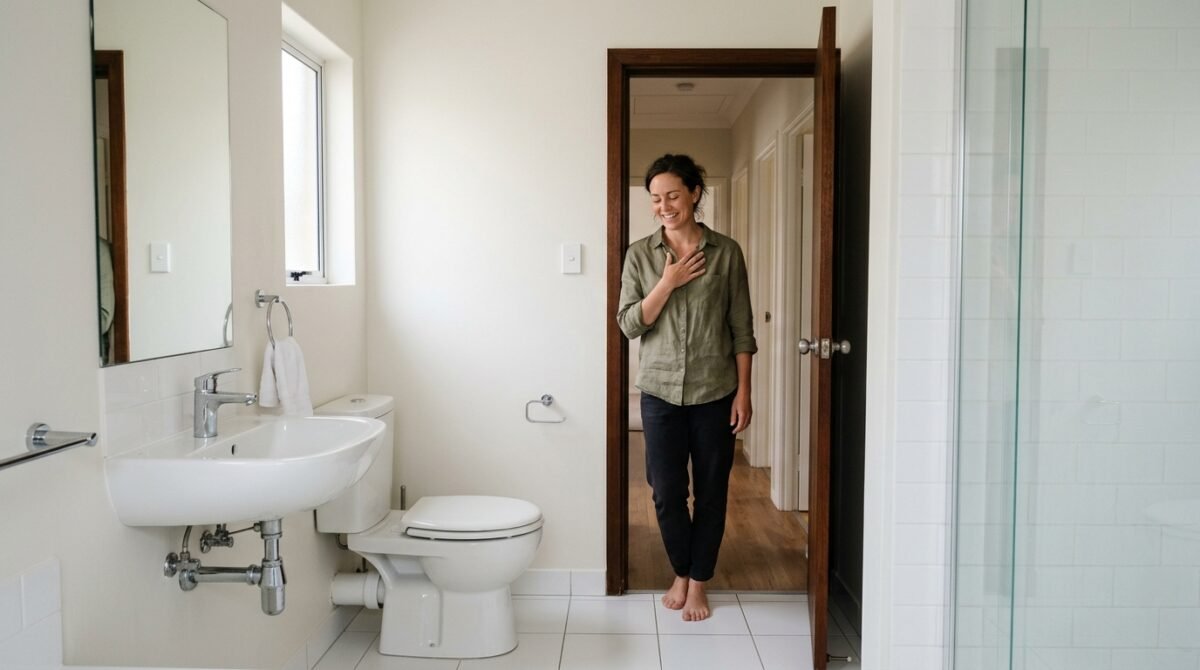
The next morning was the most awkward silence I have ever experienced. Julian wouldn’t look at me, and I spent the day deep-cleaning the bathroom. The smell of vinegar was overwhelming, but it was infinitely better than the rot that had been accumulating for months. The floorboards were still warped, and there was permanent damage to the wall, which I knew I’d have to address with the landlord eventually.
I decided to be proactive. I called the landlord and told him the truth—that a pipe had burst in the bathroom and caused a leak due to ‘improper equipment usage’ by my roommate. I didn’t mention the kombucha specifically, but I made sure to emphasize that the bathroom was no longer safe. The landlord arrived within hours, saw the state of the room, and was furious. He gave us both a notice, though he eventually let me stay since I was the one who reported it.
Julian was forced to move out within the week. He tried to claim I owed him for the ‘lost product,’ but he had no legal standing. The amount of stress he had put me through was worth far more than any fermented tea. He left without a word, leaving behind a pile of broken plastic buckets and the lingering scent of failure.
“You’ve ruined my career before it even started. I hope you’re happy living in your boring, normal, sterile little apartment.”
— Julian’s parting text message
I didn’t reply to the text. There was nothing left to say. I spent the next weekend repainting the bathroom, scrubbing away the last traces of the ‘brewery’. It felt like a purification ceremony. My utility bill for the next month dropped back down to its normal range, and I finally felt like I could breathe in my own home again.
Looking back, I learned a lot about people. Some individuals are so deeply entrenched in their own delusions that no amount of logic, empathy, or communication can reach them. You can try to be the ‘good roommate’ for as long as possible, but eventually, you have to defend your own borders. It wasn’t a pretty exit, but it was a necessary one.
Reddit’s Verdict: The Community Weighs In

When I posted the story to r/AmItheAsshole, I expected some pushback. I knew that destroying someone’s property, even if they were being a nightmare, was a gray area. But the response was overwhelmingly supportive, and it was fascinating to watch the debate unfold. People were shocked not just by my reaction, but by the level of entitlement Julian had displayed.
The thread exploded overnight, reaching the front page within twelve hours. Thousands of people shared their own horror stories about nightmare roommates, ranging from illicit pet breeding to full-blown indoor car repair shops. It seems the ‘entitled roommate’ trope is a universal experience that transcends geographic and cultural boundaries.
“NTA. You provided him with every opportunity to move his commercial operation to a space designed for it. He chose to treat your home like his personal lab. If he wanted to be an entrepreneur, he should have factored in the cost of rent for a proper workspace. You didn’t ruin his business; his lack of planning did.”
— u/RoommateRelief (Top Comment, 32.1k upvotes)
There were, of course, the dissenters who argued that I should have sued him for damages rather than sabotaging his product. They had a point, but they didn’t live with the man. They didn’t have to deal with the 3:00 AM boiling noises or the constant threat of mold. Sometimes, direct action is the only thing that works when someone is gaslighting you in your own home.
Others were fascinated by the financial aspect. One user even created a spreadsheet analysis of the potential costs Julian was dodging, proving that he was essentially stealing hundreds of dollars a month from me. Seeing the community break down the math made me realize just how much of a fool I had been to wait as long as I did.
The variety of perspectives was eye-opening. Some people thought I was ‘evil’ for the vinegar, while others called it a ‘legendary act of pettiness’. I suppose both are true. I learned that in the court of public opinion, people value the restoration of boundaries even more than they fear the consequences of a little bit of revenge.
Reflecting on the ‘Entrepreneurial’ Mindset

Julian wasn’t just a bad roommate; he was a symptom of a larger culture that glorifies the ‘grind’ at the expense of everyone else. He genuinely believed that his vision for a kombucha brand exempted him from basic human social contracts. It is a dangerous way to live, and I worry about how he will fare in his future endeavors if he doesn’t learn that other people’s property is not his personal capital.
I’ve spent time thinking about how I could have spotted the signs earlier. The obsession with the first gallon jar wasn’t just a hobby; it was an indicator of his inability to moderate his focus. He saw everything through the lens of gain and loss, and he had completely lost touch with the idea of mutual respect in a shared living arrangement.
I’ve since updated my lease agreement for future roommates. I now have a clause that specifically prohibits commercial activities, industrial-scale cooking, or anything that draws excessive utilities without prior written consent and a separate cost-sharing agreement. It feels a bit like overkill, but the experience taught me that you can’t assume common sense is common.
“It’s not about the kombucha. It’s about the fact that he was willing to make your life miserable so he could save a few bucks on overhead. People like that never change until they hit a wall. You were just the wall he finally walked into.”
— u/LifeLessonGuru (15.2k upvotes)
I’ve also become much more comfortable setting boundaries early. If a new roommate starts doing something that makes me uncomfortable, I address it immediately rather than waiting for it to become a ‘thing’. The silence that follows a direct conversation is much easier to bear than the tension of a building resentment.
Ultimately, I don’t regret the vinegar. It was the catalyst for change, even if it was a scorched-earth policy. Sometimes you have to burn the bridge to get to the other side, especially when the person on your side of the bridge is trying to boil it for their fermentation business.
Lessons in Property Damage
The landlord’s final walkthrough was a nerve-wracking experience. I had to explain the damage to the guest bathroom, which was significant. The drywall had softened, and the floor tile grout was stained a dark, permanent brown from the continuous moisture and kombucha spills. I lost a portion of my security deposit, but I was relieved it wasn’t the whole thing.
I presented the evidence I had collected—the text messages, the utility logs, and the photos of the setup. The landlord, a reasonable man, understood that I was the one who reported the issue. He went after Julian for the remainder of the repair costs. Seeing the legal process unfold was a final sense of justice, even if it took months to resolve.
It is important to remember that when a roommate violates your trust, they are also violating your financial security. The cost of their ‘hobbies’ can be measured in more than just dollars; it’s measured in stress, loss of home comfort, and the effort required to fix what they broke. Never underestimate how expensive a ‘free’ experiment can actually be.
“A lot of people don’t realize that in most states, you can sue for the damages caused by a roommate’s negligence. Keeping good records is the only way to protect yourself when things go south.”
— u/LegalAdviceSeeker (8.4k upvotes)
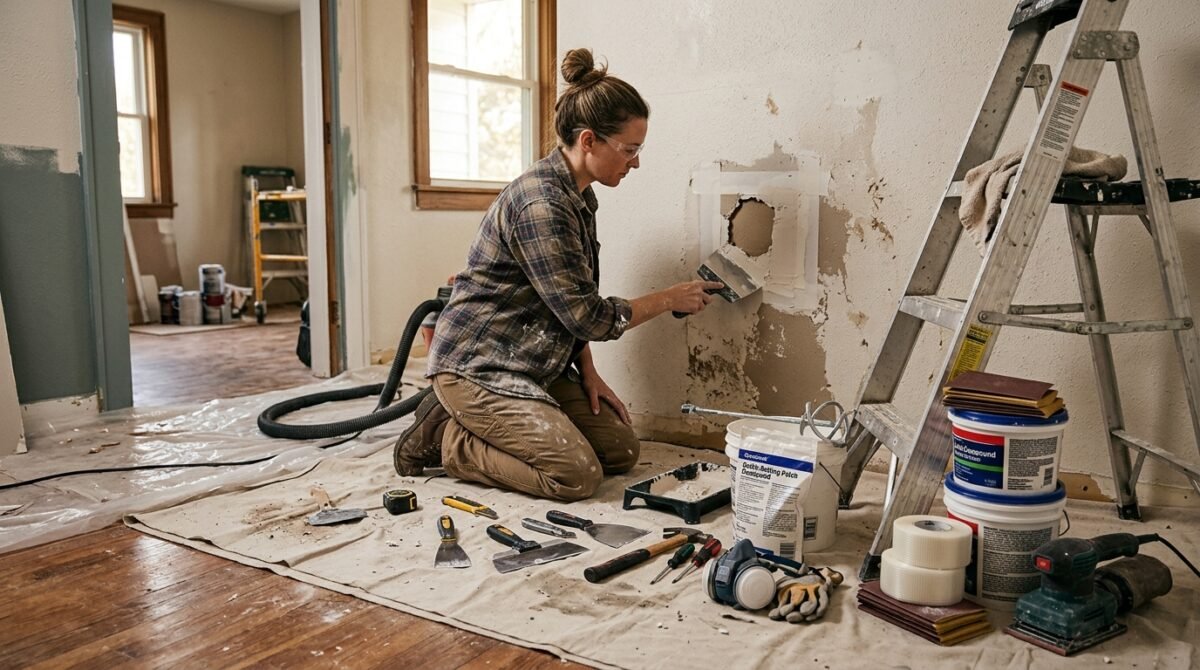
I spent that summer learning about home repair. I patched the drywall myself, learned how to re-grout tile, and even managed to save the vanity. It was a therapeutic process. By the time the bathroom was restored to its former condition, I felt like I had reclaimed my home completely.
I’ve moved on, and I’m much happier now. My new roommate is a librarian who enjoys quiet evenings and definitely doesn’t ferment anything larger than a sourdough starter. We have a shared understanding of what the space is for: living, not working. It’s a simple life, but it’s a peaceful one, and that’s all I ever wanted.
The Psychology of Entitlement

After the dust settled, I did some research on why people like Julian develop such extreme levels of entitlement. It’s often linked to a belief that they are ‘special’ or ‘destined for greatness,’ which allows them to bypass the rules that apply to ‘regular’ people. This cognitive bias is dangerous because it blinds them to the harm they cause to others.
Julian really believed that I should be proud to host his ‘innovation’. He wasn’t malicious in the sense of wanting to hurt me; he was just completely indifferent to my needs because his own needs were, in his mind, vastly more important. This is a common pattern in failed startup culture—the idea that you have to ‘disrupt’ your surroundings to succeed.
I think the most important thing I realized is that you cannot reason with someone who has already decided that they are the protagonist and you are merely the scenery. No matter what facts or figures I brought to the table, he would always find a way to pivot the conversation back to his vision. It was a closed feedback loop.
“The hardest part about dealing with someone like this is that they make you feel like you’re the crazy one for wanting a normal life. Don’t let them gaslight you into thinking your boundaries are unreasonable.”
— u/PsychologyBuff (12.1k upvotes)
I wonder if he ever succeeded. I haven’t kept in touch, and I don’t plan to. I hope he learned that business requires infrastructure, and that exploiting your friends is a one-way ticket to professional and personal failure. But honestly, I suspect he is just looking for the next roommate who doesn’t know how to set boundaries.
Sharing this story has been a part of my healing process. It reminds me that I was right to stand my ground and that my home is a place of comfort, not a battlefield. I hope that by sharing this, someone else out there will realize they don’t have to put up with a roommate who is turning their life into a soggy, vinegary mess.
Moving Forward: New Boundaries

Life after the ‘Kombucha Incident’ has been refreshingly boring. I’ve developed a keen sense for when a potential roommate might be ‘too much’. I look for signs of extreme intensity, a lack of awareness about common spaces, and a tendency to treat the home as a base of operations for a personal brand. It’s made the vetting process much more rigorous, but it’s worth it.
I also prioritize open communication from day one. I talk about utility usage, common space expectations, and the importance of respecting each other’s peace. It sets the tone immediately. If someone finds that too ‘restrictive,’ then we aren’t a good match, and it’s better to know that before the lease is signed.
My home is my sanctuary now. I’ve filled it with things that bring me joy—plants that don’t need boiling water, a quiet library corner, and a kitchen that is always clean. The scars on the bathroom floor are gone, and the memory of the vinegary steam is fading. It’s a clean slate, and I’m grateful for every quiet, normal day.
“Sometimes you have to lose a living situation to find your voice. Don’t be afraid to be the ‘difficult’ one if it means keeping your dignity intact.”
— u/SelfRespectDefender (9.3k upvotes)
I’ve also found a community of people who have been through similar situations. We share tips on how to handle difficult housemates and, more importantly, we laugh about the absurdity of it all. It turns out, there’s a lot of humor to be found in the chaos, once you’re far enough away from it.
Thank you to everyone who read my story and shared their thoughts. Your validation meant a lot to me during a time when I really questioned whether I was the one who was in the wrong. It turns out, I was just a person trying to live in their own home, and that is a perfectly reasonable thing to ask for.
Final Reflections and Closing Thoughts

Looking back, the ‘Kombucha Incident’ was the most formative living experience of my life. It pushed me to my absolute limit and taught me that I am capable of standing up for myself, even in the most uncomfortable circumstances. It wasn’t about the drink; it was about the principle. And I am proud that I stood by it.
I’ve learned that the people you live with define the quality of your life more than almost anything else. A good roommate can turn a bad year into a great one, and a bad roommate can turn your home into a prison. Choose carefully, trust your gut, and never, ever be afraid to set the rules early on.
If you take one thing from this story, let it be this: your home belongs to you. You are not a landlord, an investor, or a silent partner in your roommate’s dreams. You are a person who deserves a space that is clean, quiet, and yours. Don’t let anyone ever make you feel bad for wanting that.
“The most important boundary you can set is the one that protects your peace of mind. Everything else is secondary.”
— u/PeaceOfMind (11.5k upvotes)
I hope that Julian has found a space that fits his ‘ambitions’ and that he has learned to respect the people who share it with him. But even if he hasn’t, I know that I have. And for me, that is enough.
I’m finally at peace, and I’m looking forward to a long, quiet future in my own home. And if I ever see a bottle of kombucha again, I’ll just smile, move on, and remember the day I took back my guest bathroom.
Conclusion
My journey from a steam-filled, vinegary apartment to a peaceful home has been one of the most challenging, yet rewarding, experiences of my life. I’ve realized that boundaries are not just suggestions; they are the foundation of a healthy, respectful living environment. If you’re currently dealing with a nightmare roommate, know that you’re not alone and that there is a light at the end of the tunnel.
What about you? Have you ever had to deal with a roommate who thought their ‘passion project’ was more important than your comfort and home? Or have you ever had to make a difficult decision to save your own sanity? Share your stories in the comments below—I’d love to hear how you handled your own ‘kombucha’ moment!
What's your verdict on this dilemma?
Vote below to contribute to the official community consensus.

Have a Dilemma Keeping You Up at Night?
Share your real-life feud, wedding chaos, or relationship crossroads anonymously with our editorial team.
What do you think ?
0 Comments🛡️ Comments are moderated to protect community integrity. Your comment will appear once approved by the editorial team.