
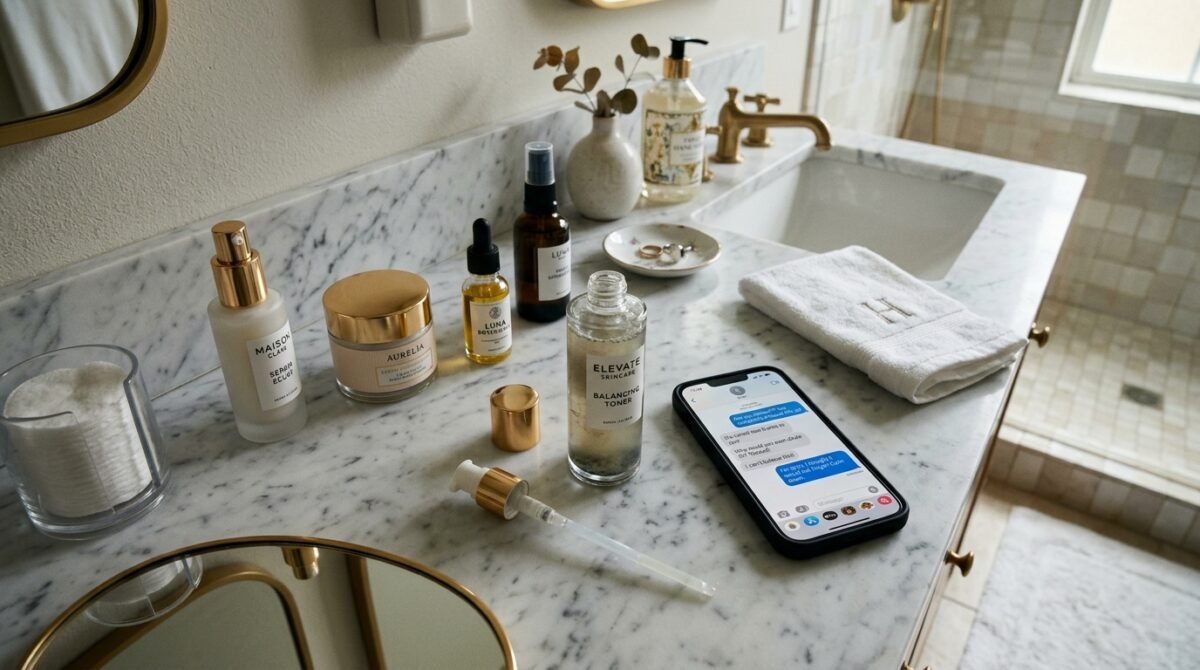
Living with a roommate is often a test of patience, but I never imagined that test would involve a chemistry experiment performed on my face creams. For the past two years, Chloe and I have maintained a ‘cordial’ relationship. We split rent, we share the Wi-Fi, and we occasionally order takeout together. However, there has always been a subtle, creeping sense of entitlement coming from her end—the kind that assumes because we share a roof, we share everything inside it.
The breaking point wasn’t a missed rent payment or a loud party. It was the discovery that my $400 prescription skincare regimen, which I meticulously track for my chronic dermatological condition, had been systematically diluted with tap water. Bottles that should have been viscous, potent, and expensive were suddenly watery, murky, and utterly useless. When I confronted her, the reaction wasn’t one of apology, but of defensive, gaslighting entitlement that suggested I was ‘being dramatic’ about soap.
This isn’t just about the money, though $400 is a significant amount to lose on a whim. It is about the fundamental violation of property and personal health. I had worked three extra shifts to afford that specialized treatment. To have it ruined by someone who couldn’t be bothered to buy their own moisturizer was the final straw in a long history of boundary-crossing behaviors.
In the following sections, I will break down the timeline of this slow-motion disaster, the confrontation that rocked our apartment, and the calculated decision to withhold the damages from her security deposit when she finally moved out. This is a story about the cost of audacity and the reality of what happens when you treat someone else’s property like a free resource.
The Slow Decay of Boundaries
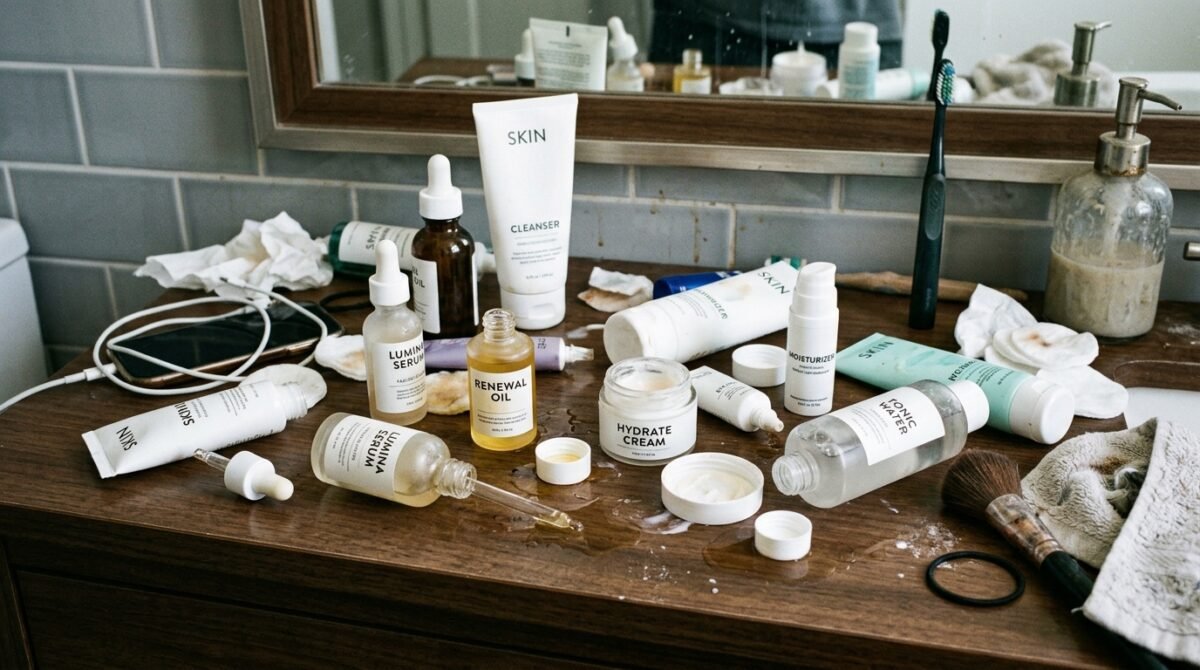
It started small, as these things always do. At first, it was just the ‘borrowing’ of my toothpaste or the occasional swipe of my high-end body wash. I let it slide, chalking it up to the messy, blurred lines of young adulthood. But the behavior began to escalate in ways that felt increasingly personal. My expensive organic coffee beans would disappear, replaced by generic store-brand grounds, and my premium cleaning supplies were used until the containers were bone-dry.
Chloe seemed to operate under the delusion that my income meant my possessions were public domain. I remember vividly the time I found my limited-edition perfume on her vanity. When I asked her about it, she laughed it off, saying, ‘Oh, I thought you wouldn’t mind since we’re friends.’ I had to explicitly draw a line, but the line was treated more like a suggestion than a rule.
The real issue was that Chloe had no concept of the cost of living. She came from a background where things were always provided for her, and she carried that entitlement into our shared space. She didn’t view my belongings as things I worked hard for; she viewed them as amenities included in her rent. This mindset permeated everything, creating a constant, low-level friction that made coming home feel like walking into a minefield of small, annoying betrayals.
The skincare incident was the culmination of this lack of respect. She saw my routine not as a medical necessity, but as a luxury she felt entitled to share. She didn’t realize that by adding water to these specific, PH-balanced formulas, she wasn’t just ‘stretching the product’—she was introducing bacteria and destroying the integrity of the active ingredients I desperately needed for my skin health.
I began to notice the changes in texture during my morning routine. My serum, which usually had a thick, silky consistency, suddenly felt like a watery gel. I thought I was going crazy, or perhaps the product had gone off. It wasn’t until I saw the slight discoloration in the pump bottle that the reality hit me. It was deliberate, and it was constant.
The Discovery of the Diluted Truth
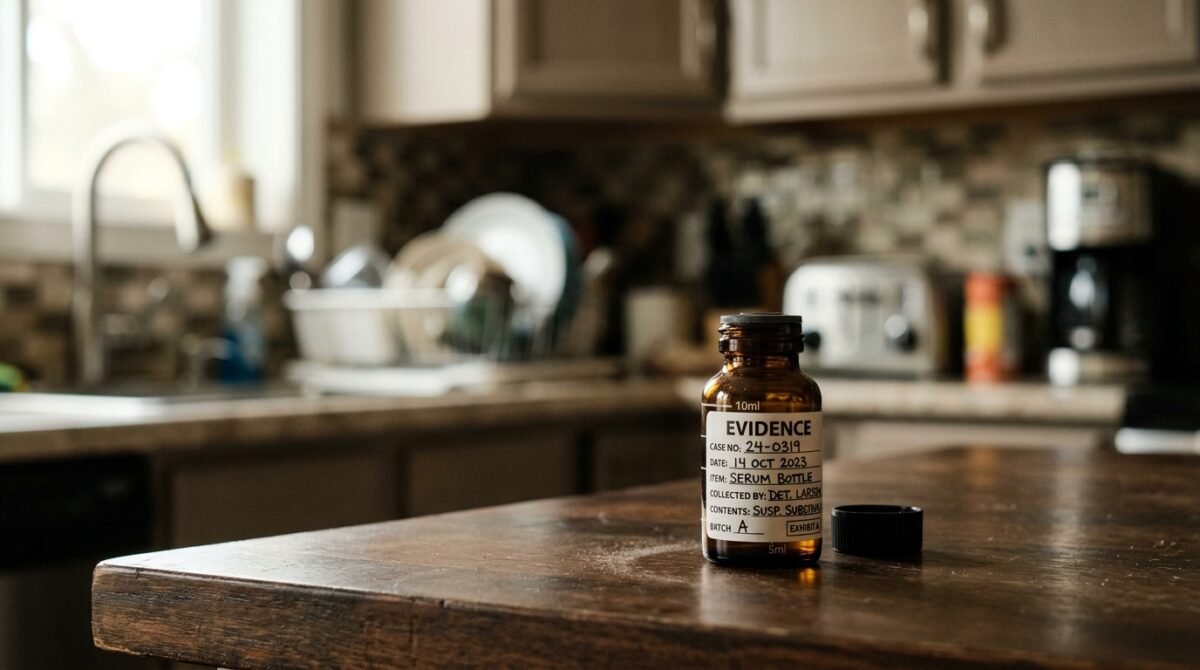
I spent three days trying to convince myself I was imagining it. Maybe the humidity in the bathroom was affecting the pumps? Maybe the brand had changed their formula? I decided to perform a test. I cleaned the pump of my most expensive night serum and wiped down the exterior of the bottle. I then marked the liquid level with a discreet piece of tape.
When I returned home from work the next afternoon, the tape was a full half-inch higher than where I had left it. The contents were clearly different in color—lighter, thinner, and lacking the clinical scent that usually accompanied the product. My stomach turned. I went to the cabinet where I stored my back-ups. Every single seal had been broken.
I didn’t wait for her to get home. I took pictures of the level, the watery consistency, and the broken seals. I laid them out on the kitchen island like evidence in a police procedural. I needed to see if she would have the gall to deny it to my face. The anger was cold and calculated; I had been pushed far past the point of casual roommate frustration.
The financial impact hit me as I tallied it up. The night serum alone was $160. The daily moisturizer was $95, and the specialized toner was $145. That is $400 of my hard-earned money down the drain, literally. She had effectively stolen my health and my finances to save herself a trip to the drugstore, and the sheer audacity of it left me trembling with a mix of fury and disbelief.
When she finally walked through the door, humming to herself, she didn’t even notice the lineup of ruined bottles. She just went to the fridge, grabbed a soda, and started chatting about her day as if everything was normal. I watched her, waiting for the moment to drop the hammer. I realized then that she truly didn’t think she had done anything wrong, which made the upcoming confrontation infinitely more volatile.
The Confrontation in the Kitchen
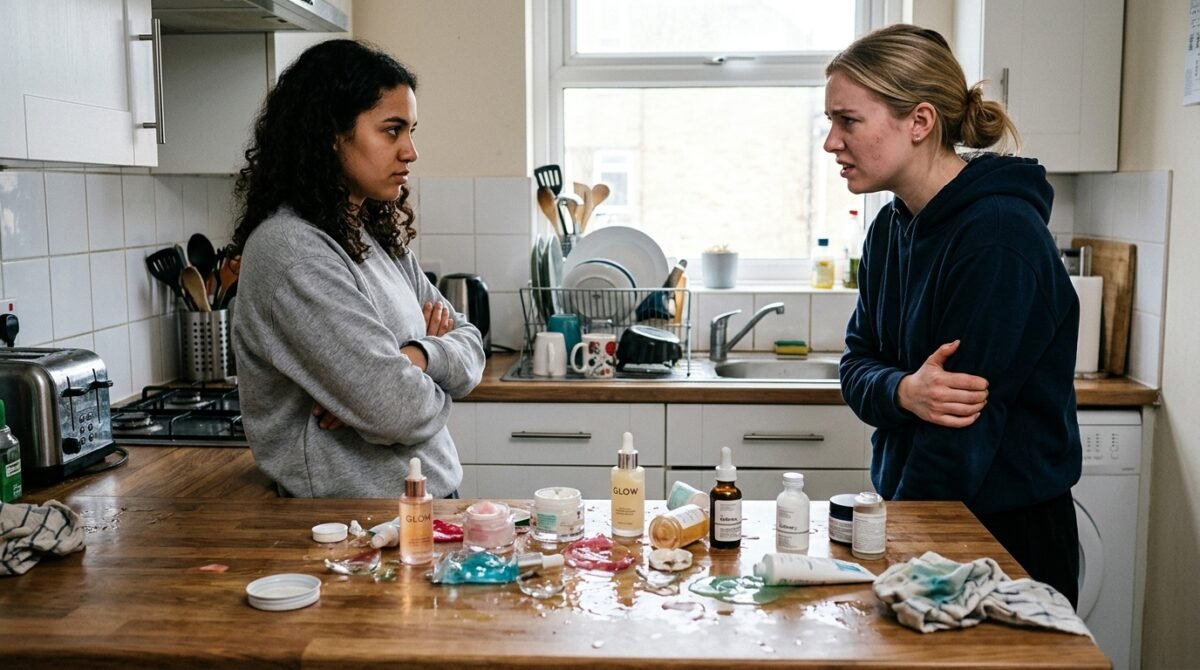
“Chloe, we need to talk about why you’ve been watering down my prescription products. Do you have any idea how much money you just threw away?”
— Me, the moment she walked in
She froze, the soda can halfway to her mouth. She didn’t look remorseful; she looked annoyed that I had interrupted her casual evening. She set the soda down slowly, rolling her eyes as if I were the one acting like a child. ‘Are you serious right now? It’s just soap, get over yourself,’ she retorted, her voice dripping with condescension.
I didn’t let her deflect. I pointed to the bottles on the counter. ‘It’s not just soap. It’s prescription-grade medicine that I need for my skin condition. You diluted it with tap water, which introduced bacteria into the products. You didn’t just use my stuff; you destroyed it. You owe me $400 for what you ruined.’
She laughed—a dry, incredulous sound. ‘I didn’t ruin it, I made it last longer. You have so much of it, you’re clearly rich enough to afford more. Why are you being so petty? It’s a shared apartment, I thought we were friends. Friends share things. You’re making this into a huge deal over nothing.’
The conversation spiraled quickly from there. Every attempt I made to explain the medical necessity and the financial cost was met with a new layer of gaslighting. She tried to claim that because she paid rent, she had ‘rights’ to the common areas and, by extension, anything kept in the bathroom. It was a staggering display of cognitive dissonance that made it clear she would never accept responsibility.
I told her I expected the money by the end of the week. She told me she wouldn’t pay a dime and that I was ‘toxic’ for keeping score. That was the moment the bridge was burned. I realized that keeping the peace was no longer an option; she had chosen to declare war over a bottle of serum, and I was going to finish it on my terms.
The Escalating War of Petty Logistics
Following the fight, the atmosphere in the apartment became toxic. She stopped speaking to me, which was a relief, but she started ‘accidently’ leaving messes in the shared areas and playing music at odd hours. It was a classic, immature retaliation campaign. I ignored it, focusing instead on documenting every single interaction, just in case this went to small claims court.
I stopped leaving anything communal in the kitchen. I bought a small safe for my bathroom toiletries and installed a lock on my bedroom door. The irony of living with someone you have to hide your own possessions from wasn’t lost on me. It felt like living in a prison, but at least my property was secure. She complained loudly to our mutual friends, painting me as a ‘psycho’ who locked things up, conveniently leaving out the part about the $400 in diluted products.
I started keeping a ledger. Every time she used my utility access or left a mess, I made a note of the time and the cost. I knew she was planning to move out at the end of the lease, and I knew that her security deposit was the only leverage I had left. I wasn’t going to let her walk away without settling the debt she created.
Her behavior became increasingly erratic. She would intentionally leave the stove on, or claim that the Wi-Fi wasn’t working and demand I fix it, despite the fact that she was the one who had changed the router settings. It was a game of chicken, and I was determined to be the last one standing. I wasn’t just mad about the money anymore; I was insulted by the lack of human decency.
I kept my cool, which seemed to irritate her even more. I didn’t engage in her petty games; I simply documented them. I knew that when the time came to handle the security deposit, having a paper trail of her disrespectful behavior—and the direct financial loss she caused—would be vital in justifying why I was keeping a portion of the funds.
The Security Deposit Ultimatum
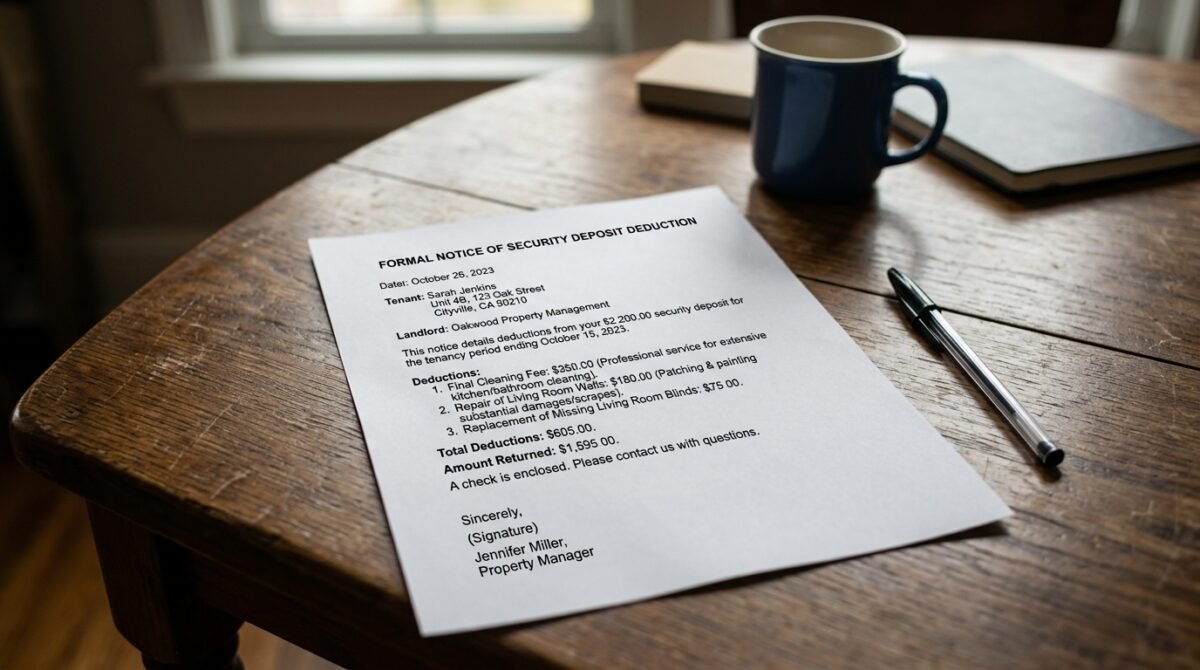
When our lease finally approached its expiration, the conversation turned to the security deposit. She expected the full amount returned, naturally. I informed her that I would be deducting the $400 for the products she destroyed, plus a cleaning fee for the state she was leaving her room in. She blew up, sending a flurry of text messages that I saved immediately.
“You have no right to take my money! That deposit is mine, and if you don’t return the full amount by Friday, I’m calling the landlord and telling them you broke the lease rules!”
— A text message from Chloe
I responded calmly. I had already spoken to the landlord about the situation, providing him with the photos of the diluted products and the receipts. He was surprisingly sympathetic, having dealt with her antics in the past. He confirmed that I was legally within my rights to deduct damages from the deposit if I had proof, and he encouraged me to be firm.
I told her that the photos, the receipts, and the logs of her behavior were already with the landlord. She stopped texting for a few hours, clearly realizing that she had been outplayed. When she finally responded, the tone had shifted from aggressive to desperate. She tried to plead poverty, claiming she needed that money for her new apartment. My answer was simple: she should have thought about that before she decided to play chemist with my things.
It wasn’t about being cruel; it was about holding her accountable for her actions. She had lived her whole life without consequences, and this was the first time she was being forced to pay for her entitlement. The tension in the apartment was suffocating, but I felt a strange sense of calm. I knew I had done the right thing, and I knew that once she was gone, I would finally be able to breathe again.
The Final Move-Out Day

Move-out day was surreal. She packed her things in a flurry of passive-aggressive sighs and slams. She didn’t look at me once. I watched from the living room, ensuring that she didn’t take any of the communal items she had previously ‘borrowed.’ It was a final, necessary boundary enforcement. When she finally dragged her last suitcase out the door, the silence that followed was the most beautiful thing I had ever heard.
I walked through the apartment after she left. It was a mess, but it was *my* mess. The bathroom was empty of her clutter, and the kitchen felt spacious again. I felt like I had finally reclaimed my home. I took a deep breath, knowing that the drama of the last six months had finally come to an end, and that I had successfully navigated it without losing my dignity or my sanity.
I received a final email from the landlord confirming the deposit deduction. He had reviewed my evidence and agreed that the damage to the property (my skincare) was a valid claim against the security deposit under our specific roommate agreement terms. He processed the split, and I was able to recover the $400. It wasn’t about the money anymore; it was about the principle of the matter.
I spent the afternoon cleaning, re-organizing my bathroom, and finally throwing away the last of the diluted, useless products. Replacing them felt like a symbolic victory. I was starting fresh, without the shadow of a toxic presence hanging over my home. The relief was palpable, and I realized that I was stronger than I had given myself credit for.
Community Reaction: The Reddit Verdict
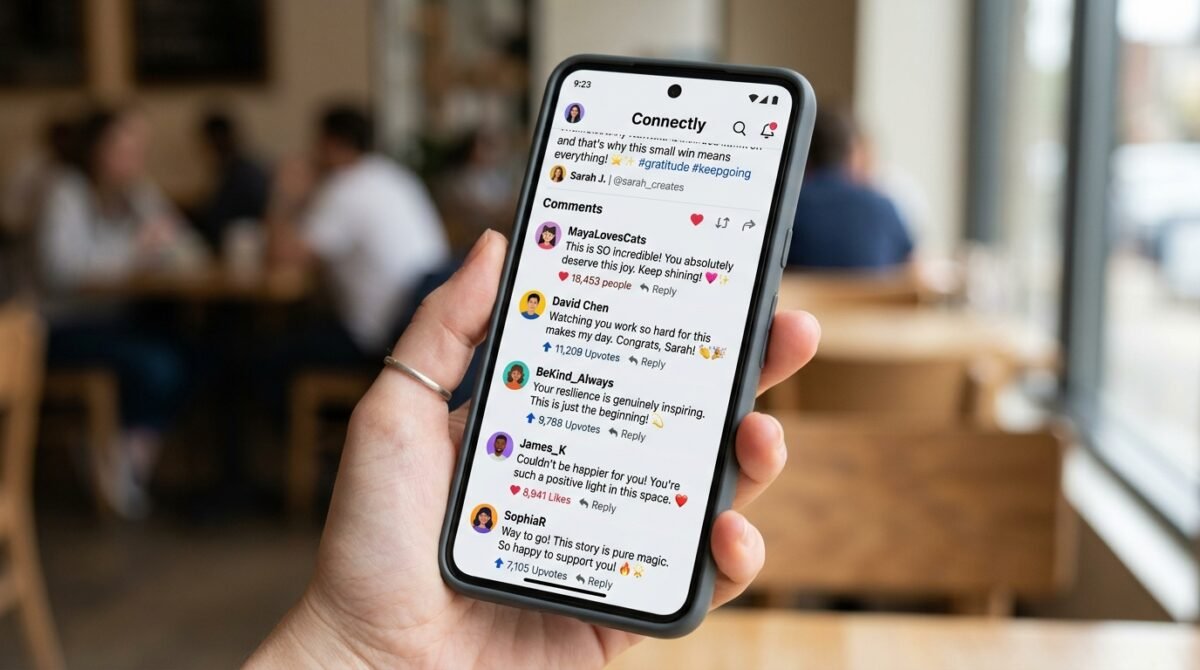
I posted the story on a popular forum to see if I was in the wrong. The response was overwhelming. Thousands of people shared their own horror stories about entitled roommates and validated my decision to hold the security deposit. The consensus was clear: I wasn’t just right; I was perhaps a little too patient.
“NTA. Your roommate didn’t just ‘borrow’ items; she destroyed expensive, medically necessary products. Treating your property like a public resource is a massive breach of trust, and taking the cost out of the deposit is the only way to ensure she faces the consequences of her entitlement.”
— u/ReasonableObserver (Top Comment, 18.2k upvotes)
“The fact that she thought she could just add water and it would be fine is insane. She basically committed property damage, and you’re being incredibly generous by only taking the cost of the products.”
— u/LegalEagleEye (Top Comment, 9.4k upvotes)
Reading these comments was cathartic. For months, I had been gaslit into thinking my reaction was excessive, but the community confirmed that my boundaries were, in fact, entirely reasonable. It was a stark reminder that we often doubt ourselves when dealing with manipulative people, but holding onto the truth—and having evidence—makes all the difference in the world.
There were, of course, a few dissenters who argued that I should have handled it ‘like an adult’ without taking the money, but they were quickly drowned out by the reality of the situation. You cannot reason with someone who does not respect you, and you certainly cannot be expected to pay for someone else’s destructive behavior. I felt vindicated.
Reflecting on the Financial Lesson

Looking back, the $400 was a small price to pay for the lesson I learned. It taught me the importance of having clear, documented agreements even with ‘friends.’ It taught me that when someone shows you who they are—a person who feels entitled to your things—you should believe them the first time. I realized that my own people-pleasing tendencies had allowed this situation to spiral, and I am now much better at saying ‘no’ early on.
I also learned about the power of documentation. If I hadn’t taken those photos, if I hadn’t marked the bottles, if I hadn’t kept a record of our texts, I would have been the one losing money. In a dispute, whoever has the clearest evidence usually wins. It’s a harsh reality, but it’s a necessary one when you’re dealing with someone who isn’t playing by the rules.
I feel a sense of peace now that I didn’t have before. The apartment is quiet, my things are safe, and I know exactly where my boundaries are. I’ve moved on from the situation, and I’ve even started to rebuild my skincare collection, this time with a much more secure storage system. The experience, while painful, helped me grow into a more assertive, protective version of myself.
For those of you dealing with similar situations, don’t wait until it becomes a catastrophe. Set your boundaries early, document everything, and don’t be afraid to take a stand when those boundaries are violated. Your peace of mind is worth more than any social convenience.
The Long-Term Impact of Boundary Crossing

Months later, I occasionally hear through mutual friends that Chloe is still complaining about how ‘unfair’ the situation was. It’s almost funny how she still refuses to see her own role in the disaster. She doesn’t understand that actions have consequences; she still operates in a world where she is the victim, despite the fact that she was the one doing the damaging. This solidified my decision to go no-contact with her.
I’ve realized that people like her don’t really change; they just find new people to take advantage of. I hope her new roommates are more savvy than I was, but I’m no longer responsible for her path. I’ve moved on, and my focus is purely on my own life and my own goals. The drama of the past is just that—the past.
I’ve also become much more selective about who I share my living space with. I prioritize people who respect boundaries, who understand the value of property, and who don’t feel entitled to things that aren’t theirs. It’s a higher standard, but it’s one that has made my life significantly more peaceful and secure.
If you find yourself in a similar situation, remember that your belongings are an extension of your hard work and your health. Don’t let someone else’s entitlement make you feel like you’re the one in the wrong for wanting to keep your things safe. Stand your ground, document the truth, and don’t look back.
What Would You Have Done?

I often wonder if there was another way I could have handled this. Could I have been more direct earlier? Should I have kicked her out the moment I saw the first sign of entitlement? It’s hard to say, but the result was the same—a lesson learned in the hardest way possible. I’m curious to know what the community thinks. Does the ‘share and share alike’ rule apply to everything, or are there lines that should never be crossed?
I think the most important thing I learned is that we define our own worth by the boundaries we set. When we let people walk over us, we signal that our own needs don’t matter. But when we stand up for ourselves, we reclaim our autonomy. It’s a simple lesson, but one that is often hard to put into practice when we’re caught in the middle of a conflict.
I’m grateful for the support I received, and I hope my story helps someone else avoid a similar nightmare. If you take anything away from this, let it be this: your things are yours for a reason. Protect them, value them, and don’t let anyone make you feel bad for doing so. Your peace is the ultimate luxury, and it’s worth fighting for.
Conclusion
This experience served as a brutal, necessary lesson on the importance of boundaries and the harsh reality of living with someone who lacks a fundamental respect for property. While the financial loss was frustrating, the real cost was the erosion of trust—a cost that can’t be recovered from a security deposit. I have come out of this situation with a stronger sense of self and a much clearer understanding of what I will and will not tolerate in my living environment.
Ultimately, I chose to protect myself, and that is a decision I will never regret. I hope that by sharing this, it encourages others to trust their instincts when a roommate starts overstepping. Don’t wait for your own ‘skincare catastrophe’ to start setting boundaries. Your home should be your sanctuary, not a place where you have to constantly look over your shoulder.
What is your take on the situation? If you were in my shoes, would you have done anything differently, or do you think the deduction was the only fair path to justice? Let’s discuss in the comments below—I’m curious to hear your experiences with roommate boundary-crossing!
What's your verdict on this dilemma?
Vote below to contribute to the official community consensus.

Have a Dilemma Keeping You Up at Night?
Share your real-life feud, wedding chaos, or relationship crossroads anonymously with our editorial team.
What do you think ?
0 Comments🛡️ Comments are moderated to protect community integrity. Your comment will appear once approved by the editorial team.