
We have all heard the horror stories about roommates who leave dishes in the sink or forget to pay their half of the utility bill. These are the mundane, annoying realities of communal living that most of us eventually learn to navigate with a deep sigh and a passive-aggressive sticky note. But there exists a tier of roommate behavior that transcends simple laziness—a realm of destructive, jaw-dropping negligence that makes you question how another human being has managed to survive into adulthood without parental supervision.
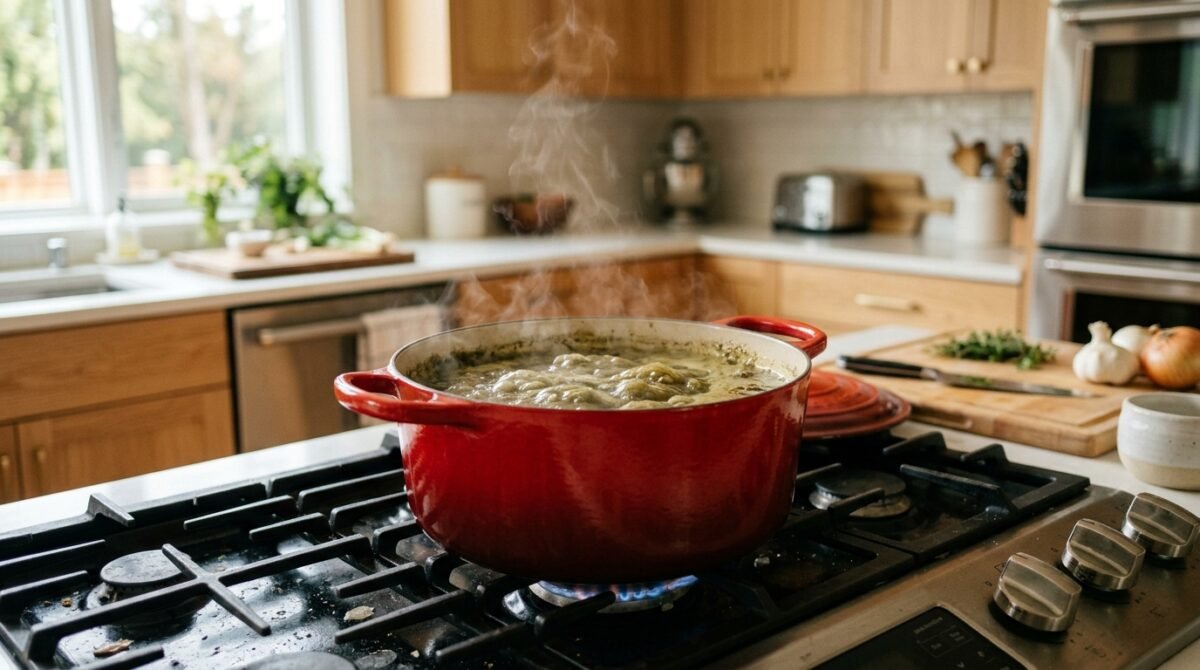
My story begins in a shared apartment in a bustling city, where I lived with ‘Sarah.’ For months, we had a relatively peaceful existence, largely because we barely interacted. I invested in quality kitchenware, including a beautiful, deep cherry-red Le Creuset Dutch oven that was the crown jewel of my cooking collection. I treated that pot like a child, hand-washing it meticulously and ensuring it was never exposed to metal utensils or extreme temperature shocks.
The morning of the incident started like any other, but the atmosphere in the apartment changed the moment I walked through the door at 6:00 PM. The air was thick, heavy, and smelled distinctly of a public swimming pool mixed with something sharper, more chemical. My eyes began to water instantly, and my throat burned as I navigated toward the kitchen. What I found on the stove wasn’t just a mess; it was a ruinous, baffling display of complete cognitive failure.
My beloved Dutch oven was sitting on the burner, the enamel scorched and bubbling, filled to the brim with a boiling, translucent liquid that turned out to be industrial-strength bleach. Inside, submerged in this toxic slurry, were Sarah’s stained white laundry rags. She wasn’t just cleaning them; she was performing a dangerous, amateur chemistry experiment that was literally etching the interior of my expensive cookware.
This wasn’t just a matter of property damage; it was a fundamental violation of safety and personal boundaries. The pot was ruined, the stove was splattered with caustic residue, and my trust in Sarah had evaporated faster than the fumes filling our apartment. What follows is the chronicle of the argument that ensued, the complete lack of accountability that followed, and the viral explosion that occurred when I finally took my grievances to the internet.
The Choking Fumes and the Kitchen Nightmare

I stood in the doorway, staring at the pot. The sound was a low, aggressive hiss—the sound of chemical reaction and structural damage occurring simultaneously. I reached out to turn off the burner, my hands trembling. The moment I touched the handle, the heat was intense, far beyond what should have been required for a simple laundry cycle.
Sarah walked in from the living room, scrolling on her phone, utterly oblivious to the fact that she had created a localized biohazard in our shared space. She looked at me, then at the pot, and then back to me with a look of mild irritation, as if I were the one interrupting her day.
“You’re home early, but why are you staring at my laundry? It’s almost done whitening. You should be happy, the kitchen actually smells clean now.”
I couldn’t even speak at first. I was trying to process the sheer audacity. The fumes were so strong that my lungs felt like they were coated in sandpaper. I moved to open the window, frantically pushing the latch while the acrid, stinging vapor continued to roll off the pot. Sarah stood there, leaning against the counter, still completely unaware of the damage being done to my property.
“Sarah,” I finally managed to croak out, my voice tight with rage. “Do you have any idea what you’ve done? That is not a bucket. That is a four-hundred-dollar Dutch oven. And you have just boiled industrial-strength bleach in it. Are you trying to kill us?”
Her face dropped, not in apology, but in annoyance. She walked over, peered into the pot, and shrugged. “It’s just a pot, calm down. It’s metal, right? It’s not like I melted it. I needed to bleach these rags because they were stained, and I didn’t want to use the communal washing machine because it’s gross. This was just easier.”
The sheer lack of logic was paralyzing. I reached for the pot handle again, but she slapped my hand away, telling me it was still too hot. She didn’t seem to care that the enamel was likely compromised or that the fumes were literally stripping the paint off the walls of my throat. She walked out of the kitchen, leaving me alone with the boiling, poisonous stew.
The Justification of a Household Menace
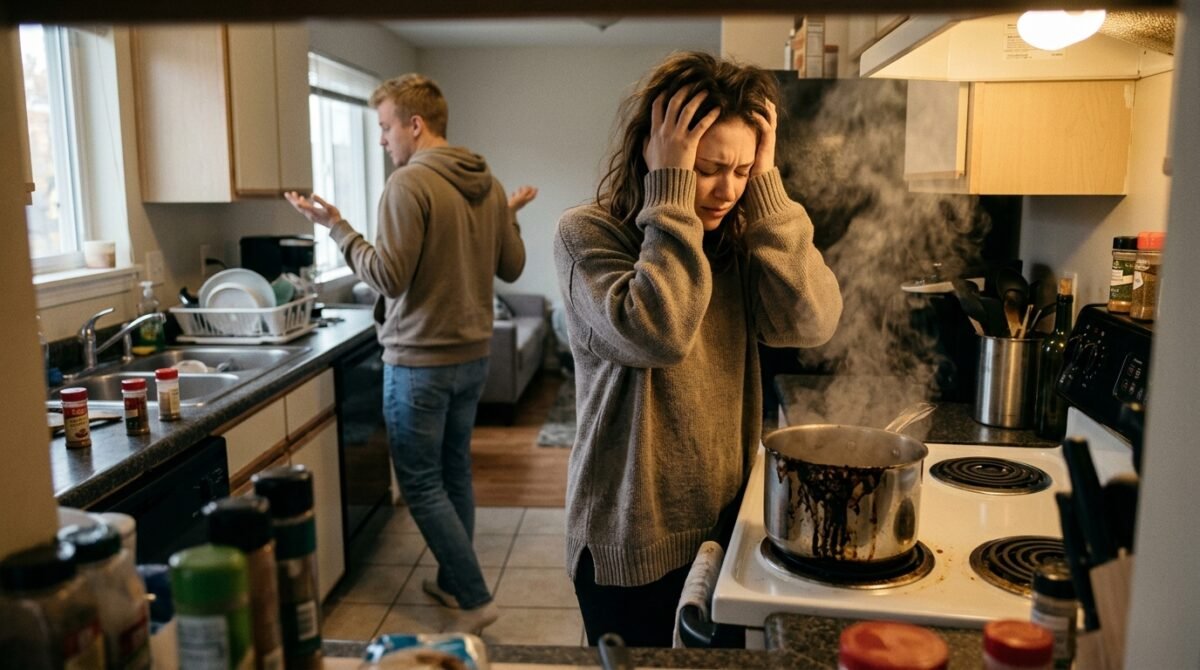
When Sarah finally returned, she brought a set of tongs to retrieve the rags, as if she were a scientist conducting a delicate procedure. She began piling the wet, bleach-soaked rags onto my clean granite countertop, heedless of the fact that the corrosive liquid was now dripping onto the surface and likely staining it permanently.
I watched as the enamel inside the pot, once a smooth, pristine ivory, began to show tiny, hairline cracks. It was like watching a slow-motion car crash. I grabbed a roll of paper towels and tried to wipe down the counter, but the bleach had already begun to leave a white, powdery residue behind. I felt a surge of adrenaline that was entirely unfamiliar to me; it was the fight-or-flight response, and my brain was firmly choosing fight.
“I don’t want to hear it. It’s an object. If you’re that obsessed with your stuff, keep it in your bedroom. This is a shared kitchen, and I’m allowed to use the equipment here.”
I stood my ground, my voice rising. “It is a shared kitchen, Sarah, not a chemistry lab! You don’t use someone else’s cookware to boil chemicals. You don’t even use this pot for basic boiling; it’s for slow cooking. You’ve ruined the enamel. This pot is essentially a piece of art that happens to cook food, and you’ve just turned it into a toxic waste bin.”
She laughed, a sharp, patronizing sound. “Art? It’s a kitchen tool. You’re being incredibly dramatic because you’re a perfectionist. I’ll rinse it out, and it’ll be fine. Why are you making such a big deal about a pot? Do you have so little going on in your life that a piece of cast iron is your main source of conflict?”
The invalidation was almost as painful as the damage itself. She wasn’t just dismissing my financial loss; she was mocking my care for my own things. She thought my standards were a character flaw, something to be exploited and then ridiculed. I realized then that there was no point in trying to explain the value of quality to someone who viewed all objects as disposable.
The Digital Fallout and the Group Chat Explosion

The next morning, I took photos of the pot, the stained countertops, and the scorched stovetop. I didn’t send them to Sarah; I sent them to our mutual friends, wanting to know if I was, in fact, the ‘dramatic’ one. Within minutes, the group chat began to ping incessantly. The responses were instantaneous and, frankly, cathartic.
“OP, is this a joke? Who boils bleach? That’s literally a chemical hazard. She could have caused a respiratory emergency!”
— u/KitchenSafetyExpert (Group Chat Message)
I watched as the messages piled up, validating every ounce of my frustration. Sarah was not in the group chat, but she had apparently been texting her own friends about my ‘insane reaction.’ One of her friends, whom I barely knew, sent me a message that was clearly intended to be a peace offering but ended up being a revelation.
“Hey, I think Sarah is just stressed. She didn’t mean to break your pot. She said you were yelling at her about it for an hour. Maybe just let it go and buy a new one?”
— Leaked Message from Sarah’s friend
I was stunned. An hour? I had barely been in the kitchen for ten minutes. The narrative she was spinning was completely fabricated to make me seem like the aggressor. She wasn’t just a bad roommate; she was a master of revisionist history. I took screenshots of the conversation and saved them. I knew I needed to document everything because this was clearly going to escalate.
The group chat, meanwhile, had devolved into a full-blown debate about ‘communal living etiquette.’ People were sharing their own horror stories, which gave me a sense of perspective, but it didn’t solve the fact that I had a toxic piece of kitchenware sitting on my stove and a roommate who thought she had done nothing wrong.
The Financial Breakdown of a Friendship
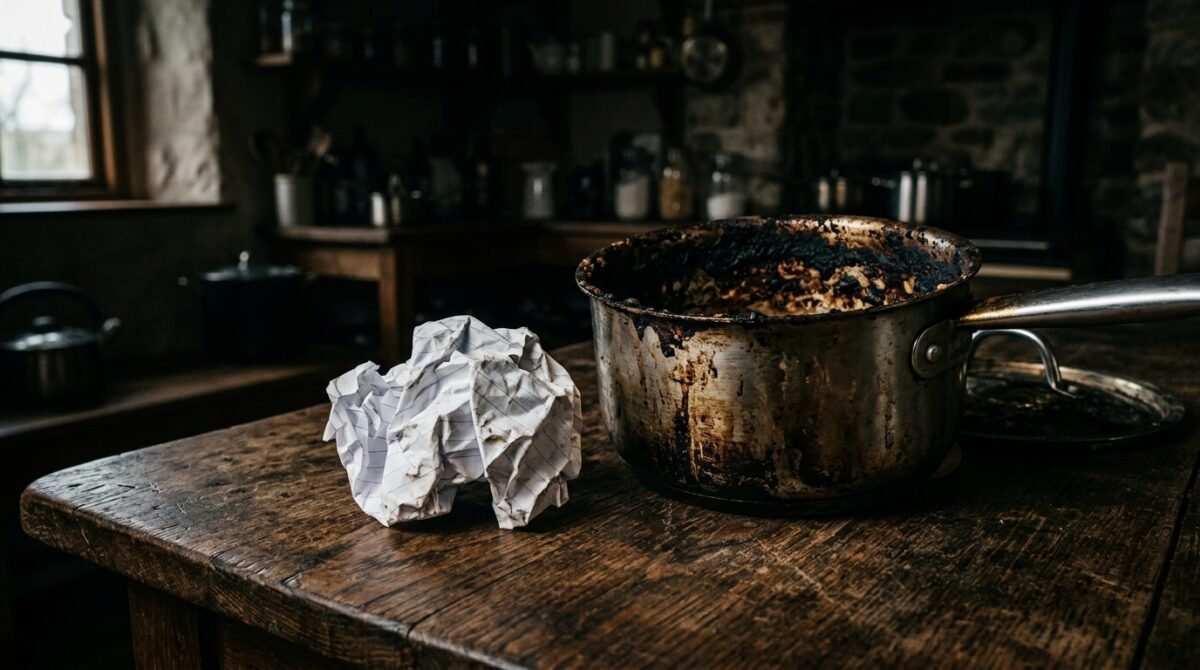
By the third day, the air in the apartment was still slightly metallic. I had spent hours scrubbing the counters with specialized cleaners, but the enamel in the Dutch oven was beyond saving. The manufacturer’s warranty clearly stated that using abrasive chemicals or high heat on the enamel would void the guarantee. I was out four hundred dollars, plus the cost of cleaning supplies and a potential professional kitchen inspection.
| Item | Damage/Loss | Replacement Cost |
|---|---|---|
| Le Creuset Dutch Oven | Ruined Enamel | $425.00 |
| Granite Countertop | Chemical Etching | $150.00 (Repair) |
| Cleaning Supplies | Used for De-contamination | $45.00 |
| Total | Damages Incurred | $620.00 |
I presented the bill to Sarah, itemized and printed out. I left it on the kitchen table, right next to the empty pot. When I got home that evening, the paper was crumpled, and she was nowhere to be found. She had left a note on the fridge that was even more infuriating than our face-to-face arguments.
“I am not paying for your ‘art.’ This is a shared house. If you want to charge me for using the kitchen, then you can pay me for the utility costs of the water you use in your long showers. Let’s call it even.”
The audacity was breathtaking. She was trying to negotiate a ‘wash’ on a literal act of property destruction. I felt my resolve harden. I wasn’t just going to ‘let it go’ anymore. This was about principle, and it was about the fact that I had allowed someone to walk all over me for far too long.
The Reddit Trial: A Community Weighs In
I turned to Reddit, specifically the subreddit dedicated to roommate disputes. I typed out the story in a raw, unfiltered state, ensuring I included the bit about the bleach and the note she left on the fridge. Within thirty minutes, the post had blown up. The comments were a mix of outrage, legal advice, and dark humor.
“OP, you need to leave. This isn’t just a roommate issue; it’s a safety issue. If she’s dumb enough to boil bleach, she’s going to burn the house down eventually. Save your sanity and your skin.”
— u/SafetyFirstAlways (Top Comment, 18.2k upvotes)
The consensus was overwhelming: I was not the jerk. The internet, in all its chaotic glory, was firmly on my side. I spent the next few hours reading through thousands of comments. Some users suggested taking her to small claims court, while others advised me to just move out and cut my losses. The sheer volume of support gave me the courage I needed to have the final confrontation.
I realized that the ‘drama’ she accused me of creating was actually just the sound of someone setting a boundary. She was terrified of accountability, and she was using the ‘dramatic’ label to keep me quiet. I wasn’t going to be quiet anymore. I read a comment from a lawyer explaining that property damage is property damage, regardless of the ‘communal’ nature of the space.
The community support helped me realize that my desire for order and care wasn’t a flaw—it was a standard. I deserved to live in a place where my belongings were respected and where my health wasn’t compromised by someone else’s inability to read a warning label on a bottle of bleach. The validation was exactly the fuel I needed for the next step.
The Unannounced 8:00 AM Kitchen Confrontation

I waited for a Saturday morning. I knew she would be home, likely still in her pajamas, nursing a coffee. I walked into the kitchen, carrying the invoice I had printed, but this time I was backed by the knowledge that I had the support of thousands of people. I laid the paper down on the table, and when she walked in, I didn’t say a word. I just waited.
“What is this? Are you seriously still on about this? I told you, I’m not paying for your precious pot. It’s over, move on.”
I looked her in the eye and said, “Sarah, you destroyed property worth over six hundred dollars. You compromised the air quality of this apartment, and you lied to our friends about my reaction. If you don’t pay for the damages, I will be taking this to small claims court. I have pictures, I have the receipt for the pot, and I have your note regarding the ‘utilities’ swap, which counts as an admission of guilt.”
She froze. She hadn’t expected me to be this composed. She had expected a shouting match, the kind of emotional outburst she could easily dismiss. But I was calm, cold, and prepared. She tried to laugh it off, but the sound died in her throat. She realized that I wasn’t playing the ‘roommate drama’ game anymore; I was treating this like a legal transaction.
“You’re really going to sue me over a pot?” she whispered, her voice finally losing its edge. I nodded. “It’s not just a pot, Sarah. It’s about respect. You have shown none, and you have caused a significant financial burden. I am not eating this cost because you refused to read a warning label.”
The Power Dynamics of Petty Retaliation
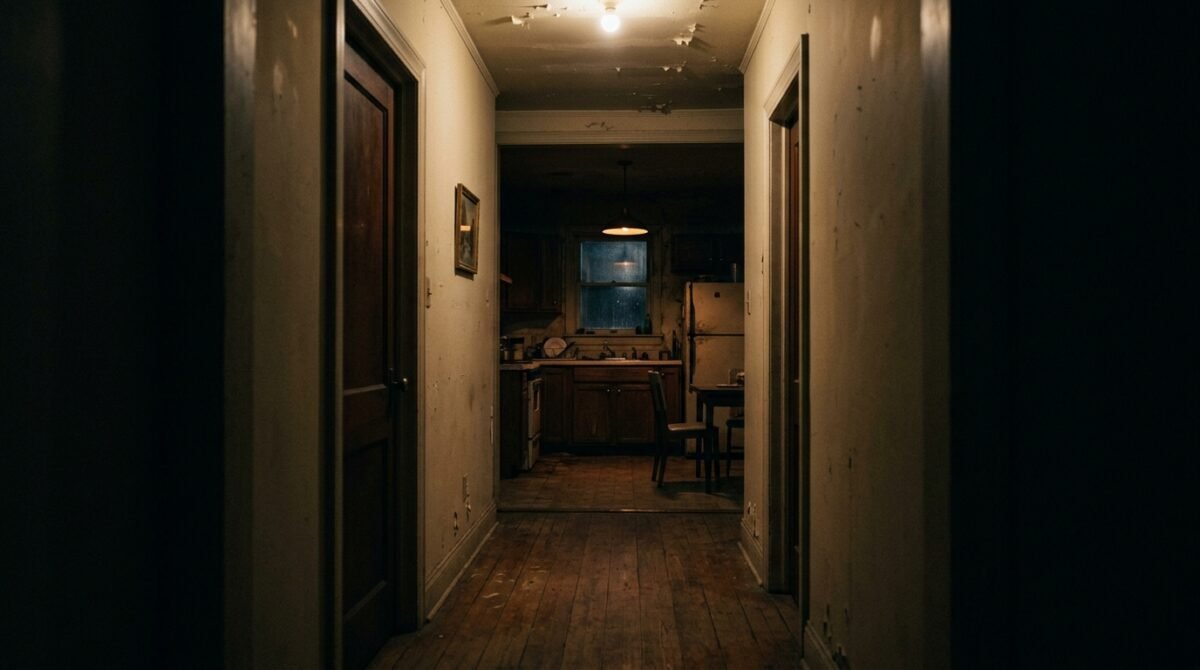
The following days were the most uncomfortable of my life. Sarah started small, petty acts of retaliation. She would ‘forget’ to take the trash out, she would leave her hair in the shower drain, and she would play music just a little too loud at 2:00 AM. It was clearly an attempt to goad me into a reaction, to prove that I was the ‘difficult’ one.
I ignored it all. I documented every single instance. I became a ghost in my own apartment. I stopped using the common areas entirely, eating in my room and keeping my remaining kitchen items locked away in a plastic storage bin under my bed. It was a miserable way to live, but it was a temporary sacrifice for the sake of the endgame.
“Why are you acting like a stranger? We live together. You don’t have to be this cold. Just let the pot thing go and we can go back to normal.”
— Sarah, attempting to gaslight me in the hallway
I just walked past her. I knew that ‘normal’ for her meant me absorbing the costs of her incompetence. I had no interest in returning to that dynamic. The tension was palpable; every time we were in the same room, the silence was heavy, thick with the weight of the damage she had caused and the boundaries I had set.
I kept reminding myself that this was the price of freedom. By refusing to engage in her games, I was taking away her power. She wanted me to be angry, to scream, to be the villain in her narrative. By being indifferent and procedural, I was frustrating her in a way she couldn’t handle.
The Final Settlement and Moving Day
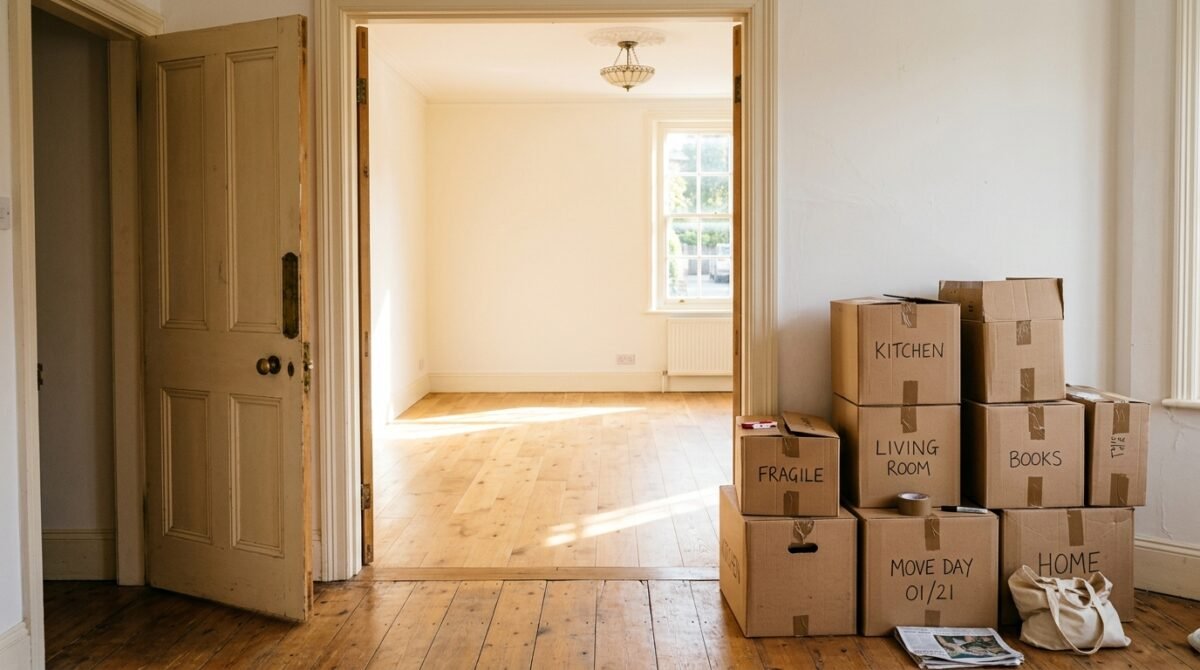
Eventually, she realized that I wasn’t going to blink. She came to me on a Tuesday evening, looking exhausted, and placed an envelope on the table. It contained a check for six hundred dollars. She didn’t look at me, and she didn’t offer an apology. She just turned around and walked back to her room.
I took the check and deposited it immediately. The moment the funds cleared, I began looking for a new place. I didn’t announce it to her; I just started packing. When I finally gave my notice, she seemed genuinely shocked, as if she hadn’t expected me to be capable of leaving. She had assumed I was trapped by the lease or by my own need for convenience.
“Wait, you’re moving out? Who’s going to pay the internet bill? We have a contract until August!”
I looked at her with a calm smile. “The lease allows for a sublet, Sarah. I’ve already found someone to take my spot, and they’ve been vetted. You can take it up with the landlord if you have an issue, but I’m done.” The look on her face was priceless—a mix of confusion and realization that she had finally pushed someone to the point of no return.
The move was the most liberating day of my life. I packed my remaining items, wiped down my room, and walked out the door without looking back. I didn’t say goodbye, and I didn’t offer a final word of advice. She had made her choice, and I had made mine.
Reflections on the Cost of Chaos

Looking back, the destruction of the Dutch oven was the best thing that could have happened to my living situation. It was the catalyst that forced me to see the reality of my roommate’s character. I had spent so much energy trying to maintain a ‘peaceful’ home that I hadn’t realized I was actually living in a state of constant, low-level toxicity.
The lessons learned were simple but profound: never assume someone else has the same standards of care for property as you do, and never, ever let someone manipulate you into believing that your reasonable boundaries are actually ‘dramatic’ flaws. I now live alone, and while the rent is higher, the silence is golden. I cook in my new Dutch oven every single night, and every time I clean it, I feel a sense of peace that is worth every penny of the extra rent.
“I learned that boundaries aren’t just about what you don’t allow; they’re about protecting your own peace of mind. Some people will never respect your stuff, and that’s okay, as long as you remove them from your space.”
I still occasionally see Sarah’s posts on social media. She seems to be bouncing from one living situation to another, always complaining about ‘crazy’ roommates who are ‘obsessed’ with cleaning. It’s a sad cycle, but it’s no longer my problem. I’ve moved on, and I’ve found a sense of autonomy that I never knew I was missing.
Why Community Validation Matters

The experience of sharing this story on Reddit was an eye-opener. I saw how quickly a single, seemingly isolated incident can become a touchstone for thousands of people. It made me realize that I wasn’t crazy for feeling the way I did. There is a strange, profound comfort in knowing that a total stranger halfway across the world understands your frustration and thinks you’re right.
The comments from people who had been through similar situations—roommates who burned clothes, ruined expensive electronics, or destroyed family heirlooms—gave me a sense of solidarity. We are all living in a society where shared living is becoming more common, and yet, the rules of respect and property care are still so poorly understood by so many.
“OP, I dealt with the same thing, but I waited two years to leave. You did it in two months. You’re the hero of this story, honestly.”
— u/RoommateVeteran (Top Comment, 9.2k upvotes)
It’s important to share these stories. They serve as a warning to others and as a validation for those who are currently suffering in silence. If my story encourages even one person to set a boundary or to stand up for themselves when their property is being destroyed, then the whole ordeal with the bleach and the Dutch oven was worth it.
Conclusion
In the end, the incident with the bleach-filled Dutch oven wasn’t just about a kitchen tool; it was about the fundamental human need for respect and the importance of holding people accountable for their actions. We often feel pressured to be the ‘easygoing’ roommate, but there is a line between being chill and being a doormat. I learned that standing up for my boundaries isn’t being dramatic—it’s being self-respecting.
I am now in a much better place, living by myself and enjoying the peace that comes from knowing my belongings are safe. The financial loss was real, but the emotional clarity I gained was priceless. I encourage everyone reading this to take a look at their own living arrangements. Are you tolerating the intolerable? Are you letting someone else’s chaos dictate your peace? Sometimes, the only way out is to stand your ground and, if necessary, move on to greener pastures.
What about you? Have you ever had a roommate do something so bafflingly stupid that it made you question reality? Let us know in the comments below, and let’s keep this discussion going—the internet needs your stories just as much as it needed mine.
What's your verdict on this dilemma?
Vote below to contribute to the official community consensus.

Have a Dilemma Keeping You Up at Night?
Share your real-life feud, wedding chaos, or relationship crossroads anonymously with our editorial team.
What do you think ?
0 Comments🛡️ Comments are moderated to protect community integrity. Your comment will appear once approved by the editorial team.