
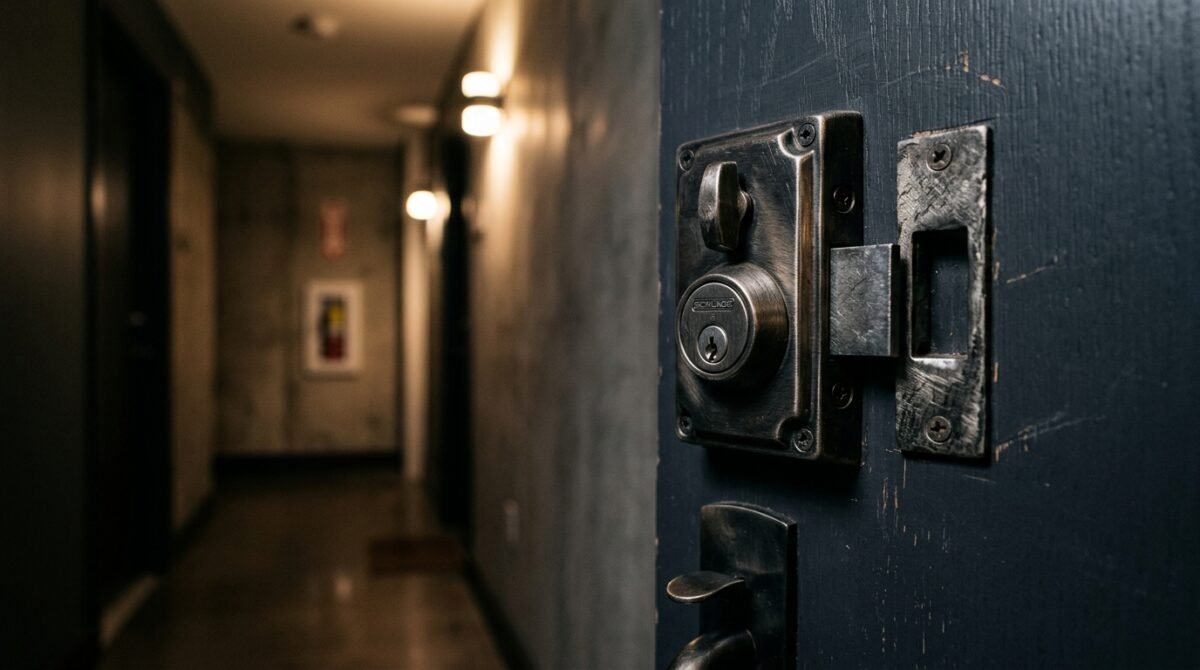
Living in a high-traffic urban area has its perks, but proximity to the city’s busiest bus hub isn’t one of them. When I signed the lease with my roommate, Sarah, we agreed on a quiet, shared sanctuary. It was supposed to be a place to decompress from our demanding jobs, not a public utility service. I thought I knew who I was living with—a fellow professional who understood the sanctity of home space—but I was profoundly wrong.
It started subtly. A knock at the door, a stranger looking hurried, and Sarah politely pointing them toward our hallway bathroom. I figured it was a one-off, a moment of misplaced kindness. But the frequency increased. Then, I began noticing the small, peculiar habits: Sarah constantly checking her phone, the occasional envelope of cash appearing on the kitchen island, and the recurring sound of strangers traversing our hallway while I was trying to eat dinner.
The moral dilemma here wasn’t just about the invasion of privacy; it was about the sheer, unmitigated audacity of monetizing our living space without my consent. When I finally pieced together that my own home had been converted into a micro-business for transit commuters, the feeling of violation was visceral. I wasn’t just losing my bathroom; I was losing my sense of security, my hygiene, and, eventually, my temper.
This is the story of how a simple disagreement over ‘neighborly kindness’ spiraled into a full-scale residential war. It is a tale of entitlement, boundary-breaking, and the eventual, necessary installation of a heavy-duty deadbolt that finally brought the madness to a crashing, silent halt. Whether or not I was the villain for locking my own bathroom door is a question I’ve been asking myself ever since.
The Rise of the Unsolicited Guest
It began on a rainy Tuesday in November. I walked through the door after a ten-hour shift, exhausted and looking forward to a long shower. Instead, I found a man in a rain-slicked business suit standing in my living room, clutching his briefcase. He looked as uncomfortable as I felt. Sarah was in the kitchen, beaming at him as if he were a long-lost cousin.
I didn’t say a word until he left. The moment the door clicked shut, I demanded an explanation. Sarah, unfazed, told me he was a regular commuter who had ‘an emergency’ and that she was ‘just being a good neighbor.’ I tried to be understanding, even though the sight of a stranger in my private living space made my skin crawl. Little did I know, this was the beginning of a scheduled operation.
Within two weeks, the knocks became daily. I’d be working from my home office and hear the floorboards creak, the familiar sound of the bathroom door locking, and the tap running. It wasn’t just an ’emergency’ anymore; it was a routine. I started finding damp towels that weren’t mine and a strange, lingering scent of industrial soap that I didn’t recognize.
“Sarah, I don’t know who that man was, but he just came out of our bathroom. This isn’t a public rest stop. We need to set some ground rules, effective immediately.”
I confronted her again, trying to keep my voice level despite the rising tide of anger in my chest. She brushed me off, claiming she was helping out the elderly commuter, ‘Mr. Henderson,’ who had a medical condition. She played the empathy card so well that I felt like the heartless one for even questioning it. I let it slide, assuming it was a temporary charity case.
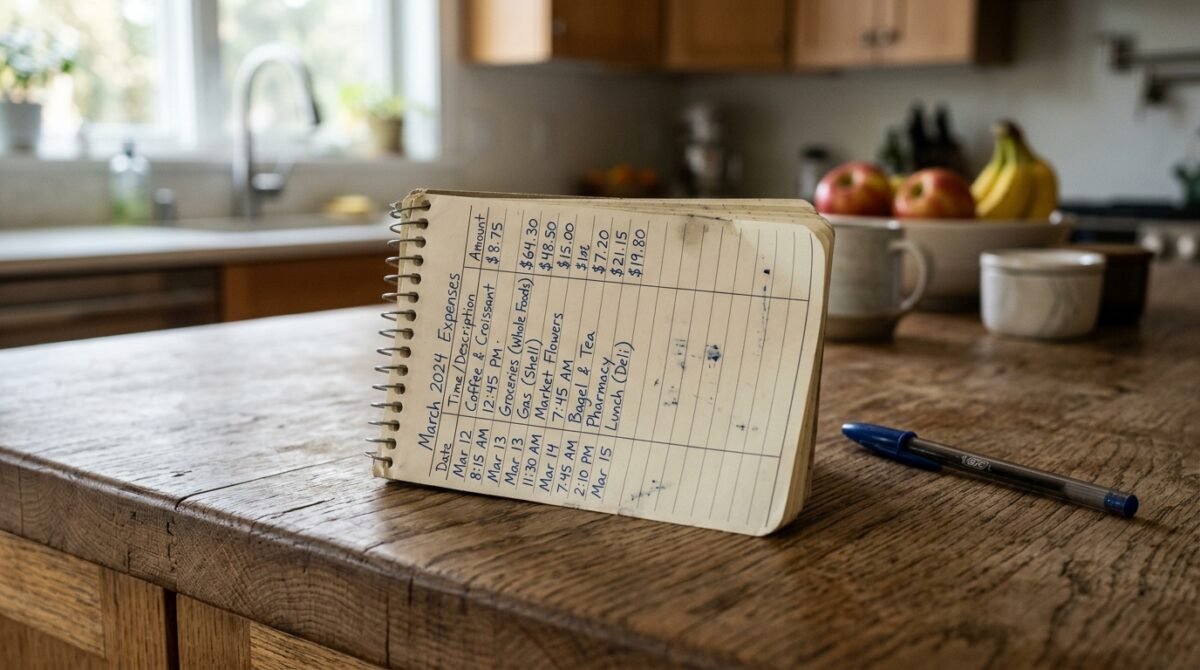
The reality, however, was far more calculated. I noticed a small ledger hidden under a pile of mail on the counter. It wasn’t a diary or a grocery list. It was a log of times, names, and dollar amounts. The realization hit me like a physical blow: my roommate was charging people to use our facilities while I was away at work.
The Discovery of the Side Hustle
I didn’t want to believe it. I spent the better part of the next three days observing from afar. I took a ‘work from home’ day under the guise of an illness, but in reality, I was waiting for the next knock. It didn’t take long. By 10:00 AM, a woman I didn’t recognize knocked. Sarah opened the door, exchanged a few words, and held out her hand. The woman placed a five-dollar bill in her palm and was ushered toward the bathroom.
My blood went cold. It wasn’t a medical emergency, and it wasn’t a neighborly favor. It was a business. She was treating our apartment like a toll booth. I stayed in my bedroom, listening, my heart hammering against my ribs. I felt like a stranger in my own home. When the woman left, I walked into the kitchen and found Sarah counting the money.
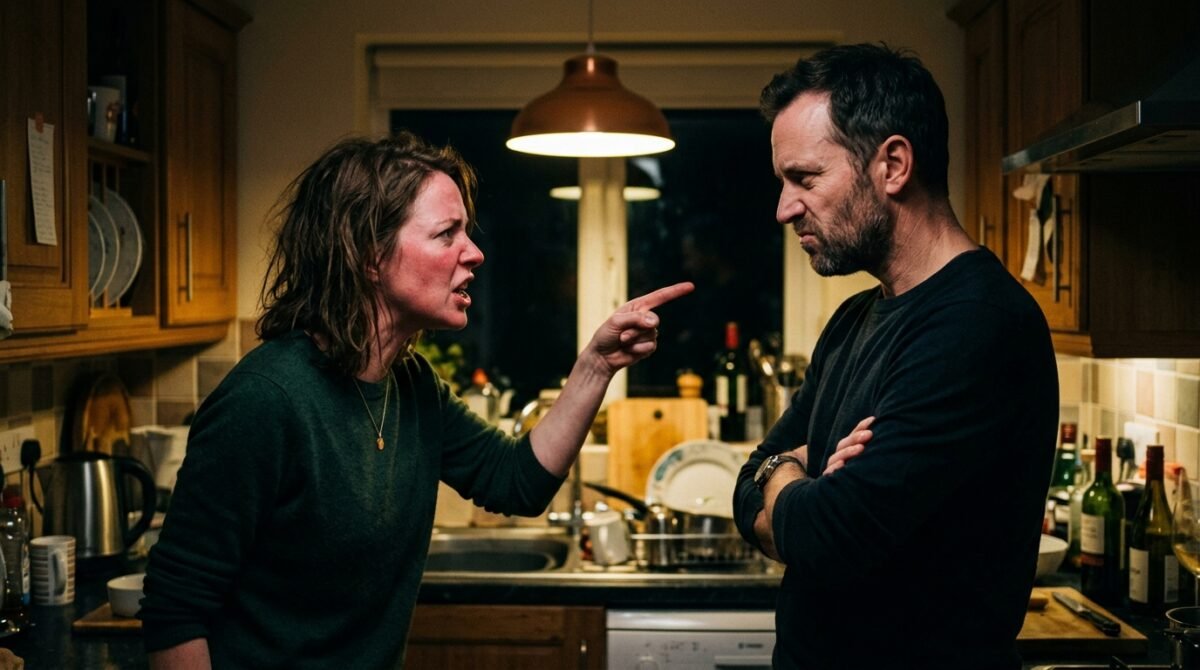
“Five dollars? Are you kidding me? You’re literally selling access to our hygiene space for the price of a latte? Have you lost your mind, Sarah?”
Sarah didn’t even look guilty. She looked annoyed that I had caught her. She started defending the action as ‘passive income’ and ‘utilizing idle assets.’ She had the audacity to suggest that I should be grateful she was covering the utility bills with the extra cash. I was speechless, paralyzed by the sheer absurdity of her justification.
The sheer arrogance of her stance shattered the last vestiges of our friendship. I realized then that there was no reasoning with her. To Sarah, the bathroom wasn’t a private space; it was a commodity. She saw it as an underutilized resource in a high-demand location. My comfort, my privacy, and my lease agreement meant nothing compared to a few bucks a day.
I left the room before I could say something I’d regret, but the damage was done. My trust in her had evaporated. I spent the rest of the day researching our lease terms, looking for anything that could help me evict her or, at the very least, shut down the operation. I was no longer a roommate; I was a tenant living with a squatter who had turned our home into a business.
The Escalation of the Bathroom ‘Service’
After the confrontation, I expected her to stop. I thought perhaps the shame of being caught would force her to reevaluate. But Sarah doubled down. She started advertising, or so I suspect, on local transit forums. The traffic increased. It wasn’t just one person a day anymore; it was three or four. I’d return home to find the bathroom floor wet, the toilet seat uncleaned, and a distinct, lingering odor that made me want to move out that night.
I started leaving sticky notes on the bathroom door. She would tear them down within minutes. I tried to lock the bathroom door from the outside, but she simply provided the key to her ‘clients.’ It became a twisted game of cat and mouse. I was working long hours at the office just to avoid being in the apartment, and she was clearly taking advantage of my absences to maximize her revenue stream.
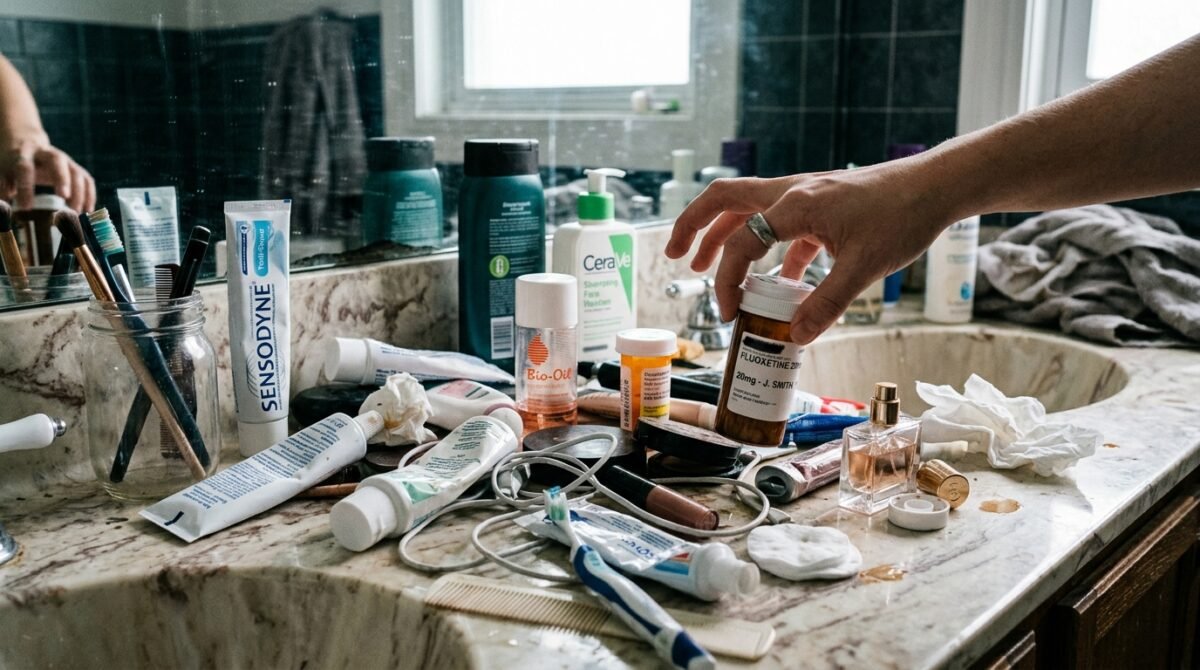
I reached a breaking point on a Wednesday evening. I came home to find a man finishing his ‘transaction’ and heading out the front door, looking at me with a smirk as if he owned the place. I walked into the bathroom and found that not only had he used the facilities, but he had also used my expensive skincare products. That was the final straw.
“Sarah, you have exactly ten minutes to explain why a stranger is using my face cream, or I’m calling the landlord. I am done. I am absolutely done with this circus.”
Sarah tried to play it off as a ‘shared supply’ misunderstanding. She had absolutely no sense of personal boundaries. She genuinely believed that because she lived there, she could authorize anyone to touch my things. The entitlement was breathtaking. I didn’t scream; I didn’t throw anything. I just stared at her with a cold, hollow feeling that I knew would haunt her later.
I realized that pleading, negotiating, and reasoning were tools for people who shared a common reality. Sarah lived in a reality where she was the CEO of a bathroom franchise, and I was just a bothersome tenant. I needed a solution that required no negotiation. I needed to reclaim my space by force, or at least by mechanical intervention.
The Installation of the Deadbolt
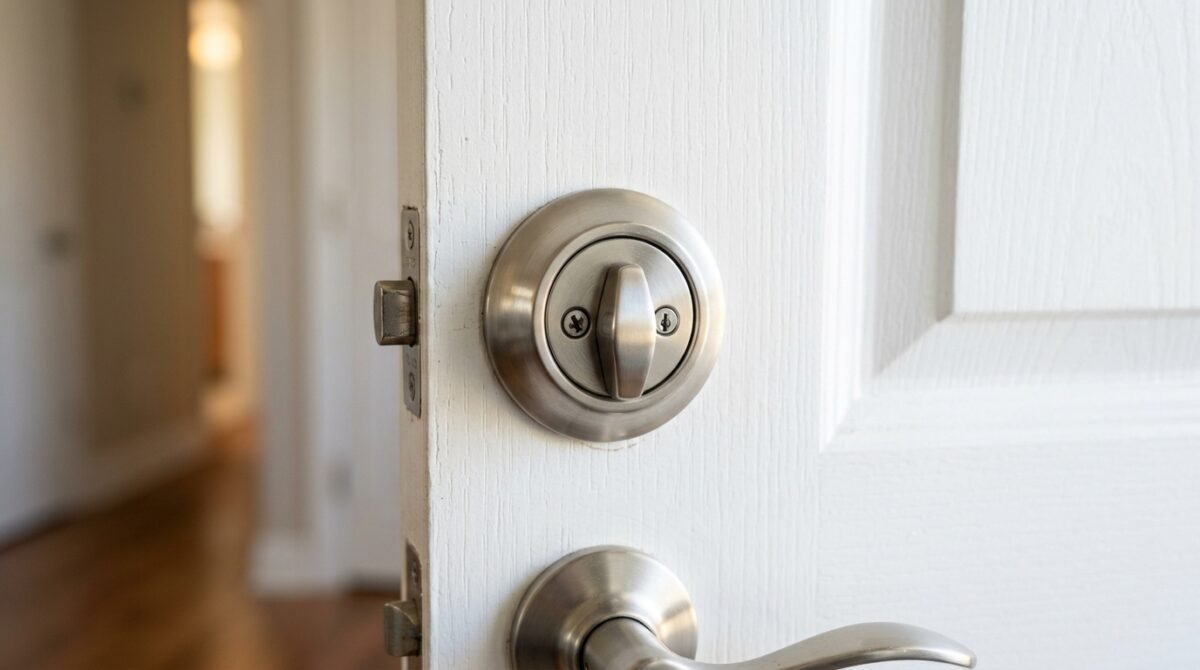
I spent the next morning at the local hardware store. I wasn’t looking for a simple latch; I wanted something that would scream ‘keep out’ even if you didn’t see the lock. I bought a high-quality deadbolt with a heavy-duty strike plate. I also bought a new, solid-core door knob that locked from the inside with a key. It was an investment in my sanity.
When I arrived home, I didn’t tell Sarah what I was doing. I waited until she went out for her ‘errands’—likely to meet more clients—and I got to work. My hands were shaking as I drilled into the wood of the bathroom door. It felt like I was desecrating the apartment, but the anger inside me was a powerful fuel. Every turn of the screwdriver was a declaration of independence.
When the installation was complete, I tested the lock. It clicked with a satisfying, final thud. I put the key in my pocket and walked out to the kitchen, waiting for her return. I knew the moment she tried to open that door, the real war would begin. I wasn’t just blocking a bathroom; I was blocking a revenue stream. I was cutting off her ‘passive income’ at the knees.
“You locked it? You actually went and put a deadbolt on the bathroom? Do you realize how crazy you look right now? People are counting on us!”
Sarah came home an hour later, followed by a confused-looking commuter. When she tried to open the bathroom door and found it locked, her face went from confusion to pure, unadulterated rage. She turned to me, her eyes flashing. She didn’t care about my feelings or my privacy; she only cared that her ‘customer’ was standing in the hall, waiting for service.
I didn’t blink. I stood in the doorway of my bedroom, key in my hand, and looked at her. ‘The bathroom is now for residents only,’ I said, my voice steady. ‘If you want to provide a public service, find a different venue. This is my home, and I am finished with the exploitation.’
The Group Chat Explosion
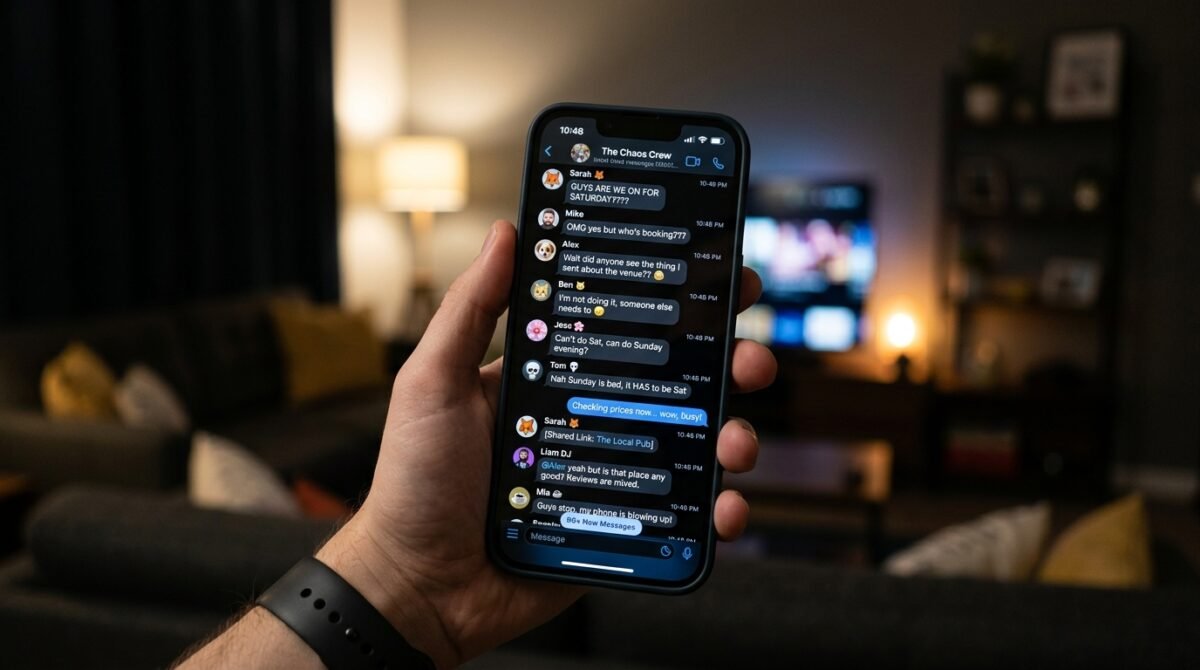
The fallout was immediate. Sarah took to the group chat, not with me, but with our mutual friends and, strangely, a few of her ‘clients.’ She was trying to frame me as the aggressor, the ‘mentally unstable’ roommate who had ‘snapped’ for no reason. She conveniently omitted the part about the money and the strangers using my toiletries.
“Hey everyone, just a warning. OP has lost it. She’s installed locks on all the doors and is basically holding the apartment hostage. If you come over, don’t expect to use the bathroom. She’s turned into a total control freak. #LivingNightmare”
— Sarah, Group Chat
I didn’t respond at first. I let her dig her own grave. Then, I sent a single message back to the group. I didn’t use drama; I used facts. I attached a photo of the ledger I had found, the one with the names and the dollar signs. I also mentioned the stranger who had used my skincare products. The silence in the chat that followed was deafening.
One by one, our friends started chiming in. They were shocked. They had no idea she was running a literal business out of our apartment. Some were amused, others were disgusted. Sarah tried to spin it as ‘charity,’ but the ledger was damning. She couldn’t explain away the five-dollar entries. Her narrative was falling apart in real-time, and she had nowhere to hide.
The group chat became a battleground of opinions. Sarah’s supporters—mostly people who had benefited from her ‘hospitality’—tried to defend her, but they were quickly shouted down by others who understood the basic concept of boundaries and personal space. It was a humiliating public unraveling for Sarah, and I finally felt like I had regained some control over the situation.
By the end of the night, Sarah had left the group chat. I was alone in the apartment, with my locked bathroom door, finally able to breathe. I had won the battle, but I knew the war for my living situation was far from over. I needed to start looking for a new place, but for now, the madness had been successfully contained.
The Landlord’s Unexpected Intervention

The next morning, I received a call from the landlord. It wasn’t the kind of call you want to get on a Thursday. He was terse, professional, and clearly annoyed. Sarah had called him, complaining about ‘unauthorized renovations’ to the apartment. She was trying to get me evicted for installing the deadbolt.
I met him at the apartment during my lunch break. I had my documents ready—the photos of the ledger, the list of dates, and a calm, collected explanation of why I had installed the lock. I showed him the messages Sarah had sent in the group chat, essentially admitting to her ‘business’ operations. He looked at the evidence, then looked at the door, and then looked at me.
“I don’t care who installed the lock, but I do care about what you’ve been doing with my property, Sarah. Running a commercial business out of a residential unit is a violation of your lease. You’re both lucky I don’t evict you both right now.”
He turned to Sarah, who looked as small as I had ever seen her. He gave her a final warning: if he heard one more complaint about unauthorized guests or commercial activity, the lease would be terminated immediately. He didn’t demand I remove the lock, which I took as a quiet victory. He understood that my privacy had been compromised.
Sarah didn’t say a word. She just stared at the floor. The power dynamic in the apartment had completely shifted. She was no longer the one in charge; she was on thin ice, and she knew it. I felt a surge of relief that was almost overwhelming. The external validation was the final piece of the puzzle I needed to move forward.
When the landlord left, Sarah tried to apologize, but it was too late. I didn’t want her apology; I wanted her out. I told her that our arrangement was effectively over and that I would be looking to sublet my portion of the lease as soon as possible. She didn’t argue. She knew she had lost.
Reddit’s Verdict: The Community Reacts
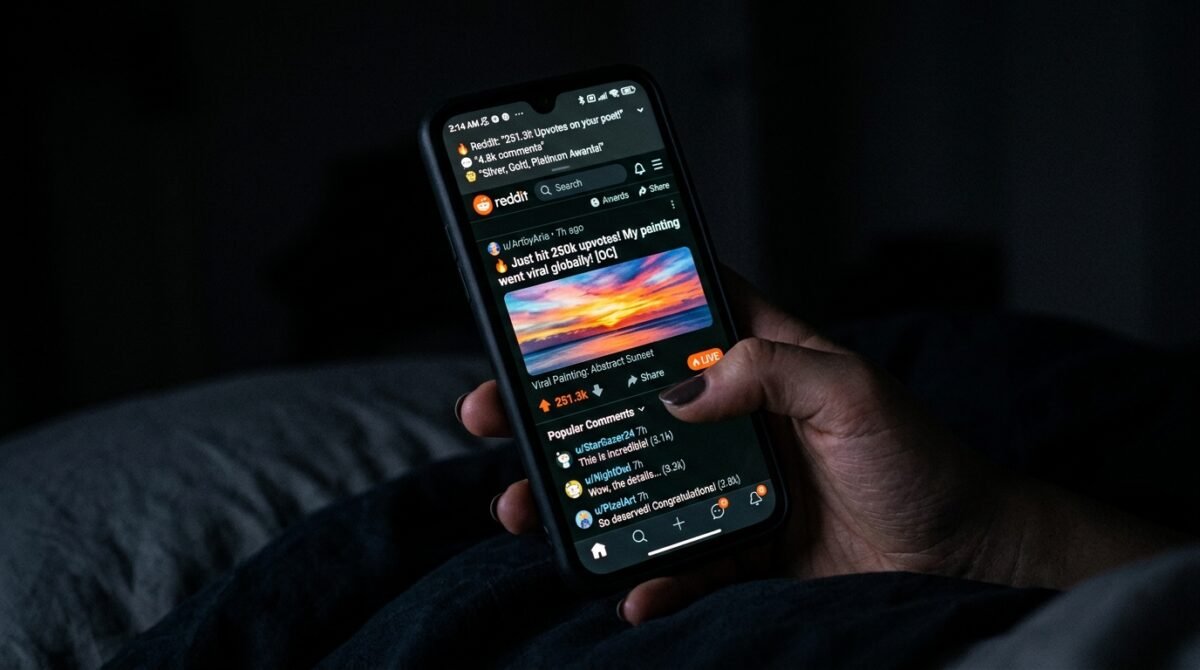
I decided to post the story on a popular forum to see if I was truly the villain in this scenario. The response was overwhelming. Within hours, the post had thousands of upvotes and hundreds of comments. The consensus was, surprisingly, almost entirely in my favor. People were appalled by the lack of boundaries and the audacity of the ‘pay-to-pee’ scheme.
“OP, you aren’t the villain here. You’re a victim of a roommate who thinks she’s a landlord. Installing that deadbolt was a defensive move to protect your home. Don’t let her spin this as ‘you being crazy.’ She was literally running a business in your bathroom. That’s a huge breach of lease and basic human decency.”
— u/ReasonableObserver (Top Comment, 32.4k upvotes)
There were, of course, a few dissenting voices. A few people argued that I should have talked it out more, that the deadbolt was an escalation. But they were few and far between. Most people recognized that Sarah’s behavior had crossed the line from ‘quirky roommate’ to ‘exploitative tenant.’ The validation from thousands of strangers helped me realize that I hadn’t lost my mind.
The thread became a repository for similar horror stories. People shared their own tales of roommates who overstepped, who treated shared spaces like public property, and who refused to listen to reason. It was therapeutic to read that I wasn’t alone in this. It was a reminder that boundaries are not just suggestions; they are the foundation of a healthy living environment.
I kept reading the comments for days. Some suggested legal action, others suggested moving out as quickly as possible. Every comment reinforced my decision to prioritize my own mental health over ‘keeping the peace.’ I had spent months trying to be polite, and it had only led to more exploitation. I was finally done being the ‘nice’ one.
The internet, in its collective wisdom, had spoken. I was in the right. And more importantly, I was free. I didn’t need Sarah’s approval anymore. I had the support of a community that understood exactly what I had been through, and that was enough to give me the courage to finish what I started.
The Slow Unraveling of the Living Arrangement
The weeks following the landlord’s intervention were icy. We lived in the same space, but we were essentially strangers. Sarah kept to her room, and I kept to mine. The silence was heavy, but it was a relief compared to the constant noise and the parade of strangers. I began the process of finding a new place, scouring listings and scheduling viewings.
Sarah, meanwhile, seemed to be struggling. I saw her looking at websites for ‘side hustles’ and ‘passive income,’ clearly still obsessed with the idea that she could make money without putting in the work. It was sad, in a way. She was so disconnected from reality that she couldn’t see how her choices had alienated everyone around her.
One evening, I found a package on the doorstep that was meant for her. I left it on the kitchen table. She didn’t thank me. She just took it to her room and closed the door. We were two ships passing in the night, both waiting for the lease to end so we could go our separate ways. It was the only way this was going to end.
“I’m moving out at the end of the month, Sarah. I’ve found a new place. I’ll be subletting my half of the lease, so you’ll have a new roommate. I suggest you don’t try the bathroom business with them.”
She didn’t say anything. She just nodded. I think she knew that if she tried to pull the same stunt again, the next person wouldn’t just install a deadbolt; they might involve the police or go directly to the landlord. She had burned her bridge, and she had no one to blame but herself.
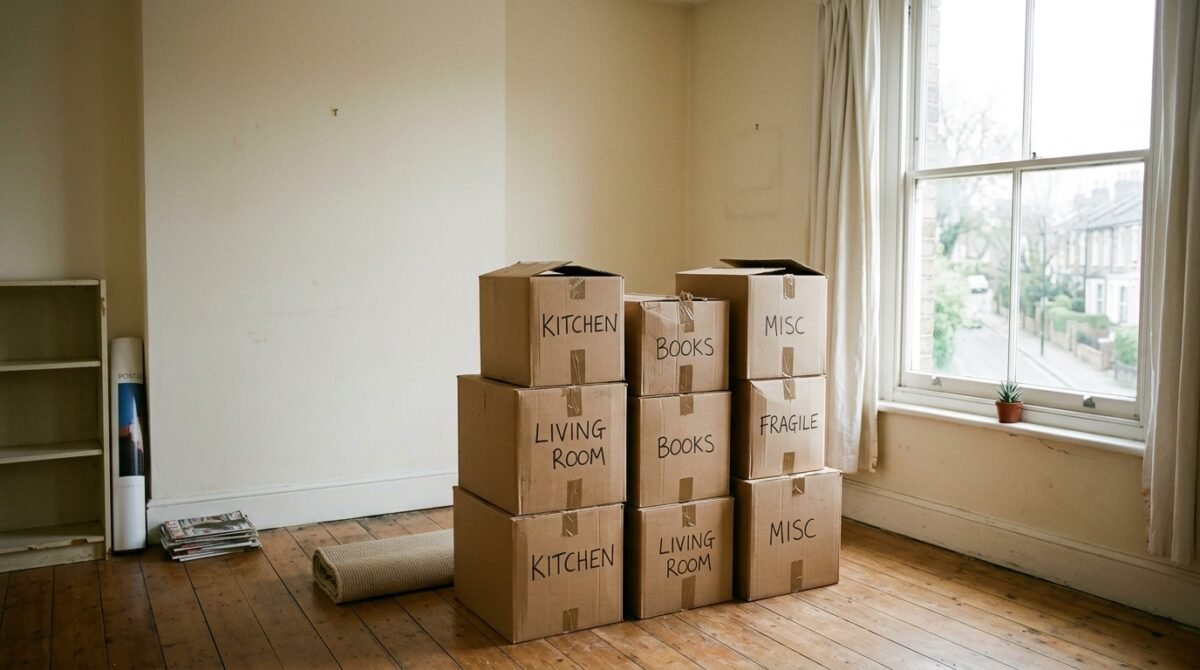
I started packing my things, one box at a time. It felt like I was shedding a skin. Every item I packed was a reminder of the stress I had been under, and every empty space in the apartment felt like a breath of fresh air. I was moving on to something better, something quieter, and most importantly, something where my bathroom was mine alone.
Final Reflections on Boundaries
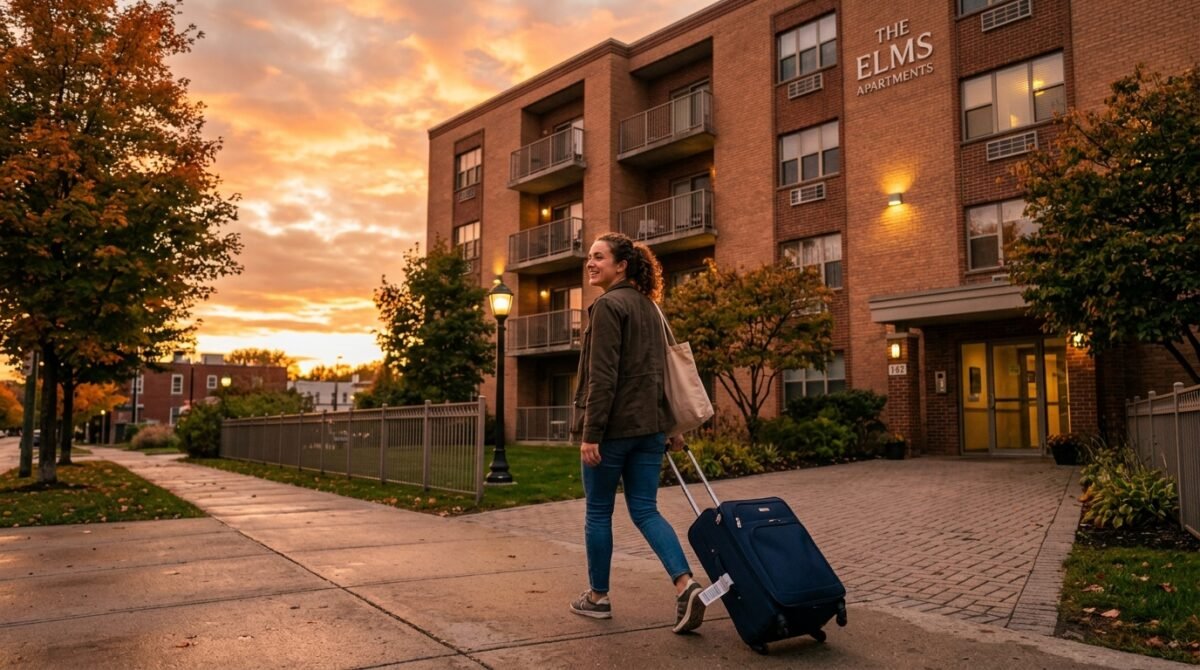
Looking back, I realize that the deadbolt was just a symbol. The real work was learning to say ‘no’ and meaning it. I had let Sarah walk all over me because I was afraid of conflict, because I wanted to be the ‘easygoing’ roommate. But being easygoing shouldn’t mean being a doormat. It shouldn’t mean sacrificing your privacy for someone else’s greed.
I learned that when someone shows you who they are, you should believe them the first time. I had ignored the red flags—the small ‘favors,’ the strange requests, the lack of respect for my boundaries—until they were impossible to ignore. I won’t make that mistake again. My next living situation will have clear, defined boundaries, and I won’t be afraid to enforce them from day one.
The money Sarah made—if she even made enough to cover the utility bill—wasn’t worth the cost of our friendship or the peace of my home. It was a shortsighted, selfish move that ultimately blew up in her face. I hope she learned something from this, though I suspect she’s already onto the next ‘get rich quick’ scheme.
“Boundaries aren’t about being mean. They’re about keeping your sanity intact. Don’t be afraid to lock the door when someone else tries to compromise your space.”
I left the apartment on the first of the month. I didn’t look back. The new tenant moved in, and I heard later that Sarah had finally started working a normal job. Maybe the experience humbled her. Or maybe she just ran out of people to exploit. It didn’t matter. I was free.
The lesson here is simple: your home is your sanctuary. If someone threatens that, you have every right to protect it. Whether that means a polite conversation or a heavy-duty deadbolt, do what you need to do to feel safe. You deserve nothing less.
What Would You Have Done?

I’ve spent a lot of time thinking about how I handled this. Was the deadbolt an overreaction? Was the confrontation necessary? I think, in the end, it was the only way to get her attention. She didn’t respect words; she only respected consequences. And the consequence of her actions was that she lost her ‘business’ and, eventually, her roommate.
The comments on my post taught me that everyone has their own ‘breaking point.’ Some people would have gone to the landlord immediately. Others would have just moved out without a word. There is no ‘right’ way to handle a toxic living situation, only the way that works for you. And for me, that meant putting a lock on the door.
If you’ve ever had a roommate who treated your home like a public space, I want to hear from you. How did you handle it? Did you set boundaries, or did you just leave? We all have stories to tell, and sharing them is the best way to make sure we don’t feel alone in our struggles.
I’m finally in a place where I don’t have to worry about who is knocking on the door. It’s quiet, it’s private, and it’s mine. And I wouldn’t trade that for all the ‘passive income’ in the world. Thank you for listening to my story and for the support you’ve shown. It really meant a lot.
Now, it’s your turn. Have you ever had to deal with a roommate who had no sense of personal boundaries? Did you ever reach a point where you felt like you had to take drastic action? Let me know in the comments below—I’m curious to hear how you stood your ground.
Conclusion
My experience is a stark reminder that even the most ‘neighborly’ of intentions can be twisted into something exploitative when boundaries are not clearly defined. I learned that my self-respect is not up for negotiation and that I have the right to defend my space, regardless of who might be offended by it. The deadbolt wasn’t just a piece of metal; it was a boundary that I had failed to set verbally, finally realized in steel.
If you find yourself in a similar situation, remember that your home is your refuge. You are not obligated to accommodate anyone who views your privacy as a commodity. Whether you choose to speak up early or take drastic, protective measures later, the goal is always the same: preserving your peace and your integrity. Never be afraid to lock the door when you need to.
What about you? Have you ever had to take extreme measures to enforce a boundary with a roommate, family member, or friend? Share your thoughts below and let’s discuss the fine line between ‘being helpful’ and ‘being exploited.’
What's your verdict on this dilemma?
Vote below to contribute to the official community consensus.

Have a Dilemma Keeping You Up at Night?
Share your real-life feud, wedding chaos, or relationship crossroads anonymously with our editorial team.
What do you think ?
0 Comments🛡️ Comments are moderated to protect community integrity. Your comment will appear once approved by the editorial team.