
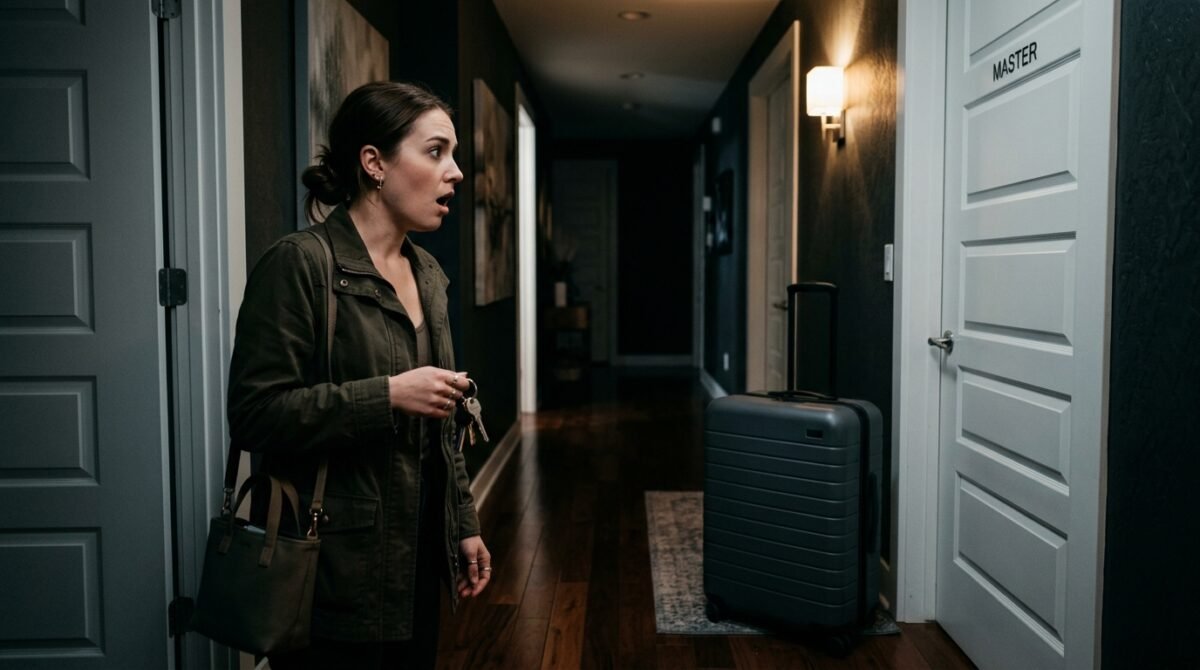
Living with a roommate is supposed to be a partnership of convenience and trust. When I moved in with Sarah, I thought we were on the same page. We split the rent, shared the utilities, and maintained a professional, if not friendly, boundary. My job as a regional consultant requires me to be on the road at least two weeks out of every month, leaving our two-bedroom apartment largely to her care. I trusted her implicitly, or so I thought.
For over a year, everything seemed normal. I would come back from trips to a clean kitchen, a quiet living room, and the sense that my home was a sanctuary. I never questioned the minor discrepancies—a stray towel in the hallway, a slightly different brand of coffee, or the fact that my bathroom trash was occasionally full despite me being away for ten days. I chalked it up to her having a guest over, never imagining the scale of the deception occurring behind my back.
The moral dilemma here isn’t just about the money; it’s about the violation of the most fundamental aspect of a lease agreement: the right to privacy and safety. Sarah wasn’t just hosting a friend; she was running a commercial enterprise using my home, my furniture, and my utilities to pad her own bank account, all while I paid half the rent for a space I wasn’t even allowed to occupy.
As I stand here, piecing together the timeline of this betrayal, I am struck by how easily we let our guard down for the people we see every day. The following account is not just a story of a bad roommate; it is a cautionary tale about the dark side of the ‘gig economy’ and the lengths some will go to in the pursuit of easy money, regardless of who gets hurt in the process.
The Unexpected Tuesday Night Homecoming
The flight was canceled, and the next available option wouldn’t take off until the following morning. Exhausted and smelling of airplane recycled air, I took an Uber directly to our apartment complex at 11:30 PM. I didn’t text Sarah; I wanted to surprise her by being home a day early. I let myself in with my key, expecting the apartment to be dark and silent.
Instead, the living room lights were blazing. There was a faint scent of expensive cologne—not mine, and definitely not Sarah’s—lingering in the air. I heard soft, unfamiliar voices emanating from the hallway that led to the master suite. My stomach dropped, not out of suspicion, but out of confusion. I assumed Sarah had moved her boyfriend in without asking, a breach of our agreement, but surely not a malicious one.
“Excuse me? Who is that?” I shouted toward the master bedroom door, my voice trembling with a mixture of fatigue and sudden, sharp irritation.
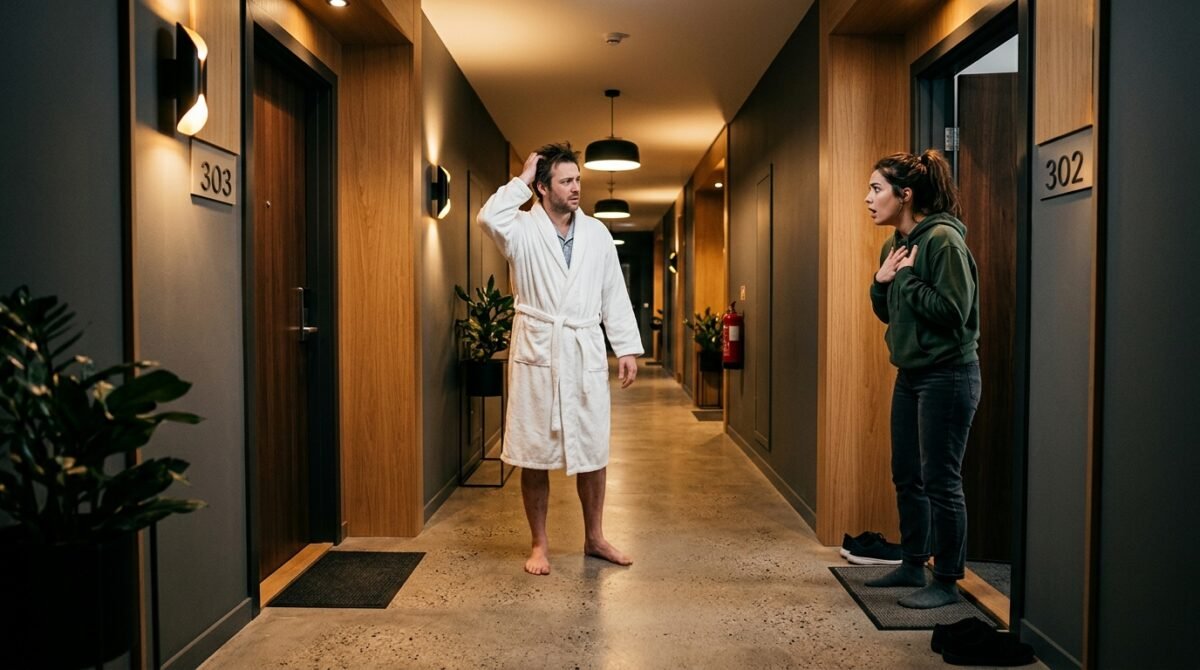
The bedroom door creaked open, and a man I had never seen in my life stepped out, wearing a hotel-branded bathrobe. He looked at me with genuine confusion, clutching a smartphone. He wasn’t a boyfriend; he was a guest. A paying guest. The realization hit me with the force of a physical blow as I scanned the room and saw not only my own belongings but a pile of freshly folded hotel-style linens.
I felt a strange sense of dissociation. This was my room. Those were my pillows. Yet, the man in front of me was looking at me like I was the intruder. I backed into the kitchen, my heart hammering against my ribs, and waited for the inevitable confrontation. Sarah emerged from her own room, looking pale, her eyes darting between me and the bewildered stranger who had just paid for a ‘luxury short-term stay’ in my bed.
The Digital Paper Trail of Deceit
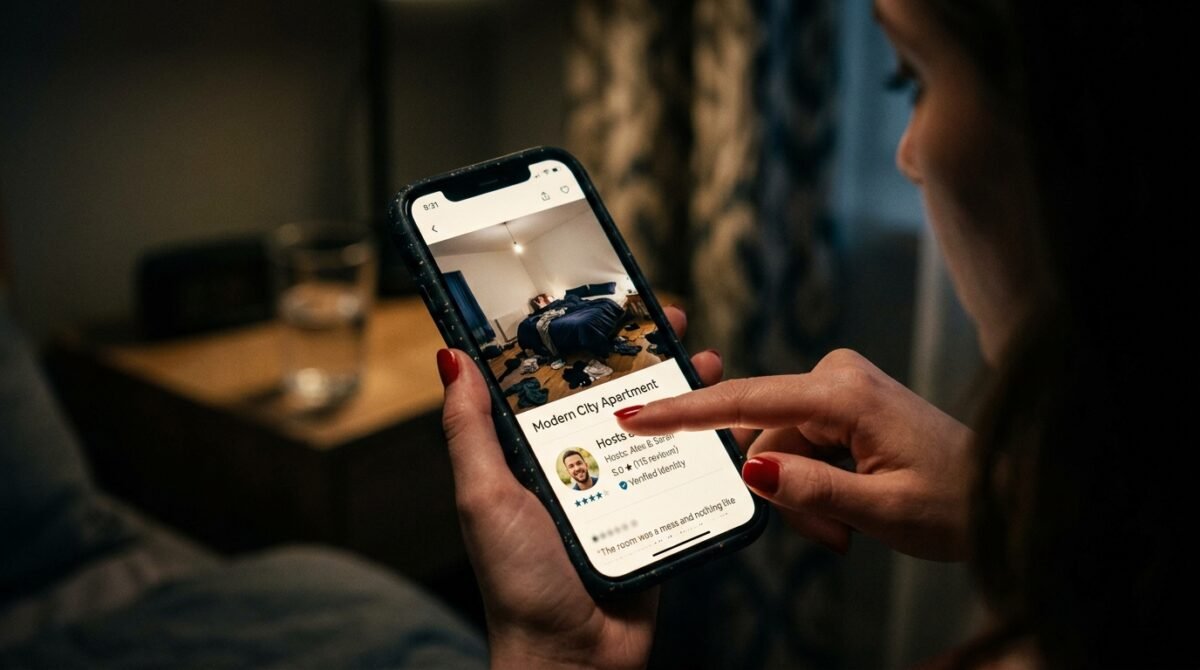
Once the guest had been ushered out into the hallway, stammering apologies about his ‘booking error,’ the air in the living room grew thick with tension. I didn’t let Sarah speak. I marched into the master bedroom, which had been staged to look like a boutique hotel room. My personal items—my photos, my books—had been shoved into a closet, replaced by generic ‘welcome’ pamphlets and a small basket of mints.
I pulled out my phone and did a quick search on the major short-term rental platforms. It didn’t take long. There it was: ‘Luxury Master Suite in the Heart of the City.’ The photos were undeniably mine. They had been taken during the times I was away on business. The calendar was booked solid for months, with premium rates charged for weekends. She had been renting out my room while I was paying rent to live in it.
“How long, Sarah? How long have you been doing this?” I demanded, throwing the printed booking confirmation on the coffee table.
— Me, the night of the discovery.
She tried to play it off at first, claiming it was just a few times to help cover the rising costs of electricity and internet. But the reviews on the site told a different story. They stretched back nearly ten months. She had generated thousands of dollars in profit, effectively making me her silent, unwilling business partner and the primary financier of her side hustle.
The betrayal wasn’t just the money; it was the sheer audacity. She had been cleaning my bathroom, washing my sheets, and inviting strangers into my personal sanctuary. Every time I had come home tired, feeling like I was returning to a safe space, I had actually been walking into a place that had been commodified by someone I trusted with my life.
The Financial Breakdown of the Scam

I sat down at the kitchen table and began to piece together the math. If she was charging $150 a night for fifteen nights a month, she was pulling in over $2,000 per month—nearly the entire cost of the apartment. I had been paying my half of the rent faithfully every single month, while she was living rent-free and pocketing a significant profit on top of that.
I pulled up our shared spreadsheet where we tracked utilities. She had been inflating the ‘shared’ costs, claiming that the electricity bill was higher due to my work-from-home days, when in reality, the surge was likely caused by the constant laundry cycles of hotel linens and the increased HVAC usage for her revolving door of guests.
| Category | My Payment | Her Profit |
|---|---|---|
| Rent | $1,200 | $1,200 (Saved) |
| Airbnb Revenue | $0 | ~$2,200 |
| Utilities | $150 (Inflated) | $0 |
The numbers were staggering. She wasn’t just a bad roommate; she was a calculated exploiter. I felt a surge of rage so intense I had to step outside just to breathe. I had been working overtime on the road, missing family events, and grinding through long hours, all to afford a lifestyle that was being subsidized by my own exploitation.
What made it worse was the ‘extra’ she had charged me for cleaning services, which she claimed were necessary because she was ‘keeping the place nice’ for me. In reality, she was charging the guests for cleaning, then charging me again for the privilege of living in a place she was already profiting from. The sheer level of greed was dizzying.
The Confrontation in the Living Room
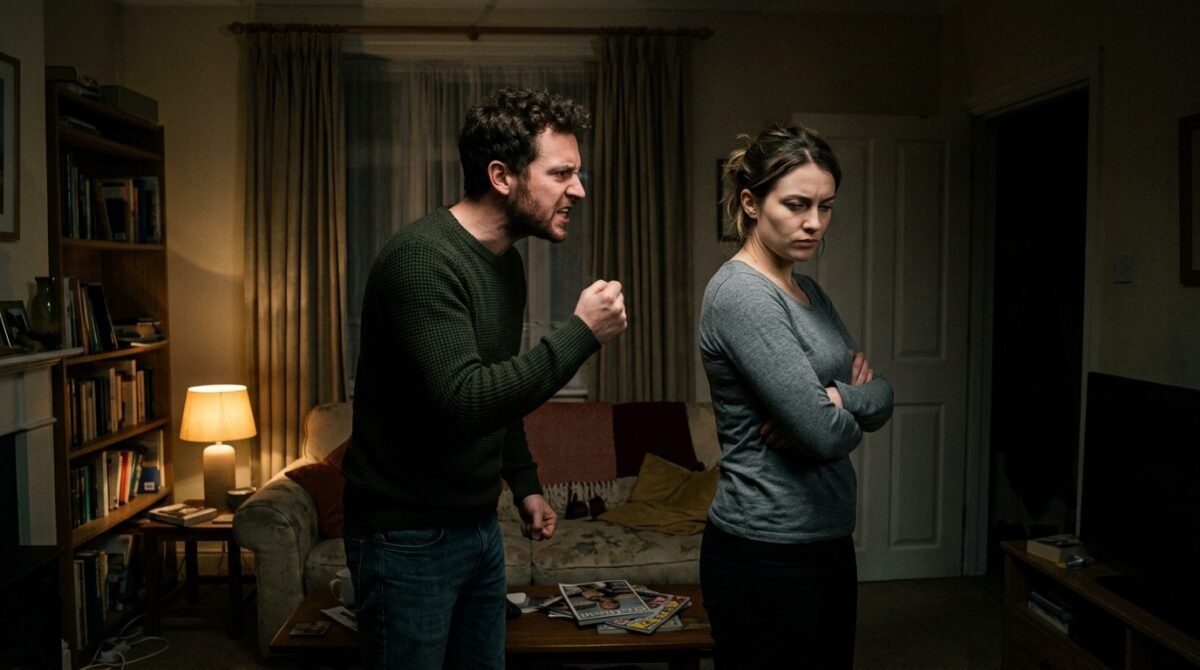
When I walked back in, Sarah was sitting on the couch, her phone in her hand. She had stopped trying to hide it. She looked at me with a cold, defensive expression that I hadn’t seen before. The ‘friendly roommate’ mask was completely gone, replaced by a hardened, transactional demeanor.
“You’re rarely here, and you’re always complaining about the rent,” she said, her voice dripping with artificial justification. “I figured I was just maximizing the utility of the space. You didn’t even notice.”
— Sarah, during our argument.
I couldn’t believe the logic. The idea that my absence was an invitation to turn my bedroom into a hotel was a level of gaslighting I hadn’t experienced before. She genuinely believed that because I wasn’t using the room, I had forfeited my right to it. She wasn’t sorry she did it; she was only sorry she got caught.
I told her I wanted every cent of the profit she made from my room. She laughed. She told me to check the lease, claiming that since my name was on the lease, I was technically liable for any ‘business’ conducted there, as if that were a threat to me rather than a confession of her own liability. She was trying to turn my legal status against me.
The argument escalated until the neighbors started pounding on the wall. I realized then that I couldn’t win this in a shouting match. She had no moral compass, only a balance sheet. I retreated to my room, locked the door, and began documenting everything I could find. This was no longer a roommate dispute; it was a legal war.
The Lease and the Legal Reality
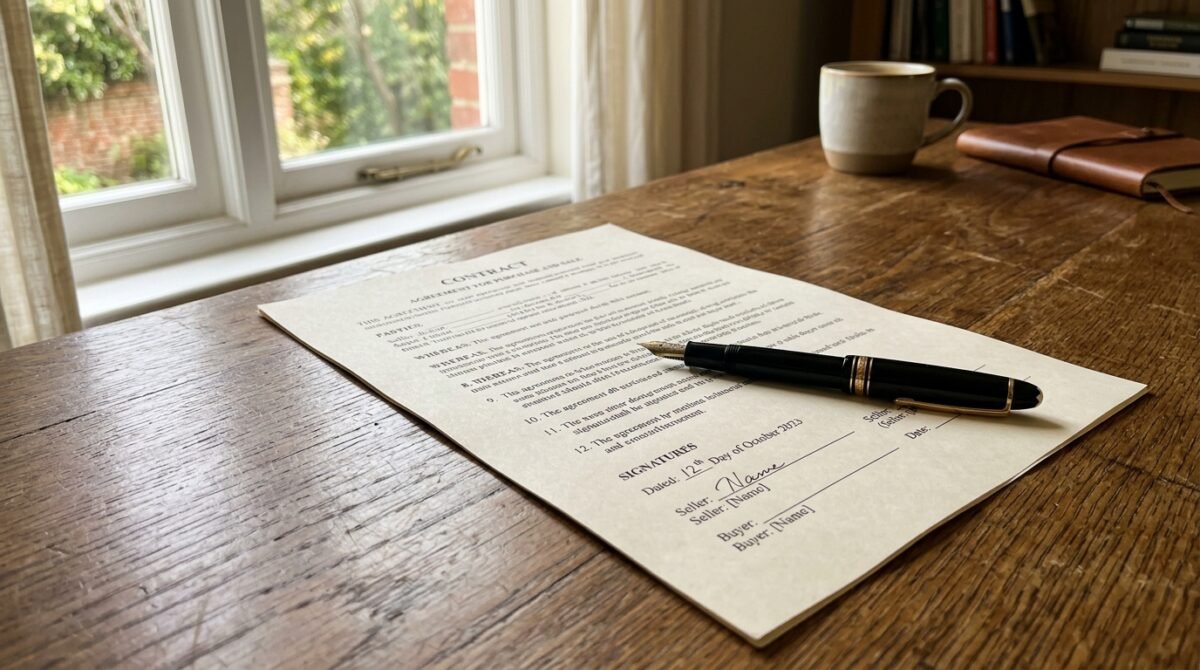
I spent the entire night reading our lease agreement from cover to cover. There was a very clear clause about ‘Subletting and Commercial Use.’ It explicitly stated that no part of the apartment could be used for short-term commercial purposes, and doing so was grounds for immediate eviction. Sarah had been playing a dangerous game, one that could have left us both homeless.
I realized that if I reported her, I was also admitting that I was living there while this was going on. I had to be careful. I drafted a message to our landlord, but I kept it vague, asking about the policy on guests and whether there had been any ‘unauthorized activity’ reported. I needed to see what the landlord knew before I dropped the bomb.
The next morning, the landlord sent a cryptic reply: ‘Everything seems fine, but we have had a few complaints from neighbors about noise at odd hours.’ That was all I needed to hear. She was already on the radar. The apartment complex had a strict ‘no Airbnb’ policy, and the fines for such a violation were astronomical.
I sat Sarah down one last time, not to argue, but to lay out the reality of her situation. I showed her the email from the landlord and the clause in the lease. I told her she had forty-eight hours to vacate, or I would forward the evidence of her illegal subletting to the property management company, which would result in an eviction on both of our records.
The Explosive Group Chat Reveal
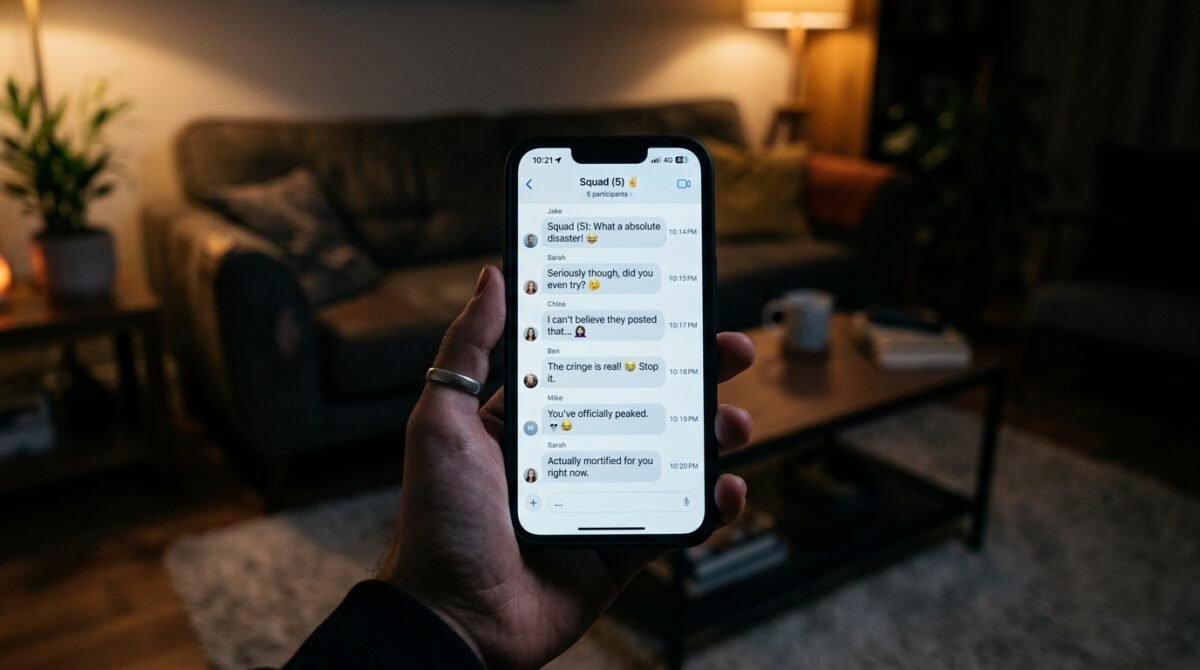
It turned out that Sarah hadn’t been acting alone. I discovered a secret group chat on her laptop while she was out, where she had been bragging about her ‘business venture’ to her friends. They were all in on it, encouraging her, calling me a ‘sucker’ for paying half the rent while they got to enjoy a free crash pad whenever they wanted.
“OMG, don’t worry about her. She’s too busy working to ever notice. Just keep the room clean and change the sheets. She’s paying for your lifestyle!”
— Leaked text from Sarah’s friend in a group chat.
Reading those messages was like having the wind knocked out of me. It wasn’t just Sarah; it was an entire circle of people mocking my work ethic, my life, and my trust. I took screenshots of every single message. I realized that my own circle had been compromised by her influence.
I confronted her about the group chat. She didn’t deny it. She just looked at me with pure, unadulterated contempt. She felt entitled to the space because she ‘worked harder’ to keep it clean, as if that excused the financial fraud. The mask was fully off, and the person I had been living with was a stranger I never truly knew.
I didn’t yell. I didn’t cry. I simply blocked everyone involved and set a hard deadline. The bridge wasn’t just burned; I was salting the earth so nothing would grow there again. The betrayal was total, and my focus shifted entirely to self-preservation and ending this toxic arrangement.
The Cold Exit of a Roommate
The forty-eight hours passed in silence. We barely looked at each other. She started packing her things, not with remorse, but with a sullen, bitter energy. She blamed me for ‘ruining her business’ and ‘being a difficult roommate.’ She had completely flipped the narrative in her own head, seeing herself as the victim of my ‘rigidity.’
She moved out on a Saturday morning. I stood by the door, watch in hand, waiting for the final bag to clear the threshold. She didn’t even say goodbye. She just walked out, leaving behind a few damaged pieces of furniture and a sink full of dirty dishes. It was a pathetic end to a year of living together.
Once the door clicked shut, I changed the locks immediately. I went through every inch of that apartment, cleaning, scrubbing, and sanitizing every surface. I felt like I was reclaiming my territory, piece by piece. It was exhausting, but for the first time in months, I felt a sense of peace settling over the space.
I took photos of the damage she left behind—the scuffs on the walls, the broken shelf in the closet—and sent them to the landlord along with a formal notice that I would be staying on as the sole leaseholder. I was done with roommates. I would rather pay double and live in a studio than ever trust a stranger with my home again.
Reddit’s Verdict: The Community Weighs In
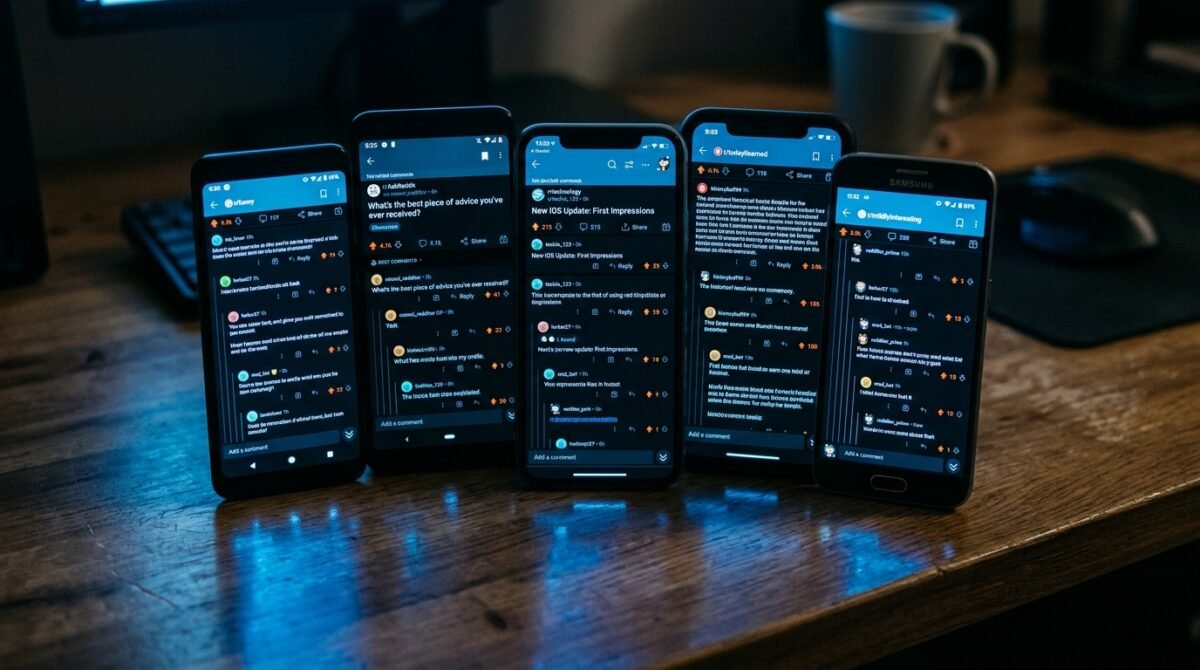
I posted my story on a popular forum, expecting to get some pushback from people who thought I was being too harsh. I wanted to see if I was crazy. The response was overwhelming, and it wasn’t what I expected. The internet was on my side, and the advice was brutal, honest, and eye-opening.
“This isn’t just about a roommate; this is financial abuse. She was literally using you to run a business. You should have taken her to small claims court for every penny she made off your room. NTA, and honestly, you were too soft on her.”
— u/PropertyLawPro (Top Comment, 32.1k upvotes)
The community support provided a much-needed perspective. It confirmed that what happened to me wasn’t a normal ‘roommate issue’—it was a calculated exploitation of my trust. People shared their own horror stories, which helped me realize that I wasn’t alone in this, and that my reaction was completely justified.
There were also warnings. Several users pointed out that I should ensure the landlord didn’t try to pin the Airbnb fines on me. They advised me to keep a paper trail of every interaction with Sarah, proving that I had no knowledge of her ‘business’ until the very end. The guidance helped me navigate the final steps of the lease transition.
I felt a strange sense of vindication. While the betrayal still stung, the validation from thousands of strangers helped me process the anger. It allowed me to let go of the need to ‘get even’ and instead focus on protecting my future. I was no longer a victim; I was a person who had learned a hard lesson and come out the other side.
The Aftermath and My New Reality

Life alone in the apartment has been quiet, but it’s a good kind of quiet. I’ve redecorated the master bedroom, changing the furniture and the layout so that it no longer feels like the place where ‘the business’ operated. I’ve filled the space with things that make me happy—books, plants, and a sense of calm that I hadn’t felt in a long time.
I still travel for work, but now, I come home to a place that is exactly as I left it. There’s a profound peace in knowing that my home is mine, and mine alone. The financial hit of paying the full rent was tough at first, but I’ve adjusted. I’ve cut costs in other areas, and it’s a price I’m more than willing to pay for the security and peace of mind.
I’ve also learned to set firmer boundaries with everyone in my life. I don’t give people the benefit of the doubt as easily as I used to, and I don’t apologize for expecting honesty and respect in my relationships. It’s a cynical way to live, perhaps, but it’s a necessary one after the betrayal I experienced.
Looking back, I don’t regret the time I lived there, but I do regret not being more observant. I see the signs now—the small, subtle ways she tested my boundaries before jumping into the full-scale scam. I’m smarter now, and I’m definitely never having a roommate again.
Reflecting on the Gig Economy Trap

This story serves as a reminder that the ‘gig economy’ has a dark underbelly. When everything can be commodified, trust becomes a liability. We are encouraged to share our cars, our homes, and our time, but we rarely talk about the risks involved when that sharing becomes a one-sided extraction of value.
My experience is part of a larger trend of ‘platform-enabled’ exploitation. It’s easy to think, ‘I’m just making a little extra money on the side,’ without considering the impact on the people around you. But when that ‘extra money’ comes at the expense of someone else’s housing security and personal safety, it ceases to be a gig and becomes a predatory act.
I hope that by sharing this, others will be more vigilant. Don’t just trust that your roommate is who you think they are. Keep an eye on your home. Don’t be afraid to ask hard questions, even if they feel awkward. Your home is your foundation, and protecting it is worth any amount of temporary social discomfort.
We need to rethink how we approach shared living in an era where everyone is trying to build a ‘side hustle.’ Communication, clear agreements, and absolute transparency are the only ways to avoid becoming the next victim of a roommate’s hidden business.
Conclusion
The journey from the shock of that Tuesday night to the quiet, peaceful life I have now has been a long one. I lost a friend, a sense of security, and a lot of money, but I gained something equally valuable: the ability to recognize my own worth and the necessity of boundaries. This story wasn’t just about a roommate; it was about the moment I stopped being a spectator in my own life and started being its guardian.
I think back to that moment, standing in my own hallway, confronted by a stranger in my bed, and I realize that the most important thing I did wasn’t to fight—it was to stand my ground. I didn’t let her manipulate me, and I didn’t let her keep going. I chose my own sanity over the social pressure to ‘keep the peace.’
I’m curious to know what you would have done in my position. Would you have let her stay until the end of the lease, or would you have kicked her out immediately? Does the prospect of ‘maximizing utility’ ever justify taking over a roommate’s private space? Let me know your thoughts in the comments below, and let’s discuss the boundaries of modern rooming.
What's your verdict on this dilemma?
Vote below to contribute to the official community consensus.

Have a Dilemma Keeping You Up at Night?
Share your real-life feud, wedding chaos, or relationship crossroads anonymously with our editorial team.
What do you think ?
0 Comments🛡️ Comments are moderated to protect community integrity. Your comment will appear once approved by the editorial team.