
Grief is a strange, distorting lens. It turns the mundane into the sacred and forces us to confront the true character of those we share blood with. When my father passed, the world stopped spinning for me, but for my extended family, it seems it only served as a starting gun for a scavenger hunt. I had barely finished notifying the funeral home when I realized that the sanctity of my father’s final wishes—and his estate—was under immediate siege.
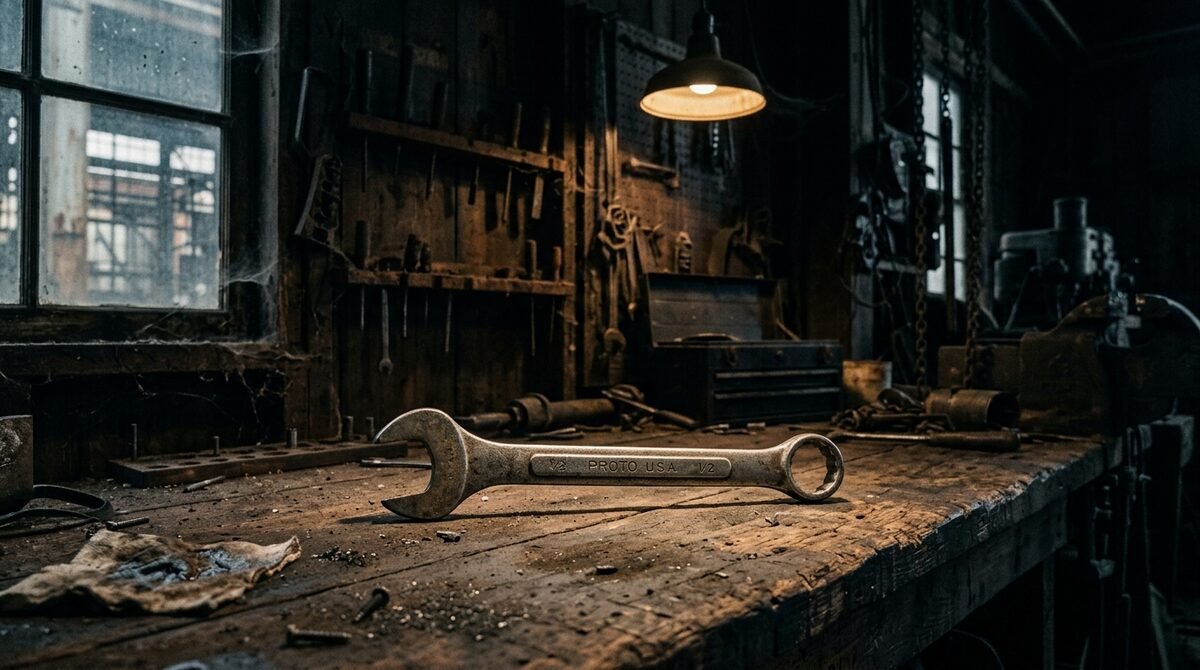
My father was a master craftsman, a man who spent forty years building a legacy in a workshop that served as his sanctuary. Every precision lathe, calibrated micrometer, and hand-forged chisel held a story of a project completed or a lesson taught. To me, the shop was a monument to his integrity. To my cousins and uncles, it was a hardware store with no checkout counter, ripe for the picking while I was busy navigating the harrowing logistics of a death certificate and obituary.
The audacity was breathtaking. I had left the property for a mere four hours to meet with the mortician. Upon my return, the heavy sliding door of the shop was hanging open, and the silence inside was deafening. The racks that once held his life’s work were stripped bare, leaving behind nothing but silhouettes of tools in the dust. My father wasn’t even cold, and his blood relatives had already begun the process of liquidation.
I am not a man prone to violence, but I am a man who respects the law and the memory of a father who taught me that property rights are the bedrock of a civilized society. I didn’t scream, I didn’t beg for the return of the items, and I didn’t engage in a shouting match on the lawn. I simply picked up the phone. Sometimes, the most effective way to handle a family dispute is to remove the family entirely and let the state authorities handle the inventory.
This is the story of how I transformed a funeral-day heist into a legal reckoning, and why, if you ever find yourself in the crosshairs of greedy relatives, you shouldn’t hesitate to invoke the power of the law. This wasn’t just about tools; it was about the line between grief and theft, and I chose to hold that line with everything I had.
The Empty Pegboards and the Scent of Deceit
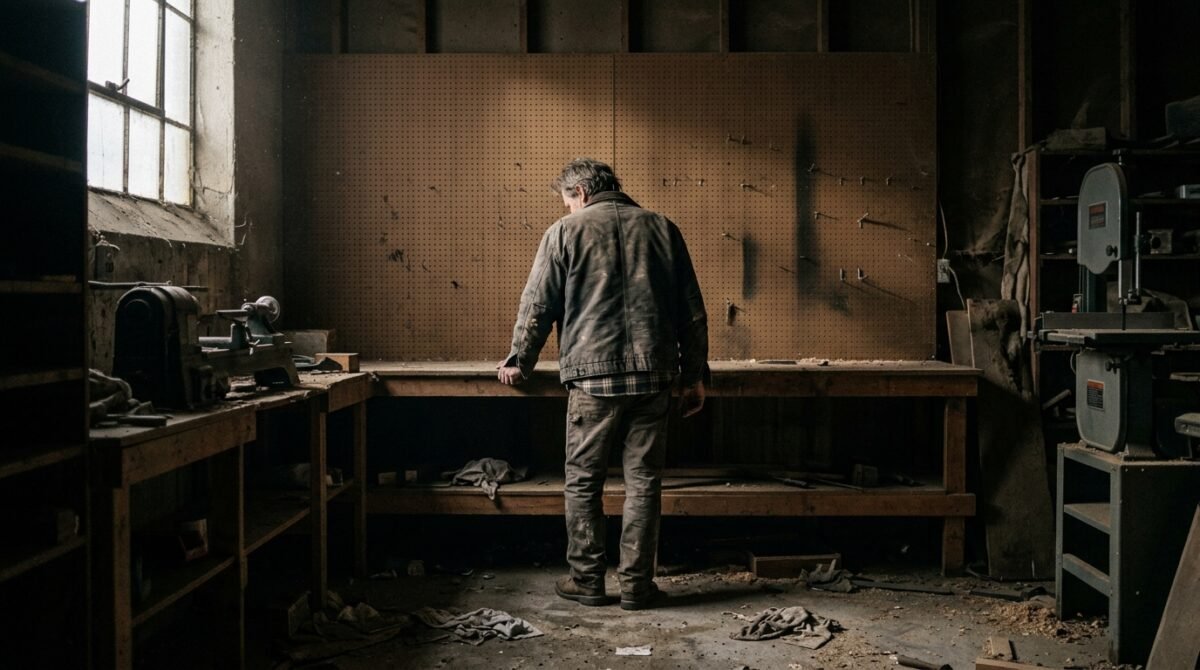
The realization didn’t hit me all at once. It was a slow, agonizing dawning. As I walked into the workshop, the smell of sawdust and machine oil usually greeted me like a warm embrace. This time, the air felt stagnant and strangely hollow. My eyes drifted to the main pegboard wall, the one my father had organized with surgical precision. The spot where his vintage Japanese chisels rested was empty. Then, I looked at the lathe bench—the high-end CNC controller was gone, along with the specialized milling heads.
I stood there for a long moment, my breath hitching in my throat. I assumed maybe my uncle, who had helped out occasionally, had moved them for safekeeping. But as I walked deeper into the shop, the evidence of a systematic strip-mine became undeniable. Tool chests were open and emptied of their sockets. Power tools were missing their batteries. Even the specialized laser level, an expensive piece of equipment I had gifted him for his birthday, had been snatched from its case.
I checked my phone. There were no messages, no notifications of anyone coming by. My family knew the workshop was strictly off-limits until the probate process was settled. The silence of the house was broken only by the distant sound of a crow calling from the woods. I felt a surge of cold, hard clarity replace my grief. This wasn’t a misunderstanding. This was a targeted operation.
“I stood in the center of that room, surrounded by empty space, and realized that my father’s legacy was being sold for parts before his obituary had even hit the newspaper.”
I stepped back out into the bright afternoon sun and looked toward the gravel driveway. There were fresh tire tracks—heavier than a standard passenger vehicle. I knew then that they had used a truck, and they had moved fast. I didn’t call my mother, and I didn’t call my siblings. I pulled up the security camera footage from the doorbell, which had a wide-angle view of the driveway. What I saw made my blood turn to ice.
There, clear as day, was my cousin’s Ford F-250. My uncle, the man who had preached family loyalty at every holiday dinner, was loading a rolling cabinet into the back of the bed. He was laughing, or at least he looked like he was, gesturing toward the shop door with a cigar clamped between his teeth. They had turned my father’s life’s work into a smash-and-grab project.
The WhatsApp Group Chat Reveal
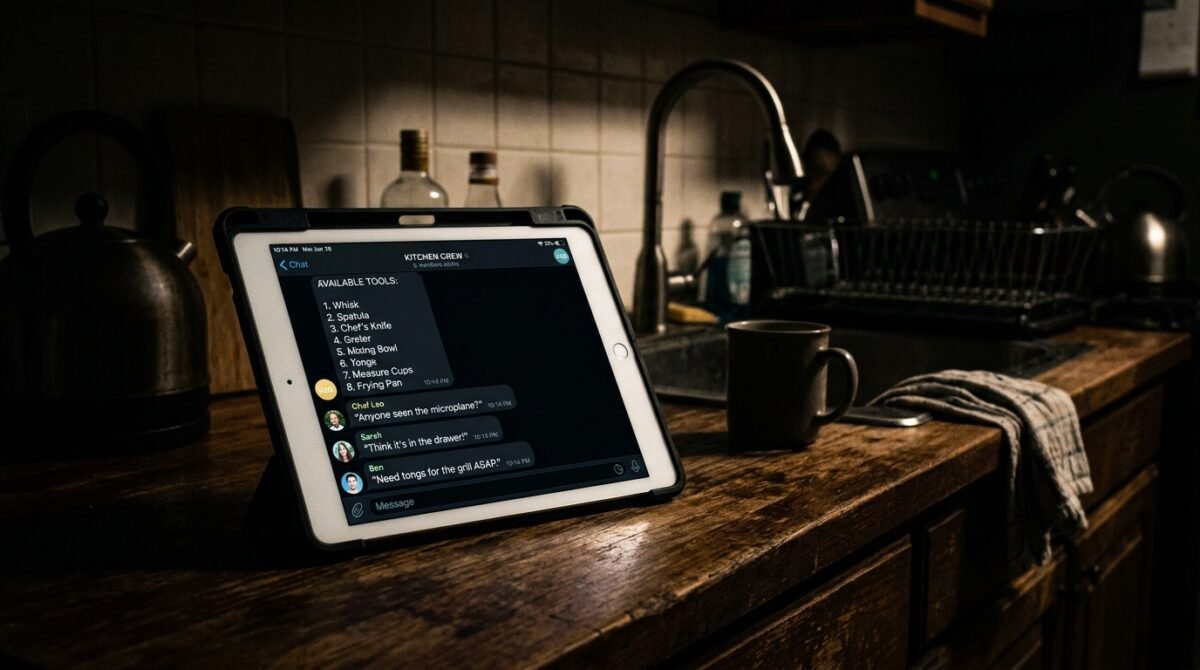
I didn’t have to guess where they were or why they were doing it. My father had left his iPad on the kitchen counter, and it was still synced to the family group chat. I picked it up, my hands trembling with a mixture of rage and adrenaline. The chat was titled ‘The Estate Split’—a name that made me physically ill. I opened it and started scrolling back through the last few hours of messages.
The conversation was chillingly transactional. They weren’t mourning; they were dividing the spoils. My aunt was asking about the antique woodworking table, while my cousin was sending photos of the lathe, asking if anyone knew the ‘resale value’ on the open market. It was a masterclass in callousness. They had assumed I would be too preoccupied with the funeral preparations to notice the inventory missing until it was too late to recover it.
“Cousin Dave: Just grabbed the CNC bits. They’re worth at least $4k. Should we wait until after the funeral to list them on Craigslist?”
— Family Group Chat
I felt a strange sense of detachment as I read through the list of items they had already claimed. It was like reading a grocery list, except the items were the tools my father had spent his life accumulating to provide for us. My uncle responded to the thread, telling everyone to be ‘quick and quiet’ because I might come back from the mortician’s office sooner than expected. They treated my grief as a time-sensitive obstacle to their heist.
I screenshotted everything. Every message, every photo of the items in the back of their trucks, every plan to hide the tools at my aunt’s house. I saved it all to a cloud drive and emailed it to myself. I wasn’t going to engage them in a shouting match. I knew my family; if I confronted them, they would gaslight me, claim they were ‘borrowing’ the items for safekeeping, or simply lie until they disappeared. I needed to move in a way that left them no room for negotiation.
I walked back inside and poured myself a glass of water, my hands finally steady. I was no longer the grieving son; I was a person acting on behalf of an estate, and those tools were legally part of that estate. I had the power to protect what was left, and I had the proof of who had taken the rest. I sat down at the kitchen table and started drafting a list of every item I had seen on the security footage and in their chat. I was preparing a formal report.
The Call to the Local Barracks

The choice to call the State Troopers wasn’t made lightly. In a small town, everyone knows everyone, and bringing in the police feels like a nuclear option. But my father’s family had already decided that the norms of decency didn’t apply to them, so I decided the norms of family silence didn’t apply to me. I dialed the non-emergency line, but after explaining the situation—specifically the value of the items and the fact that the estate was currently under my sole executor control—they transferred me to a sergeant.
I explained the situation with clinical precision. I didn’t cry. I didn’t vent my anger. I laid out the facts: the death of the owner, my status as the executor, the security footage of the unauthorized entry, and the digital proof of the intent to sell. The sergeant was quiet for a long moment, then asked me to hold. When he returned to the line, his tone had shifted from professional distance to genuine interest. He told me that this fell squarely under larceny and unauthorized conversion of estate property.
“I told the officer: ‘My father hasn’t even been buried yet, and my own family has cleared out his shop. I have the footage and I have the receipts. I want them brought in.’”
We spent forty-five minutes on the phone. I provided the names, the addresses, and the descriptions of the stolen items. I told them exactly where the tools were likely being stored. The sergeant informed me that since the estate was in probate and I had the documentation, they could issue a warrant for the recovery of the items. He promised that a patrol would be sent out within the hour, and they would be contacting me once they reached my uncle’s property.
I felt an immense weight lift from my shoulders. It wasn’t about the money—the tools were replaceable in a sense, but they were my father’s tools. It was about the principle. They had tried to exploit a moment of profound vulnerability, and they had gambled on my silence. They were going to lose that gamble, and they were going to do it in front of their neighbors and friends.
I hung up the phone and waited. The house felt less empty now, filled with a different kind of intensity. I poured a drink and sat on the porch, watching the driveway. I knew the police would arrive shortly, and I knew exactly how my uncle would react. He would try to pull the ‘family’ card, but there is no room for family sentiment when you are being presented with a search warrant by a state trooper in your own driveway.
The Confrontation at the Driveway
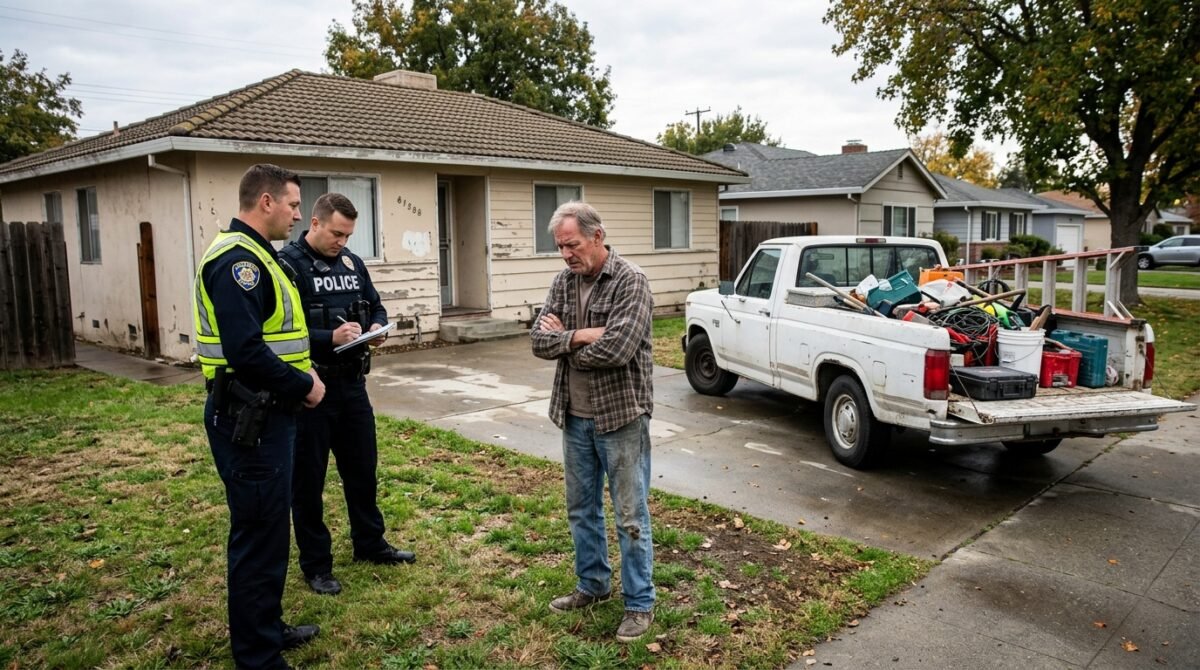
Watching the patrol car pull into my uncle’s driveway from a safe distance felt like watching a slow-motion car crash. My uncle, who had been busy organizing his garage, looked confused as the officer stepped out. He was still wearing the same shirt he had worn in the security footage, a small smear of grease on the collar. The officer didn’t shout; he just walked up with a clipboard and began talking, gesturing toward the truck where the stolen items were still sitting.
My uncle’s face went from confused to pale in a matter of seconds. I could see him pointing at the house, presumably trying to call my aunt or my cousins. The officer stood firm, his hand resting casually on his belt. It was the most satisfying thing I have ever witnessed. My uncle, the man who prided himself on being the ‘tough guy’ of the family, was suddenly looking very small and very guilty.
“I watched from my car as the officer pointed at the back of the truck. My uncle tried to argue, but the officer just handed him the warrant. His knees literally buckled.”
After about twenty minutes of back-and-forth, the officer signaled to me. I drove over, my heart hammering in my chest. As I pulled up, my uncle looked at me with a mixture of hatred and desperation. He tried to start in on me, asking how I could do this to ‘my own blood,’ but the officer stepped in, reminding him that any further communication should be through legal counsel. I didn’t say a single word to my uncle. I just looked at the tools in the truck bed.
The officer helped me unload them. Each tool felt heavier than I remembered, burdened with the weight of the betrayal. My uncle stood there, fuming, while my aunt emerged from the house, wailing about ‘shame’ and ‘family respect.’ I ignored her entirely. I focused on the task at hand, checking each piece off my list against the items recovered. The lathe controller was there, the chisels were there, everything I had identified was present.
As we finished loading the last of the gear into my vehicle, the officer turned to my uncle and gave him a formal warning regarding the unauthorized removal of property from a deceased individual’s estate. The threat of a criminal record hung in the air, heavy and undeniable. My uncle stopped talking. The silence that followed was the first real moment of peace I had experienced since my father’s death. The police left, and I drove home, leaving my relatives standing in their driveway, stunned and humiliated.
The Fallout: Silence and Sabotage
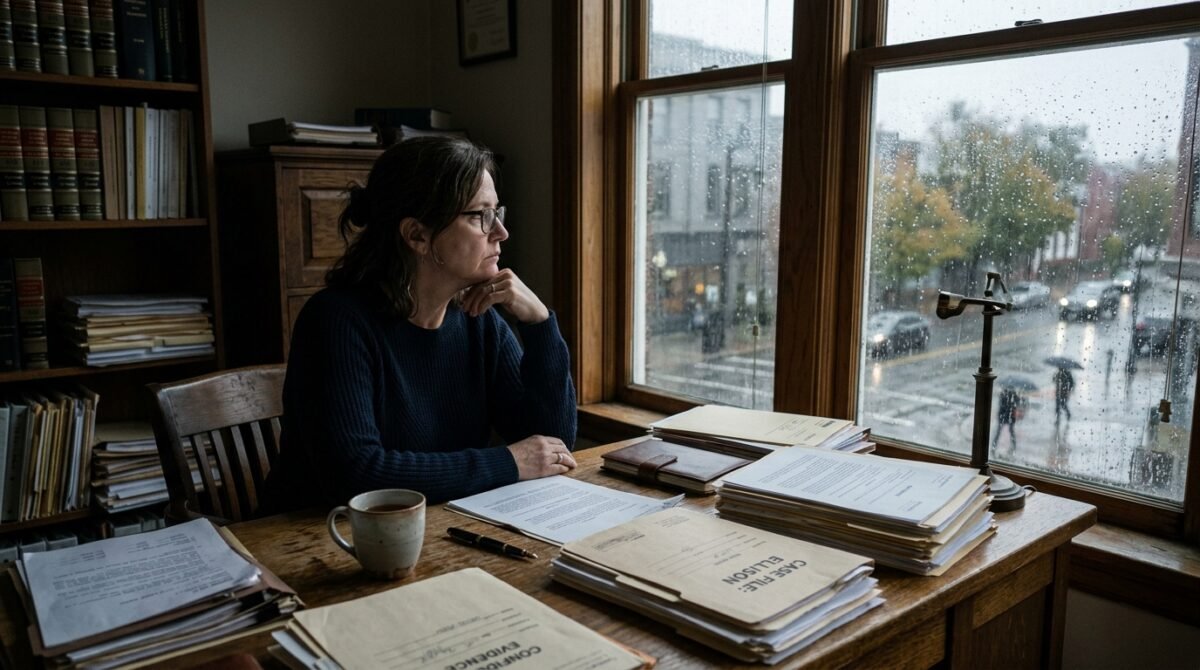
The days following the police intervention were a whirlwind of social media drama and absolute silence from my immediate family. My cousins began posting vague, inflammatory statements about ‘greedy children’ and ‘betrayal of kin’ on their Facebook walls. They tried to frame the narrative as if I had weaponized the police against my own family over a minor misunderstanding. It was a pathetic attempt at face-saving, but it didn’t hold up.
My siblings, who were living out of state, were horrified. They didn’t even know the looting had taken place until they saw the police report my lawyer had filed. When they called me, they were supportive, but also shocked at the lengths my uncle had gone to. They hadn’t realized how much resentment had been festering under the surface, nor had they realized how far the extended family was willing to go to get a piece of the pie.
“You didn’t just stop a theft; you broke the illusion. They were terrified because they realized you were the only one who didn’t fear them anymore.”
— My sister, over the phone
The sabotage didn’t stop with Facebook posts. A few days later, my father’s lawyer received a call from my aunt, who was now claiming that my father had ‘promised’ her those specific tools in a conversation that supposedly happened years ago. It was a desperate, transparent lie, but it complicated the probate process. I had to spend thousands of dollars in legal fees to finalize the estate, all because my family couldn’t handle the fact that I had stood up for myself.
I went no-contact with that entire side of the family. I blocked their numbers, restricted their social media, and made it clear to my mother that I would not be attending any family gatherings where they were present. It was a hard decision, but it was the only one that allowed me to grieve in peace. I realized that my father’s workshop wasn’t just a place of work; it was a test, and my relatives had failed it spectacularly.
The irony of it all is that if they had just asked—if they had just come to me and said, ‘We’d like to have a keepsake, maybe a few tools to remember him by’—I probably would have given them to them. But they chose theft. They chose entitlement. And in doing so, they lost the one thing that actually mattered: the connection to the family they claimed to be honoring.
Reddit Weighs In: The Verdict of the Internet

I posted my story on a popular subreddit, expecting some backlash from people who thought family should always come first. What I got instead was a massive outpouring of support. Thousands of people shared their own horror stories of estate looting, and the community response was overwhelmingly in my favor. It turned out I wasn’t alone in facing this kind of greed, and the validation was profound.
“NTA. You didn’t ‘call the cops on your family’; you called the cops on criminals who happened to be related to you. Theft is theft, regardless of the bloodline. You did the right thing.”
— u/JusticeForAll_2024 (Top Comment, 32.5k upvotes)
There were hundreds of comments analyzing the dynamics of the situation. Some people pointed out that this is a classic move by toxic family members—they wait for the grieving person to be vulnerable, and then they strike. They call it ‘grief-stripping.’ It made me feel less like a villain and more like a survivor of a calculated, predatory attack. The legal advice provided by some of the users was actually quite useful, helping me navigate the probate process with more confidence.
Of course, there were some contrarians. A few people argued that I should have handled it ‘internally’ and that the police were too aggressive. But those comments were quickly buried by the community, who pointed out that when you steal thousands of dollars worth of property, you forfeit the right to handle it ‘internally.’ The consensus was clear: my relatives had broken the social contract, and I was merely enforcing it.
Reading the comments helped me realize that the guilt I was feeling wasn’t my own—it was the guilt they had been trying to project onto me. They wanted me to feel bad for standing up for myself because they knew that was the only way they could get away with it. By seeing the situation through the eyes of strangers, I was able to shed that guilt and realize that I had saved my father’s legacy from being sold off in a garage sale.
I kept the thread updated as the probate process moved forward. The community followed along, offering encouragement and even some humor to lighten the mood. It became a space where I could vent, reflect, and eventually start to heal. The internet can be a dark place, but in this instance, it provided a level of community and support that my actual family had failed to provide.
The Final Probate Hearing
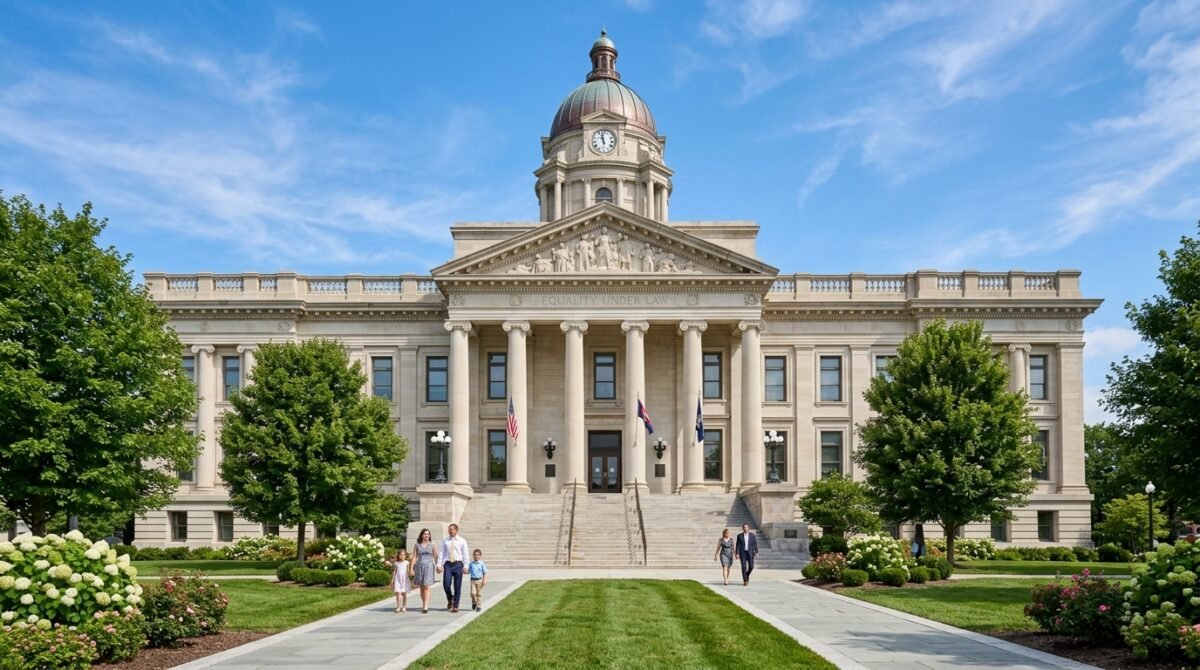
The probate hearing was the final chapter in this saga. My uncle and aunt showed up, looking bitter and tired. They still had their lawyers, who were trying to argue that the tools were ‘gifts’ or ‘loans.’ But my lawyer had prepared a rock-solid case. We presented the security footage, the chat logs, and the police report from the day they were caught. The judge barely looked at their defense; it was clear that their case was built on nothing but entitlement.
The judge ruled in my favor on every single item. He even noted that the attempts by my relatives to claim the property were ‘frivolous and vexatious.’ It was a complete victory. As we left the courthouse, my uncle tried to approach me, but my lawyer stepped between us. I didn’t even make eye contact. I just walked to my car, the final legal hurdles finally behind me. The tools were legally mine, and there was nothing they could do about it.
“The judge looked at them and said, ‘You have no documentation for these claims, but the estate has a mountain of evidence against you. The matter is settled.’”
The process of finalizing the estate took longer than I wanted, but it was worth it to ensure that everything was done by the book. My father’s tools are now safely stored in a secure location, and I’m slowly beginning to use them again. Every time I pick up one of his chisels, I don’t think about the drama or the police or the court hearings. I think about my father, and the joy he found in creating something from nothing.
I’ve learned a lot about boundaries through this experience. I’ve learned that people will push you as far as you let them, and that ‘family’ is not a magic word that grants people a free pass to treat you poorly. I’ve learned that sometimes, the hardest thing to do is also the most necessary. My father would have been proud of the way I handled it—he was a man who believed in order and justice, and he would have been horrified to see his own family act like vultures.
I’m finally at peace with the whole thing. It took time, it took a lot of money, and it took a massive toll on my family relationships, but I’ve kept my integrity intact. I haven’t heard from my uncle or aunt in months, and frankly, I don’t expect to. And that’s okay. I’ve realized that life is too short to surround yourself with people who only look at you as an opportunity to be exploited.
Reflecting on the Cost of Greed
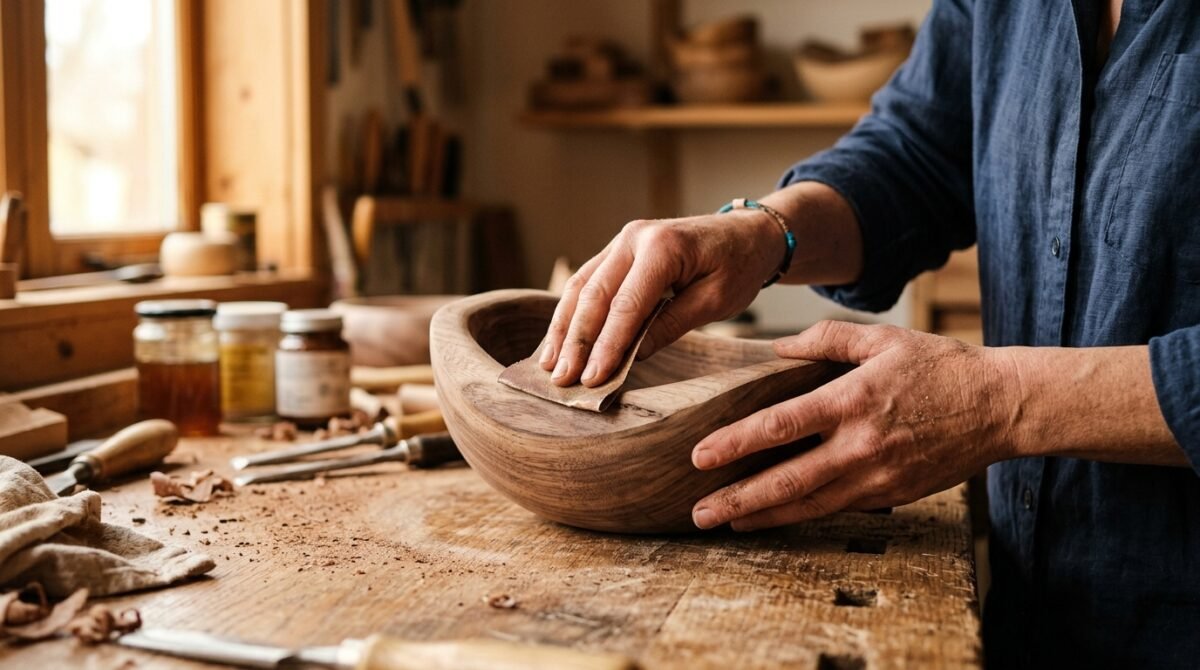
The financial cost of the entire ordeal was staggering. Between the legal fees, the time off work, and the stress of the probate process, I could have probably bought a whole new set of tools for the price of fighting for the ones I had. But the value of those tools wasn’t just in the metal and the wood—it was in the principle. If I had let them get away with it, they would have been emboldened to take more. It was never just about the workshop; it was about stopping a pattern of behavior that had been excused for far too long.
I’ve spent a lot of time thinking about why they did it. I think it stems from a profound sense of entitlement—the belief that because they were family, they were somehow owed a piece of my father’s success. They didn’t see the hard work, the long nights in the shop, or the sacrifices he made. They only saw the end result, and they wanted a shortcut to it. It’s a tragic way to live, always looking for a way to get ahead by tearing others down.
“I realized that their greed wasn’t a reflection of my father’s life, but a reflection of their own empty lives. They didn’t want the tools; they wanted to feel like they had ‘won’ something.”
I have forgiven them, not for their benefit, but for mine. I’ve let go of the anger and the desire for retribution. I don’t need them to apologize, because I know they never will. They are trapped in their own cycle of bitterness and blame, and that’s a punishment far worse than any legal judgment could ever inflict. I’m moving forward with my life, focused on the things that actually matter.
I’ve taken up woodworking myself, following in my father’s footsteps. It’s a meditative process, one that connects me to him in a way that the drama never could. I’m not as fast or as precise as he was, but I’m learning. And every time I finish a project, I feel a little bit more of that healing take hold. The workshop is no longer a site of conflict; it’s a site of creation once again.
I’m grateful for the support I received, both from friends and from the online community. It reminded me that there are good people out there who understand the value of boundaries and the importance of standing up for what’s right. I hope that by sharing my story, I can help someone else who might be going through something similar. Don’t be afraid to protect yourself. Don’t be afraid to call in the professionals. And most importantly, don’t be afraid to choose your peace over the demands of toxic family members.
The Lessons of the Workshop

Looking back, the most important lesson I’ve learned is that grief doesn’t change who people are; it only accelerates it. The people who were generous and supportive before my father died were even more so afterward. The people who were selfish and entitled were even more so. It was a harsh, fast-tracked lesson in human nature, but it was one I needed to learn to move on with my life.
I’ve also learned that the law is a tool, just like the tools in my father’s shop. It can be used for good or for evil, and it depends entirely on the hands that wield it. I chose to wield it to protect what was rightfully mine, and to uphold the dignity of my father’s memory. It wasn’t an act of malice; it was an act of preservation. The law exists for a reason, and it is there to be used when the social structures of family fail.
“The law is a tool. You can use it to build justice or you can let it rust while people walk all over you. I decided to use it.”
I’m currently planning a memorial service for my father, one that will be small, private, and focused on those who truly loved him. There will be no room for the people who tried to loot his workshop. That’s a boundary I’m keeping, and it feels right. I’ve realized that the strength of a family isn’t in the blood you share, but in the respect you have for each other’s lives and legacies.
I’m also writing a letter to my father, something I’ve wanted to do for a long time. I’m telling him about the tools, about the workshop, and about how I’ve finally found my own way to honor him. I’m telling him that I’m sorry for the drama, but that I’m proud of how I handled it. I think he would be happy to know that his tools are being used again, and that the workshop is once again a place of peace.
I want to thank everyone who has read this story and shared their thoughts. It’s been a long journey, and sharing it has been a crucial part of my healing process. I hope that if you ever find yourself in a similar situation, you remember that you have the right to protect yourself, your boundaries, and the memory of those you love. You don’t have to take it. You don’t have to be the victim. You have the power to change the narrative.
Moving Forward: A New Chapter
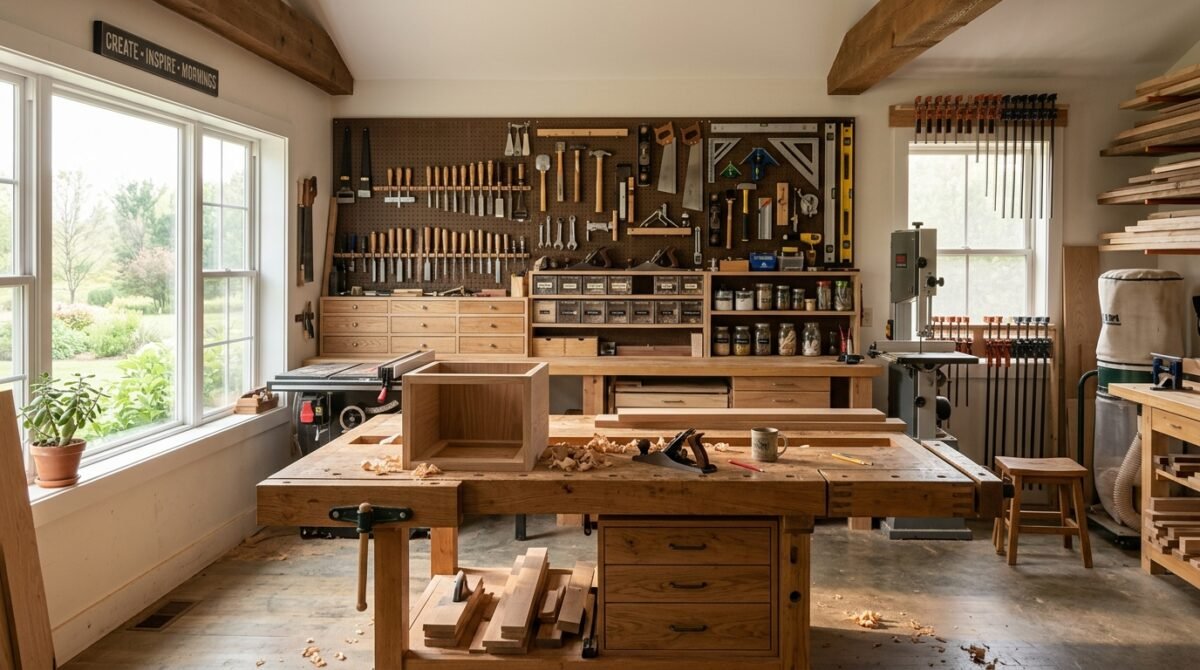
Today, I’m in a better place. The estate is settled, the workshop is humming with activity again, and I’ve found a new, authentic family in the friends who stood by me throughout this nightmare. I’ve learned that the best way to honor my father is not to dwell on the betrayal, but to live a life that would make him proud. That means being honest, hardworking, and kind—everything my relatives were not.
I’ve also started a small tradition of my own: every year on the anniversary of his passing, I’m going to make a tool or a piece of furniture in his memory. It’s a way to keep his spirit alive in the shop and to continue the work he started. It’s a small, quiet way to say ‘I’m still here, and I’m still learning.’ And I think that’s the best tribute I can offer.
“The workshop is not just a place for tools. It’s a place for history. And I’m writing the next chapter now.”
I’ve also become more vocal about the importance of estate planning. I’ve seen firsthand the damage that can be done when there’s no clear direction or documentation. If you’re reading this and you haven’t thought about your own estate, please do. It’s not about being morbid; it’s about being responsible. It’s about taking the burden off the people you leave behind and making sure that your wishes are respected, even when you aren’t there to enforce them.
I’m looking forward to the future. I have plans for the workshop, ideas for new projects, and a sense of optimism that I didn’t think I’d ever find again. I’ve come through the fire, and I’ve come out stronger on the other side. The lessons were painful, but the growth has been real. I’m grateful for everything I’ve been through, and I’m ready for whatever comes next.
Thank you for listening to my story. It’s been a long and difficult road, but I’ve found my way. I hope you find yours, too. And remember: always stand your ground, because no one else is going to do it for you.
Conclusion
The story of my father’s workshop is a testament to the fact that grief is a powerful, often dangerous, force. It can bring people together, but it can also reveal the worst in those who see it as an opportunity for personal gain. I had to face the unthinkable: that those I considered family could be motivated by such cold, calculated greed. But by refusing to be silenced, by choosing to act, and by relying on the justice system to hold them accountable, I reclaimed more than just my father’s tools—I reclaimed my dignity and my path forward.
We often talk about the importance of family, but we rarely talk about the importance of integrity, boundaries, and respect. When family members stop respecting the boundaries of the grieving and the dead, they forfeit their place in that family. It is a hard truth, but a necessary one to ensure your own well-being and to honor those who have passed.
What about you? Have you ever had to draw a hard line with your own family over an inheritance or a matter of principle? Did you feel the weight of social stigma, or were you supported by those around you? I’d love to hear your experiences in the comments below. Let’s discuss how we can better support each other in setting healthy boundaries during life’s most difficult transitions.
What's your verdict on this dilemma?
Vote below to contribute to the official community consensus.

Have a Dilemma Keeping You Up at Night?
Share your real-life feud, wedding chaos, or relationship crossroads anonymously with our editorial team.
What do you think ?
0 Comments🛡️ Comments are moderated to protect community integrity. Your comment will appear once approved by the editorial team.