

Inheritance has a funny way of bringing out the absolute worst in people. You think you know your family, you think you understand their values, and then a death certificate gets signed and suddenly, the masks drop. My great-uncle Silas was a man of few words but immense character. A master carpenter by trade, he spent his retirement years turning a rusted, decrepit 1968 Airstream into a rolling masterpiece of mahogany cabinetry and retro-fitted luxury. He didn’t just restore a camper; he poured his soul into every screw, every polished aluminum panel, and every custom-built drawer.
For the last five years of his life, Uncle Silas and I were inseparable. While the rest of the family—specifically my cousin Brenda—only ever showed up when they needed a loan or a signature on a document, I was there helping him sand the cedar siding. I was there during the brutal winters, helping him insulate the subflooring. I was the one who drove him to his chemo appointments, listening to his stories about the open road he never got to fully explore.
Then there was Brenda. Brenda, who for three years had been obsessed with the idea that Silas was ‘mentally unfit’ to manage his estate. She hired lawyers to contest his living will, hoping to prove he was suffering from cognitive decline so she could get power of attorney and liquidate his assets. She didn’t want the Airstream because she loved it; she wanted it because it was worth forty thousand dollars in the current market, and she had a gambling debt that was starting to choke her.
When Silas passed away last month, the air in the funeral home was thick with more than just grief. It was thick with entitlement. Before the wake was even over, Brenda pulled me into the parking lot. She didn’t offer condolences. She didn’t ask how I was doing. She looked me in the eye, adjusted her designer bag, and demanded her ‘rightful half’ of the restoration project. This is the story of how I drew a line in the sand, and why I haven’t looked back since.
The Legal Vulture Circles the Hearse
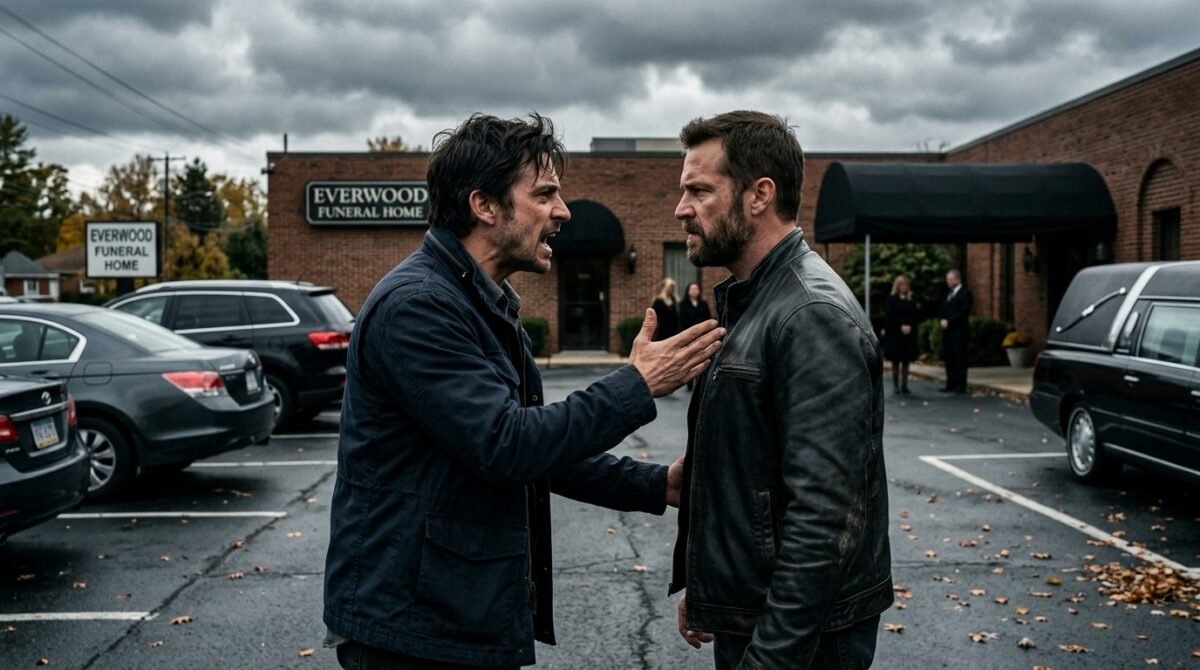
The funeral was a somber affair, or at least it was until Brenda decided to make it about her bank account. We were standing by the back of the hearse, the smell of lilies heavy in the air. I had just finished thanking the pallbearers when Brenda cornered me. She wasn’t wearing black; she was wearing an expensive beige trench coat that screamed ‘I am here for business, not for mourning.’
“I know what’s in the will, Arthur,” she started, her voice cold and clipped. “But the lawyer told me that the Airstream qualifies as a significant asset that falls under the probate dispute. Silas was clearly not in his right mind when he signed that amendment leaving the camper solely to you. We can go to court, or we can settle this like family. I want forty percent, or I’ll drag this out until the camper sits in an impound lot for three years.”
I stared at her in complete disbelief. This was the same woman who had screamed at Silas in his own living room just six months ago, accusing him of being senile because he wouldn’t sign over his property deeds. She had harassed his hospice nurses, demanding access to his financial records, and now, mere hours after his body was taken away, she was negotiating like she was buying a used car.
“You haven’t been here in two years, Brenda. You haven’t turned a single wrench on that trailer. You don’t even know how the propane hookup works. Why do you think you deserve a single cent from something he explicitly gave to me?”
— Me, confronting Brenda at the funeral
She rolled her eyes as if I were a child failing to grasp a simple concept. “It’s about the principle of the estate. He was our uncle. Everything he built belongs to the family, not just his favorite little sidekick who spent his weekends doing manual labor to curry favor. I have bills to pay, Arthur. Don’t make this ugly.”
I felt my blood boil. The audacity was staggering. It wasn’t just about the money for her; it was about the power. She wanted to strip away the one thing Silas had left for me—a tangible symbol of the time we spent together. I realized then that there would be no civil discussion. She wasn’t looking for a compromise; she was looking for a payout.
The Evidence of a Broken Bond

After the funeral, I went back to the workshop where the Airstream was kept. Looking at it was painful, but it was also a reminder of why I wouldn’t budge. I pulled out my phone and started scrolling through the messages I had saved. Every time Brenda had lashed out at Silas, I had kept a record, mostly for his protection in case we needed to go to the police for harassment. It was a digital map of her cruelty.
I found the text thread from last November, when she had sent him a barrage of vitriol because he refused to pay for her daughter’s private school tuition. It was gut-wrenching to read. He had been so patient with her, always hoping she would come around, but she only ever saw him as a walking ATM. I knew then that I had enough evidence to prove his competency in any court of law if she really wanted to go down that road.
“You’re an old, pathetic man who has lost his grip on reality. If you don’t send the check for the tuition, I’m going to contact the adult protective services and tell them you’re incapable of managing your affairs. You’ll be in a home before Christmas.”
— Brenda’s text message to Uncle Silas, November 14th
The realization hit me that this wasn’t just a dispute over a piece of property; it was the final act of a long-standing pattern of abuse. She had threatened his dignity, his independence, and his safety. The fact that she now felt entitled to the fruits of his labor felt like a slap in the face to his memory. I wouldn’t let her have it. Not the camper, not the money, not the satisfaction of winning.
I spent the night printing out logs and screenshots, creating a dossier of her behavior. If she wanted to involve lawyers, I would give them plenty of material to work with. I wasn’t going to be the nice guy anymore. The ‘family’ mask had been torn off, and I was looking at the real Brenda—a desperate, entitled person who thought the world owed her a living. I felt a strange sense of calm settling over me as I organized the files. I was ready for the fight.
The Family Group Chat Explosion

It didn’t take long for the drama to spill over into the family group chat. Brenda, sensing that I wasn’t going to roll over easily, decided to go scorched-earth and turn the rest of the extended family against me. She messaged the group claiming that I had ‘manipulated’ a dying man into signing over his assets. It was a bold-faced lie, and she knew it, but she was counting on the fact that most of the family didn’t know the truth.
The phone notifications started pinging incessantly. My aunt, who I hadn’t spoken to in months, chimed in, asking why I was ‘keeping the inheritance for myself.’ It felt like I was being mobbed. They hadn’t been there when Silas was sick. They hadn’t seen the state of his workshop. They just saw a valuable asset and a perceived injustice. I took a deep breath before typing my response.
“Brenda, if you bring this up in the group chat one more time, I will release the screenshots of the threats you made to Silas while he was in the hospice ward. Everyone in this family deserves to know what you said to him when he was at his most vulnerable. Do you really want to do this?”
— My message to the family group chat
The response was immediate and deafening silence. It was like I had dropped a bomb. Brenda didn’t reply for twenty minutes. When she finally did, her tone had shifted from accusatory to defensive. She tried to frame her threats as ‘tough love’ or ‘concern,’ but the damage was done. The rest of the family started to backtrack, realizing that there was more to the story than they had been led to believe.
It was a dangerous game, using the information I had, but I had to protect my uncle’s legacy. I didn’t want to air our dirty laundry, but I wouldn’t let Brenda rewrite history. By the end of the night, the group chat was quiet. I had effectively neutralized the immediate threat, but I knew that Brenda was the type to keep digging until she hit bedrock. This was only the beginning of the legal nightmare she was planning.
The Certified Letter of Disdain
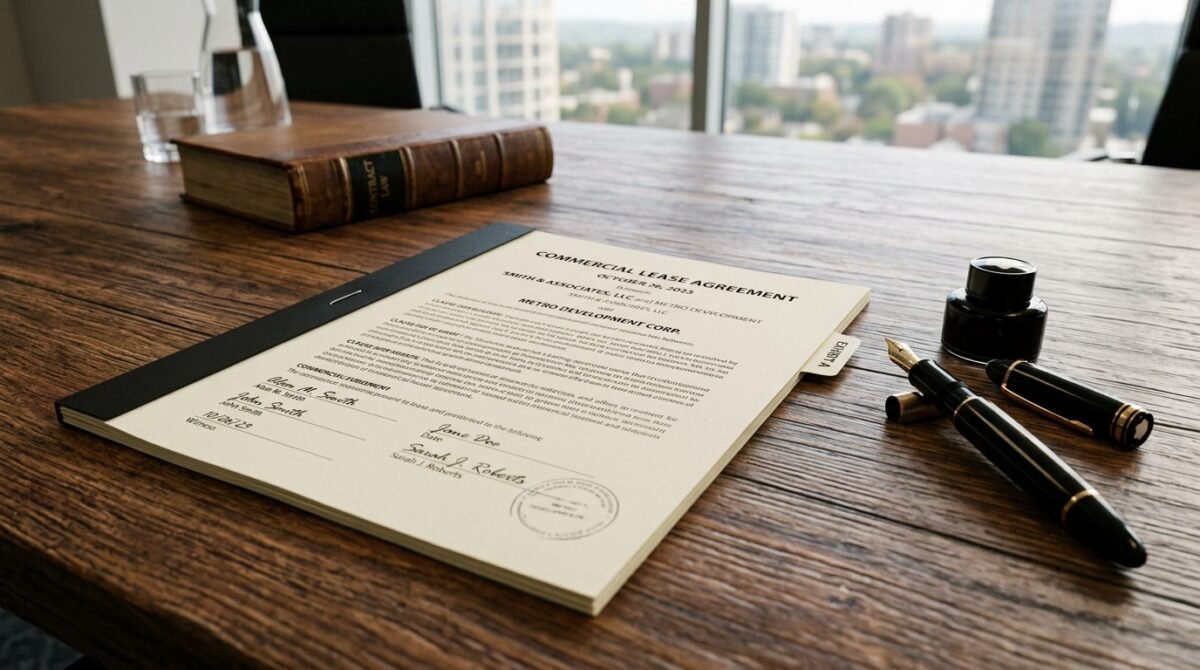
Three days later, a certified letter arrived at my door. It was from a law firm in the next city over, representing Brenda. It demanded that I place the Airstream into escrow until a ‘proper evaluation’ of the estate could be performed. They were essentially trying to lock the camper away so I couldn’t move it, sell it, or use it. It was a classic move to exert control through administrative bureaucracy.
I contacted a lawyer friend of mine, who looked over the letter and laughed. He told me that since the Airstream was specifically named in the will and the will had been signed and notarized by two independent witnesses, Brenda’s case was essentially baseless. The law firm was just collecting a retainer from her, knowing full well they didn’t have a leg to stand on. It was a massive waste of resources, but Brenda didn’t care as long as it caused me stress.
I met with the lawyer to draft a formal response. We included a clause that stated if she continued to harass me or file frivolous lawsuits, I would countersue for harassment and emotional distress, citing the messages I had documented. It felt good to have someone on my side who understood the law. The lawyer looked at the evidence I had compiled and was genuinely shocked by the level of vitriol in Brenda’s messages.
“You have a solid case here. She’s trying to claim mental incompetence, but you have years of text logs showing she knew exactly what she was doing. This is a slam dunk if it ever goes to a hearing, though I doubt she’ll make it that far once she sees how much it will cost her.”
— My lawyer, reviewing the evidence
I felt a burden lift off my shoulders. I wasn’t just protecting the Airstream; I was finally standing up to the bully who had terrorized our family for years. The letter was sent, and now, it was a waiting game. I wondered how she would react when she realized she couldn’t intimidate me. Would she back down, or would she double down on her destructive path? I was starting to realize that people like Brenda rarely know when to stop.
Reddit Weighs In: The Verdict of the Masses

Needing an outlet, I decided to post the situation to an AITA thread. I didn’t expect much, but the response was overwhelming. Within an hour, the thread had thousands of upvotes and hundreds of comments. People were outraged on my behalf, specifically about the way Brenda had treated a sick elderly man. The consensus was clear: I was in the right, and Brenda was a parasite.
It was validating to see so many strangers agree with my stance. People shared their own stories of inheritance disputes, and most of them had the same piece of advice: do not engage, do not negotiate, and do not apologize. They emphasized that once money is involved, family ties become secondary to greed. It was a harsh reality check, but one I needed to hear.
“NTA. She spent years trying to contest the will and harass him while he was dying. She forfeited any moral claim to his estate the moment she started sending him threatening texts. Keep the Airstream, document everything, and go full no-contact with her. Do not give her a cent.”
— u/LegalEagle88 (Top Comment, 15.2k upvotes)
Another commenter pointed out that Brenda’s behavior was a form of elder abuse. They urged me to report her to the authorities if I hadn’t already, just to have it on record. Seeing the community reaction gave me the confidence to stick to my guns. I realized that my guilt—which I had been feeling for refusing to share—was misplaced. I wasn’t being greedy; I was protecting a legacy from someone who would destroy it for a quick buck.
The discussion also touched on the emotional value of the Airstream. Many users noted that it wasn’t just a vehicle; it was the physical representation of the bond between me and Silas. They encouraged me to finish the restoration and take it on the road in his honor. That advice really hit home. I decided that no matter what Brenda did, I would finish what he started.
The Unexpected Visit at 6:00 AM
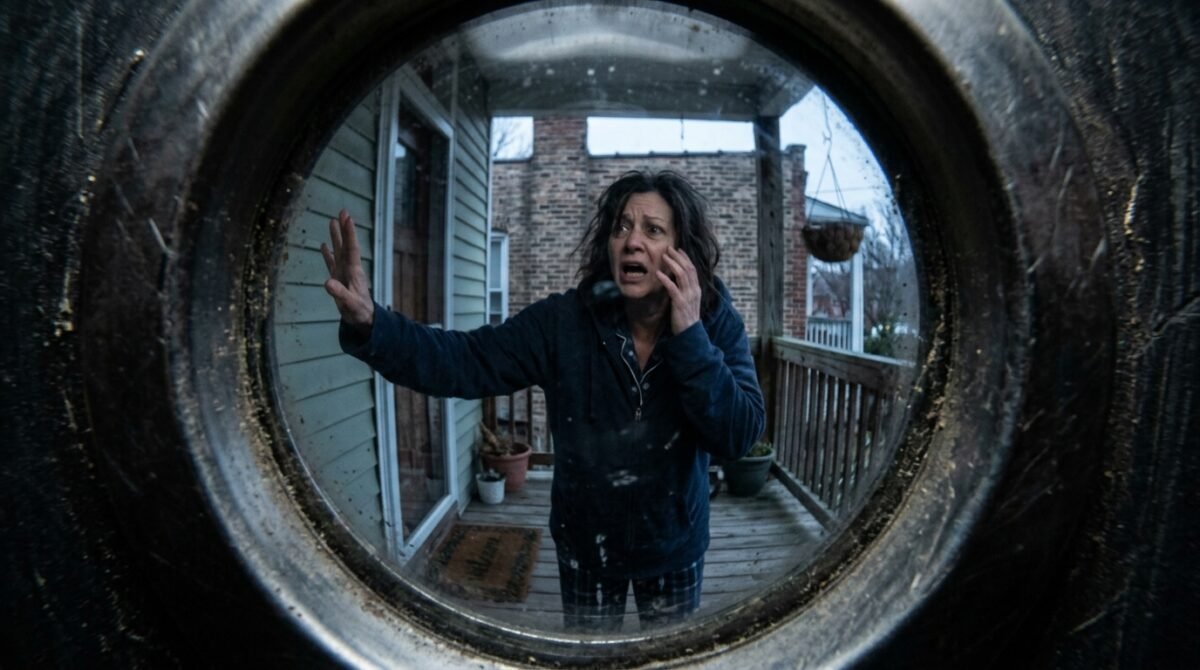
I thought the threat had been neutralized by the lawyer’s letter, but Brenda had other plans. At 6:00 AM on a Tuesday, I was jolted awake by the sound of pounding on my front door. I looked through the peephole and saw Brenda, looking disheveled and frantic. She had driven three hours in the middle of the night, and she looked like she hadn’t slept in days. I didn’t open the door.
“Arthur! Open the door! I know you’re in there!” she screamed, her voice echoing in the quiet suburban street. She was banging on the wood so hard I thought she might break the panels. I stood on the other side of the door, trembling. This was it—the total breakdown of boundaries. She wasn’t acting like a cousin; she was acting like a person in the throes of a desperate crisis.
“Go away, Brenda. I’ve already called the police. If you aren’t off my property in two minutes, you’re going to be leaving in the back of a squad car. This is not a discussion.”
— Me, speaking through the closed door
She started crying then, a mixture of rage and genuine panic. She told me she was about to lose her house, that the bank was calling, and that she thought the Airstream was her ‘last hope.’ It was a pathetic display, and while I felt a sliver of pity, I knew it wasn’t my responsibility to fix her financial disasters. She had dug her own hole, and she had spent years trying to push everyone else into it.
I kept my phone in my hand, ready to hit the emergency button. She stood there for another ten minutes, rambling about how unfair the world was, before finally getting back into her car and speeding away. I watched from the window, my heart racing. The intrusion felt like a violation. I realized that she was becoming a danger, not just to my peace of mind, but to my physical safety. It was time to file a formal restraining order.
The Final Legal Ultimatum

The restraining order was the hardest thing I’d ever done. Going before a judge to explain why I needed legal protection from my own family member felt like a defeat, even though I knew it was necessary. I presented the evidence of the early morning intrusion, the threatening texts, and the history of her harassment toward Silas. The judge didn’t take long to make a decision.
Brenda was served the next day. The look on her face when the officer handed her the papers was one of pure, unadulterated shock. She had clearly thought that her family status would shield her from any real consequences. But the law doesn’t care about blood ties when there is evidence of harassment and stalking. She was prohibited from contacting me or coming within 500 feet of my property.
With the legal buffer in place, I finally felt like I could breathe. I went back to the workshop and spent the entire weekend working on the Airstream. I installed the new curtains Silas and I had picked out together. I polished the aluminum exterior until it shone like a mirror. Every detail was a tribute to his craftsmanship. I was doing this for him, and for the life he had envisioned for me.
“I am not doing this for you. I’m doing this for the promise I made to him. You lost your chance at being a part of this the moment you chose to treat him like an enemy.”
— My parting words to Brenda via my lawyer
It was a strange feeling, being ‘safe’ from family. I realized that the concept of ‘family’ is often used as a weapon to force people into situations they don’t want to be in. Once you set a boundary, the people who were using you as a resource tend to vanish or turn into your worst enemies. But that was a price I was willing to pay. I had gained peace, and I had reclaimed my life.
Finding Closure in the Aluminum Shell

Weeks passed, and the silence from Brenda was deafening. No more texts, no more late-night visits, no more threats. It was as if she had finally accepted that the wall I built was impenetrable. I took the Airstream out for its first maiden voyage, driving it up to the mountains where Silas had always dreamed of taking it. The engine purred, and the trailer followed behind with a steady, comforting rhythm.
When I arrived at the campground, I set it up exactly how he would have wanted. I sat out on the folding chairs with a coffee, looking at the stars. It was the first time since his funeral that I felt truly at peace. The restoration was complete, and the memory of our time together was preserved in the very structure of the camper. It wasn’t just a piece of property; it was a sanctuary.
I thought about the family who had sided with Brenda initially, and I realized I didn’t hold a grudge anymore. They had been manipulated, just as she had tried to manipulate me. I sent a simple, short email to the family group chat, letting them know that the estate was settled, the camper was fully restored, and that I was moving on. I didn’t ask for their approval, and I didn’t ask for their forgiveness.
“The Airstream is on the road. It’s exactly what Silas wanted. I’ve moved on, and I hope you all can do the same. I won’t be discussing this matter further.”
— My final message to the family
The quiet that followed was peaceful, not ominous. I was done with the drama. I was done with the entitlement. I was done with the toxic cycle that had defined our family for far too long. I stood up and walked into the Airstream, closing the door behind me. I was home.
The Lessons of the Road

Looking back, the entire ordeal taught me more about boundaries than any book ever could. I learned that you don’t owe your time or your resources to people just because you share DNA. If someone is toxic, they are toxic, and no amount of ‘family duty’ can change that. Setting that boundary was the most liberating thing I have ever done for my own mental health.
I also learned the importance of documentation. If I hadn’t kept those texts and logs, I would have been at the mercy of Brenda’s lies. In a world where people can easily twist the truth, having a record is your best defense. I tell everyone now: if you have a bad feeling about a person, start keeping a paper trail. It’s not paranoid; it’s being prepared.
Finally, I learned that grief manifests in strange ways. Brenda’s behavior was a manifestation of her own failures, not a reflection of my worth. Once I separated her issues from my own, the guilt dissipated. I was able to grieve for Silas properly, without the shadow of a legal battle hanging over me. I’m proud of how I handled it, and I know Silas would be proud too.
“Boundaries are not a way to push people away; they are a way to protect the things that matter. Don’t let anyone make you feel guilty for keeping your peace.”
— A thought from my journal
I’m still on the road, traveling to all the places Silas talked about. Every sunset I watch from the window of the Airstream, I raise a glass to him. The struggle was worth it. The drama was a small price to pay for the freedom to honor his legacy on my own terms. And that, to me, is the greatest inheritance of all.
Reflecting on the Community Impact
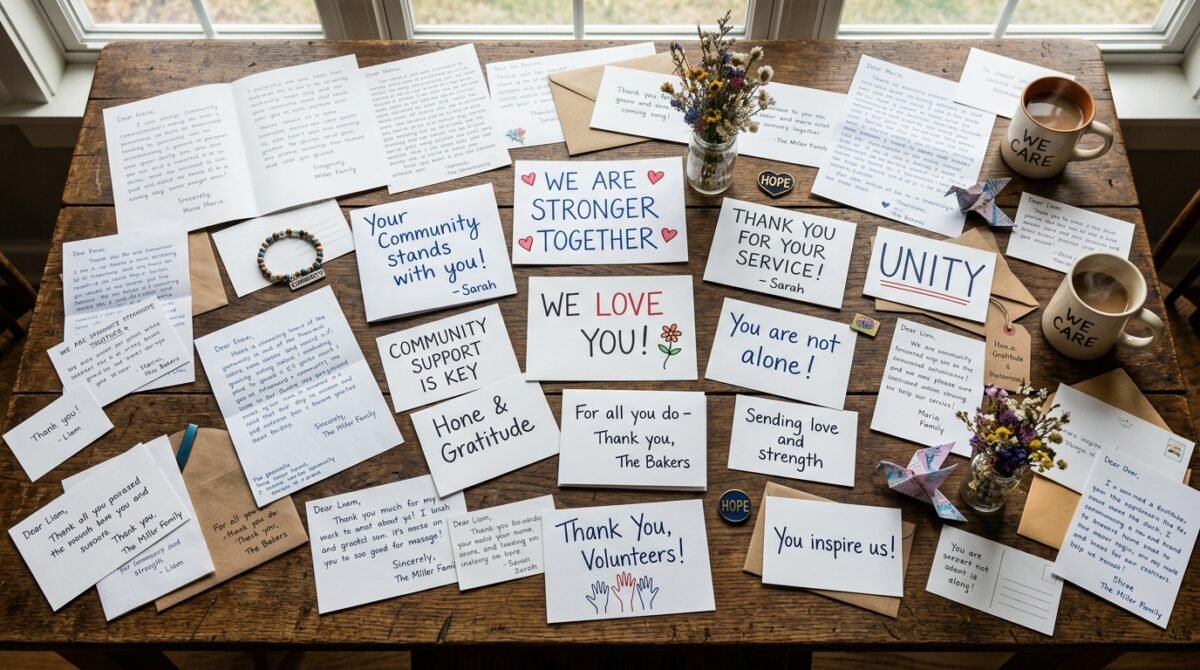
Since sharing my story, I’ve been contacted by dozens of people in similar situations. It’s heartbreaking to see how common this is. So many people have reached out to tell me that my story gave them the courage to stand up to a toxic family member or to finally file for that protective order they were too afraid to pursue. It’s humbling to know that my experience could help someone else regain their autonomy.
The Reddit thread remains active, and I still check it from time to time. The debates continue, but they have shifted from ‘AITA’ to discussions about how to handle toxic family dynamics in general. It’s turned into a support group of sorts. People share tips on how to talk to lawyers, how to deal with the inevitable fallout of setting boundaries, and how to stay strong when the pressure from family becomes overwhelming.
I’ve realized that by telling my story, I’ve created a new kind of legacy—one that isn’t built on aluminum and mahogany, but on the power of shared experience. We are all trying to navigate these complicated human connections, and sometimes, seeing someone else walk through the fire helps you find the strength to do the same. It’s been a transformative journey, and I’m grateful for every reader who engaged with it.
“Thank you for sharing your story. It’s not just about the camper; it’s about the right to live a life free from the manipulation of those who don’t respect your boundaries. You’ve changed how I view my own situation.”
— A message from a reader
If you find yourself in the middle of a similar situation, remember this: your worth is not defined by how much you give to people who don’t appreciate you. You have the right to say no. You have the right to protect your peace. And you have the right to build your own life, one detail at a time, just like I did. The road ahead is long, but it’s yours to travel.
Conclusion
The saga of the Airstream was a trial by fire, but it forged a version of myself that is stronger, clearer, and more grounded than I ever was before. I have learned that the hardest decisions—those that involve cutting ties or standing firm against those who claim to ‘love’ us—are often the ones that yield the most profound personal growth. Silas’s legacy survives not just in the polished aluminum and vintage cabinetry, but in the lessons he taught me about integrity, hard work, and the courage to stand by your principles.
What about you? Have you ever had to draw a hard line with family over an inheritance, a gift, or a boundary? Did you feel the pressure of the ‘blood is thicker than water’ argument, or did you find the strength to prioritize your own well-being? Share your thoughts and stories in the comments below. The community discussion is always open, and your voice might just be the one that gives someone else the courage to stand their ground.
What's your verdict on this dilemma?
Vote below to contribute to the official community consensus.

Have a Dilemma Keeping You Up at Night?
Share your real-life feud, wedding chaos, or relationship crossroads anonymously with our editorial team.
What do you think ?
0 Comments🛡️ Comments are moderated to protect community integrity. Your comment will appear once approved by the editorial team.