
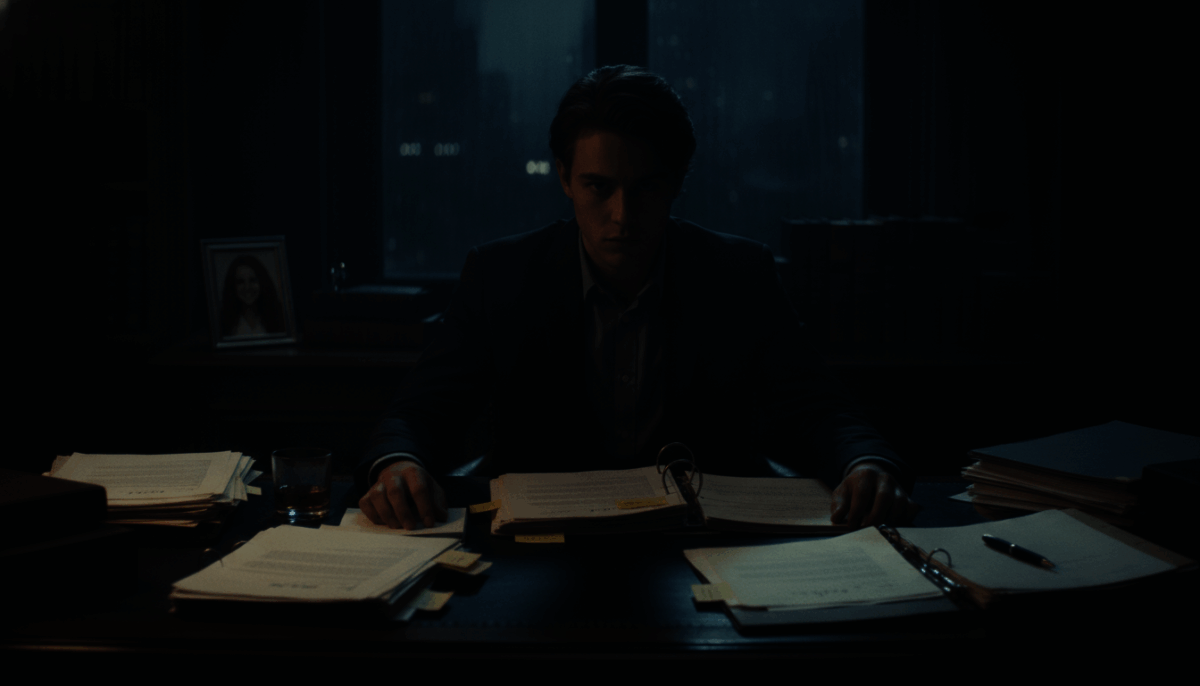
Grief is a strange, shapeshifting entity. For some, it becomes a quiet shadow in the corner of a room; for others, it is a roaring fire that consumes everything it touches. After my sister, Elena, passed away in a tragic car accident five years ago, my parents—or rather, my father and his new wife, Sarah—seemed to treat her memory with a strange, performative reverence. They held memorial dinners and spoke about her as if she were a saint, but the reality was far more cynical. Elena had a college fund, modest but sufficient, set aside for her future. After she was gone, it became a dormant account, a sacred trust that everyone—or so I thought—agreed would be preserved in her name.
I am the oldest. I moved out, got my career started, and kept my distance from the house where the tension between my father and my stepmother, Sarah, often simmered. I didn’t visit often, but I kept tabs on the family, mostly through the curated, filtered lens of my stepbrother, Tyler. Tyler, a nineteen-year-old with dreams of being the next big rap star, spent his days recording ‘tracks’ in the basement, complaining about his lack of professional recording equipment. I never paid much attention to his hobbies until the day the music video dropped on social media—a high-budget, glitzy, and utterly out-of-place production that cost thousands of dollars.
The math didn’t add up. Tyler had no job. My father was on a strict pension, and Sarah worked part-time as a receptionist. There was no inheritance, no sudden windfall, and certainly no record of a loan. My stomach turned as I watched the credits roll on his video, and then, a sudden, cold suspicion took hold. I began digging into the records I had access to, uncovering a paper trail that would lead me straight into the heart of a betrayal I could never have imagined. The memorial fund was empty. The money wasn’t gone to charity, nor to a legacy project—it was gone to pay for autotune, a director, and a flashy wardrobe.
The moral dilemma here wasn’t just about the money; it was about the desecration of a dead girl’s future to fuel a living boy’s narcissism. When I confronted them, the gaslighting was immediate and intense. They claimed the money was ‘unused’ and that they were simply ‘reinvesting’ it into the family. That was the moment I realized that blood, in this household, was thinner than the ink on a bank statement. I didn’t yell, and I didn’t cry. Instead, I picked up the phone and dialed the only person who could turn this emotional nightmare into a cold, hard legal reality: an estate attorney specializing in beneficiary fraud.
The $15,000 Music Video Reveal

It was a Tuesday afternoon when the notification popped up on my phone. Tyler had posted a ‘new release’ on Instagram. Curious, I clicked the link, expecting the usual shaky cam footage from a basement studio. What I saw instead was a professional-grade music video: rented luxury cars, a professional film crew, and high-end editing that easily cost a fortune. I knew Tyler. He didn’t have five hundred dollars to his name, let alone the tens of thousands required for this level of production.
I spent the next three hours cross-referencing the bank statements I had been sent for tax filing purposes regarding Elena’s memorial trust. The numbers were staggering. Withdrawals labeled as ‘Educational Expenses’ and ‘Professional Development’ had been systematically drained over the last six months. The timestamps on the withdrawals perfectly aligned with the dates Tyler had been boasting about his ‘studio time’ and ‘video shoot prep’ on his private feed.
I felt a physical sensation of cold wash over me as the realization hit. They hadn’t just dipped into the account; they had gutted it. Every dollar earned through my sister’s life insurance and the small fund my grandparents left was gone. I sent a screenshot of the bank statement to my father, accompanied by a single question. The response was not one of apology, but of immediate, panicked deflection.
“I don’t see why you’re looking at these records. That money was sitting there doing nothing. Tyler is trying to make a career, and we are a family. Elena would have wanted her brother to succeed.”
— Dad via Text Message
The audacity was breathtaking. Elena didn’t even know Tyler; he had only joined our lives after my parents married, and they had barely spent a month in the same room. Using her memory to justify theft was a new low, even for them. I didn’t reply to the message. I knew that anything I said in the heat of the moment would only give them ammunition to label me as the ‘angry, difficult sibling.’ Instead, I started gathering every document, every email, and every timestamped post.
I looked at the video again, noticing the small details—a high-end jewelry chain, a designer jacket. These weren’t just production costs; they were lifestyle expenses. They were literally wearing my sister’s memory around their necks. That evening, I sat in my living room with a folder of documents, feeling a strange sense of clarity. The grief had been replaced by a focused, icy resolve to make them pay for every single cent they had stolen from a ghost.
The Sunday Dinner Confrontation
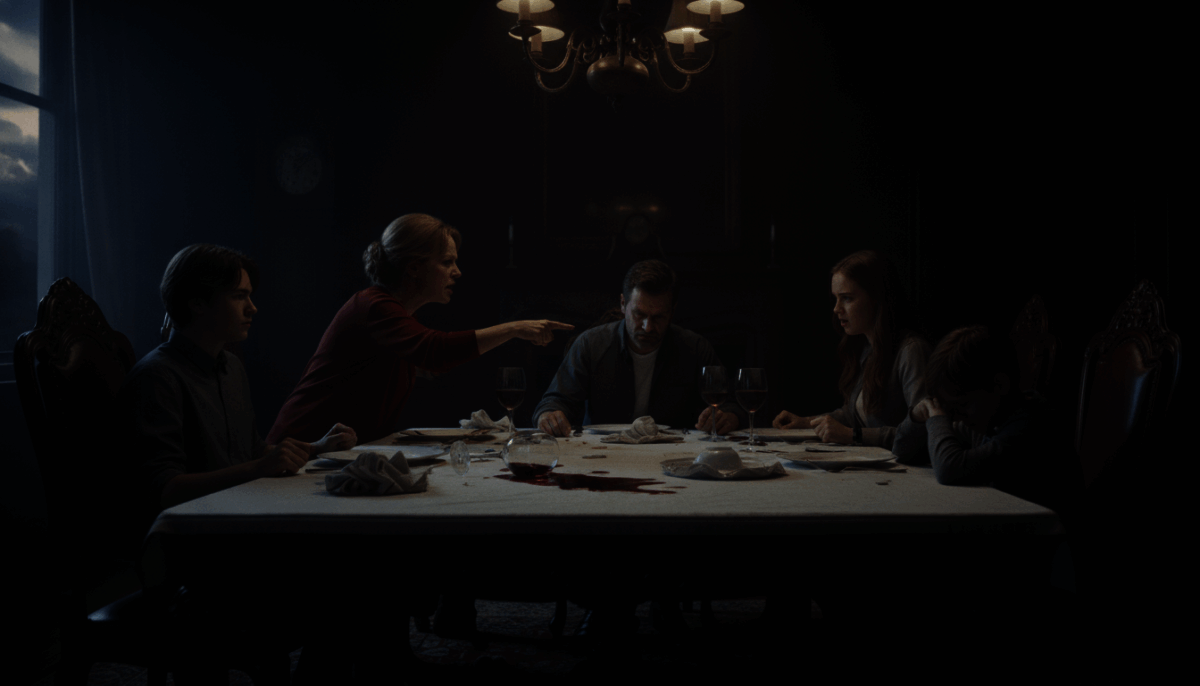
I showed up at their house on Sunday, unannounced. My father was grilling in the backyard, and Sarah was laughing, showing off Tyler’s video on the living room TV to some neighbors. The sight of it—this hollow celebration of vanity—made my pulse race, but I kept my composure. I walked into the living room and hit the power button on the remote, plunging the house into silence.
The change in atmosphere was instantaneous. My father looked up, his face reddening with a mix of shame and annoyance. Sarah, however, immediately went on the offensive. She stood up, her hand on her hip, ready to lecture me about ‘disrespecting the family’ and ‘ruining a nice afternoon.’ I didn’t wait for her to start. I pulled out the printed ledger I had prepared, showing the exact dates and amounts of the withdrawals.
“You have two minutes to explain why Elena’s memorial fund was emptied to pay for a nineteen-year-old’s ego trip. And don’t lie. I already have the bank statements.”
— Me to my parents
My father stuttered, looking at the floor. He tried to claim it was an ‘investment,’ but I cut him off. I told him that an investment implies a return, and that a rap video for a boy with no talent was a black hole. Tyler, who had been lounging in the corner, suddenly piped up, calling me ‘jealous’ and telling me that I should be happy he was finally doing something with his life. I looked at him, not with anger, but with pure, unadulterated pity.
The conversation devolved into shouting. Sarah screamed that I was ‘obsessed with the past’ and that Elena was dead, so the money didn’t matter anymore. That sentence hung in the air, cold and unforgiving. It was the moment I realized they truly believed they had done nothing wrong. To them, Elena was a resource, not a person. I turned around and walked out the door, leaving them to their awkward silence. I didn’t slam the door; I closed it gently, knowing that this was the last time I would ever step foot in that house as their child.
As I drove away, my hands were shaking. I wasn’t shaking from fear, but from the adrenaline of a decision made. I had reached my limit. I wasn’t going to be the child who just moved on and let the ‘family’ sweep the truth under the rug. I was going to be the child who made them answer for their crimes, even if it meant blowing up the family dynamic forever. I called my contact at the law firm the moment I pulled into my driveway.
The Certified Letter of Doom

The legal process began with a formal letter sent via certified mail. It wasn’t a friendly request for repayment; it was a demand letter detailing the breach of fiduciary duty. My attorney, a sharp woman named Diane who specialized in estate litigation, had been horrified by the documentation I provided. She pointed out that since the fund had been established as a restricted trust, my father had committed a serious legal violation by accessing it for personal use.
The letter arrived on a Thursday morning. I knew it had arrived because I received a barrage of frantic text messages, starting from my father, then moving to my stepmother, and finally an aggressive note from Tyler. They were panicking. They didn’t think I would actually go through with legal action. They assumed that my ’emotional outburst’ was just that—an outburst—and that I would eventually settle down and accept their explanation.
“Are you serious? You’re going to sue your own father over a bit of money? This will destroy this family forever. Think about what people will say!”
— My Stepmother via Text Message
I ignored the guilt trip. I had already spent hours on the phone with my attorney, going over the potential outcomes. We weren’t just asking for the money back; we were seeking damages and looking into whether or not my father should be removed as executor of any remaining assets. The sheer entitlement in their messages was astounding. They truly felt that because they were my parents, they were immune to the consequences of their financial decisions.
I kept a log of every contact attempt. I didn’t reply to any of them. I let Diane handle everything. It was a strange, liberating feeling to hand over the power to someone else. I no longer had to engage in the toxic back-and-forth; I was now just an observer of the legal machine. The messages continued, ranging from ‘you’re being selfish’ to ‘we can work this out,’ but I remained steadfast. The line had been crossed, and there was no way back.
A few days later, a Reddit post I had made asking for legal guidance regarding trust funds started to gain traction. I didn’t mention the specifics of the rap video, but the community responses were eye-opening. People from all walks of life shared their own experiences with family members who felt entitled to money that didn’t belong to them. It made me realize that this wasn’t just a unique, tragic situation; it was a systemic issue of greed being hidden behind the facade of ‘family unity.’ It validated my resolve.
The Internet Weighs In

I posted a detailed account of the situation on a popular subreddit, keeping the identities vague to avoid immediate blowback. The response was instantaneous and overwhelming. Within hours, my post had reached the top of the feed, with thousands of people chiming in with their own advice, horror stories, and support. It was a community that didn’t care about ‘family loyalty’—they cared about justice.
Many users focused on the legal aspect. They urged me to not accept any ‘settlement’ that didn’t include the full principal amount plus interest, and they warned me that my parents would likely try to file for bankruptcy or claim they were ‘broke’ to avoid paying. Others shared stories of how they had been Gaslit by their own parents, and how breaking the cycle of silence was the only way to heal.
“Do not back down. This isn’t just about money; it’s about the principle that your sister’s memory wasn’t a slush fund for their favorite child. You are doing the right thing.”
— u/JusticeSeeker88 (Top Comment, 18.2k upvotes)
There were, of course, the contrarians. Some commenters argued that families should ‘stick together’ and that suing one’s father was ‘extreme.’ I found these comments the most fascinating. They often came from people who clearly valued the optics of a ‘happy family’ over the reality of a ‘functional family.’ I engaged with a few, but eventually realized that they didn’t understand the depth of the betrayal. They were looking at it from the outside; I was living in the wreckage.
One user, who claimed to be a paralegal, gave me specific advice on how to look for ‘hidden assets’ that my father might be trying to offload. I passed this information on to Diane. It felt like a collaborative effort, a digital support group that was helping me navigate the legal labyrinth. The validation was crucial. For weeks, I had felt like I was losing my mind, wondering if I was the one being unreasonable. The internet confirmed that my instincts were correct.
I started to see the situation not as a tragedy that had happened to me, but as a scenario I was successfully navigating. I wasn’t a victim anymore; I was a plaintiff, a person with agency, taking charge of a situation that had been forced upon me. The sheer volume of support gave me the courage to continue, even when my father started calling me, sobbing on the phone, trying to manipulate my emotions. I just hit ‘block’ and moved on to the next task.
The Deposition That Changed Everything

The day of the deposition was the most surreal experience of my life. Walking into that sterile conference room, seeing my father and Sarah sitting there with their own attorney, felt like a scene from a movie. They looked smaller, older, and genuinely terrified. Gone was the bravado from the earlier phone calls. They had tried to settle, offering a fraction of what they stole, but I had refused. I wanted the truth on the record.
Diane was relentless. She didn’t let them hide behind vague excuses. She walked them through every transaction, every bank statement, and every email. She caught my father in a blatant lie about the purpose of the funds, forcing him to admit that he had knowingly bypassed the trust’s restrictions. Sarah tried to intervene, but the opposing counsel quickly shut her down. The look of panic on their faces as they realized there was no exit strategy was palpable.
“Mr. Miller, are you stating under oath that you used funds specifically earmarked for educational purposes to pay for a commercial music video production?”
— Diane, my attorney, during the deposition
My father had no answer. He just stared at the table, his shoulders hunched. The silence in the room was deafening. It was a moment of absolute, crushing clarity. The ‘family’ I had been protecting all these years had essentially been a lie, a performance that crumbled the moment it was challenged by the truth. I looked at them and realized I didn’t hate them—I just felt nothing. They were strangers who had taken something precious and discarded it.
The deposition ended with my father being forced to admit that there were no other assets to recover the stolen money from immediately, but that they would have to find a way to pay. The legal machinery was now in motion to place a lien on their property. It was the ultimate consequence: they were going to lose their home because they couldn’t control their greed. I felt a pang of guilt, but it was quickly replaced by the memory of my sister’s face. She deserved better than this.
Leaving that building, I felt light. The weight of the secret, the pressure of the betrayal, and the confusion of the past months had all evaporated. I had done my job. I had honored my sister’s memory in the only way I could: by ensuring that those who had profited from her absence paid the price. I went to a quiet park nearby and sat for a long time, watching the world go by, finally at peace.
The Fallout in the Family Circle

News of the lawsuit spread through the extended family like wildfire. My aunt, who had always been the mediator, called me in tears, begging me to drop the suit. She argued that the family would be ‘ruined’ and that my father would never recover from the humiliation. I listened to her, but I was unmoved. I reminded her that my father was the one who had ruined the family, not me. I was simply the one who had stopped pretending.
My siblings-in-law and cousins, however, had a different take. Many of them had been on the receiving end of my stepmother’s ‘financial expertise’—loans that were never repaid, ‘investments’ that disappeared—and they were actually relieved to see someone finally standing up to her. I received several messages of support, people thanking me for ‘doing what we were all too afraid to do.’ It turned out I wasn’t just fighting for my sister; I was fighting for a whole network of people who had been manipulated by my parents.
“I’ve been waiting for someone to hold them accountable for years. You’re the only one brave enough to do it. Don’t listen to the people telling you to stay quiet.”
— A cousin, via private message
The isolation of my parents was the most dramatic shift. They found themselves without their usual enablers. Their neighbors, who had been dazzled by the music video, were now hearing the reality of how it was funded. The narrative they had carefully constructed—the loving family supporting a budding artist—collapsed. They were no longer the victims of a ‘difficult child’; they were the perpetrators of a financial crime against their own daughter’s memory.
I continued to keep my distance. I wasn’t looking for a reconciliation, nor was I interested in an apology that would surely be performative. I had moved on. I started therapy to deal with the residual grief of my sister’s loss and the trauma of the betrayal. It was a slow process, but for the first time in years, I felt like I was in control of my own life. I wasn’t defined by their actions anymore; I was defined by my own integrity.
The legal process continued, slow and steady. There were motions, hearings, and settlements, but the outcome was increasingly certain. My parents were going to have to pay. It wouldn’t bring my sister back, and it wouldn’t fix the hole in our family, but it was a form of justice. And in a world that often lets the greedy walk away, that was more than enough.
The Final Settlement and Moving On
The final settlement was reached eighteen months after I first saw the music video. It wasn’t the dramatic courtroom victory I had once imagined, but rather a quiet, cold, and efficient legal agreement. My parents agreed to pay back the full amount of the trust, plus interest, over a period of five years. They would have to sell their home to make the initial payment, and they would be under constant legal supervision to ensure they didn’t touch any other assets.
When I signed the final papers, I didn’t feel a rush of triumph. I felt a quiet, heavy sense of finality. I had done what I set out to do. I looked at the signature line, realizing that this was the end of the chapter. I wasn’t their ‘child’ in the way they wanted me to be anymore, and they weren’t the parents I had once believed they were. We were just two parties in a contract, nothing more.
“This is the best possible outcome for your interests. They are under strict monitoring, and you will be notified of any further violations. You have done well.”
— My Attorney, Diane
I left the law office and walked out into the bright, clear afternoon. The air felt different—cleaner, sharper. I had spent so much of my life trying to keep the peace, to honor the image of a ‘happy home’ that never really existed. I realized that the peace I had been protecting was actually a prison. By breaking the rules, I had finally broken free.
I chose not to contact my parents to tell them I was ‘moving on.’ I simply stopped checking the family group chats. I stopped responding to the ‘checking in’ texts from my relatives who were still caught in the drama. I started a new life, one built on transparency and genuine connection. I didn’t need their validation, and I certainly didn’t need their permission to be happy.
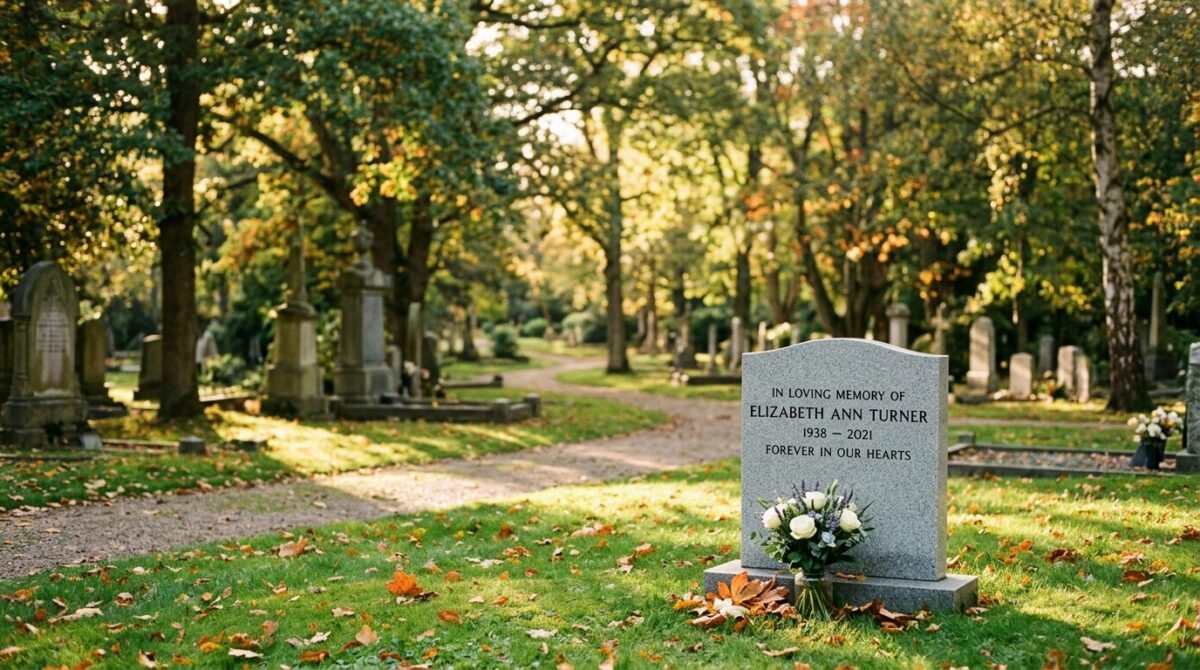
I visited my sister’s grave for the first time in months. I didn’t bring flowers or gifts; I just sat there and told her what happened. I told her that I had fought for her, that I had protected what was left of her name, and that she was finally free of them, too. It was the first time I felt like I could truly move on, not just from the money, but from the memory of who they were.
The Aftermath: Rebuilding and Redefining

A year after the settlement, I look back at the chaos as a necessary fire. It destroyed everything that was fake, everything that was built on lies and manipulation, and it left me with the foundation for something real. I have no relationship with my father or Sarah, and I have no desire to change that. For the first time, I am building relationships with people who value me for who I am, not for what I can provide or how I can be used.
Tyler’s music career never took off, as it turns out that talent is not something you can buy with stolen money. He is working a regular job, living a life that is much quieter and, hopefully, more honest. I don’t follow him, and I don’t care what he does. The resentment that once burned in my chest has been replaced by a quiet indifference. They are just people in the past, a cautionary tale I tell myself whenever I feel like I’m about to compromise my own standards for the sake of ‘keeping the peace.’
“The most expensive thing you can pay for is a relationship that costs you your integrity. Don’t ever trade your values for the comfort of others.”
— Advice to a friend in a similar situation
My finances are stable, and the money that was recovered from the trust has been donated to a college scholarship fund in my sister’s name—one that is strictly managed by a third party, ensuring that her legacy will actually help someone in need, rather than funding another vanity project. It feels like the right end to the story. The circle is closed, the debt is paid, and the memory of my sister is finally, truly, preserved.
I still get messages from the extended family occasionally, but I’ve become very good at boundaries. I don’t engage with the gossip, and I don’t accept invitations to events where my parents will be present. I’ve learned that saying ‘no’ is a powerful, life-changing word. I’ve learned that I don’t have to be the ‘good, obedient child’ to deserve love and respect.
If you’re reading this, and you’re in a situation where your boundaries are being crossed, where your trust is being violated, or where your family is demanding things that are wrong—listen to your gut. You don’t owe anyone your integrity. You have the right to fight for what’s yours, and you have the right to walk away. You aren’t ‘toxic’ for demanding justice; you are finally living in reality.
The Reddit Verdict: One Year Later

I recently revisited the old thread I started. It had become a monument to the situation, with people still commenting on it long after the original incident. It served as a reminder that these dilemmas are universal. People are constantly fighting for their autonomy, constantly struggling to balance the weight of family expectations with the necessity of personal justice. I read through the comments one last time, seeing how many people had been inspired to take their own stand.
One comment, in particular, stood out to me. It was from someone who had followed the thread from the beginning, someone who had seen the progression from my first, panicked post to the final update. It summarized the entire journey, not just for me, but for everyone who had participated in the debate. It was a testament to the power of sharing a story, of bringing something out of the darkness and into the light.
“You didn’t just save a memorial fund. You saved your own future. Seeing how you handled this gave so many of us the courage to finally set our own boundaries. Thank you for the update.”
— u/HopefulReader (Updated Comment, 5.2k upvotes)
The community support was the final piece of the puzzle. It made me realize that my story wasn’t just my own anymore; it was part of a larger conversation about family, trust, and the price of integrity. It made the entire experience feel worth it. The pain, the anger, the legal fees—all of it had led to a place where I could not only heal, but also help others do the same.
I am no longer the person who was afraid to stand up to my parents. I am someone who knows their worth, someone who knows that they can survive even the deepest betrayals. I am someone who has learned to trust their own instincts and to follow through on their own values, no matter the cost. And that, I realized, is the greatest gift my sister could have ever given me—a reason to be strong, and a reason to be true to myself.
The past is a finished book. I’m no longer rereading the chapters that hurt; I’m writing the next one. And for the first time in a long time, the ending is exactly what I want it to be. I am happy, I am whole, and most importantly, I am finally free.
Reflections on the Cost of Truth
People often ask me if it was worth it. They wonder if the loss of family, the years of litigation, and the emotional turmoil were really worth the recovery of the money. I find that question fascinating because it assumes that the money was the main issue. It never was. The issue was the principle—the idea that a person’s life, even after they are gone, still belongs to them and shouldn’t be treated as a commodity for others’ gain.
If I hadn’t taken this action, I would have spent the rest of my life wondering when the next line would be crossed. I would have lived in a constant state of anxiety, never quite sure if I was being ‘used’ or ‘appreciated.’ By taking the stand, I cleared the air. I forced everyone to show their true colors. And while those colors were disappointing, they were, at the very least, real. I’d rather have a harsh truth than a comfortable lie any day.
“The cost of truth is often the loss of the comfortable lie. But truth is the only foundation on which a real life can be built. Never settle for less.”
— Personal mantra I adopted during the process
I also learned a great deal about the legal system. It is a slow, grinding, and often frustrating process, but it is also one of the few tools we have to ensure fairness in a world that is often anything but. I learned that you don’t have to be a ‘victim’ of the system; you can be a user of it. You can navigate it, you can demand justice, and you can hold people accountable, even those who think they are untouchable.
This journey has changed me. It has made me harder in some ways, but softer in others. I am less tolerant of nonsense, less interested in superficial ‘family ties,’ and more focused on the quality of the people I choose to keep in my life. I have learned to protect my own peace, to set boundaries, and to walk away from anything that doesn’t respect them. I am no longer looking for permission; I am creating my own rules.
The final lesson, and perhaps the most important one, is that you are the primary protector of your own life. You can’t rely on anyone else—not even family—to always have your back. You have to be the one to stand up for yourself, to demand what is right, and to ensure that you are treated with the dignity you deserve. It’s a hard lesson, but it’s the most empowering one I’ve ever learned.
Conclusion
The story of my sister’s memorial fund is, ultimately, not a story about greed. It is a story about the boundaries of love and the necessity of justice. When we are faced with the moral dilemma of ‘family first’ versus ‘what is right,’ it is all too easy to choose the former, fearing the judgment of others or the loss of our connections. But I found that true connection can only exist where there is respect—and respect is impossible without accountability.
By choosing to hire an attorney and hold my parents responsible, I didn’t destroy a family; I revealed that the family I thought I had was already built on a foundation of sand. The true tragedy would have been to let her memory be erased, to let her legacy be discarded for a temporary, vanity-driven project. I chose to save that memory, and in doing so, I saved myself.
I invite you to consider your own boundaries. Have you ever felt pressured to stay silent to keep the peace? Have you ever had your trust violated by those who claimed to care about you most? How did you handle it? I would love to hear your stories and your thoughts on the delicate balance between family loyalty and personal integrity. Let’s keep this conversation going.
Poll: If you were in my shoes, would you have taken the legal route, or would you have walked away to save the family relationship?
- A) I would have sued immediately. Justice for my sister matters more than family optics.
- B) I would have walked away. The family relationship is too valuable to destroy over money.
- C) I would have tried one more attempt at confrontation before going to a lawyer.
- D) I would have handled it differently—perhaps by cutting contact without the legal battle.
What's your verdict on this dilemma?
Vote below to contribute to the official community consensus.

Have a Dilemma Keeping You Up at Night?
Share your real-life feud, wedding chaos, or relationship crossroads anonymously with our editorial team.
What do you think ?
0 Comments🛡️ Comments are moderated to protect community integrity. Your comment will appear once approved by the editorial team.