

For most, a mountain cabin is a sanctuary—a place of quiet mornings, shared coffee, and the slow, steady rhythm of nature. For my husband, Mark, and me, our cabin was supposed to be exactly that. It was the place where we spent our meager savings, poured sweat into renovations, and envisioned raising our future children. It was our ‘someday’ house, built on the foundation of our hard work and the dream of escaping the suffocating expectations of Mark’s wealthy, status-obsessed family.
But for the Miller family, status isn’t just about money; it’s about control. And nothing represents control like ownership. My husband’s parents, Eleanor and Robert, had always treated our assets as extensions of their own. They viewed the cabin not as a private refuge for their son, but as a community asset to be distributed based on their personal favor—and their favor was exclusively reserved for Mark’s younger brother, Jason. Jason, the golden child who could do no wrong, who never held a job, and who always needed a bailout.
The trouble began with a subtle shift in tone during Sunday dinners. Remarks about the cabin’s ‘wasted potential’ grew frequent. Questions about the deed, the title insurance, and the current market value replaced casual conversation. I thought it was just idle talk, a symptom of their obsessive need to keep tabs on every asset within the family orbit. I was wrong. The silence that followed the eventual discovery of the transfer wasn’t just the quiet of a mountain morning; it was the chilling realization that my own in-laws had weaponized their influence against me.
When I finally held the document in my hands—a notarized deed transfer that bore a signature so poorly mimicked it felt like an insult—I realized the true nature of their entitlement. They didn’t just want the cabin; they felt entitled to erase me from the picture entirely. The moral dilemma wasn’t whether to keep the peace; it was whether to allow a felony to go unpunished. I chose the latter, picking up the phone to contact the District Attorney. This is the story of how a family’s arrogance met the uncompromising reality of the law.
The Subtle Creep of Entitlement
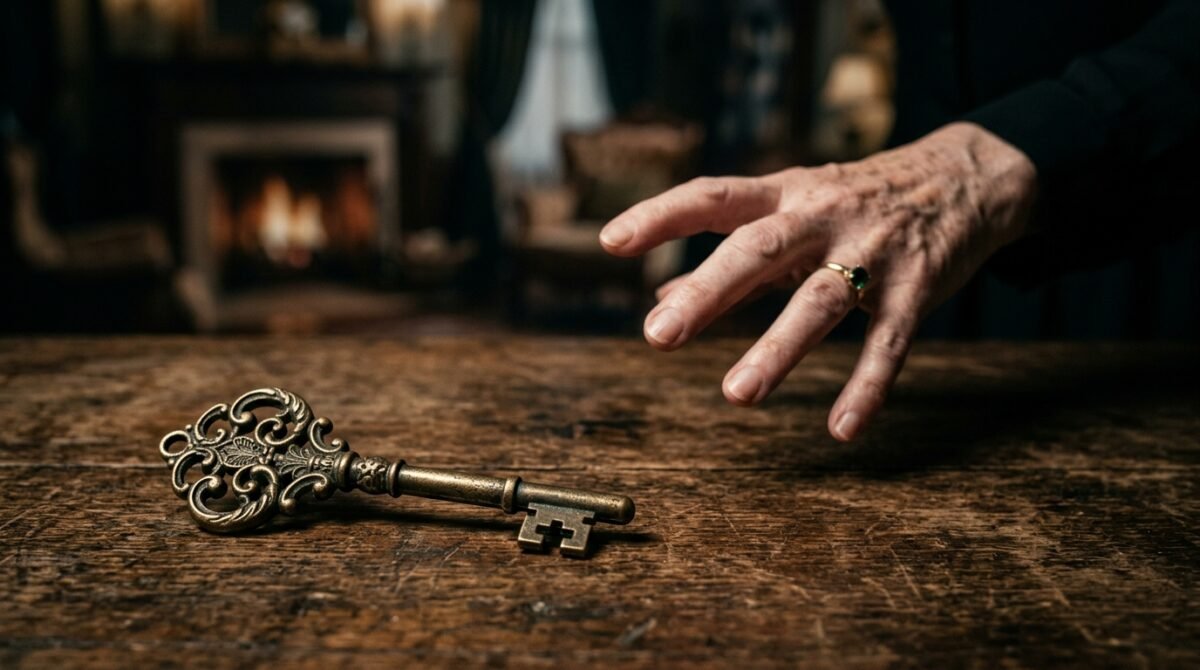
It started with the unsolicited advice. Every time Eleanor visited, she would walk through the cabin with a critical eye, pointing out how the kitchen backsplash was ‘dated’ or how the landscaping was ‘uninspired.’ It was a way of establishing that our home was unfinished, and therefore, not truly ours. She would subtly remind us that the property taxes were high and that perhaps we were ‘overextended’—a narrative she pushed to ensure everyone felt we were failing as owners.
Mark would usually laugh it off, thinking his mother was just being her typical, overbearing self. But I felt the weight of her words. She wasn’t just giving advice; she was testing the fences. She wanted to see how far she could encroach before we pushed back. I remember her saying, during one particularly humid July afternoon, that Jason was looking for a place to ‘find himself’ after his latest business venture failed to materialize.
“You know, Mark, this place is sitting empty for weeks at a time. It seems such a waste when Jason is struggling to find his footing. Perhaps he could just stay here for a season? It would be a huge help to all of us.”
— Eleanor, during a tense Sunday brunch
We declined, of course. The cabin was our refuge. But the seed had been planted. Eleanor didn’t react with anger; she reacted with a terrifyingly calm smile. She simply nodded and moved on to talk about the weather, as if our rejection had never even happened. That was the moment I realized we weren’t dealing with a simple difference of opinion; we were dealing with a strategic actor who viewed our boundaries as mere suggestions.
Throughout the next six months, the requests became more frequent. Requests for a spare key for ’emergencies’ turned into demands for the alarm code. They wanted to have a second set of keys made for Jason, which we firmly denied. The tension simmered beneath the surface of every interaction, a constant, low-grade fever that we couldn’t quite shake. We started keeping our important documents in a secure safe, a move that felt paranoid at the time, but would later prove to be the most important decision of our lives.
I began to notice little things. A shed door left unlocked when I was certain I’d latched it. A footprint in the mud that didn’t belong to any of us. When I confronted Mark about it, he was hesitant to believe his parents would cross those lines. He wanted to see the best in them, despite the overwhelming evidence that their ‘best’ was reserved only for those who bent to their will. It was a classic case of family gaslighting, and it was becoming increasingly difficult to ignore.
The Discovery of the Forged Deed
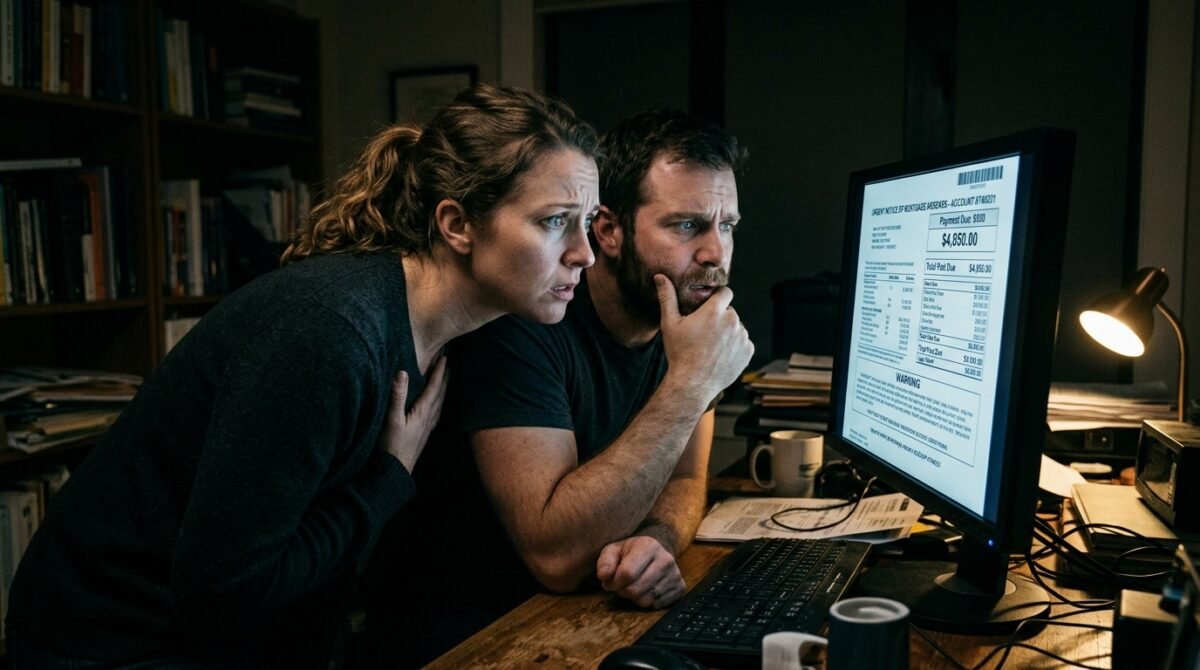
The epiphany came in the most mundane way possible. We had applied for a home equity line of credit to finance some much-needed roof repairs. The bank officer, a woman I’d spoken with several times, called me on a Tuesday morning with a voice that sounded strained and apologetic. She told me there was a conflict in the property records. According to the county, we were no longer the primary owners of the cabin.
I nearly dropped the phone. I spent the next hour frantically digging through our physical files, my heart hammering against my ribs. I checked the county registrar’s website, and there it was—plain as day, in a digital scan that made my stomach churn. A transfer of deed, dated three weeks prior, transferring full ownership of the cabin to a holding company controlled by Robert Miller. The signature at the bottom was a crude, shaky imitation of my own.
I didn’t scream. I didn’t cry. I sat in silence for a long time, staring at the screen until the words blurred. The sheer audacity was staggering. They hadn’t even bothered to hire a professional forger; they had simply assumed that no one would look, or that if I did look, I would be too intimidated to challenge them. They had used a local notary, an old family friend, to seal the deal. It was a calculated, pathetic, and arrogant gamble.
“Mark, look at this. They didn’t just ask for the cabin. They stole it. They signed my name, Mark. My name.”
— Me, presenting the document to my husband
Mark’s reaction was a mixture of shock and utter, crushing betrayal. He spent the next hour calling his father, who didn’t pick up. When he finally did, the conversation was brief and chilling. Robert didn’t even attempt to deny it. He treated the entire thing as a family matter, something that was ‘for our own good’ because we were ‘incapable of managing such a significant asset’ properly. It was the ultimate power move, a declaration of ownership over his adult son’s life.
I knew then that the time for family meetings and ‘clearing the air’ was over. This wasn’t about a cabin anymore. It was about whether I was going to be a person with agency in my own marriage and life, or if I was going to be a prop in the Miller family theater. I took a screenshot of the deed, printed it out, and put it in a folder. I didn’t need a lawyer to tell me that forgery is a crime, but I needed one to ensure that the people who committed it would face the consequences.
The Call to the District Attorney

Calling the District Attorney’s office felt like jumping off a cliff. There was no going back. I wasn’t calling a lawyer to send a cease-and-desist letter; I was starting the process of reporting a felony. The person on the other end of the line was calm and professional, asking questions that felt cold and clinical. They wanted to know about the notary, the dates, the witnesses, and the nature of the relationship. It felt surreal to be describing my father-in-law as a suspect, but the reality was unavoidable.
I was warned that this would be a long, arduous process. Filing a criminal report against a prominent family in a small town was going to cause ripples. My husband was terrified, not just of the legal fallout, but of the social ostracization. His parents were wealthy donors and pillar-of-the-community types. They held the keys to many doors, and he was afraid that closing these doors would mean the end of our life as we knew it. But we were already living a lie, and the truth, no matter how painful, was the only way forward.
We met with a detective the following week. I brought all the documentation, the text messages from Eleanor, the emails about the ‘vacation time’ for Jason, and the original deed. The detective was thorough, noting the discrepancies in the signature and the suspicious timing of the notarization. The fact that the notary was a close friend of the family was the final piece of the puzzle. The investigation was officially underway.
“I don’t care who they are. Fraud is fraud. If they think their name gives them immunity, they’ve picked the wrong person to cross.”
— My statement to the detective, feeling the weight of the moment
That night, I felt a strange sense of liberation. For years, I had walked on eggshells, afraid of offending the Millers, afraid of rocking the boat, afraid of being seen as the ‘difficult’ daughter-in-law. All of that disappeared when I realized they had attempted to commit a crime against me. I no longer had any obligations to them. No more forced smiles, no more polite excuses, no more enduring their belittling comments. I was free of them, even if the legal battle was just beginning.
Mark, however, was still reeling. He felt the sting of his parents’ betrayal in a way that I couldn’t fully comprehend. He had spent his entire life trying to earn their respect, only to find out that he was nothing more than a placeholder for his brother’s convenience. It took him several days to process the anger, but when he finally did, he was more resolute than I had ever seen him. He was ready to cut them off, completely.
The Leaked Family Group Chat
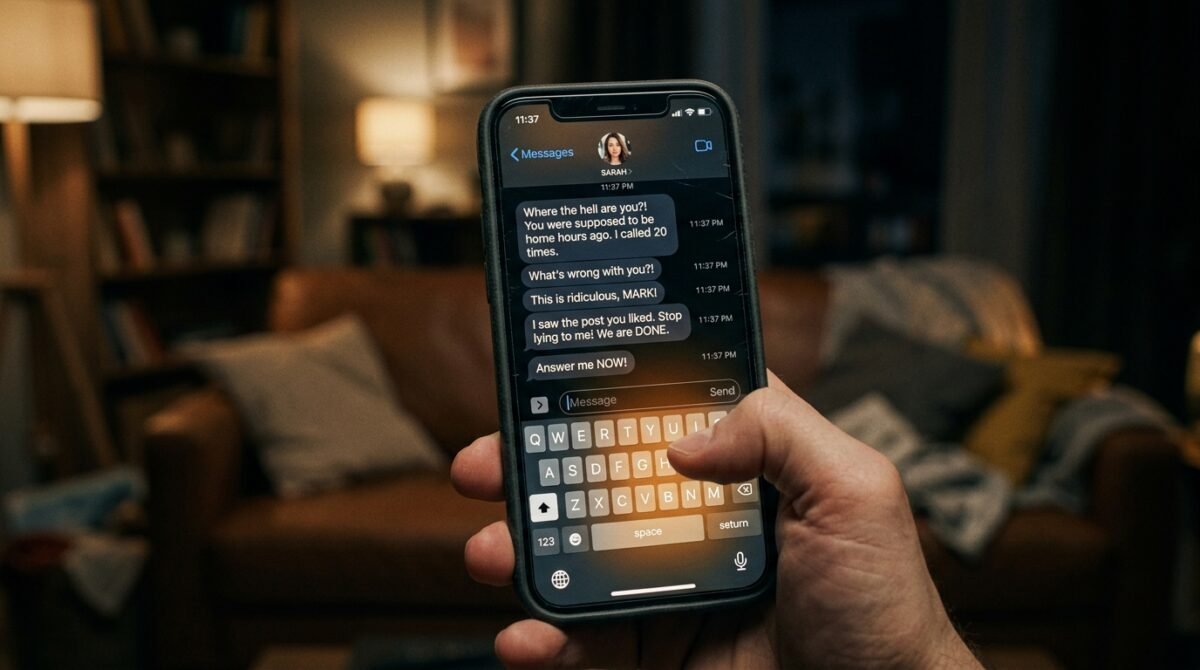
The fallout began before the formal charges were even filed. Jason, oblivious to the fact that his parents were under investigation, started texting us about ‘moving in’ and ‘renovating’ the cabin. It was clear that the Millers hadn’t told him about the legal mess they’d created. They were trying to finalize the ‘gift’ to him, thinking they could outpace the law.
I decided to stop responding and started documenting everything. Then, it happened—the slip-up. Eleanor accidentally sent a message intended for Robert into the main family group chat. It was a list of instructions on how to handle the bank, how to delay the tax filings, and how to ‘manage’ Mark and me. It was the smoking gun I didn’t even know I needed.
“Robert, just tell the bank the signatures were witnessed and that they are being ‘difficult’ about the transition. Once we have the deed fully recorded in Jason’s name, they won’t have a leg to stand on. Mark will get over it, he always does. Just keep the pressure on.”
— Leaked message from Eleanor to Robert in the family group chat
I took screenshots of the entire thread. It confirmed everything. It showed intent, it showed collusion, and it showed a complete lack of remorse. I sent the screenshots to our lawyer immediately. The look on our lawyer’s face when he read them was one of pure, unadulterated joy. This wasn’t just a forgery; this was a paper trail of premeditation. The case had just gone from a civil dispute to a slam-dunk criminal case.
Jason, seeing the message, finally started asking questions. He realized that the cabin wasn’t the ‘gift’ his parents had promised him; it was a stolen asset that was actively being investigated. He tried to distance himself, claiming he ‘didn’t know’ it was stolen, which was likely true but irrelevant to the legal reality. The panic in his messages was palpable. The golden child was finally feeling the heat, and he didn’t like the temperature one bit.
The family group chat became a war zone. Eleanor tried to backtrack, claiming the messages were ‘out of context’ and that we were ‘misinterpreting her intentions.’ It was a pathetic attempt at gaslighting that fooled no one. Mark finally stepped up and sent a message that effectively ended the debate. He laid it all out: the forgery, the investigation, and the fact that we were done. He left the group chat immediately after.
The Sunday Dinner That Never Happened
We didn’t go to the next Sunday dinner. We didn’t go to the one after that, either. The silence from the Miller household was deafening. No more passive-aggressive emails, no more ‘concerned’ phone calls. Just a sudden, terrified quiet. We were officially persona non grata, which was exactly what we wanted. We spent those weekends at the cabin, not as guests, but as the rightful owners, cleaning the dust and the memories of their interference out of our lives.
The neighbors started asking questions, of course. News of the investigation had leaked to a few of the more gossipy family friends. We were prepared with a simple, honest answer: ‘They forged our signature on a property deed, and we are letting the authorities handle it.’ It was startling how quickly people stopped trying to mediate once they heard the word ‘forgery.’ It removed all the ambiguity. You can’t argue about ‘family dynamics’ when a crime has been committed.
One afternoon, Robert showed up at our house, unannounced. He looked older, smaller. He tried to play the ‘we’re family’ card, saying that this was all just a big misunderstanding that could be cleared up with a simple meeting. He didn’t seem to understand that the time for meetings had passed. He kept talking about ‘the family legacy’ and how ‘Mark would regret this for the rest of his life.’ It was all the same rhetoric, just delivered with a bit more desperation.
“You have nothing to say to us, Robert. Everything you have to say should be directed to the District Attorney’s office. You are trespassing. Leave, or I am calling the police right now.”
— Me, standing firm at my front door
He left, but not before looking at me with a level of hatred I didn’t think was possible. It was the look of a man who realized he had lost control, and he blamed me entirely for it. It didn’t bother me. His hatred was a badge of honor. It meant I had successfully detached myself from their orbit. Mark stayed inside, not wanting to face his father, and I respected that. I had become the shield, the one who took the hit so he could heal.
The weeks that followed were filled with interviews, depositions, and more paperwork than I ever thought possible. Every interaction with the legal system was a reminder of why we were doing this. It wasn’t about vengeance; it was about restoration. We were restoring our autonomy, our rights, and our peace of mind. We were building a new life where the Millers were footnotes, not the main characters.
The Community Weighs In: Reddit Reacts

When I finally posted a summary of the situation on a popular legal advice subreddit, the response was overwhelming. Thousands of people shared their own stories of family betrayal, inheritance theft, and the struggle to set boundaries with toxic parents. It was a stark reminder that we weren’t alone, that this kind of entitlement was more common than we ever imagined, and that silence only serves the abuser.
“NTA. You didn’t start this war; you just finished it. Forgery is a felony. Do not let them talk you into a settlement that doesn’t involve them admitting guilt. Keep the DA involved until the very end. Do not back down.”
— u/LegalEagle88 (Top Comment, 32.4k upvotes)
“I had a similar situation with my aunt and my grandmother’s estate. Once the lawyers get involved, the ‘we’re family’ excuse disappears like magic. Stay strong, OP. You are doing the right thing for your future and your own sanity.”
— u/FamilyDramaSurvivor (12.5k upvotes)
The advice was consistent: don’t negotiate, don’t settle, and let the law take its course. It was comforting to see the community rally behind us. Many pointed out that if we hadn’t acted now, they would have just continued to escalate until they had taken everything. It was a wake-up call for those who thought that ‘family’ meant ‘carte blanche’ to do whatever they wanted.
There were a few contrarians, of course, who argued that we should have tried to solve it internally. But they were quickly drowned out by the reality-check brigade, who reminded everyone that you don’t ‘talk out’ a forgery. You don’t ‘resolve’ a crime through a heart-to-heart. The Reddit consensus was clear: the Millers had burned the bridge, and we were absolutely justified in watching it go down.
Reading the comments helped me realize that the guilt I felt, the hesitation I had, was a symptom of years of conditioning. We are taught to prioritize family above all else, even when that family is actively harming us. Reddit helped me deconstruct that myth. It gave me the validation I needed to stay the course, even when things got difficult. It was a digital support group that proved, once and for all, that my boundaries were valid.
The Grand Jury and the Breaking Point
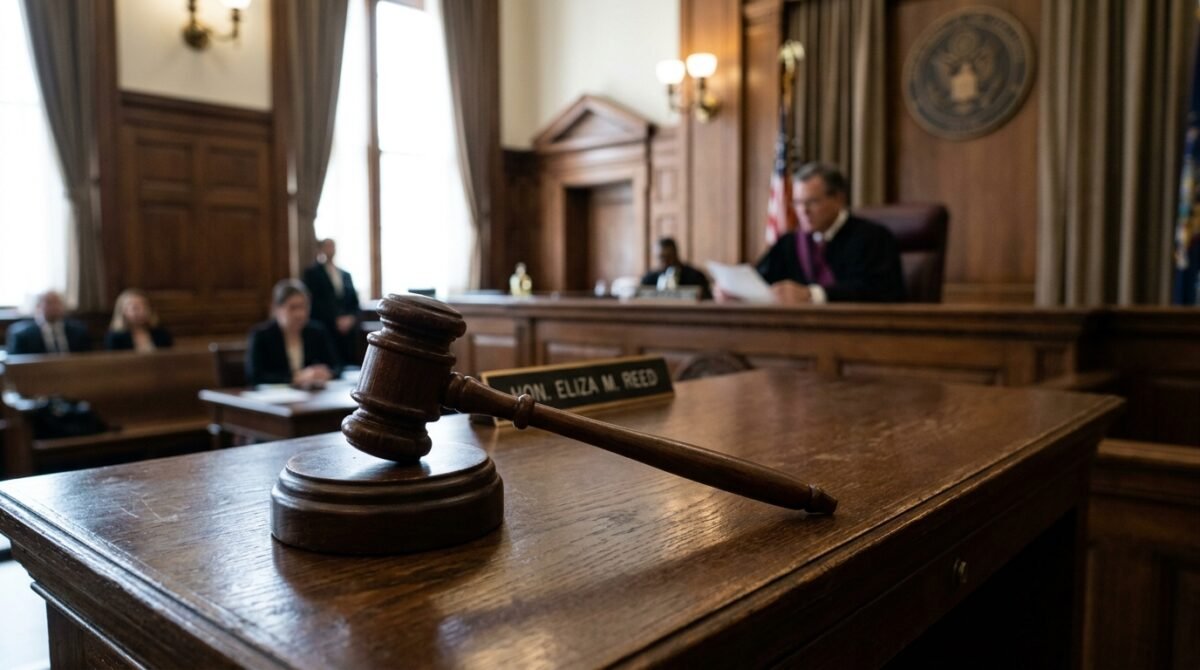
The case eventually moved to the grand jury. I had to testify, which was easily one of the most nerve-wracking experiences of my life. Walking into the courthouse, surrounded by the weight of the law, I felt the gravity of what we had initiated. My testimony was simple, direct, and factual. I didn’t need to add any emotional weight; the forgery itself carried all the weight needed. When I looked at the jurors, I saw people who understood exactly what was at stake.
Robert and Eleanor were called to testify as well. Seeing them sitting in the waiting area, looking for the first time like ordinary, flawed, and terrified people, was jarring. All the polish, all the status, all the ‘pillar of the community’ facade was stripped away. They were just two people who had committed a crime, waiting to hear if they would be charged. It was the most human I had ever seen them, and it didn’t make me feel sorry for them—it made me realize they were just as lost as anyone else.
The indictment came down a week later. They were being charged with felony forgery and fraud. The news spread like wildfire through the family network. Suddenly, the ‘golden child’ status was gone. The Millers were no longer the family that everyone looked up to; they were the family that was headed for a courtroom. It was a complete reversal of their social standing, and it was a direct result of their own actions.
“I hope you’re happy. You’ve ruined your father’s reputation and destroyed this family. Was it worth it for a damn cabin?”
— A voicemail left by Eleanor, full of venom and denial
I didn’t reply. I didn’t need to. Her words were a confession of her own priorities. She still couldn’t see that it wasn’t the cabin that destroyed the family; it was their decision to steal it. She was still trying to blame me for their consequences. It was the final confirmation that they would never change, that they would never take responsibility for their actions. It was the last bit of doubt I had finally being washed away.
The stress of the indictment was intense. We had to move our security up, change our passwords, and even consider moving. The backlash was real, but it was also temporary. The more they acted out, the more they isolated themselves. They were building their own prison, one bad decision at a time. And we were standing on the outside, finally free to breathe.
The Legal Outcome and Restitution

The trial didn’t happen. Facing overwhelming evidence and the threat of a public trial that would destroy what was left of their reputation, the Millers accepted a plea deal. The terms were non-negotiable: they had to relinquish all claims to the cabin, pay for our legal fees, and issue a formal, written admission of the forgery. It was the absolute best-case scenario we could have hoped for. The property title was officially and permanently restored to us, clean and clear.
The notary, who had been an accomplice, lost their license and was fined heavily. It was a small but necessary justice. Seeing the legal system work, seeing the consequences applied fairly, was a relief that I hadn’t expected. We had been told that ‘the system doesn’t work for people like us,’ but in this case, it worked exactly as it was designed to. It protected the victim, it punished the perpetrator, and it restored what was stolen.
The restitution wasn’t just about the money or the title; it was about the psychological victory. Every time I walk into the cabin now, I don’t feel the weight of their expectations. I don’t look over my shoulder, wondering if they’re coming back. I feel a sense of ownership that is entirely my own. It is a quiet, peaceful, and beautiful sanctuary—a place that is finally, fully ours.
“We have the deed. The DA called. It’s over, Mark. It’s actually over. We won.”
— My words to Mark the moment we received the final documents
We spent the first weekend after the case closed by just sitting on the porch, looking out at the mountains, not talking about the Millers, not talking about the legal battle. We talked about the future. We talked about who we wanted to be, about the boundaries we would set for our future children, and about the kind of family we wanted to build. It was the first time in years that I felt like the future was actually ours to decide.
The aftermath has been a process of healing. We’re still dealing with the emotional scars, the trust issues, and the occasional nightmare about the whole thing. But we’re dealing with it together. We have a support system that we chose, not one that was forced upon us. And that makes all the difference in the world.
The Permanent Boundary

We have gone completely no-contact with the Millers. It’s the best decision we ever made. No more phone calls, no more emails, no more ‘accidental’ run-ins. We have moved, we have changed our numbers, and we have created a life that they cannot enter. It’s a level of peace I never thought possible. It’s not just about the cabin; it’s about the fact that I no longer have to worry about what they think, what they want, or what they might do next.
Sometimes I wonder if they regret what they did. Do they look at the cabin and realize what they lost? Do they miss their son, or do they just miss the control they had over him? I don’t think I’ll ever know, and for the first time, I don’t care. Their regret is their business. My life is my own. And that is a beautiful place to be.
We’ve learned that family is not about biology; it’s about respect. It’s about boundaries. It’s about being there for each other, not for what you can get from each other. We’ve built a new definition of family, one that includes the people who support us, who respect our choices, and who genuinely want the best for us. And the Millers are not part of that definition.
“You don’t get to choose your parents, but you do get to choose whether you let them dictate your life. Sometimes, the only way to save yourself is to walk away.”
— A piece of advice I now share with everyone who asks
The cabin is no longer just a building; it’s a monument to our resilience. Every time I see it, I remember what we went through, and I’m proud of who we became. We stood our ground, we called their bluff, and we won. We proved that no matter how powerful someone thinks they are, they aren’t above the truth, and they aren’t above the law.
As I write this, I’m sitting in the living room of the cabin, the same room that was once a source of such anxiety. It’s quiet. The only sound is the crackle of the fireplace and the wind in the trees. And for the first time in my life, I am completely at home.
Lessons from the Mountain

If there’s one lesson I want people to take away from this, it’s that your boundaries are only as strong as your willingness to enforce them. If you let someone trample them once, they will do it again. And if they’re willing to break the law, you must be willing to use the law. It’s not about being ‘difficult’; it’s about being a person of worth. Don’t let anyone convince you otherwise.
I’ve also learned that you can’t change people who don’t want to change. You can’t ‘fix’ your in-laws. You can’t make them understand, you can’t make them see the error of their ways, and you can’t make them respect you. You can only control your response to them. And sometimes, the most empowering response is to remove them from your life completely.
I’ve been asked by friends if I would have done anything differently. Would I have tried to resolve it without the DA? Maybe. But then I think about the forged signature, the premeditation, the lies, and I know that anything else would have just been a temporary fix. I did what I had to do, and I don’t regret it for a second. It was the only way to ensure that this would never happen again.
“Never mistake kindness for weakness. When people push you, they don’t expect you to push back. Surprise them.”
— My personal mantra, born out of this ordeal
We are finally living the life we envisioned. We are independent, we are happy, and we are free. The cabin is our home, and it’s a home that is built on truth and integrity, not on the stolen dreams of others. And that, more than anything else, is the greatest victory of all.
To anyone out there struggling with similar issues, know that you are not alone. You have the right to your own life, your own assets, and your own happiness. Don’t let anyone take that away from you. Stand your ground, document everything, and don’t be afraid to take the necessary steps to protect yourself. You are worth it.
Conclusion
Looking back at the entire ordeal, the most profound realization isn’t about the cabin or the legal victory, but about the reclamation of self. For years, I allowed the Miller family’s expectations to dictate my priorities, my worries, and my boundaries. By calling the District Attorney, I didn’t just report a crime—I tore down the invisible walls they had built around my autonomy. The legal victory was the tangible result, but the psychological shift was the real prize. I am no longer waiting for their approval or fearing their judgment; I am the architect of my own life.
The path forward is clear. We have established a firm boundary that serves as a permanent protective barrier, ensuring our future is shielded from the entitled reach of those who once sought to exploit us. The cabin, once a source of deep anxiety, has been transformed into a space of genuine peace and ownership. It serves as a reminder that no matter how influential or manipulative people may be, they cannot override the truth or the law when you have the courage to demand justice.
What about you? Have you ever had to draw an absolute, non-negotiable boundary with family? Did you find that it cost you relationships, but bought you your sanity? I invite you to share your experiences and thoughts in the comments below—let’s discuss the complexities of family expectations, the legal realities of inheritance disputes, and the difficult but necessary process of choosing your own peace over keeping the peace.
What's your verdict on this dilemma?
Vote below to contribute to the official community consensus.

Have a Dilemma Keeping You Up at Night?
Share your real-life feud, wedding chaos, or relationship crossroads anonymously with our editorial team.
What do you think ?
0 Comments🛡️ Comments are moderated to protect community integrity. Your comment will appear once approved by the editorial team.