
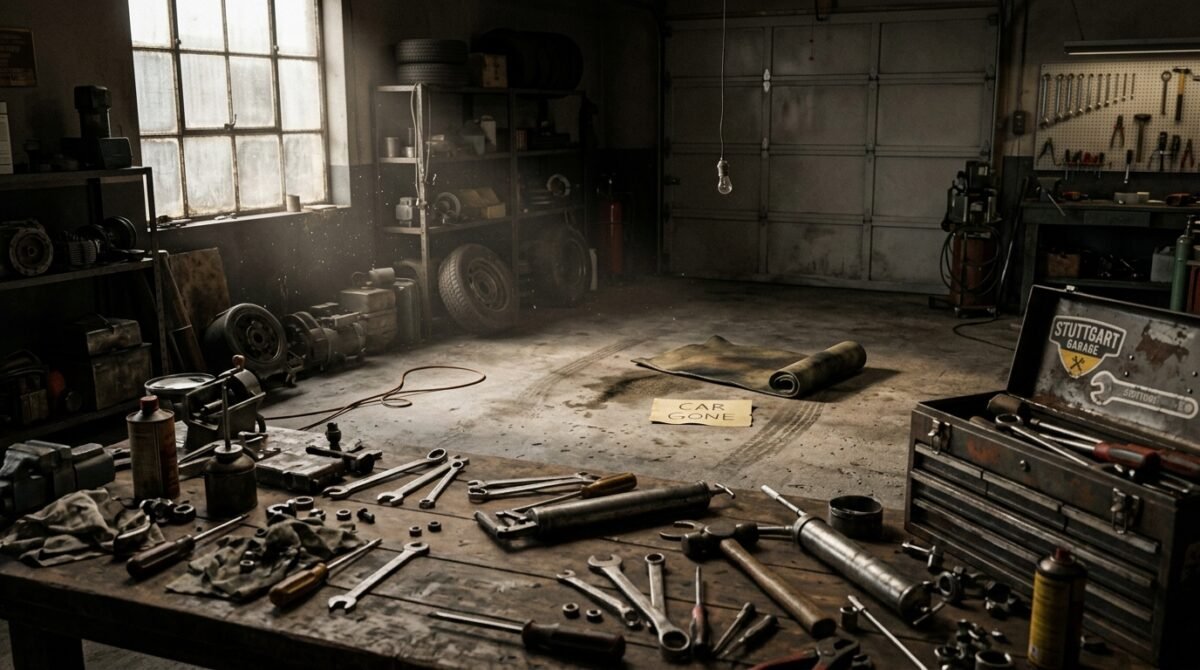
They say you never truly know a person until you see how they handle their own disappointment, but I learned that you also don’t know them until you see how they handle your greatest achievements. For five years, my 1967 Mustang was the center of my universe. It wasn’t just a car; it was a testament to patience, a mountain of grease-stained receipts, and the physical manifestation of my spare time. My husband, Mark, watched me grind my knuckles down to the bone every weekend, promising that one day, we would take it on a road trip across the coast.
The betrayal didn’t happen overnight. It was a slow, creeping erosion of respect that culminated in a single, devastating text message on a Tuesday afternoon. I came home from work to an empty garage. The space where my baby sat—gleaming in cherry red paint—was vacant. In its place sat a brochure for a high-end, brand-new motocross bike. My heart didn’t just break; it hardened into something cold and decisive.
I have always believed that marriage is a partnership, a sacred agreement where your partner’s passion is as protected as your own. When Mark decided that his impulsive urge for adrenaline outweighed my half-decade of labor and love, he didn’t just sell a piece of metal. He sold our future. He sold the trust that held us together. And in doing so, he accidentally signed the papers for our separation.
This isn’t just a story about a car. It is a story about the boundaries we draw in relationships and the devastating cost of ignoring them. It is about realizing that when someone shows you they don’t value your identity, you have to find the strength to reclaim it. I am not the woman who sits back and waits for an apology that will never come. I am the woman who takes her life back.
The Five-Year Labor of Love
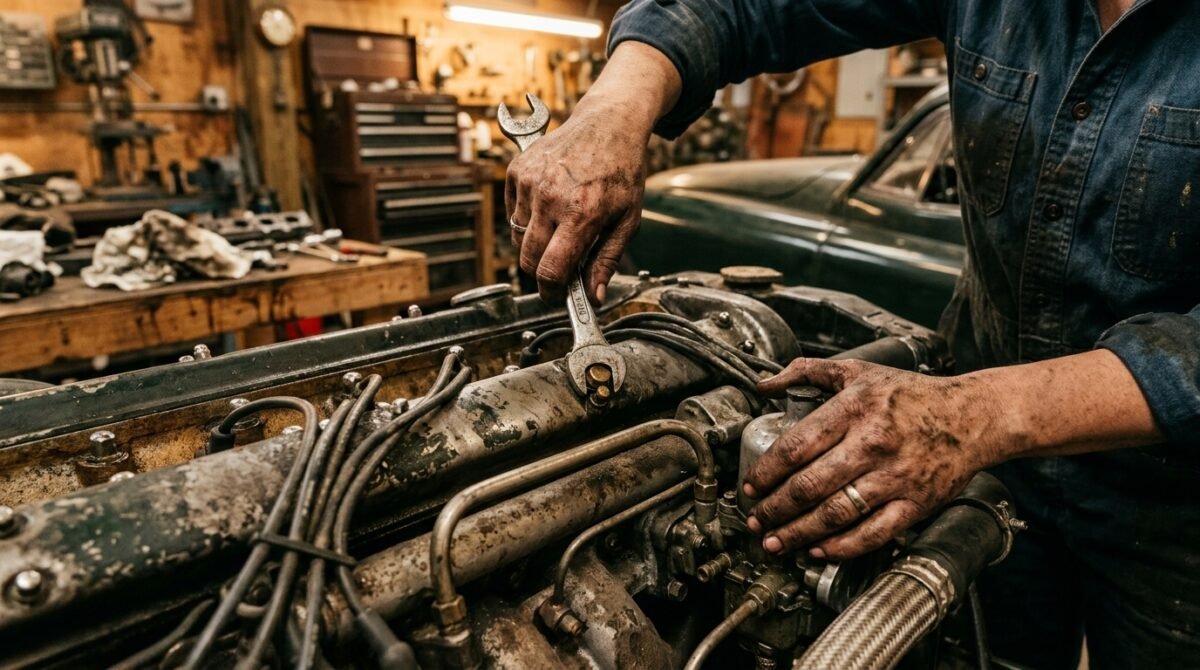
When I first bought the shell of the ’67 Mustang, it was a rust bucket destined for the scrap heap. Everyone told me I was crazy, that it would be cheaper to buy a finished car than to source parts one by one. But there was something about the engine block, something about the challenge, that called to me. I spent my weekends under the chassis, learning about fuel pumps, transmission fluid, and the delicate art of vintage restoration. Mark was supportive in the beginning, occasionally holding a flashlight or bringing me a cold drink while I worked.
The financial investment was astronomical. I took on overtime shifts for three years just to afford the authentic interior upholstery and the original carburetor. We had a verbal agreement: this was my project, my treasure, and my legacy. Mark understood this. He would talk about ‘our’ car, but he knew that the blood, sweat, and tears were entirely mine. I documented every step of the process in a leather-bound notebook, a ritual I kept as religiously as the restoration itself.
There were nights where I cried in frustration, covered in grease, ready to give up. Mark would sit on the garage floor and tell me how proud he was. He watched the transformation from a hollow shell to a road-ready masterpiece. By year four, the car was fully functional, a beauty that turned heads at every intersection. It was the pride of my life, a physical symbol of what I could achieve when I set my mind to something impossible.
“You know, babe, seeing how hard you worked on this has made me realize I want a hobby that gets me out of the house. I feel like I’m just watching you build your legacy while I stagnate.”
— Mark, three months before the incident
I didn’t think much of his comment at the time. I thought it was just a moment of insecurity, a common human feeling. I encouraged him to find something he loved, even offering to help him look for a vintage motorcycle project of his own. I didn’t realize then that he wasn’t looking for a hobby—he was looking for an escape, and he was planning to fund it with the very thing that made me feel complete.
The Empty Garage and the Brochure
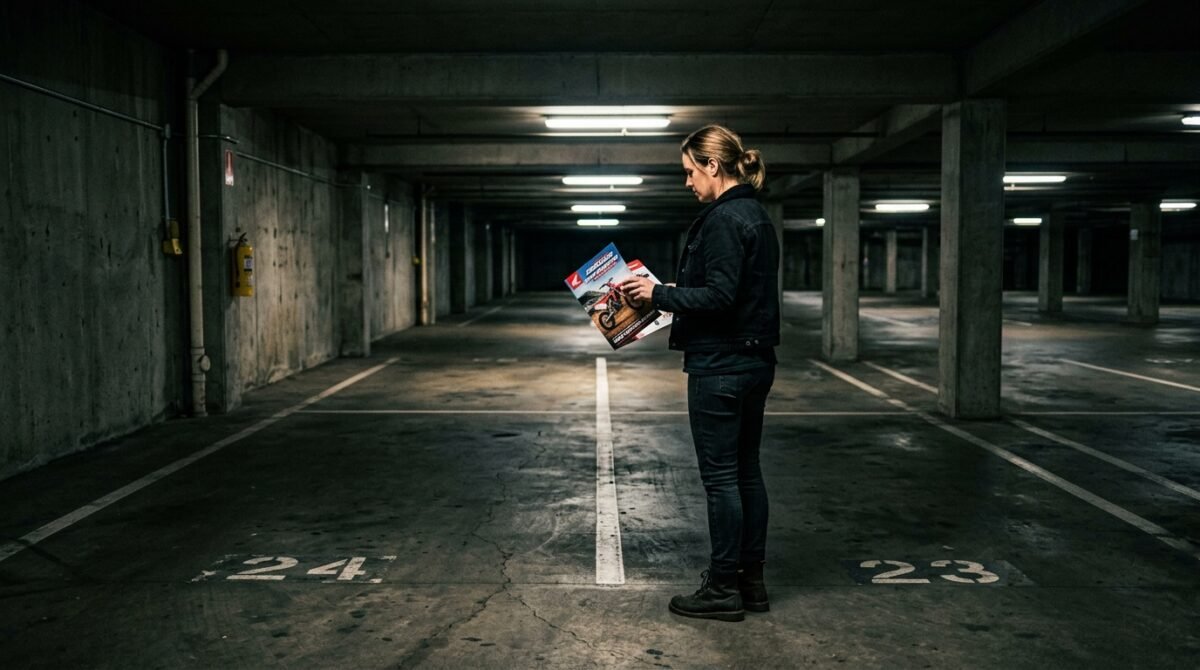
The day the car vanished started like any other. I had taken a half-day off work, excited to take the Mustang for a drive along the canyon road. I imagined the wind in my hair, the roar of the engine, and the satisfaction of a job well done. As I pulled into the driveway, I noticed the garage door was open. That wasn’t unusual, but the silence inside was deafening. My stomach dropped as I walked in and saw the empty space.
I assumed Mark had taken it for a joyride without asking, which would have been a massive boundary violation on its own. But then I saw the envelope on my workbench. Inside was a bill of sale—a legal document signed by Mark, selling the Mustang to a private collector three states away. It hadn’t been a joyride. It had been a liquidation. My car was gone, and the cash was already deposited into an account I didn’t have access to.
On the workbench, next to the empty space, sat a glossy, neon-bright brochure for a top-tier motocross bike. It was mocking me. The bike cost exactly what the car had sold for—a coincidence that felt like a slap in the face. I didn’t scream; I didn’t cry. I felt a strange, cold clarity descend upon me. I walked into the house, my legs feeling like lead, and I found Mark in the living room, watching television as if nothing had happened.
“Where is the Mustang, Mark? I saw the paperwork. Tell me right now, why is my car gone and why is there a brochure for a bike on the bench?”
“Look, I knew you wouldn’t understand. I needed a change. You were done with that car anyway, and this bike is going to make me happy. It’s for the best, really.”
The audacity of his response was staggering. He didn’t even try to hide it. He didn’t even try to rationalize it with a lie about a better investment. He simply believed that his happiness was the default priority in our marriage, and that my possessions were just pawns in his game of self-actualization. That was the moment I stopped being his wife and started being a woman who was planning her exit.
The Financial Infidelity Unmasked

After the initial shock, I did what any person in my position should do: I started auditing our life. I logged into our joint banking portal, a place I had trusted implicitly for years. I discovered that this wasn’t the first time he had ‘borrowed’ from our shared savings to fund his whims. Over the last two years, small, consistent withdrawals had been made to pay for various online subscriptions, expensive gear, and ‘consultation fees’ for projects that never materialized.
The car sale was just the tip of the iceberg. He had been planning this for months, secretly looking for buyers and negotiating the price while I was out at work. He had even used my own email to correspond with the buyer, deleting the threads before I could see them. It was a calculated, systematic betrayal of trust. The financial infidelity hurt almost as much as the loss of the car, because it meant the last two years of our relationship were built on a foundation of deception.
I gathered every receipt, every bank statement, and every scrap of evidence I could find. I printed it all out and placed it in a binder. It felt like I was building a case for a court of law, which, as it turned out, was exactly what I was doing. I went to a local attorney the next day to discuss the legal ramifications of selling marital property without consent.
The lawyer told me that because the car was registered in my name only, the sale was technically illegal. It was grand theft. I had the power to press charges or force a restitution. But standing there in the office, I realized I didn’t want the car back anymore. It was tainted. I wanted out. I wanted a clean break from a man who viewed me as a resource rather than a partner.
“I don’t care about the money anymore. I don’t care about the bike. I just want to know how you could live with yourself knowing you stole my work.”
“You’re overreacting. It’s just metal and rubber. I bought you a new laptop, didn’t I? Why is this such a big deal?”
Hearing him dismiss my five years of effort as ‘just metal and rubber’ confirmed everything I needed to know. He was incapable of empathy. He didn’t see me; he only saw his own desires reflected in the world around him. I left his office, went to the bank, and opened an individual account. The separation had officially begun, whether he realized it or not.
The Silent Dinner Table
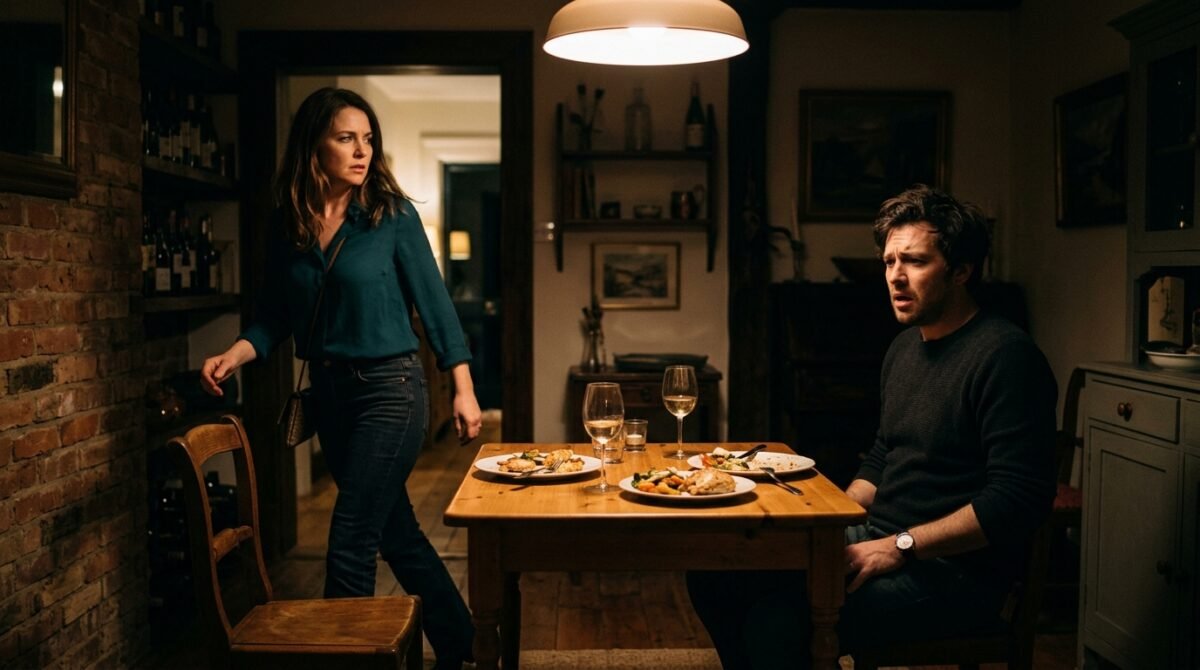
The next few days were characterized by a suffocating silence. I moved to the guest bedroom, citing a need for ‘space to think.’ Mark played the victim, acting as though I were the one being unreasonable. He would leave passive-aggressive notes around the house or comment loudly about how ‘unnecessarily dramatic’ some people were. He thought I was just throwing a tantrum that would blow over by the weekend.
I prepared a dinner for us—the last one, as it turned out. I didn’t say a word. I sat across from him, watching him eat his meal with the same casual arrogance he wore like a coat. He tried to initiate small talk about the weather or his new plans for the bike, but I stared right through him. I wasn’t angry anymore; I was detached. The bridge was burned, and I was just waiting for the smoke to clear.
My friends and family started calling, having heard bits and pieces from Mark, who had tried to spin the story as me being ‘unhinged’ over a car. I corrected the narrative quietly, showing them the documents I had gathered. The support was overwhelming. They didn’t see a woman overreacting; they saw a woman being pushed to the brink by an entitled, selfish man.
“I don’t know what you’re so quiet about. If you want a car that badly, go get a loan. You’re acting like I committed a crime. This is why we have problems—you can’t let anything go.”
— Mark during dinner
I looked at him then, really looked at him, and realized I didn’t even recognize him. The man I married had been buried under years of my own compromises. I finished my meal, stood up, and cleared my plate. I looked him in the eye and said, ‘The only problem we have, Mark, is that you think your life is more important than mine.’ I walked out of the room, and I never sat at that table with him again.
The Reddit Verdict
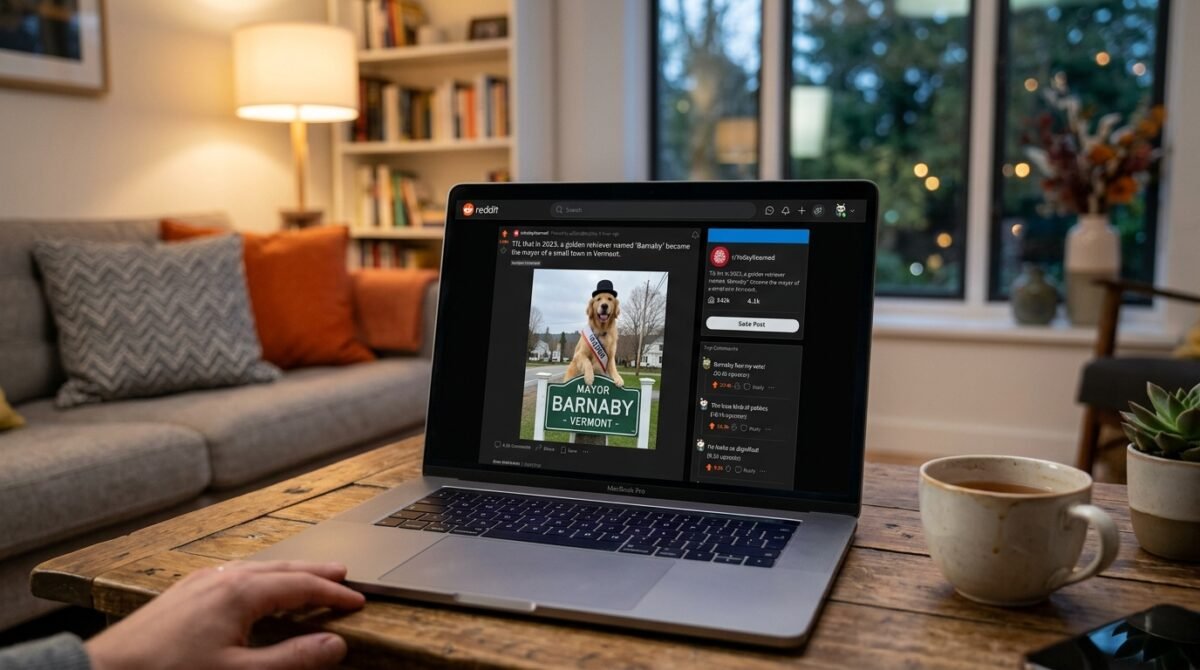
I turned to the internet, not for validation, but for perspective. I wrote a post detailing the situation, omitting names but keeping the facts clear. The response was immediate and overwhelming. Thousands of people shared their own stories of financial abuse and boundary violations. It was a cathartic experience to realize that I wasn’t alone, that there were others who had been gaslighted into believing their pain was ‘dramatic.’
The consensus was clear. The community didn’t just support my decision; they urged me to protect myself legally. People pointed out that the sale of the car was a massive red flag in a relationship. They saw the pattern of manipulation and the dangerous levels of entitlement. The post went viral, and reading the comments became my nightly ritual, a way to ground myself in reality when Mark was busy trying to gaslight me in person.
“NTA. This isn’t just about a car. This is about a man who stole your labor, your passion, and your autonomy. The fact that he thinks he can replace a 5-year project with a new bike shows he doesn’t value your time or effort at all. Run.”
— u/AutoMechanicMom (Top Comment, 32.1k upvotes)
The community support gave me the courage to move forward with the formal separation. I stopped listening to his excuses, stopped arguing about the ‘value’ of the car, and started focusing on the legal process of dissolution. The internet had shown me that I was right to be hurt, and that my reaction was a rational response to an irrational, abusive act. It was the push I needed to take the final steps.
The Certified Letter
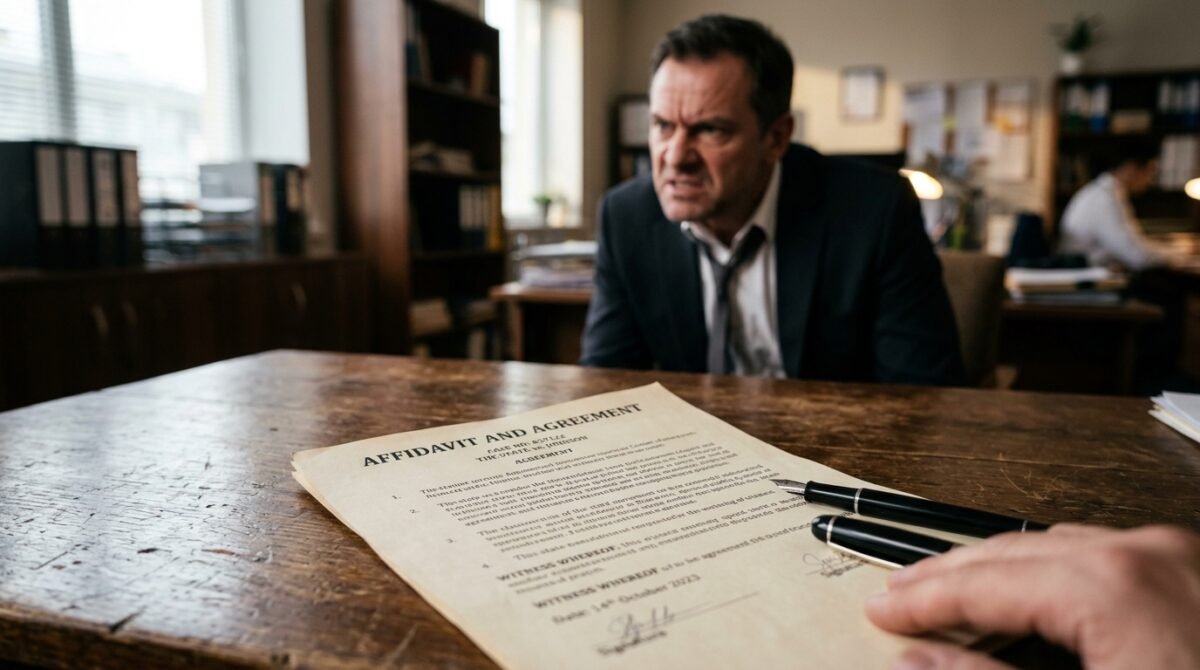
A week after our final dinner, a process server arrived at the house. Mark was out on his new bike, probably enjoying the freedom he’d stolen from me. I was there when the envelope arrived—a formal notice of separation, accompanied by a request for a meeting with attorneys. The weight of the document felt like a physical relief. It was no longer a conversation; it was a process.
Mark’s reaction when he returned was pure, unadulterated shock. He had expected me to eventually ‘calm down,’ to come back to the table and accept his apology—or at least his lack of one. He didn’t expect me to act. He tried to barge into the guest bedroom, but I had already installed a lock. I spoke to him through the door, my voice steady and cold.
I told him that the marriage was over. I told him that I was seeking legal counsel and that any further communication would need to go through my lawyer. He started shouting, calling me names, and threatening to break down the door. I called the police, not because I was afraid, but because I needed a record of his behavior. The officers arrived, and the look on Mark’s face when he realized this was real was something I will never forget.
“You’re really going to do this? Over a car? You’re destroying our life because you’re selfish and can’t handle a little change? I can’t believe you’re this cruel.”
— Mark through the bedroom door
The irony was almost funny. He was calling me cruel for responding to his theft of my life’s work. His inability to see his own role in our collapse was the final proof that I was making the right choice. I stayed in the room until the police escorted him out, and then I spent the night packing my essentials. I was done.
Moving Out and Starting Over

The day I moved out, the house felt empty, not because of the missing car, but because the illusion of our partnership had vanished. I left the keys on the kitchen counter, next to a printed copy of the divorce petition. I took my tools, my books, and the pride I had salvaged from the wreckage of the last five years. I didn’t look back.
My new apartment is small, but it’s mine. There’s no garage, but there is a sense of peace that I haven’t felt in a long time. I started looking for a new project, not to replace the Mustang, but to reclaim my joy. I found a vintage bicycle frame that needs work—nothing as big as a car, but something that I can nurture back to life on my own terms, with no one to steal the results.
The financial fallout was a mess, but with my lawyer’s help, I managed to secure a settlement that included the value of the car and a fair division of our assets. It was a long, draining process, but it was worth it. I wasn’t just fighting for money; I was fighting for the principle of the thing. I was fighting for the woman who spent five years in a garage, learning her own worth.
“You’ll be back. You don’t know how to do anything without me.”
— A final text message from Mark, sent an hour after I left
I didn’t reply. I blocked the number, deleted the contact, and set my phone to ignore any future messages. He was wrong—I knew exactly how to do everything without him. I had been doing it all along. The silence that followed was the sweetest sound I had ever heard.
The Lessons in the Rearview Mirror

Looking back, I realize that the car was never just a car. It was a litmus test for our relationship. A partner who respects you would never dream of selling your passions to fund their own. A partner who loves you would take pride in your achievements, not feel threatened by them. The car was the catalyst, but the decay had been happening for a long time.
I learned that boundaries are not negotiable. I learned that you cannot build a life with someone who doesn’t see you as an equal. And most importantly, I learned that when you lose something you love to someone else’s selfishness, you have to be the one to pick up the pieces and move forward. You cannot wait for them to understand, because they never will.
I have forgiven myself for not seeing the signs earlier. We are all blinded by love at some point, and we all make excuses for the people we care about. But there comes a time when the excuses stop holding up. There comes a time when you have to choose yourself, even if it means leaving behind the life you thought you wanted.
“I don’t regret the work I put into the Mustang. I regret that I didn’t realize who I was living with sooner. But the car taught me that I can build anything—even a new life.”
I am stronger now. I am more independent. And I am finally, for the first time in a long time, free. The Mustang is gone, but the person who restored it is still here, and she is just getting started on her next project.
The Aftermath and Personal Healing

It has been six months since I walked out, and life has stabilized in ways I didn’t think were possible. The legal proceedings were finalized, and while the experience was grueling, the sense of liberation was intoxicating. I sold the house, split the equity, and bought a place that is entirely mine. No shared accounts, no joint projects, no apologies required for my own choices.
I still see the occasional classic car on the road, and sometimes a pang of sadness hits me. But it’s not the sharp, jagged pain of betrayal anymore. It’s a fond nostalgia for a time when I was younger, hungrier, and more naive. I’ve started a new hobby—landscape photography—that takes me out into the world rather than keeping me in a garage. It’s a different kind of creation, one that is entirely portable and entirely mine.
My friends have noticed the change. They say I seem lighter, more confident. They don’t have to walk on eggshells around me anymore. I’ve reconnected with parts of myself that I had shelved to make room for Mark’s demands. It’s a process, this healing, but it’s a beautiful one. I’m rediscovering who I am without the shadow of a toxic relationship looming over me.
“I never thought I’d see you this happy. It’s like you’ve finally exhaled after holding your breath for five years.”
— A close friend during a coffee outing
She was right. I had been holding my breath, waiting for the other shoe to drop, waiting for the next demand, waiting for the next disappointment. Now, I breathe deeply. I own my space, I own my time, and I own my future. And that is worth more than any vintage car in the world.
The Community’s Ongoing Debate

My story continues to circulate online, and the conversations it sparks are fascinating. People still debate the details—some think I should have sued for the car’s return, while others think I made the right call in just leaving. The spectrum of responses is a testament to how differently people handle betrayal and what they consider ‘deal-breakers’ in a marriage.
I find comfort in the fact that my experience has helped others. I’ve received dozens of messages from people who were in similar situations—people who were having their interests undermined, their money stolen, or their boundaries ignored. They tell me that reading about my journey gave them the push they needed to start their own, to leave their own toxic environments, and to reclaim their lives.
The debate isn’t just about the car; it’s about the underlying values. It’s about trust, respect, and the fundamental right to individual autonomy within a partnership. It’s a conversation that needs to happen more often, and I’m glad to be a small part of it. If my story helps just one person realize they deserve more, then the loss of that Mustang will have been a price well paid.
“OP, your courage is inspiring. I’m currently going through something similar and your story was the wake-up call I needed. Thank you for showing me that it’s okay to walk away.”
— u/HopefulNewBeginning (Community comment)
I don’t respond to every message, but I read them all. They remind me that we are all just trying to navigate this complicated thing called life, and that sometimes, the hardest decisions are the ones that lead us to the best places. The Mustang might be gone, but the path forward is clear.
Conclusion
The story of my 1967 Mustang is a closed chapter, but the lesson it taught me is written in permanent ink. We often believe that sacrifice is the glue of a relationship, but when sacrifice becomes a one-way street, it’s not love—it’s exploitation. Choosing to end my marriage was the most difficult decision of my life, but it was also the most empowering. I reclaimed my autonomy, my dignity, and my future.
Life is too short to be someone else’s supporting character. Whether it’s a classic car, a career dream, or simply your own sense of self, never let anyone devalue what you have built. I am moving forward, and for the first time in years, I am the one in the driver’s seat.
What about you? Have you ever had to choose between your personal passion and a relationship that was holding you back? Does a partner have a right to your property if they feel they aren’t getting enough attention? Let me know your thoughts in the comments below—I’d love to hear your take on where the line should be drawn in a marriage.
What's your verdict on this dilemma?
Vote below to contribute to the official community consensus.

Have a Dilemma Keeping You Up at Night?
Share your real-life feud, wedding chaos, or relationship crossroads anonymously with our editorial team.
What do you think ?
0 Comments🛡️ Comments are moderated to protect community integrity. Your comment will appear once approved by the editorial team.