
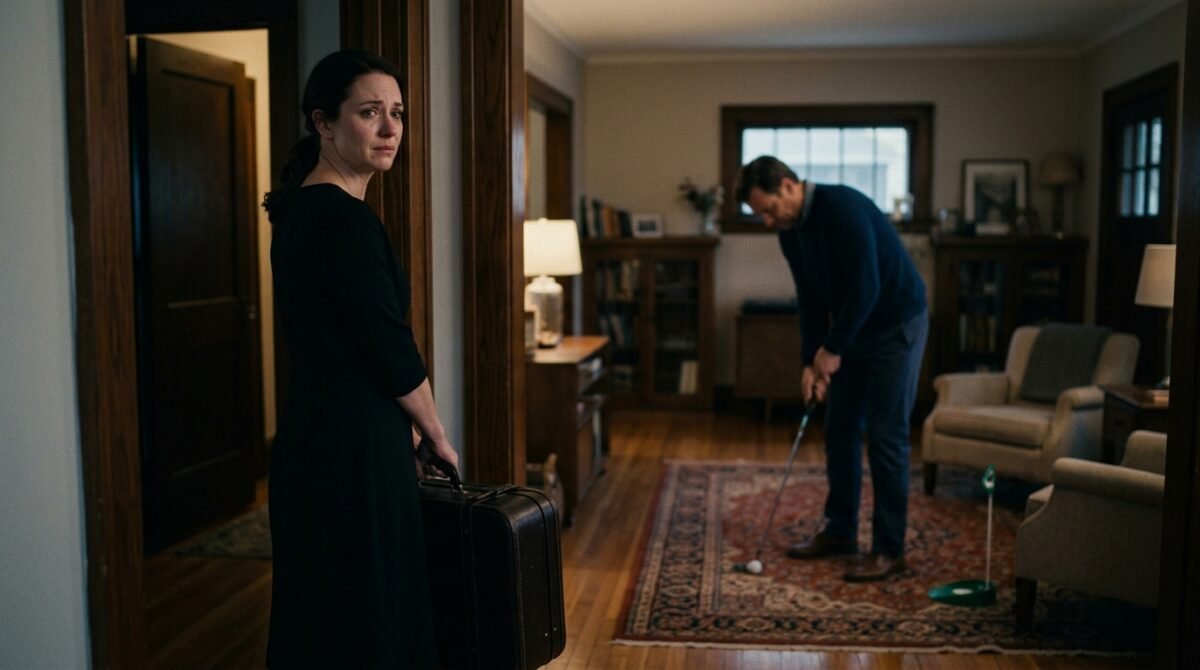
Grief is a strange, suffocating blanket. When my father passed, the world didn’t stop, but mine certainly fractured. I spent the days leading up to the funeral in a state of suspended animation, moving through the motions of planning, grieving, and reaching out to the one person who had promised to be my rock: my husband, Mark. We had been married for seven years, a period filled with the usual ups and downs, but never, not once, had I questioned his loyalty or his capacity for empathy.
Mark has always been an avid golfer. It’s his escape, his hobby, his way of unwinding after a long week at the firm. I’ve always supported that. I’ve spent countless Saturday mornings alone, drinking coffee and reading, while he chased birdies at the local club. But when the date for my father’s funeral was set, I assumed the hierarchy of our life’s priorities was clear. A funeral for a parent is a non-negotiable event. Or, at least, I thought it was.
The breakdown didn’t happen in a scream or a violent crash. It happened with the quiet, devastating realization that while I was mourning the man who gave me life, my partner was worried about his handicap. As the invitations went out and the arrangements were finalized, the distance between us grew from a mere difference in opinion to a chasm of irreconcilable apathy.
This story isn’t just about a golf tournament. It is about the moment the mask slipped, revealing that the person I shared a bed with for nearly a decade was not the partner I thought I knew. It is about the realization that some betrayals are not about malice, but about a terrifying, hollow selfishness that leaves no room for anything else. This is how I walked away.
The Calendar Clash
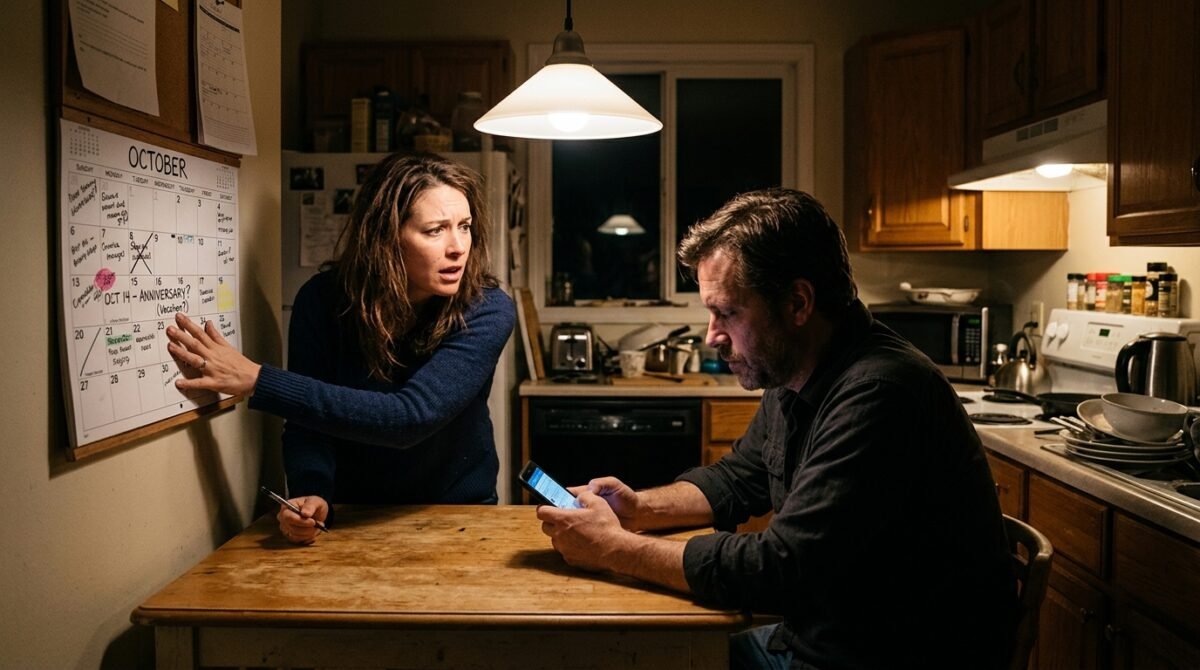
The news of my father’s passing hit me like a physical blow to the chest. It was 3:00 AM when the call came from the hospital, and the following forty-eight hours were a blur of paperwork, phone calls to distant relatives, and the heavy, metallic taste of sorrow. Mark was present, or at least his body was. He held me, he made coffee, he murmured the right things. But there was a restlessness in his eyes that I couldn’t quite place until the moment I mentioned the funeral date.
We were sitting at the kitchen table, a stack of memorial service brochures spread out between us. I looked up at him, my eyes swollen from hours of crying, and whispered that the service would be held on Saturday. Mark didn’t stop fiddling with his phone. He sighed, a sound that felt entirely too heavy for the context of our conversation. He looked at me, not with pity, but with a strange, pinched expression of inconvenience.
“Saturday? Are you sure? I have that scramble at the club. The registration fee was paid months ago, and I’m teamed up with Dave and the partners from the firm. It’s the season opener, Sarah. You know how important this networking opportunity is for my standing there.”
I stared at him, unable to process the words. I thought he was joking. I waited for the punchline, for him to realize how callous he sounded and to apologize. But the silence stretched, thick and suffocating. The reality of his priorities began to dawn on me, cold and clinical. My father, the man who had walked me down the aisle, was going into the ground, and Mark was worried about a golf tournament.
“Mark,” I said, my voice trembling, “my father is dead. This is his funeral. Are you actually telling me you’re considering playing golf instead of being there for me?” He looked away, his jaw tightening. He didn’t offer a hug or a comforting touch. He just started tapping his screen again, pulling up the club’s website to check the tee times. The air in the room felt like it had been sucked out, leaving us both gasping in the vacuum of his selfishness.
I realized then that this wasn’t an oversight. It was a calculation. He had weighed the social capital of a morning of golf against the emotional needs of his grieving wife and had decided, quite comfortably, that the golf was the higher priority. I stood up, my chair scraping harshly against the hardwood, and walked into the bedroom, leaving him to his digital schedule. I didn’t cry then; I was too busy trying to keep my heart from stopping altogether.
The Rationalization of the Selfish
Over the next few days, the argument evolved into a grotesque dance of manipulation. Mark didn’t simply decide to go; he tried to convince me that my expectation of him was unreasonable. He framed his absence not as an abandonment, but as a sacrifice. He told me that he would be ‘too distracted’ at the funeral anyway, and that by going to play golf, he would be in a better mood to support me at the wake afterward.
The audacity of the logic was breathtaking. He actually stood in our living room, explaining to me that his golf game was a form of self-care. He argued that since I had family coming in from out of state, I would be ‘surrounded by people’ and wouldn’t need his constant presence. He was essentially outsourcing his duties as a husband to my grieving relatives, creating a buffer zone so he could avoid the emotional labor of a funeral.
“You’re being hysterical, Sarah. It’s just a service. You have your brother and your cousins. My being there wouldn’t change anything for your dad, and it’s just going to be a miserable, stuffy day. I’ll make it up to you on Sunday. We’ll go to that nice brunch place you like. Just let me have this one win with the guys.”
I looked at him, really looked at him, and realized I was a stranger in my own home. I started listing the times I had stepped up for him—the weekend I spent helping his mother move, the late nights I stayed awake to help him prepare for his promotion exams, the countless times I had suppressed my own needs to ensure his comfort. I asked him if he remembered any of it. He dismissed it all with a wave of his hand, calling it ‘part of being a partnership.’ Apparently, that partnership was a one-way street.
I spent the night on the couch, not because I wanted to, but because the sight of him sleeping peacefully, oblivious to the storm he was creating, made me feel physically ill. I wasn’t just grieving my father anymore; I was mourning the illusion of my marriage. Every time the phone pinged with a notification about the funeral arrangements, I felt a spike of resentment so sharp it left me lightheaded. I was fighting a war on two fronts: the battle of loss and the battle of betrayal.
By Thursday, I had stopped arguing. I realized that arguing was futile. You cannot appeal to the empathy of a man who has none, and you cannot demand loyalty from someone who views you as an accessory to their own life. I started packing a bag. I told myself it was just for the weekend, to stay at my mother’s house to help with the final preparations, but deep down, I knew I wasn’t coming back. The decision was made, not in a moment of anger, but in a moment of cold, hard clarity.
The Morning of the Departure
Saturday morning dawned grey and drizzly, a fitting backdrop for the day my life changed forever. I woke up at 6:00 AM, the house silent except for the rhythmic hum of the refrigerator. I walked into the kitchen and found Mark already dressed in his crisp, white golf polo and khaki shorts, his clubs leaning against the back door like a weapon ready to be deployed. He was sipping his coffee, looking at a weather report on his tablet.
He didn’t look up as I entered the room. He didn’t ask how I slept, or if I was nervous about the eulogy I had to give, or if I needed help loading the car. He just grunted a ‘morning’ and turned his attention back to the screen. The normalcy of it was what hurt the most. He was going to go play a game while I buried my father. He was going to hit a little white ball into a hole while I poured dirt onto a casket.
“I’m leaving, Mark. I’m going to stay at my mom’s for the rest of the weekend. And honestly? I don’t think I’ll be back on Sunday. I’ve had a lot of time to think, and I realize that if this is how you handle life’s hardest moments, I don’t want to be around for the next one.”
He finally looked at me then, his expression shifting from annoyance to a fleeting flicker of confusion, which quickly hardened into defensiveness. He didn’t stand up. He didn’t ask me to stay. He just scoffed, shaking his head as if I were a child having a tantrum over a trivial matter. He felt completely justified in his choice, and that was the most terrifying thing of all. He couldn’t even see the moral bankruptcy of his position.
“You’re really going to make this about you, aren’t you?” he said, his voice dripping with condescension. “You’re going to blow up our marriage because I have a hobby? You are being incredibly immature, Sarah. Go to your mom’s. Maybe the space will help you calm down. Just don’t expect me to apologize for living my life while you spiral.” He grabbed his bag, brushed past me, and walked out the door, the sound of his car pulling out of the driveway echoing in the quiet morning.
I stood in the kitchen for a long time after he left. I didn’t feel the surge of rage I expected. Instead, I felt a strange, profound sense of relief. The burden of hoping he would change, the burden of excusing his behavior, the burden of pretending we were a team—it all just vanished. I grabbed my bag, locked the door, and left the keys on the counter. I didn’t look back. As I drove to my mother’s house, I felt like I was finally breathing fresh air for the first time in years.
The Funeral and the Fallout
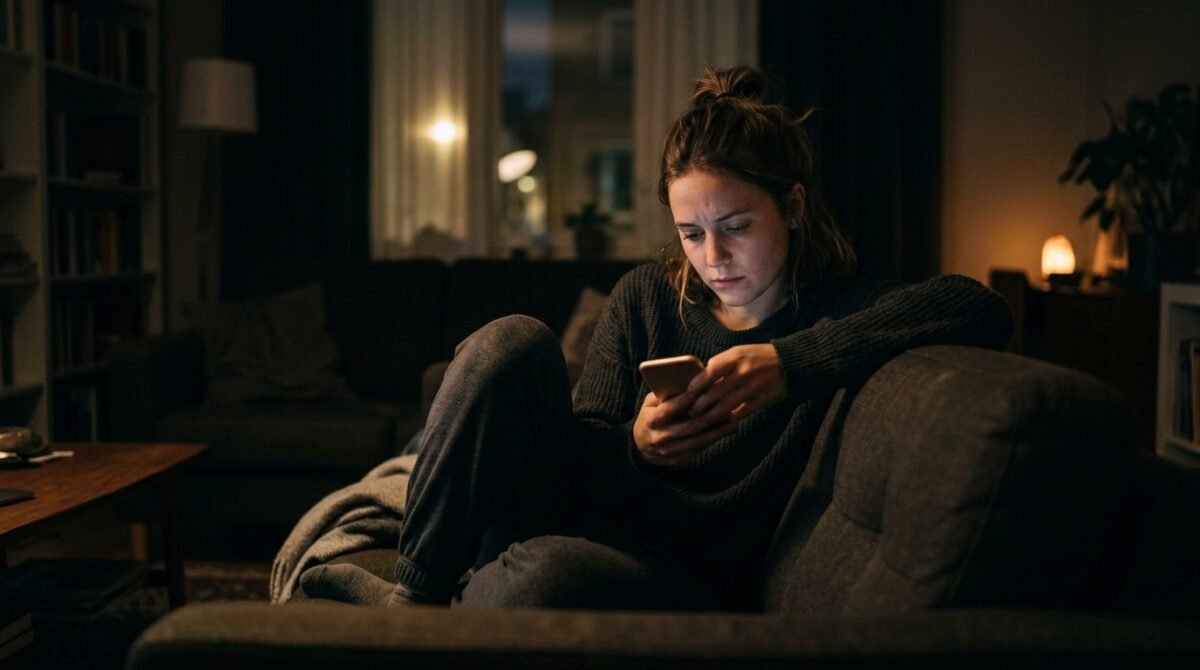
The funeral was a blur of black fabric, forced smiles, and the hollow echoes of condolences. My relatives were kind, but they were also confused. They kept asking where Mark was. I found myself repeating a rehearsed line: ‘He had a prior work commitment he couldn’t get out of.’ It was a lie, but it was a kinder lie than the truth. The truth—that he chose a golf scramble over his wife’s grief—felt too ugly to voice in a room filled with people who had actually cared for my father.
Throughout the service, I kept waiting for a text, a call, an apology. Maybe he’d realized what he’d done. Maybe he’d quit the tournament halfway through and come to the cemetery. I checked my phone every time there was a lull, my heart hammering against my ribs. But there was nothing. Not even a ‘thinking of you.’ The silence from his end of the phone was absolute, a testament to his complete lack of concern.
“I just can’t believe he isn’t here, honey. Even if he had that ‘work’ thing, he could have swung by afterward. It’s not like the club is across the country. Does he even know how much this hurts you?” — My Aunt Linda, whispering to me near the casket.
I didn’t answer her. What was there to say? My cousin had even tried to text him to see if he was coming to the reception, and Mark had replied with a simple, ‘Busy. Have a drink for me.’ The casualness of the text, the sheer audacity of it, was the final nail in the coffin of our marriage. I showed the text to my mom, and for the first time, she didn’t tell me to work through things. She just took my hand and squeezed it.
By the time I got back to the house that evening, I was exhausted, not just from the day, but from the realization that I was mourning two deaths at once: my father and my marriage. I sat in my mother’s living room, staring at the wall, feeling a hollow space where my heart used to be. My mom brought me tea and sat beside me, not saying a word, just being there. She didn’t need to ask. She knew.
I spent the night looking through old photos of me and Mark. I saw a man who had once been attentive, loving, and kind. Where did he go? Or was he always like this, and I had simply been too blinded by love to see the cracks? It’s a painful question to ask yourself, but it’s a necessary one. As I drifted off to sleep, I felt a strange sense of peace. I knew that when I woke up, I wouldn’t have to face him. I wouldn’t have to pretend that everything was okay.
The Digital Breadcrumb Trail

Two days later, I finally opened my laptop to check our joint bank account. I didn’t know what I was looking for, but I felt a sudden, inexplicable need to see if there were any other ‘commitments’ I had missed. What I found wasn’t just the golf fee. I found a string of charges for expensive dinners, bar tabs, and even a hotel booking near the club, all dated for the same weekend. He hadn’t just gone to play golf. He had turned the entire weekend into a vacation for himself, while I was dealing with the logistics of a funeral.
The betrayal deepened with every transaction. He hadn’t just skipped the funeral; he had actively planned to avoid it, spending our money to treat his friends while I was drowning in grief. The realization hit me like a physical blow. He wasn’t just selfish; he was deceitful. He had been planning this getaway long before my father had passed, using the ‘golf scramble’ as a convenient cover to escape his responsibilities.
“I can’t believe he spent $600 on a hotel room while you were planning a funeral. This isn’t just a lapse in judgment, Sarah. This is a pattern. He’s been checking out of this marriage for a long time. You’re better off without him.” — My best friend, reading the bank statements over my shoulder.
I felt a cold rage settle into my bones. I wasn’t hurt anymore; I was furious. I started collecting evidence. I took screenshots of the bank statements, the texts he had sent me, and the dates of the charges. I didn’t know if I would ever use them, but I needed to see the reality of it in black and white. It was a way of grounding myself, of making sure I didn’t fall back into the trap of gaslighting myself into thinking he ‘didn’t mean it.’
I realized then that Mark had been living a double life. One where he was the supportive husband, and one where he was a single man who did whatever he wanted. The funeral was just the catalyst that forced the two lives to collide. He couldn’t balance the pretense anymore, so he chose the life that required the least amount of effort. And that, more than the golf, was why I knew I was done.
I spent the rest of the day in a state of hyper-focus. I contacted a lawyer, I started looking for a separate apartment, and I began the process of untangling my life from his. It was a tedious, painful process, but with every step, I felt stronger. I wasn’t just leaving a bad marriage; I was reclaiming my life. I was choosing myself, for the first time in a very long time.
The Confrontation No One Expected
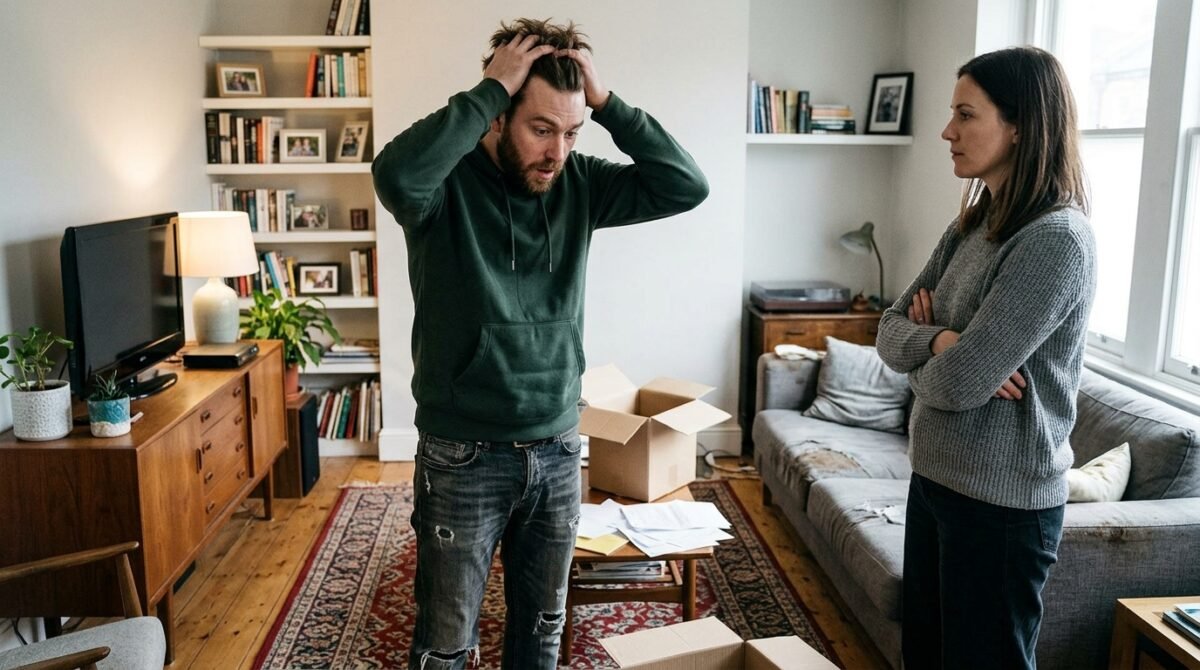
When Mark finally showed up at my mother’s house to ‘get me,’ he expected me to be contrite. He walked into the living room with a cocky grin, holding a bouquet of grocery store flowers that looked like they had been picked up in a rush. He acted like he was doing me a favor by ‘forgiving’ me for leaving. The arrogance was staggering. He didn’t even notice the coldness in the room; he was too busy performatively acting like the aggrieved husband.
“Ready to come home, Sarah? I’ve had enough of this drama. Let’s just put this behind us,” he said, extending the flowers. I didn’t take them. I just stood there, my arms crossed, watching him. I could see the confusion starting to cross his face when I didn’t move. He tried again, his voice dropping into that fake-soft tone he used when he was trying to manipulate me.
“I brought you these, and I even picked up dinner. Can we please stop acting like teenagers? I know you’re upset about your dad, but you’re taking it out on me, and it’s not fair. I had a great time this weekend, but I’m ready to get back to normal.”
I laughed. I couldn’t help it. It was a sharp, humorless sound that seemed to startle him. I told him there was no ‘normal’ to go back to. I told him I knew about the hotel, the dinners, and the way he had spent our money while I was mourning. I watched his face go pale, his smug expression crumbling into a mix of shock and defensiveness. He started stammering, trying to make excuses, but I just held up my hand.
“I’m not interested in your excuses, Mark. I’m interested in my freedom. I’m not coming back. I’ve already spoken to a lawyer, and I’ve moved my things out of our home. You can keep the house, you can keep the clubs, you can keep whatever life you’ve built for yourself. I’m done.” The room went silent. My mother was standing in the doorway, watching, and for the first time, Mark looked truly afraid.
He tried one last time to pull the ‘we’re a couple’ card, but it fell flat. He realized that the power dynamic had shifted irrevocably. He wasn’t the man in control anymore; he was just a man who had lost everything because he couldn’t be bothered to show up for the person he had vowed to love. He left without saying another word, leaving the dying flowers on the coffee table as a final, pathetic symbol of his failed attempt to buy my forgiveness.
The Aftermath and the Online Verdict
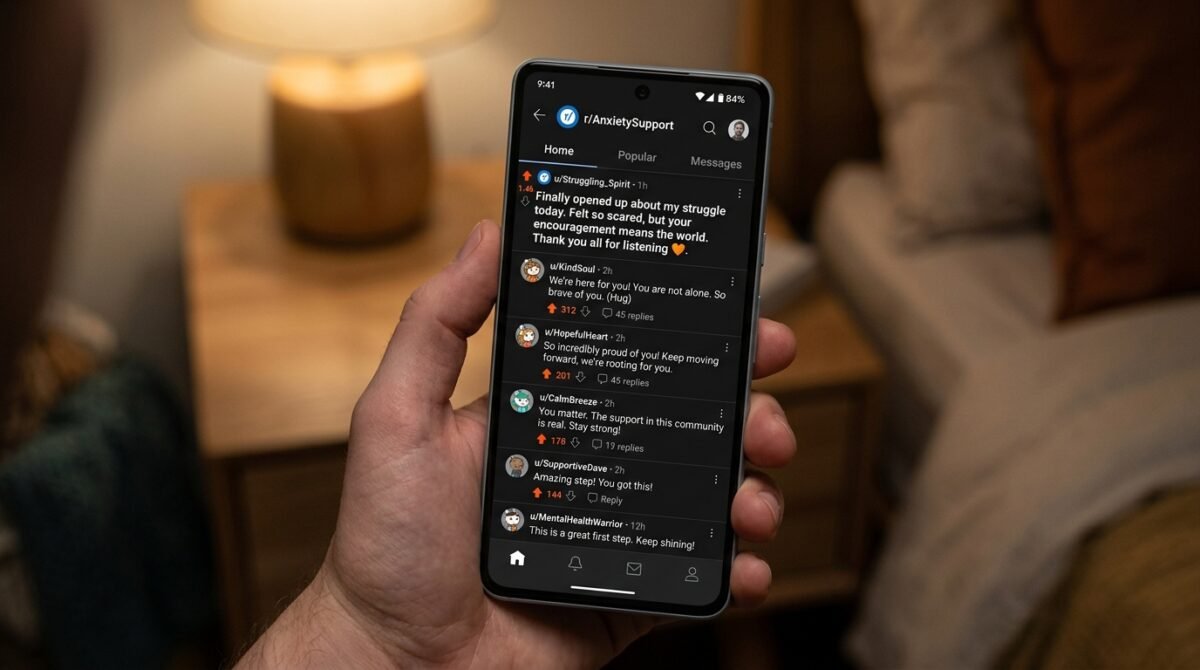
A few weeks later, after the dust had started to settle, I found myself reading through a thread on Reddit where someone had posted a similar story. I felt a strange compulsion to share my own experience, not because I wanted sympathy, but because I needed to hear that I wasn’t crazy. I typed out the story of the funeral, the golf, the hotel, and the final walk-out. I pressed ‘post’ and didn’t look at it for twenty-four hours.
When I finally checked back, the response was overwhelming. There were thousands of comments, and while there were a few people who told me I was ‘overreacting,’ the vast majority were firmly on my side. They validated every feeling I had, every suspicion, every ounce of rage. It was like a weight had been lifted off my shoulders. I wasn’t alone. Other people had been through this, and they had come out the other side.
“Girl, you didn’t leave him because of a golf game. You left him because he showed you exactly how much he values you, which is less than a weekend of fun. Don’t look back. You aren’t losing a husband; you’re losing an anchor.” — u/FreedomSeeker, 18.2k upvotes
The community support was a balm to my soul. I read comments from people who had been through divorces, who had dealt with toxic partners, who had learned to set boundaries. It helped me realize that the ‘disruption’ of my life was actually a necessary destruction. I had been living in a house made of cards, and one small breeze had knocked it all down. I was grateful for the breeze.
Some people pointed out that his behavior was a textbook example of ‘covert narcissism.’ They explained how he had used the funeral to test my boundaries, to see how much he could get away with. It made so much sense. I saw the patterns in our marriage that I had ignored for years. I realized that my own compliance had been the fuel for his selfishness. I learned, for the first time, how to say ‘no’ and actually mean it.
The thread became a space for me to process, not just the funeral, but the entire history of my relationship with Mark. Every comment was a lesson, every story a mirror. I realized that the end of my marriage wasn’t a tragedy; it was a liberation. I was free to be myself, to set my own priorities, and to find someone who would never, ever make me feel like an afterthought in my own life.
Finding My Own Way

It’s been six months now. The divorce is finalized, the house is sold, and I have a small, quiet apartment that I love. It’s filled with my own things, decorated the way I want, and—most importantly—it’s peaceful. I don’t have to worry about someone else’s moods or their selfish agendas. I have my own life, and for the first time in a decade, I am the main character in it.
I still think about my father, of course. The grief comes in waves, but it’s no longer the all-consuming tidal wave it once was. It’s more of a gentle tide, a reminder of the love I felt for him, and the love he had for me. I think he would have been proud of me. I think he would have wanted me to leave a man who couldn’t respect the finality of his departure. He always taught me to value my own worth.
“You have to know when a chapter ends, Sarah. You can’t keep reading the same page and expecting a different outcome. You did the right thing. Never doubt that.” — My mother, during a recent visit.
I’ve started dating again, very slowly. I’m not looking for a replacement; I’m looking for someone who understands what partnership actually means. I’m looking for someone who shows up, not just for the good times, but for the hard ones. And if I don’t find that person, I’m perfectly okay with being on my own. I’ve learned that being alone is infinitely better than being lonely in a relationship.
My friends have noticed the change in me. They say I seem lighter, more confident, more ‘me.’ I feel it, too. The, ‘Sarah’ who worried about golf scrambles and kept her feelings buried to avoid conflict is gone. In her place is a woman who knows her value, who isn’t afraid to walk away, and who refuses to settle for anything less than what she deserves.
I’m taking classes, I’m traveling, I’m reconnecting with old friends. I’m rebuilding my life, one day at a time, and I’m enjoying every single moment of it. The path wasn’t easy, and it certainly wasn’t what I planned, but it has led me to exactly where I need to be. And that is a place of peace, strength, and endless possibility.
The Lessons of the Broken

Looking back, I realize that the golf scramble was never the problem. It was merely the symptom of a much larger, more pervasive illness in our marriage. The problem was the lack of mutual respect, the unequal distribution of emotional labor, and the fundamental misalignment of our values. When things got hard, my husband didn’t look at me; he looked at his own comfort. And that is something no amount of counseling or communication could ever truly fix.
I learned that you can’t teach someone empathy. You can explain how you feel, you can show them the impact of their actions, but if they don’t have the capacity for it, they will never truly understand. You are fighting a losing battle against a wall of indifference. I wasted years trying to break down that wall, and in the end, the only thing that broke was me. I’m so glad I stopped hitting it.
“The most important boundary you will ever set is the one that says: I will not be with someone who doesn’t prioritize me in the way I prioritize them. It’s not about being demanding; it’s about being worthy.” — A piece of advice I read online that I now live by.
I also learned that grief is a powerful filter. It strips away the pretense and reveals the truth of the people around you. When you are in the depths of sorrow, you find out who your friends are, who your family is, and who your partner is. It’s a harsh test, but it’s an accurate one. I’m grateful for the test, because it gave me the clarity I needed to make the hardest decision of my life.
If you are in a similar situation—if you are being made to feel like your needs are an inconvenience, if your partner is checking out of the relationship, if you are constantly sacrificing your own happiness to keep the peace—please, listen to me: you deserve more. You deserve someone who will hold your hand through the hard times, not someone who will leave you behind to go play a game.
Don’t be afraid to walk away. The unknown is scary, but it’s a million times better than a known misery. You are capable of so much more than you think, and you have a life ahead of you that is beautiful, vibrant, and entirely your own. Don’t let someone else’s selfishness define your future. You are the author of your own story, and you have the power to change the ending.
The Final Reflection

I often wonder what Mark thinks now. Does he realize what he lost? Does he look back at that weekend and feel any regret? I suspect he doesn’t. I suspect he sees himself as the victim, the guy whose wife left him because he wanted to play golf. And that is fine. He is free to tell whatever story he wants. It doesn’t change the facts, and it doesn’t change my reality. I am free from his version of the truth, and that is all that matters.
I have moved on. I have forgiven him, not for his sake, but for mine. Forgiveness isn’t about letting him off the hook; it’s about releasing the anger so it doesn’t poison me anymore. I don’t harbor any ill will, but I also don’t have any space for him in my life. He is a chapter that has been closed, a lesson that has been learned, and a person who is no longer relevant to my journey.
“To forgive is to set a prisoner free and discover that the prisoner was you.” — A quote I keep on my nightstand to remind me of the power of letting go.
I am stronger now than I ever was. I am more resilient, more self-aware, and more appreciative of the small, quiet joys of my life. I have learned to love myself, and in doing so, I have opened up the possibility of being loved by someone who truly deserves it. I am no longer waiting for permission, or waiting for approval, or waiting for someone else to make me happy.
I am building a foundation that is solid, stable, and entirely my own. I am investing in my own growth, my own happiness, and my own future. And the best part? I’m doing it on my own terms. There is a deep, quiet satisfaction in knowing that the life I’m living today is the life I chose for myself, not the life I was coerced into by someone else’s demands.
So, to everyone reading this: hold on to your boundaries. They are your armor. They are your truth. And never, ever let anyone make you feel like your worth is negotiable. You are the only person who will be with you from the beginning to the end. Make sure the person you are with is someone you are proud to know.
Conclusion
My journey from a hollow, neglected marriage to a life of autonomy and self-respect has been the most difficult, yet rewarding, transformation of my life. The golf scramble was just the final, jarring note in a long, discordant symphony of selfishness. By walking away, I didn’t lose a husband; I gained myself.
We must ask ourselves: what are the non-negotiables in our own lives? If we are currently in a relationship where we feel secondary, it is time to reassess our worth. The community response to my story was a powerful reminder that we are not alone in our struggles and that there is strength in collective truth. What about you? Have you ever had to walk away from a relationship because of a single, definitive moment of clarity, or have you stayed, hoping for change? Share your thoughts in the comments below.
What's your verdict on this dilemma?
Vote below to contribute to the official community consensus.

Have a Dilemma Keeping You Up at Night?
Share your real-life feud, wedding chaos, or relationship crossroads anonymously with our editorial team.
What do you think ?
0 Comments🛡️ Comments are moderated to protect community integrity. Your comment will appear once approved by the editorial team.