
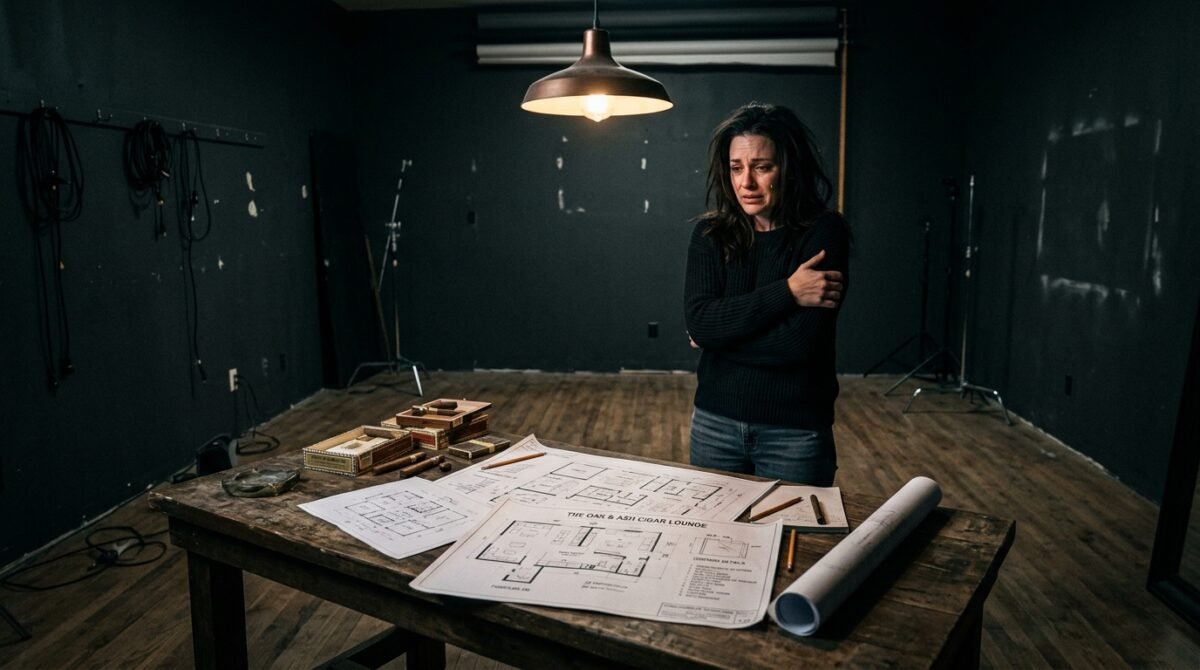
Marriage is often described as a partnership of equals, a shared journey where two people support each other’s dreams and respect the physical boundaries of their individual identities. For Elena, a professional fine-art photographer, her darkroom wasn’t just a workspace; it was a sanctuary of memory and light, a place where she spent countless hours perfecting her craft. Her equipment, much of it vintage, precision-calibrated enlargers, represented nearly a decade of investment, sacrifice, and professional evolution. It was the backbone of her career, and the physical manifestation of her dedication to an art form that is rapidly vanishing in the digital age.
Then came Mark. Mark, a man who had always claimed to admire Elena’s passion, suddenly decided that their spare room needed a change. He didn’t ask. He didn’t discuss. He simply saw an opportunity to manifest his own long-held fantasy of a ‘cigar lounge’—a space he envisioned as his private retreat from the world. Without a single word of consultation, he decided that Elena’s professional career was secondary to his leisure time. The subsequent act of clearing out her darkroom and donating thousands of dollars worth of equipment to a local charity thrift store was not just an oversight; it was an act of erasure.
When Elena returned home on a Tuesday afternoon, expecting to find the smell of fixer and the soft glow of safelight, she was met with the harsh, sterile scent of fresh paint and the sight of empty, barren shelves. The professional enlargers—an Omega D5 and a pristine Beseler 45MX—were gone. The chemical trays, the custom-built shelving, and the light-tight door seal had been ripped away. What remained was a velvet-lined humidor and a set of architectural sketches detailing a space for leather chairs and ventilation fans.
The moral dilemma here isn’t just about the equipment; it’s about the total disregard for a partner’s autonomy and the systemic undervaluing of a spouse’s career. As Elena stood in the wreckage of her dream, she didn’t just lose her tools; she lost the illusion of safety within her own marriage. This is the story of how a quiet, systematic violation of boundaries escalated into a public confrontation, forcing a community of strangers to weigh in on the cost of a cigar lounge versus the value of a woman’s professional life.
As we peel back the layers of this story, we see a pattern of entitlement that is all too common in modern relationship dynamics. This isn’t just a tale of misplaced belongings; it is a case study in how small, unaddressed grievances can metastasize into life-altering betrayals. The digital ink on the Reddit forums is still wet from the fallout of this decision, and the questions it raises about financial abuse and personal respect are as relevant today as they were the moment Elena first realized her livelihood had been sold for a box of cigars.
The Tuesday Afternoon That Changed Everything

I walked into the house, my bag heavy with fresh film canisters, expecting the quiet hum of the exhaust fan. That sound was the heartbeat of my home. Instead, I was met with total silence. I pushed open the door to the spare room, and for a moment, my brain refused to process what my eyes were seeing. The room was empty. The walls were stripped of their heavy, light-tight curtains. The heavy wooden workbenches, which Mark had helped me build three years ago, were ripped from the studs, leaving jagged holes in the drywall.
I stood there, the film canisters slipping from my hand and clattering across the floor. My enlargers—the machines I’d spent months hunting down on eBay and painstakingly restoring—were gone. It felt like walking into a crime scene. I called out for Mark, my voice trembling, but the house remained eerily still. I checked my phone, heart hammering against my ribs, and noticed a notification from our shared bank account. It was a small deposit, labeled ‘Thrift Center Credit.’ My stomach dropped.
“Where is everything? Where are my enlargers, Mark? I just walked into the office and it’s completely gutted. Please tell me you moved them for safe keeping.”
— Text sent to Mark at 4:12 PM
I waited for ten minutes, pacing the hallway. My hands wouldn’t stop shaking. I felt a cold, sharp dread. I started calling his office, but he didn’t pick up. I checked the local thrift store’s social media page, a place I often volunteered at, and my blood ran cold. There, in a post shared only an hour ago, was a picture of my Beseler 45MX sitting on a shelf, tagged as ‘New Arrival – Professional Photo Equipment, $50.’ They were selling my $4,000 professional equipment for the price of a mid-range toaster.
The realization hit me with the force of a physical blow. This wasn’t an accident. This wasn’t ‘cleaning up.’ This was a deliberate act of erasure. He knew exactly what that equipment meant to me. He had watched me spend countless nights developing photos, seen the awards I had won, and listened to me talk about the technical nuances of the craft. To him, it wasn’t a career; it was ‘clutter’ that stood in the way of his lounge. I sat on the floor of the empty room and just wept.
When Mark finally walked through the front door at 6:30 PM, he was whistling. He looked around the house, saw me sitting there in the dust, and his expression shifted from casual annoyance to a practiced, dismissive mask. He didn’t ask if I was okay. He looked at the empty room and smiled, as if he had just completed a masterful home renovation project. He had no idea the storm he had just invited into our lives.
The Confrontation in the Kitchen

I confronted him while he was opening a bottle of wine. I wanted to scream, but my voice was tight, thin with suppressed rage. I showed him the post from the thrift store. I watched his face carefully, looking for a shred of remorse or even simple confusion. He didn’t blink. He took a sip of his wine and leaned against the counter, his posture entirely too relaxed for someone who had just committed a major professional betrayal.
“You think this is funny? You sold my livelihood for a cigar lounge? That machine alone costs more than your entire desk setup, and you sold it for pocket change. How could you?”
— Elena’s confrontation
Mark sighed, the long, suffering sigh of a man being inconvenienced by his wife’s emotions. He told me that I hadn’t used the darkroom in ‘weeks,’ and that the space was better served as a place for him to relax after his long hours at the firm. He argued that my photography was a ‘hobby’ that had taken over our living space and that he was doing us both a favor by ‘decluttering.’ The gaslighting was so smooth, so well-rehearsed, that for a split second, I wondered if I was the one being unreasonable.
Then the reality of his arrogance hit me. He didn’t see me as a professional; he saw me as a side project. He believed that because he made more money, his leisure space was inherently more valuable than my creative output. He spoke about his ‘need to unwind’ as if it were a physiological necessity, while dismissing my work as something that could be replicated by a smartphone filter. The condescension was palpable, hanging in the air between us like heavy smoke.
I told him that I was going to the store right then to retrieve the equipment, regardless of what he said. He laughed, a short, sharp sound. He told me that if I left the house to go chasing after ‘old junk,’ it would prove that I valued my hobby more than our marriage. He was framing my right to my own property as a betrayal of our relationship. It was a classic trap, designed to make me feel guilty for the violation he had committed against me.
I didn’t answer him. I grabbed my keys, walked past him, and slammed the front door so hard the pictures in the hallway rattled. I didn’t care about his ultimatum. I didn’t care about his wine or his cigar lounge. I only cared about the piece of my soul that was sitting on a dusty shelf in a thrift store. I drove to the store, my heart racing, praying that nobody had bought the enlargers in the three hours they had been on the floor.
The Thrift Store Retrieval Mission

The store was closing in twenty minutes when I pulled into the lot. My hands were shaking so badly I could barely unlock my car door. I ran inside, my eyes scanning the aisles, ignoring the confused looks from the employees. I found the electronics section, and there it was—my Beseler 45MX, partially covered by a stack of moth-eaten blankets. It looked so small and vulnerable, stripped of its protective casing and exposed to the dust of a discount shop.
I grabbed the head of the machine, my fingers tracing the familiar knobs and dials. I felt a surge of relief so intense it was almost nauseating. Then, I looked at the price tag. $50. I felt a sudden, sharp anger toward the store manager. How could they not know? I had to explain that this was stolen property, that my husband had no right to bring this here. The manager looked skeptical, clearly used to hearing domestic disputes, but when I showed him the registration papers I luckily kept in my digital wallet, his expression changed.
“Ma’am, I’m sorry, but we can’t just hand this back without a formal process. Your husband signed the donation slip. He claimed it was abandoned property from a rental clean-out. Legally, we’ve already processed the intake.”
— The Thrift Store Manager
The manager’s words were a gut punch. Mark had lied to them. He had fabricated a story about an ‘abandoned rental’ just to ensure they wouldn’t ask questions. He had actively worked to make sure my equipment couldn’t be easily retrieved. I stood there, arguing with the manager for thirty minutes, eventually offering to pay double the ‘donated’ value just to take it home right then and there. I wasn’t leaving without it.
I ended up paying $200 in ‘processing fees’ to get my own property back. I loaded the heavy machine into my trunk, my muscles screaming in protest. It was a humiliating experience, standing in a strip mall parking lot at dusk, crying over a piece of machinery while my phone buzzed with angry texts from Mark. He wasn’t apologizing; he was demanding to know why I had ’embarrassed him’ by making a scene at the store.
As I drove home, the weight of the enlarger in the trunk felt like a anchor. I realized then that my marriage had become a battlefield, and I was losing ground every single day. Mark didn’t want a partner; he wanted an audience. And when I stopped being an audience, he decided to dismantle the stage. I decided, in that moment, that I wouldn’t be going back to the same home. I pulled into a hotel parking lot instead of our driveway.
The Digital Jury Responds
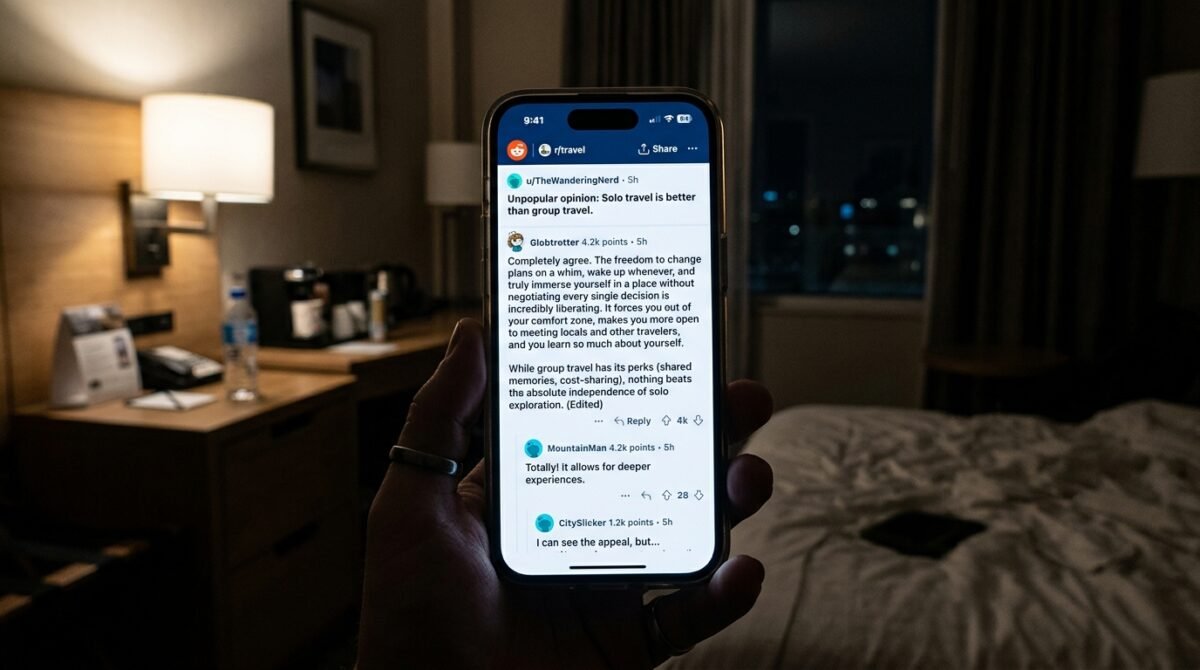
I posted about the incident on a popular relationship subreddit, expecting a few people to tell me I was overreacting. I wanted to see if I was truly the ‘crazy’ one, like Mark had suggested. Within two hours, the post had blown up. My inbox was flooded with notifications, and the comments section was a sea of outrage, validation, and some genuinely terrifying stories from other people who had dealt with similar ‘decluttering’ narcissists.
“This isn’t ‘decluttering.’ This is financial and psychological abuse. He didn’t just move your things; he destroyed your career-building tools to make space for his own leisure, then lied to a charity to make sure you couldn’t get them back. That is calculated malice. Please, get a lawyer.”
— u/PhotographyWarrior (Top Comment, 32.4k upvotes)
The response was overwhelming. People weren’t just validating my hurt; they were identifying the patterns I had been too close to see. They pointed out the gaslighting, the weaponized incompetence, and the deliberate dismantling of my individual identity. It was sobering to read the words of thousands of people, all of whom recognized the toxicity that I had been trying to minimize for years.
Some users shared their own experiences with partners who sold their collections, destroyed their art, or ‘accidentally’ threw away heirlooms during renovations. The recurring theme was the same: the destruction was never about the item. It was about the power dynamic. By removing the tools of my trade, Mark was effectively telling me that my work didn’t matter. The Reddit community acted as a mirror, showing me the reality of my situation without the filter of my own hopeful denial.
I spent the entire night reading comments, each one reinforcing the decision I had made in the car. I saw people giving me legal advice, suggesting I file a police report for the theft, and telling me how to protect my remaining assets. It was a bizarre, surreal experience to have strangers provide more support and clarity than the man I had promised to spend my life with. I realized that my marriage had been a facade for a long time, and the cigar lounge was just the final brick pulled out of the wall.
By the next morning, I had a plan. I wasn’t going back to the house to argue anymore. I was going back to pack my things, with a friend and a moving truck. The internet had given me the courage to treat this as what it actually was: the end of a relationship that had become fundamentally unsafe for my own personal growth and my professional life.
The Final Walkthrough
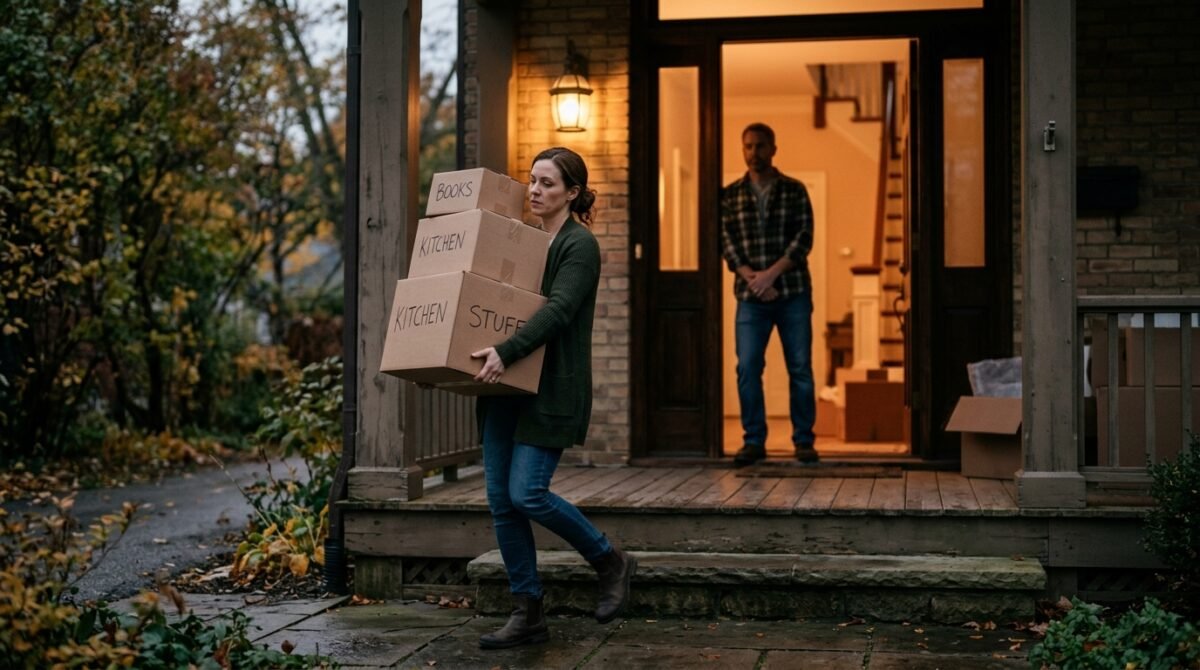
My friend Sarah met me at the house with her truck. We didn’t bother knocking; I had my key, and I had already told Mark I was coming. He was in the living room, sitting in one of the new leather chairs he had bought for his ‘lounge.’ He looked surprised to see me, and even more surprised to see Sarah. He immediately launched into his rehearsed speech about how I was ‘overreacting’ and making a ‘spectacle’ of our private life.
I didn’t let him finish. I walked past him and started pulling things off the walls. I took the art prints, the camera equipment, and my personal files. I wasn’t interested in his justifications anymore. He followed me from room to room, his voice rising in volume, his face turning an angry shade of red. He accused me of being ‘hysterical’ and warned me that I was making a mistake I would regret. He kept trying to steer the conversation back to his ‘intentions,’ claiming he only wanted to build a space where we could ‘bond’ over cigars.
“You don’t get it, Elena. You’re throwing away a marriage over a few pieces of equipment. This is about respect! You’re disrespecting our home by moving out like this. Stay, and we can talk about this like adults.”
— Mark, during the final argument
I stopped packing and turned to look at him. I think that was the first time he really saw me, not as his wife, but as a person who was finished with him. I told him that respect wasn’t a word he got to use after he had violated my space and my career. I told him that I wasn’t leaving because of the enlargers; I was leaving because of the person who could look me in the eye and lie about them. The silence that followed was heavy, broken only by the sound of Sarah packing boxes in the next room.
Mark tried to reach out, to touch my arm, but I stepped back. He looked small in that moment, surrounded by the expensive, hollow furniture of his new lounge. He had succeeded in building his sanctuary, but he was completely alone in it. The irony was so sharp it was almost painful. He had sacrificed his marriage for a room that would only ever remind him of his own selfishness.
We loaded the last of the boxes into the truck. I didn’t look back at the house as we pulled away. I knew that whatever happened next—the divorce, the division of assets, the long, painful process of decoupling our lives—would be difficult. But as I watched the house shrink in the rearview mirror, for the first time in months, I felt like I could breathe. The air in the truck was clean, and I had my tools with me.
Financial Reckoning and Legal Realities
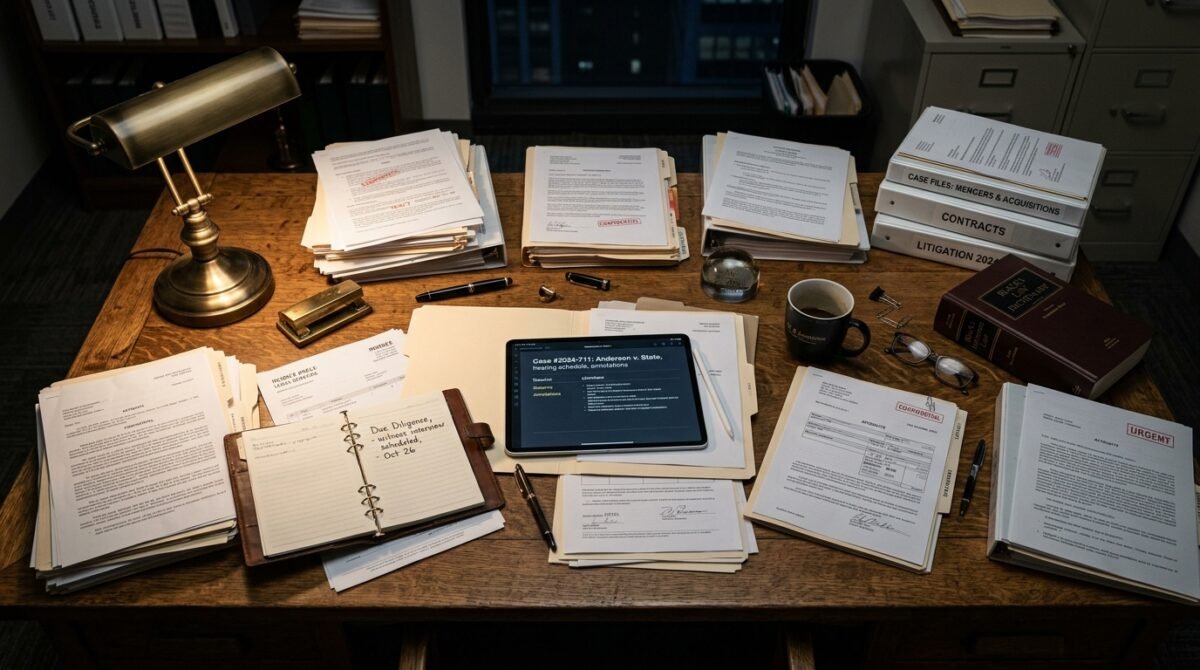
The weeks following the move were a blur of legal consultations and financial unraveling. My lawyer was firm: what Mark did constituted a form of domestic abuse, specifically regarding the intentional destruction of professional assets. We filed the necessary paperwork to protect my interests. It turned out that the ‘thrift center credit’ he had received was part of a larger pattern; he had been slowly offloading things he deemed ‘useless’ to justify his own spending habits.
I spent hours with my financial advisor, mapping out what had been lost. Beyond the enlargers, I found that several vintage lenses, a custom-built lighting rig, and my extensive archive of negatives had been ‘misplaced’ or ‘donated’ over the last year. Every time I had asked about them, he had told me they were in storage. My heart broke all over again as the true scale of his gaslighting became clear. He wasn’t just building a lounge; he was systematically stripping me of my identity.
“You cannot simply ‘donate’ marital property without consent. In this jurisdiction, we have strong grounds to argue for compensation for the value of the destroyed items, as well as the loss of professional income caused by the unavailability of your tools.”
— My lawyer, during a consultation
The financial ledger was staggering. I put together a timeline of the items lost versus the cost of replacing them. It wasn’t just about the dollar amount; it was about the years of labor required to build that inventory. Mark’s lawyer tried to frame it as a ‘misunderstanding,’ but the evidence of his deliberate deception was too strong. We had texts, emails, and the records from the thrift store intake that contradicted his story.
I kept a meticulous record of every conversation, every text, and every piece of financial documentation. It was exhausting, but it was also empowering. For years, Mark had made me feel like I was the one who couldn’t keep track of things, the one who was ‘messy’ or ‘unorganized.’ Seeing the numbers on a page, seeing the objective proof of his behavior, finally killed the last of my self-doubt. The math didn’t lie, even if my husband did.
We eventually settled out of court, but the process left me with a clear understanding of why he did it. He felt threatened by my success, by the time I spent on my art, and by the fact that I had a world that existed outside of his sphere of influence. The cigar lounge was his attempt to force me back into the domestic role he wanted me to play. Instead, he forced me to realize that I didn’t need to be in that role at all.
The Community’s Ongoing Support

The Reddit post didn’t end with me leaving. The community followed along as I updated them on the legal process. It became a strange, supportive tribe of people who were invested in my recovery. They sent me resources for finding studio spaces, tips on how to rebuild my darkroom, and even messages from other artists who had gone through similar betrayals. It was a stark contrast to the isolation I had felt while living with Mark.
People shared their own ‘success stories’ of leaving toxic relationships. I read about people who had reclaimed their hobbies, restarted their careers, and found partners who actually supported their passions. It was a lifeline. Whenever I felt the urge to call Mark, or when I doubted whether I had done the right thing, I would read the comments. They served as a reminder of the truth I had discovered when I found my empty room.
“I just wanted to say that seeing you stand up for your work gave me the courage to finally tell my partner that they can’t sell my collection either. Thank you for showing us that our art is worth fighting for.”
— u/ArtIsLife (12.4k upvotes)
I realized that my story wasn’t just mine; it was a rallying cry for anyone who had been told that their passion was ‘less than.’ It was a testament to the fact that when you stop allowing someone to diminish you, they lose their power. The community didn’t just support me; they gave me a platform to process my grief and anger in a way that was constructive and meaningful.
I started sharing photos of my new workspace—a tiny, rented studio that wasn’t perfect, but was entirely mine. The community cheered for every new piece of equipment I managed to acquire. It was a slow process, but it was a healing one. Every time I developed a new roll of film, I felt like I was reclaiming another piece of myself that had been suppressed during my marriage.
The interaction with these strangers became a vital part of my healing journey. They reminded me that what I had experienced was a violation, not a disagreement. They validated my anger and encouraged my independence. I came to see that while my marriage had ended in a painful way, it had also opened the door to a level of self-awareness and community connection that I never would have found otherwise.
Reflecting on the ‘Cigar Lounge’ Myth
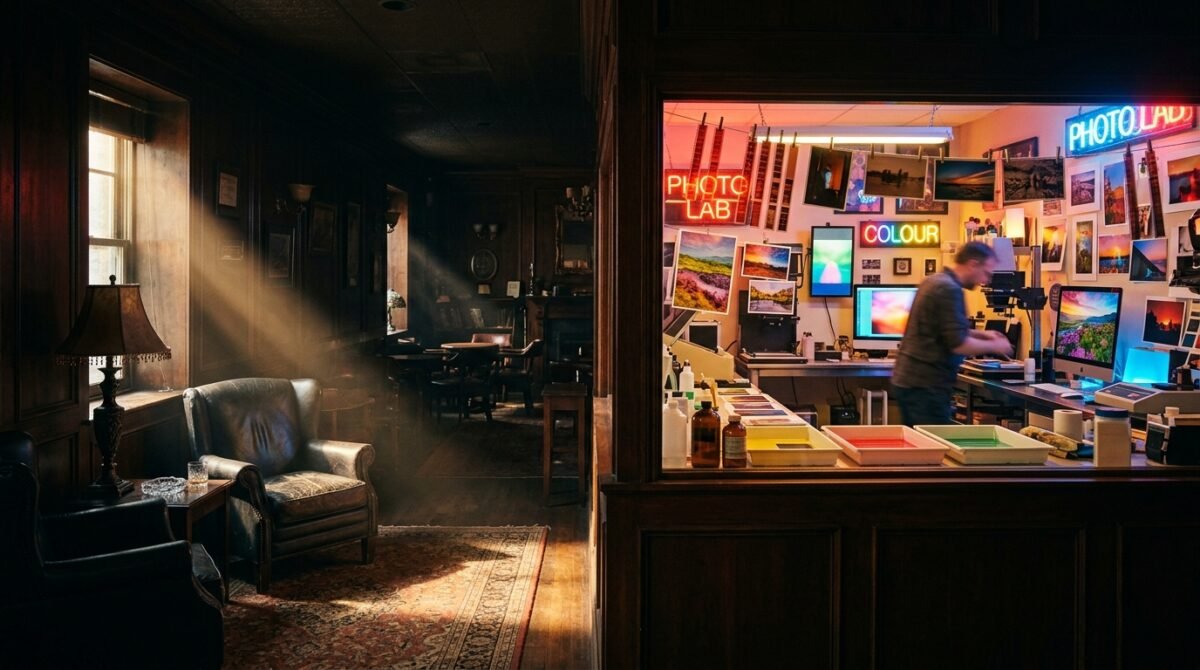
Looking back, the ‘cigar lounge’ feels like a dark, surreal metaphor for our entire marriage. It was built on the foundation of my erasure and decorated with the symbols of his ego. He wanted a space where he could feel powerful, but he didn’t realize that by destroying the things that made me who I was, he was also destroying the very person he claimed to love. He wanted a trophy, not a partner.
I think a lot about why he felt the need to lie to the thrift store. He didn’t just want to get rid of the equipment; he wanted to make sure it was gone forever. He wanted to ensure that I would never be able to reclaim it. That level of malice is something I still struggle to fully comprehend. How does someone live with that level of resentment toward their spouse? It must be a lonely way to exist, constantly looking for ways to diminish the person you are supposed to be building a life with.
“The most dangerous thing you can do for a narcissist is to have a life they cannot control. By taking your enlargers, he was trying to take your light. You didn’t just save your equipment; you saved your art.”
— u/PsychologyInsight (8.9k upvotes)
The myth of the ‘perfect, supportive spouse’ is a dangerous one when it’s used to mask control. We are taught to prioritize the ‘we’ over the ‘I,’ but when the ‘we’ is used to invalidate the ‘I,’ it’s no longer a partnership; it’s a form of stifling. My experience taught me that true love doesn’t require the sacrifice of your dreams. If someone asks you to shrink your life so they can expand theirs, they don’t love you; they love the version of you that serves them.
I’ve learned to spot the signs now. The subtle comments about my ‘hobbies,’ the way he would dismiss my professional commitments, the way he would ‘forget’ important dates related to my work. These weren’t quirks; they were warning signs. I missed them because I was busy trying to be the person he wanted me to be. I don’t blame myself anymore, but I do appreciate the clarity I have now.
The cigar lounge is still there, I assume. I haven’t been back to the house, and I don’t plan to go back. I hope he enjoys his velvet chairs and his humidor. I hope it gives him the comfort he needs, because it’s all he has. As for me, I have my studio, my work, and the knowledge that I am strong enough to survive the loss of my safety net. I have rebuilt my darkroom, and the light is brighter than ever.
Lessons in Autonomy and Boundaries

If I could go back and tell my younger self anything, it wouldn’t be to watch the equipment more closely. It would be to watch the boundaries. I should have stood my ground the first time he criticized my work, the first time he suggested I ‘downsize’ my gear. Those moments were the precursors to the final act of betrayal. I learned that you cannot negotiate with someone who doesn’t see your value as equal to their own.
I’ve developed a new philosophy on relationships: keep your professional and personal identities distinct. Have your own bank account, your own space, and your own support network. Don’t let your partner be the sole arbiter of what is ‘useful’ or ‘important’ in your life. It sounds cynical, but after what I went through, I see it as a necessary form of self-preservation. You can be a loving partner while still maintaining a core of independence that belongs to you alone.
“Boundaries aren’t walls to keep people out; they’re the foundation that allows for healthy relationships. If someone is upset when you set a boundary, that’s a red flag that they were benefiting from your lack of them.”
— A piece of advice I received from my therapist
I am also more careful about who I share my work with. I look for partners who are genuinely curious about my craft, who ask questions, and who celebrate my milestones. I look for the kind of person who would never dream of touching my equipment, not because they’re afraid of me, but because they respect the work that goes into it. The bar has been raised, and I have no intention of lowering it.
Rebuilding my career has been the best therapy. Every print I make feels like a victory. Every exhibition I participate in is a reminder of why I do what I do. I am not defined by the man who sold my enlargers; I am defined by the woman who went and got them back. I am defined by the art I create, the stories I tell through my lens, and the resilience I’ve discovered in the face of betrayal.
Life is too short to share it with someone who wants to dim your light. I’m moving forward, one frame at a time, and for the first time in my life, I’m the one in charge of the development process. The final image is sharp, clear, and perfectly focused on the future. And that, in the end, is the most important piece of work I’ve ever created.
Final Thoughts: The Cost of Silence

I often think about what would have happened if I hadn’t found out until weeks later. If he had managed to get rid of everything and I had just accepted it, would I still be there? Probably. And that thought is the most terrifying one of all. Silence is the enabler of betrayal. By staying quiet about the small things, I allowed the big things to become possible. I’ve realized that speaking up, even when it’s uncomfortable, is the only way to maintain your integrity.
The internet debate has been illuminating. Some people told me I was ‘too dramatic’ for wanting to divorce over ‘stuff.’ Others told me I was ‘too soft’ for not immediately taking him to court. But the consensus was clear: the relationship was over the moment he decided he had the right to erase my career. The cigar lounge was just the physical symptom of a much deeper, more malignant disease in our partnership.
“The cost of silence is always higher than the cost of speaking up. You lost your darkroom for a moment, but you saved your entire future. Don’t let anyone tell you that you should have stayed quiet.”
— A supportive message from a follower
I’ve learned that when you leave a toxic environment, you take your power back. You don’t have to win every argument; you just have to know when the argument isn’t worth having. I chose to walk away, and it was the best decision of my life. I am no longer a side character in Mark’s story; I am the protagonist of my own. And that, more than any enlarger, is worth everything.
As I look at my life now, I see the gaps where the trauma used to be. It’s not about forgetting; it’s about integrating. I remember the pain, the betrayal, and the confusion, but I also remember the moment I stood in that thrift store and realized I was going to be okay. That moment of realization is the one I hold onto. It’s the core of my new identity: someone who knows her worth, even when the world—or her husband—tries to tell her otherwise.
To anyone reading this who is in a situation where they feel their passion is being minimized, or their space is being violated: don’t wait. Don’t wait for the ‘right time.’ Don’t wait for them to change. Trust your gut. If your environment feels smaller every day, it’s because someone is working hard to shrink it. You deserve a life that is as big, as bright, and as vibrant as your work. Go get it.
Conclusion
The saga of the cigar lounge and the stolen enlargers is more than a viral anecdote; it’s a profound reflection on the boundaries we set and the respect we demand in our relationships. Elena’s story serves as a reminder that our professional identity is an extension of who we are, and when that is threatened, it is not an act of pettiness to defend it—it is an act of survival. The overwhelming support from the online community highlights a shared human desire for fairness, autonomy, and the protection of the things that bring us joy and purpose.
As Elena continues her journey of reclaiming her studio and her life, we are left with a powerful lesson: never allow the ‘lounges’ or the ‘desires’ of others to displace your own passion. If you find yourself in a similar dilemma, or if you have ever had to fight to reclaim your own space and agency, we invite you to share your thoughts. Has a partner ever tried to ‘downsize’ your career or your interests for their own convenience? How did you respond, and what did it teach you about your own boundaries?
We want to hear from you. Was Elena right to leave, or was the equipment just a material object that could have been replaced? Join the discussion below and let your voice be heard in this ongoing dialogue about marriage, respect, and the true cost of personal sacrifice.
What's your verdict on this dilemma?
Vote below to contribute to the official community consensus.

Have a Dilemma Keeping You Up at Night?
Share your real-life feud, wedding chaos, or relationship crossroads anonymously with our editorial team.
What do you think ?
0 Comments🛡️ Comments are moderated to protect community integrity. Your comment will appear once approved by the editorial team.