
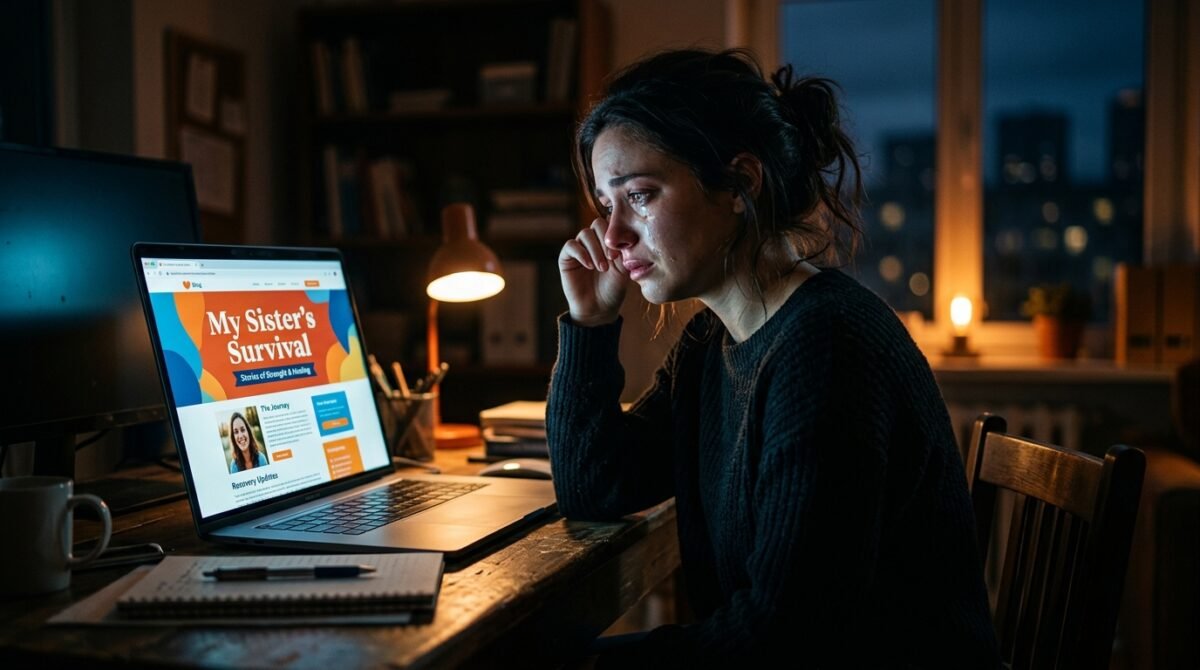
They say family is the anchor that holds you steady, but for me, family became the storm that nearly capsized my entire life. We aren’t talking about a petty argument over an inheritance or a stolen dress; we are talking about the commodification of my actual survival. Five years ago, I survived a traumatic ordeal that left me with scars, both visible and invisible. It was a time of absolute darkness, and I worked tirelessly with therapists and support groups to reclaim my narrative and my mental health.
My half-sister, Sarah, always seemed to be the supportive one. She sat by my hospital bed, she held my hand during the dark nights, and she was there when I finally stepped back into the sun. Or so I thought. I didn’t realize that while she was playing the role of the ‘devoted sister’ to the outside world, she was actually taking notes. She was cataloging my pain, my fears, and my most intimate vulnerabilities, treating them not as my lived experience, but as potential viral content for her budding lifestyle and self-help empire.
The betrayal was discovered accidentally—a pop-up notification on my iPad while she was using it to look up a recipe. It led me to a draft page of her blog, filled with descriptive, graphic, and highly personal details about the exact night I thought I had lost everything. She wasn’t writing to help me; she was writing to grow her audience. She had even set up a Patreon account titled ‘Surviving the Unthinkable,’ which promised exclusive access to the ‘real story’ behind her sister’s struggle.
This wasn’t just a breach of privacy; it was a predatory act of exploitation disguised as sisterly concern. When I confronted her, she didn’t apologize. Instead, she doubled down on her ‘right’ to tell the story, framing it as an inspiration to others. She couldn’t understand why I wanted it down. That was the moment I realized that blood didn’t make us family, and respect was the only currency that mattered. I didn’t just walk away; I made sure she couldn’t follow.
The Discovery of the Digital Diary

It was a rainy Tuesday afternoon, the kind that makes you want to stay inside and hide from the world. Sarah had come over to help me with some home organizational tasks—a task she insisted on, claiming I ‘wasn’t handling my living space well’ since the incident. She had left her laptop open on my dining room table while she went to get us coffee, and a notification pinged on the screen. Being someone who values transparency, I glanced over, thinking it might be something urgent she needed help with.
The screen was open to a CMS dashboard for a website I hadn’t seen before. The title of the post? ‘How I Guided My Sister Through Her Darkest Hour.’ My blood ran cold. As I clicked through, I found detailed, chronological accounts of events that were meant to remain private. Every therapy session, every tear, every nightmare I confessed to her in the quiet hours was laid out for the public to read. It was nauseating.
I felt a physical sensation of violation, as if someone had reached into my mind and broadcasted my deepest insecurities to the entire internet. The language she used was manipulative, painting me as a fragile victim and her as the heroic savior who had sacrificed her own mental health to keep me afloat. It was a complete fabrication that minimized my own recovery efforts to boost her personal brand.
“I had to be the one to hold the pieces together. Watching my sister descend into her own trauma was the hardest test of my life, but I found the strength to document it for the greater good.”
— An excerpt from Sarah’s blog draft, found on her laptop.
I didn’t wait for her to come back. I took photos of every page, every draft, and every subscriber tier she had set up. My hands were shaking so hard I could barely hold my phone steady, but I knew I needed evidence. By the time Sarah walked into the room, I had my composure, though my heart was hammering against my ribs like a trapped bird. The air in the room suddenly felt heavy, charged with the static electricity of a looming confrontation.
The Confrontation in the Kitchen
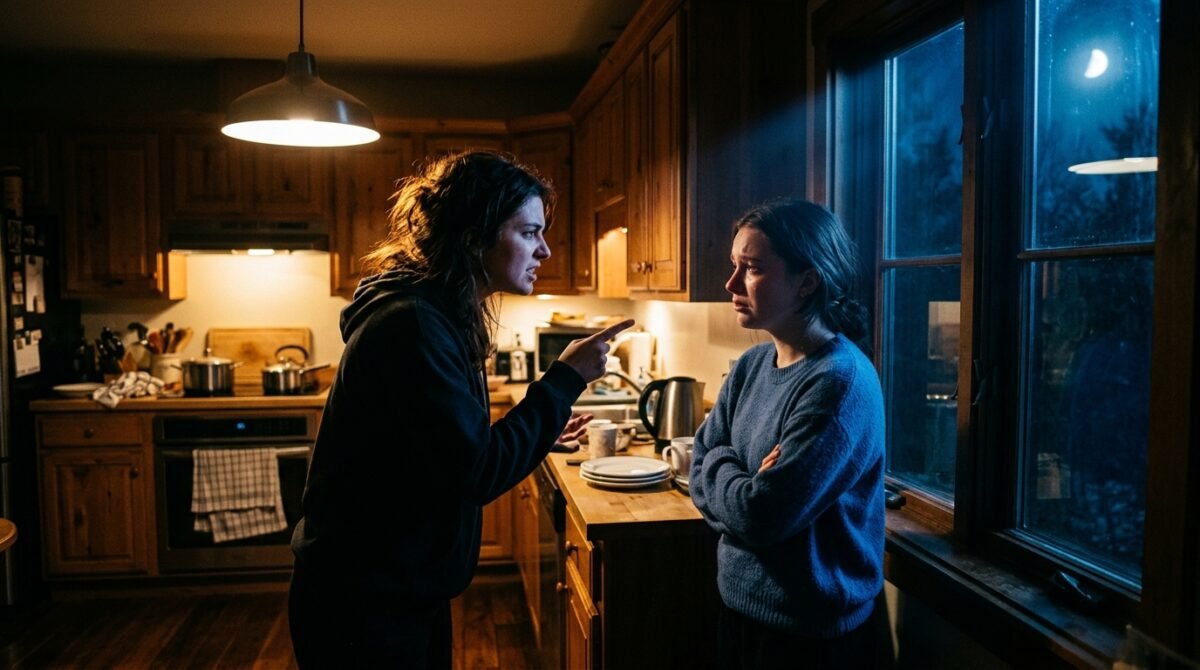
Sarah walked in carrying two mugs of coffee, oblivious to the fact that her digital house of cards had just collapsed. She set the mugs down and gave me a practiced, sympathetic smile—the same one she used whenever she wanted to steer a conversation. ‘You look like you’ve seen a ghost,’ she chirped, oblivious to the storm brewing beneath my calm exterior. I simply turned the laptop screen toward her.
The silence that followed was deafening. Her face drained of color, then flushed a deep, indignant red. She didn’t look remorseful; she looked caught. She immediately slammed the laptop shut and started pacing, her voice rising in pitch as she attempted to reframe the situation. It was a masterclass in gaslighting, as she tried to argue that what she had written was ‘therapeutic’ for both of us.
“How could you think this was okay? You are literally selling my trauma to strangers for subscribers! Do you realize how much money people pay to access this level of intimacy? It’s not just writing; it’s business,” I said, my voice trembling but firm. Sarah stopped pacing and looked at me with a cold, analytical gaze that I had never seen before. She clearly viewed my life as a commodity, a series of plot points to be monetized.
“You’re being selfish. I’ve been living in your shadow for years, picking up the pieces. This is my story, too! I deserve to share my side of the experience, especially if it helps pay for the therapy I needed because of you.”
— Sarah during the initial kitchen confrontation.
I looked at her, truly looked at her, and realized she was a stranger. There was no empathy there, only the cold calculation of someone who saw a profit margin in my suffering. I told her that if she didn’t take the site down, I would take legal action. She laughed, a sharp, dismissive sound that echoed off the kitchen walls. She genuinely believed that because she was ‘family,’ she had a right to my narrative.
The Cease and Desist Gambit
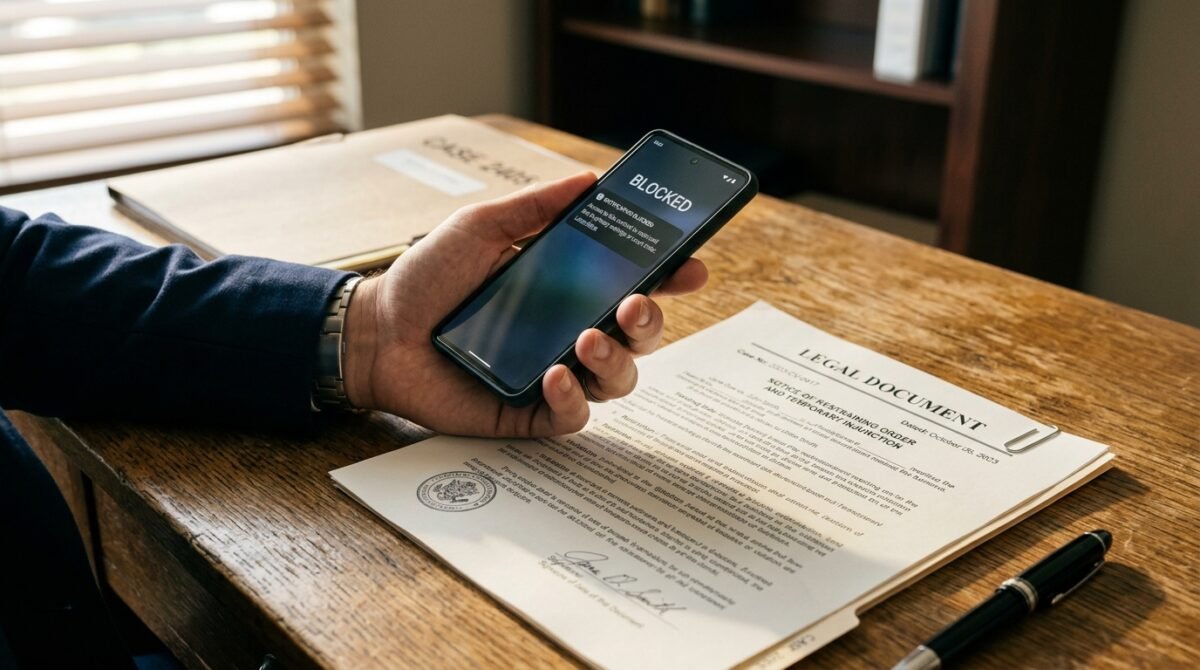
The next morning, I didn’t wait for Sarah to ‘come to her senses.’ I contacted a lawyer who specialized in intellectual property and defamation. We put together a formal cease and desist letter, outlining the unauthorized use of private medical information and the violation of my right to privacy. I sent it via certified mail, and then I sent her a final, blunt text message to ensure there was no ambiguity about my stance.
The response wasn’t a phone call; it was a wall of text on WhatsApp, filled with emojis and pleas for ‘understanding.’ She claimed that I was being ‘aggressive’ and ‘unreasonable’ and that she had already secured a sponsorship deal based on the success of her ’emotional journey’ posts. It was clear that the money had become more important than the person who lived through the trauma. She was blinded by the prospect of becoming an influencer on the back of my pain.
I felt a strange sense of detachment while reading her messages. The old guilt, the ‘big sister complex’ that had kept me tethered to her throughout my childhood, was evaporating. I realized that my silence had allowed her to feel entitled to my life, and for the first time, I refused to be silent. I blocked her number, not as a punishment, but as a protective measure for my own mental peace.
“I am not an asset for your brand. If you continue to publish my private medical and personal history, I will see you in court. This is not a request; it is a final notice.”
— The text message I sent before blocking Sarah permanently.
My lawyer told me that the cease and desist would likely stop her, but it wouldn’t change her character. He was right. Even as the legal threats loomed, she went on her Instagram and posted a cryptic story about ‘toxic family members’ who ‘try to stifle your voice.’ It was the classic move of someone who had lost control of their narrative and was trying to reclaim the high ground by playing the victim.
The Digital Fallout and Family Reactions
When the news of our fallout hit the rest of the family, the reaction was predictably divided. Our aunt, who always favored Sarah, called me to tell me I was being ‘too sensitive’ and that I should be ‘proud’ that Sarah was sharing such a ‘moving story.’ It was infuriating. I realized that the entire family had been fed a version of my trauma that made Sarah look like a saint, and they had bought into it hook, line, and sinker.
My mother, however, was quiet. She had been the only one who actually witnessed the toll of the incident on me. When I finally sent her the link to the blog and showed her the Patreon, she was speechless. She hadn’t known the extent of it. She assumed the blog was some benign diary, not a commercialized tell-all with specific, identifiable details about our family history and my medical records.
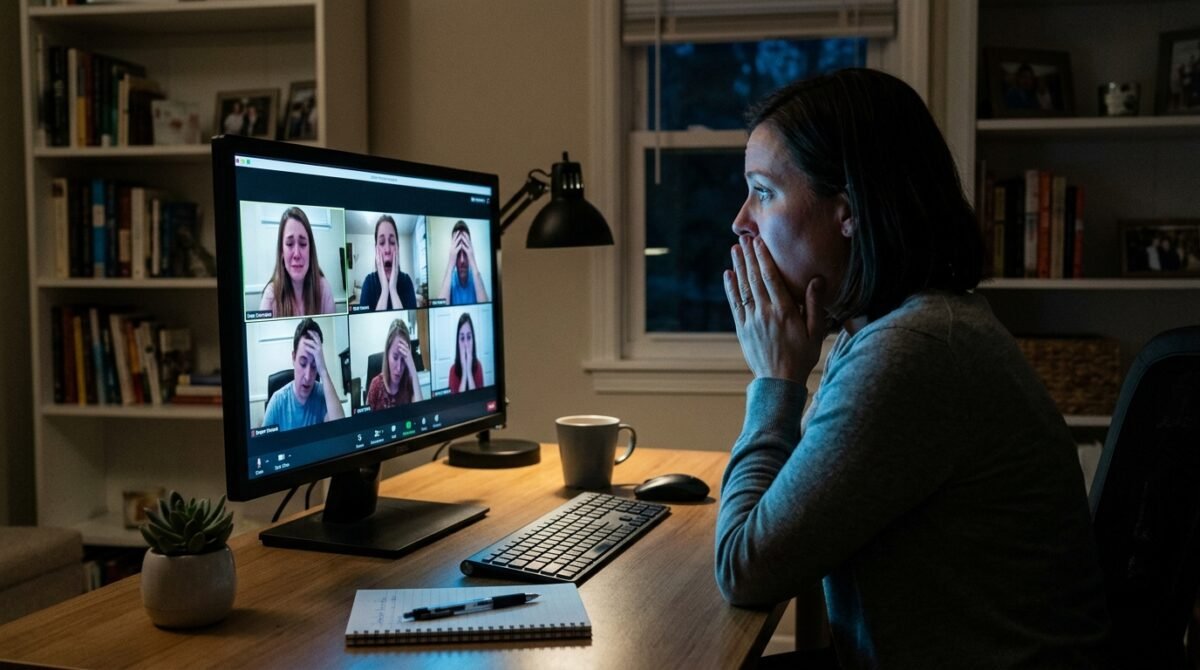
I had to hold a family meeting—over Zoom, to keep my distance—where I laid out the truth. I showed them the screenshots of her charging people money to read my darkest thoughts. The silence on the call was profound. My mother started crying, not for me, but for the realization that her other daughter was capable of such cold-hearted opportunism. It was the moment the family’s image of ‘perfect Sarah’ finally cracked.
“I never thought she would go this far. I thought she was just writing to process her own feelings. I’m so sorry I didn’t see it sooner.”
— My mother during the family Zoom call.
Some relatives still sided with Sarah, claiming that ‘every family has skeletons, and if they’re interesting, why not share them?’ I realized then that my boundary-setting was going to cost me relationships beyond just my sister. I accepted that. If someone thinks it’s acceptable to monetize another person’s tragedy, I don’t want them in my life, regardless of their last name.
The Internet Weighs In: A Reddit Deep Dive
I decided to share my story anonymously on a popular subreddit for family conflict. I needed to know if I was truly being ‘unreasonable’ or if the gaslighting had just been that effective. Within an hour, the post had blown up. Thousands of people chimed in, and the sheer volume of support was both overwhelming and validating. It confirmed that my trauma was mine to own, not hers to sell.
The community was ruthless in their defense of my privacy. They dissected the morality of what Sarah had done, pointing out the legal and ethical lines she had crossed. Reading the comments was like finally exhaling after holding my breath for months. It turned out I wasn’t the crazy one; the dynamic in my family had been toxic for years, and this was just the final, explosive manifestation of it.
“This is absolutely textbook exploitation. Your sister isn’t a writer; she’s a parasite. She’s turned your pain into a revenue stream. Do not back down, and make sure she never gets a cent from your story again. NTA.”
— u/JusticeForAll (Top Comment, 18.2k upvotes)
“My brother tried to do this with my struggles with addiction. I went NC immediately. Some people think they own your life because they are related to you. They don’t. You did the right thing.”
— u/RecoveringStrong (8.4k upvotes)
The thread became a repository for similar stories, showing me that I wasn’t alone in this specific type of betrayal. It helped me process the anger and turn it into resolve. I wasn’t going to be a cautionary tale for Sarah’s blog subscribers; I was going to be the person who successfully stopped her. The digital support helped me realize that my value wasn’t tied to the story she was telling—it was mine to define.
The Cease and Desist Backlash
Two weeks after the lawyer sent the letter, Sarah finally took down the blog. But she didn’t leave quietly. She sent a barrage of emails to our shared friends and family, painting me as a ‘controlling’ and ‘vindictive’ person who was trying to ‘censor the truth’ because I was ‘ashamed of my past.’ It was a desperate attempt to frame the legal action as an act of ego rather than an act of survival.
She even tried to launch a secondary account, a ‘confessional’ style newsletter where she claimed she was writing about ‘anonymous’ experiences. I knew it was still me. The descriptions were too specific, the cadence of the writing too familiar. I had to monitor her social media, which was mentally exhausting, but I knew I couldn’t let her get away with it. I kept my lawyer updated on every single ‘anonymous’ post she made.
“She’s not going to stop, is she?” I asked my lawyer during one of our check-ins. He sighed, adjusting his glasses. “People like her rarely do. She’s addicted to the attention, and she’s convinced herself she’s the victim. We keep the pressure on. If she violates the terms again, we don’t just send another letter; we head to small claims court for damages.” The financial reality of the situation finally seemed to hit her when she realized the legal fees were going to exceed any profit she could hope to make.
“I just want the truth to be out there! Why are you so afraid of your own story? You’re acting like a villain when I’ve spent my whole life being your biggest supporter.”
— An email sent from Sarah to me, three weeks after the initial fallout.
I didn’t respond to the email. I just forwarded it to my lawyer. I had stopped trying to explain myself to her. I realized that Sarah wasn’t interested in the ‘truth.’ She was interested in a story that she could control. And as long as I was the main character in her story, I would never be free. So, I decided to take the next step: full, permanent no-contact.
Why I Chose the Hard Road

People often ask me why I didn’t just ‘talk it out’ or why I felt the need to involve lawyers. They don’t understand the power dynamic. When someone has already proven they are willing to profit from your trauma, they have already broken the trust that is fundamental to any family relationship. Talking it out assumes there is a baseline of mutual respect. In my case, that baseline was gone.
I chose the hard road because I had to reclaim my agency. Every day that the blog remained online, I felt like a spectator in my own life, watching my pain be sold to the highest bidder. By taking legal action, I was telling myself—and the world—that my life matters more than someone else’s profit motive. It was the ultimate act of self-care, even if it felt cold and un-family-like at the time.
I spent so many months wondering if I was the ‘bad guy’ for putting a stop to her ‘creative expression.’ But then I looked at the Patreon numbers. She had over 500 paid subscribers. That wasn’t ‘expressing herself’; that was running a business on the back of my worst memories. The sheer audacity of it still makes me physically ill, but it also gives me the strength to stay the course.
“You’re just jealous because my writing is taking off and you’re still stuck in the past. You should be grateful I’m helping people understand what you went through.”
— Sarah’s last attempt at manipulation before I blocked her email address.
I realized that Sarah’s identity was so wrapped up in being ‘the victim’s sister’ that she couldn’t exist without that narrative. By taking it away, I was forcing her to face her own lack of substance. That’s why she fought so hard. It wasn’t about the money anymore; it was about the fact that I had finally stripped away her performative identity.
The Financial Ledger of Betrayal

I decided to put together a timeline of the events. It wasn’t just about the emotional toll; it was about the concrete steps she took to profit from me. Seeing it on paper was incredibly cathartic. It made the situation objective, stripping away the ‘he said, she said’ of family drama and leaving only the facts. This was the document I used to show my lawyer and, eventually, some of our more skeptical relatives.
| Date | Action Taken by Sarah | My Response |
|---|---|---|
| Jan 12 | Launch of ‘Surviving’ Blog | None (Unaware) |
| Feb 05 | Patreon Tier 1 ($10/mo) Live | None (Unaware) |
| Mar 15 | Discovery of Blog/Patreon | Direct Confrontation |
| Mar 20 | Cease and Desist Sent | No Contact Initiated |
| Apr 02 | Blog Deactivated | Legal Review |
The table speaks for itself. She had been planning this for months, meticulously crafting the ‘story’ to maximize subscriptions. It wasn’t a spur-of-the-moment decision to share her experience; it was a calculated business strategy. Seeing those dates side-by-side, it’s impossible for anyone to argue that her intentions were pure or that she was acting out of love for her sister.
My mother, upon seeing this timeline, finally understood the level of planning involved. She had been holding out hope that this was all a ‘misunderstanding,’ but the timeline made it clear: this was a premeditated exploitation. It was the hardest thing she had to accept, but it was the final piece of the puzzle that allowed her to detach from Sarah’s influence as well.
“I thought she loved you. I didn’t realize she was keeping a ledger of your pain. My God, the planning that went into this… it’s chilling.”
— My mother, looking at the timeline of events.
I don’t regret making this list. It helped me move on. It transformed my trauma from a messy, chaotic memory into a series of facts that I could control. By organizing the betrayal, I gained power over it. And that power is what has allowed me to finally start healing on my own terms.
Finding My Own Voice

After all the dust settled, I found myself in a position I hadn’t been in for years: I was finally, truly alone with my own story. For the first time, I wasn’t the ‘victim’ in someone else’s blog post, and I wasn’t the ‘sister’ in someone else’s narrative. I was just me. And that realization was the most liberating thing I have ever experienced. I started writing, not for subscribers, but for myself.
I began a private journal where I could document my healing without the pressure of an audience. It was a space where I could be as messy, as angry, or as hopeful as I needed to be. Without the fear of being ‘monetized,’ I found that the healing process accelerated. I was finally able to face the memories without worrying about how they would ‘perform’ for a blog audience.
I also started engaging with real support groups, the kind that are private, moderated, and focused on actual recovery rather than ‘inspirational content.’ It was a world of difference. Being surrounded by people who were genuinely going through the same thing, with no cameras or Patreon tiers, was exactly what I needed to rebuild my sense of self. I finally felt like I was part of a community, not a product.
“My story is not a product. It is my life. And I have the right to keep it private, or to share it only when I feel safe and empowered to do so.”
— A journal entry I wrote to myself after blocking Sarah for the last time.
I still have days where the anger flares up, where I think about what she did and I feel that same sense of violation. But those moments are fewer and further between. I’ve learned that you can’t control what other people do, but you can control your boundaries. And those boundaries, however hard they were to build, have been the foundation of my new life.
Moving Forward: The Final Boundary

It has been six months since I last spoke to Sarah. In that time, I have rebuilt my life in ways I never thought possible. I have a new job, a new apartment, and a support system that respects my privacy and my boundaries. I am no longer looking over my shoulder, waiting for the next ‘anonymous’ post to appear. I am living my life, and it feels wonderful.
I recently received an invitation to a family wedding. I knew Sarah would be there. For the first time, I didn’t feel the urge to run away or the pressure to make peace. I simply sent a polite ‘decline’ with a gift. I had reached a point where her presence, or the presence of the drama she brings, no longer had any power over me. I had finally achieved the ultimate goal: indifference.
I know there will always be people who think I should ‘just forgive’ or ‘it’s family.’ To them, I say: forgiveness is for the person who is truly sorry, not for the person who is still looking for a loophole to exploit you. I have forgiven myself for being vulnerable, and I have forgiven myself for trusting her. That is all the forgiveness that matters right now. My life is mine again, and I intend to keep it that way.
“I don’t hate her anymore. I just don’t have space for her in my life. And that’s the most peaceful place I’ve ever been.”
— My reflection during a recent therapy session.
If you are reading this and you feel like someone is using your life, your trauma, or your story for their own gain, please know this: you have the right to stop them. You have the right to own your narrative. Do not let anyone convince you that your life is a commodity. Stand your ground, protect your peace, and never apologize for putting your well-being first.
Conclusion
My journey from victim to survivor, and finally to a person with ironclad boundaries, has been the most difficult thing I have ever done. It forced me to see the people closest to me in a harsh light, and it demanded that I sacrifice the ‘family image’ in favor of my own mental health. But looking back, I wouldn’t change a single thing. The decision to take a legal stand against my half-sister was the moment I finally reclaimed my life.
The debate around this situation—whether family deserves a ‘pass’ for their transgressions—is something that many of us grapple with. I’ve learned that when you set a hard boundary, you’re not ‘breaking’ the family; you’re simply no longer enabling a toxic dynamic. It’s a painful process, but it’s the only one that leads to true, sustainable healing. I am finally at peace with my past, and for the first time in a long time, I am excited about my future.
We want to hear from you. Have you ever had a friend or family member betray your trust in a way that felt like a public exploitation? How did you handle it, and what boundaries did you have to put in place? Let’s discuss in the comments below—your voice matters here.
What's your verdict on this dilemma?
Vote below to contribute to the official community consensus.

Have a Dilemma Keeping You Up at Night?
Share your real-life feud, wedding chaos, or relationship crossroads anonymously with our editorial team.
What do you think ?
0 Comments🛡️ Comments are moderated to protect community integrity. Your comment will appear once approved by the editorial team.