
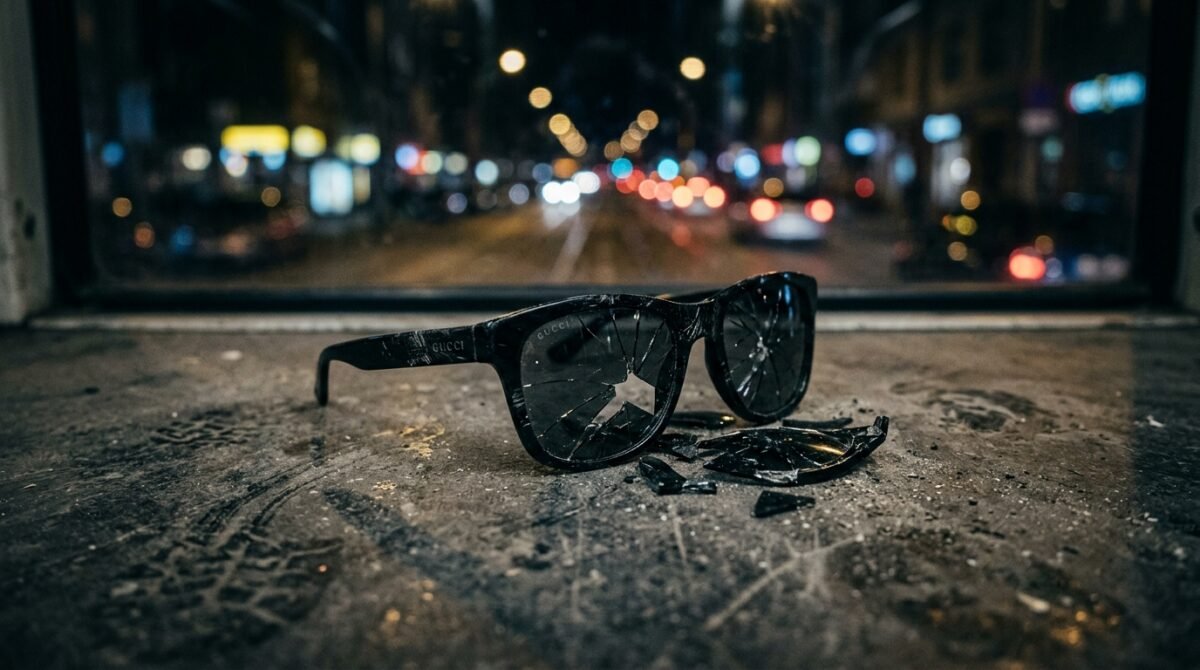
It started as a simple, breezy Saturday afternoon. We had planned to head downtown for an exhibit at the art gallery, a routine outing we had done dozens of times over our five-year friendship. Sarah, always the fashion-forward one, arrived in a floral sundress and her prized pair of luxury designer sunglasses—the ones she bragged had cost her six hundred dollars. She treated those glasses like they were made of spun gold, and usually, she was meticulous about their care.
The issue began when I checked the traffic app on my phone and saw a complete gridlock on the main artery into the city. A major marathon was taking place, and every Uber, Lyft, and taxi was surging at triple the price. I, perhaps naively, suggested we take the city transit tram. It was efficient, air-conditioned, and honestly, a bit of a fun, nostalgic way to travel. Little did I know that suggesting a public transportation route would lead to a fractured friendship and a bizarre demand for compensation.
As we boarded the crowded tram, the air was thick with the scent of summer heat and city dust. We squeezed into a small bench seat. The ride was bumpy, and at one stop, the tram lurched violently. Sarah, clutching her oversized tote bag, stumbled. In the chaos of the sudden stop, I saw her glasses slip from her hand—not because I pushed her, not because I bumped her, but because she had been juggling her iced latte and the glasses simultaneously. They skittered across the floor and disappeared under the heavy metal gap between the carriage floor and the sliding door mechanism.
The silence that followed was heavy and suffocating. As the doors opened at the next station, we watched as the glasses were essentially crushed and swept into the abyss of the track bed. Sarah didn’t look at me with sadness; she looked at me with cold, calculated rage. She wasn’t just grieving the loss of her accessory; she was already calculating the cost. And that was the moment the afternoon shifted from a minor inconvenience to a moral battlefield of entitlement.
This isn’t just a story about a piece of plastic and glass. It is a story about how quickly the people we love can turn into strangers when money, blame, and a complete lack of accountability collide. Looking back, I should have seen the warning signs of her entitlement, but like many friends, I chose to ignore the red flags until I was the one being asked to pay for a mistake I didn’t make.
The Lurch of the Tram and the Lost Frames

The tram ride itself was supposed to be the highlight of the trip, an easy way to avoid the headache of downtown parking. I had no idea that the mechanical sway of the rail car would eventually be cited as the ‘root cause’ of my supposed debt to Sarah. As the tram jerked to a stop, Sarah’s hands were visibly full. She had a cold drink in one and her designer sunglasses balanced precariously on the edge of her open tote bag.
When we lurched, she reacted instinctively, grabbing for her drink to keep from spilling it on her dress. The glasses didn’t stand a chance. They slid off the bag, bounced against the floor, and in a stroke of absolute misfortune, slid right into the gap near the door. It was a freak accident, the kind that happens in urban transit every single day.
“Oh my god, Sarah, are you okay? Did they go down the gap?” I asked, leaning over to look.
Sarah stared at the floor, her face pale. “They’re gone. Those were six hundred dollars, and you made me take this stupid tram.”
I felt a pang of guilt, but it was quickly replaced by confusion. I hadn’t forced her onto the tram at gunpoint. It was a mutual decision we had discussed over breakfast. I tried to comfort her, but she was already vibrating with a strange, defensive energy. She wasn’t looking for sympathy; she was looking for a target.
By the time we got off at the next stop, the mood had soured completely. She stood on the platform, ignoring the beautiful weather, and kept staring back at the tracks. I offered to buy her a coffee or maybe help her find a pair of temporary shades at a kiosk, but she shut me down with a look of pure contempt. She wasn’t thinking about the day; she was thinking about the replacement value.
I realize now that the moment she decided to blame me for her choice to prioritize a latte over her expensive eyewear, the dynamic of our friendship changed. It wasn’t about the glasses anymore. It was about her need to make someone else responsible for the reality of her own choices. I was simply the most convenient person in the room to bear the weight of her frustration.
The Venmo Request That Hit My Inbox
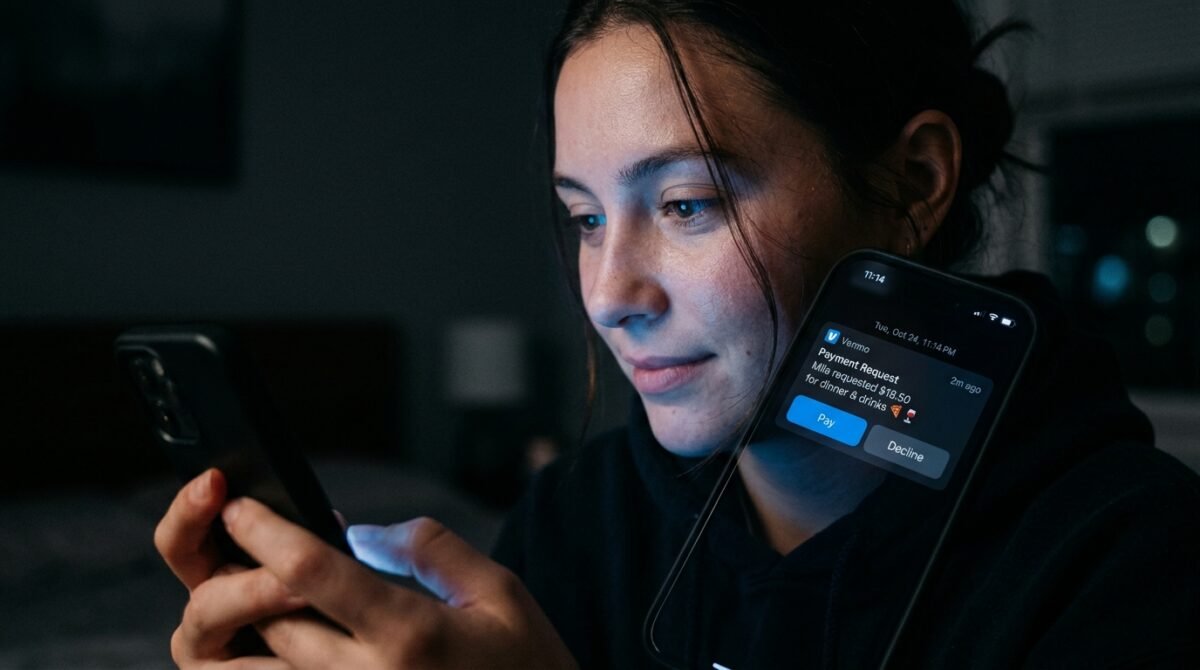
The next morning, I woke up to a notification that made my blood run cold. It wasn’t a text asking if I was okay or a casual check-in about the ruined day. It was a formal, cold, and incredibly specific Venmo request. The amount was exactly $600.00, with a memo line that simply read: ‘Tram incident replacement’.
I stared at my screen for a long time, wondering if this was some kind of sick joke. We were best friends. We had shared apartments, secrets, and life crises. The idea that she would essentially bill me for an accident that occurred while she was juggling her own belongings felt like a betrayal of the highest order. I didn’t pay it, of course, but I did start typing out a response.
“Hey, I just saw the request. I am really sorry about the glasses, but I don’t think it’s fair for me to replace them. We both decided on the tram, and you were the one holding them. I can’t afford $600 right now anyway.”
— My text to Sarah
Within seconds, her bubbles appeared. She wasn’t typing a paragraph; she was typing a manifesto. The phone kept buzzing, one message after another, detailing why I was essentially a terrible friend who lacked ‘basic consideration’ for her style and her belongings. The level of entitlement was staggering, and the language she used made me feel like I had committed an act of vandalism rather than just making a transit suggestion.
She argued that because I was the one who ‘pushed for the tram’ when she ‘would have preferred an Uber,’ I was liable for any ‘consequential losses’ that happened as a result of that route choice. It was the kind of legalistic, blame-shifting nonsense that you only ever hear from people who have completely lost touch with how human relationships are supposed to function.
I felt a deep, hollow pit in my stomach. I realized that this wasn’t just a heat-of-the-moment reaction. She had spent the night stewing, drafting her argument, and preparing to make me pay for her own lack of care. The friendship I thought I knew was being dismantled over a luxury accessory, and there was absolutely nothing I could do to stop it.
The Group Chat Intervention

Naturally, Sarah didn’t keep the conflict between us. By noon, she had screenshotted our conversation and posted it into our shared friend group chat—the one with six of our closest college friends. She framed it as me being ‘dismissive of her financial loss’ and refusing to take accountability. She didn’t mention that the glasses were in her hands, just that I ’caused’ the situation.
The chat exploded. Some people were immediately on her side, saying that if you suggest an activity, you should take responsibility for the mishaps. Others were more cautious, asking for details. I felt like I was being put on trial in a digital courtroom where the judge and jury had already decided I was guilty. My phone didn’t stop pinging for three hours.
“Honestly, OP, if you suggested the tram, the least you could do is split the cost. It’s the mature thing to do. She’s really upset.”
— Jessica, via Group Chat
I found myself defending my actions against people who weren’t even there. I explained the physics of the tram, the fact that she was holding a latte, and the fact that I was not a guardian of her property. Some of them started to see my point, but the damage was done. The atmosphere in the chat was toxic, turning from a place of support into a battleground of opinions.
The most painful part was watching Sarah play the victim while actively orchestrating a smear campaign against me. She used words like ‘negligence’ and ‘lack of respect.’ It was so far removed from the truth that it felt like I was living in a gaslighting experiment. I tried to stay calm, but my frustration was mounting.
By the time I muted the group chat, I was shaking. I realized that this was a test. If I paid, I would be setting a precedent for every future ‘accident’ that happened while we were hanging out. If I didn’t pay, I was losing my friend group, or at least the perception of my standing within it. It was a lose-lose situation, and the weight of the social pressure was almost as bad as the financial demand.
The Coffee Shop Confrontation
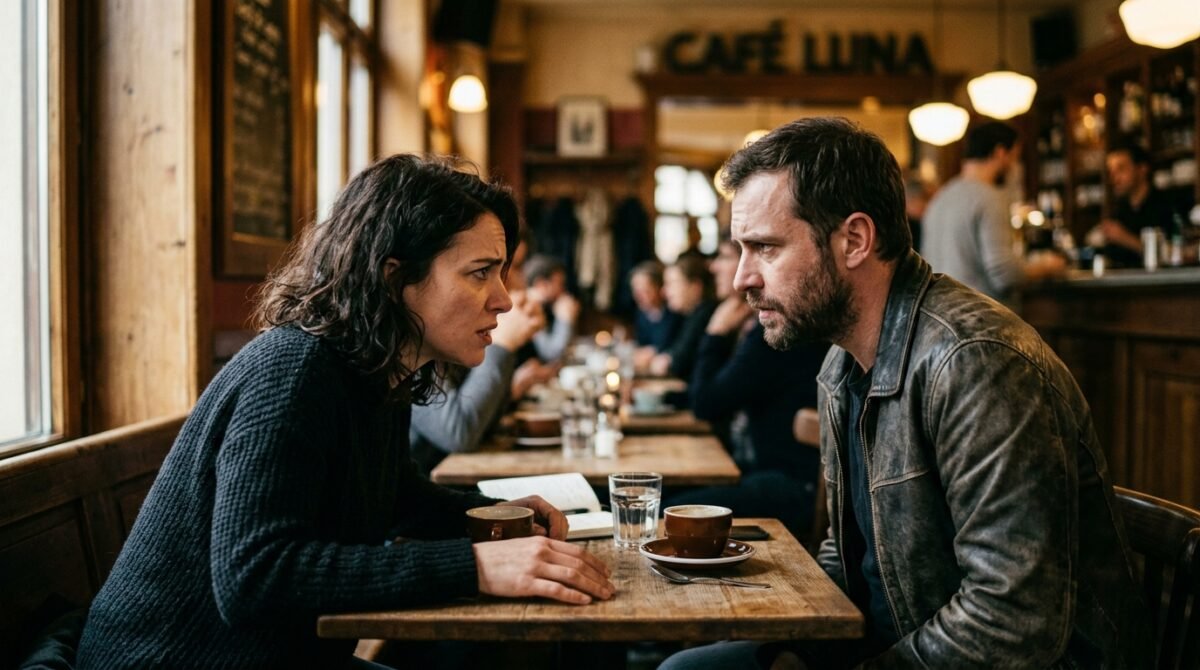
We eventually met up at a neutral location—a coffee shop—because Sarah insisted we ‘resolve this like adults.’ I walked in feeling like I was walking to the gallows. She was already there, looking impeccable as always, holding a new pair of sunglasses that looked suspiciously expensive. The irony was not lost on me, but I didn’t mention it.
The conversation was tense from the first syllable. She didn’t ask how I was; she asked if I had ‘thought about the impact of my actions.’ It was like talking to a corporate lawyer rather than my best friend. She laid out a timeline of why I was responsible, pointing to the app I used to check traffic as ‘proof’ that I had steered us into danger.
“Sarah, you were the one holding them. I am sorry they are broken, but I am not an insurance policy for your fashion choices. I can’t pay for your lifestyle.”
“It’s not about the money, it’s about the principle. You dragged me onto that tram when I wanted an Uber. You should have known it would be crowded.”
I watched her sip her latte, the same way she had on the tram, and realized she had no self-awareness. She was genuinely convinced that I was at fault because I hadn’t catered to her comfort preferences. It was a bizarre, distorted reality, but she was living in it firmly. My empathy for her loss evaporated, replaced by a cold, hard realization that this friendship was built on an uneven foundation.
I told her I wasn’t paying. I told her that if she wanted to charge me, she could take me to small claims court, where a judge could explain to her why she was responsible for her own belongings. The look on her face was priceless—a mixture of shock, indignation, and pure fury. She clearly thought I would just fold, pay the money, and apologize to keep the peace.
Walking out of that coffee shop, I felt a weight lift off my shoulders. I knew the fallout would be massive, and that our friend group would likely split, but for the first time in days, I felt like I had kept my integrity. I wasn’t being bullied into an expense I didn’t owe, and that was worth more than the friendship I was currently losing.
The Reddit Trial: My Post Goes Viral

That night, in a fit of desperation and seeking validation, I posted the whole story on AITA. I didn’t leave out any details—the tram, the latte, the Venmo request, the group chat. I wanted to know if I was actually the villain. I expected a mix of responses, but I wasn’t prepared for the sheer volume of support I received. My phone buzzed constantly for the next 48 hours.
The comments were validating, brutal, and occasionally hilarious. People pointed out the absurdity of the situation with such precision that it made me laugh for the first time in a week. It was clear that the internet had no patience for the kind of entitlement Sarah was displaying. It wasn’t just about the money; it was about the boundaries that people felt were being violated.
“NTA. Your friend is a walking red flag. If she wanted her glasses insured against public transit mishaps, she should have bought insurance. You aren’t her personal liability carrier.”
— u/ReasonableObserver (Top Comment, 18.2k upvotes)
There were hundreds of comments like that. It helped me realize that I wasn’t crazy. I wasn’t being ‘dismissive’; I was being a rational human being who refused to accept blame for someone else’s lack of coordination. The community feedback was a mirror, reflecting back to me that my instincts were correct, and that I didn’t need to apologize for refusing to be exploited.
Some users even shared their own stories of ‘entitled’ friends who had tried to pull similar stunts. It turns out, this is a common theme—friends who use ‘suggested activities’ as a loophole to demand financial restitution when things go sideways. The term ‘weaponized friendship’ kept popping up, and it felt remarkably accurate to my situation.
The validation from strangers allowed me to detach emotionally from the situation. I stopped checking the group chat. I stopped waiting for Sarah to apologize or ‘see the light.’ I had my answer, and more importantly, I had the confidence to stand my ground even when the social cost felt high. The ordeal had turned into a masterclass in boundary setting.
The Fallout: Lines Drawn in the Sand

The fallout was as predictable as it was painful. Three of our mutual friends messaged me privately to tell me that they ‘understood’ but that they didn’t want to get involved in the drama. They essentially ghosted me during our usual weekend hangouts, opting to stay in the ‘Sarah camp’ to avoid any conflict. I was effectively being pushed out of the group I had been a part of for years.
It stung, but it was also clarifying. I saw who was a true friend and who was just an acquaintance who enjoyed the comfort of a pre-established social circle. It’s hard to lose friends over something so trivial as a pair of sunglasses, but it was a litmus test. I realized that if a $600 demand was enough to make them turn their backs on me, they probably weren’t the kind of people I wanted in my corner during a real crisis.
I took some time for myself, focusing on my work, my hobbies, and finding new communities that didn’t revolve around the toxic drama of the past. I blocked Sarah on everything, including the banking apps. I wasn’t going to receive another notification that ruined my peace of mind. I was done with the blame, done with the justifications, and done with the gaslighting.
A month later, I saw her post a picture on social media wearing yet another pair of luxury glasses. No mention of the ‘tragic loss’ or the ‘debt’ she claimed I owed her. She had clearly moved on, or rather, she had just found a new accessory to obsess over and a new person to potentially blame for the next mishap. The realization brought me a strange sense of closure.
I am currently at a place of peace. I don’t miss the constant, high-stakes drama that defined our later interactions. I look back at the ‘tram incident’ as the moment I finally learned to say no. It was an expensive lesson for both of us—she lost a friend, and I lost a bunch of fair-weather acquaintances, but I gained a much clearer understanding of my own worth.
The Reality of Financial Entitlement
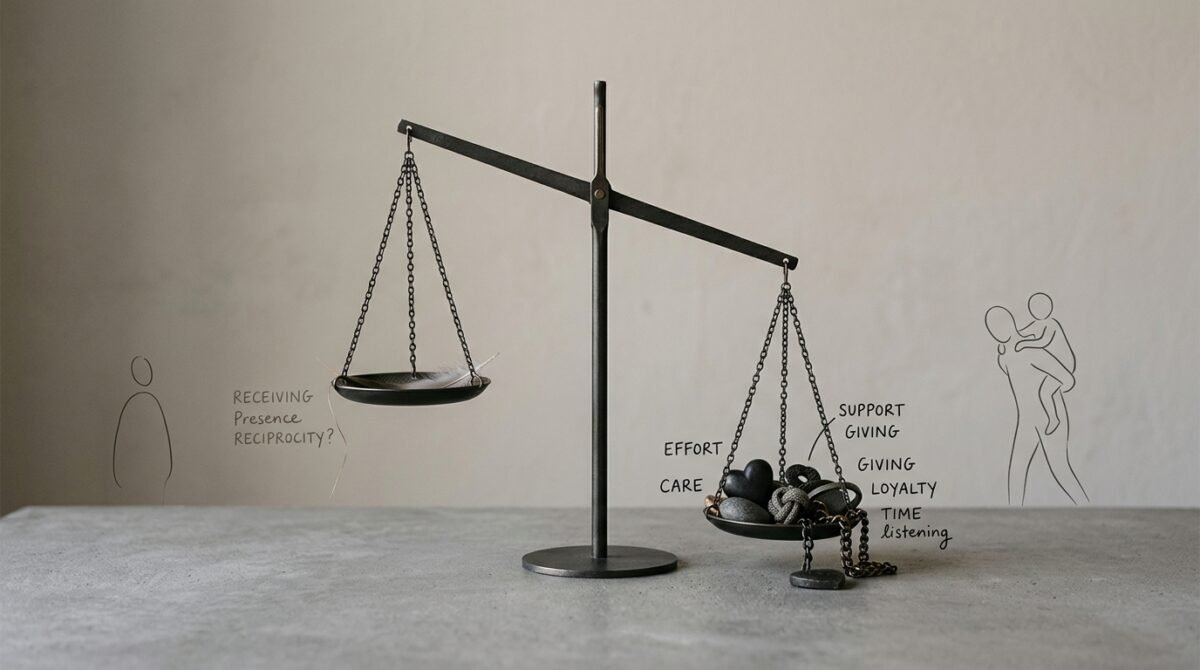
When we talk about financial boundaries in friendships, we often focus on loans or big, obvious debts. We don’t talk enough about the ‘lifestyle entitlement’ where one friend expects the other to subsidize their standards of care. Sarah was the type who expected to live a life of luxury and expected everyone around her to treat her property with more care than she did herself.
This is a dangerous dynamic. It creates a hierarchy where one person is the ‘protected’ and the other is the ‘protector.’ If you’re the protector, you are constantly on edge, worried about making a suggestion that could lead to a financial demand. If you’re the protected, you never have to grow up or take responsibility for your own clumsiness.
“The most expensive thing you can have in a friendship is an entitled person. They don’t just cost you money; they cost you your peace, your time, and your reputation.”
— A piece of advice I read online
It’s important to remember that we are responsible for our own belongings. If you choose to wear $600 glasses, you are accepting the risk that they might get broken, lost, or stolen. That risk belongs to you, not to the person standing next to you. Expecting someone else to mitigate that risk is a fundamental misunderstanding of personal responsibility.
I wish I had stood up for myself years ago. I should have set boundaries when she first started making small, passive-aggressive comments about my choices. But we live and we learn. The ‘tram incident’ forced me to have the hard conversation I had been avoiding for years, and while it was difficult, it was necessary for my growth.
For anyone reading this who feels like they are walking on eggshells with a friend, pay attention to that feeling. It’s your intuition telling you that the relationship is unbalanced. You deserve friends who see you as an equal partner, not as a liability or a source of emergency funding. Don’t wait for a $600 disaster to find out who your real friends are.
Why We Need to Talk About ‘Casual’ Friendships

Social media has made it easier to maintain ‘casual’ friendships, but it has also made it harder to maintain deep, authentic ones. We treat our friend groups like curated content, where we want everyone to look good and act in ways that don’t disrupt the aesthetic. When someone like me, who prefers a practical approach, clashes with someone like Sarah, the aesthetic is broken.
There is a massive pressure to be the ‘fun’ friend, the ‘agreeable’ friend, the one who always says yes to the expensive brunch or the spontaneous trip. Saying ‘no’ or ‘let’s take the tram’ is seen as a disruption. But if a friendship can’t survive a practical suggestion, then it wasn’t a friendship based on mutual respect—it was a friendship based on superficial convenience.
I see so many people on forums like Reddit, struggling with the exact same issue: friends who demand repayment for things that are clearly not the fault of the other person. Whether it’s a broken glass at a party or a lost item on a trip, the pattern is the same. It’s about power. It’s about testing how much you are willing to concede to keep them happy.
If you find yourself in this situation, my advice is simple: hold your ground. If you apologize once, you’ll be apologizing forever. If you pay once, you’ll be paying for everything. True friends will understand that accidents happen and that we are all responsible for our own property. If they don’t, they aren’t your friends; they’re just people you happen to hang out with.
The hardest part of this whole experience was letting go of the idea that I needed to fix things. I didn’t need to fix the friendship, because the friendship was already broken by her reaction. I didn’t need to fix the financial situation, because I didn’t owe her anything. The only thing I needed to fix was my own willingness to be a doormat.
The Aftermath: Finding My Own Lane

It has been six months since the tram incident. Life is different now, but it’s also much quieter and much more peaceful. I have a smaller circle of friends, but those friends are people who I can trust. We don’t have these kinds of weird, high-stakes dramas because we treat each other with basic human decency and respect.
I’ve started taking the tram again, and every time I do, I think about that day. I don’t feel the surge of anxiety anymore. I just enjoy the ride. I’ve realized that life is too short to worry about the opinions of people who would throw you under the bus for a pair of sunglasses. I’ve learned to appreciate the small, simple things—the quiet commutes, the coffee I make at home, the friendships that don’t require a balance sheet.
If I could go back and tell myself anything on that Saturday morning, it would be this: ‘She is going to be upset, and that is okay. You are not responsible for her feelings, her property, or her choices. Just stay calm, stay firm, and remember that you are allowed to say no.’
Sometimes I wonder if Sarah ever thinks about it. Does she look at those glasses and remember the friend she lost? Or does she just look at the price tag? I think I know the answer, and honestly, it doesn’t hurt anymore. I’ve reached a point where her opinion simply doesn’t matter to my sense of self-worth.
I’m sharing this story not because I want to be vindictive, but because I know so many others are in this exact same spot. Whether you are dealing with a demanding friend, a toxic partner, or an entitled family member, know that you are not alone. Boundaries are the foundation of a healthy life. Don’t be afraid to build them, and definitely don’t be afraid to defend them.
Reflecting on the Reddit Verdict

Looking back at the thousands of comments on my post, I am struck by how many people have had to set similar boundaries. It’s a universal problem. People treat their friends like extensions of their own ego, and when that ego is bruised, they lash out. Seeing so many people validate my decision to ‘not pay’ was the catalyst for my own healing.
The sheer consensus of the Reddit community—thousands of people telling me I was in the right—was the ultimate proof that the world isn’t as entitled as Sarah. There are plenty of people out there who value respect, accountability, and kindness over material possessions. I just had to find them.
“The amount of people who think they can bill their friends for their own clumsy accidents is too damn high. Stay strong, OP. You did the right thing.”
— u/CommonSenseQueen (Top Comment, 12.5k upvotes)
I feel like I grew five years in those few weeks of drama. I learned to identify manipulative language, I learned how to stand my ground in the face of social pressure, and I learned that losing ‘friends’ is sometimes a necessary step in finding your true self. I don’t regret the outcome, even if I regret the loss of the relationship.
It’s funny how a single, six-hundred-dollar mistake can reveal the entire architecture of a friendship. It showed me the cracks that were already there, the imbalances that I had been choosing to ignore, and the ways in which I had been making myself small to keep someone else big. I’m not doing that anymore.
I’m curious to hear from you all. Have you ever had a friend try to make you pay for their own mistake? How did you handle it, and what did it teach you about the friendship? Let’s talk about it in the comments. I’m interested in your stories, your advice, and your own experiences with setting boundaries. Let’s keep this conversation going.
Conclusion
This saga of the tram, the latte, and the sunglasses isn’t just about a broken pair of frames. It’s a testament to the power of setting boundaries in the face of blatant entitlement. When you are confronted with someone who prioritizes their own comfort and wallet over your well-being, the only real move is to hold your line with grace and firmness.
I learned that friendship should never feel like a contract. It should never feel like a series of hidden liabilities waiting to happen. If you find yourself constantly apologizing for your choices just to keep someone else’s ego intact, you aren’t in a friendship—you are in a hostage situation. I am grateful for the outcome, even if it meant closing a chapter I once thought would last a lifetime.
What is your take? Are you on Team OP, or do you think there’s a world where the ‘inviter’ carries the risk? Share your thoughts below, and let’s get a debate going on what true accountability in friendship looks like today.
What's your verdict on this dilemma?
Vote below to contribute to the official community consensus.

Have a Dilemma Keeping You Up at Night?
Share your real-life feud, wedding chaos, or relationship crossroads anonymously with our editorial team.
What do you think ?
0 Comments🛡️ Comments are moderated to protect community integrity. Your comment will appear once approved by the editorial team.