

We had been planning this trip for six months. It was meant to be the ‘last hurrah’ before our wedding—a two-week escape to a remote island in Southeast Asia. For Mark, it was a chance to finally relax; for me, it was a necessary break from the grueling hours of my medical residency. I had been meticulous about every detail, especially the insurance, given the remote nature of our destination and my history of chronic allergies that require strict medical oversight. When I handed my passport to the attendant at the check-in desk, I had no idea that my life as I knew it was about to unravel.
As the agent tapped away at her keyboard, her brow furrowed. She looked at me, then back at the screen, and politely asked if I wanted to verify my coverage details. I was confused. I had paid the premium in full months ago. When she turned the monitor slightly to show me the cancellation notice dated three days prior, the blood drained from my face. The reason listed for the refund? A request initiated by the primary policyholder: Mark.
The silence at that counter was deafening. I looked over at Mark, who was standing a few feet away, obsessively checking the balance on his golf app, oblivious to the fact that his secret had just been laid bare in the most public way possible. I realized in that single, frozen moment that this wasn’t just a mistake. It was a calculated choice. He had decided that his new set of custom clubs was worth more than my health and safety in a foreign country.
The following pages detail the dissolution of a three-year relationship, the layers of financial gaslighting I had been ignoring, and the moment I finally walked away. This isn’t just about golf clubs; it’s about the erosion of trust when one partner views the other as a disposable resource. It is a story of finding clarity in the middle of a terminal, and the brutal honesty of the internet when the mask finally slips.
The Seven-Hundred-Dollar Miscalculation
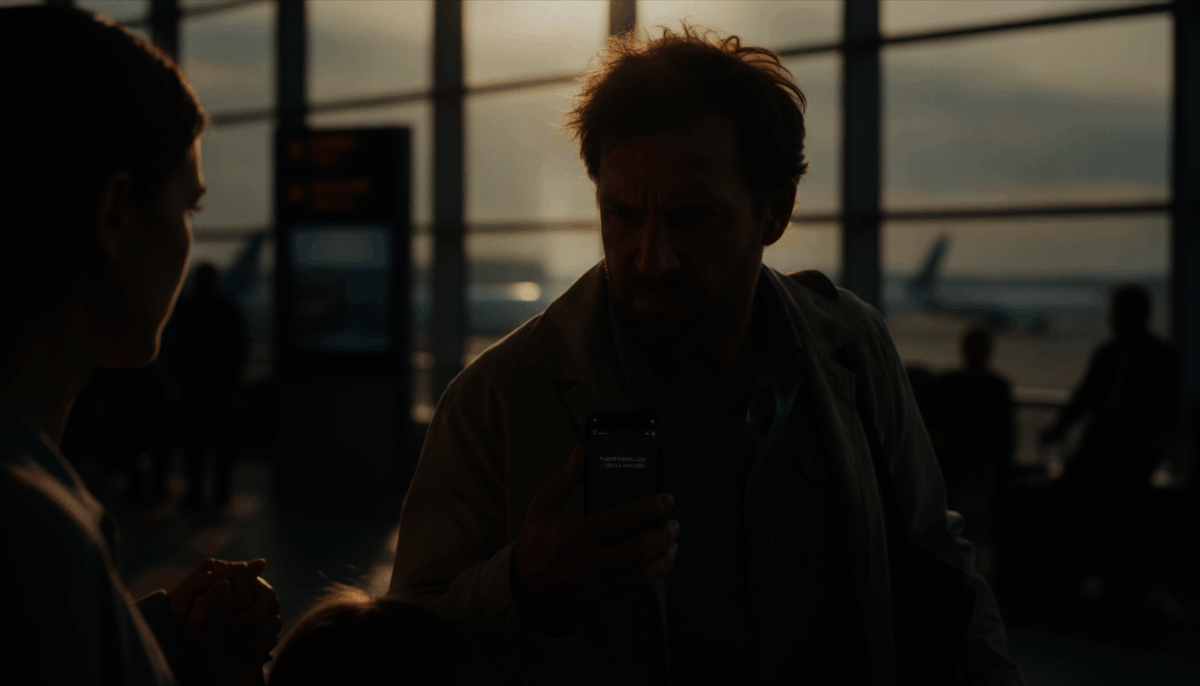
I approached Mark while he was still busy scrolling through a review of a high-end putter. I didn’t yell. I didn’t cause a scene. I simply held up my phone, which was displaying the email confirmation from the insurance provider. The subject line was chilling: ‘Cancellation Successful: Refund Processed to Account Ending in 4492.’
When I asked him about it, his initial reaction wasn’t shame. It was annoyance. He actually huffed, putting his phone in his pocket with a look of extreme irritation, as if I were interrupting a vital business meeting. He didn’t even try to lie at first; he just looked at me with that condescending smirk he usually reserved for when I questioned his spending habits.
“Seriously? You’re going to make a scene here? It’s just insurance, Sarah. We’re going to a resort, not the middle of the jungle. I needed the money for the Pro-Series clubs before the sale ended. They were a steal, and you were being paranoid about the coverage anyway.”
— Mark
The entitlement in his voice was staggering. I stood there, trembling, trying to process that he had prioritized his status on the green over my physical well-being. The financial disparity in our relationship had always been a point of tension, but I had always assumed we were a team. I was paying for half of the flights and the accommodation, yet he felt empowered to liquidate my ‘non-essential’ expenses to fund his hobby.
I looked at his suitcase, packed with his ‘travel’ golf bag, which I had spent the last week helping him organize. The sheer audacity required to sit next to me at dinner for three days leading up to this, knowing he had compromised our travel safety, made me feel physically ill. My head was spinning with the realization that the man I was going to marry in three months viewed my security as a negotiable asset.
I took a deep breath, fighting back tears. I realized then that I wasn’t just mad about the insurance. I was mourning the loss of the image I had built in my head. He wasn’t a partner; he was a roommate who had been keeping a tally of everything he was ‘sacrificing’ to be with me, while he simultaneously bled our shared accounts dry for his own entertainment.
“It isn’t about the resort, Mark,” I said, my voice finally steadying. “It’s about the fact that you decided my health was less important than a piece of graphite and titanium. You didn’t ask me. You didn’t even tell me. You just deleted my safety net.”
The Pattern of Financial Gaslighting
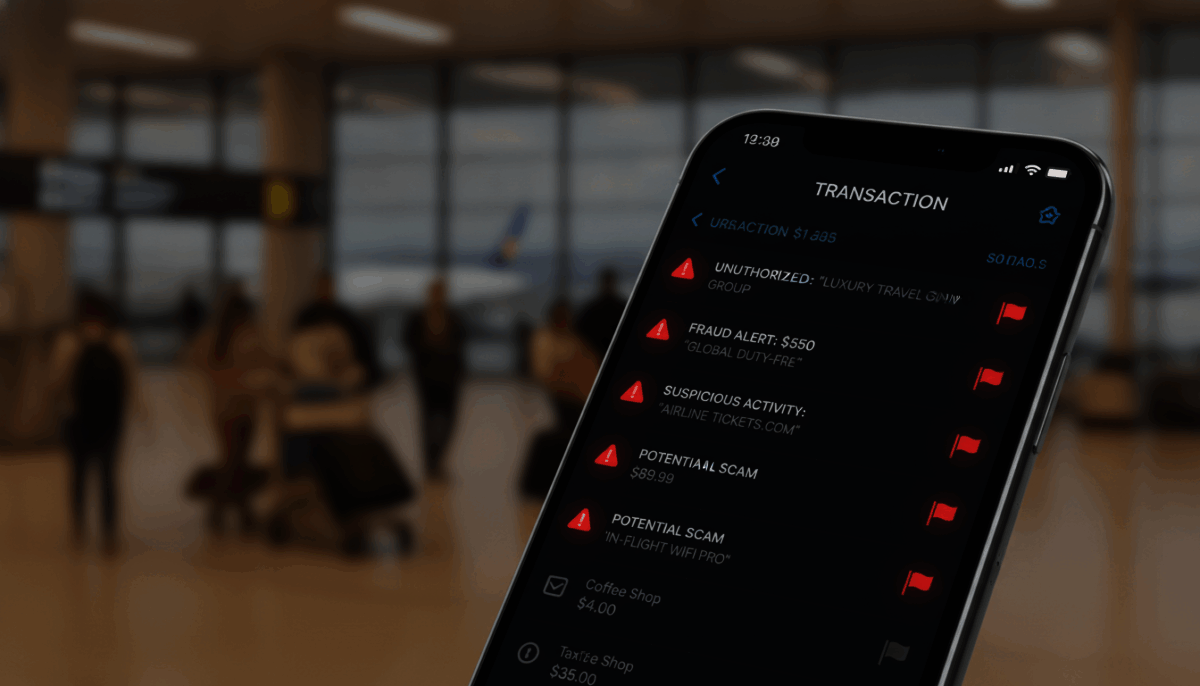
Looking back, the signs were always there, hidden behind ‘budgeting’ excuses and ‘financial planning’ meetings where I was the only one ever asked to cut back. Mark loved to talk about our ‘future,’ but that future always seemed to involve him having the best of everything while I settled for the leftovers. He called it ‘optimizing our assets,’ but it was really just financial control.
We had a joint account for ‘wedding expenses’ that he had slowly been siphoning into his personal account. I had been too busy with my residency to track every transaction, trusting him to manage our logistics as he had promised. I found out later that the ‘club fund’ had been growing for months, fueled by money I had set aside for our honeymoon flight upgrades and the venue deposit.
“I thought we were saving for a house, Mark. Why does your personal balance keep climbing while the venue deposit is still sitting at zero? Did you use the insurance money to cover the shortfall you created?”
— Me, during the initial confrontation
He didn’t answer directly. Instead, he tried to pivot, talking about how he had ‘invested’ the money in equipment that would hold its value. It was the same circular logic he used every time he did something selfish. He would make me feel like I was the unreasonable one for wanting to hold him accountable for a budget we had both agreed upon.
I remembered the time he ‘accidentally’ used my credit card for a golf tournament entry fee and promised to pay me back, only to claim he forgot three months later. I had laughed it off then, thinking it was a simple mistake. Now, standing in the middle of Terminal 4, those ‘simple mistakes’ formed a clear, damning narrative of a man who didn’t respect my boundaries or my money.
The realization was terrifying. I wasn’t just dealing with a fiancé who played too much golf; I was dealing with someone who was fundamentally incompatible with the concept of partnership. Every time I had brought up his spending, he had made me feel like I was nagging, or worse, that I was ‘controlling.’ The irony of him gaslighting me about my own money while actively stealing my safety was almost too much to bear.
I started checking the app on my phone, looking at the history of our shared accounts. The sheer number of micro-transactions to ‘Golf Galaxy’ and ‘Club Champion’ was sickening. He hadn’t just taken the insurance money; he had been systematically emptying our future, one transaction at a time, hiding it under ‘miscellaneous’ labels.
The Breaking Point at the Gate

The gate agent was waiting. Other passengers were starting to stare. Mark was still trying to salvage the situation, not by apologizing, but by telling me to ‘just get over it’ so we could make our flight. He truly believed that if he could just get me on that plane, he could sweet-talk his way out of the argument once we were in paradise.
“We are not getting on that plane, Mark,” I said, my voice cold. I felt a weird sense of calm settle over me. It was the calm of someone who had just realized they had successfully dodged a bullet. I reached into my bag and pulled out my passport. I wasn’t going to spend two weeks with a man who looked at me as a hurdle to his next luxury purchase.
“If you get on that plane, you are going alone. I am done. I’m done with the excuses, I’m done with the golf, and I am definitely done with you.”
— Me, at the boarding gate
He looked at me, genuinely shocked. He couldn’t believe I would actually walk away. In his world, he had all the power because he had the ‘financial control.’ He didn’t realize that the power had shifted the moment he canceled that policy. He had broken the contract, not just of the insurance, but of our relationship. He stood there, holding his boarding pass, looking like a child who had just been told he couldn’t have a toy.
The people around us had stopped moving. I heard someone behind me whisper, ‘Did he really just say that?’ I didn’t care. I turned around and started walking toward the exit. I didn’t look back to see if he was following. I didn’t care if he tried to call me or yell. I was focused on the exit, on the fresh air outside, and on the terrifying, beautiful reality that I was finally free.
He didn’t follow me. He stood at that counter, likely weighing the cost of the trip versus the ‘need’ to maintain the argument. I walked all the way to the taxi stand, my heart hammering in my chest. I felt like I had just run a marathon. When I finally sat in the back of the cab, I realized I hadn’t cried once. I was just profoundly, deeply relieved.
The Immediate Aftermath and the Family Group Chat
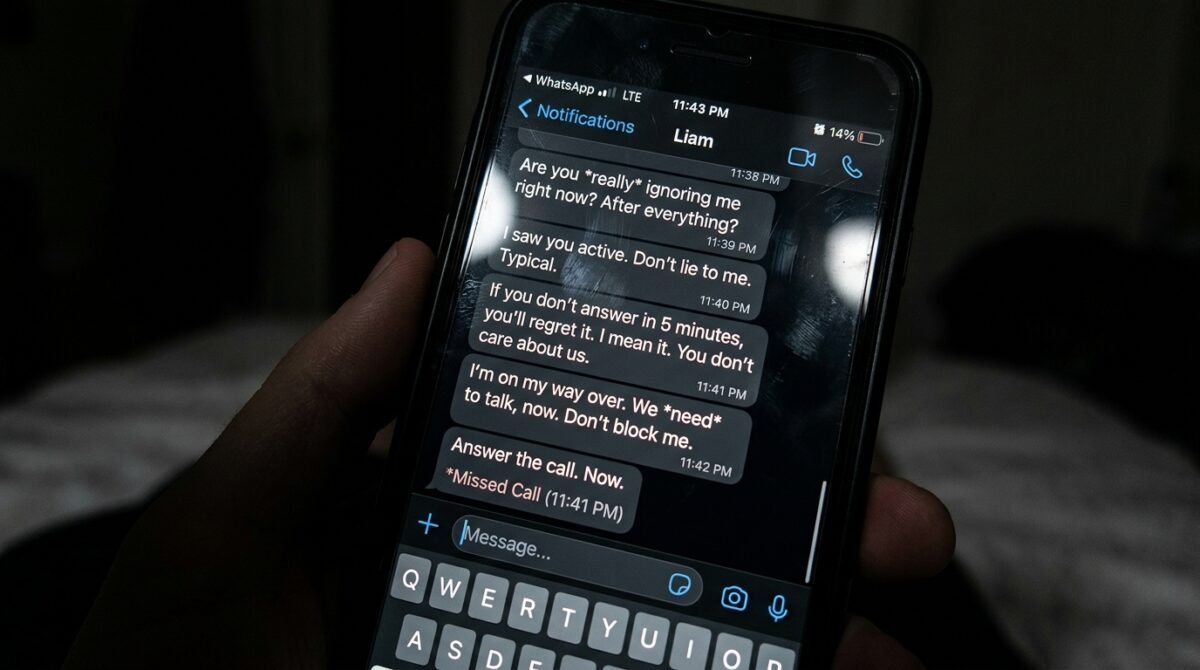
I didn’t even get home before my phone started blowing up. Mark had evidently gone to his parents, spinning a version of events where I was a ‘hysterical’ bride-to-be who had ruined a ‘perfectly planned’ vacation over a ‘minor misunderstanding.’ His mother, who had always been a bit too involved in our business, sent me a text message that set my blood boiling.
“Sarah, dear, Mark is absolutely heartbroken. He says you had a panic attack at the airport and left him there. You really need to stop this controlling behavior. He just wanted a relaxing trip. Please call him and sort this out before you do something you regret.”
— Mark’s Mother
I stared at the screen, my thumb hovering over the reply button. I had spent three years trying to please this woman, trying to be the perfect daughter-in-law, and this was the support I got. I realized then that the environment Mark grew up in made his behavior not only possible but expected. I wasn’t fighting Mark; I was fighting an entire philosophy of entitlement.
I sent a brief, clear reply. I didn’t want to get into a mud-slinging match, but I wanted the facts to be clear. I told her exactly what happened: the cancellation, the financial theft, and the blatant disregard for my safety. I told her that my ‘panic attack’ was actually a moment of clarity. I blocked her immediately after.
Then came the deluge of texts from Mark. He had moved from angry to pleading, claiming it was just a ‘mistake’ and that he would ‘refund’ the insurance money as soon as he got back. He offered to buy me a nicer gift to make up for it. It was the classic cycle of abuse: insult, deny, minimize, and then offer a cheap token to maintain control.
I didn’t respond to any of them. I started the process of documenting every single transaction I could find. I knew that leaving him was going to be complicated, but I also knew it was necessary. I didn’t just want out; I wanted to make sure he couldn’t do this to the next person. The silence from my end was the most powerful thing I could offer.
The Reddit Verdict: Validation or Villainy?

I posted my story on a throwaway account that evening, just to see if I was losing my mind. The response was immediate and overwhelming. I was honestly expecting a mixed bag, but the community was almost universally supportive of my decision to walk away. It was the first time I felt like I wasn’t the ‘crazy’ one.
“NTA. This isn’t about golf clubs. This is about a man who views your life and health as disposable collateral for his own comfort. He didn’t just cancel insurance; he canceled the trust that a marriage requires. Run and don’t look back.”
— u/RelationshipGuru (Top Comment, 32.4k upvotes)
The comments continued to pour in, many pointing out the legal and financial red flags I had been too close to the situation to see. People shared similar stories of ‘financial infidelity,’ a term I hadn’t even heard before. It turns out, this kind of behavior is a massive indicator of long-term abusive patterns. It wasn’t just a ‘bad day’ for Mark; it was a character flaw that would have inevitably destroyed our life together.
Some comments were even more practical. They urged me to secure my bank accounts, change my passwords, and prepare for the inevitable fight over the wedding deposits. One person even suggested I report the unauthorized transaction as fraud, which I hadn’t even considered. The community helped me turn my emotional turmoil into actionable steps.
Of course, there were a few ‘he’s just a guy’ comments, but they were quickly drowned out by hundreds of people explaining exactly why his actions were inexcusable. It was validating to see that the standard for how a partner should treat another person was much higher than what I had been settling for. I felt a sense of community that I had been missing for years.
Reading those comments wasn’t about seeking approval for my choice; it was about internalizing that I deserved better. I had spent so long apologizing for wanting basic decency that I had forgotten what it felt like to be treated with respect. The ‘Reddit verdict’ gave me the strength to follow through on my decision when I felt my resolve wavering.
The Financial Audit and the Ugly Truth

After the initial shock wore off, I spent the next three days doing a full audit of every cent we had ever shared. What I found was beyond ‘financial infidelity.’ It was a systematic draining of my savings. He had been using our ‘wedding fund’ as a personal slush fund for years, and he had been doing it with such finesse that I had been blind to it.
I made a spreadsheet. I listed every purchase he had made from the joint account that clearly wasn’t for ‘us.’ It was a long, painful list: thousands of dollars on equipment, entry fees, luxury golf apparel, and expensive ‘coaching’ sessions. He hadn’t just taken the insurance money; he had been stealing from my potential future since the day we moved in together.
I took the spreadsheet to a lawyer. I didn’t want to drag this out in court if I didn’t have to, but I wanted to know where I stood. The lawyer confirmed that while recovering the ‘miscellaneous’ money might be difficult, the insurance money was a clear-cut case of fraud and potentially theft. It was the leverage I needed to force a clean break.
“You need to make it clear that if he doesn’t sign the release forms and return the remaining wedding funds, you will be filing a police report for the fraudulent cancellation of the policy and the unauthorized access to the shared accounts.”
— My Attorney
The thought of sending that letter made me nervous, but it also made me feel powerful. For the first time in years, I was the one holding the cards. I wasn’t the ‘hysterical’ bride; I was a person protecting her interests. I realized then that my ‘kindness’ had been mistaken for weakness, and it was time to change that perception.
I sent the letter via registered mail. I included a detailed breakdown of the ‘stolen’ funds and a clear deadline for their return. I didn’t add any emotional fluff. I didn’t ask for apologies. I just stated the facts and the consequences. It was the most professional, cold communication I had ever had with him, and it was glorious.
The Confrontation at the Apartment

Mark came to the apartment while I was at work. He had a key, which was a huge mistake on my part. He didn’t come to talk; he came to ‘collect his things’ and, I suspect, to try and manipulate me into taking him back. He didn’t realize I had already changed the locks on the storage unit and moved my most valuable belongings to a friend’s place.
I came home to find him sitting on my couch, acting like nothing had happened. He had the audacity to ask if I had ‘calmed down’ yet. I didn’t even sit down. I told him he had ten minutes to pack his remaining clothes and leave, or I was calling the police to have him removed for trespassing. The look on his face was one of pure, unadulterated shock.
“You can’t just do this, Sarah! We’re getting married in three months! Think about the guests, the invitations, the deposits! You’re ruining everything because of a stupid insurance policy!”
— Mark
I laughed. I actually laughed. It was a cold, sharp sound that seemed to catch him off guard. I told him the only thing being ruined was the life he had built on a foundation of lies. I reminded him that I had already canceled the venue and the caterer. Everything was gone, and he was the one who had pulled the pin on the grenade.
He tried to argue, to minimize, to deflect, but I didn’t give him an inch. I stood by the door, watching him scramble to shove his things into a bag. He was a mess—sweating, stuttering, and looking like a shell of the man I thought I loved. Seeing him in that state, stripped of his bravado, made me realize how little there actually was to him when he couldn’t control the narrative.
When he finally left, slamming the door behind him, I didn’t feel sad. I felt like the air in the room was finally clear. I walked over to the closet, threw away the hangers he had left, and started the process of cleaning the space. It was the first night of the rest of my life, and I was finally alone in a room that was entirely my own.
The Aftermath of the Wedding Cancellations

The next few weeks were a blur of canceling vendors, explaining to confused family members, and dealing with the logistical nightmare of a broken engagement. It was exhausting, but it was also surprisingly cathartic. Every phone call I made to a vendor was a small victory—a reminder that I was taking charge of my own destiny.
Most of the vendors were understanding. Some, like the florist, had even dealt with this before. It was strange how many people were supportive once they heard the truth. There was no ‘he’s a good guy who made a mistake.’ There was just ‘I’m sorry you had to go through that.’ The validation was constant and helped me push through the shame I sometimes felt.
I had to deal with the inevitable questions from his side of the family. They were relentless, trying to get me to ‘reconsider’ and ‘talk it out.’ I eventually had to send out a mass email—cold, direct, and final—explaining that the relationship was over due to fundamental irreconcilable differences. I didn’t list the details; I didn’t owe them that.
“Please respect my privacy during this time. Mark and I are no longer together, and there will be no reconciliation. Any further inquiries will be ignored.”
— My final email to his extended family
It felt like a weight had been lifted off my shoulders. I wasn’t just ending a relationship; I was cutting ties with an entire support system that enabled his behavior. It was lonely, yes, but it was a healthy, necessary kind of lonely. I used the time to reconnect with my own friends and family, people who had been sidelined while I was ‘building a future’ with Mark.
I learned that I was stronger than I had ever given myself credit for. I could handle the disappointment, the awkwardness, and the fallout. I wasn’t the broken, fragile thing I thought I would be. I was a person who had survived a major life disruption and come out the other side, battle-scarred but intact.
The New Normal: Reclaiming My Space

Three months later, I’m in a different place—both literally and metaphorically. I moved to a new apartment, one that doesn’t have the memories of our ‘future’ attached to every corner. It’s smaller, but it’s mine. I don’t have to worry about my accounts being drained or my safety being compromised. I have a new hobby: learning to cook complex meals, something I never had the time for because I was too busy managing our ‘joint’ life.
I still have days where I feel a flash of anger, especially when I see a golf course or an advertisement for luxury travel. But the anger is fading. It’s being replaced by a sense of indifference. He’s just a person who walked through my life and left a mess I had to clean up. The most important thing is that he’s gone.
I’ve also started seeing a therapist. It’s been incredibly helpful to unpack why I stayed as long as I did. We’ve talked a lot about boundary setting and the importance of recognizing the difference between ‘partnership’ and ‘management.’ It’s a work in progress, but for the first time in years, I’m excited about my own future, not just the one I was supposed to have with someone else.
“The most important lesson wasn’t about the money. It was about realizing that I deserve to be with someone who considers my well-being as essential as their own hobby. Anything less is a compromise I’m not willing to make again.”
— My journal, entry from last week
I don’t look at his social media, and I don’t ask friends for updates. I’ve heard rumors that he’s having trouble paying for his ‘lifestyle’ now that he doesn’t have my income to siphon off. It sounds petty, but hearing that he’s finally facing the consequences of his own choices is deeply satisfying. It’s proof that my decision to leave wasn’t just right for me; it was the only reality-based outcome.
I’m finally in a place where I can look back at the airport terminal scene and not feel a crushing weight of regret. I see it as the moment I finally woke up. I see it as a gift. I paid a high price for my freedom, but looking at my life today, I know it was the best bargain I ever made.
Reflections on Financial Infidelity and Trust

If there’s one thing this experience taught me, it’s that money is never just about money. It’s about values. It’s about how we see each other. When someone treats your hard-earned income—and your personal safety—as something they can manipulate for their own gain, they aren’t just being selfish. They are violating the basic contract of a committed relationship.
I think back to the ‘budgeting’ meetings we used to have, and how I always felt a sense of dread. Now I know why. It was my intuition telling me that the person across the table wasn’t looking at us as a team. He was looking for ways to extract value for himself. It’s a painful realization, but it’s an essential one. You cannot build a foundation on someone who is constantly mining it for their own benefit.
Trust isn’t just about not cheating. It’s about transparency. It’s about being able to assume that your partner has your back, even when you aren’t looking. If you have to spend your energy ‘policing’ your partner’s spending, you aren’t in a relationship; you’re in a hostage situation. And the sooner you realize that, the sooner you can start planning your exit.
“I used to think that love was about sacrifice. I was wrong. Love is about mutual support. If your version of ‘sacrifice’ means you’re always the one giving and they’re always the one taking, that’s not love. That’s an extraction.”
— Reflection from my support group
I hope my story serves as a reminder to anyone out there who is feeling ‘crazy’ for questioning their partner’s financial habits. You aren’t crazy. You aren’t being controlling. You are noticing a pattern that is designed to keep you in the dark. Trust your gut. If the numbers don’t add up, if the excuses feel circular, and if you feel like you’re losing your sense of self, listen to that feeling.
I’m not saying everyone should walk away at the first sign of a disagreement. But when the fundamental values are compromised, when the trust is shattered in a way that can’t be repaired by a conversation or an apology, you have to be prepared to walk. You are worth more than a set of clubs, a vacation, or a life built on someone else’s terms.
Conclusion
In the end, I didn’t lose a fiancé. I lost a weight. The process of untangling my life from Mark’s was agonizing, but it revealed a version of myself that I had forgotten—a version that is resilient, independent, and clear-eyed. I learned that my self-worth isn’t defined by my relationship status, but by the integrity I maintain in the face of betrayal.
I am now completely focused on my career and my personal growth. I have reclaimed my finances, my time, and most importantly, my peace of mind. I no longer have to worry about ‘hidden’ transactions or the gaslighting that came with them. I have learned to set boundaries that protect me, and I’ve realized that the right person will respect those boundaries without question.
The story of the airport check-in counter will always be a part of my past, but it no longer defines my present. It was a catalyst for a necessary transformation. I hope that sharing this helps even one person realize that they don’t have to accept less than they deserve. You are the architect of your own life—don’t let someone else tear down the walls while you’re busy trying to decorate.
What about you? Have you ever had a moment of ‘clarity’ that changed the trajectory of your relationship? Have you ever discovered that a partner’s ‘small’ habit was actually a symptom of a much larger, darker issue? Let’s talk about it in the comments below.
What's your verdict on this dilemma?
Vote below to contribute to the official community consensus.

Have a Dilemma Keeping You Up at Night?
Share your real-life feud, wedding chaos, or relationship crossroads anonymously with our editorial team.
What do you think ?
0 Comments🛡️ Comments are moderated to protect community integrity. Your comment will appear once approved by the editorial team.