
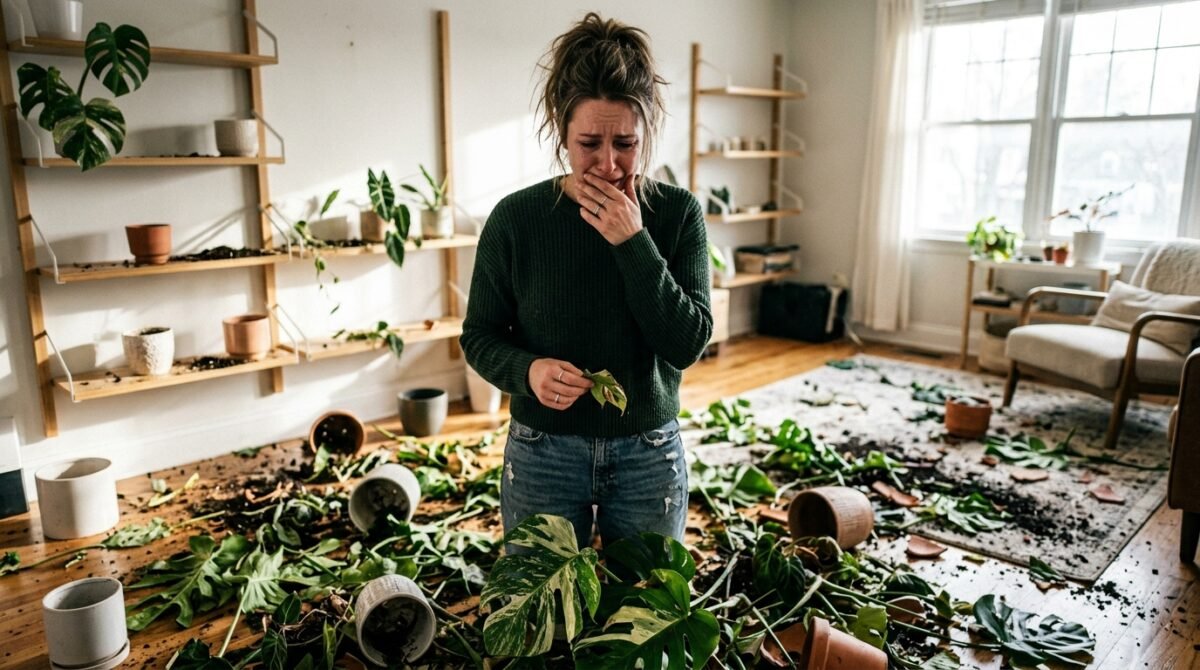
I have spent the better part of my adult life cultivating a living, breathing jungle within the confines of my two-bedroom apartment. These weren’t just decorative ferns or grocery store succulents; they were rare, imported specimens—Philodendron spiritus-sancti, variegated Monstera adansonii, and a collection of Anthuriums that had taken years of precise humidity control and light-cycling to thrive. To me, they were my pride, my solace, and a significant financial investment.
My roommate, Sarah, was a self-proclaimed ‘entrepreneur’ with a rotating door of get-rich-quick schemes. From drop-shipping crystals to selling custom-painted sneakers, she never quite found her footing. I thought I knew her well enough to trust her when she moved in, but I drastically underestimated her complete lack of respect for the boundaries of my personal property and her startlingly misguided ambition.
The moral dilemma here wasn’t just about the plants. It was about the audacity of someone looking at a living, decade-long project and seeing nothing but raw materials for their next half-baked commercial endeavor. When I returned home that Tuesday, I didn’t find my living room; I found a crime scene of clipped stems, stripped bark, and a blender filled with the pulverized remains of my most prized possession.
This is the story of how a peaceful living arrangement turned into a nightmare of betrayal, broken trust, and the inevitable, cold-blooded decision to issue an eviction notice. It serves as a reminder that some people will look at your life’s work and wonder only how much they can sell it for, regardless of the cost to your soul.
The Morning of the Great Botanical Heist
It started as a typical Tuesday. I left for work at 8:00 AM, having spent the previous night carefully misting my Anthurium warocqueanum. The apartment was peaceful, filled with the soft hum of the humidifier and the gentle filtered light streaming through the south-facing windows. I had no reason to suspect that my sanctuary was about to be violated.
Sarah had been talking about her new ‘natural skincare line’ for weeks. She called it ‘Earth Soul Extracts.’ She was constantly asking for tips on essential oils, but I never imagined she would look at my climate-controlled plant collection and see a pharmacy. She thought she was being innovative; I was about to find out she was being destructive.
Throughout the day, I received a few strange texts from her. They were innocuous enough, or so I thought. She asked if I kept ‘logs’ of my plant growth and if I knew which leaves were ‘the most nutrient dense.’ I assumed she was just curious about gardening, not planning a harvest.
Sarah: Hey, are you sure the Monstera is okay to prune? Like, does it grow back if you take, like, seventy percent of the foliage?
Me: Absolutely not. Do not touch my plants. That is not how tropical plants work.
Sarah: Haha, relax! I was just kidding. I’m just practicing my aromatherapy blending. Don’t worry so much.
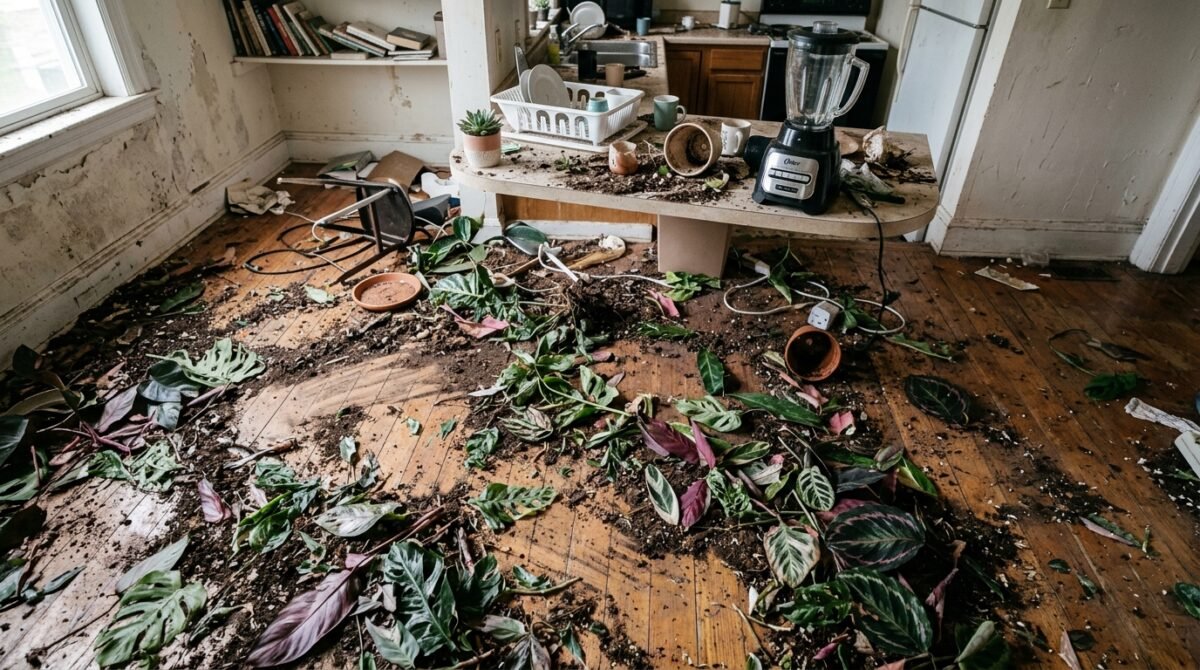
When I arrived home at 5:30 PM, the smell hit me first. It wasn’t the fresh, earthy scent of a healthy plant room. It was the sharp, cloying smell of crushed sap and chemical-smelling essential oils. I dropped my keys, my heart sinking into my stomach as I walked toward the living room.
The sight that greeted me was sickening. My Philodendron spiritus-sancti, a plant I had waited two years to acquire, was stripped bare. Only the central stalk remained. Pots were overturned, soil was tracked across the hardwood floor, and a commercial blender sat on the kitchen island, filled with a green, frothy slurry that I realized with horror was the remnants of my collection.
The Entrepreneurial ‘Vision’ Under Scrutiny

I didn’t scream. I went cold. I walked into the kitchen, my hands trembling as I picked up the blender. The sheer volume of material in there represented hundreds, if not thousands, of dollars of rare botanical specimens. Sarah was sitting on the couch, surrounded by glass jars and shipping labels, looking like she was in the middle of a ‘packaging party.’
She looked up with a wide, manic grin, oblivious to the fact that I was moments away from a total mental collapse. She gestured to the jars with pride, completely failing to register the devastation in the room behind her. She seemed to genuinely believe that what she had done was an act of collaboration, not theft.
Me: Sarah. What. Is. This?
Sarah: Oh my god, you’re home! You have to smell this. I finally figured out the secret ingredient for the ‘Renewal Balm.’ It’s the sap from those big green ones you have. It’s supposed to be incredible for anti-aging!
Me: You destroyed my collection for a skincare balm? You ruined a plant that is worth three thousand dollars, Sarah. You didn’t ‘figure out’ a secret ingredient, you committed criminal property damage.
Sarah: Don’t be so dramatic! They grow back, don’t they? It’s just greenery. Plus, I already have three orders on Etsy. You should be happy I’m finally making money.
The audacity was breathtaking. She genuinely believed that her lack of financial success in the past justified her taking liberties with my property. She looked at me with genuine confusion, as if my anger was an unreasonable reaction to her ‘entrepreneurial spirit.’ It was clear then that we were not operating on the same plane of reality.
I stood there, the blender heavy in my hands, realizing that she had no concept of ownership or boundaries. To her, the world was a resource to be exploited, and I was just a roommate standing in the way of her next viral product. The silence between us stretched, heavy with the weight of her ignorance and my absolute, simmering rage.
The Financial Breakdown of a Disaster
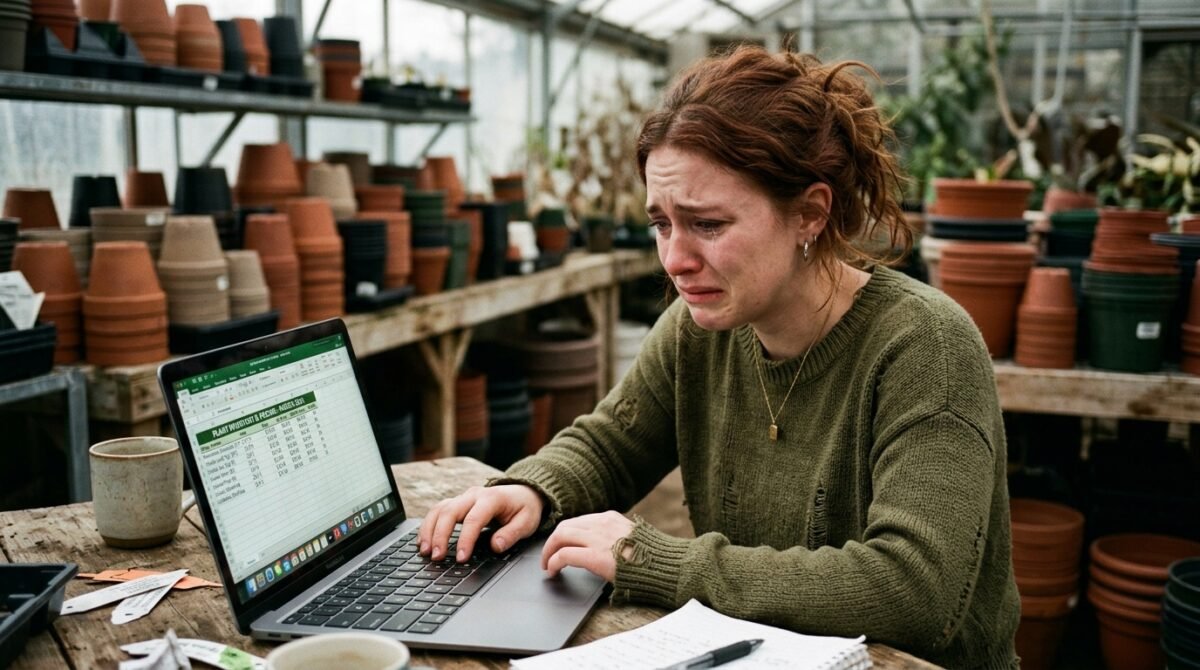
I sat down at the dining table and pulled out my tablet. I needed to document exactly what had been destroyed. It wasn’t just about the emotional loss; it was about the cold, hard currency. I had a spreadsheet for my plant maintenance, including purchase prices and market value for mature specimens.
I began to list them out. The Philodendron spiritus-sancti, the variegated Monstera, the rare Anthuriums. I tallied the shipping costs, the imported soil mixes, and the specialized fertilizers. The number quickly climbed past the six-thousand-dollar mark, and I hadn’t even finished cataloging the damage to the smaller, starter plants.
| Plant Species | Age | Replacement Cost |
|---|---|---|
| Philodendron spiritus-sancti | 3 years | $3,200 |
| Variegated Monstera adansonii | 2 years | $1,500 |
| Anthurium warocqueanum | 4 years | $1,200 |
| Various Starter Cuttings | N/A | $450 |
The table looked sparse. The green, vibrant life that usually dominated the room was gone, replaced by empty, sad-looking ceramic pots. I felt a hollow ache in my chest. These plants weren’t just aesthetic choices; they were the markers of my progress over the last several years. Each one represented a milestone, a lesson in patience, and a bit of joy in a busy life.
Sarah hovered in the doorway, still trying to justify her actions. She kept bringing up the ‘potential profit margins’ of her balm, as if that would somehow retroactively make the destruction of my property okay. She was so blinded by the prospect of a few hundred dollars in sales that she couldn’t see the thousands of dollars in ruin she had caused.
I didn’t engage with her excuses. I just kept typing, my fingers flying across the keys as I documented the loss. I felt like a forensic accountant for a crime that was committed in my own living room. Every item I added to the list felt like another nail in the coffin of our living arrangement.
The Midnight Notice of Eviction
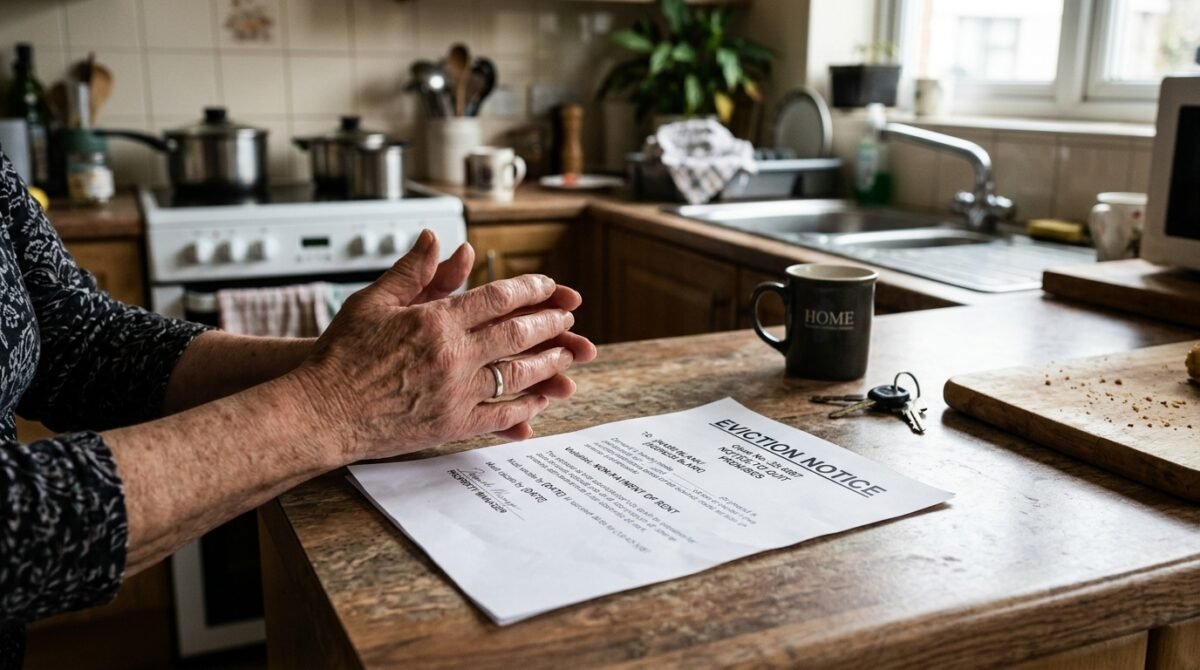
By midnight, I had drafted the letter. It was formal, cold, and legally sound. I had done my research—I knew the local tenant laws, the notice periods, and the requirements for lease termination. I printed it out, the sound of the printer feeling incredibly loud in the quiet apartment.
I walked into the kitchen where Sarah was still obsessively labeling her jars. I laid the paper on the counter. She didn’t look up initially, humming to a podcast, still basking in the glow of her ‘business success.’ I had to clear my throat twice before she finally stopped.
Me: Read it, Sarah. You have thirty days to vacate the premises. I will be withholding your portion of the rent for the last month to cover the cost of the damages, and if you aren’t gone by the first, I will be filing for a formal eviction.
Sarah: Are you kidding? You can’t just evict me! We’re friends! I was trying to start a business! You’re being so toxic right now.
Me: You destroyed property worth over six thousand dollars. You are no longer a roommate; you are a liability. I am not your friend, and I am certainly not your business incubator.
She turned white as she read the letter. The reality was finally setting in. She tried to argue, to play the victim, to frame it as a ‘mistake’ that I was ‘overreacting’ to. But the more she talked, the more I realized how little she respected me as a person, let alone as a landlord/roommate.
I walked to my room and locked the door. I could hear her pacing in the kitchen, making phone calls, probably trying to find someone to validate her narrative. It didn’t matter. The decision was made. The contract was clear, and the moral high ground was entirely mine.
The Internet Weighs In on the Chaos

I didn’t share the story with friends at first. I was too embarrassed and too angry. But after a week of Sarah trying to guilt-trip me and ‘borrow’ money for her business, I went to Reddit to seek some perspective. I posted in a popular subreddit dedicated to roommate horror stories, keeping the details specific.
The response was overwhelming. Within hours, the post had thousands of upvotes and hundreds of comments. The community was absolutely livid on my behalf. It was strange to see strangers defending my plants, articulating exactly why what she did was so egregious.
“This isn’t just about plants. It’s about a complete and utter lack of boundaries. She literally cannibalized your property to fund her delusions. NTA, and honestly, you should be suing her in small claims court for the remainder.”
— u/PlantParentPro (Top Comment, 32.1k upvotes)
Others shared similar stories of people thinking they could use their friends’ belongings for their own gain. It was validating to know that I wasn’t being ‘dramatic.’ The consensus was clear: Sarah was a toxic roommate who had crossed a line that most people would never even consider approaching.
Some users gave me solid legal advice, suggesting I take photos of everything, keep all communication in writing, and change the locks the moment she moved out. It was comforting to have a community stand behind me when I felt so isolated in my own home.
The Unfolding of the ‘Business’ Failure
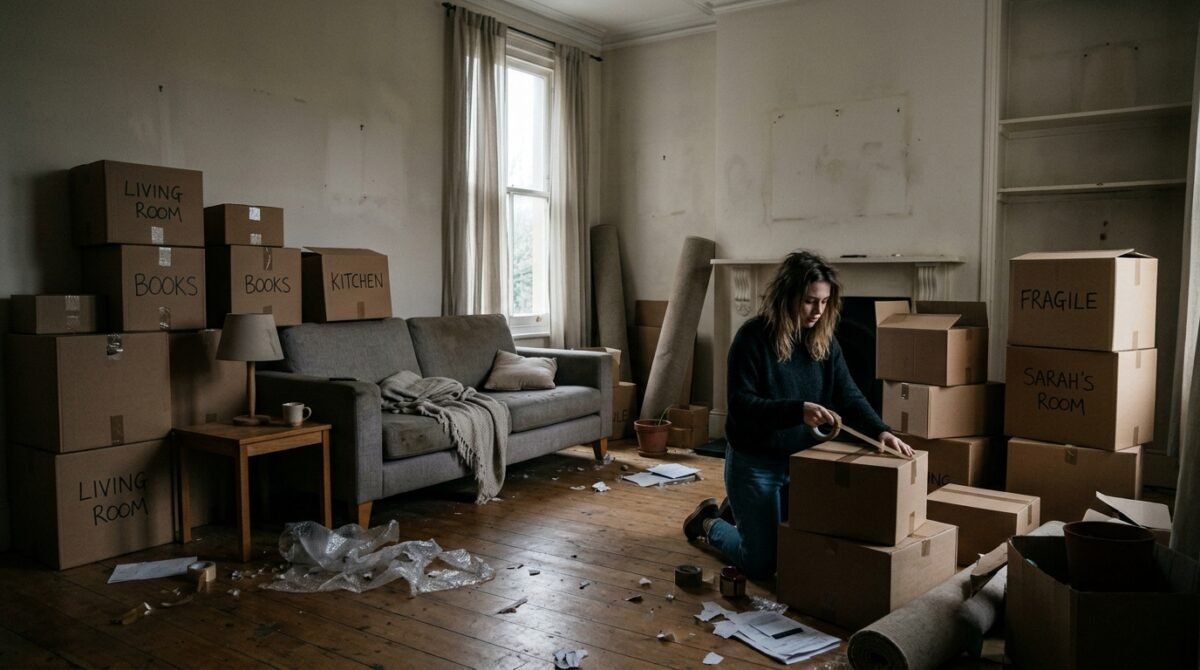
As the thirty-day notice period ticked down, Sarah’s ‘business’ began to crumble. Turns out, people don’t really want to buy ‘botanical balms’ that are made of mystery plant matter and cheap essential oils. She started receiving complaints, and her Etsy shop was flagged for copyright issues regarding her product names.
She was spiraling, and it was becoming increasingly difficult to share space with her. She would blast music at 3 AM to ‘de-stress,’ or leave her failed prototypes sitting on the kitchen table, creating a sticky, foul-smelling mess. I spent most of my time in my room, counting down the days until she was gone.
The irony was palpable. She had destroyed thousands of dollars of my property to start a business that netted her less than fifty dollars. She was so convinced of her own brilliance that she couldn’t see the disaster she had created on every level—personal, financial, and professional.
I remained firm. Every time she tried to negotiate or ask for an extension, I simply pointed to the empty pots in the living room. I didn’t need to argue. The evidence of her failure was right there in front of us, a constant reminder of why she had to go.
The Final Confrontation
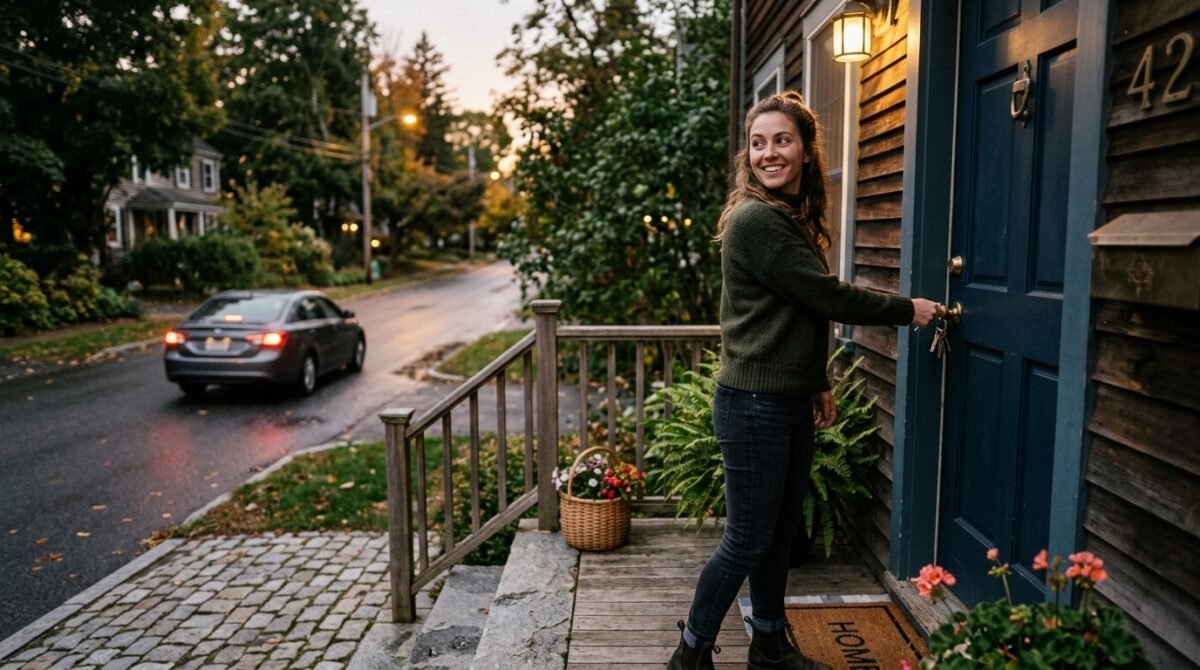
Moving day was tense. Sarah was frantic, trying to pack her belongings while still insisting that I was the one in the wrong. She kept trying to justify her actions, even as she was loading her failed product inventory into her car. It was the most bizarre, delusional performance I had ever witnessed.
Sarah: You know, if you had just supported me, this could have been a huge success. We could have been partners. You’re just too scared to take risks.
Me: Taking risks with my own property is one thing, Sarah. Taking risks with *my* property, without my permission, is theft. There is a difference.
Sarah: You’re never going to get anywhere with that attitude. You’ll be stuck in this apartment forever, surrounded by your silly little leaves.
I didn’t answer. I just held the door open, watching as she hauled her last box of sticky, failed balms out the door. When she finally drove away, the silence that filled the apartment was the most beautiful thing I had ever experienced. It was the sound of my life returning to my own control.
I immediately changed the locks. I didn’t care if it was excessive. I needed to ensure that she could never return, never feel entitled to my space again. The relief that washed over me was physical, a literal weight lifting off my shoulders.
Cleaning the Scars of the Sanctuary
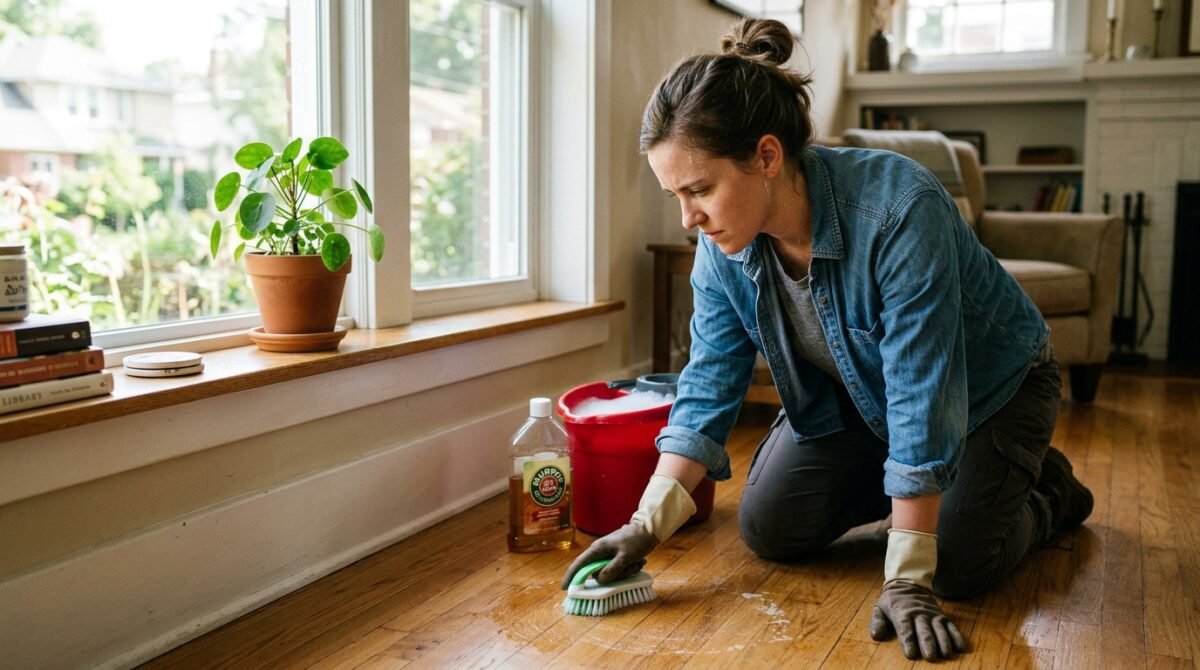
The next few days were spent cleaning. I threw away the jars, the sticky residue, and the remaining ruined plants. It was a somber process, almost like a funeral for the collection I had cultivated over so many years. I felt a deep sadness, but also a sense of renewal.
I scrubbed the floors until they shone. I washed the walls to remove the scent of the essential oils. I wanted every trace of her presence to be erased. I wanted my space back to being a sanctuary, not a scene of conflict and betrayal.
I started small. I bought a single, hardy Philodendron to start the process over. It wasn’t the same, and it would take years to reach the level of the ones I had lost, but it was a start. It was a symbol of my resilience, a promise to myself that I wouldn’t let her destruction define my life.
I also began to look into how I could better protect my home in the future. I started installing smart sensors and keeping a tighter inventory. The experience had taught me a hard lesson: trust is a privilege, not a default state, especially when it comes to shared living spaces.
The Aftermath: Legal and Emotional Recovery
Even after she was gone, the legal battles weren’t entirely over. I had to deal with the fallout of the damages and ensure she didn’t try to contest the security deposit I had rightfully withheld. I gathered all my evidence—the photos, the receipts, the messages—and prepared for a potential small claims case.
Emotionally, I was still processing the betrayal. It was hard to reconcile the person I thought I knew with the person who had so casually destroyed my property. It was a stark reminder that we never truly know what someone is capable of until they are tested by their own greed and desperation.
I started seeing a therapist to deal with the lingering anxiety of the situation. It wasn’t just about the plants; it was about the violation of my space and the feeling of being gaslighted for weeks. It was a journey of re-learning how to set boundaries and how to trust my own judgment again.
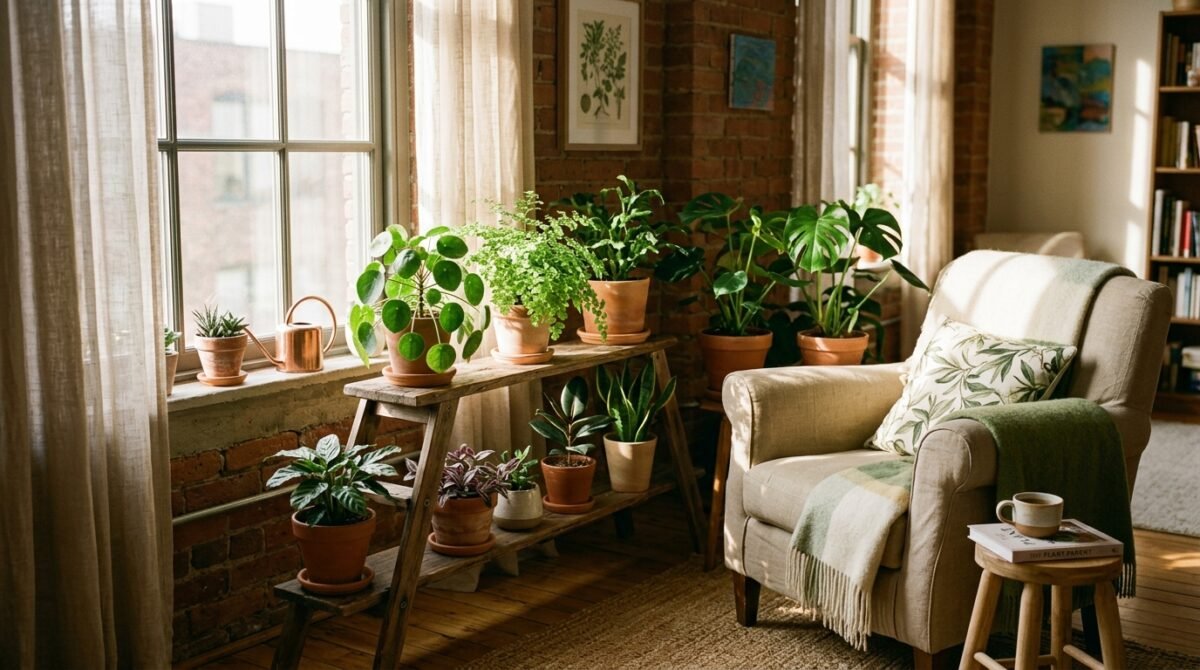
I found peace in the slow growth of my new plants. They were silent, steady, and wouldn’t betray me. They grew at their own pace, and in that slow, quiet process, I found the healing I needed to move forward from the wreckage Sarah had left behind.
Lessons Learned in the Jungle

Looking back, the destruction of my plants was the wake-up call I didn’t know I needed. I had been too accommodating, too trusting, and too focused on keeping the peace rather than enforcing my boundaries. I realized that my kindness was often mistaken for weakness, and that I needed to be more protective of my life and my happiness.
I learned that you can’t save someone from themselves, especially when they are committed to their own destruction. Sarah was a cautionary tale, a lesson in what happens when ambition is untethered from ethics and reality. I am grateful for the lesson, even if the price was steep.
I am now more discerning about who I let into my space. I have stricter rules, clearer expectations, and a much lower tolerance for boundary-crossing behavior. My home is once again a sanctuary, and I intend to keep it that way, no matter what or who tries to threaten its peace.
I also realized that I am much stronger than I thought. I navigated the eviction process, handled the social fallout, and began the process of rebuilding from scratch. I am a survivor, a gardener, and a person who knows the true value of what they have.
Conclusion
In the end, my apartment is green again. It isn’t the same jungle it once was, and it will take a long time to return to its former glory, but it is mine. It is a space of peace, growth, and boundaries. Sarah is long gone, living her own chaotic life elsewhere, likely moving on to the next get-rich-quick scheme that will inevitably fail.
The moral of this story is simple: your boundaries are not negotiable, and your life’s work is not a commodity for others to exploit. When you find yourself in a situation where someone else’s ‘ambition’ comes at the cost of your peace, it is time to reassess your living arrangement. Don’t be afraid to be the bad guy in someone else’s story if it means being the hero of your own.
What do you think? Have you ever had a roommate who crossed an unforgivable boundary? Did you handle it with a formal eviction or a confrontation? Let’s discuss in the comments below. Was I too harsh, or did I do exactly what was necessary to protect my sanctuary?
What's your verdict on this dilemma?
Vote below to contribute to the official community consensus.

Have a Dilemma Keeping You Up at Night?
Share your real-life feud, wedding chaos, or relationship crossroads anonymously with our editorial team.
What do you think ?
0 Comments🛡️ Comments are moderated to protect community integrity. Your comment will appear once approved by the editorial team.