
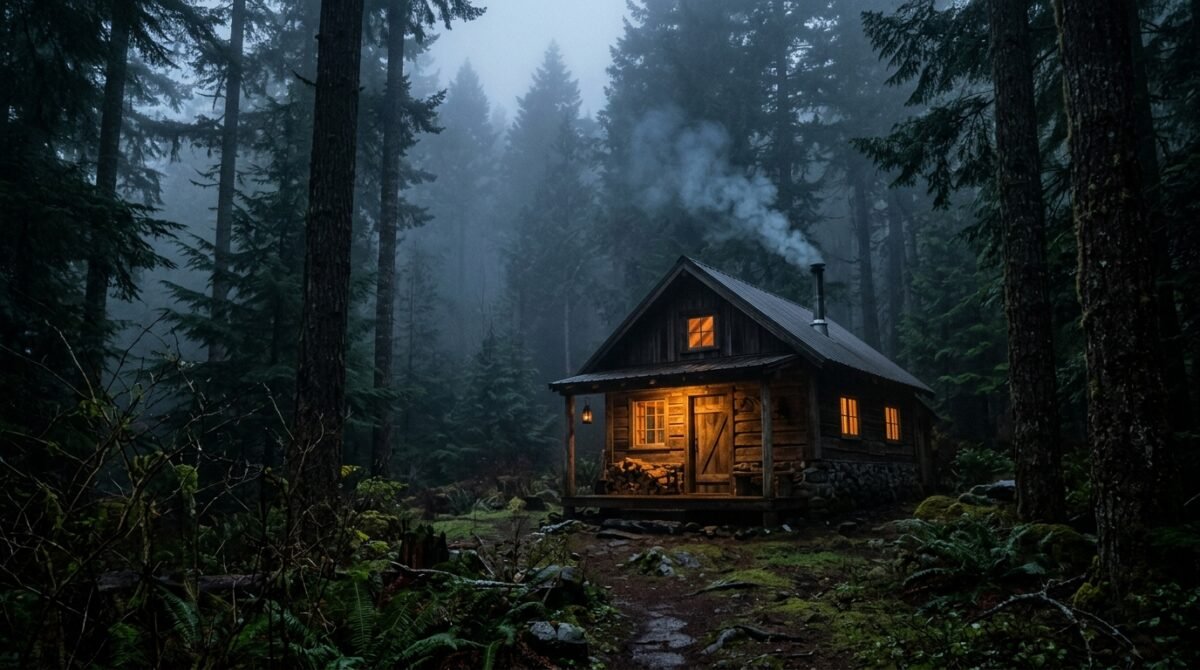
When my grandfather passed away, he left me his pride and joy: a modest, hand-built cabin tucked away in the deep woods of the Pacific Northwest. It was his sanctuary, a place where he spent his retirement carving wood and watching the deer graze near the creek. He didn’t leave it to my step-siblings or my mother; he left it to me, specifically citing my love for the solitude of the woods. I didn’t realize then that his act of kindness would become the catalyst for the most explosive, bridge-burning conflict of my entire life.
For the first few months, the cabin was a place of healing. I spent my weekends fixing the leaky roof and refinishing the oak floors, treating the property with the reverence it deserved. My step-siblings, who had never expressed an interest in the cabin while Grandfather was alive, suddenly developed a profound ’emotional attachment’ to the place once the deed was in my name. The transition from respectful visitors to entitled occupants happened with terrifying speed, setting the stage for a summer of resentment.
The dilemma wasn’t just about the space; it was about the lack of respect for my ownership. They viewed the cabin as a free resort—a place to hold loud parties, bring unvetted friends, and ignore the maintenance costs that I was paying out of pocket. When I finally decided to formalize the arrangement with a modest rental fee to cover utilities and insurance, the reaction wasn’t just shock—it was a full-scale declaration of war against my boundaries.
This is the story of how a house meant for peace became the site of a family fracture. It involves leaked group chats, passive-aggressive emails, and the heartbreaking realization that some people will never see you as an equal, even when you own the roof over their heads. Read on as we unravel the layers of entitlement that led to the ultimate, silent dinner table showdown.
The Sudden Discovery of Sentimental Value
It started with a casual text from my step-sister, Chloe, just three weeks after the funeral. She hadn’t visited the property in five years, yet suddenly she was ‘longing’ for the peace of the creek. I was naive enough to believe she wanted to reconnect with the space that meant so much to our grandfather. I agreed to let her come up for a weekend, assuming it would be a quiet retreat. I was wrong.
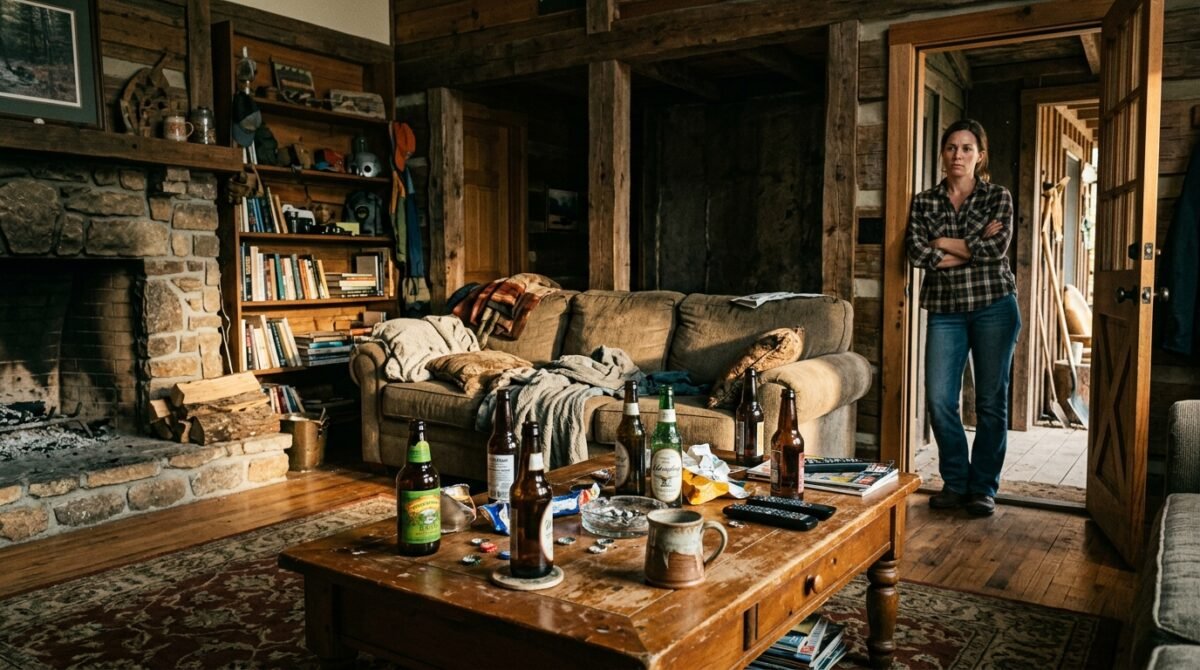
When I arrived to check on the property on Sunday evening, the scene was unrecognizable. Beer cans were strewn across the front porch, the fireplace was choked with damp wood that had filled the living room with soot, and the quiet woods were still ringing with the echo of a weekend-long rager. Chloe hadn’t just come for a retreat; she had brought six of her college friends, all of whom treated the cabin like a low-rent Airbnb they didn’t have to pay for.
I walked into the kitchen to find the counter covered in sticky residue and a broken wine glass in the sink. Chloe was lounging on the sofa, looking entirely unbothered as she scrolled through her phone. The entitlement was thick in the air, stifling the memory of the man who built this place with his own two hands. I realized then that my kindness was being interpreted as weakness, a fatal error in our family dynamic.
“I thought you were just coming up for the weekend to have some quiet time, Chloe. What happened to the house?”
— Me, confronting the mess
“Don’t be such a buzzkill. It’s a cabin, it’s supposed to be lived in. Besides, Grandpa would have wanted us to enjoy it, right? It’s family property.”
— Chloe, responding with a shrug
The phrase ‘family property’ hit me like a physical blow. It was the justification for every boundary violation to come. She genuinely believed that because we shared a family tree, she was entitled to the legal assets I had inherited solely. The confrontation that followed was short, but it marked the beginning of a cold war that would eventually spill over into the rest of the family.
The Midnight Group Chat Exposure

The fallout from that weekend didn’t end with a cleanup. Later that week, I was added to a group chat I wasn’t supposed to see—an ‘oops’ addition by a cousin who thought I was already in the loop. The messages were eye-opening. They weren’t just complaining about me; they were actively planning how to seize the cabin for their summer plans, discussing how to ‘work around’ my ownership.
The messages revealed a level of arrogance I hadn’t anticipated. My step-brother, Mark, was the ringleader. He was suggesting that they simply ‘take the spare key’ I had hidden in the shed—a secret I thought was safe. They were planning a series of summer events, treating the cabin like a communal asset. The language they used was dismissive, treating me not as the owner, but as the ‘landlord they could bully’ into submission.
“Just ignore OP’s lecture about the fireplace. We’ll go up next weekend regardless. It’s not like they can legally evict us, we’re family. If they push back, we just tell Mom they’re being selfish and gatekeeping.”
— Mark, in the family group chat
Reading those words felt like a betrayal of the highest order. It wasn’t just about the cabin anymore; it was about the lack of respect for my autonomy. I sat in my room for hours, staring at the screen, watching as they organized ‘the summer takeover.’ I realized that if I didn’t set a hard boundary now, I would lose the property to neglect and drama within a year.
I took screenshots of everything. I needed evidence, not because I wanted to start a fight, but because I knew they would gaslight me the moment I confronted them. The strategy was clear: I had to professionalize the relationship. If they wanted to use the cabin like a business, then I would treat them like a business.
The next day, I changed the locks. It felt drastic, but the alternative—letting them walk all over me—wasn’t an option. I felt a strange, cold clarity. I wasn’t being mean; I was being an owner. And for the first time in my life, I felt like I was in control of my own legacy.
The Rental Agreement Ultimatum

The confrontation came on a Tuesday. I invited my step-siblings to a local coffee shop—neutral ground—and laid out a printed document. It was a formal rental agreement. Nothing crazy, just a standard fee that covered the insurance, property taxes, and the cleaning service I now had to hire after every visit. The look on their faces was priceless; they were expecting me to apologize for the locks, not to present them with a contract.
I explained the logic as calmly as possible. I pointed out that owning a home wasn’t just about having the keys; it was about the financial burden of maintenance. I gave them a breakdown of the costs: property tax, insurance, utility bills, and the inevitable wear and tear. I made it clear that if they wanted to use the space, they had to contribute to its survival. They looked at the paper as if it were a declaration of war.
“You’re charging us? We’re your step-siblings! This is disgusting. You’re turning Grandpa’s legacy into a cash grab. How can you be this greedy?”
— Chloe, slamming the agreement on the table
The irony was suffocating. She called me greedy while demanding free access to thousands of dollars worth of property maintenance. I didn’t get angry; I just stared at her. I realized then that they didn’t value the cabin; they valued the convenience of it. They didn’t care about my financial health; they cared about their own entitlement.
I told them the terms were non-negotiable. Either they paid the usage fee, or they didn’t get the new keys. Mark tried to argue, claiming I didn’t have the right to ‘manage’ the family estate this way. I corrected him: it wasn’t a family estate. It was my house. The distinction seemed to baffle them, as if the reality of the deed was a foreign concept.
The meeting ended in silence. They walked out, leaving the document sitting on the table, crumpled. They thought I would cave. They thought that by ignoring me, they could force me into submission. But they were operating on a set of assumptions that no longer held any power over me. The war had officially moved from the group chat to the real world.
The Fallout: When the Family Takes Sides

By the following weekend, the entire family had been pulled into the fray. My mother called me in tears, claiming I was ‘tearing the family apart’ over a house. She didn’t want to hear about the beer cans or the broken glass; she wanted to hear that I had apologized and ‘made things right’ by giving them the keys. The pressure was immense, but I held my ground.
It’s fascinating how quickly family members who haven’t spoken to you in months suddenly appear to offer ‘advice’ on your moral failings. I received a barrage of texts from aunts and cousins I hadn’t seen since the funeral, all echoing the same sentiment: I was being petty. They didn’t see the reality of the situation; they saw a sanitized version of the story where I was the villain keeping the kids out of the sandbox.
“I don’t care if you think you’re right. Family is about sharing. Just give them the keys and move on. You’re making yourself look like a complete monster over a few dollars.”
— A text from my Aunt Sarah
I started replying to everyone with the same link to the photos I took of the cabin after the first weekend. Most people stopped responding once they saw the damage. It’s hard to call someone ‘petty’ when the evidence of the destruction is staring you in the face. But a few, like Mark, doubled down. He started telling everyone that I had ‘forced’ the mess to happen just to make them look bad.
The stress was starting to affect my health. I found myself checking my phone every five minutes, anticipating the next accusatory message. I realized that my need for validation from these people was actually a trap. They were never going to see my side because they didn’t want to; they wanted the status quo where I paid the bills and they had all the fun.
I decided to stop explaining myself. I stopped responding to the family group chats. I set my mother’s messages to silent. I went to the cabin, alone, and spent the entire weekend just sitting on the porch, listening to the wind in the trees. It was the first time I felt like the owner of the house in the truest sense of the word. I wasn’t just holding the deed; I was holding my own peace.
The Reddit Verdict: Echoes of Reality

Desperate for a reality check, I posted my story on a popular forum. I didn’t want approval; I wanted to know if I was losing my mind. The response was overwhelming. Within hours, the post had thousands of comments. The consensus was shockingly in my favor, which gave me a much-needed boost of confidence against the family pressure.
The comment section became a mirror, reflecting all the arguments I was too tired to make. People shared their own stories of family ‘entitlement’ and the dangers of mixing ownership with family obligations. It was cathartic to read that I wasn’t the only one dealing with ‘the family property’ delusion.
“NTA. If they want to play house, they can pay for the house. The moment you let them ‘visit’ without boundaries, you lose the property to their neglect. Keep the keys, change the locks, and stop feeling guilty for protecting your own asset.”
— u/PropertyLawyerFan (Top Comment, 18.2k upvotes)
Of course, there were the ‘family is everything’ crowd who insisted I was wrong. But they were quickly drowned out by the people who pointed out the obvious: my step-siblings were grown adults. They weren’t children looking for a place to play; they were adults looking for a free ride. Seeing the logic laid out so clearly helped me detach from the emotional guilt trip my family was running.
The thread became a repository of advice on how to handle the inevitable legal threats. I learned about liability, insurance, and the importance of having everything in writing. I wasn’t just a person fighting for a cabin; I was a person learning how to stand up for themselves in a world that often demands we sacrifice our boundaries for the sake of ‘harmony.’
The most impactful comments were the ones from people who had been in my position and ended up losing their inheritance because they didn’t set boundaries. Their warnings were sobering. They urged me to stick to my guns, no matter how much the family shamed me. It was the backbone I needed to continue the struggle.
The Financial Reality of Entitlement

To better illustrate the situation, I sat down and made a list. I wanted to see, in black and white, exactly what the cost of ‘family harmony’ really was. The numbers were staggering. Between the cleaning fees, the utilities, and the minor repairs from the ‘festivities,’ I had spent thousands in just a few months. This wasn’t a family favor; it was a massive financial drain.
| Expense | Annual Cost (Est.) | My Out-of-Pocket |
|---|---|---|
| Property Taxes | $3,200 | 100% |
| Insurance | $1,500 | 100% |
| Utility/Maintenance | $4,000 | 100% |
| Cleaning/Damage Repair | $2,500 | 100% |
The table was a reality check. I couldn’t sustain this. My grandfather’s gift was becoming an anchor that was dragging me down. When I showed this list to my family, they dismissed it as ‘part of being a property owner.’ They didn’t care about the numbers; they cared about the convenience. That was the moment I realized that they didn’t respect the cabin as a home; they saw it as a resource to be exhausted.
I started charging a usage fee that was specifically calculated to cover these costs. It wasn’t about making a profit; it was about ensuring the cabin could exist for another ten years. If they couldn’t afford to contribute a small portion of the upkeep, they certainly couldn’t afford to own or maintain it themselves. It was the most logical step I could take.
When I presented the updated ledger to my step-siblings, they didn’t even look at the numbers. They just laughed. They told me that ‘family should help family.’ I replied that ‘family should also respect family.’ The impasse was complete. There was no way to reach them on a rational level because their argument wasn’t based on logic; it was based on the assumption that my boundaries were optional.
This is the crux of the problem: entitlement doesn’t listen to spreadsheets. It listens to leverage. Since I didn’t want to use my leverage—the keys—to force them into submission, I was effectively paralyzed. Or so I thought. I realized then that I didn’t need them to agree; I just needed them to follow the rules, or stay away. And that was a boundary I could enforce, even if it meant being the ‘bad guy’ in the family stories.
The Sunday Dinner Table Showdown

It culminated at the mandatory monthly Sunday dinner. My mother insisted I attend, promising there would be no ‘cabin talk.’ She lied. As soon as I sat down, the conversation turned, and the focus was entirely on my ‘selfish’ behavior. The table went quiet as my step-siblings began their performance of the aggrieved parties, painting me as a cold, heartless person who was ruining family memories.
I didn’t yell. I didn’t cry. I sat there and let them speak until they ran out of steam. I watched my mother look at me with pleading eyes, hoping I would just give in to keep the peace. But I knew that if I gave in, I would be miserable, and the cabin would be destroyed. I had to choose between being the ‘good son’ who was used, or the ‘bad son’ who was respected.
“I am not going to apologize for keeping the cabin in good condition. If you want to use it, you pay the fee. If you don’t, stay home. This conversation is over.”
— Me, ending the discussion at dinner
The silence that followed was heavy, almost suffocating. My step-father looked at me with a mix of surprise and, for a second, what looked like begrudging respect. My step-siblings were livid. They had expected me to fold under the social pressure of the dinner table. They didn’t understand that I had reached a point where I didn’t care about their opinion anymore.
I stood up, thanked my mother for the meal, and left. I didn’t wait for them to finish their rant. As I drove home, I felt a strange sense of liberation. I had survived the worst-case scenario: the public shaming. And you know what? I was still standing. The world hadn’t ended, and I hadn’t lost my integrity.
That night, I received a dozen messages on my phone. Threats, insults, and pleas to change my mind. I blocked them all. It wasn’t about being mean; it was about protecting my energy. I had realized that the ‘family war’ was only a war if I chose to fight it. By walking away, I was refusing to participate in their drama. And that was the most powerful thing I could do.
The Aftermath: Finding My Own Peace
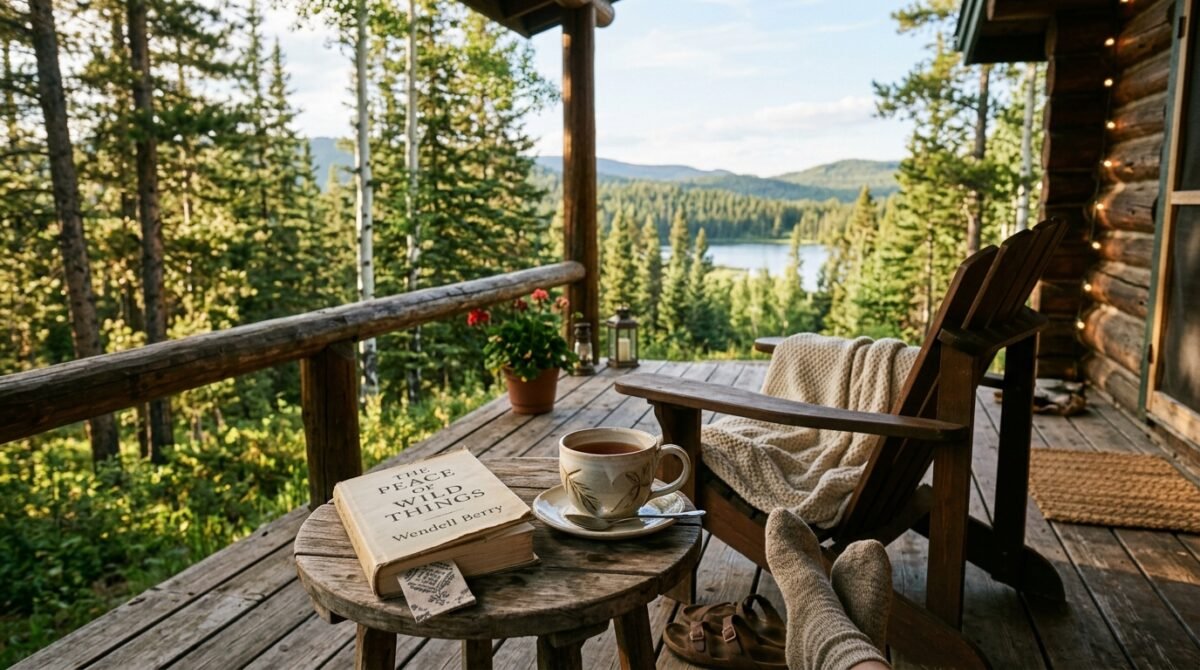
Months later, the dust has finally settled. My step-siblings haven’t spoken to me, and my relationship with my mother is strained but slowly healing on my terms. I still go to the cabin every few weeks. I sit on the porch, I listen to the birds, and I feel a deep sense of gratitude for the man who left me this place. I kept it safe, and that’s what matters.
I’ve learned a lot about boundaries. I’ve learned that people will push until they hit a wall, and if there is no wall, they will keep pushing until you have nothing left. I am no longer that person. I am the owner of my life, my home, and my decisions. I don’t need permission to say ‘no,’ and I don’t need validation to do what’s right.
The cabin is in better shape than ever. I’ve done some major work on the foundation, and it’s finally becoming the sanctuary my grandfather envisioned. I’ve even started renting it out to strangers who treat it with the respect I always wanted. It’s funny; strangers seem to understand the rules better than family ever did.
“Setting boundaries isn’t about pushing people away; it’s about creating a space where you can actually thrive. If they can’t respect that, they don’t deserve a seat at your table.”
— Reflective thought
I still get the occasional passive-aggressive text from a cousin, but I just delete it. I’ve realized that my peace of mind is worth more than any family connection that requires me to sacrifice myself. I am enough, and the cabin is enough. Everything else is just noise.
If you are in a similar situation, remember this: you are not responsible for other people’s entitlement. You are responsible for your own well-being. It’s hard, it’s painful, and it’s exhausting, but in the end, it’s the only way to live a life that is truly yours. Don’t let the ‘family’ label blind you to the reality of the people in your life.
A Lesson in Ownership and Boundaries

Looking back, the entire war was avoidable. If they had just asked, if they had just respected, if they had just treated me like a person rather than a tool, things would be different. But their entitlement blinded them. It’s a sad lesson, but an important one: family is a tie, not a free pass. You can love your family and still have to put them in their place.
I have no regrets about the rental agreement. It was the best thing I could have done for the property, for myself, and ironically, even for them. It taught them, or at least tried to teach them, that actions have consequences. If they choose to stay in their state of entitlement, that is their burden to carry, not mine.
For those of you who might be facing a similar situation—whether it’s a cabin, a wedding, or just a simple family disagreement—don’t be afraid to be the one who sets the standard. Don’t be afraid to be the ‘difficult’ one. Because often, being ‘difficult’ is just code for ‘having boundaries that people don’t like.’
Hold your head high. You are the architect of your own boundaries, and you are the only one who has to live in the house you build. Make sure it’s one you can be proud of. My cabin is finally that house, and I hope you find yours.
So, what about you? Have you ever had to set a boundary with family that turned into a total disaster? How did you handle it? Let’s talk in the comments.
Conclusion
The story of the cabin is, at its core, a story about the transition from being a passive participant in a family dynamic to an active architect of one’s own life. The ‘family war’ was never really about the property; it was about the power dynamic. By refusing to let my step-siblings dictate the terms of my ownership, I was effectively re-evaluating the terms of our relationship. It was a painful, necessary process that cost me short-term peace but bought me long-term freedom.
The lessons learned here go beyond real estate. They apply to every aspect of our lives where we feel pressured to sacrifice our boundaries for the sake of ‘harmony.’ True harmony can only exist where there is mutual respect. When that respect is absent, boundaries become our only defense. As I sit on my porch now, in the quiet of the woods, I know I made the right choice.
What do you think? Was I the villain for demanding rent, or was I a hero for protecting my inheritance? Have you ever had to charge family for something that caused a massive blowout? Join the discussion below and share your own stories of setting boundaries with family.
What's your verdict on this dilemma?
Vote below to contribute to the official community consensus.

Have a Dilemma Keeping You Up at Night?
Share your real-life feud, wedding chaos, or relationship crossroads anonymously with our editorial team.
What do you think ?
0 Comments🛡️ Comments are moderated to protect community integrity. Your comment will appear once approved by the editorial team.