

They say family is supposed to be the safety net that catches you when you fall. But for my family, especially for my sister Sarah, the concept of a ‘safety net’ has been systematically dismantled by my sister-in-law, Jessica. Sarah has been struggling with infertility for seven years—a grueling, expensive, and heartbreaking journey that has left her fragile but resilient. When Jessica announced her pregnancy, we were all genuinely thrilled for her, despite our own private pains.
However, the toxicity didn’t take long to surface. It started with subtle digs and evolved into outright cruelty. The breaking point arrived in the form of a baby shower invitation—or rather, the lack thereof for Sarah. Jessica decided that Sarah’s presence would ‘ruin the vibe’ of her perfect, Instagram-worthy day. When I found out, the rage I felt wasn’t just a flicker; it was a wildfire that demanded action. I had offered my home as the venue, and I decided, in a split second, that if my sister wasn’t welcome, then the entire event would have nowhere to happen.
This isn’t just about a party. It’s about the fundamental way we treat the people we claim to love when they are at their most vulnerable. The aftermath of my decision has ripped my extended family apart, forcing people to choose sides and revealing just how deep the entitlement of some individuals can run. People often ask me if I regret it, if I should have taken the ‘high road.’ But as I reflect on the last few weeks, I realize that the high road was never an option when one of our own was being treated like a pariah for the crime of struggling.
In the following sections, I will break down exactly how this disaster unfolded, from the initial planning stages to the explosive group chat confrontations that followed my decision. I’ll share the exact messages, the cold-hearted justifications given by my brother, and the outpouring of support—and condemnation—I received from the internet. This is a story about setting boundaries, the limits of hospitality, and the true cost of ‘vibes’ over humanity.
The Illusion of an Inclusive Celebration
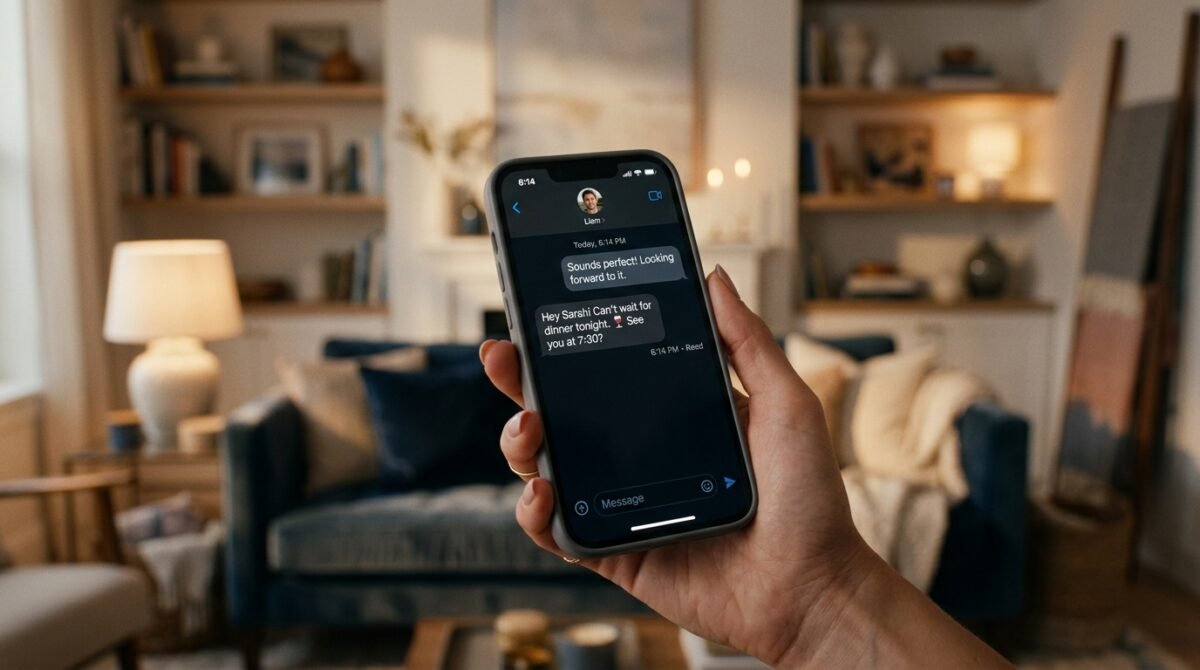
The planning phase started with the best of intentions. Jessica wanted a ‘boho-chic’ baby shower, and because I have a spacious backyard and a penchant for hosting, I naturally volunteered. I spent weeks coordinating vendors, ordering flowers, and managing a guest list that was supposed to be a celebration of new life. Sarah was naturally on that list—or so I thought. We were all excited to celebrate the newest addition to our family, and Sarah, despite her own struggles, was the first one to offer help with the centerpieces.
The trouble began when Jessica started making ‘adjustments’ to the guest list. She began questioning why certain cousins were invited, but it was when she brought up Sarah that I truly started to pay attention. She had this way of speaking about Sarah that was clinical, as if my sister were an inconvenient prop that didn’t fit into her aesthetic. The tone was dismissive, bordering on condescending, and I foolishly thought I could mitigate it by acting as a buffer.
I kept telling myself that it was just the hormones and the stress of the pregnancy. Jessica has always been a bit high-maintenance, but she had never been malicious—or so I thought. I continued pouring my energy into the event, thinking that by making it perfect, I could prevent any ‘incidents’ from occurring. I was naive. I was creating a stage for a disaster without even realizing that the lead actress had already decided on a villain.
Then came the email update. Jessica sent out a revised guest list to the inner circle of planners. Sarah’s name was conspicuously missing. I initially thought it was a clerical error, a simple oversight in a sea of logistical details. I felt a knot in my stomach as I typed out a quick message to clarify, thinking I would save her the embarrassment of asking herself. The response I received back was not an apology; it was a manifesto of selfishness that would define the next several months of my life.
“I just need the day to be positive. Sarah’s constant sadness, and that whole infertility cloud she brings with her, it’s just not the vibe I want for my baby shower. It’s supposed to be happy, not pity-filled.”
— Jessica (Leaked text to the organizing committee)
Reading that message felt like a physical blow. To reduce my sister’s decade-long struggle with infertility to a ‘cloud’ that ruins a ‘vibe’ was beyond insulting—it was dehumanizing. I stared at my phone screen for twenty minutes, my heart pounding in my ears. I realized then that I wasn’t just hosting a party; I was facilitating a display of profound cruelty.
The Confrontation That Shook the Foundation
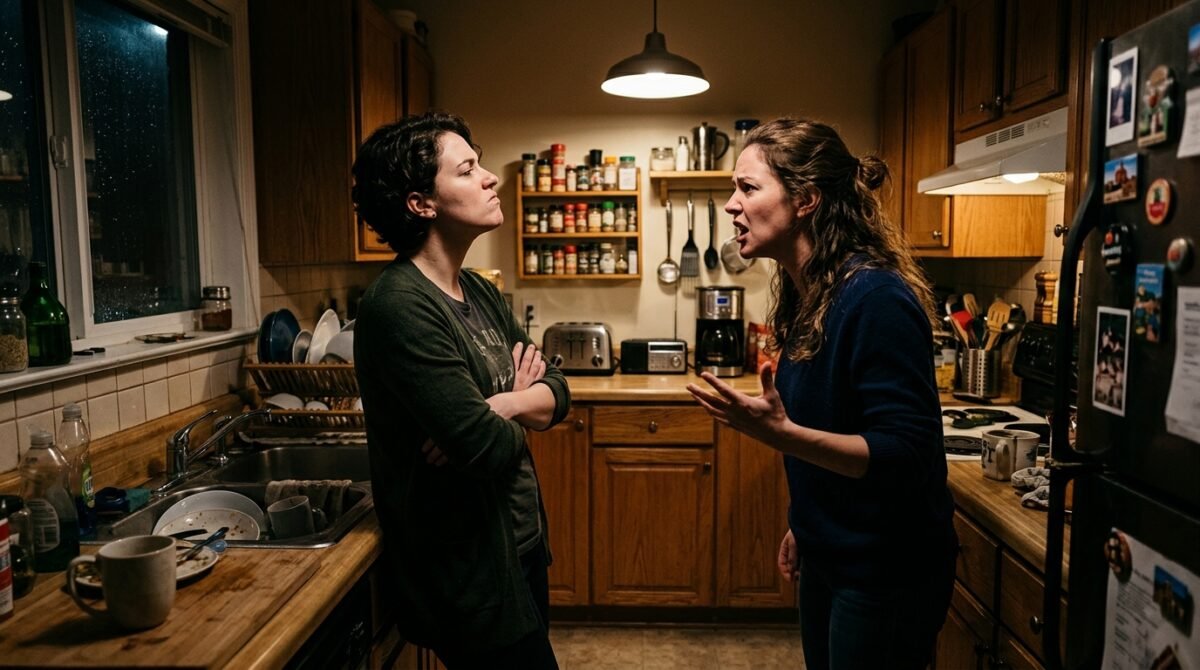
I didn’t waste time. I went directly to Jessica’s house, feeling a level of adrenaline I hadn’t experienced in years. I didn’t care about the ‘pregnancy glow’ or the fact that she was the guest of honor. When she opened the door, she looked surprised, probably thinking I was there to drop off more color swatches. I walked past her into the kitchen and sat down, motioning for her to do the same. The air in the room shifted instantly; she knew this wasn’t a social call.
I brought up the message directly. I didn’t mince words. I told her that if she couldn’t respect my sister, she had no business expecting me to host her celebration. She tried to deflect, talking about how ‘understandable’ it is to want a happy day. She tried to play the victim, claiming that my reaction was ‘hostile’ and ‘aggressive’ toward an expectant mother. She really believed that her status as a pregnant woman gave her a moral pass to hurt others.
The conversation escalated quickly. She didn’t just double down; she tripled down. She told me that Sarah should be ‘grateful’ for the distance because it would save her from having to watch the pregnancy unfold. It was gaslighting at its finest—framing her exclusion as a favor to my sister. I felt a cold clarity wash over me as I realized who she truly was. The mask of the sweet sister-in-law had slipped, and underneath was a woman who saw people only as functions to serve her own narrative.
“I am not doing this for you. I’m doing this for the baby. You’re being incredibly selfish by making this about your sister’s issues when it’s clearly about my milestone!”
— Jessica during the argument
I left her house that day with my mind made up. I realized that my participation in this event was an endorsement of her behavior. If I stayed silent, I was complicit. I went home and started drafting the message that would eventually go viral in our family group chat. I knew that by canceling the shower, I would be the ‘villain’ in her story, but I preferred that over being an enabler in reality.
The Group Chat Meltdown
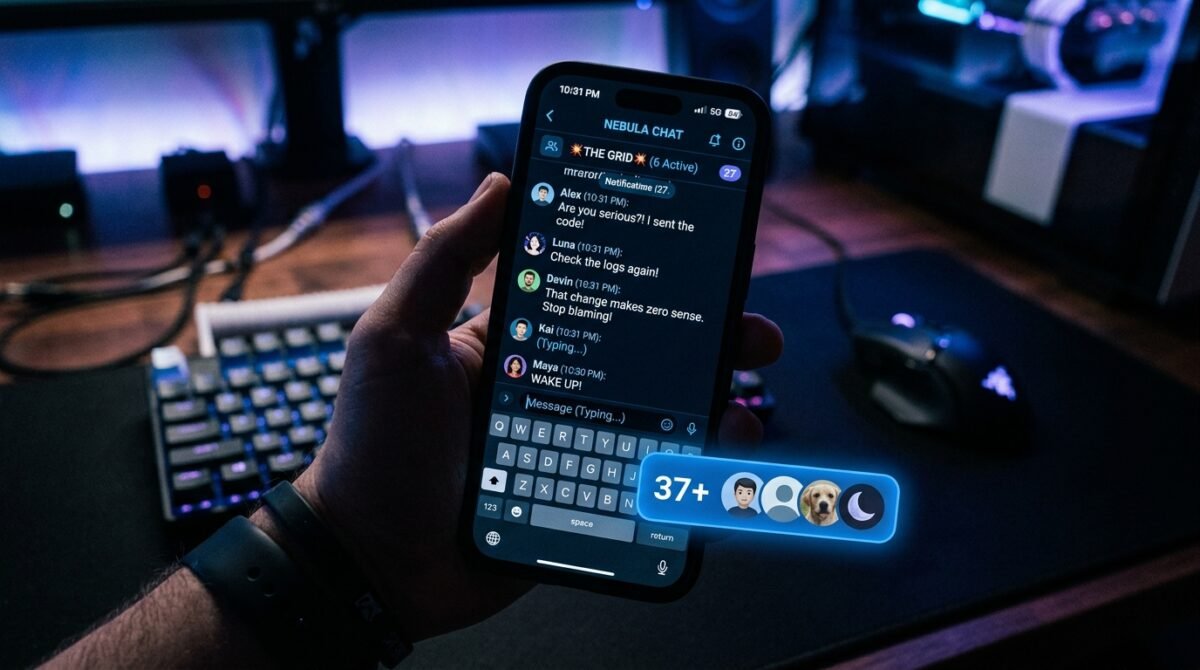
I didn’t do it quietly. I posted the cancellation in our family group chat, which included my parents, my brother, Jessica, and our cousins. I wanted everyone to know exactly why the event was no longer happening. I didn’t want Jessica to spin a story about how I was ‘too busy’ or ‘overwhelmed.’ I wanted the truth out there, raw and unfiltered. I screenshotted her message about the ‘vibe’ and posted it as the reason for my decision.
The fallout was instantaneous. My phone started buzzing off the hook. My brother, Mark, was the first to attack. He called me, screaming, trying to intimidate me into reinstating the shower. He accused me of ruining his wife’s once-in-a-lifetime experience. He said I was ‘pathological’ for caring more about Sarah’s feelings than the baby’s future. He even threatened to cut off contact if I didn’t apologize to Jessica immediately.
My mother tried to play the peacemaker, begging me to just let it go for the sake of the ‘greater good.’ She wanted to keep the peace at all costs, even if it meant sacrificing Sarah’s dignity. It was the same pattern I had seen my whole life—the expectation that the ‘easy’ person should just suck it up so the ‘difficult’ person doesn’t have a tantrum. I told them all that if they wanted to host it, they were more than welcome to find a venue that wasn’t my house.
“I am not the one ruining the vibe, Jessica. You did that the moment you decided your comfort was more important than common human decency. The shower is canceled at my house. Period.”
— My message to the Family Group Chat
The silence that followed in the chat was deafening. Some people left the group, some stayed in shocked silence, and others started messaging me privately to tell me I was a hero. It was polarizing, messy, and exactly what needed to happen to expose the rot beneath our family dynamics.
The Aftermath: Where Lines Were Drawn

The days following the cancellation were a blur of isolation and vindication. I stopped answering calls from my brother. I spent my time checking in on Sarah, who was honestly more upset about the family fighting than she was about missing the shower. She felt guilty for being the ’cause’ of the drama, and I had to work hard to remind her that her existence, her pain, and her needs are valid and not a burden.
The family was effectively split. My parents were caught in the middle, trying to mediate a situation that had already gone nuclear. They tried to suggest a compromise, like having the shower at a restaurant, but I refused to help facilitate anything that involved Jessica until she apologized to Sarah. And spoiler alert: she never did. She doubled down, claiming that she was the one who was wronged by my ‘outburst.’
I started seeing the true colors of our extended family. Some aunts and uncles, who I thought were reasonable, were actually furious that I had ’embarrassed’ Jessica publicly. They cared more about the appearance of a united front than the reality of the emotional cruelty being inflicted on one of their own. It was a wake-up call about the performative nature of our family gatherings.
I began to realize that the ‘vibes’ Jessica was so worried about were actually just her ego. She wanted to be surrounded by people who would validate her, praise her, and ignore the reality of others’ suffering. She didn’t want a family gathering; she wanted an audience. By removing myself from that role, I broke the spell. It was the most empowering thing I have ever done for my own mental health.
Reddit Weighs In: The Verdict of the Internet
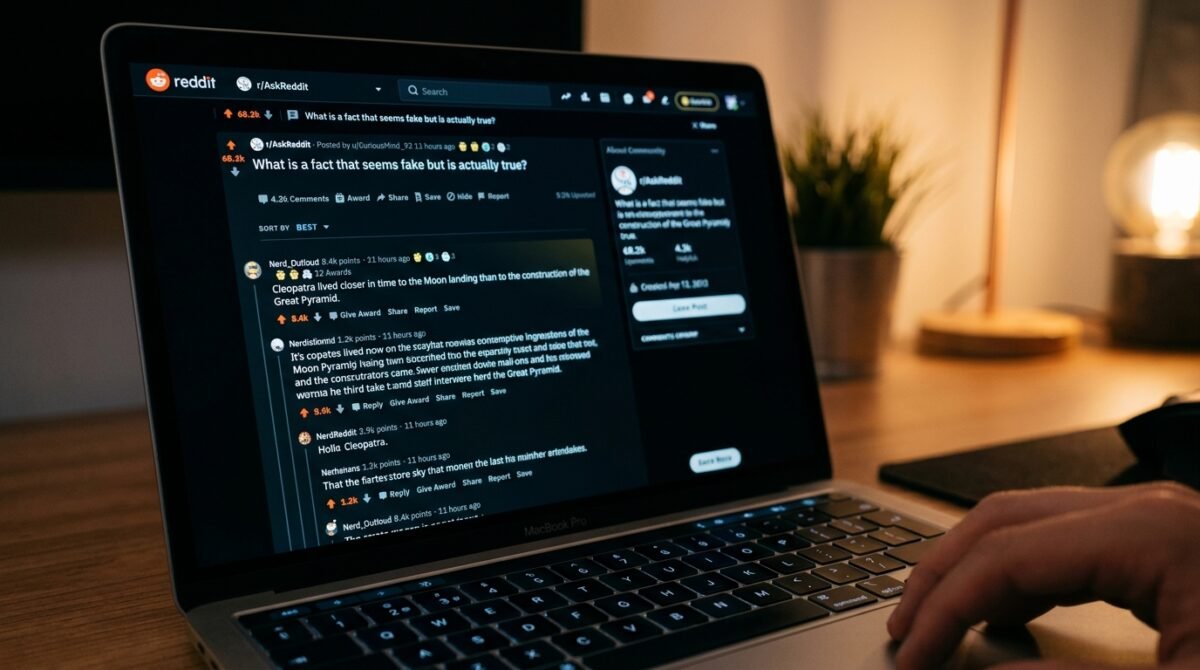
I posted my story on a popular forum, needing a sanity check. Was I really the ‘asshole’ for standing up for my sister? The response was overwhelming. Within hours, thousands of comments flooded in, and the vast majority were firmly on my side. People shared their own stories of dealing with infertile family members being treated poorly during pregnancy announcements and showers.
The consensus was clear: Jessica’s request was beyond the pale. People pointed out that if she was so worried about ‘vibes,’ she should have considered how exclusionary behavior affects the ‘vibe’ of a healthy family. The support I received was heartening, but it also highlighted how common this type of toxic entitlement is. It seems that many people deal with ‘Jessica-types’ who demand the world and throw a fit when their boundaries are challenged.
“NTA. Your house, your rules, but more importantly, your moral standard. If she didn’t want ‘depressing vibes,’ she should have been a kinder person. Infertility isn’t a personality trait she can just ban from a party.”
— u/JusticeForSarah (Top Comment, 32.4k upvotes)
Reading these comments helped me realize that I wasn’t crazy. The gaslighting from my family had made me question my own judgment, but seeing thousands of strangers agree that I had done the right thing was incredibly validating. It wasn’t about being ‘right’—it was about upholding the dignity of someone I love, and the internet confirmed that this is a hill worth dying on.
The Financial and Logistical Fallout
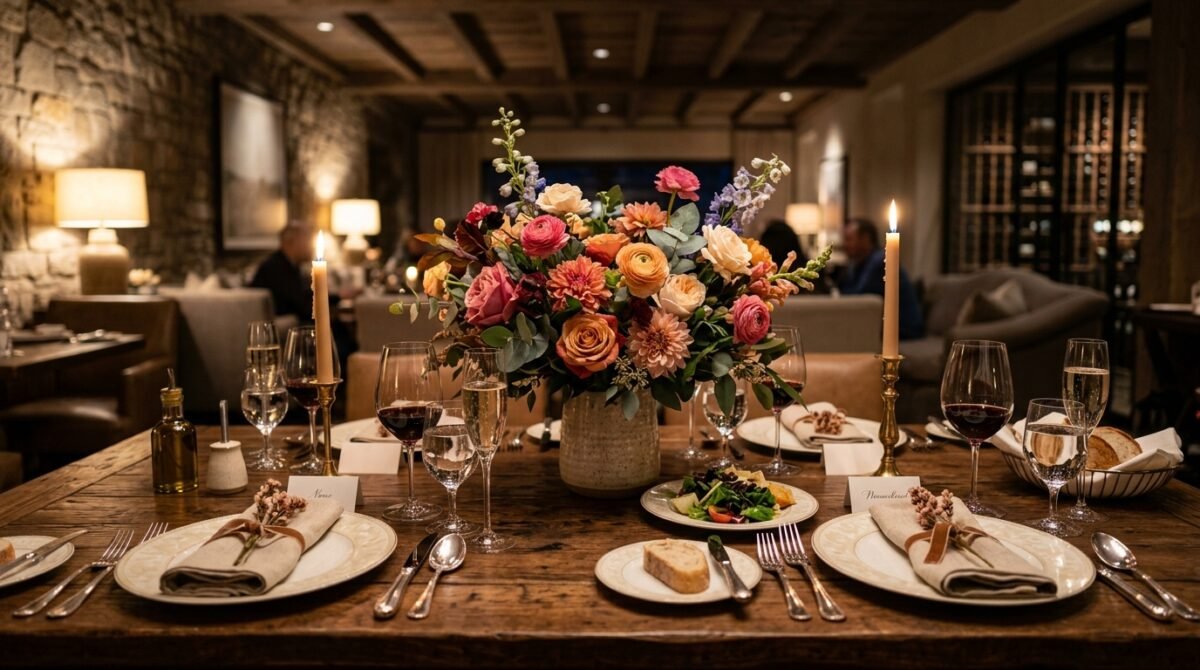
There were actual consequences to my decision. I had put down deposits on food, decor, and rentals, all of which I was now stuck with. My brother sent me an itemized list of ‘damages’ and demanded I pay him back for the ‘ruined’ event. It was absurd. I told him that the only ‘damages’ were the ones caused by his wife’s behavior. I wasn’t about to pay for a party that I was forced to cancel because of blatant cruelty.
I had to navigate the awkwardness of calling vendors to explain the situation. Most were surprisingly understanding, and some even waived the cancellation fees when they heard why I was calling. It was a strange experience, telling strangers about my family drama, but it was also a relief to have people support my decision from outside the situation. It made me realize that the ‘family honor’ my parents kept talking about was just a shield for bad behavior.
I ended up hosting a small, intimate dinner for Sarah and a few close friends instead. It was beautiful, low-pressure, and filled with genuine love. It was the exact opposite of what Jessica wanted, and it reminded me that the best way to live is to create the environment you want for the people you care about, rather than trying to appease people who don’t deserve it.
| Expense | Original Plan | Outcome |
|---|---|---|
| Catering | $1,200 | Partial Refund |
| Decor | $500 | Donated to Charity |
| Venue | $0 (My House) | Saved (No Stress) |
When Enablers Defend the Indefensible
One of the hardest parts of this whole ordeal was seeing which family members chose to enable Jessica. My Aunt Karen, for instance, called me to tell me I was ‘lacking empathy’ for a pregnant woman. I asked her if she had any empathy for Sarah, who had been crying for two days because she felt like she was a ‘poison’ to the family. She couldn’t answer that. She just kept repeating that pregnancy is a special time and should be protected.
This ‘protection’ of pregnant women often turns into a blank check for them to be as cruel as they want. It’s an archaic view that assumes pregnancy makes someone a fragile, infallible icon, when in reality, it’s just a biological state. It doesn’t change one’s character. If you were a jerk before you were pregnant, you’ll be a jerk while you’re pregnant. I refused to let anyone use the ‘she’s pregnant’ excuse to justify bullying my sister.
The enablers are often the ones who are most invested in the status quo. They don’t want to deal with the messy reality of conflict, so they prefer to blame the person who calls it out. By casting me as the ‘angry, unreasonable one,’ they could avoid having to address the fact that Jessica was being a bully. It was a tactical maneuver by my family to preserve their comfort, and I saw right through it.
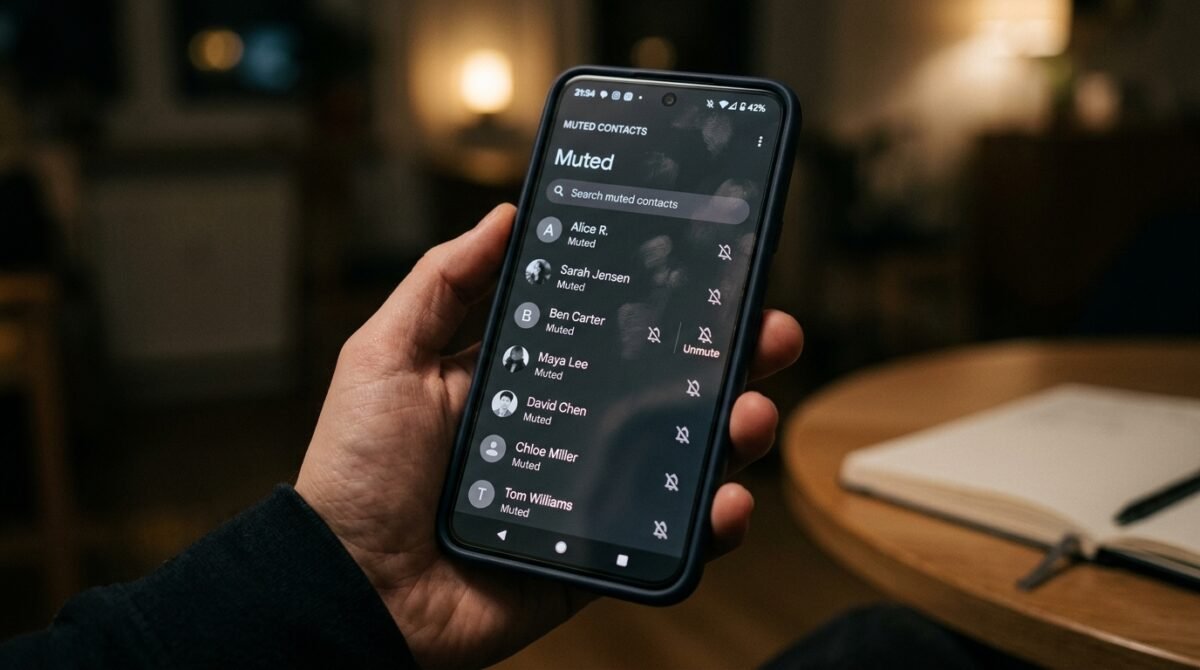
I eventually had to put some of these people on a ‘social media diet’ or mute them entirely. I didn’t need their unsolicited advice or their lectures on how to be a ‘good family member.’ I was doing just fine being a good sister, and for the first time in a long time, I felt like I was actually living by my own values rather than the ones imposed on me by a group of people who valued social performance over human connection.
The Silence That Followed

Months later, the dust has settled, but the landscape of our family has permanently changed. Jessica gave birth, and there was a party, of course—at a different venue, without me, and without Sarah. I didn’t get an invite, which was a relief. I heard through the grapevine that it was ‘perfect,’ but I also heard that there was a lot of underlying tension. It seems that when you surround yourself with enablers, you eventually start to turn on each other when there’s no one else to blame.
My relationship with my brother is currently non-existent. We haven’t spoken since the shouting match. I miss the version of him I used to know, but I’ve realized that I don’t know who he is now. He has chosen to prioritize his wife’s ego over his own sister’s well-being, and that is a choice I have to respect, even if I don’t agree with it. It’s a painful reality, but it’s the reality nonetheless.
Sarah is doing better. She’s started therapy, and she’s working on building a life that isn’t defined by her infertility. She’s come to terms with the fact that our family is not as supportive as she hoped, and she’s started surrounding herself with a ‘chosen family’ that truly loves her. We still see our parents occasionally, but the dynamic is distant. We keep things surface-level, and we don’t discuss Jessica or the shower.
I’ve learned that sometimes, cutting someone off isn’t an act of hate; it’s an act of self-preservation. By removing the toxic elements from my life, I’ve gained so much more space for peace and genuine connections. It wasn’t the path I wanted, but it’s the path I needed to take to ensure that I wasn’t contributing to a cycle of cruelty.
Reflecting on the ‘Vibe’ Paradox

The irony of the whole situation wasn’t lost on me. Jessica wanted a ‘perfect vibe’ and ended up creating the most chaotic, stressful, and divisive event in our family history. If she had just let Sarah come, nobody would have known, nobody would have cared, and the event would have been fine. Her obsession with control and exclusion is exactly what led to the destruction of the very thing she was trying to protect.
It’s a lesson in the Law of Unintended Consequences. When we try to curate reality to fit our desires, we often ignore the people who make that reality possible. We treat people like props in our own personal drama, and we’re shocked when they have agency and push back. Jessica wanted a supporting cast that would play their parts perfectly, and she never considered that I would choose the role of the protagonist in my own life instead.
I often look back at the emails and texts. They serve as a reminder that I did the right thing. It wasn’t about being ‘right’—it was about saying no to a world where we are expected to ignore the suffering of others just to make someone else feel better about themselves. It’s a standard I’m proud to hold, and one I will continue to uphold, no matter who gets upset by it.
Life is far too short to spend it worrying about the ‘vibes’ of people who don’t care about your heart. I’ve realized that the only ‘vibe’ I care about now is one of authenticity, kindness, and integrity. If that means I don’t get invited to the next ‘boho-chic’ event, then so be it. I’d rather be at home with the people who love me for who I am than at a party where I have to hide my values to fit in.
Moving Forward: Lessons in Boundaries

If there’s one thing I’ve learned from this experience, it’s that boundaries aren’t just for ‘difficult’ people—they’re for everyone. They are the scaffolding that keeps our lives from collapsing under the weight of other people’s expectations. Before this, I was a ‘people pleaser.’ I thought being nice meant saying yes to everything, even when it cost me my peace or my self-respect. Now, I know better.
I’ve started to apply these boundaries in other areas of my life, too. I’m no longer afraid to say no to requests that feel off-balance or unfair. I’m no longer worried about being ‘liked’ by everyone, because I’ve realized that being liked by everyone usually means you’re not standing for anything at all. It’s a liberating feeling, to own your actions and stand behind your decisions, regardless of the criticism they invite.
Sarah and I have become much closer through this. We’ve had long conversations about what it means to be a family, and we’ve both decided that we are going to be the ones who break the cycle of toxicity in our future relationships. We’re building our own traditions, our own celebrations, and our own way of being in the world. It’s not the family we grew up with, but it’s the family we choose, and that makes all the difference.
I hope that anyone reading this who feels trapped in a similar situation knows that they have the power to step away. You don’t have to be the martyr for someone else’s happiness. You don’t have to tolerate cruelty, even if it’s dressed up as ‘pregnancy hormones’ or ‘tradition.’ Your voice, your space, and your boundaries are yours, and you have every right to protect them.
Conclusion
The story of the canceled baby shower is, at its core, a story about the intersection of entitlement and trauma. It reminds us that our personal milestones do not grant us immunity from the basic requirements of empathy. When Jessica demanded that her shower be free of ‘sadness,’ she inadvertently exposed the emptiness that can sometimes fuel our social performances. We are all responsible for the environments we create, and the choices we make when someone else is hurting reveal exactly who we are.
I stand by my decision to cancel the event. It was a stand against a culture that values superficial aesthetics over human dignity. It was a stand for my sister, and it was a stand for myself. Since then, I’ve found that the peace I’ve gained is worth infinitely more than any ‘perfect’ party could ever be. I hope this serves as a reminder to anyone facing similar pressure: you do not owe your participation to anyone who refuses to respect your loved ones.
What about you? Have you ever had to draw a hard line with family over a major life event, or have you been the one caught in the middle of a toxic dilemma? I’d love to hear your thoughts. Do you think I should have handled it differently, or do you agree that some ‘vibes’ are not worth the price of admission? Share your stories and your take in the comments below—let’s keep the conversation honest.
What's your verdict on this dilemma?
Vote below to contribute to the official community consensus.

Have a Dilemma Keeping You Up at Night?
Share your real-life feud, wedding chaos, or relationship crossroads anonymously with our editorial team.
What do you think ?
0 Comments🛡️ Comments are moderated to protect community integrity. Your comment will appear once approved by the editorial team.