
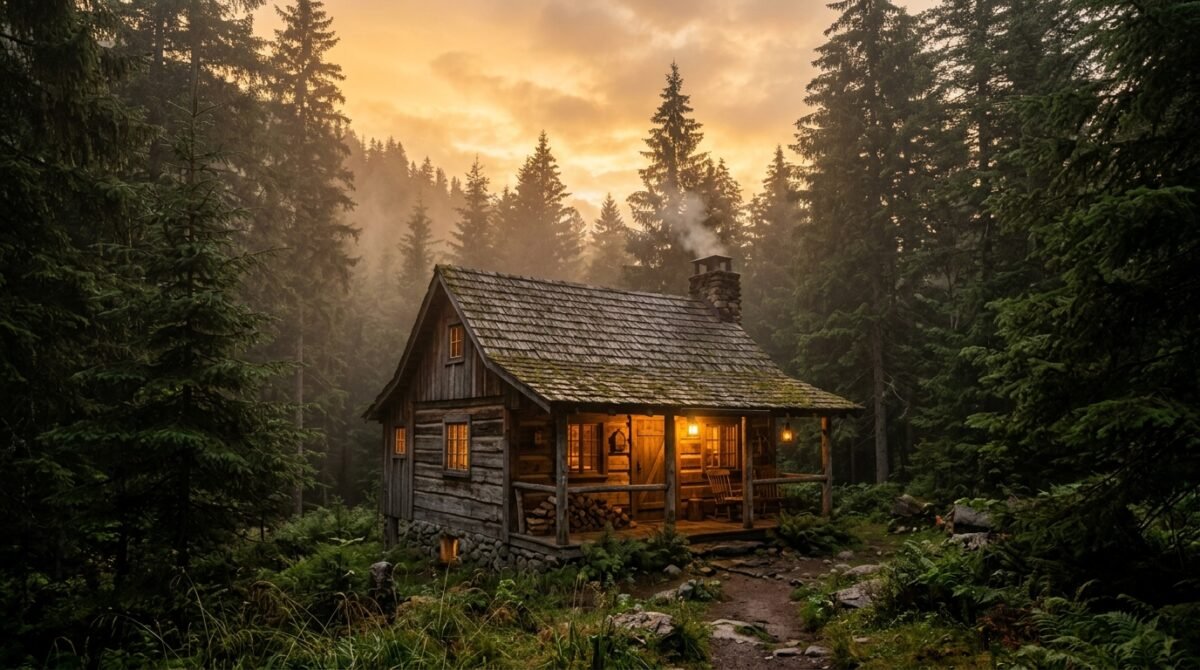
The scent of cedar and old pine needles always brings me back to the summer of 1998. That was the year my father, a man whose hands were perpetually calloused and stained with sawdust, finished the last shingle on the A-frame cabin in the North Woods. He didn’t build it for vacationers or investment opportunities; he built it for me. It was our sanctuary, a testament to his labor of love and the place where we spent every formative weekend of my childhood. When he passed away five years ago, the cabin became the only physical tether I had to his memory, a quiet cathedral of his craftsmanship.
My father’s second marriage to Linda was a quiet affair, coming years after my mother had passed. When he died, he left the cabin to me in his will, specifically citing my childhood attachment and his desire for me to keep the legacy alive. For years, this arrangement was accepted, even respected. Linda had her own assets and a comfortable life in the city, and she rarely visited the cabin, preferring the amenities of urban life over the rugged, off-grid reality of my father’s construction.
The trouble began during a routine family brunch last spring, when Linda casually mentioned ‘updating the estate plans’ to include her children from her first marriage—my step-siblings. What started as a vague request for ‘fairness’ quickly spiraled into a hostile demand that the cabin be titled under a trust that would grant her children equal access and eventual inheritance rights. The moral dilemma is simple to some, but to my family, it has become a battlefield.
How do you quantify the value of a hand-built legacy? Does a legal marriage certificate entitle a step-parent to dictate the inheritance of property built long before they were ever in the picture? This isn’t just about property values or real estate; it is about the sanctity of a father’s intent and the boundaries of what constitutes a ‘family’ asset. As the pressure mounts and the group chats grow increasingly venomous, I have been forced to draw a line in the sand that has alienated half of my extended family.
This is the story of how a place of peace became the epicenter of an inheritance war, and why I chose to stand my ground, regardless of the social cost. It is a story of grief, entitlement, and the difficult realization that sometimes, the hardest boundaries to set are the ones that finally bring you peace.
The Sunday Brunch Ultimatum
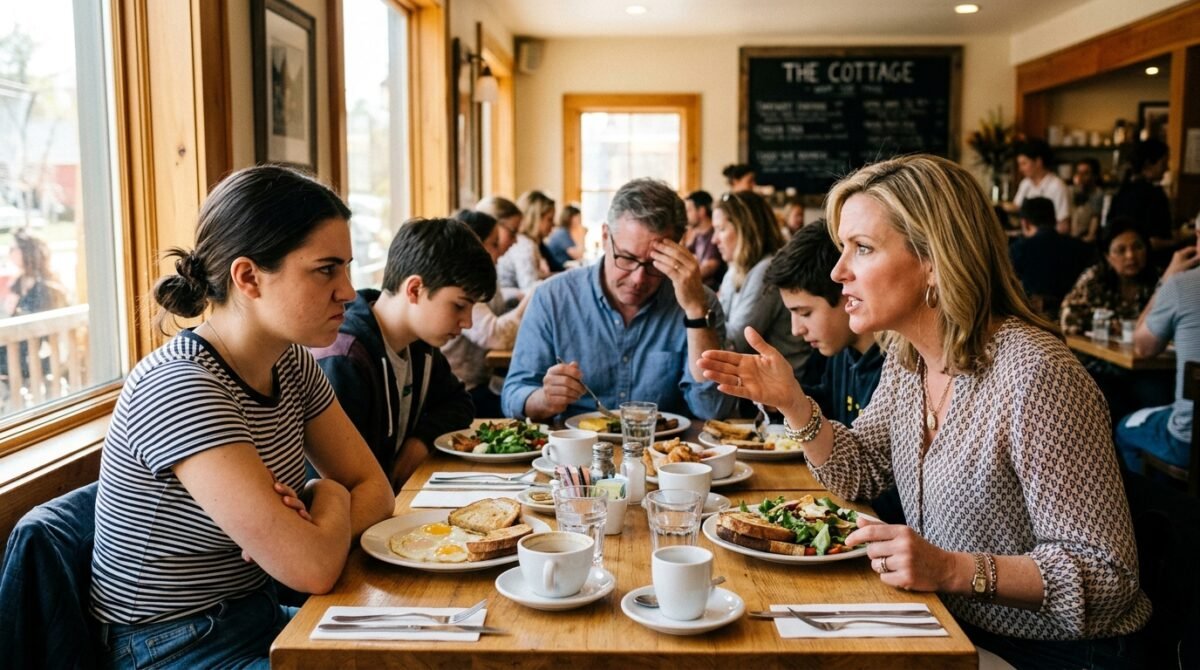
The air in the restaurant was thick with the scent of maple syrup and roasting coffee, a stark contrast to the cold tension that had settled at our table. Linda had been unusually quiet, fiddling with her napkin until she finally dropped the bombshell between the omelets and the mimosas. She spoke with a rehearsed calm, as if she were discussing a change in vacation plans rather than a fundamental rewriting of my father’s final wishes.
“I’ve been speaking with an estate attorney,” she started, her eyes never leaving mine. “It’s only right that the cabin be put into a family trust. My children—your step-siblings—have grown up hearing about that place. They deserve the right to use it, and eventually, the right to own a share of it. It’s about keeping the family united, don’t you think?”
“Linda, the cabin is not a communal asset. My father built it with his own hands, specifically for me. It was never intended to be part of the estate you inherited.”
I felt a pulse of heat rise in my neck. My step-siblings, Sarah and Mark, looked away, suddenly intensely interested in their phones. They hadn’t been to the cabin in six years, and even then, they had complained about the lack of Wi-Fi and the rustic plumbing. The audacity was suffocating.
“It’s not about what they deserve, it’s about what your father would have wanted,” Linda continued, her voice rising just enough to draw looks from neighboring tables. “He was a generous man. He would have wanted all of his children to have a place to go. You’re being selfish by holding onto the sole title.”
I looked at them, realizing then that this wasn’t an inquiry; it was an ultimatum. They had clearly discussed this without me, perhaps months ago. The sense of betrayal was sharp and immediate, a physical ache in my chest that made it hard to swallow. I stood up, leaving my half-eaten breakfast behind. I knew then that the peace we had maintained for years was gone.
The Digital Siege Begins

The notifications started flooding my phone before I even reached my car. The family group chat, once reserved for birthday wishes and holiday photos, had been weaponized. Sarah was the first to chime in, her tone shifting from the passive-aggressive silence she held at brunch to an outright, aggressive attack on my character.
“I can’t believe you walked out like a child. Mom is just trying to make sure we are all taken care of. It’s really pathetic how you cling to that old shack like it’s a personality trait.”
— Sarah (Family Group Chat)
I sat in my parked car for nearly an hour, watching the messages scroll by. Mark, who rarely spoke, sent a link to an article about ‘toxic sibling dynamics and inheritance disputes.’ It felt like a coordinated campaign, designed to make me feel isolated, unreasonable, and ultimately, guilty enough to concede.
My phone buzzed again. It was a direct message from my cousin, who had seen the group chat activity. ‘Don’t give in,’ she wrote. ‘They have no legal standing, and they know it. This is just bullying.’ That message was the only thing that kept me from deleting the thread and throwing my phone into the river.
The toxicity was leaking into every corner of my life. I started receiving emails from Linda’s ‘attorney,’ which turned out to be a paralegal friend of hers attempting to intimidate me with legal jargon that didn’t hold up under the slightest scrutiny. I realized that my personal privacy was being eroded by people who viewed my father’s legacy as a liquid asset.
I blocked the group chat, but the phantom buzzing remained. Every time my phone vibrated, I jumped, expecting another tirade. The house felt smaller, the walls closing in as the digital siege continued, reminding me that even in my own home, I wasn’t safe from their entitlement.
The Search for the Original Blueprints
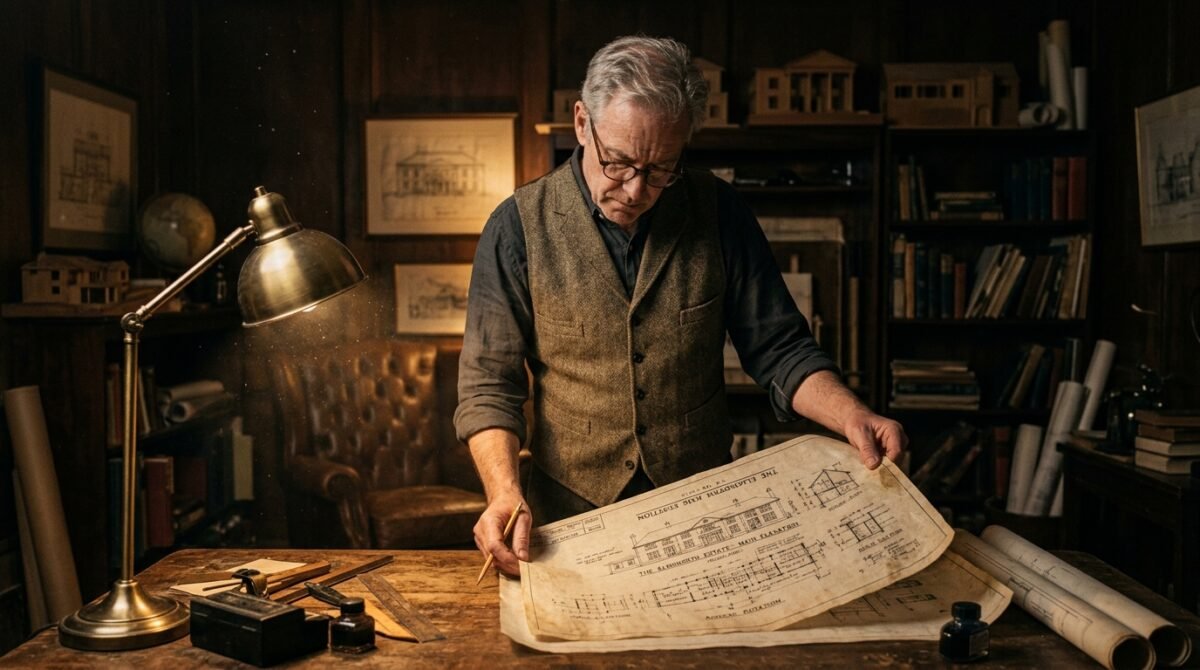
That night, I went to my storage unit. I needed to see the proof. My father was a meticulous man; he kept everything. I dug through boxes of old tax records, receipt books, and eventually, the heavy, dust-covered tube containing the original architectural sketches he had drawn on graph paper.
As I unrolled the brittle paper, I found the dedication written in his shaky, hand-inked script: ‘To my daughter, my greatest adventure. May this cabin be your refuge forever.’ Seeing his handwriting, the way he formed his ‘y’s and the precise lines he’d drawn, brought me to tears. It was a physical manifestation of his love, something he had crafted specifically for me, long before he even met Linda.
I spent the next three hours creating a digital archive of every piece of documentation. I photographed the blueprints, the original deed, and the hand-written letters where he clearly stated his intent. If they wanted to play a legal game, I would show them that my foundation was built on more than just wood and nails.
The act of organizing these documents felt like a ritual of reclamation. I wasn’t just defending property; I was defending his memory. I realized that Linda’s attempts to frame this as an ‘inheritance dispute’ were a lie—it was a land grab, pure and simple, and I was the only thing standing between them and a property they had no right to.
By the time I finished, it was three in the morning. I felt a strange sense of clarity. The fear that had been gnawing at me was replaced by a cold, hard resolve. I wasn’t going to negotiate, and I wasn’t going to apologize. The documents were the truth, and the truth was on my side.
The Reddit Storm

I posted my dilemma on a popular subreddit under a throwaway account, just to see if I was losing my mind. I expected a mix of responses, but the sheer volume of support—and the occasional harsh reality check—was overwhelming. Within hours, the thread had thousands of comments, and my inbox was a chaotic mess of personal stories and legal advice.
“NTA. Your stepmother is trying to weaponize ‘fairness’ to steal your inheritance. This isn’t a family asset; it’s a memorial to your father that was legally bequeathed to you. Hold the line.”
— u/LegalEagle99 (Top Comment, 32.4k upvotes)
The community was divided, but the consensus among those who understood estate law was clear: Linda had no leverage. Some commenters shared their own horror stories about step-siblings forcing the sale of family homes, which only stiffened my resolve. It was heartbreaking to see how many people had been through the same trauma.
There were those, however, who argued from a ‘blended family’ perspective. They claimed that by excluding the step-siblings, I was permanently damaging family relations. ‘Is a cabin worth more than your relationship with your mother figure?’ one user asked. I spent a long time staring at that comment, wondering if my father would have agreed with them.
But then I remembered the way Linda looked at me at brunch—not with the love of a mother, but with the cold calculation of an investor. The ‘relationship’ they were talking about was a fabrication, a social construct that didn’t hold up under the weight of greed. The Reddit thread, as chaotic as it was, became my compass.
I learned to filter the noise. The support empowered me to stop feeling like a victim of my own family’s drama and start acting like the owner of my own life. I deleted the throwaway account after 24 hours, but the wisdom of the collective stayed with me: boundaries are the price of peace.
The Surprise Visit
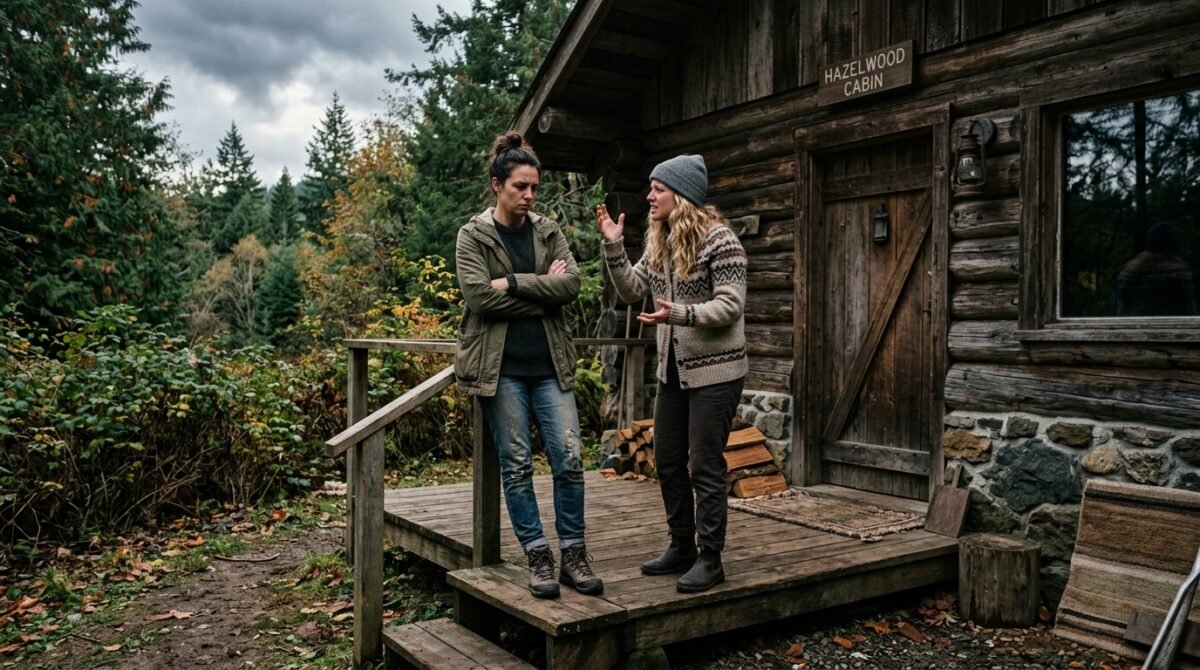
I was cleaning the porch of the cabin, the crisp mountain air doing wonders for my frayed nerves, when I heard the sound of tires crunching on the gravel drive. I hadn’t told anyone I was coming up, so the sight of Linda’s silver sedan pulling into the clearing sent a jolt of adrenaline through me.
She stepped out, looking wildly out of place in her designer boots and tailored coat. Sarah was in the passenger seat, looking equally uncomfortable as she scanned the perimeter of the property. They had obviously tracked my location, likely through a shared family phone plan I had forgotten to exit. The violation felt total.
I put down my broom and walked to the edge of the porch, meeting them halfway. Linda didn’t wait for a greeting. She started talking before she reached the steps, her voice sharp and filled with a feigned maternal concern that made my skin crawl.
“We were worried about you. You haven’t answered your phone in days. We came up to talk this out like adults, away from the stress of the city.”
“You are trespassing,” I said, my voice steady. “You are not welcome here, Linda. And if you think you can coerce me into a conversation by showing up at my front door, you’ve severely misjudged the situation. Leave, or I will call the sheriff.”
Sarah looked horrified, her hand clutching her mother’s arm. “We just wanted to see the place, maybe talk about how we could fix it up for the summer. Why are you being so hostile?” The absurdity of it was laughable. They wanted to ‘fix up’ a place they had previously mocked as a shack, simply because they realized it now had value as a vacation rental property.
I didn’t argue. I didn’t justify. I simply turned around and walked back toward the cabin door, leaving them standing in the gravel. When I looked out the window a few minutes later, they were still there, huddled together in conversation. It took twenty minutes before they finally got back in the car and drove away, leaving a cloud of dust behind them.
The Legal Cease and Desist
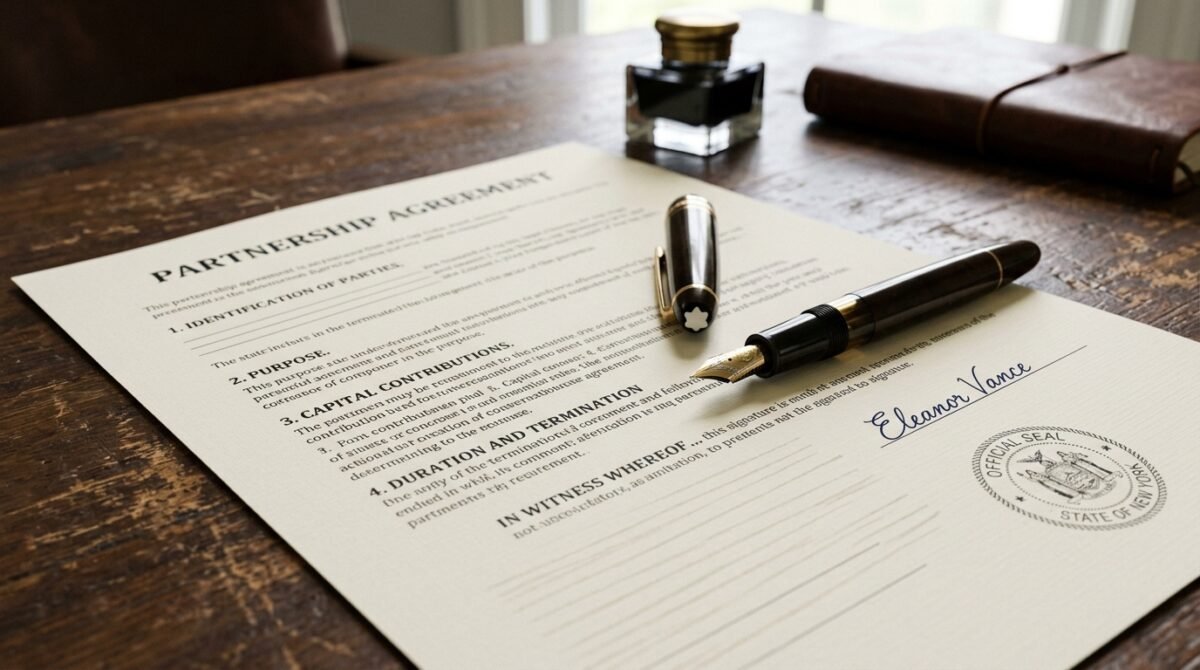
The visit was the catalyst I needed. I didn’t want to play their game of ‘who can be the meanest in the group chat.’ I wanted a permanent solution. I hired a local attorney who specialized in trust and estate litigation, a woman who didn’t blink when I explained the situation with the cabin.
She reviewed the will, the deed, and the communication history I had compiled. ‘They are fishing,’ she told me. ‘They are hoping you are intimidated enough to just sign it over to them for the sake of peace. We are going to make it very clear that they have no standing.’
The cease and desist letter was a masterpiece of legal clarity. It laid out the specific clauses of my father’s will that protected the property, and it explicitly demanded that all contact cease, including unauthorized visits to the property. It was the adult version of ‘stay away from me,’ and it carried the weight of the law.
When the letter was delivered, the silence that followed was deafening. There were no more texts, no more emails, and no more surprise visits. It was as if the legal threat had punctured their bubble of entitlement. It was the most peaceful month I had experienced since my father’s funeral.
I realized during this time that the ‘family’ they were invoking was a weapon. They didn’t want a relationship; they wanted an asset. By setting a hard, legal boundary, I wasn’t destroying a family; I was finally ending a cycle of emotional manipulation that had been festering for years.
A Father’s True Intent
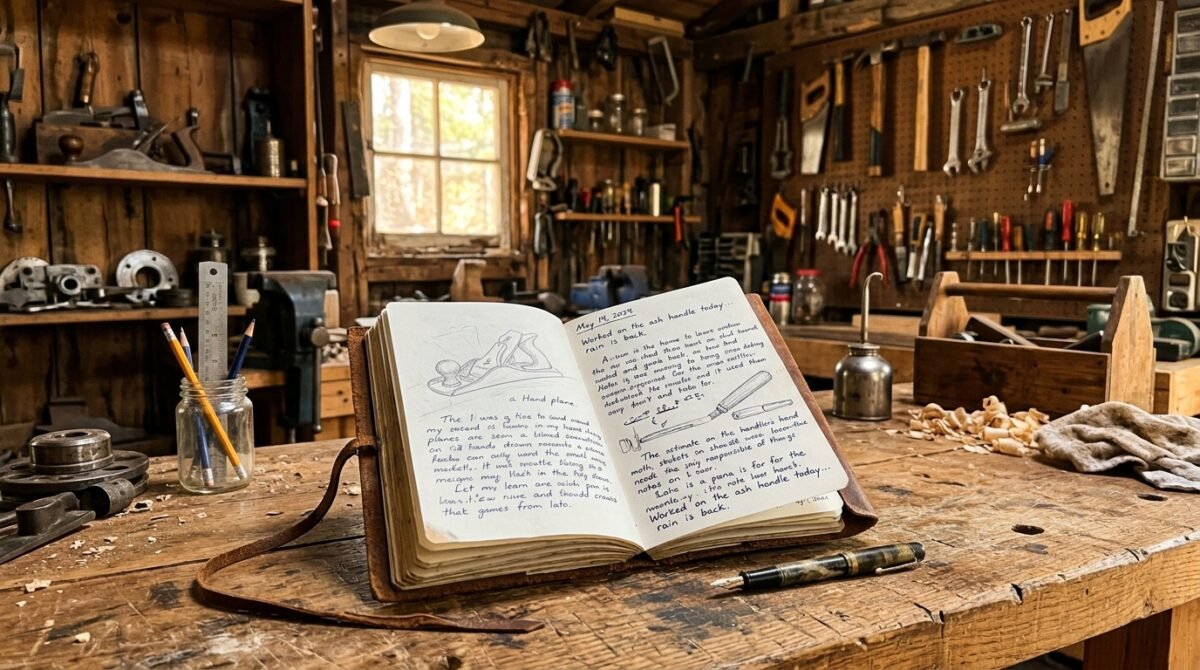
While waiting for the situation to resolve, I spent a lot of time inside the cabin. I started working on projects that my father never finished—installing custom shelves in the pantry, refinishing the old wooden floorboards, and painting the trim in the color he had always talked about but never got around to using.
It felt like a collaboration. Every nail I hammered and every board I sanded felt like a conversation with him. I understood now why he left it to me. He knew that I was the only one who cared about the cabin as a home, not as a commodity. He saw the way I looked at the trees and the river, the way I found peace in the isolation.
I found a small, hidden compartment in the workbench he had built in the garage. Inside was a small notebook, a journal he kept during the construction process. It wasn’t about the wood or the design; it was about me. He wrote about the days he would spend working while I played in the woods, about the pride he felt in building something that would outlast him.
“I hope this place remains a sanctuary. It’s not about the money or the market value. It’s about having a place where my daughter can always feel safe, even when I’m no longer around to hold her hand.”
Reading those words, the guilt I had felt for ‘dividing’ the family vanished completely. I wasn’t the one who had broken the family; the family was broken when they decided to prioritize my father’s property over his daughter’s peace. I was simply protecting the only thing he had ever truly given me.
The cabin was no longer just a building. It was a bridge to my father’s spirit. Every day I spent there, I felt more grounded, more confident in the decision I had made. The drama of the last few months seemed small compared to the legacy I was stewarding.
The Fallout with the Relatives

Of course, there were consequences. The extended family, who didn’t know the full story, began to take sides. I received calls from aunts and uncles, many of whom had been influenced by Linda’s version of events. They painted me as the ‘cold, ungrateful daughter’ who was hoarding a family treasure.
I didn’t try to explain myself to everyone. I realized that those who were truly my family would reach out to ask for the truth. Those who just wanted to judge me based on gossip were not worth the effort of correcting. I simply stated my position once, clearly and calmly: ‘The cabin was a personal gift from my father to me. It is not part of the estate, and it is not open for debate.’
The reaction was predictable. Some stopped speaking to me. Others tried to mediate, which only led to more frustration. I realized that my refusal to engage in their drama was the most powerful tool I had. I wasn’t giving them the emotional reaction they craved, and that made them even angrier.
It was a lonely time, but it was also a clarifying one. I discovered who the real people in my life were—the ones who stood by me, the ones who didn’t ask me to trade my peace for their comfort. The ‘family’ I lost was never really mine to begin with; it was just a collection of people who benefited from my compliance.
I stopped checking the family group chat entirely. I stopped answering calls from numbers I didn’t recognize. The silence wasn’t empty; it was filled with the sounds of the woods and the peace of knowing I was exactly where I was meant to be.
A New Chapter of Sovereignty
Six months later, the dust had finally settled. I had legally solidified my ownership of the cabin in a way that made any future challenges virtually impossible. I felt a sense of sovereignty I had never experienced before. I was the master of my own sanctuary, beholden to no one for my space.
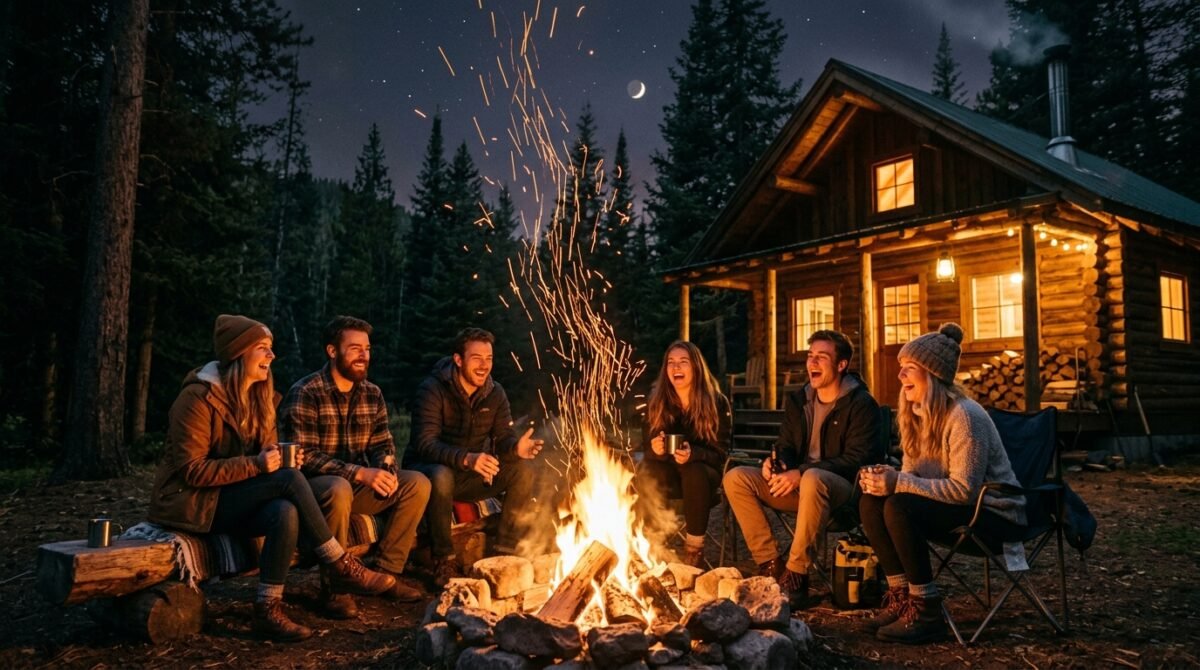
I decided to celebrate by inviting my closest friends—the ones who had supported me through the darkest days of the conflict—to the cabin for a long weekend. We spent the days hiking, the nights by the fire, and the evenings laughing at the absurdity of the whole ordeal. For the first time, the cabin was filled with the joy my father had always intended for it.
I realized then that the cabin wasn’t just for me; it was for the people I chose to share it with. It was for the people who respected the legacy and the boundaries that defined it. The step-siblings were never going to be that. They were always going to be tourists in a life they didn’t understand.
I have no regrets. The fallout, the legal fees, the awkwardness at family gatherings—it was all worth it. I am no longer the daughter who is expected to give away pieces of herself to keep the peace. I am the woman who owns her history and her future.
The cabin is finished now, in a way that my father never could have imagined. It’s filled with my laughter, my friends, and the quiet contentment of a life built on my own terms. It’s a home, not a hotel, and it will stay that way for as long as I have breath.
Reflecting on the Cost of Boundaries
Looking back, the entire experience feels like a fever dream. The intensity of the conflict was so high that it’s hard to believe it all happened in the span of one year. I’ve had many conversations with myself about whether I could have done things differently, but I always come back to the same conclusion: no.
If I had compromised, I would have lost not just the cabin, but my agency. The moment you start negotiating your boundaries to satisfy someone else’s greed, you lose the ability to draw them at all. I had to be the ‘villain’ in their story so that I could be the protagonist in my own.
I’ve learned that grief is a powerful motivator for both love and manipulation. Linda used her grief—and the shadow of my father—to try and rewrite history. I had to learn to separate the two. I could grieve for my father without letting his memory be used as a weapon against me.
The moral of the story isn’t about property rights. It’s about the fact that you are the only one who can protect your own sanctuary. Whether it’s a physical place like a cabin or your mental health, you have to be willing to lose people who don’t respect your boundaries to keep the parts of your life that matter most.
I am at peace. And for the first time in my life, I truly understand what my father meant when he said this place was a refuge. It is a refuge from the world, from the expectations of others, and from the, at times, suffocating demands of family.
Conclusion
The saga of the cabin taught me that blood does not always equate to loyalty, and marriage does not automatically grant a claim to a legacy you did not help build. Standing my ground was the most difficult thing I have ever done, but it also became the most liberating. By refusing to let my father’s memory be exploited, I reclaimed the very thing he built for me: my independence.
I know there are many of you reading this who have faced similar demands—the ‘fairness’ argument, the guilt-tripping, the weaponization of family unity. I hope my story gives you the strength to stand tall. You are not obligated to set yourself on fire just to keep others warm. The people who truly love you will respect your boundaries; the others were never really your people to begin with.
What about you? Have you ever had to choose between keeping the peace with your family and protecting a boundary that was vital to your own mental or emotional health? How did you handle the fallout? Let’s talk about it in the comments below. Do you think I was too harsh, or was I simply protecting my heritage? I’m looking forward to reading your perspectives and hearing your own stories of reclaiming your space.
What's your verdict on this dilemma?
Vote below to contribute to the official community consensus.

Have a Dilemma Keeping You Up at Night?
Share your real-life feud, wedding chaos, or relationship crossroads anonymously with our editorial team.
What do you think ?
0 Comments🛡️ Comments are moderated to protect community integrity. Your comment will appear once approved by the editorial team.