
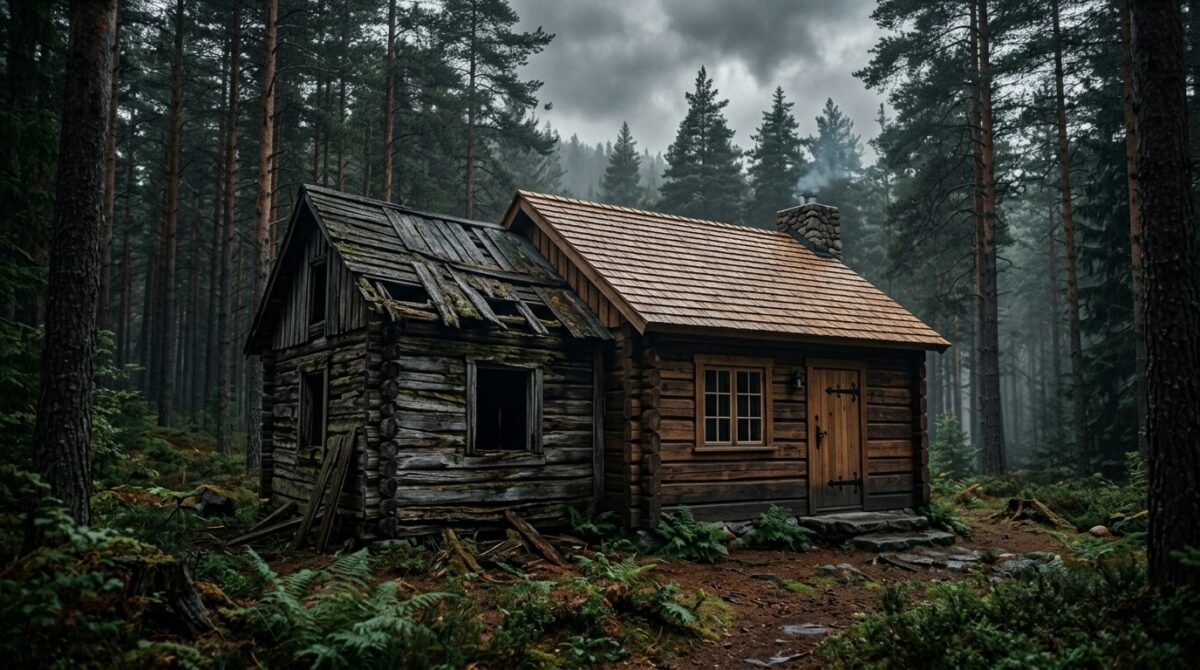
Growing up, our family cabin in the mountains was the heart of our childhood. It was where we learned to fish, where we weathered summer storms, and where our parents toasted to their early retirement. When they passed away within two years of each other, the property—a beautiful but aging A-frame—was left to my brother, Mark, and me as equal joint tenants. I expected us to manage it like adults. I was wrong.
For five years, Mark vanished from the property’s upkeep entirely. While I spent my weekends patching shingles, clearing gutters, and footing the bill for a new septic system, Mark was busy living his best life in the city, ignoring every text I sent about property taxes and maintenance. I kept meticulous ledgers, hoping that one day he would see the effort required to keep our legacy alive.
The breaking point came when the roof finally gave way during a brutal winter. It was a $30,000 project that I financed through a personal loan, knowing the cabin would be a total loss without it. I poured my savings into the restoration, turning the cabin into something truly livable again. I did it for us, or so I told myself.
The moment the final shingle was nailed down and the site cleared, I received a certified letter in the mail. It wasn’t a thank you note, and it wasn’t a reimbursement check. It was a legal injunction claiming Mark had ‘exclusive squatter rights’ and that I was effectively trespassing on my own property. The audacity didn’t just surprise me—it initiated a full-blown war.
The Five Years of Radio Silence
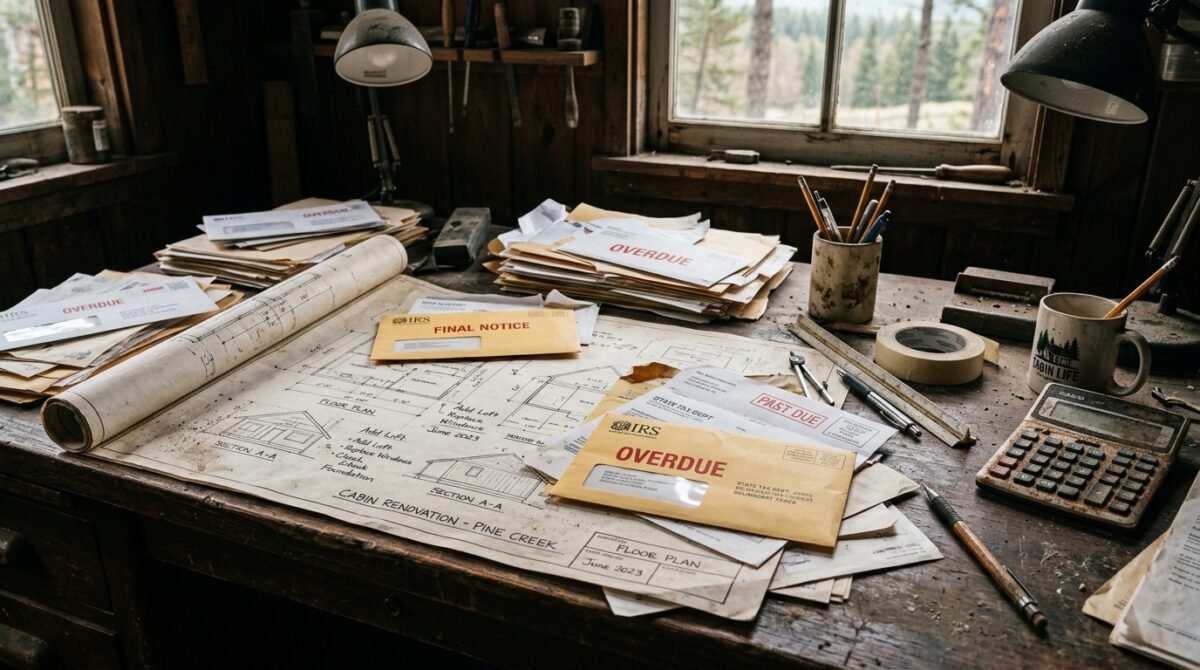
For the first three years after the funeral, I held out hope that Mark would eventually step up. I sent monthly emails detailing the property taxes, insurance premiums, and the growing list of repairs. They were met with either short, dismissive responses or complete silence. I remember one specific email chain from the second year where I laid out the math clearly. The taxes alone were three thousand dollars a year, and the property insurance had doubled.
My brother was living in a high-rise apartment, working a corporate job, and whenever we spoke on holidays, he would make vague promises about ‘coming up to help’ next season. That season never came. I would drive up to the cabin alone, carrying supplies, spending my vacation time caulking windows and clearing brush. It wasn’t just about the money; it was about the fact that he was entirely content to let our family history rot as long as it didn’t inconvenience his lifestyle.
By the fourth year, I stopped asking for his share of the taxes. I knew I wouldn’t get it. I treated the cabin as my own responsibility because, realistically, it was. I had invested nearly $12,000 in minor repairs, utility bills, and basic maintenance that kept the place from being condemned by the county. I felt like a guardian, while he was an absentee landlord who didn’t even have the decency to act like one.
“Hey Mark, the property tax bill just came in. It’s $3,200. I’ve been covering this for three years alone. Can you please send your half by Friday?”
— Sent by OP, 2021
“I’m really swamped with the promotion project right now. Can you just put it on your card? I’ll get you back when the bonus hits in Q4.”
— Sent by Mark, 2021
The bonus never hit, or at least, the reimbursement never arrived. I realized then that my brother was never going to contribute. He was waiting for the cabin to become valuable, or perhaps he was waiting for me to sell it so he could take his half of the equity without ever having lifted a finger. I was working a second job just to pay off the debt I’d accrued keeping the lights on in a cabin he hadn’t stepped foot in for forty-eight months.
The Winter Collapse That Forced My Hand
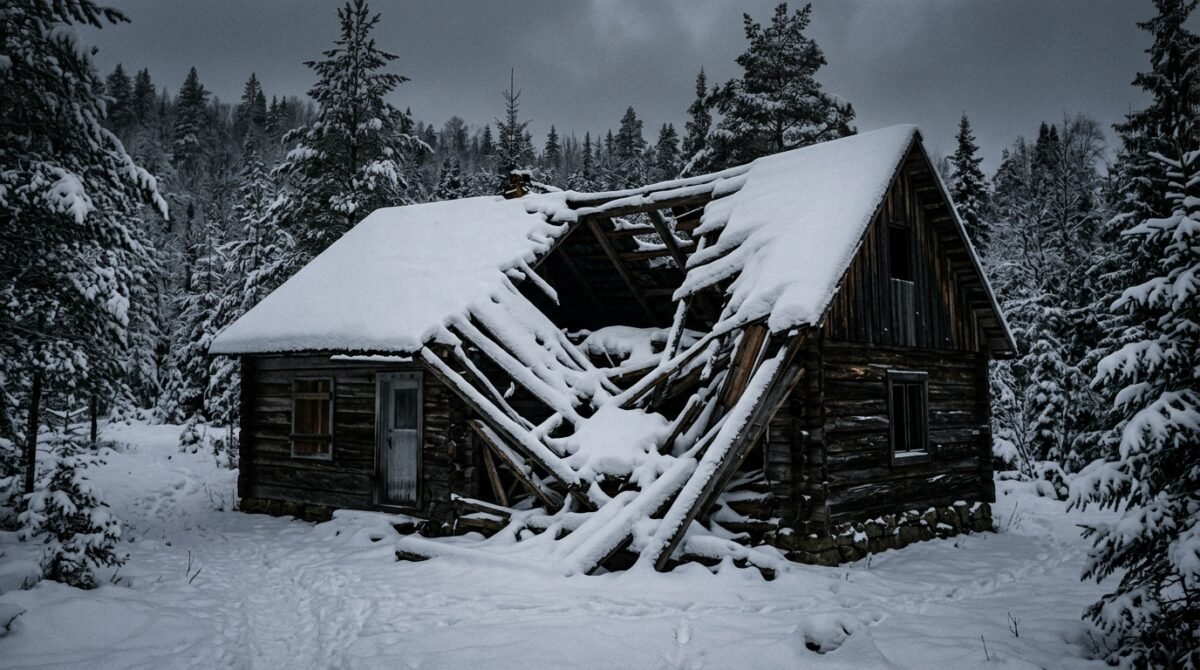
January hit the mountains like a sledgehammer. The record-breaking snow load was too much for the aged, tired roof of our cabin. I got the call from a neighbor who lived a mile down the road; he told me he heard a groaning sound, followed by the sickening crunch of timber. When I arrived, the north side of the cabin was partially collapsed, and the interior was exposed to the biting wind and snow.
I reached out to Mark immediately. I didn’t want to fight; I wanted a partner. I explained the situation, sent him photos of the devastation, and even provided a quote from a local contractor who specialized in historical roof restoration. It was a steep price—$30,000—but it was necessary to save the structure. I told him I was willing to take a high-interest loan if he could at least cover half of the insurance deductible and the initial deposit.
His response was not what I expected. He didn’t ask if I was okay, and he didn’t express sadness over the damage to our childhood home. Instead, he started complaining about the property’s ‘current market valuation’ and whether it was ‘even worth fixing’ versus just selling the land. He questioned the contractor’s credentials and suggested I was being taken for a ride by locals who saw me as an easy target.
“I’m not putting $15,000 into a shack in the middle of nowhere. If you want to play contractor, go ahead, but don’t expect me to subsidize your hobby. If the roof is gone, maybe we should just clear the lot.”
— Sent by Mark, 2023
I felt a cold rage settle in my chest. I knew then that he would never help. I secured the loan, signed the contract, and spent the next three months living in a construction zone. I wasn’t just paying for the roof; I was project-managing the whole thing, sleeping on a cot in the guest room while the work was done to ensure everything was up to code.
The Legal Injunction Arrives
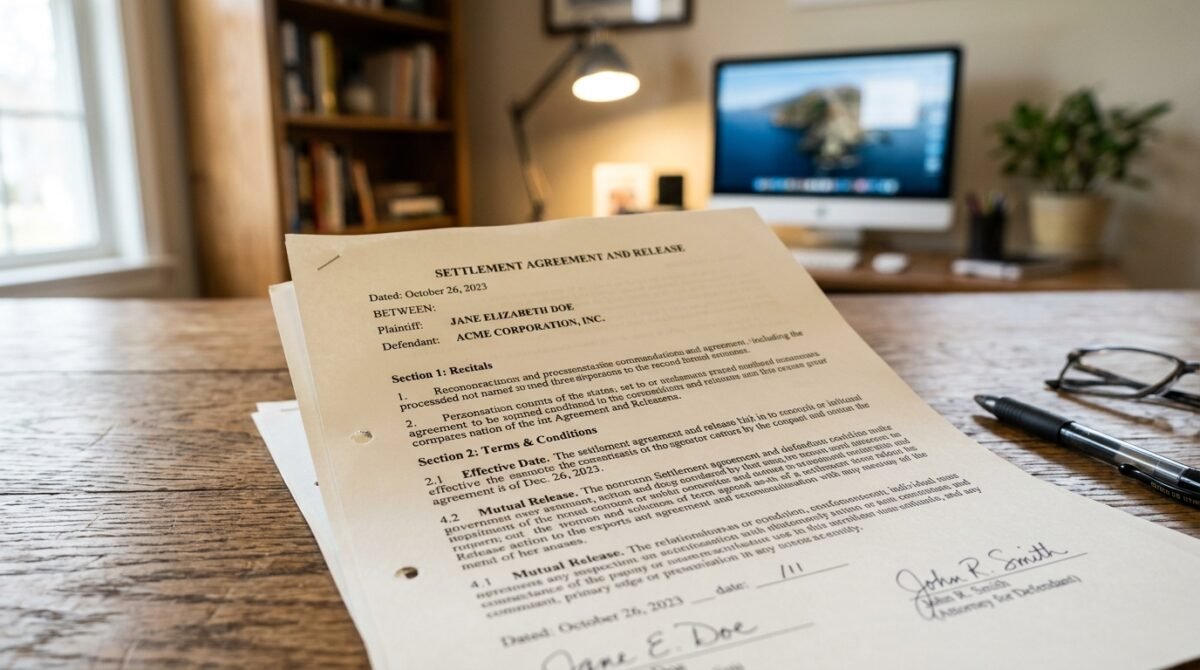
The work finished in mid-spring. The cabin looked better than it had in twenty years. I was exhausted, broke, and proud. I invited my friends up to celebrate the final cleanup, feeling like I had finally secured our future. A week later, a process server showed up at my front door. My heart dropped. I assumed it was a notice about the loan, but it was much worse.
Mark had filed an emergency injunction. He claimed that because I had ‘exclusive use’ of the property for years, and because I had ‘undertaken major unauthorized renovations’ without his consent, he was effectively being ousted from the property. He claimed squatters’ rights—or as his lawyer worded it, ‘adverse possession of shared interest’—to block me from accessing the cabin until a court determined the ‘true value’ of the improvements.
I sat on my porch, reading the legalese, feeling the paper crinkle in my shaking hands. He wasn’t just trying to get a free ride; he was trying to use the law to lock me out of the very house I had spent my life savings to save from collapse. It was a masterclass in gaslighting. He had ignored the property for years, and now that it was actually worth something again, he wanted to control it.
“I saw the pictures on your Instagram. Looks like you spent a fortune. Since you did this without my express written consent, and you’ve occupied the space as your own, I’m asserting my rights to prevent you from selling or using it until we settle the ‘equitable distribution’ in court. Hope you like legal fees.”
— Leaked text from Mark
I didn’t reply. I went straight to an attorney. The lawyer looked at the photos I had taken of the collapsed roof, the receipts for the construction, and the five years of emails where Mark explicitly told me to ‘handle it.’ He smiled and told me that Mark had just made the most expensive mistake of his life.
The Courtroom Confrontation
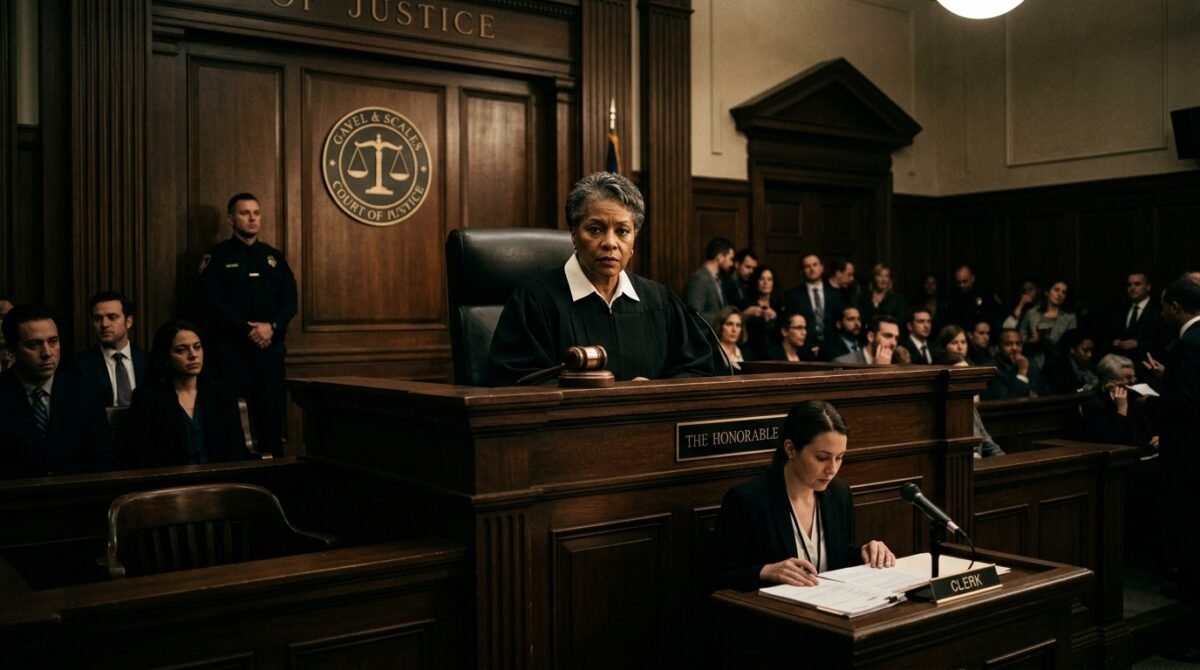
When we finally stood in front of the judge, the air in the room felt suffocating. Mark looked polished, wearing a designer suit that clearly cost more than the property taxes he had dodged for half a decade. I was wearing my best suit, but I felt like an outsider in this sterile, high-stakes environment. Mark’s lawyer spoke first, spinning a narrative of ‘unilateral action’ and ‘predatory exclusion.’
The judge listened, unimpressed. When it was my attorney’s turn, he didn’t raise his voice. He simply placed a binder on the desk. It contained every single email, text, and receipt from the last five years. He highlighted the exact messages where Mark told me to ‘put it on my card’ and ‘don’t expect me to subsidize your hobby.’ The judge’s eyes narrowed as he looked at the timeline of the roof collapse and my frantic pleas for help.
Mark tried to interrupt, claiming he had ‘never received notice’ of the roof collapse. My lawyer pulled up the read receipts from the text messages. The silence in the room was deafening. You could see the realization dawning on Mark’s face that his strategy of ‘playing the victim’ was crumbling under the weight of documented reality.
“Mr. Petitioner, you claim you were excluded from the property, yet the evidence shows you repeatedly declined to participate in its maintenance, even when notified of emergency structural failure. You cannot abandon an asset, allow it to decay, and then claim ‘exclusive use’ issues when the co-owner restores it at their own expense.”
— The Judge
Mark turned bright red. He looked at me, not with remorse, but with pure, unadulterated shock. He had truly believed that he could intimidate me into a payout. He had overestimated his importance in the legal process and vastly underestimated my preparation.
Reddit Weighs In: The Community Verdict
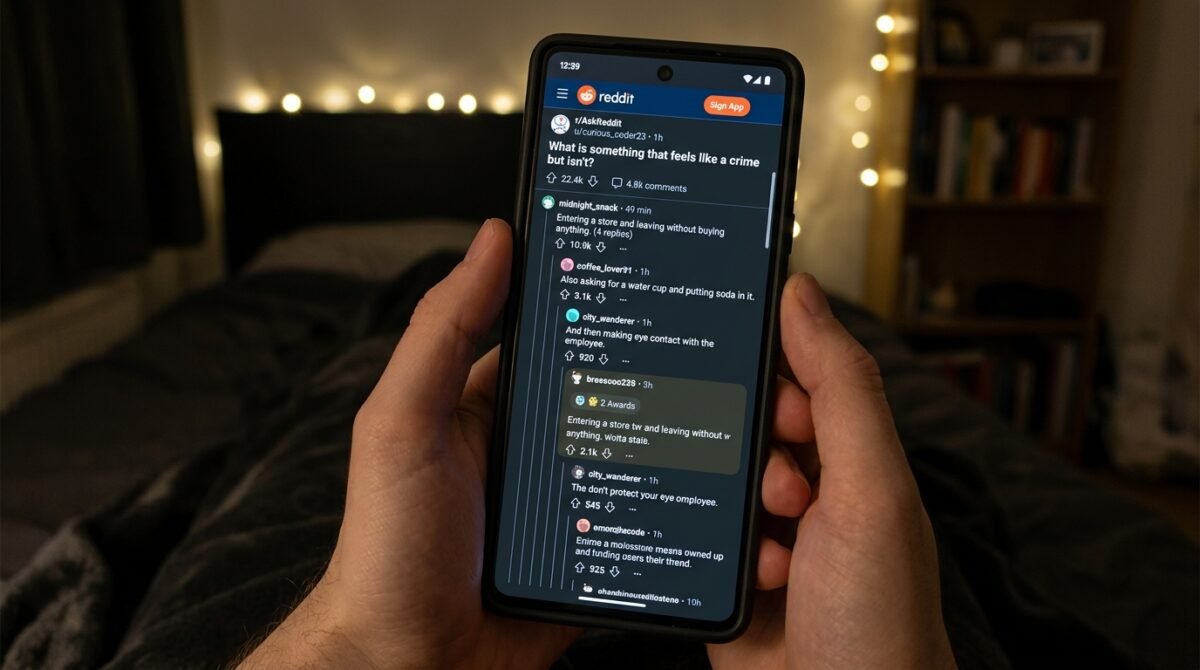
I posted about the situation on r/LegalAdvice and r/RelationshipAdvice later that night. I didn’t use names, but the detail was enough to make it clear. The internet, as it turns out, has very little patience for people like my brother. Within hours, the post reached the top of the subreddit, and the commentary was both validating and terrifyingly honest.
Thousands of people weighed in. Most were outraged on my behalf, suggesting that I sue him for the costs incurred during his years of neglect. Others pointed out that his claim of ‘squatter rights’ was a laughable legal reach, essentially a bullying tactic meant to force a quick, cheap settlement before I realized my own legal standing.
“This isn’t just about the cabin. Your brother is a classic narcissist who thinks the world revolves around his convenience. Document everything. Do not sign a single piece of paper without your lawyer present. He is trying to bleed you dry because he knows you’re the one who put the work in.”
— u/LegalEagleEye (15.2k upvotes)
“I had a cousin do this with our grandmother’s farm. They let the barn fall down and then tried to sue for the land value. If you don’t fight this, he will keep doing it. He isn’t your brother; he’s a business partner who is currently trying to commit fraud.”
— u/FarmGirlReality (8.4k upvotes)
Reading these comments helped me realize I wasn’t being ‘difficult.’ I was being a responsible owner. The community support gave me the courage to push for a complete buyout of his share, rather than just settling for the roof repair costs. I realized I didn’t want to share a property with someone who would wait for a storm to try and steal it.
The Secret Group Chat Revealed
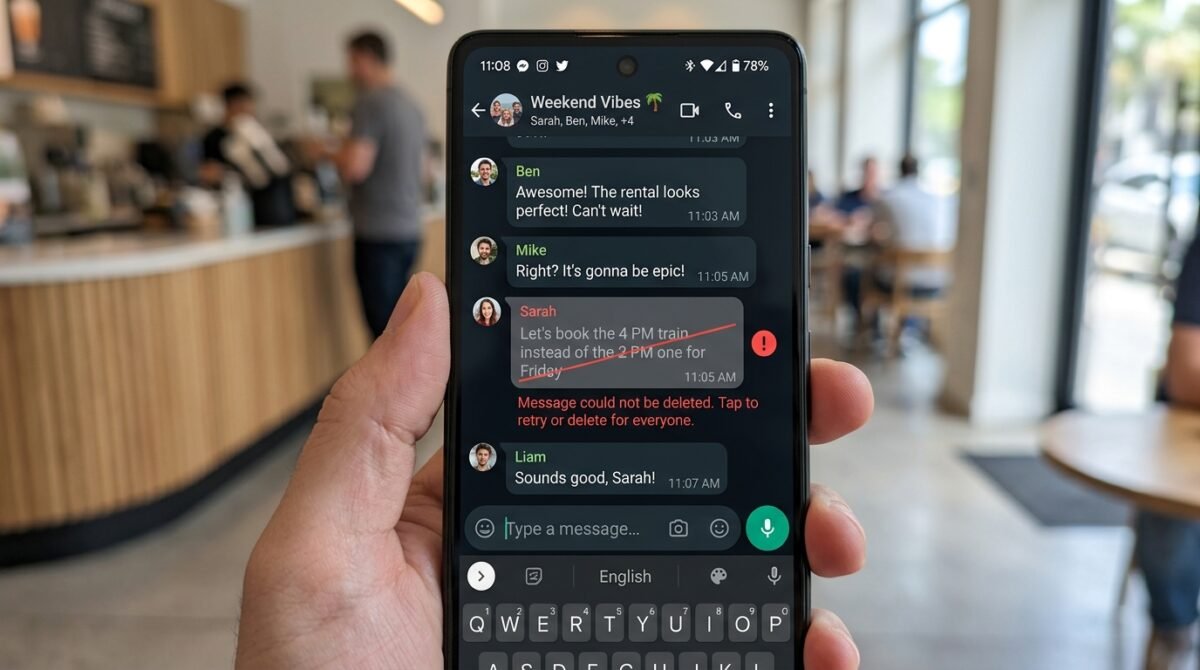
The real kicker happened a week after the hearing. I was in a family group chat with my cousins and aunts, and my brother—in a moment of sheer stupidity—sent a screenshot of his own legal strategy notes, meant for his lawyer, to the entire group instead of just his counsel. It laid out a plan to ‘drag the process out for eighteen months’ to force me into a ‘fire sale’ where he would buy my half for pennies on the dollar.
The chat went silent for a few minutes, then my aunt, who was always the family mediator, went nuclear. She had no idea the extent of the betrayal. She replied to the group, pointing out exactly how much time I had spent there and how Mark had spent every summer since college in the Hamptons while I was sanding decks. The screenshots started flying, and for the first time, Mark wasn’t the favorite son; he was the black sheep.
“I’ve seen everything. You’re trying to rob your own sibling of their sweat equity? I hope the judge throws the book at you. Don’t call me asking for help with your mortgage again.”
— Aunt Sarah, in the Family Group Chat
Mark tried to delete the message, but it was already seen. He left the group chat immediately, but the damage was done. The truth about his ‘financial hardship’ was exposed; he was actually doing fine, he just felt entitled to my labor. He had viewed me as a glorified groundskeeper for his vacation home.
The Final Buyout Negotiation
With the judge’s ruling leaning heavily in my favor and the family support fully behind me, Mark’s position became untenable. His lawyer, likely realizing that his client was a liability with a pattern of documented bad faith, began negotiating in earnest. They weren’t fighting for ‘squatter rights’ anymore; they were fighting for a way out without a massive judgment against them.
I made my terms clear. I wanted to buy out his half of the property, but the price would be based on the appraised value *minus* the cost of the roof, the past five years of taxes, and the maintenance I had performed. I wasn’t just giving him a payout; I was recouping every cent he had forced me to spend while he sat on the sidelines.
The negotiation was brutal. Mark fought for every dollar, claiming the ‘sentimental value’ of the land should increase the payout. I held firm. My lawyer was worth every penny; he kept the focus on the ledger and the legal precedents regarding joint tenants. Every time Mark tried to pivot to ‘family loyalty,’ my lawyer brought it back to the unpaid property taxes of 2019.
“You want the payout? Then we deduct the $45,000 in costs I’ve incurred keeping this place standing while you ignored it. You can take the remaining equity, or we can go back to court and I’ll ask for a full audit of your past contributions. Which one do you want?”
— My final offer to Mark
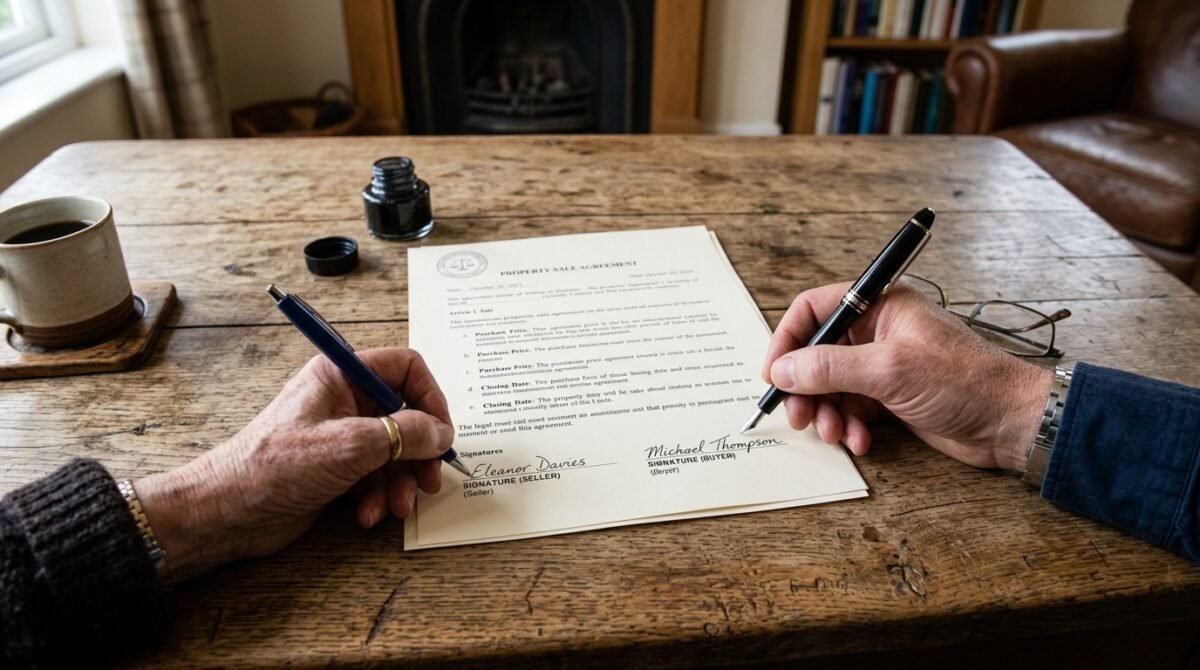
He folded. He knew that if we went to trial, the judge would likely penalize him for the bad-faith injunction. He took the offer, signed the quitclaim deed, and for the first time in my life, I truly owned the cabin—solely and completely.
The Quiet After the Storm
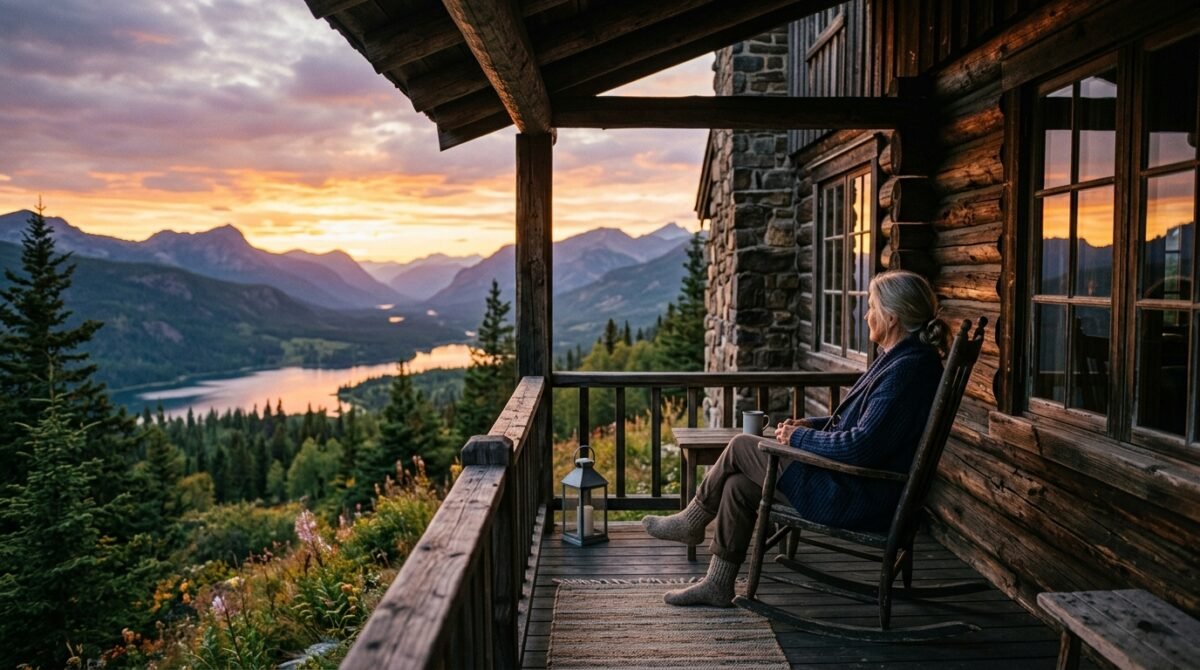
The day the deed was transferred, I drove to the cabin alone. The silence was different this time. It wasn’t the silence of neglect or the silence of a house falling apart; it was the silence of peace. I sat on the porch, looking out at the trees, and realized I didn’t owe anyone an explanation for why I was there. The cabin was mine. No more texts to a brother who didn’t care, no more worrying about his share of the bill.
I spent that weekend clearing out the last of his things—a few old shirts, a broken fishing rod, and some college textbooks. I didn’t throw them away; I packed them into a box and mailed them to his office. No note, no explanation, just a tracking number. It was the final closure I needed to move past the resentment that had defined my life for years.
The neighbors, who had seen me working on the roof throughout the winter, stopped by to congratulate me. One of them, an old man who had known my parents, told me he was glad someone who actually cared was taking the reins. It felt like the cabin was finally mine in spirit, not just on paper. I had paid a high price for it, both in money and in the relationship with my brother, but I knew it was the right choice.
“You did the right thing. Some people think property is a prize, but it’s a living thing. If you don’t feed it, it dies. You were the only one feeding it.”
— Our neighbor, Mr. Henderson
I realized that the relationship with Mark had been dead long before the roof fell in. I had just been mourning it, trying to keep it alive through sheer force of will, just like I had with the cabin. Letting go of him was as necessary as repairing the house.
The Aftermath and Lessons Learned
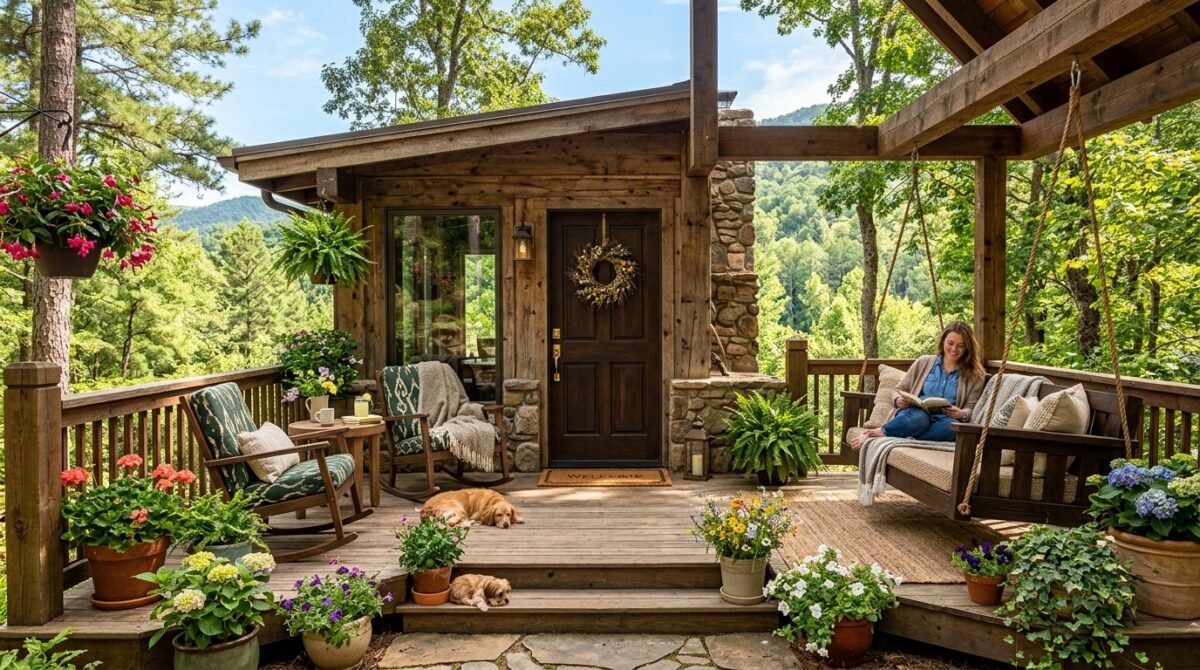
It’s been six months since the buyout. I haven’t heard from Mark, and I don’t expect to. My aunt tells me he’s moved on to another project, something about a ‘get-rich-quick’ real estate scheme that sounds just as disastrous as his attempt to steal my cabin. I don’t feel the need to intervene. He’s no longer my responsibility, and his choices are no longer my concern.
I’ve learned that blood doesn’t give someone the right to exploit you. I spent so long thinking that family meant suffering through unfair treatment because ‘that’s what you do for family.’ I was wrong. Family is a two-way street, and when one party stops traveling, you have to decide whether you’re going to keep walking in the same direction or turn back.
I’ve invested in a few more upgrades—a new deck and a solar setup. The cabin is now a place where I can invite friends and build new memories, rather than a monument to a failing relationship. I still have the occasional bad dream about the roof collapsing, but when I wake up and look out my window, I see a sturdy, well-cared-for home. And that’s enough.
“If you inherit something with someone else, get a buy-sell agreement drawn up on day one. Don’t wait for a crisis to define your relationship with your own property.”
— My lawyer’s parting advice
I hope anyone reading this who is in a similar position takes the hint: protect your assets and your mental health. Don’t let someone else’s laziness or greed become your burden. You deserve to be treated with respect, and sometimes, the only way to get that is to walk away from the people who refuse to give it to you.
Community Reflection: The Hard Truths

The Reddit thread is still active, with people sharing their own horror stories of family inheritances gone wrong. It’s comforting to know I’m not alone, but it’s also a sobering reminder of how quickly greed can turn family against each other. I’ve started a small subreddit for people dealing with ‘inherited property disputes’ to offer advice and support, hoping to help others avoid the legal pitfalls I faced.
The consensus in the community is clear: inheritance is not an excuse for bad behavior. People have reached out to ask about the specific laws regarding adverse possession and how to document property maintenance correctly. I’ve been able to share my experience, including the importance of keeping every receipt and email. The paper trail is the only thing that saves you when things go south.
“It’s sad that it cost you a sibling, but look at it this way: you didn’t lose a brother, you lost a liability. The cabin is still there, and now you have the peace of mind to enjoy it.”
— u/PerspectiveShift (Top comment, 5k upvotes)
Some people say I should have reached out one more time, tried to mend things, or offered him a ‘generous’ exit package. But I know that would have just invited more manipulation. Some boundaries are meant to be ironclad. I’ve made my peace with the fact that my brother is a stranger to me now, and honestly? That’s a price I’m willing to pay for my freedom.
Conclusion
In the end, the cabin stands as a testament to my resilience, not just against the elements, but against the people who sought to diminish me. The legal battle was draining, but it clarified everything. My brother wasn’t a partner; he was an obstacle. By standing my ground, I didn’t just save a building; I reclaimed my autonomy.
Life is far too short to spend it maintaining things—or people—that don’t reciprocate your effort. Whether it’s a house or a relationship, if you’re the only one keeping the roof from caving in, it might be time to ask yourself why you’re carrying that weight alone.
What about you? Have you ever had to draw a hard line with a family member over money or property? How did you handle the fallout? Share your stories in the comments below; I’m interested to see how others navigated the balance between blood ties and their own survival.
What's your verdict on this dilemma?
Vote below to contribute to the official community consensus.

Have a Dilemma Keeping You Up at Night?
Share your real-life feud, wedding chaos, or relationship crossroads anonymously with our editorial team.
What do you think ?
0 Comments🛡️ Comments are moderated to protect community integrity. Your comment will appear once approved by the editorial team.