

It started as the dream move-in. After two years of dating, Mark suggested I move into his house. He had bought it five years prior, a modest but charming suburban home that he had paid off aggressively thanks to a massive inheritance from his grandfather. I was ecstatic. We had talked about our future, about building a life together, and moving in felt like the natural, exciting next step in our commitment to one another.
The shift, however, was as subtle as it was sinister. The day after I signed the lease agreement he had printed—a document that felt more like a corporate contract than a romantic gesture—the reality of his intentions became crystal clear. He sat me down with a spreadsheet, color-coded and projected onto our living room wall. It wasn’t a budget for our shared expenses. It was a profit-and-loss statement where I was the sole revenue stream.
He wasn’t asking me to help with the utilities or the property taxes. He was asking me to pay what he deemed ‘full market rent’ for a house he owned free and clear. His justification? That I would be paying rent anywhere else, so why shouldn’t I pay it to him? Meanwhile, he planned to save every single cent of his own salary into his private investment portfolio. It was a masterclass in financial exploitation hidden under the guise of ‘fairness.’
As I sat there, staring at the numbers, a cold realization washed over me. I wasn’t being treated as a partner; I was being treated as a tenant—a source of passive income designed to expedite his wealth accumulation at the expense of my own. The moral dilemma wasn’t about whether or not I should contribute to a household; it was about the fundamental betrayal of trust inherent in charging your significant other a premium to live in your paid-off asset.
This is the story of how that spreadsheet tore the veil off our relationship. It’s a story of boundaries, of realizing that sometimes, the person you love the most is the one who has the most calculated plan for your wallet. It’s a story about the moment I decided that I was worth more than his investment vehicle, and the explosion that followed when I refused to play by his rules.
The Printed Spreadsheet of Deception
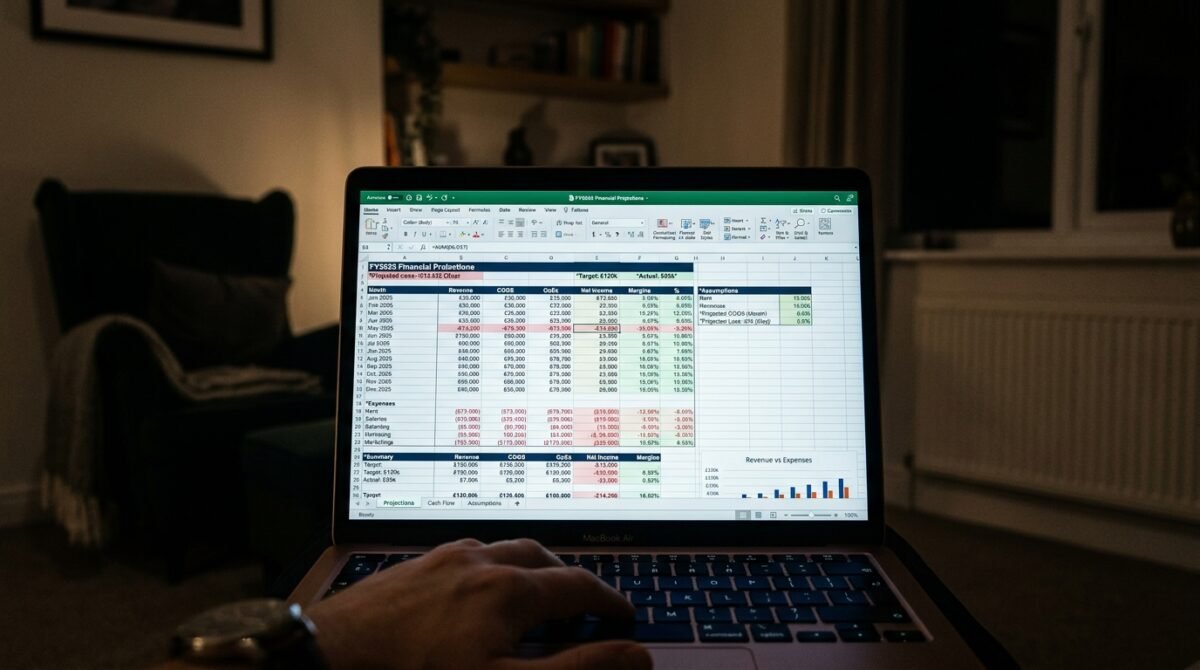
The atmosphere in the living room was thick with a performative air of professionalism. Mark had even worn a button-down shirt, as if he were presenting to a board of directors rather than his girlfriend of two years. He clicked a button on his remote, and the screen glowed with a series of blue and green bars that looked suspiciously like a landlord’s ledger.
He explained it with a sickening amount of calm. He had researched rental prices in the neighborhood, accounting for square footage, proximity to public transit, and ‘modern amenities’—the very same amenities he had barely touched in the years he lived there alone. He pointed to a figure at the bottom of the column: $2,400 a month. My jaw didn’t just drop; I felt my heartbeat spike with an adrenaline-fueled mixture of shock and impending rage.
“Look, Sarah, I’ve done the math. If you rented a comparable apartment in this part of the city, you’d be paying even more. This way, we’re keeping the money in our ecosystem, and I can move my entire salary into my index funds. It’s just sound financial planning for our future.”
I tried to process the audacity. ‘Our ecosystem?’ I repeated, the words feeling like acid in my mouth. I asked him what he meant by ‘our’ future when every dollar I paid him would solidify his net worth while mine remained stagnant. He shrugged, looking genuinely confused that I would challenge his logic. He truly believed he was being the ‘rational’ one in the room.
I asked him specifically about the taxes and maintenance. ‘Oh, those are covered by the rent,’ he replied, as if he were doing me a favor by not charging me separately for the privilege of keeping his house in good repair. He was essentially asking me to pay for his equity growth, his property taxes, and his insurance, all while he lived rent-free on his own salary.
The conversation spiraled quickly. I brought up the fact that we had discussed saving for a down payment on a house that we would buy together, but he brushed that aside. He told me that his house was already ‘our house,’ and that he didn’t see the point in buying something else when we had this one. It was a trap, and for a fleeting moment, I think he knew it.
I spent the rest of the night in silence, staring at the ceiling, wondering how I had managed to miss this side of him. The man I loved was suddenly a stranger, a landlord masquerading as a partner. The trust I had built over two years was evaporating, replaced by a cold, hard calculation of my own.
The First Crack in the Facade

The morning after the spreadsheet ‘presentation,’ I couldn’t look at him. I made coffee in silence, the clink of the spoon against the ceramic mug sounding like a gunshot in the quiet kitchen. Mark walked in, full of false cheer, acting as if we had simply agreed on a new grocery shopping schedule rather than a life-altering financial contract.
He started talking about how he wanted to remodel the kitchen with the ‘extra capital’ he would have once I started paying rent. It was as if he were spending my money in his head before it had even hit his account. I couldn’t take it anymore. I set my mug down and told him that I wasn’t signing anything and that I wasn’t paying market rent for a house he didn’t have to pay for himself.
“You’re being emotional about this, Sarah. This is a business transaction between two adults who happen to be in a relationship. Why are you trying to sabotage our financial growth?”
I laughed, a sharp, bitter sound. ‘My financial growth?’ I asked. ‘Mark, how does me giving you $2,400 a month grow my wealth? Does it go into a savings account for us? Does it build equity in my name? No. It goes into your portfolio. That is not a partnership; that is an employer-employee relationship with a very high premium.’
He didn’t like being called out. His face flushed a deep, blotchy red. He started listing the ‘benefits’ of living with him, as if I were a tenant in a high-end complex. He mentioned the location, the quiet neighborhood, and the fact that he was ‘allowing’ me to live there. The word ‘allowing’ hit me like a physical blow. He wasn’t inviting me to build a home; he was offering me a space in his asset.
I told him I would pay half the utilities and maybe a small amount toward the groceries, but that was as far as I would go. He told me that wasn’t ‘serious’ and that if I wasn’t willing to pay my share, I should consider moving out. He was threatening me with homelessness in my own relationship. The power dynamic he had established was suddenly laid bare, and it was ugly.
I spent the afternoon at a local cafe, calling my sister, who told me to get out as fast as I could. She pointed out that he was showing me exactly who he was. I had been blind to his selfishness because I was in love, but now, the fog had lifted. I realized that if I agreed to his terms, I would be setting a precedent for the rest of our lives: he takes, I give, and he calls it a partnership.
The Group Chat Betrayal
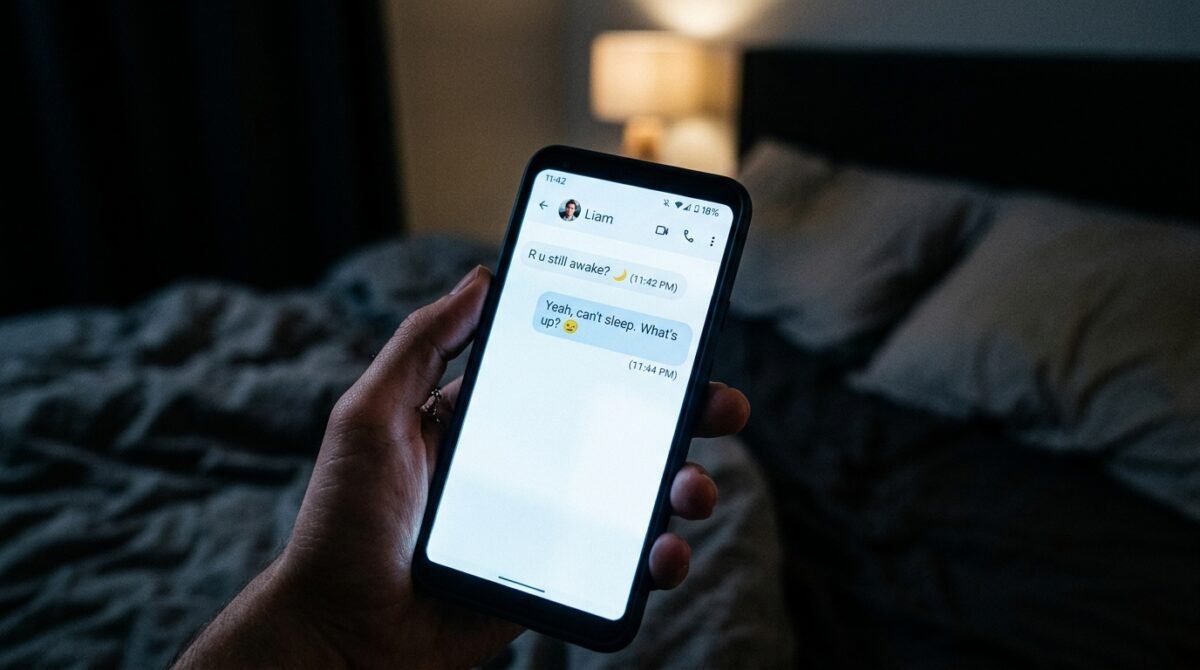
I didn’t know about the group chat until three days later. Mark had left his phone on the kitchen counter while he went out to run errands. It buzzed repeatedly—a series of notifications from a group titled ‘The Investors Club.’ I usually never touch his phone, but the sheer volume of pings was distracting. I glanced over, and the names of his friends appeared on the lock screen.
“She’s finally going to start covering the mortgage payments. That’s an extra $28k a year for my portfolio. She thinks we’re saving for a wedding, but that money is going straight into my Tesla stock. She’s so naive.”
— Mark, in ‘The Investors Club’ Group Chat
My stomach dropped. I felt a wave of nausea so intense I had to sit down on the floor. He wasn’t just being greedy; he was actively deceiving me. He was playing me for a fool, using our supposed future as a cover to exploit my income. The ‘wedding fund’ we had talked about was a lie. He was using me to subsidize his own financial independence.
I took pictures of the screen. My hands were shaking so hard I could barely hold the phone steady. I sent the screenshots to my own phone and deleted the evidence from his. I knew I couldn’t confront him yet. I needed a plan. I needed to know exactly how deep this deception went, and I needed to protect myself before I burned the house down.
The rest of the day was a blur of cold, calculated survival. I acted normal. I asked him about his day, I made dinner, I even laughed at his jokes. Every time he touched me, I felt a shudder of revulsion. I was living with a stranger, someone who saw me as nothing more than a line item in a spreadsheet. The intimacy I thought we shared was nothing but a facade for his financial gain.
I started packing, slowly. One drawer at a time. I moved my important documents into my bag. I called my landlord from my previous apartment and asked if the unit was still available. It was. I had a place to go. I felt a strange sense of liberation. The sadness was there, but it was being eclipsed by a righteous, burning anger that gave me the clarity I had been missing.
That night, I didn’t sleep. I just watched him sleep, breathing evenly, oblivious to the fact that his ‘cash cow’ was about to escape the barn. I felt a strange sense of pity for him. He was so consumed by his greed that he couldn’t see the value of a person. He was going to end up very rich, and very, very alone.
The Sunday Dinner Confrontation

Sunday dinner was the final act. Mark had invited his parents over, a tradition he used to show off his ‘successful’ life. His mother had always been slightly critical of me, making backhanded comments about my career choices. I knew this was the moment. I had everything packed in the trunk of my car, parked just down the street.
We were sitting at the table, his father talking about the stock market, when I decided to drop the bomb. I didn’t want to make a scene, but I wanted the truth to be out there. I brought up the ‘rent’ situation, framing it as a lighthearted question to see how they would react. Mark looked nervous, his eyes darting toward me, trying to shut me down.
“So, Mark and I have been discussing finances. He wants me to pay full market rent for this house so he can invest his entire salary. What do you guys think? Is that how you handled your finances when you started out?”
His father blinked, clearly taken aback. His mother looked between us, sensing the tension. Mark tried to interrupt, saying that I was just joking, that we were still working out the details. But I kept going. I laid out the math, the ‘market rate’ he had calculated, and the goal he had for his portfolio. The air in the room grew heavy.
His father looked at Mark, his expression unreadable. ‘Mark, is that true? You’re charging her rent while you save all your money?’ Mark sputtered, trying to justify it as ‘smart’ and ‘fair.’ His father shook his head. ‘That’s not a marriage, son. That’s a transaction. That’s not how you build a life with someone. That’s how you build a bank account while you lose the person you’re with.’
I stood up. I didn’t scream, I didn’t cry. I was calm, terrifyingly calm. I looked Mark in the eyes. ‘I saw the group chat, Mark. I know about the Tesla stock. I know that you’ve been lying to me about our savings for months. I’m moving out. The rent is paid for this month, but you can keep the extra, since that’s all you seem to care about anyway.’
The silence that followed was deafening. Mark looked like he had been slapped. His mother looked horrified. I walked out of the house, my key left on the dining table next to my half-eaten plate. I didn’t look back. I drove away, and for the first time in months, I felt like I could breathe again.
The Aftermath and the Online Fury

I posted about the situation on Reddit that night, needing validation that I wasn’t the crazy one. I didn’t expect the response it got. Within hours, the post had thousands of upvotes and hundreds of comments. People were outraged. They called it financial abuse, a red flag of the highest order, and warned me about the dangers of dating someone who views their partner as a revenue stream.
“Girl, run. You just dodged a bullet the size of a cannonball. He was literally using you to fund his retirement while you were left with zero assets. This is textbook financial control. You did the right thing.”
— u/FinanceExpertUser, 15.2k upvotes
The comments continued to pour in. People shared their own stories of being taken advantage of by partners who were obsessed with money. It was a massive community of people who had been through the same thing, and their support was overwhelming. I felt seen, heard, and validated. I realized that my situation wasn’t just a ‘disagreement’; it was a systemic failure of his moral compass.
Mark tried to reach out, of course. He sent me dozens of texts, apologizing, saying he didn’t mean it, that he was just ‘stressed’ and ‘overthinking’ his finances. He tried to gaslight me, telling me that I was overreacting to a private conversation. I didn’t respond. I blocked him on everything. I had no interest in hearing his justifications for why he thought it was okay to treat me like an ATM.
My friends were incredible. They helped me move my things into my new place, and we celebrated my newfound freedom with wine and pizza. I felt lighter, happier, and more confident than I had in a long time. I realized that I had been compromising myself for a man who didn’t even care if I succeeded, as long as he did.
The ordeal left a mark, certainly. I’m more cautious now, more protective of my finances, and more observant of how people treat money. But it was a necessary lesson. I learned that I would rather be alone and in control of my own future than be in a relationship where I am the one footing the bill for someone else’s success.
I look back at that spreadsheet now as a piece of history—a reminder of the trap I narrowly escaped. I am no longer a line item. I am the author of my own life, and I am finally, truly, free. The internet’s reaction taught me that I wasn’t alone, and that there are so many people out there who value real connection over financial gain.
The Reddit Verdict: Financial Abuse or Smart Planning?

The Reddit community was split, but the overwhelming majority stood firmly in my corner. Many users pointed out that the issue wasn’t just the rent; it was the deception. Charging rent isn’t inherently evil, but doing so while lying about the purpose of that money—and hiding it in a private group chat—crossed the line from ‘financial arrangement’ to ‘financial abuse.’
“The rent isn’t the problem. The lie is the problem. He was actively lying to her about their future to extract money from her. That is malicious intent. NTA.”
— u/RelationshipGuru, 9.4k upvotes
Others, however, provided a more nuanced take. Some argued that if I were living in the house, I should contribute to the household expenses, but that the market rate was excessive. They suggested that a fair arrangement would have been half the property tax and insurance, but not a full rent payment that included a profit margin for the owner.
The debate highlighted a major issue in modern dating: the lack of transparency about finances. We often treat money as a taboo topic, which allows for these kinds of toxic dynamics to fester. People shared their own ‘rent’ stories, some of which were just as shocking as mine, while others had much healthier, more collaborative arrangements.
The consensus was clear: if you are moving in with someone, you need to have a blunt, honest conversation about finances before you sign anything. You need to know what the money is for, where it’s going, and how it benefits both parties. If the other person isn’t willing to have that conversation, they aren’t ready for a real partnership.
Reading the comments was therapeutic for me. It helped me realize that I hadn’t lost a ‘good thing’; I had lost a ‘bad thing’ that I had been conditioned to think was good. It was the ultimate wake-up call, and I will be forever grateful to the people who took the time to share their wisdom and support.
The thread was eventually locked by the moderators due to the sheer volume of activity, but the impact remained. I still get messages from people who tell me that my story gave them the courage to leave their own toxic, controlling relationships. It’s the best outcome I could have hoped for.
Redefining Partnership and Financial Boundaries

Since the breakup, I’ve had to do a lot of soul-searching about what I want in a relationship. I’ve realized that I value transparency above all else. I don’t want a partner who keeps secrets or who views our life through the lens of a spreadsheet. I want someone who is willing to share in the good and the bad, not someone who wants to profit from my presence.
I’ve also become much more financially literate. I’m taking control of my own investments, learning about savings, and building my own safety net. I don’t want to be in a position where I’m dependent on anyone else, and I definitely don’t want to be in a position where I’m being exploited by the person I’m supposed to trust.
It’s a powerful feeling to know that I can stand on my own two feet. I don’t need a partner to give me a ‘place to live’ or to ‘manage’ my finances. I am capable, strong, and deserving of a relationship that is built on mutual respect and genuine love, not on financial gain.
I’ve started dating again, but the process is different now. I’m upfront about my expectations, I ask questions, and I don’t tolerate any red flags. If someone brings up money in a way that feels controlling or manipulative, I’m out. I know my worth, and I won’t settle for anything less.
I hope my story serves as a cautionary tale for others. Don’t be afraid to look at the numbers. Don’t be afraid to ask the hard questions. And most importantly, don’t be afraid to walk away when you realize that the person you’re with doesn’t have your best interests at heart.
The Legal Reality of Renting from a Partner
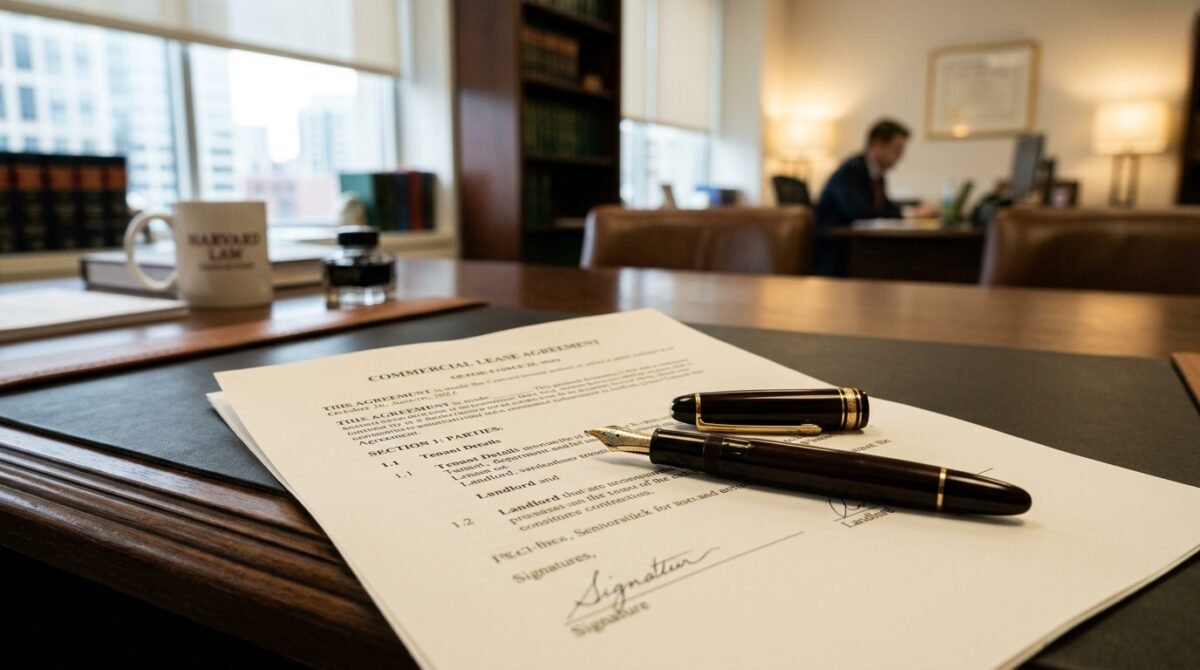
Many of the commenters on my post brought up the legal implications of the arrangement. In many jurisdictions, if you pay rent to a partner, you might technically become a tenant with legal rights, but those rights are often murky and hard to enforce. If the relationship ends, you could be evicted with very little notice, and you’d have no claim to any of the equity you helped build.
The legal advice was clear: if you are going to contribute to a home, it should be in writing, and it should be structured in a way that protects both parties. If you’re paying ‘rent,’ you’re a tenant. If you’re contributing to a mortgage, you should be on the title. Don’t let yourself be exploited by someone who thinks they can skip the legal formalities just because you’re in love.
I was lucky in that I didn’t have a formal lease, but I was also vulnerable in that I had no legal protection. I was at his mercy, and he knew it. It’s a sobering thought, and one that I hope others take seriously. Love is a personal matter; property and money are legal matters. Keep them separate until you are absolutely certain that your interests are protected.
I’ve since spoken to a financial advisor who confirmed that the way he was handling things was, at best, predatory and, at worst, legally questionable. I’m glad I didn’t get deeper into it. I’m glad I walked away when I did. It was a close call, but it taught me a valuable lesson that I will carry with me for the rest of my life.
Protect your assets, protect your heart, and never, ever let someone else dictate your financial future. You are the only one who can truly look out for your own interests. Don’t delegate that responsibility to anyone, no matter how much you think you love them.
Reflections on Emotional Manipulation

Looking back, the financial exploitation was only one part of the manipulation. Mark was a master at making me feel like *I* was the unreasonable one, like *I* was the one who was being ‘difficult’ and ’emotional.’ He used phrases like ‘business transaction’ and ‘smart planning’ to shut down any conversation about the emotional betrayal he was committing.
He made me feel like I was lucky to be with him, as if his ‘success’ was something I should be honored to be near. It was a classic gaslighting technique, designed to keep me feeling small and grateful for the scraps he tossed my way. It worked, for a while. It worked until I saw the truth, and then the whole house of cards came crashing down.
I’ve learned to recognize these patterns now. The subtle put-downs, the way he would dismiss my feelings, the way he would twist the truth to suit his narrative—they were all part of the same toolkit of manipulation. I’m so glad I broke free. I’m so glad I didn’t spend another year, or five, or ten, in that toxic cycle.
I’ve been doing a lot of therapy, and it’s been incredibly helpful in undoing the damage. I’m learning to trust my intuition again, to listen to that little voice in my head that tells me when something isn’t right. I’m learning that I don’t have to apologize for setting boundaries, and that I don’t have to explain myself to someone who isn’t willing to listen.
I’m stronger, smarter, and more self-aware than I ever was before. I’ve come out the other side of this, and I’m ready for whatever comes next. I hope that by sharing my story, I can help others find the strength to do the same, to break free from the chains of manipulation and to reclaim their own lives.
Finding My Own Path Forward

Today, I’m in a place of peace. I have my own apartment, I’m building my own savings, and I’m surrounded by people who love and respect me for who I am. I’m not ‘subsidizing’ anyone, and I’m not being ‘subsidized’ by anyone. I’m standing on my own two feet, and it feels absolutely incredible.
I’ve learned that the best investment I can make is in myself. My education, my health, my career, my well-being—these are the things that truly matter. I’m focusing on what brings me joy and what makes me grow, and I’m letting go of everything else. It’s a simple philosophy, but it’s one that has changed everything for me.
I’m also more conscious of the people I surround myself with. I look for kindness, integrity, and genuine concern for others. I don’t have time for games or for people who are only in it for what they can get. I’ve learned that the people who really love you are the ones who want to see you succeed, not the ones who want to hold you back.
I’m grateful for the experience, as painful as it was. It taught me things I might never have learned otherwise. It made me who I am today—strong, independent, and resilient. And for that, I’ll always be thankful. I’m looking forward to the future, to all the possibilities and all the adventures that lie ahead.
Thank you for reading my story. If you’re going through something similar, know that you’re not alone. You have the power to change your life, and you have the strength to walk away. You deserve to be treated with love, respect, and fairness. Don’t settle for anything less.
Conclusion
My journey through this financial entanglement was a harsh introduction to the realities of power dynamics in relationships. What I thought was a dream move-in evolved into a calculated trap designed to drain my resources for another’s benefit. Yet, through the pain and the public scrutiny, I found a renewed sense of self-worth that no amount of money could ever buy.
The takeaway is simple: Never let the comfort of a relationship blind you to the reality of its structure. If your partner is asking for your money, always ask ‘why,’ and more importantly, ask what you are getting in return. True partnership is about building together, not one person building while the other pays.
I invite you to share your thoughts in the comments below. Have you ever been in a situation where finances became a source of conflict or manipulation? How did you handle it? Let’s keep the conversation going and continue to support one another in setting healthy boundaries and building fulfilling, respectful lives.
What's your verdict on this dilemma?
Vote below to contribute to the official community consensus.

Have a Dilemma Keeping You Up at Night?
Share your real-life feud, wedding chaos, or relationship crossroads anonymously with our editorial team.
What do you think ?
0 Comments🛡️ Comments are moderated to protect community integrity. Your comment will appear once approved by the editorial team.