
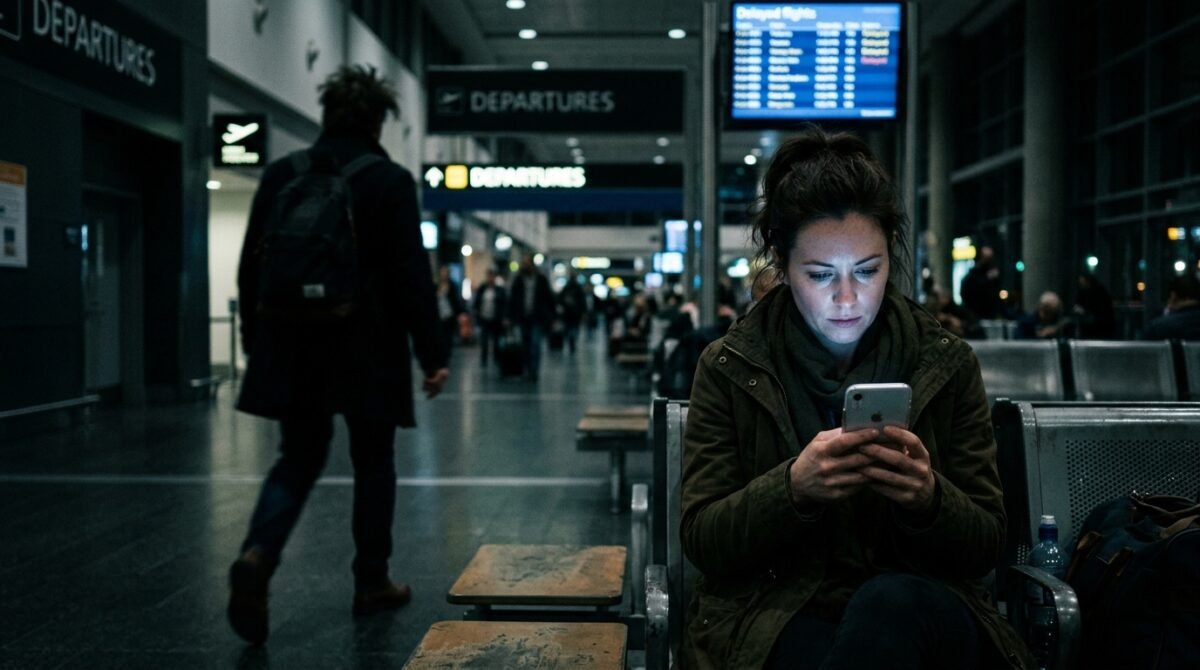
Relationships are often built on small, implicit promises of mutual care and shared experiences. For Mark and me, travel had always been our bonding ritual. We saved for months, meticulously planned itineraries, and agreed that whenever we took a long-haul flight, we would splurge on premium economy or business class to ensure we arrived refreshed and ready to explore. It wasn’t just about comfort; it was about the equity we both put into our shared life. But beneath the surface of our seemingly stable three-year relationship, a rot had begun to take hold—a growing sense of financial entitlement on his part, fueled by the misguided belief that my money was ‘ours’ but his money was strictly his own.
The catalyst for this entire disaster began with an anniversary trip to Europe. We were supposed to fly home together after two weeks abroad. I had handled the initial booking, paying for both of our tickets with my credit card, which Mark then ‘reimbursed’ me for via a bank transfer. Or so I thought. The reality, as I discovered just 48 hours before our return flight, was that Mark had secretly accessed my travel portal under the guise of ‘checking our check-in times.’ He didn’t just check the time; he processed a partial refund on my ticket, downgrading me to a middle seat in the back of the plane while keeping his own luxury status intact.
The audacity of the move wasn’t just in the money—it was the calculated deception. He thought I wouldn’t notice until we were already at the boarding gate, by which point it would be too late to change anything. He intended to walk away with a cool $1,200 in ‘extra spending money’ for his own personal tech upgrades, completely disregarding my comfort or the fact that I had paid for the original, higher-tier tickets. When I discovered the change through a push notification from the airline, I didn’t scream. I didn’t cry. Instead, a cold, sharp clarity washed over me.
I realized then that this wasn’t just a travel mishap; it was a fundamental breach of trust. I didn’t confront him immediately. I let the silence stretch for a full day, watching him treat me with a patronizing, smug affection, completely unaware that the ground beneath his feet was already crumbling. I played the part of the oblivious partner while I quietly re-booked my own flight, upgrading myself to a lie-flat business class seat on a completely different carrier. The stage was set for a departure that would leave him not just stranded, but utterly bewildered.
This story isn’t just about a flight ticket. It’s about the moment you realize that your partner has been calculating your worth in dollars and cents while you were busy calculating it in love and shared history. This is the story of how I reclaimed my peace, my money, and my dignity, all while leaving him to deal with the consequences of his own greed in the middle seat of a crowded, six-hour red-eye flight.
The Subtle Notification That Changed Everything
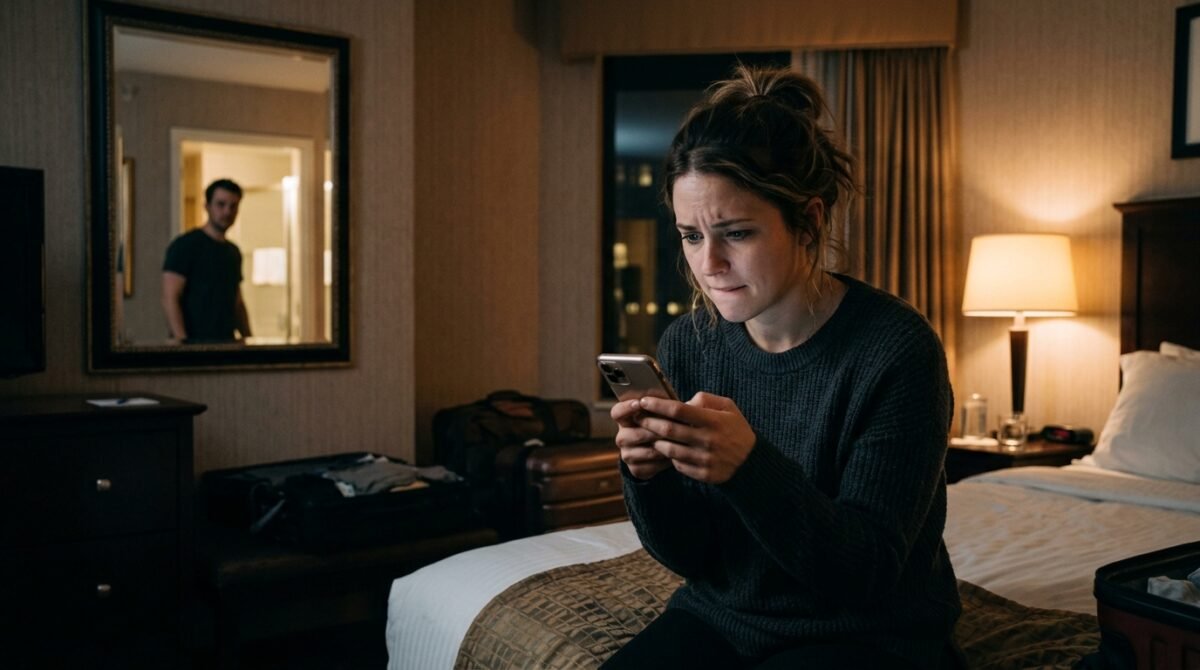
It was a Tuesday evening, two days before our departure. I was lounging on the hotel bed, scrolling through photos from our trip, when my phone chimed with an email from the airline. It was a simple, automated ‘Reservation Change Confirmation’ notice. I assumed it was a schedule shift, which had happened a few times already. But as I opened the PDF, my heart sank. My seat assignment had moved from 12A to 44E. I froze. I double-checked the booking reference, then checked Mark’s. His was still in the premium section. My seat had been downgraded to the very back of the plane, near the restrooms.
I felt a physical wave of nausea. I logged into my bank account to check the transaction history, and there it was: a refund credit from the airline for $1,200, processed three hours ago. The refund hadn’t hit my bank account; it had been routed to the credit card on file, which—at that moment—was the card Mark used for his incidental expenses. He had effectively stolen my comfort to fund his own desires, assuming I was too scatterbrained or too submissive to notice until we were already in the air.
I sat there for a long time, the glow of the screen illuminating my face in the dark room. The anger was hot and fast, but beneath it was a sickening realization: he had been planning this. He had asked for my login credentials the night before, claiming he wanted to ‘speed up the check-in process.’ I had handed them over with a smile, trusting him. The betrayal was so precise, so calculated, that it felt like he had been mapping out this minor theft for weeks.
“Are you sure you have everything for the flight, babe? I just checked us in and I’m so excited for the journey home,” Mark said, walking into the room with a grin that didn’t quite reach his eyes.
I looked at him, seeing him for the first time as a stranger. I kept my voice steady, dangerously calm. ‘I haven’t checked my emails yet, Mark. Why don’t you tell me about the check-in? Was there anything I should know?’ He hesitated, just for a split second, before doubling down on his lie. ‘No, just the usual stuff. Everything is set. Don’t worry about a thing.’
In that moment, I knew there would be no discussion. There would be no ‘let’s talk about our budget’ conversation. He had made his choice. He had decided that my comfort was worth less than his new gadget. I realized then that I wasn’t going to be a victim of this scheme; I was going to be the architect of my own exit strategy.
The Silent Plan in the Hotel Lobby
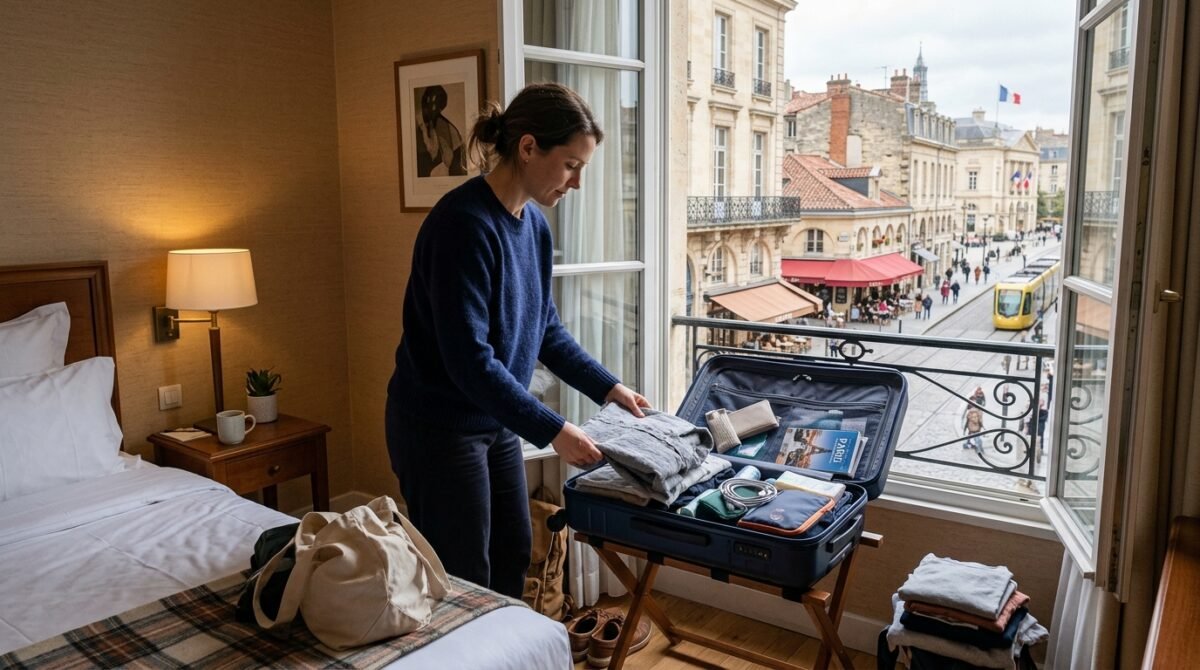
I didn’t sleep that night. While Mark snored softly beside me, I was wide awake, my phone hidden under the covers, executing a silent coup. I opened the airline’s website, but instead of trying to revert the change—which would have alerted him—I booked a completely new, one-way business class ticket on a different airline for the same departure time. It cost a small fortune, dipping into my emergency savings, but the cost was irrelevant. It was the price of freedom.
I also contacted the airline’s customer service via live chat. I explained that I had been a victim of unauthorized account access. I didn’t name Mark, but I ensured that the airline flagged the reservation for ‘security verification.’ My goal was simple: I wanted him to reach the airport and find out that his scheme hadn’t just ‘worked,’ but had triggered a security lockdown on the entire booking. I wanted him to experience the panic I had felt.
The next morning, the mood in the hotel was surreal. I was polite, almost cheerful, which made Mark noticeably suspicious. He kept glancing at me, trying to gauge if I knew. ‘You seem… in a good mood,’ he noted, pouring himself coffee. I smiled, sipping my tea. ‘Just ready to be home, Mark. I’ve had such a reflective trip. I’ve realized a lot about what I need in a relationship, and I’m ready to prioritize those things.’
“You’re acting like a robot today. Is this about the flight? You aren’t still annoyed about the layover, are you?” Mark asked, testing the waters.
I just shrugged, putting my phone away. I had already received the confirmation for my new, superior flight. I had also packed my bags, subtly ensuring that all my personal belongings were separated from his. I knew he had a habit of leaving his wallet and passport in my bag during security lines. I made sure that today, they stayed firmly in his own possession.
By the time we checked out, I had already arranged for a separate car to take me to the airport. I told him I had a ‘surprise’ for him—that he should take a cab and meet me at the departure terminal. He was confused, but the prospect of being on his own, away from my ‘negative energy,’ made him agree. He had no idea he was walking into a trap.
The Airport Arrival and the Final Confrontation
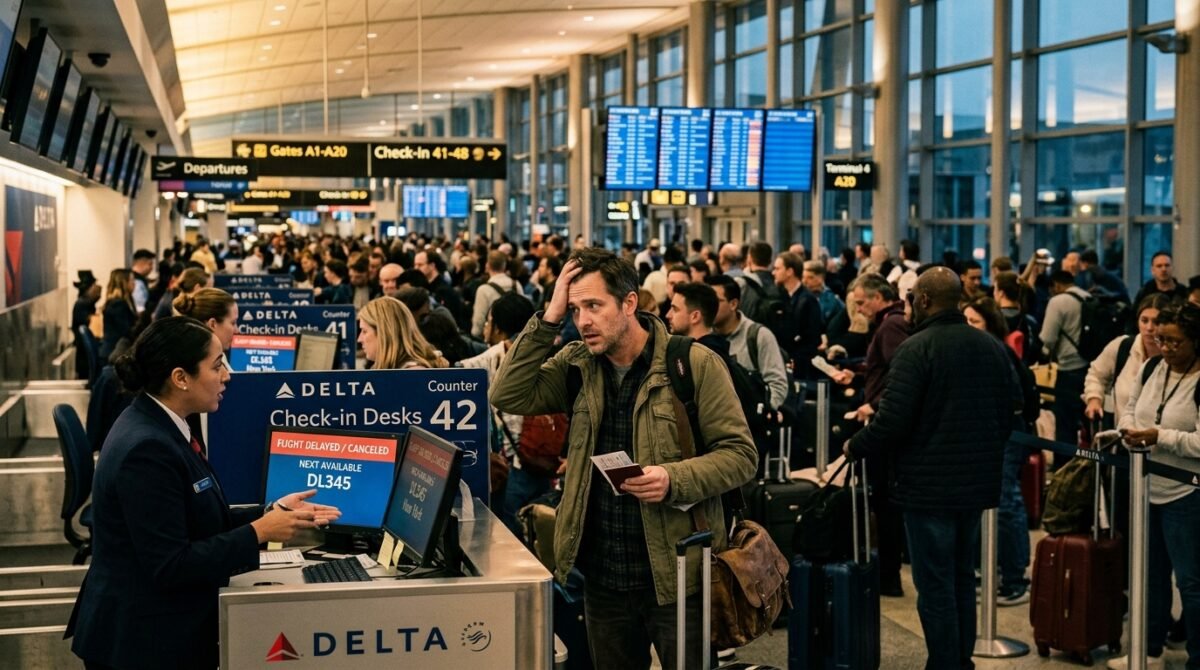
The chaos began exactly where I wanted it to: at the check-in kiosk. When Mark arrived at the airport, he went to the self-service machine to print his boarding pass. He expected a smooth, quick process. Instead, the screen flashed red: ‘Please see an agent.’ He spent twenty minutes in a line, only to be told by a stern agent that the reservation for the secondary passenger—me—had been flagged due to a ‘discrepancy in the booking modification.’ He didn’t have my authority, and the agent refused to discuss the matter with him.
Meanwhile, I was already at the lounge of my chosen airline, sipping champagne and watching the status board. I had blocked his number temporarily just to ensure I wasn’t bombarded with panic texts until I was safely through security. When I finally checked my phone, the notifications were explosive. He had been calling, texting, and leaving increasingly frantic voice messages. He was at the wrong terminal, and he was realizing that he was completely alone.
“Where are you? I’m stuck at the desk and they won’t talk to me! What did you do to the booking? Pick up the phone!” — Mark, 10:14 AM
“I don’t know what you’re talking about, Mark. I’m already through security. I had to make some changes to my travel plans because I wanted to be comfortable. Enjoy your flight!” — My reply, 10:16 AM
The realization hit him like a brick wall. He had tried to be smart, to be the ‘mastermind,’ and he had ended up in a position where he had no control whatsoever. He wasn’t just annoyed; he was terrified. He tried to claim that the money he saved was for ‘our vacation expenses,’ but the paper trail was clear. I had the evidence, and I had the peace of mind that comes from knowing I didn’t need him to navigate the world.
I watched him through the glass of the lounge as he paced back and forth near the check-in counters. He looked small. He looked like the petty, greedy man he had revealed himself to be. I didn’t feel sorry for him. I felt empowered. For the first time in three years, I wasn’t managing his emotions or his finances. I was managing my own life, and the view from the business class lounge was spectacular.
The Fallout in the Group Chat
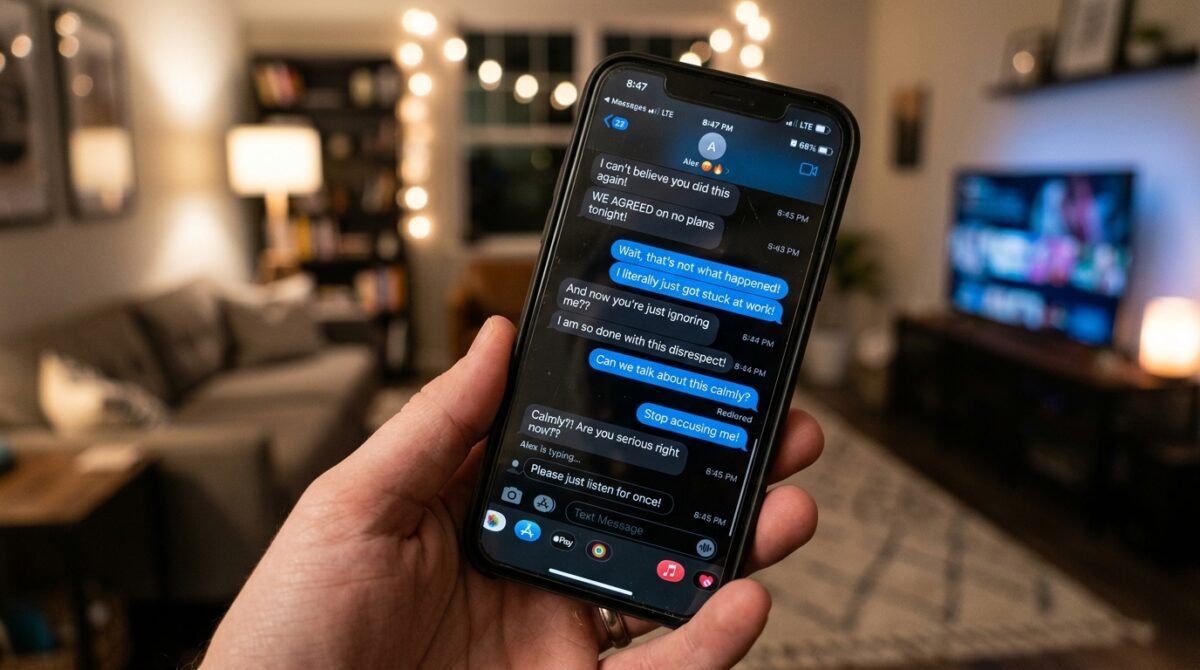
The story didn’t end at the airport. Once I landed, I was met with a barrage of messages from his family members, who had clearly been coached by him to ‘talk some sense into me.’ He had spun a narrative where I was the erratic, impulsive partner who had abandoned him in a foreign country for no reason. He conveniently left out the $1,200, the downgrade, and the deception. I didn’t engage in a public argument. I simply posted a screenshot of the airline refund receipt and the email confirmation of the downgrade.
The group chat went silent for a beat, and then the tide turned. His own mother, usually his biggest defender, sent a message that made the entire situation crystal clear. She didn’t side with me, but she didn’t defend him either. She simply said that ‘honesty is the best policy in a relationship.’ That was all I needed. The narrative he had carefully constructed was shattered in minutes.
“I can’t believe you’d air our private business to the family just because you were mad about a seat. This is so immature.” — Mark
“You aired our business the second you stole my money and tried to lie to my face about it. You aren’t mad that I told them; you’re mad that they know who you really are.” — My reply
The fallout was swift. Friends who had previously seen us as the ‘perfect couple’ started asking questions. It turned out I wasn’t the first person he had pulled this kind of ‘financial optimization’ on. A mutual friend reached out to tell me that Mark had done something similar to a former roommate, pocketing ‘shared’ utility money to buy concert tickets. The pattern was undeniable. I had been ignoring the red flags because I wanted to believe in the best version of him.
I felt a deep sense of relief. It was like a heavy weight had been lifted off my chest. For years, I had been justifying his behavior, making excuses for his ‘quirks,’ and minimizing my own needs to keep the peace. Now, the mask was off, and I was finally able to see the situation for what it was. I wasn’t losing a partner; I was losing a liability.
The Cost of Integrity

In the aftermath, Mark tried to reconcile. He offered to pay me back the money—not just the $1,200, but the entire cost of my new flight. He claimed it was a ‘joke’ that went too far, a ‘prank’ he had planned to reveal at the airport. He said he was going to buy me a nice dinner once we landed and surprise me with the cash. It was a pathetic, transparent lie. The timing, the secrecy, the lack of communication—it all pointed to a deliberate act of selfishness.
I told him that the money didn’t matter. I told him that the relationship was over, not because of the flight, but because of what the flight represented. It represented a fundamental disconnect in our values. I valued partnership, trust, and mutual respect. He valued convenience, personal gain, and the ability to manipulate situations for his own benefit. We were not compatible, and no amount of ‘repaying the money’ could fix a character flaw that deep.
I spent the next few weeks reclaiming my space. I moved out of the apartment we had shared, took my furniture, and started fresh. It was hard, and there were nights when I felt lonely, but every time I felt the urge to reach out to him, I remembered that middle seat in row 44. I remembered the feeling of being discarded so he could have a few extra dollars in his pocket. That memory was enough to keep me moving forward.
“I just need you to understand that I made a mistake. A big one, but a mistake. Don’t throw away years over a flight ticket.” — Mark
“I’m not throwing away years over a flight ticket. I’m ending a relationship with a person who thinks I’m a sucker. That’s a permanent change, not a mistake.” — My reply
The lesson I learned was simple: pay attention to the small things. The way someone handles money, the way they treat your trust, the way they prioritize their comfort over yours—these are not just isolated incidents. They are windows into their soul. If you don’t like what you see, don’t wait for them to ‘fix’ it. Trust your gut and get off the plane.
Reddit’s Verdict: The Community Weighs In
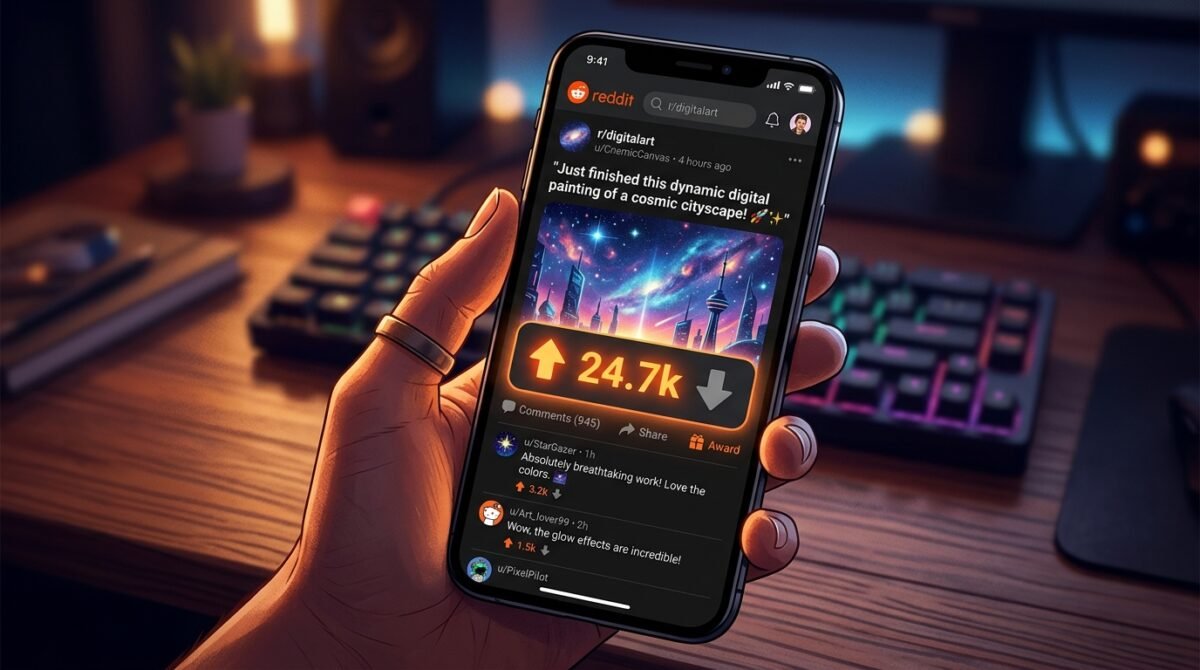
When I shared my story on a popular relationship subreddit, the response was overwhelming. Thousands of people reached out to share their own experiences with financial infidelity. The comments were a mix of validation, advice, and harsh reality checks. Many people pointed out that this kind of behavior is often a precursor to much worse financial abuse, and that I had dodged a massive bullet by leaving when I did.
The consensus was clear: I was not the villain in this story. The community was particularly focused on the ‘gaslighting’ aspect of his behavior—the way he tried to convince me that my anger was the problem, rather than his theft. They encouraged me to keep my boundaries firm and to never look back.
“This is text-book financial abuse. He didn’t just downgrade your ticket; he tested to see how much he could get away with before you pushed back. You handled this with absolute class.” — u/RelationshipCoach99 (Top Comment, 32.5k upvotes)
“The moment he touched your credit card or your account without permission, the relationship was already over. You just confirmed it with your exit. Well played.” — u/TravelExpert_01 (15.2k upvotes)
It was validating to see so many people recognize the toxicity of the situation. It made me realize that I wasn’t alone, and that my reaction wasn’t ‘over-the-top’ as Mark had claimed. I had set a boundary, and he had crossed it. The consequences were entirely of his own making. Reading these comments helped me process the finality of the breakup.
The community also offered a lot of practical advice for the future: keep separate bank accounts, never share login credentials, and always maintain financial independence. It was a wake-up call for many readers who hadn’t realized how vulnerable they were in their own relationships. I was grateful for the support and the perspective.
Defining Financial Infidelity

As I reflected on the situation, I started looking into the concept of ‘financial infidelity.’ It’s a term that is often used to describe secret spending or hidden debt, but what Mark did went beyond that. It was a calculated, predatory move to extract value from our shared assets for his personal benefit. It was a violation of the ‘partnership’ aspect of our relationship.
Many people think that as long as they aren’t cheating with another person, they are being faithful. But financial secrets, lies about money, and theft from a partner are just as damaging. They erode the foundation of trust that a relationship is built on. When you can’t trust your partner with your money, you can’t trust them with your life.
“Financial infidelity is often the first crack in the foundation. It shows a lack of respect that eventually spills over into every other aspect of the partnership.” — Expert analysis snippet
I realized that for the duration of our relationship, I had been the one carrying the mental load of our finances. I had been the one making sure our bills were paid, our flights were booked, and our future was secure. Mark had been happy to let me do the work, while secretly looking for ways to undermine my efforts for his own gain. It was a parasitic dynamic, and I am glad I broke free.
Moving forward, I know what I deserve. I deserve a partner who is transparent, who respects my contributions, and who would never dream of compromising my comfort for a few hundred dollars. I have high standards now, and I’m not afraid to walk away if they aren’t met. The flight was the end of that relationship, but it was the beginning of a much healthier, more empowered life.
The Aftermath: Rebuilding My Life

It’s been six months since I flew home on that business class flight. I’m in a better place now, both financially and emotionally. I’ve focused on my career, reconnected with friends I had drifted away from, and invested in experiences that make me happy. I’m no longer worried about someone else’s greed or deception. I’m in control of my own destiny, and it feels incredible.
Mark tried to contact me a few times, but I’ve kept him blocked. There is nothing left to say. He’s someone else’s problem now, or perhaps he’s still trying to figure out how to ‘optimize’ his life while living in his own mediocrity. It doesn’t matter to me. My focus is on my own growth and happiness. I’ve learned that sometimes, you have to burn a bridge to light your own way forward.
My friends and family have been supportive, and I’ve even started dating again, though I’m taking things very slowly. I’m much more cautious now, and I’m not afraid to ask the hard questions early on. I value my peace of mind above all else, and I’m not going to let anyone compromise that again.
“The greatest revenge is living well. Don’t look back; you’re not going that way.” — My favorite quote from a friend
If there’s one thing I’ve learned, it’s that your worth isn’t determined by your partner’s opinion of you. You are valuable, you are capable, and you deserve to be treated with respect. If you find yourself in a situation where you feel disrespected or undervalued, don’t wait for it to get better. Take action. Protect yourself. And never, ever let someone else control your seat on the plane.
Lessons in Boundaries and Self-Worth

The story of the downgraded flight is a reminder that boundaries are not negotiable. When you set a standard for how you want to be treated, you are not being ‘difficult’ or ‘demanding.’ You are being self-respecting. If someone cannot meet those standards, then they are not the right person for you. It’s better to be alone than to be in a relationship where you are constantly being undermined.
I’ve also realized the importance of financial independence. Even in a committed relationship, it’s important to have your own money, your own accounts, and your own plan. You should never be completely dependent on someone else for your survival or your comfort. When you have your own resources, you have the power to make choices that are in your best interest, regardless of what your partner thinks.
“Boundaries are the distance at which I can love you and me simultaneously.” — A reminder for anyone struggling to set limits.
I’m proud of myself for the way I handled the situation. I didn’t lose my temper, I didn’t get into a long-drawn-out argument, and I didn’t sacrifice my own well-being to please him. I stood my ground, I made a decision that was right for me, and I moved on. That, to me, is the true meaning of empowerment.
I hope that by sharing my story, I can inspire others to pay attention to the red flags in their own relationships. You don’t have to stay in a situation that makes you feel small. You have the power to change your circumstances, and you deserve to be treated with love, respect, and fairness.
A Final Note to Readers

To anyone out there who feels like they’re being taken advantage of: listen to your gut. That nagging feeling you have? It’s not just in your head. It’s your intuition telling you that something isn’t right. Don’t ignore it. Don’t make excuses. Don’t try to ‘fix’ it by being even nicer or more accommodating. If someone is showing you who they are, believe them.
You are the architect of your own life. You get to decide who you spend your time with, how you spend your money, and how you want to be treated. Don’t let anyone else dictate those things for you. You are stronger than you think, and you deserve a life that is full of love, joy, and peace. Don’t settle for anything less.
“The most important relationship you will ever have is the one you have with yourself. Protect it at all costs.” — Final reflection
I’ve finally found my own peace, and I wouldn’t trade it for the world. My life is mine again, and that is the greatest gift of all. Thank you for listening to my story, and I hope it helps you find the courage to stand up for yourself in your own life.
Conclusion
Looking back, the $1,200 Mark tried to pocket was the cheapest price I ever paid for freedom. It cost me a flight, but it bought me my life back. The experience forced me to confront the reality of our relationship and to realize that I was worth more than his games. I’ve learned that the most important investment you can ever make is in your own self-respect.
We have all been in situations where we felt like we were compromising too much. Whether it’s a partner who constantly tests your limits or a friend who takes you for granted, these situations serve as a litmus test for our own boundaries. I chose to pass the test by choosing myself. I hope this story serves as a reminder that no one has the right to decide your worth for you.
What about you? Have you ever had a partner or friend try to pull a ‘money move’ that revealed their true colors? Have you ever had to make a bold, decisive move to reclaim your autonomy? I’d love to hear your experiences in the comments below. Let’s discuss how we can all be better at setting boundaries and protecting our own peace.
What's your verdict on this dilemma?
Vote below to contribute to the official community consensus.

Have a Dilemma Keeping You Up at Night?
Share your real-life feud, wedding chaos, or relationship crossroads anonymously with our editorial team.
What do you think ?
0 Comments🛡️ Comments are moderated to protect community integrity. Your comment will appear once approved by the editorial team.