

Friendship is often described as a journey, but sometimes that journey leads to a destination you never wanted to visit. For me and Chloe, our friendship was forged in the fire of college late-nights and post-grad career struggles. We were inseparable, the kind of friends who shared bank accounts’ worth of secrets and planned our ‘glow-up’ trips with obsessive detail. When we finally booked that five-star, all-inclusive luxury resort in the Maldives, it was supposed to be the capstone of our twenties—a celebration of our hard work and our unbreakable bond.
However, the shimmering promise of white sand and crystal-clear water was eclipsed by a glaring, ugly reality: Chloe’s penchant for status symbols. For months leading up to the trip, I watched as she spiraled into a cycle of impulse shopping, trading her savings for limited-edition leather and gold-plated hardware. I told myself it was her money, her business, and her life. I didn’t realize that my silence was effectively green-lighting the disaster that was about to unfold.
The week before we were scheduled to depart, the air shifted. The casual excitement about our itinerary was replaced by a tense, heavy silence from Chloe’s end. She stopped talking about the spa treatments and started posting frantic, cryptic updates on her stories about ‘reclaiming her aesthetic.’ I felt a knot of dread in my stomach, the kind that whispers that you are about to be blindsided. I didn’t want to believe that the woman who helped me through my worst breakups was capable of treating our shared financial commitment as optional.
Then came the phone call. It wasn’t an apology, nor was it a request for an extension. It was an expectation—a demand, really—that I should cover her half of the resort stay because she had ‘invested’ her vacation fund into a new wardrobe for the trip. The entitlement was so jarring that I found myself laughing, a nervous, jagged sound that filled the silence between us. That moment was the fissure that would eventually shatter our decade-long foundation.
This is the story of how a luxury getaway turned into a masterclass in boundary-setting, the fallout of misplaced priorities, and the painful realization that sometimes, the person you think you know best is the one you know the least. It’s a story about the cost of loyalty and the high price of designer labels, played out in the stark, unforgiving light of a bank balance that simply didn’t add up.
The Glittering Mirage of the Maldives

We had spent nearly eight months meticulously planning every detail of this trip. We created a shared Google Sheet, tracked our savings, and even set up a dedicated sub-account where we deposited money every two weeks like clockwork. The resort was a dream—an overwater villa with a private plunge pool and an ‘unlimited luxury’ package that cost us nearly four thousand dollars each. For two young professionals, this was a massive undertaking, but we were both committed to the vision.
Chloe, however, had always been the one to prioritize ‘the look’ over the substance. Her apartment was filled with items she barely used but proudly displayed, and her closet was a revolving door of luxury brands. I often teased her about her spending, assuming she had it under control. After all, she made a decent salary, and we were both operating under the same rules of the trip: the vacation was non-negotiable, and the savings were untouchable.
As the date grew closer, the shared bank account became a source of pride. I checked it daily, seeing our progress bar creep toward the goal. But in the final month, the deposits from Chloe’s side stopped appearing. I assumed it was just a technical glitch or a banking delay, so I sent her a playful text, not expecting the storm that was gathering beneath the surface.
Me: Hey, the app says you’ve missed your last two deposits for the Maldives fund! Need me to float you until Friday?
— My text to Chloe, three weeks out
There was no immediate reply. Hours turned into days, and that feeling of unease began to gnaw at me. When she finally did reply, it was short, dismissive, and lacked the usual warmth that defined our friendship. She was distracted, she said. She was dealing with ‘personal things’ and would catch up soon. I felt guilty for even bringing it up, worried that I was being the pushy, overbearing friend who didn’t respect her space during a time of stress.
Little did I know, the ‘personal things’ were actually shopping bags. I would later discover, through her own social media posting, that those specific weeks were when she purchased two high-end designer bags that likely cost more than her share of the resort. She was dressing for the vacation while simultaneously cannibalizing the budget to actually get there. The disconnect between her reality and mine was becoming a chasm that no amount of friendship could bridge.
The Six-Figure Bag and the Zero-Balance Account
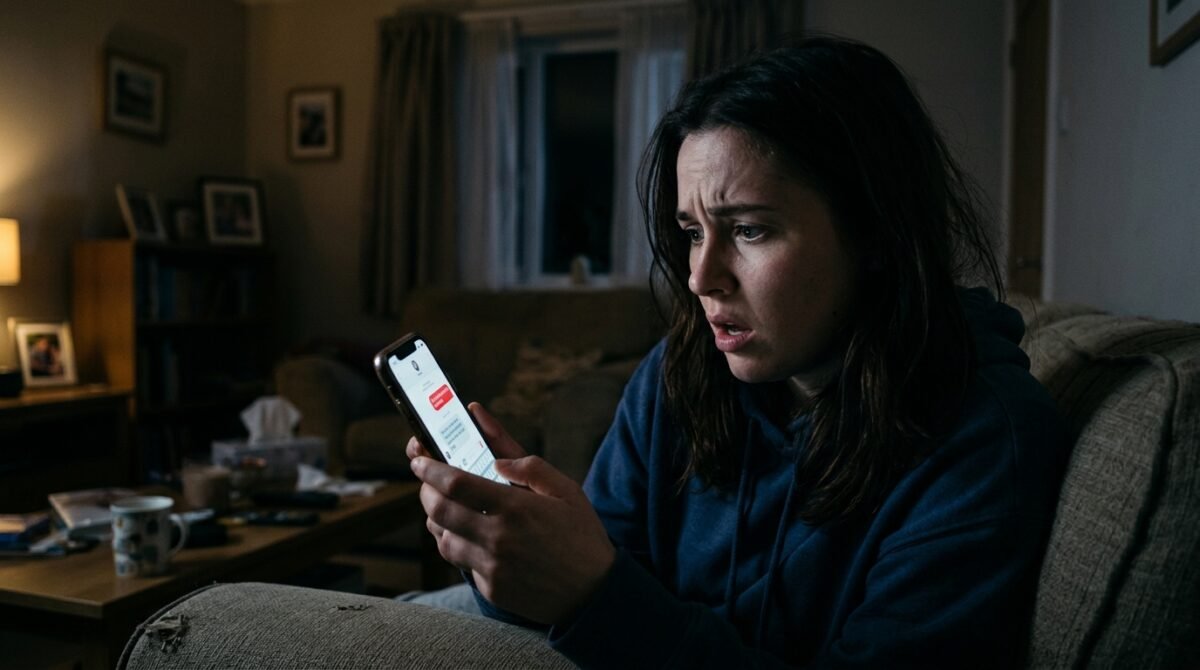
The realization hit me when I opened my Instagram feed on a Tuesday morning. Chloe was posting a reveal video of a limited-edition handbag, tagging the luxury brand and captioned it ‘Finally got my dream bag for the Maldives! #TreatYourself.’ My pulse quickened as I stared at the photo. I did the math in my head—the bag was iconic, recognizable, and notoriously expensive. It was the price of our flight and resort deposit combined.
I felt a cold sensation wash over me. I went to the banking app and checked the joint account once more. The balance was lower than it had been a month ago. Chloe had withdrawn her initial deposit, presumably to fund this purchase, leaving me with a significant hole in the budget. She hadn’t just stopped saving; she had actively liquidated our progress. The betrayal felt physical, like a sharp tug in my chest.
I waited for a message, an explanation, anything. I wanted to believe there was a logical reason for this—maybe she had a bonus coming, or a tax refund that would fix the shortfall. But the hours ticked by, and the only thing I saw from her was another post, this time of her trying on matching outfits for our ‘aesthetic’ photos. She was living in a fantasy world where the money didn’t matter, and I was the designated bank.
When I finally confronted her via FaceTime, she didn’t look guilty. She looked annoyed that I was ‘ruining the vibe.’ She spoke about the bag as if it were an investment, an essential part of her persona for the trip. She expected me to understand, to be the ‘ride or die’ friend who would just handle the financial logistics because I was ‘more stable’ at the moment. The expectation was so blatantly selfish that I struggled to find the words to respond.
Chloe: It’s just money, and I’ll pay you back once my commission check hits next month. You have the savings, why are you being so dramatic about it?
— Chloe on FaceTime
I realized then that she didn’t view our friendship as a partnership of equals. She viewed me as a safety net, someone whose boundaries were meant to be pushed and whose resources were meant to be shared. The power dynamic had shifted, and I was no longer an equal partner in this vacation; I was an involuntary sponsor for her lifestyle.
The Ultimatum in the Living Room

The meeting happened at my place, a neutral ground where I felt I could at least control the exit. Chloe walked in, dressed in her best, bag in hand, looking every bit the influencer she aspired to be. She acted as if we were just going to discuss dinner plans, completely ignoring the elephant in the room—the missing four thousand dollars. I kept my composure, though my hands were trembling beneath the table.
I laid out the bank statements, the emails from the resort, and the projected costs. I told her that I could not, and would not, cover her portion. I had my own financial goals, and I had worked far too hard to jeopardize them for a vacation that was rapidly turning into a hostage situation. I expected her to argue, to try to negotiate, but I didn’t expect the level of vitriol that followed.
She told me that I was being ‘petty’ and ‘unsupportive’ of her career, claiming that the bag was necessary for her brand image, which would ultimately lead to more income. She tried to gaslight me into believing that because I earned more, I owed it to our friendship to ensure we both had a ‘high-quality experience.’ It was a masterclass in manipulation, twisting the concepts of generosity and support to serve her own greed.
Me: This isn’t about support, Chloe. This is about you prioritizing a luxury item over a commitment you made to me. I’m not paying for your vacation. You either come up with the money by Friday, or I’m canceling your booking.
— My final line in the sand
She sneered at me, convinced that I would never actually cancel the booking. She thought my need to go to the resort would override my self-respect. She was wrong. For the first time in our friendship, I felt a sense of clarity that was almost liberating. I didn’t care about the resort anymore. I cared about the principle, and I cared about no longer being someone’s financial doormat.
The Group Chat That Never Slept
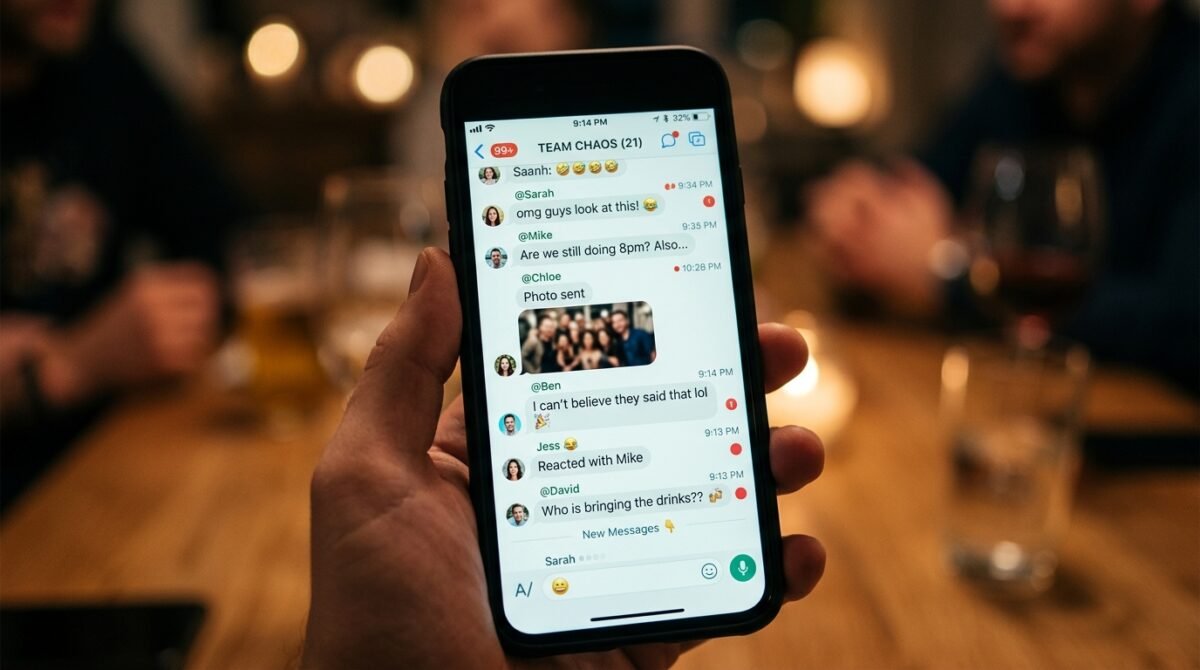
By the next morning, the news had spread through our mutual friend group. Chloe had spun the narrative to make herself the victim, claiming I was ‘threatening’ her and acting like a dictator over the trip. My phone wouldn’t stop buzzing with messages from people I hadn’t spoken to in weeks, all asking me for my side of the story. I decided to be blunt, sending a screenshot of the banking app—with account details redacted—to the group chat.
Chloe: I can’t believe she’s doing this. It’s just a few thousand dollars and she’s acting like I stole her life savings. I’m literally just asking for a loan!
— From the group chat
The response was immediate and divided. A few people, the ones who enjoyed Chloe’s lifestyle vicariously, agreed with her. They called me ‘cold’ and ‘rigid.’ But the majority, those who actually worked for a living, were on my side. They saw the transaction for what it was: a breach of trust. The group chat turned into a battlefield of opinions, with screenshots of our private arguments being leaked and dissected by people who had no idea what was actually at stake.
I found myself defending my finances to people who had no standing in my life. It was exhausting. I had to realize that I didn’t owe anyone an explanation. My financial boundaries were my own, and I didn’t need a consensus to validate them. I muted the chat and took a deep breath. The silence that followed was the first real peace I had felt in weeks.
What struck me most was how much Chloe thrived on the attention. She loved the drama, the side-taking, the feeling of being the main character in a tragic story about a ‘cruel’ friend. It was clear that she wasn’t interested in resolving the issue; she was interested in winning the social war. I stopped engaging, and the lack of my participation seemed to infuriate her even more.
The Cancellation Heard ‘Round the World

Friday came, and I had heard nothing from Chloe regarding the funds. No bank transfer, no apology, no ‘I’m working on it.’ Just silence. I sat at my laptop, staring at the ‘Manage Reservation’ button for the resort. It was a simple click, but it felt like cutting a cord that had held us together for years. I clicked it, and just like that, her half of the trip was gone.
The resort’s policy was strict, and she would lose her deposit, but that was on her. I had given her every opportunity to make it right. When I sent her the confirmation email of the cancellation, the reaction was instantaneous. She called me, screaming, accusing me of sabotaging her mental health, her reputation, and our future. She actually sounded surprised that I had done it.
She threatened legal action, though she knew full well she had no case. She threatened to tell our boss that I was ‘harassing’ her. I listened to it all, calmly, and then I simply said, ‘I’m done, Chloe.’ I hung up and blocked her number. The relief was instantaneous. It was like a weight had been lifted off my shoulders—not just the financial weight, but the emotional exhaustion of maintaining a friendship that had been failing for a long time.
I felt a strange sense of mourning, not for the friend I had lost, but for the version of her I had believed in. The person on the other end of the phone was a stranger, someone driven by vanity and a complete disregard for others. I realized that the luxury resort was never the point; the point was the test, and she had failed it spectacularly.
Internet Verdict: The Reddit Thread
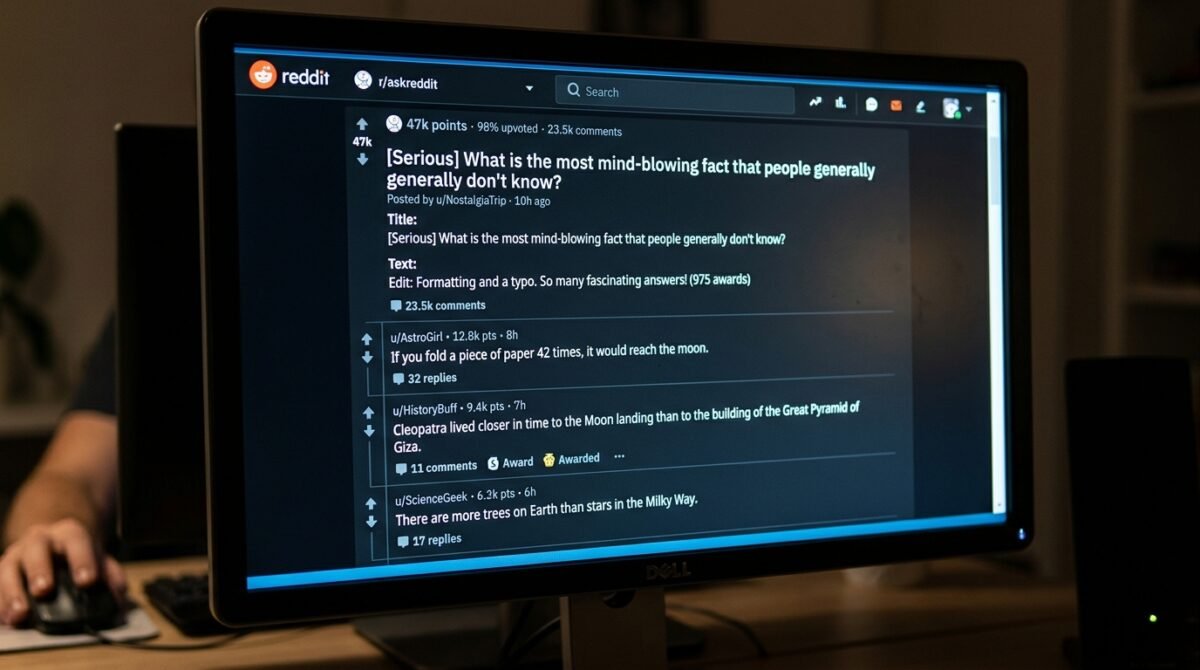
Of course, I took to Reddit. I needed to know if I was actually the villain, as Chloe’s inner circle kept insisting. I posted the story under a throwaway account, detailing the timeline, the bag purchase, and the ultimatum. The response was overwhelming. Within hours, the thread had thousands of comments, and I spent the night reading through them, trying to find a balance between the validation and the harsh reality checks.
u/FinancialBoundaries: You aren’t the villain here. You are the enforcer of reality. She chose the bag over the trip. That is a clear, definitive choice. Don’t look back.
— Top Comment, 32.4k upvotes
There were hundreds of comments like that. People who had been through the exact same scenario—the ‘friend’ who expects you to pay because ‘you have it,’ the ‘friend’ who treats your bank account like an ATM. It made me feel less alone, more understood. But there were also those who played devil’s advocate, suggesting I should have been more ‘flexible’ or that I was being too hard on a friend going through a ‘phase.’
I analyzed the responses, taking the lessons to heart. The consensus was clear: money and friendship are a volatile mix, and when one party stops respecting the boundaries of the other, the friendship becomes a liability. I learned that my desire to keep the peace was actually my greatest weakness. By not speaking up earlier, I had allowed her to feel entitled to my resources.
The thread became a mirror for my own life. I saw my mistakes, my silence, my enabling behavior. It wasn’t just about the money; it was about the lack of self-respect I had shown by allowing this situation to go on for so long. The internet, for all its toxicity, provided me with the objective perspective I desperately needed to move forward without guilt.
The Aftermath: A Solo Vacation

I decided to go on the trip anyway. I went to the Maldives, but I went alone. It was the most transformative experience of my life. I stayed in that overwater villa, I enjoyed the resort amenities, and I did it all on my own terms. I didn’t have to wait for anyone, I didn’t have to apologize for my spending, and I didn’t have to manage anyone else’s emotional volatility.
I spent my days reading by the pool, snorkeling in the reefs, and reflecting on the past decade. It was strange, being in paradise while grieving a friendship, but the scenery made the process easier. I realized that I liked myself better when I wasn’t constantly managing someone else’s expectations. I was independent, capable, and, for the first time in a long time, truly free.
When I returned, the world felt different. Chloe had tried to reach out through other channels, but I kept them closed. I had no interest in returning to the cycle of drama. I focused on my work, my health, and my real friends—the ones who respected my boundaries and never, ever asked me to pay for their designer bags.
I learned to spot the signs of entitlement early. I learned that saying ‘no’ is a complete sentence and that people who get angry when you set boundaries are usually the ones who benefited most from you having none. The luxury resort trip was an expensive lesson, but it was one that I’ll cherish forever as the moment I finally grew up.
Reflections on Financial Entitlement

Why do we feel the need to subsidize our friends? Why is it so hard to say ‘no’ when someone we love asks for money or for us to cover their share? I think it comes down to a fear of being perceived as ‘cheap’ or ‘uncaring.’ We value the relationship more than the money, and we hope that if we give enough, the other person will eventually realize our value and reciprocate.
But that’s a fallacy. Entitlement doesn’t disappear when you give in; it grows. The more you give, the more the other person expects. It becomes a standard, an unspoken agreement that you are the ‘responsible’ one and they are the one who gets to have all the fun. It’s a toxic cycle that can only be broken by a firm, unwavering ‘no.’
I’ve come to realize that money is a litmus test for values. If your friend can’t respect your financial boundaries, they don’t respect your labor, your time, or your effort. They see your resources as a shared asset, which is a dangerous mindset in any friendship. When you stop being the safety net, you find out very quickly who your real friends are.
I don’t hold a grudge against Chloe anymore. I feel a sense of detachment. She is who she is, and she’s entitled to her own choices. But I am also entitled to mine. I choose not to be a participant in her lifestyle. I choose not to carry the burden of her poor decisions. And I think that’s the most empowering choice I’ve ever made.
Lessons in Setting Boundaries

Setting boundaries is hard, but it’s essential for long-term health. If I could go back and change anything, I would have set the standard the moment the first deposit was missed. I would have had an honest conversation about budgets and expectations, and I wouldn’t have been afraid to lose the trip if it meant saving my dignity.
Boundaries aren’t about being mean or cold. They are about defining what you are willing to accept and what you are not. They are the framework that allows you to exist in the world without being drained by others. Once you start setting them, you realize how much easier your life becomes. You start attracting people who respect your space and your choices.
I’ve started a new rule for myself: never combine finances for major trips unless there is a solid contract or a clear understanding of the risks. And I’ve started being much more honest about my own spending. I don’t feel the need to keep up with anyone else’s aesthetic or lifestyle. I live within my means, and I enjoy the peace that comes with it.
The friendship with Chloe is over, and that’s okay. Not every friendship is meant to last a lifetime. Some are meant to be seasons, or chapters, or lessons. I’ve learned my lesson, and I’m ready for the next chapter of my life—one where I am the author of my own story, and my finances are my own business.
The Final Verdict: Are You Entitled to My Money?

The answer is simple: No. Nobody is entitled to your money, not even your best friend. Your financial choices are yours alone, and they should be guided by your own goals and values, not by the demands of someone else. If a friendship relies on your financial support, it’s not a friendship; it’s a business transaction, and it’s a bad one at that.
I hope this story serves as a reminder to anyone struggling with a similar situation. Don’t be afraid to stand your ground. Don’t be afraid to say ‘no.’ And don’t be afraid to walk away from people who don’t respect you enough to treat your money with the same care you do. You deserve better, and you are worthy of relationships that are built on mutual respect, not mutual exploitation.
I am now in a better place, both financially and emotionally. I am still traveling, still enjoying life, and still making memories. But I’m doing it with people who respect me and who would never, ever expect me to pick up the bill for their designer bags. The lessons were worth the price, and the view from where I am now is absolutely breathtaking.
What about you? Have you ever had a friend demand you cover their costs, or have you ever been in a position where money ruined a friendship? Let me know in the comments. I’m curious to see how many of you have dealt with the ‘luxury entitlement’ trap.
Conclusion
In the end, the luxury resort wasn’t just a destination; it was a mirror. It reflected the state of my friendship with Chloe, the depth of our mutual respect, and the fundamental differences in our values. I lost a friend, but I gained a deeper understanding of myself and the power of a well-placed boundary. I’m no longer the person who feels obligated to sacrifice my security for the sake of appearances, and that is a shift that will pay dividends for the rest of my life.
True friendship should be a sanctuary, not a source of stress. It should be defined by mutual care, respect, and a shared commitment to each other’s success—not by how much one person can extract from the other to fund a lifestyle they can’t afford. If you find yourself in a similar position, remember: your boundaries aren’t an inconvenience; they are your protection. Choose yourself, and the right people will always stay by your side.
Community Debate: Have you ever had to end a long-term friendship over a financial dispute? Do you believe that if you earn more, you have an obligation to help out your friends, or is that a slippery slope to enabling? Share your experiences and thoughts in the comments below—I read every single one.
What's your verdict on this dilemma?
Vote below to contribute to the official community consensus.

Have a Dilemma Keeping You Up at Night?
Share your real-life feud, wedding chaos, or relationship crossroads anonymously with our editorial team.
What do you think ?
0 Comments🛡️ Comments are moderated to protect community integrity. Your comment will appear once approved by the editorial team.