

Marriage is supposed to be a partnership, a union of two people moving toward a shared vision of happiness and mutual respect. For five years, I believed that my husband, Mark, and I were on the same page. We had our struggles, certainly, but we always seemed to find our way back to center. That was until our fifth anniversary. I had been looking forward to this trip for months, hoping that a weekend away would reignite the spark that had been dimming under the weight of our daily routines and escalating financial disagreements.
Mark had taken the lead on planning the trip. He insisted that he wanted it to be a surprise, a ‘low-key, romantic escape’ where we could disconnect from the world and focus entirely on each other. I trusted him. When we pulled up to the budget motel in a town three hours away, I admit my heart sank a little, but I pushed down the disappointment. I told myself that it wasn’t about the luxury; it was about the intention. I was wrong.
The weekend didn’t just fail to be romantic; it descended into a surreal display of pettiness and calculated stinginess that left me questioning every decision I had made in the last half-decade. The ‘gift’ was the final straw, but the true breaking point was the notification that dinged on my phone while I was still trying to process the absolute absurdity of the situation. It was a request for money—his half of the trip, meticulously itemized down to the gas mileage.
Standing in that cramped, dimly lit motel room with a deflated piece of plastic at my feet, the reality of my marriage hit me with the force of a freight train. This wasn’t just a bad trip. This was a pattern of behavior, a reflection of how little value he placed on my happiness and how much he prioritized his own ledger. I didn’t scream. I didn’t cry. I simply grabbed my bag and walked out, leaving behind a marriage that had already been deflated long before we arrived.
The Illusion of the Surprise Getaway
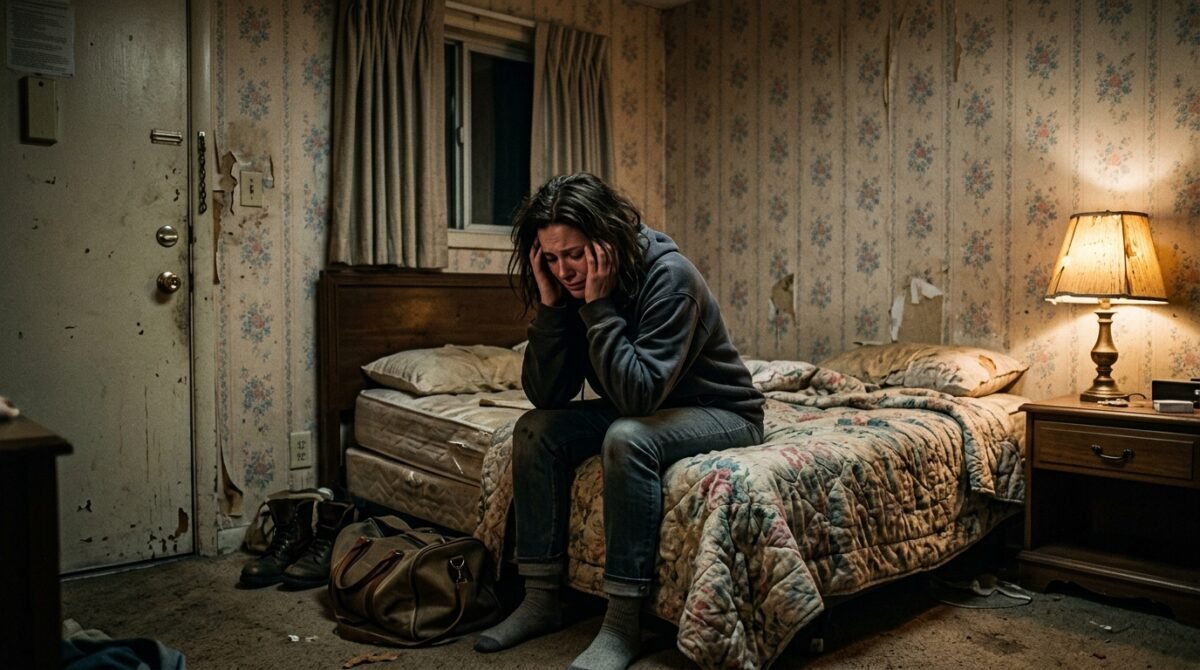
The weeks leading up to our anniversary were filled with Mark’s insistence that I ‘stay out of the loop.’ He claimed to have booked an intimate cabin, something that hinted at quiet nights by a fireplace and long morning walks. I had spent extra money on a new dress and some high-end bath products, imagining a weekend of genuine connection. The anticipation was real, and for the first time in a long time, I felt like a young couple in love again.
When we finally arrived, the reality was starkly different. We weren’t at a cabin; we were at a roadside motel that hadn’t seen a renovation since the late nineties. The air smelled of stale cigarette smoke and industrial cleaner. Mark was beaming, clearly proud of how much money he had saved, oblivious to the fact that his ‘frugality’ was effectively killing the mood before we even checked in.
I tried to be a good sport. I really did. I walked into the room, laid my bag on the threadbare carpet, and forced a smile. I asked him if he had any plans for dinner, hoping that at least we could find a nice local spot. He looked at me with a smirk that I would later come to loathe. He told me he had ‘everything handled’ and that we were going to ‘keep things simple’ to stay under budget.
“I found this place for fifty dollars a night! Can you believe it? Think of all the money we’re saving for the house fund. We’re being so responsible this year.”
— Mark, moments after arriving at the motel.
I realized then that we had fundamentally different definitions of an anniversary. To me, it was a celebration of our commitment. To him, it was an inconvenience that needed to be minimized, both in time and in expenditure. The silence in that room was heavy, and for the first time, I felt a deep, cold ache of loneliness that no amount of ‘responsible’ saving could ever fill.
I sat on the edge of the bed, feeling the springs dig into my legs. I looked at Mark, who was busy checking the motel’s Wi-Fi speed, and I wondered if he had ever actually loved me, or if I was simply a partner in his personal financial game. The foundation was cracking, and it was becoming clear that I was the only one trying to hold the walls up.
The Five-Dollar Piece of Plastic
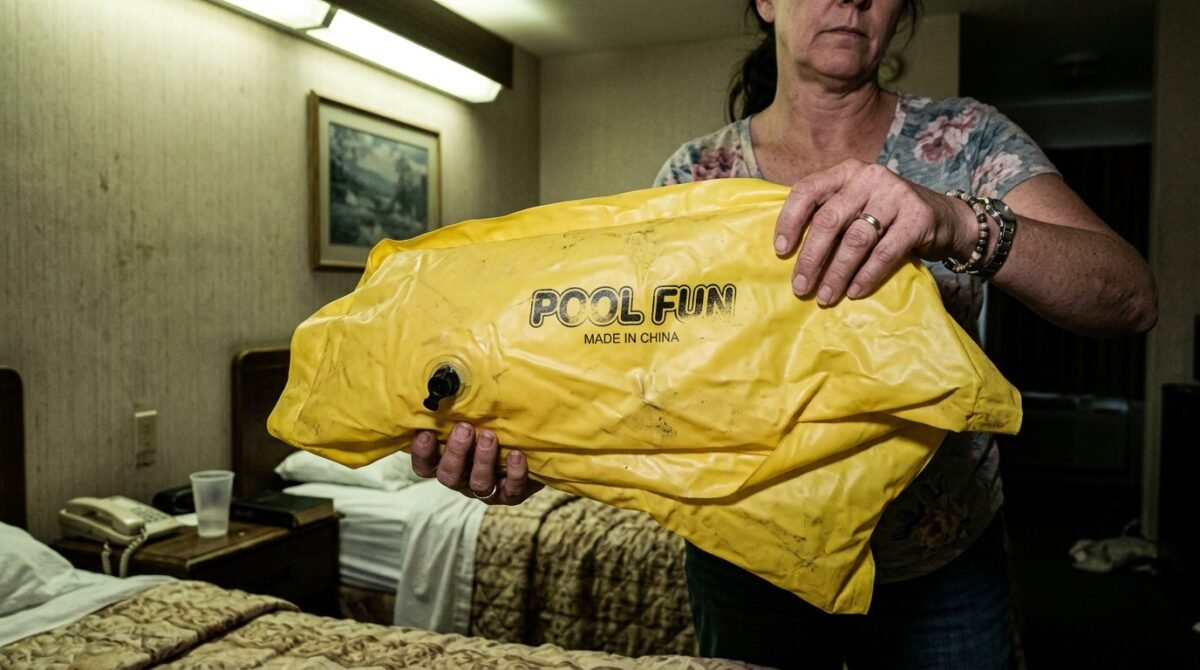
The next morning was the turning point. I woke up hoping that a change in sunlight would improve my mood, but Mark had something else in mind. He woke me up with a wide, self-satisfied grin, holding a small gift bag. He told me he had put a lot of thought into this, something that would ‘enhance our weekend experience’ and provide some ‘fun’ for our time together.
I reached into the bag, expecting maybe a small piece of jewelry or perhaps a heartfelt card. Instead, I pulled out a neon-yellow, cheap plastic pool raft. It was still in its original, crinkled packaging, and as I took it out, it let out a sad, wheezing sound. It was clearly a clearance item from the dollar bin at the local supermarket. It was not just cheap; it was insulting.
I stared at the deflated plastic in my hands, unable to process the sheer audacity. We were celebrating five years of marriage, through sickness and health, through job changes and family losses, and he thought a pool toy from the dollar store was an appropriate gesture of affection. I looked up at him, waiting for the punchline, waiting for him to tell me it was a joke. He didn’t.
“Well? Go on, inflate it! I know you love the water. I saw it on sale and thought it was the perfect practical gift for our trip. It’s durable, too.”
— Mark, completely oblivious to my growing rage.
I felt my face heat up. I didn’t want a pool raft. I wanted to feel seen. I wanted to feel like I mattered more than a couple of spare dollars in his bank account. The contrast between my efforts—the thoughtful gift I’d brought for him, the time I spent planning our future—and this pathetic piece of plastic was just too much. I felt a tear slide down my cheek, not of sadness, but of pure, unadulterated frustration.
He didn’t even notice I was crying. He was already talking about how we could use the raft to float in the hotel pool, which looked like it hadn’t been cleaned in weeks. I realized then that he wasn’t just cheap; he was emotionally illiterate. He couldn’t grasp why this was hurtful because, in his mind, it served a ‘purpose.’ And in his world, purpose was the only metric that mattered.
The Notification That Ended It All
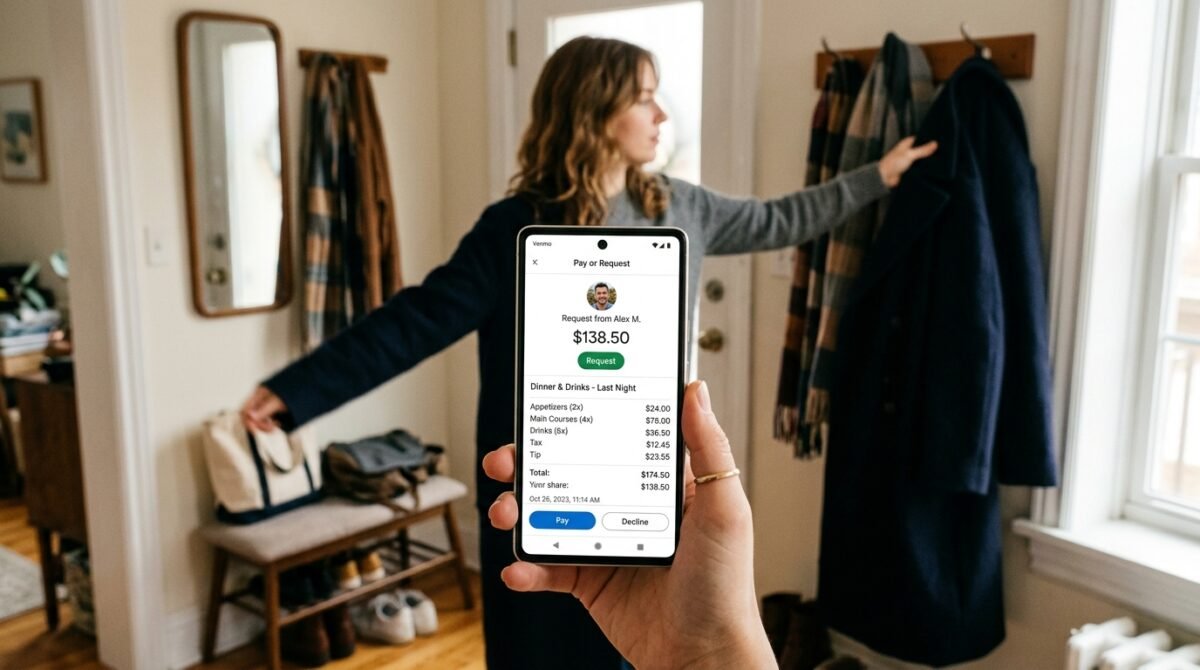
While I was still standing there, holding the deflated raft like it was a physical weight of my entire marriage, my phone buzzed on the nightstand. I picked it up, expecting a message from my sister or a work notification. Instead, it was a Venmo request from Mark. My hands started to shake. I opened the app, and there it was, itemized with the precision of a tax auditor.
The request included the motel room cost, the gas money for the drive, and even a ‘miscellaneous’ charge for the coffee he bought us at a gas station. He had even included half the cost of the pool raft. I stared at the screen, the numbers dancing before my eyes. My husband had just gifted me a cheap, deflated pool toy and then asked me to pay him back for half of it, along with the ‘privilege’ of staying in a room that smelled of damp towels.
I didn’t say a word. I handed him the phone and asked him to explain it. He looked at the screen, then back at me, genuinely confused. He started explaining that he wanted to keep our finances ‘fair’ and ‘transparent’ during the trip. He claimed he had spent more than his fair share on groceries the week prior, and this was his way of ‘balancing the scales’ before the end of the month.
“It’s just logistics, honey. We agreed to share expenses, right? Why are you making this into such a big deal? It’s just five dollars for the raft. It’s the principle of the thing.”
— Mark, completely failing to read the room.
That was the moment the switch flipped. The ‘principle of the thing’ was that my husband was treating our anniversary like a business transaction between strangers. I looked at the raft, then at the Venmo request, and then at the man I had promised to love for the rest of my life. The cognitive dissonance was finally too much to bear. I felt a strange sense of clarity, a cold, sharp realization that I didn’t want to be in this room for another second.
I packed my bag in silence. He kept talking, explaining about the gas mileage and the split-cost policy, but his voice sounded like it was coming from underwater. I wasn’t listening to his excuses anymore. I was listening to the voice in my head that had been screaming for months, telling me to get out. I grabbed my keys, threw the raft on the floor, and headed for the door.
The Drive Home: A Symphony of Silence

I drove the three hours home in a daze. My heart was pounding, and my hands were white-knuckled on the steering wheel. I kept replaying the entire trip in my mind, searching for a moment where I might have misinterpreted his intentions, but every memory only solidified my decision. The cheap room, the thoughtless gift, the Venmo request—it wasn’t an accident. It was the culmination of years of him viewing our relationship through a lens of scarcity and entitlement.
As I hit the highway, I saw that he had called me six times and sent a flurry of messages. I didn’t check them. I needed the silence. I needed to hear my own thoughts without his gaslighting, without his rationalizations about why ‘saving money’ was more important than honoring our commitment. I stopped for gas and a coffee, and for the first time in years, the money I spent felt like it was truly mine, not some shared pot that I had to justify.
When I finally got home, the house was empty and cold. I walked through the rooms, looking at the life we had built together, and realized how much of it was filled with his ‘frugality.’ There were no photos on the walls because he didn’t want to spend money on frames. There was no comfortable furniture because he insisted on buying second-hand items that were falling apart. I had been living in a house that reflected his inability to invest in anything that couldn’t be easily liquidated.
“I just don’t understand why you left. It was supposed to be a fun weekend! I’m still at the hotel. Are you coming back to pick me up, or do I have to pay for an Uber?”
— A text from Mark, sent while I was halfway home.
The fact that his first concern was whether I was coming back to provide him with a ride, rather than why his wife had left in the middle of the night, was the final confirmation I needed. He wasn’t interested in a partner; he was interested in a utility. I sat on my couch and began the process of blocking his number. I knew this was just the beginning of a very long, very difficult legal battle, but for the first time in my life, I wasn’t afraid.
The Fallout: When Family Gets Involved
The next morning, the messages started pouring in from his family. Apparently, Mark had painted a picture of me as the ‘irrational, spoiled wife’ who had a breakdown over a ‘small disagreement’ and abandoned him at a motel. His mother was the first to call, her voice dripping with artificial concern that barely masked her underlying judgment. She asked me how I could ‘do this to him’ on our anniversary.
I decided to be completely honest. I told her about the room, the pool raft, and the Venmo request for the gas money. There was a long silence on the other end of the line. She tried to pivot, saying that Mark had always been ‘careful with money’ and that I should be grateful he was ‘building a future for us.’ I told her that a future built on pennies at the expense of a human being wasn’t a future I was interested in.
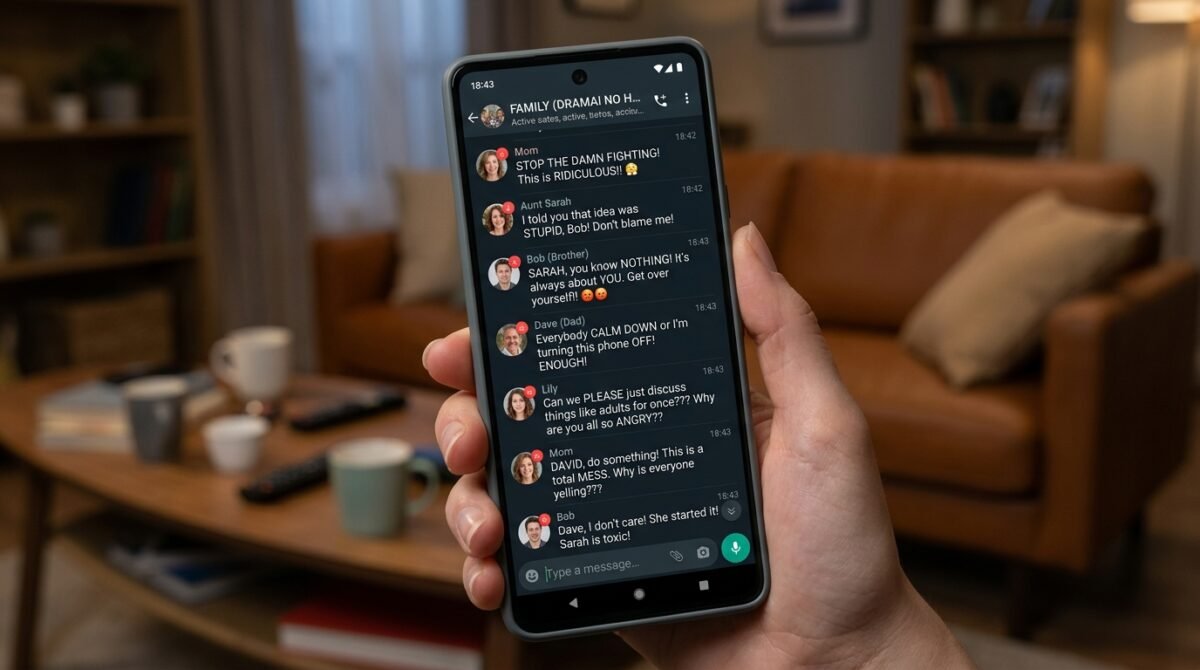
The family group chat was even worse. Mark’s siblings weighed in, calling me ‘dramatic’ and telling me that I needed to ‘grow up’ and apologize for leaving him stranded. They didn’t care about the emotional abuse or the financial control; they only cared about the optics of the situation. It was exhausting to defend myself, so I stopped. I muted the group chat and focused on contacting a lawyer.
“You’re really blowing this out of proportion over a pool toy? You’re acting like a child. Mark is devastated and you’re just being cold. Call him back.”
— Mark’s sister, in the family group chat.
Watching them rally behind him only proved that this behavior was systemic. It wasn’t just Mark; it was how he was raised to value money over people. I was an outsider in their family because I dared to prioritize my self-worth over his bank account. It was a lonely realization, but it also solidified my resolve. I wasn’t just leaving a husband; I was leaving an entire toxic ecosystem.
Community Perspectives: The Reddit Verdict
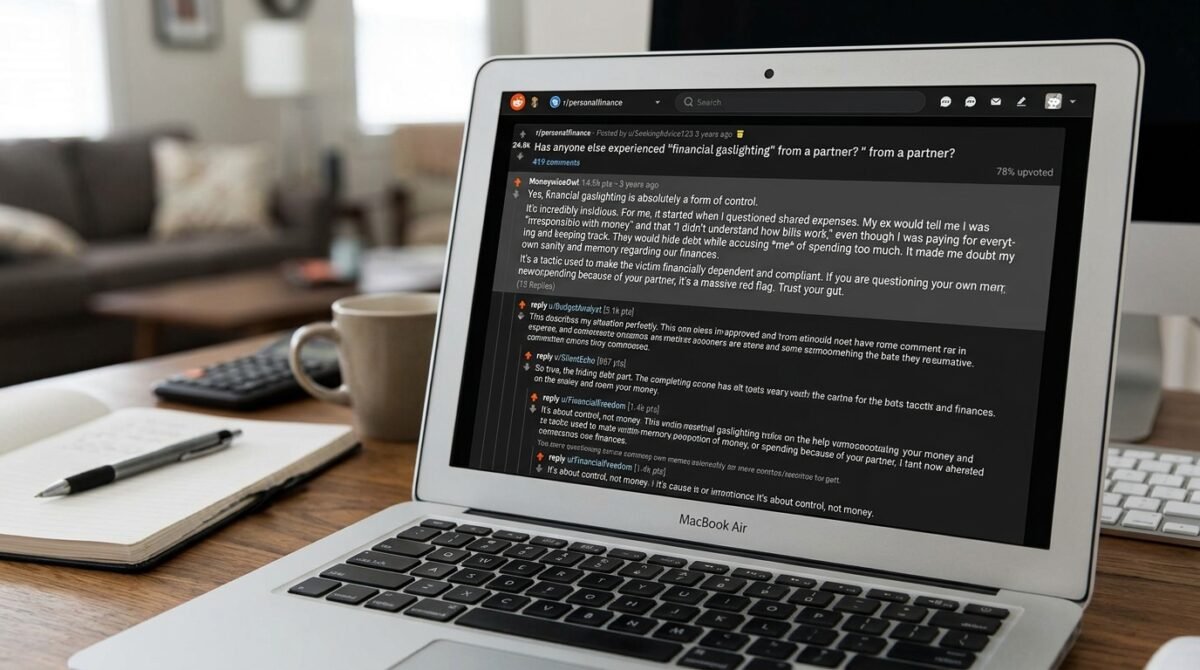
I posted my story on a popular relationship forum, needing an objective perspective. I expected some backlash, but the outpouring of support was overwhelming. Thousands of people validated my feelings, pointing out that this wasn’t about a pool raft—it was about a total lack of empathy and the signs of long-term financial control. The comments section became a space for people to share their own horror stories of partners who treated them like line items in a budget.
One user, in particular, resonated with me. They pointed out that the Venmo request was a power play, a way to keep me in my place even during a time that should have been dedicated to our connection. It was a way of saying, ‘You owe me, and I own you.’ Seeing those words written out, the psychological impact of it, made the tears come back, but this time they were tears of relief. I wasn’t crazy. I had been living in a situation that was genuinely dehumanizing.
There were, of course, the contrarians. Some users argued that ‘financial compatibility’ is a real thing and that I should have known what I was getting into. Those comments were quickly downvoted into oblivion, but they still stung for a moment. They reminded me of how easy it is for people to dismiss emotional abuse because it doesn’t involve bruises or screaming. It involves coldness, and that can be just as damaging.
“This is classic financial gaslighting. He’s training you to feel guilty for taking up space, for having needs, for wanting a life beyond the ledger. You didn’t leave because of a pool raft. You left because you finally saw the bars of the cage. Run.”
— u/FinancialFreedomSeeker (Top Comment, 32.5k upvotes)
The community feedback acted as a mirror, showing me the reality of my marriage from a distance. I saw that I had been shrinking myself for years, trying to fit into the small, budget-conscious life Mark had dictated. Reading the support made me feel stronger, more capable of handling the legal fallout that was inevitably coming my way. I realized that my value wasn’t tied to his bank account, and that was the most liberating feeling in the world.
The Financial Audit: Uncovering the Truth

Once I started the process of separating our lives, I began to look at our finances with a critical eye. What I found was chilling. It wasn’t just the anniversary trip; it was everything. Every grocery bill, every utility payment, every shared expense had been tracked and manipulated. He had been ‘balancing the scales’ for years, which meant that I was constantly in his debt, regardless of how much I earned or contributed.
I discovered that he had been siphoning money from our ‘shared’ savings account into a private one he opened under his mother’s name. He had been planning for a life without me for a long time, while I was under the impression that we were building a future together. The betrayal was absolute. It wasn’t just about the money; it was about the years of lies, the calculated deception that he had maintained while looking me in the eye every day.
I hired a forensic accountant, and the numbers were staggering. He had been hiding tens of thousands of dollars, all while telling me we couldn’t afford a nice dinner or a decent vacation. The irony was suffocating. He had sacrificed our relationship on the altar of his own greed, and he hadn’t even had the decency to be honest about it. The ‘frugal’ life he forced on me wasn’t out of necessity; it was out of a desire for control.
“I found everything. The accounts, the transfers, the lies. You weren’t saving for our future, Mark. You were saving for yours. And you did it by treating me like an employee you were trying to underpay.”
— A text I sent to Mark after my discovery.
He didn’t even try to deny it when confronted. He just doubled down, saying that a marriage is a ‘financial merger’ and he was ‘protecting his assets.’ That was the moment I knew there was no path back. We weren’t a couple; we were two people in a hostile corporate takeover. I was done being his target, and I was certainly done being his source of capital.
The Legal Battle and the Final Severance

The divorce proceedings were grueling. Mark fought for every cent, trying to claim that the money he hid was ‘personal assets’ and not part of the marital estate. His lawyer tried to paint me as the ‘abandoning’ wife who didn’t contribute to the household. It was a disgusting performance, but I was prepared. I had all the documentation, all the messages, and a very clear picture of his financial abuse.
The courtroom was cold and impersonal, but I felt a strange sense of peace. Every time he spoke, every time he tried to twist the truth, I felt less and less connected to him. He was a stranger to me now, a man I had lived with but never truly known. The judge saw through his act, and the ruling was, in my favor, a vindication of everything I had endured. I walked out of the courthouse feeling like a massive weight had been lifted from my shoulders.
There was a final, awkward interaction in the parking lot. He tried to speak to me, to suggest that we could ‘work things out’ if I just agreed to a different settlement. I looked at him, really looked at him, and I saw a small, pathetic man who was terrified of being alone. I didn’t feel anger anymore; I felt pity. I simply walked past him, got into my car, and drove away. I never looked back.
“You still don’t get it, do you? It was never about the money, Mark. It was about the way you treated me. You’ll always have your money, but you’ll never have a real connection with anyone ever again.”
— My final words to Mark before walking away.
The severance was final. I changed my name back, I moved to a new city, and I started the process of rebuilding my life from the ground up. It wasn’t easy—the trauma of the betrayal lingered for a long time—but every day got a little better. I learned to enjoy the small luxuries I had been denied for so long, and I learned to trust my own judgment again. I was free.
Rebuilding the Life I Was Denied

The first year on my own was a process of rediscovery. I had to learn how to exist without the constant, looming presence of someone criticizing my spending or questioning my choices. I bought high-quality coffee. I decorated my apartment with things that made me happy, not things that were ‘practical.’ I traveled, not to budget motels, but to places I had always dreamed of visiting. And most importantly, I learned that I was worthy of those things.
I started therapy to deal with the aftermath of the emotional abuse. It wasn’t until I started talking about the ‘small’ things—the way he would watch me eat, the way he would comment on the price of milk—that I realized how deep the conditioning went. I had been taught to value myself only in terms of what I could save him. Unlearning that was the hardest work I had ever done, but it was also the most rewarding.
My friends and family were my rock. They reminded me of who I was before I met him, and they celebrated my new independence with me. I started dating again, very slowly, and I found that I had a much higher standard for how I wanted to be treated. I no longer tolerated ‘financial quirks’ or ‘frugality’ that came at the cost of my dignity. I knew what I was worth, and I wasn’t settling for anything less.
“I don’t think I’ve ever seen you look this happy. It’s like you’ve finally come back to life. You have a glow about you that’s been missing for years.”
— A close friend, over coffee one morning.
Life is not perfect, but it is mine. It is authentic, and it is built on a foundation of mutual respect and genuine affection. I look back on that weekend at the motel now, not with anger, but with gratitude. It was the moment I realized that I had to save myself. It was the catalyst for everything that followed, and I wouldn’t change a single moment of it, because it led me to the life I deserve.
Lessons Learned from the Deflated Raft

If there is one thing I want people to take away from my story, it is that you should never, ever ignore your gut feeling when something feels wrong. If your partner makes you feel small, if they make you feel like your needs are an inconvenience, if they track your spending like a hawk while hiding their own, pay attention. Those aren’t just ‘quirks’; they are red flags that point to a deeper, more systemic issue of control.
You deserve to be in a relationship where you are valued as a partner, not an expense. You deserve to be with someone who wants to celebrate you, not someone who looks for the cheapest way to fulfill an obligation. Love isn’t just about ‘sharing’ costs; it’s about shared values and a shared vision of happiness. If those things aren’t aligned, no amount of ‘compromise’ is going to bridge the gap.
Trust yourself. When you feel that sinking feeling, when you find yourself apologizing for things you shouldn’t have to apologize for, take a step back. Ask yourself if this is the life you want for the next five, ten, or twenty years. If the answer is no, then you have your answer. You are stronger than you think, and you are capable of building a life that is truly yours, regardless of what anyone else expects of you.
“The most important relationship you will ever have is the one you have with yourself. If your partner is damaging that, they aren’t your partner. They are an anchor.”
— A piece of advice I received during my journey.
I am a different person now than I was that weekend at the motel. I am more confident, more secure, and more aware of my own value. I know that I can handle whatever life throws at me because I’ve already survived the worst of it. And I know that I am ready for whatever comes next, because it will be on my own terms.
Conclusion
Looking back at the trajectory of my marriage, it’s clear that the ‘deflated pool raft’ was never just a toy—it was a manifestation of the entire relationship. It was cheap, it was hollow, and it was entirely disconnected from the joy it was supposed to provide. My decision to leave was the best thing I ever did for myself, a turning point that allowed me to reclaim my autonomy and discover my own worth.
We are all capable of making mistakes in love, but we must be equally capable of recognizing when those mistakes have become a pattern of harm. If you are in a situation where you feel you are constantly being audited or belittled, take this as your sign that you have the right to walk away. The fear of starting over is temporary, but the cost of staying in a marriage that erodes your soul is permanent.
I am curious, though: have any of you ever had a moment where a single, small act—a gift, a comment, a bill—revealed the entire truth about your partner? What was your ‘deflated pool raft’ moment? Share your stories below, and let’s keep the conversation going about boundaries and self-worth.
Discussion Poll:
1. Have you ever felt financially gaslit in a relationship?
2. Is it ever possible to ‘fix’ a partner who has deep-seated financial control issues?
3. What is the biggest ‘red flag’ you’ve ever ignored, and how did it end?
What's your verdict on this dilemma?
Vote below to contribute to the official community consensus.

Have a Dilemma Keeping You Up at Night?
Share your real-life feud, wedding chaos, or relationship crossroads anonymously with our editorial team.
What do you think ?
0 Comments🛡️ Comments are moderated to protect community integrity. Your comment will appear once approved by the editorial team.