

Friendships are often tested by the passage of time, but for my circle of six, the true litmus test arrived in the form of a ‘once-in-a-lifetime’ vacation. We had been planning this trip for over a year, with the initial consensus being a modest beach getaway that would cost each of us around $1,200. It was a price point that everyone—myself included—had agreed upon during those early, enthusiastic planning sessions.
However, as the months progressed, a subtle shift occurred within the group. The more affluent members began floating ideas for ‘upgrades.’ It started with boutique hotel rooms, then evolved into private yacht excursions, and finally culminated in the decision to abandon our original destination for a high-end, all-inclusive resort that ballooned the per-person cost to $5,000. For me, that amount wasn’t just a stretch; it was a financial impossibility that would have wiped out my emergency savings.
The moral dilemma felt clear-cut to me, yet the reaction from my friends suggested I was the one being unreasonable. They framed my withdrawal not as a financial necessity, but as a lack of loyalty. I found myself caught in the middle of a social storm where my own boundaries were being treated as a personal insult. This is the story of how a group of friends turned a vacation into a weapon, and why I had to walk away to save my peace—and my bank account.
As we delve into this narrative, we will explore the toxicity of ‘lifestyle inflation’ within peer groups and how quickly long-term friendships can fracture when the illusion of shared values is stripped away. It is a tale of missed expectations, the pressure to perform for social status, and the eventual, quiet liberation that comes with saying ‘no’ when the cost is simply too high.
The Initial Consensus and the Slow Creep of Extravagance

When we first sat down at Sarah’s apartment to discuss the trip, the mood was electric. We were a group of six—Sarah, Mike, Jessica, David, Elena, and me. We were at different stages in our careers, but we had always made it a point to travel together. The agreement was simple: a week in a coastal town, moderate dining, and shared rental costs. We were all on the same page, or so I thought.
The transition began in the group chat. What started as links to Airbnb cabins slowly morphed into curated Instagram reels of infinity pools and champagne-soaked sunbeds. Sarah, who had recently received a promotion, was the primary catalyst. She would drop links into the chat with comments like, ‘Guys, look at this! It’s only a little more, and we deserve a treat after this year.’ That ‘little more’ was the beginning of the end.
I remember feeling a knot in my stomach every time a new, pricier suggestion surfaced. I tried to voice my concerns early on, but I was met with dismissive ‘it’s just a few hundred dollars more’ logic. They didn’t seem to realize that for someone working in a different sector, those ‘few hundred’ were the difference between a savings buffer and a credit card balance.
“Hey guys, I’ve been looking at the budget again. With the new hotel, I’m at my limit. Can we stick to the initial plan? I’m worried about overextending.”
— My message in the group chat, sent two months before the vote.
The response was deafening silence for three hours, followed by a casual redirection by Jessica. It felt like my boundary was being actively ignored. They weren’t just planning a trip; they were planning a lifestyle performance that I couldn’t afford to keep up with, and they were intentionally leaving me behind in the discussion.
The Secret Vote and the $5,000 Ultimatum

The tipping point arrived on a Tuesday evening. I was at work when my phone began buzzing incessantly. I opened the group chat to find a flurry of messages about a ‘final decision’ that had been made while I was in meetings. They had bypassed the public chat and held a poll—or so it seemed—in a separate thread I wasn’t part of.
They announced that they had collectively decided to book ‘The Azure Retreat,’ a resort that cost exactly $5,000 per person for the week. The tone of the announcement was celebratory, as if they had done me a favor by finalizing the details. When I confronted them about being left out, the excuses were flimsy and defensive. They claimed it was a ‘spontaneous decision’ and that they didn’t want to drag me into a ‘boring’ conversation about money.
“We just wanted to get it booked before the prices rose. It’s a once-in-a-lifetime trip! Surely you can put it on a credit card and pay it off slowly? It’s only $5,000.”
— Sarah’s response in the group chat.
I felt a cold wave of realization wash over me. The issue wasn’t the money itself; it was the blatant disregard for my financial situation. They had framed my hesitation as a personal failing—a lack of ambition or a lack of desire to ‘live big.’ They were pressuring me to take on debt for their entertainment, and the lack of empathy was, quite frankly, staggering.
I spent that night looking at my bank statement. The math was clear. If I spent that money, I wouldn’t be able to pay my rent in two months. The choice was between a trip I didn’t even want to take at that price point, and my basic financial security. The answer was obvious, but the social cost of saying it felt heavier than I had anticipated.
The Confrontation in the Coffee Shop

I met with Sarah and Jessica at a local café to explain my decision. I wanted to do it in person, hoping that they would understand if they saw the strain in my eyes. I walked in, prepared to be vulnerable, to tell them exactly why I couldn’t make it work. I had the numbers written down on a piece of paper, a ledger of my expenses to show them that I wasn’t just being difficult.
The conversation lasted less than twenty minutes. The moment I mentioned that I wouldn’t be attending, their demeanor shifted from friendly to cold and judgmental. They didn’t ask how I was doing; they asked why I was ‘ruining the vibe.’ It was as if my presence was a utility they had already budgeted for, and by pulling out, I was actively sabotaging their enjoyment.
“We’ve been friends for years. It’s really disappointing that you’re prioritizing a few thousand dollars over our friendship. It makes me wonder if you even value our time together.”
— Jessica during our coffee shop meeting.
I was stunned. The manipulation was so blatant it felt like a script from a bad soap opera. They were trying to shame me into submission. I stood my ground, explaining that a friendship that relies on a $5,000 price tag isn’t a friendship—it’s a transaction. The look on their faces was one of pure disdain, and I knew right then that the group would never be the same.
I left the café shaking, not because I was wrong, but because I had finally seen the facade crumble. They weren’t interested in my company; they were interested in the version of me that helped fulfill their fantasy of a luxury lifestyle. The realization brought a strange sense of relief, even as it hurt to lose people I had considered family for years.
The Fallout: Being Labeled the ‘Friend Who Ruined the Trip’

The weeks following the coffee shop meeting were a masterclass in social isolation. I was systematically excluded from group plans, and rumors began to circulate that I was ‘jealous’ and ‘cheap.’ It was fascinating to see how quickly a narrative could be spun to make the person setting a boundary the villain of the story. I stopped checking the group chat, but the updates still reached me through mutual acquaintances.
They went on the trip, of course. I saw the pictures on Instagram—the filtered sunsets, the bottomless mimosas, the forced smiles. They looked like they were having a great time, but I couldn’t help but notice the space where I was supposed to be in the photos. It looked… empty. Or maybe that was just me projecting my own desire for closure.
I received a long, passive-aggressive email from Sarah when they returned. It detailed all the ‘fun’ things I had missed and ended with a snide comment about how ‘next time, we’ll make sure to invite people who can keep up.’ It was meant to sting, and it did, but it also confirmed my decision. If this was the caliber of person they were, I was better off on my own.
“Just wanted you to know we had an amazing time. It’s too bad you couldn’t be there to experience the luxury, but I guess some people just aren’t meant for the finer things in life. Don’t worry about paying your share of the deposit; we covered it.”
— The email from Sarah after the trip.
The note about the deposit was the final insult. They were holding the money over my head, as if I were a charity case. I replied immediately, sending the money for the initial, lower-cost deposit we had originally agreed upon, and told them that I would not be accepting any ‘charity’ from them. I cut ties then and there, blocking them on all platforms.
The Reddit Verdict: Echoes of Approval and Dissent
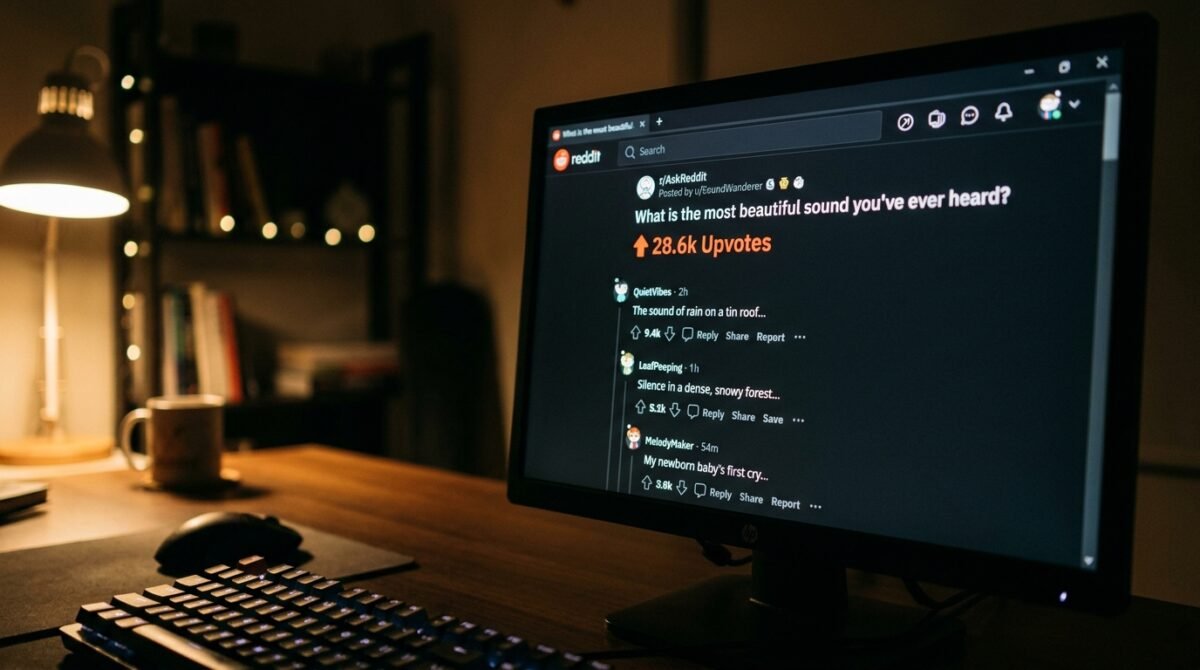
I decided to share my story on a popular forum, needing to know if I was truly the villain in this saga. The response was overwhelming. Within hours, thousands of people had weighed in, and the consensus was not what I expected. The internet, often a harsh place, was surprisingly aligned with my perspective.
The top comment was from a user who had been in a similar situation, and their words provided the validation I had been craving for months. They pointed out that true friends never ask you to compromise your financial stability for their own pleasure. It wasn’t about the money; it was about the lack of respect for my boundaries.
“NTA. You are not a ‘party pooper’ for having a budget. Your friends are ‘lifestyle bullies.’ They don’t value you; they value their aesthetic, and you didn’t fit the picture. Move on, and find friends who appreciate your company, not your wallet.”
— u/BudgetFriendshipExpert (Top Comment, 32.4k upvotes)
There were, of course, dissenting voices. Some claimed that I should have known better than to be friends with people who have different spending habits. They argued that by agreeing to a trip, I had implicitly signed up for whatever the group decided. I found these comments enlightening—they reflected the same entitlement my former friends displayed.
Reading through the comments, I realized that this was a universal issue. People everywhere are struggling with the pressure to keep up with their peer groups, often at the expense of their sanity and their bank accounts. It was a community-wide therapy session, and for the first time in a long time, I felt like I had made the right choice.
Self-Reflection: What I Learned About Value

Looking back at the whole ordeal, I’ve had plenty of time to reflect on what went wrong. I allowed myself to be swept up in the ‘group’ dynamic, forgetting that I am an individual with my own needs and limitations. I thought that by conforming, I was maintaining the friendship, but I was actually just suppressing my own identity.
I learned that boundaries are not just barriers; they are filters. They filter out the people who don’t respect you and keep the people who do. If a relationship breaks because you said ‘no,’ it was never really a relationship to begin with. It was a performance. And I was tired of acting.
I started saving that ‘vacation money’ for something else—a solo trip that I actually wanted to take, on my terms, with no one to please but myself. I went to a mountain cabin for a week of hiking and reading. It cost a fraction of the resort, and it was the most peaceful, rejuvenating experience I’ve had in years.
“The most expensive things in life aren’t the vacations you take; they are the compromises you make on your own values to please people who don’t respect you.”
— My journal entry from the trip I took alone.
I also started spending more time with friends who didn’t care about luxury resorts. We bonded over cooking, local hiking, and movie nights. The laughter was authentic, the conversations were deep, and at no point did I ever feel the need to check my bank balance with a sense of dread. It was a profound shift, a return to what really matters.
The Aftermath: Moving Forward and Setting New Boundaries

Six months later, I’ve settled into a new normal. I’m still occasionally reminded of my former friends through mutual posts, but the sting has long since faded. I’ve realized that I’m not ‘missing out’ on anything. I’m living my life, and they are living theirs. The distance is a permanent feature now, and I’m perfectly okay with that.
I’ve become much more assertive about my boundaries. Whether it’s a dinner out or a group gift, I don’t hesitate to voice my budget constraints early and clearly. And you know what? People respect it. The friends who truly care about me understand, and the ones who don’t… well, I don’t have to worry about them anymore.
I have a renewed appreciation for financial literacy. I’ve started a small investment fund with the money I saved from the trip, and it’s grown into something that provides me with more security than a week of champagne ever could. The ‘five-thousand-dollar lesson,’ as I call it, has been one of the best investments I’ve ever made in myself.
“I used to fear being the person who says no. Now, I realize that saying no is the most powerful tool I have for curating a life I actually love.”
— Me, reflecting on my current life.
My advice to anyone facing a similar situation is to trust your gut. If a friend group is pushing you into a corner, they aren’t your friends; they’re your captors. You don’t owe them your savings, your comfort, or your dignity. Walk away, save your money, and find your own path. It’s worth it.
The Psychology of Peer Pressure in Adulthood

It’s a common misconception that peer pressure ends with high school. In reality, it just becomes more sophisticated. In our thirties and forties, it manifests as ‘lifestyle creep.’ We feel the need to keep up with the social media highlights of our friends, leading to a distorted view of what is ‘normal’ or ‘expected’ in a relationship.
Psychologists call this ‘social comparison theory.’ We are hardwired to compare ourselves to those around us, and when we see our peers doing things that appear successful or glamorous, we feel a pull to match that status, regardless of the cost. This is the foundation of the resentment that often boils over in groups like mine.
By choosing to step away, I was effectively rejecting the social hierarchy that had been established. This is why their reaction was so visceral. I wasn’t just saying no to a trip; I was saying no to the power structure they had built. It was a threat to their collective ego, which is why they reacted with such hostility.
“When you change the rules of the game, the other players will often try to disqualify you to maintain their own comfort. Don’t let their reaction define your worth.”
— A piece of advice from my therapist during our last session.
Understanding this dynamic allowed me to stop taking their insults personally. It wasn’t about me; it was about their need to validate their own choices by dragging others along. Recognizing this pattern is the first step toward breaking free from the cycle of people-pleasing that often keeps us trapped in toxic relationships.
Recognizing the Warning Signs of Toxic Friendships

Looking back, there were signs of toxicity long before the trip was even conceived. I remember small, offhand comments about my career choices, or subtle ‘jokes’ about my thriftiness. I chose to ignore them, labeling them as ‘just how they are.’ But these were the early indicators of a lack of genuine respect.
I now pay attention to these red flags. If a friend makes you feel small for your financial choices, or if they constantly push you to do things you aren’t comfortable with, it’s time to re-evaluate the friendship. A healthy friend supports your decisions, even if they don’t necessarily agree with them. They don’t try to manipulate you into submission.
I also learned the importance of having friends from different walks of life. When your entire social circle exists in the same ‘bubble’ of income and status, it’s easy for that bubble to become an echo chamber. Having friends with different perspectives and financial realities keeps you grounded and helps you see the world more clearly.
“If you have to explain your boundaries multiple times to someone who claims to love you, then they don’t respect your boundaries. And if they don’t respect your boundaries, they don’t respect you.”
— A hard-learned lesson from my experience.
Today, I have a diverse group of friends who support my goals, whether they involve luxury travel or a quiet night in. The quality of my social life has improved tenfold because I’m no longer trying to mold myself into someone I’m not. I am authentic, I am secure, and I am finally in control.
Building a Future Based on Shared Values

The final, and perhaps most important, step in this journey has been defining my own values. I’ve realized that my values are not defined by the experiences I have, but by the people I surround myself with and the peace I cultivate. I no longer feel the need to justify my choices to anyone.
I’ve started a new tradition: a ‘no-cost’ weekend with my closest friends twice a year. We focus on activities that don’t require money—picnics in the park, potluck dinners, game nights, and hiking. It’s the most fun I’ve had in years, and it serves as a constant reminder that the best things in life truly are free.
I’ve also started mentoring younger professionals in my field, helping them navigate the same pressures of career and social status. It’s been incredibly rewarding to pass on the lessons I’ve learned and to help them avoid the pitfalls I fell into. It turns out that my ‘failure’ was just a stepping stone to a more meaningful life.
“Success isn’t measured by the price tag on your experiences. It’s measured by the authenticity of your connections and the peace in your heart.”
— My closing thoughts on this chapter of my life.
I am grateful for the experience, as painful as it was. It taught me everything I needed to know about myself and about the kind of people I want in my life. I’m moving forward with my head held high, ready for whatever comes next, and secure in the knowledge that I am enough—just as I am.
Conclusion
My experience with the $5,000 resort trip was, in retrospect, a catalyst for much-needed change. It forced me to confront the reality of my friendships, the strength of my boundaries, and the importance of financial health. While the fallout was difficult, the freedom that followed has been transformative. It is a powerful reminder that you never have to sacrifice your stability for the sake of a social performance.
I hope this story serves as a reminder to anyone feeling the pressure of their social circle that it is okay to say ‘no.’ Your value is not defined by your ability to participate in expensive trends. True friends will stand by you when you set boundaries, not try to push you over them. If you’ve ever found yourself in a situation where your friends were more concerned with their ‘vibe’ than your well-being, I’d love to hear your story in the comments below.
Community Poll: Have you ever had to walk away from a group of friends because you couldn’t keep up with their spending habits? Let us know your thoughts in the comment section below!
What's your verdict on this dilemma?
Vote below to contribute to the official community consensus.

Have a Dilemma Keeping You Up at Night?
Share your real-life feud, wedding chaos, or relationship crossroads anonymously with our editorial team.
What do you think ?
0 Comments🛡️ Comments are moderated to protect community integrity. Your comment will appear once approved by the editorial team.