
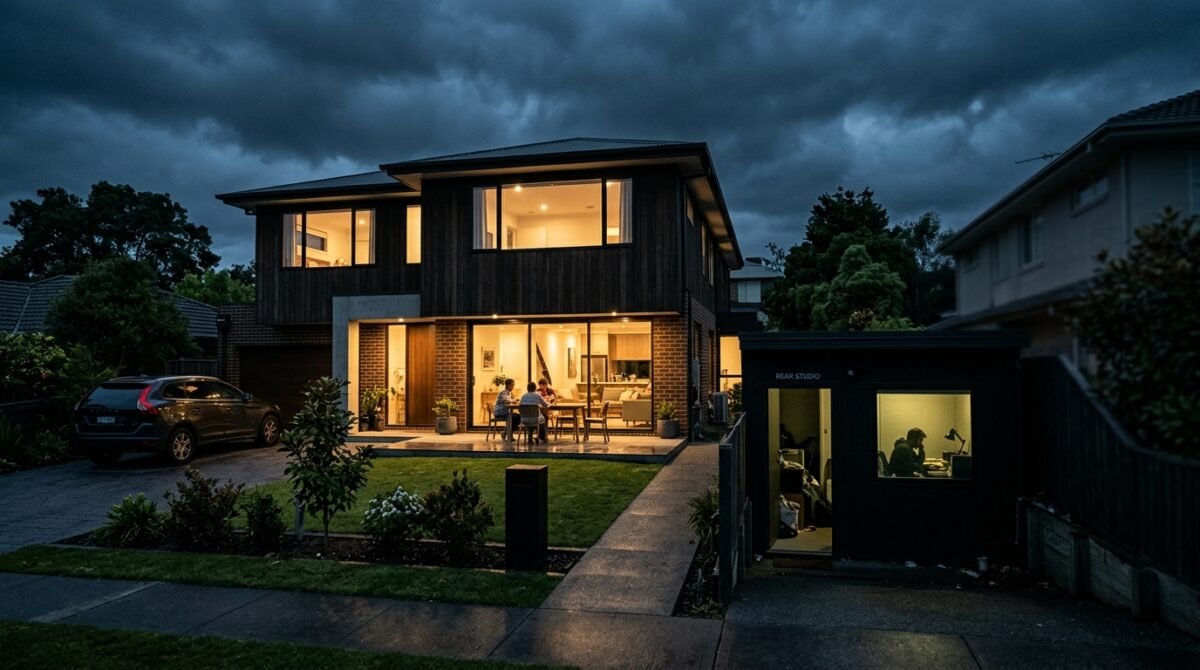
I have spent the last five years turning a dilapidated, inherited property into a home. It wasn’t just a roof over my head; it was a sanctuary I built with my own sweat, savings, and weekends spent sanding floorboards while my peers were out traveling. The arrangement with my parents—who technically held the title but promised it to me for my ‘sweat equity’—was simple: I pay for all maintenance, taxes, and upgrades, and in return, I occupy the main duplex unit while maintaining the studio in the back for storage.
Then came the phone call. My brother, Kevin, had once again failed to launch. After blowing through his savings on a failed startup and a series of questionable investments, he decided he wanted ‘a fresh start’—in my living room. My parents, blinded by a lifelong obsession with their golden child, didn’t ask me; they informed me. They told me that Kevin needed the stability of the duplex and that I should be ‘happy to help’ by moving into the cramped studio I’d used as a workshop for years.
This wasn’t just a request; it was a total erasure of my autonomy. For my parents, Kevin is the son who can do no wrong, even when he’s doing absolutely nothing. I am the daughter who is expected to sacrifice, stay quiet, and facilitate the success of a man who hasn’t held a steady job in four years. The audacity of the demand was matched only by the sheer coldness of their delivery, as if my life were just a piece of furniture they could rearrange on a whim.
As I sat in the silent, half-finished kitchen of the home I had poured my heart into, the weight of the injustice settled in. I realized then that I wasn’t fighting for a house; I was fighting for the right to exist in my own life without being sidelined. This is the story of how a simple request for ‘family support’ turned into the most explosive confrontation my family has ever witnessed, and why I chose to burn the bridge before they could tear down my foundation.
The Tuesday Morning Ultimatum

It started on a Tuesday, the kind of mundane workday that usually passes without incident. My phone vibrated against the desk, a barrage of notifications from our family group chat. My mother, usually one to send recipes or check on my dental appointments, was uncharacteristically direct. She didn’t preface the message with pleasantries; she went straight for the jugular.
“Kevin is moving back to the city on Friday. We’ve decided the duplex is the best place for him to get his feet back on the ground. Please start moving your things to the studio by Thursday evening so he has a clean slate.”
— Mom, via Family Group Chat
I read the message three times, my heart hammering against my ribs. I felt a cold, sharp sensation in my chest—the unmistakable feeling of being treated like an obstacle rather than a human being. I looked around my office, feeling the sudden, suffocating urge to scream. I had never been asked if this was possible, let alone if I was willing to sacrifice my privacy and my sanity for Kevin’s latest whim.
My fingers hovered over the keyboard. I knew that if I responded with anger, it would be used against me. They would call me ‘unstable’ or ‘uncooperative.’ I needed to remain calm, but the sheer level of entitlement radiating from that screen was staggering. I had paid the property taxes for the last three years while Kevin traveled through Southeast Asia on a ‘soul-searching’ expedition funded by those same parents.
I finally replied, my voice shaking even though I was typing. I asked for a meeting, a real one, where we could discuss the logistics—though in my head, I knew the only real answer was ‘no.’ I wasn’t just losing a bedroom; I was losing the life I had curated for myself. The studio wasn’t a residence; it was a 300-square-foot shell filled with my tools, my unfinished projects, and the peace I had earned after years of chaotic family dynamics.
By the time I left work, my father had called four times. I ignored them all, choosing instead to drive to the duplex and walk through every room, memorizing the layout, the smell of the fresh paint, and the silence. This was my home, and I was going to fight to keep it, regardless of the ‘Golden Child’ status that Kevin had enjoyed since he was born.
The Inevitable Sunday Showdown
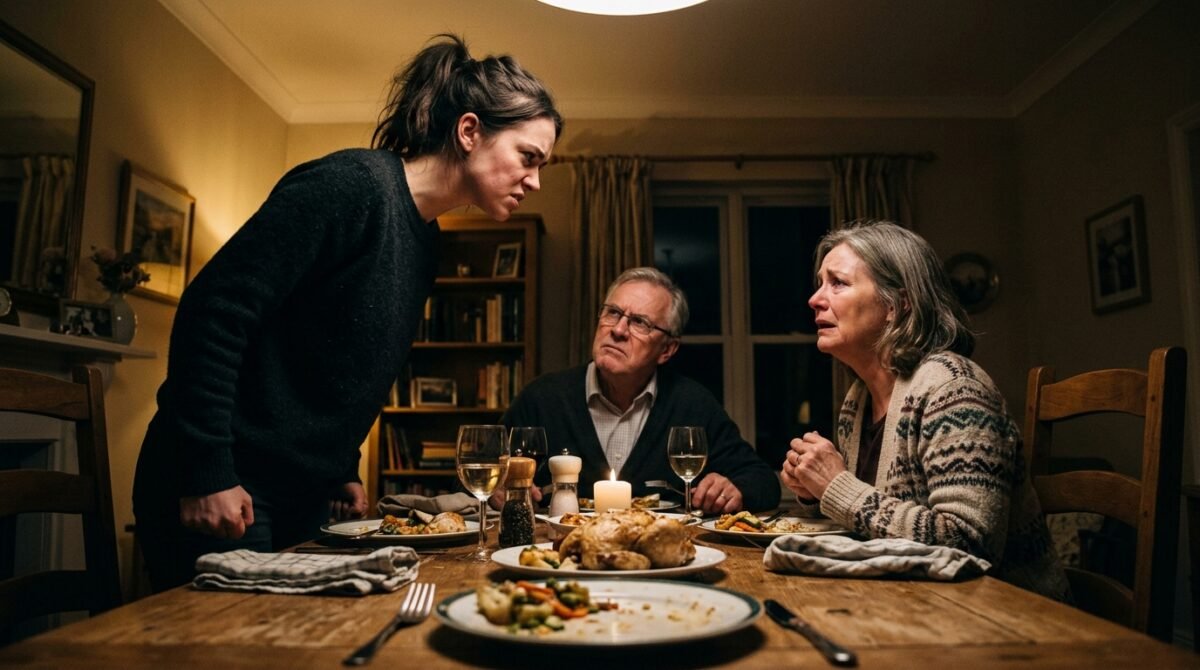
Sunday dinner at my parents’ house was always a theater of performance, and this week was the main event. The air was thick with unspoken tension, the kind that makes the silverware clatter louder than usual against the fine china. My mother had prepared a roast, but nobody seemed interested in eating. Kevin was there, leaning back in his chair with an air of relaxed entitlement that made my skin crawl.
“Look, sis, I’m not trying to cause trouble. But Mom said the studio is already set up for a guest. It just makes sense for me to take the main unit while I figure out my next venture. Why are you being so difficult?”
— Kevin, during the Sunday roast
I put my fork down, the sound ringing out in the quiet room. I didn’t yell; I spoke with a terrifying, measured calm that seemed to unsettle them more than shouting would have. I pointed out that the ‘guest’ setup he was referring to was actually my workshop, which contained thousands of dollars worth of equipment. I asked him, point-blank, if he intended to pay rent, or if he expected me to subsidize his lifestyle in the same way our parents had for the last decade.
My father interjected, his voice stern. He reminded me that the house was in their name and that they were ‘allowing’ me to live there as a favor. He conveniently forgot about the $15,000 I had sunk into the roof repairs last year, or the monthly landscaping bills I covered. He saw only the legal title, not the labor and love I had poured into the foundation of the house.
The table went silent. My mother looked down at her plate, unable to meet my eyes, but she didn’t stop my father. It was clear that they had already decided my fate. I looked at Kevin, who was busy buttering a roll, completely detached from the conflict he had caused. He didn’t care about the displacement; he only cared about the convenience of a free place to stay.
I stood up, my chair scraping harshly against the hardwood floor. I told them that I would be moving, but not into the studio. I was moving out entirely. I told them that if they wanted to hand the duplex over to Kevin, they could deal with the maintenance, the taxes, and the reality of a brother who didn’t know how to keep a house, let alone take care of one. The look of panic on my father’s face was the only satisfaction I got that night.
The Reddit Verdict

I didn’t tell my friends what happened immediately; I turned to the internet. I needed to know if I was losing my mind, or if my family had truly lost theirs. I spent the night writing out the timeline of my financial contributions and the history of my brother’s ‘failed’ ventures. I hit ‘post’ and watched the notifications roll in. Within hours, the thread had thousands of comments.
“NTA. Your parents are using you as a prop to support their golden child. The fact that they didn’t even ask you, but instead told you to move out of your own home, is a massive boundary violation. Pack your things and leave them to deal with the fallout of Kevin’s inevitable failure.”
— u/BoundariesMatter, 15.2k upvotes
The validation was overwhelming. People from all over the world were sharing their own stories of being pushed aside for a sibling who never had to grow up. Many offered advice on how to legally document the money I had spent on the property, warning me that my parents might try to keep my belongings if I wasn’t careful. It was a sobering, necessary wake-up call.
I spent the next 48 hours in a daze, reading through comments that ranged from supportive to brutally honest. I realized that my own desire to be ‘the good daughter’ was the very thing keeping me trapped in this cycle. By being the one who always complied, I had taught my parents that my comfort was negotiable. The community helped me see that I didn’t owe them my home, my money, or my silence.
One comment in particular stuck with me: ‘Don’t set yourself on fire to keep them warm.’ It was the mantra I repeated to myself as I started packing my boxes. I wasn’t just moving out; I was moving on. I started looking for apartments the next morning, knowing that even a small, cramped studio of my own was worth more than a duplex filled with the resentment of a family that didn’t value me.
The thread became a repository for my frustration. I updated the post with the details of my move-out, detailing how I had systematically begun to remove the appliances I had purchased and how I had contacted a contractor to assess the value of the ‘sweat equity’ I was leaving behind. The support from strangers was the armor I needed to face the next stage of the confrontation.
The Packing Day Sabotage
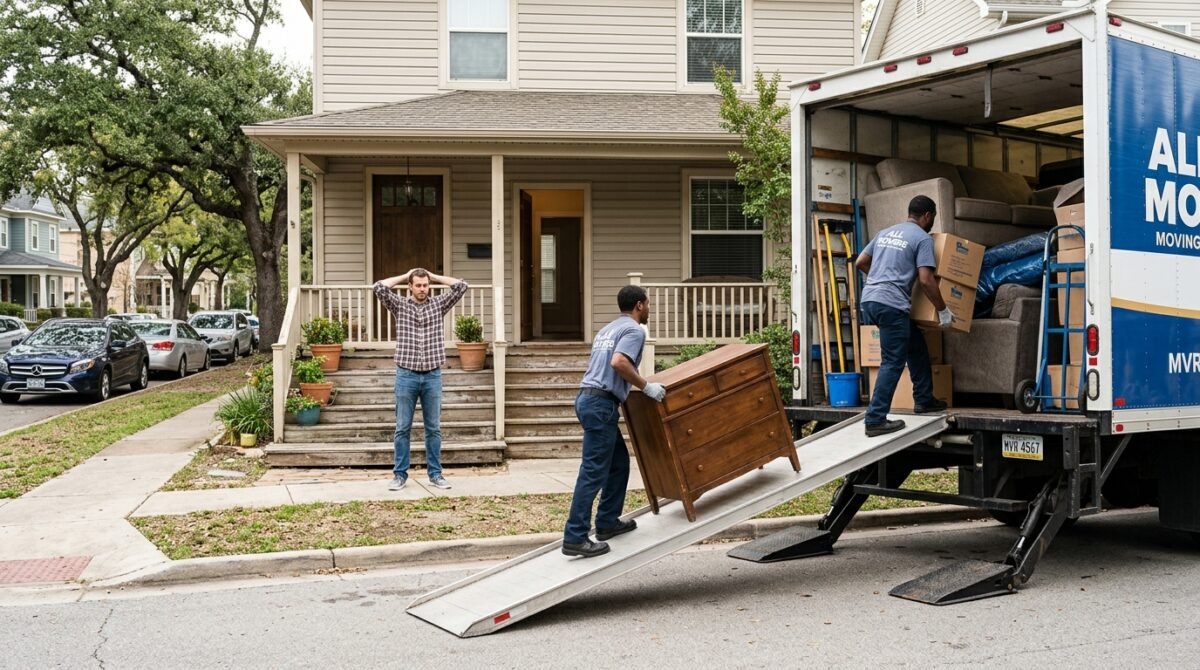
Moving day was a nightmare. I had hired a small crew to help me clear out the main unit, and my father showed up unannounced, seemingly expecting to supervise the transition. He walked through the house, pointing at items he thought should stay for Kevin. ‘The high-end washer and dryer,’ he said, checking his watch. ‘Kevin will need those. He’s not used to laundromats.’
“Dad, I bought that washer and dryer with my first bonus. They are coming with me. If Kevin needs appliances, he can buy his own, just like I did. Maybe he can use the money you saved by not paying for his rent for the last four years.”
— Me, during the move
The color drained from his face. He hadn’t expected me to push back, especially not in front of the movers. He started raising his voice, calling me ungrateful and petty. He tried to physically block the movers from taking the dryer, as if his sheer will could override my receipt. I didn’t engage; I just held out my phone, showing him the invoice dated three years prior.
It was a petty victory, but it felt monumental. For years, I had been the one to accommodate, to ‘keep the peace,’ and to ensure that everything ran smoothly. Watching my father realize that I was no longer a pawn in his game was the most cathartic experience of my life. He looked around the house, suddenly realizing that without my furniture, my appliances, and my organization, it was just an empty, cold shell.
Kevin, predictably, wasn’t even there. He was out with friends, leaving the logistics of his ‘new home’ to his father. I felt a surge of pity, not for myself, but for the cycle of dependency that my parents were so desperate to maintain. They were setting him up for failure, and by walking away, I was removing the very support beam he leaned on.
By the time the last box was loaded onto the truck, the house felt truly empty. I walked through one last time, taking photos of the conditions to ensure they couldn’t claim I left it damaged. I left the keys on the kitchen counter next to a folder containing copies of all the maintenance receipts I had paid, along with a note that simply said: ‘Good luck with the taxes.’
The Midnight Phone Call
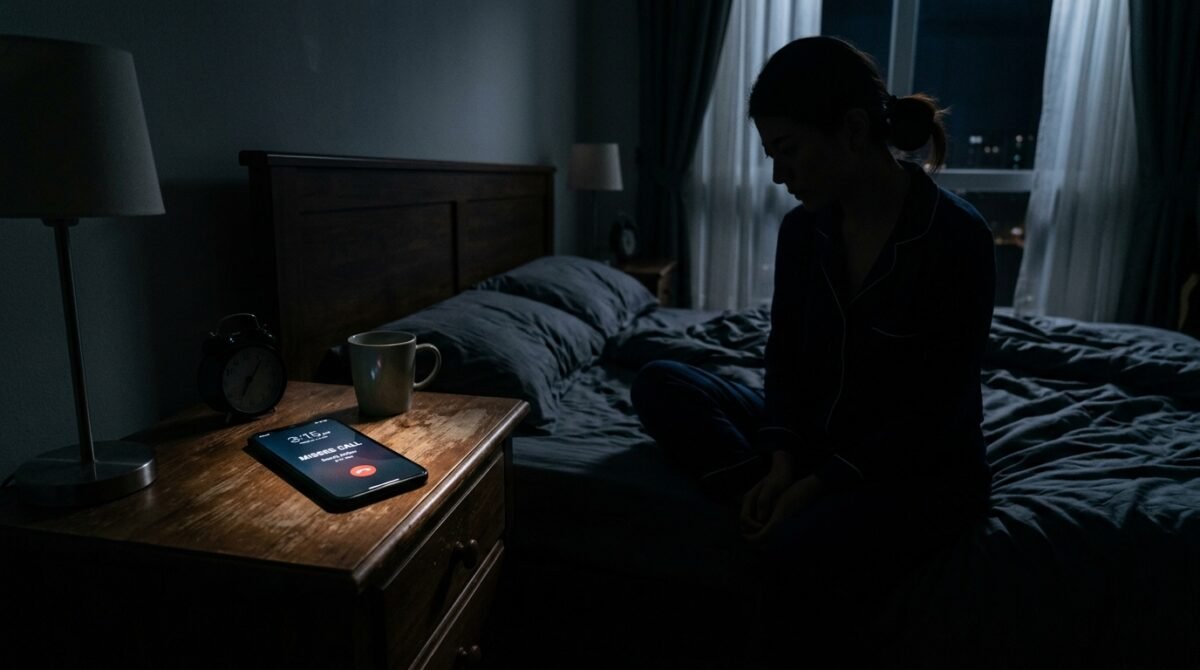
Two weeks later, the silence was broken at 2:00 AM. My phone rang, displaying my mother’s number. I ignored it, but the calls didn’t stop. She called five times in a row, finally leaving a voicemail that sounded like a mix of panic and indignation. I listened to it while sitting in my new, albeit tiny, apartment, feeling a profound sense of distance.
“You need to answer your phone. The water heater is leaking, and Kevin has no idea what to do. He’s panicked and the basement is flooding. This is your fault for leaving so abruptly without showing him how the house works. You’re being incredibly selfish.”
— Mom, via Voicemail
I laughed. I actually laughed out loud. The absurdity was almost too much to handle. My parents were calling me for ‘technical support’ for a house I no longer lived in, all while blaming me for the incompetence of their golden child. I didn’t call back. Instead, I blocked the number for the next 24 hours just to keep my own peace of mind.
I realized then that they didn’t want me in their lives because they loved me; they wanted me there because I was a resource. I was the property manager, the tech support, and the financial safety net, all wrapped into one. By removing myself, I had essentially cut the power to their entire operation. The realization was both empowering and deeply sad.
The next day, I sent a short, professional text back. I told them that the water heater was under warranty and that they had the manual in the kitchen junk drawer. I also reminded them that since they were the owners, they were now responsible for all repairs. I didn’t ask how Kevin was doing, and I didn’t offer any further assistance. It was the hardest thing I’d ever had to send, but it felt like cutting a weight from my ankle.
I went for a walk that afternoon, breathing in the air of a neighborhood that didn’t hold the weight of my family’s expectations. I felt light. The crisis at the house wasn’t mine anymore, and the chaos of my brother’s life was officially someone else’s problem. It was the first time in years that I felt like I was actually living for myself.
The Financial Reckoning
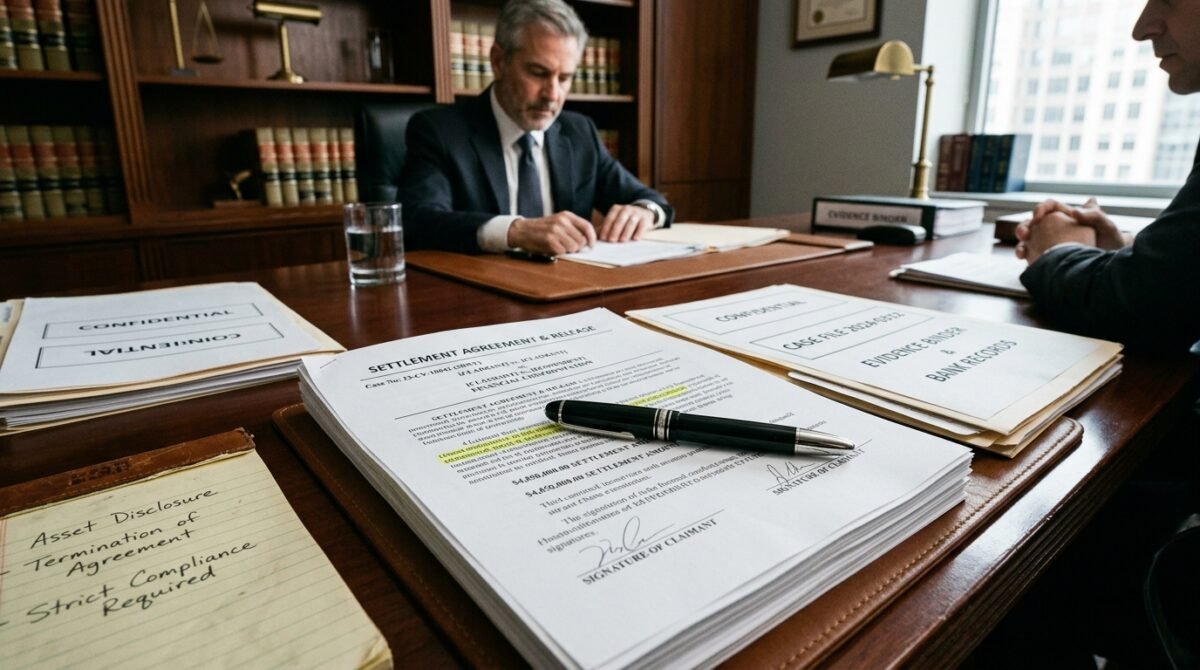
The fallout became even more apparent when I received a letter from my father’s attorney. They were threatening to sue me for ‘damages’ to the duplex, claiming that by removing the appliances, I had depreciated the value of the property. It was a laughable claim, but it showed how far they were willing to go to force me back into the fold. I sat down with my own lawyer, a friend from college, and laid out the entire history.
“Let them sue. We have every receipt for the appliances, the renovations, and the taxes you paid. If they want to get into the details of your financial contributions, we’ll make sure the court sees exactly how much money you funneled into that house over the years. They won’t win.”
— My Lawyer, over coffee
The threat evaporated as soon as my lawyer sent a formal response. It included a demand for reimbursement for the unauthorized labor and materials I had provided over the last three years. Faced with the reality of having to pay me back for the renovations, my parents suddenly lost their appetite for legal action. The ‘damages’ claim was dropped within forty-eight hours.
It was a masterclass in why you should always keep your records. I had spent years being ‘the nice one,’ but I had also been the smart one. I had kept every digital invoice and every bank transfer record. Seeing my father realize that he couldn’t use the law to bully me was the final nail in the coffin of our previous dynamic. The power shift was complete.
Kevin, I heard through the grapevine, was already looking for a way out of the duplex. It was ‘too much work’ and he didn’t like the ‘vibe’ of the neighborhood. My parents were furious, not at Kevin for failing to sustain the home, but at me for not staying to fix the problems he created. They still didn’t see the irony. They were living in the reality I had helped create, and they hated that it was so difficult without my labor.
I felt a strange sense of closure. The house wasn’t the enemy, and my brother wasn’t the enemy; it was the expectation that I should sacrifice my own stability for the convenience of others. That expectation was gone, and in its place was a quiet, steady resolve to keep my own boundaries, no matter what they demanded next.
The Birthday Dinner Incident
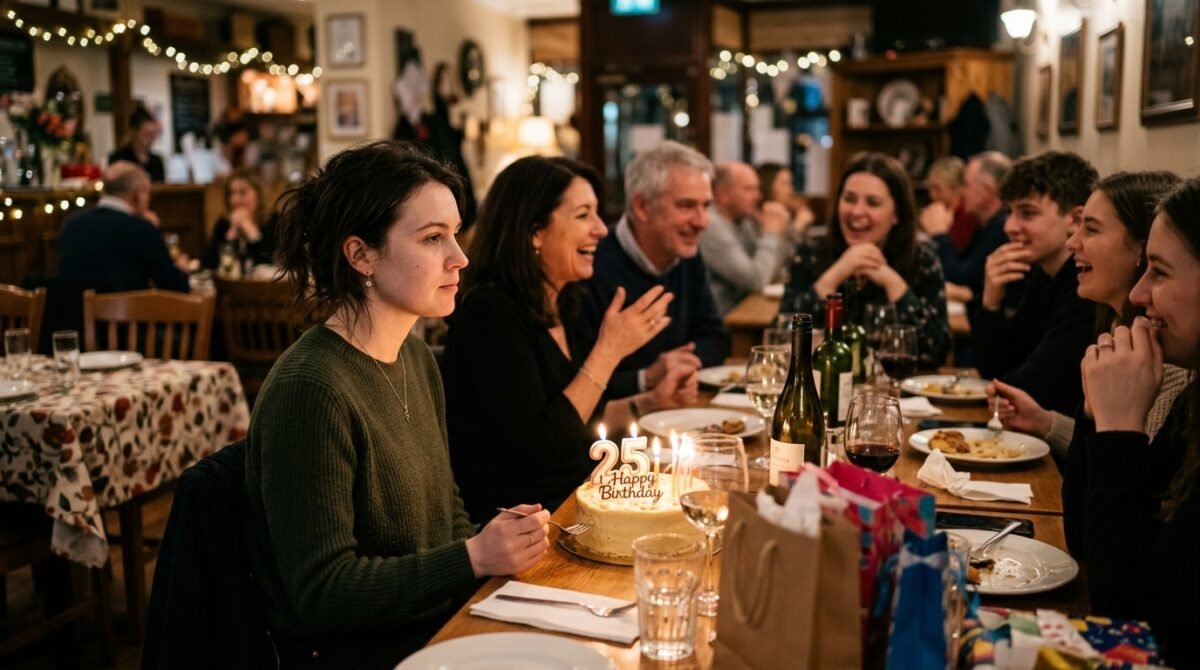
A few months later, it was my mother’s birthday. I debated whether to attend, but decided to go, purely for the sake of the extended family who had nothing to do with the duplex drama. I walked in, dressed in my best, prepared to hold my own. The atmosphere was strained, but my parents were performing their usual ‘happy family’ routine, which made the whole thing feel like a bad play.
“It’s so good to see you, dear. Kevin has been having such a hard time lately, he’s really been through so much. I wish you’d be a bit more supportive of him. He doesn’t have the same drive that you do, and he needs family support.”
— Mom, at her birthday dinner
I looked at her, really looked at her, and saw a woman who had never learned to treat her children as individuals. I didn’t get angry. I just smiled and said, ‘It’s a shame he doesn’t have that drive, but that’s not my cross to bear. I hope he finds his way, just like I had to find mine.’ It shut her down faster than a direct confrontation would have.
The rest of the night was awkward, but I held my ground. I didn’t offer to help with the dishes, and I didn’t ask after the house. I talked about my work, my new friends, and the projects I was working on in my own apartment. I was living proof that I didn’t need them to thrive, and that seemed to bother them more than anything else could.
I left early, citing an early morning, and walked out to my car feeling empowered. I had survived the dinner without regressing into the role of the ‘helper.’ My parents were still stuck in their loop, waiting for me to come back and fix things, but I was already miles away, both figuratively and literally. The separation was finally complete.
Driving home, I realized that the hardest part of the whole ordeal wasn’t the moving or the arguments; it was the realization that I had outgrown my family. They wanted me to be the person I was ten years ago, but I was someone else entirely now. And that was okay. I didn’t need their approval anymore, and that was the greatest freedom I had ever experienced.
Reflecting on the ‘Golden Child’ Syndrome

I spent a lot of time thinking about why this happened. Why did they prioritize Kevin, even when his actions were clearly destructive? It wasn’t about his potential; it was about their own ego. By believing Kevin was special, they were believing that they were special parents. I was just the steady one, the one who didn’t need them, so I became the one who could be ‘asked’ for more. It’s a classic, toxic family dynamic.
“The ‘Golden Child’ isn’t actually being helped by this favoritism; they’re being crippled. They never learn to handle failure, and the ‘Scapegoat’ ends up learning how to succeed in spite of everything. You’re the one who actually gained something valuable in the long run.”
— u/FamilyPsychExpert, 8.4k upvotes
That comment from the community resonated with me. I had learned resilience, financial literacy, and the importance of boundaries. Kevin had learned that if he failed, he would be handed someone else’s success. Who was truly the lucky one? I realized that my move to the studio was the best thing that ever happened to me because it forced me to stop being the family’s ‘fixer.’
I started attending therapy to unpack the years of being the ‘reliable’ child. It was eye-opening to realize how much of my identity had been tied up in being useful. Now, I’m learning to be valuable for who I am, not for what I can do for others. It’s a slow process, but it’s mine. I no longer feel the need to justify my existence or my belongings.
I also stopped feeling guilty about not being the ‘peacemaker.’ Peace is only possible when all parties are willing to treat each other with respect. When the other side is demanding your dignity, peace is just another word for surrender. I chose not to surrender, and that has made all the difference.
Today, I’m in a much better place. I have a life that is truly mine, filled with people who value me for more than just my ability to pay bills or provide housing. I still see my family on holidays, but I keep my distance, both physically and emotionally. It’s the healthiest way for me to exist in a world that is no longer dictated by their demands.
Lessons Learned in the Wake of Chaos
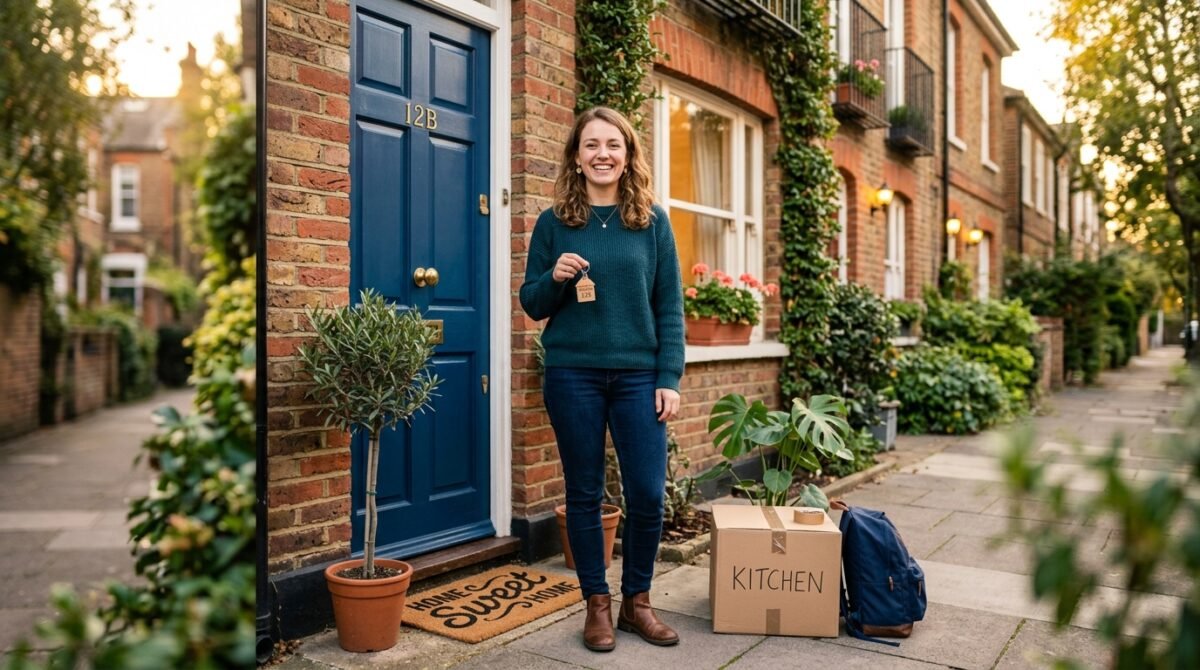
The biggest lesson was that you cannot reason with people who are committed to misunderstanding you. My parents weren’t looking for a compromise; they were looking for an obedient child to facilitate their fantasy. By refusing to play the part, I forced them to face the reality of their choices, even if they refused to acknowledge it. The pain of that confrontation was the price of my liberation.
“Never underestimate the power of simply saying ‘no’ and walking away. It’s the ultimate tool for reclaiming your life. People will try to make you feel like the villain, but remember: the villain is the one who tries to take what isn’t theirs.”
— Community Wisdom, Forum Thread
I also learned that family is what you make of it. I have friends who have become more of a family to me than my biological kin ever were. They support me, they celebrate my wins, and they don’t demand that I sacrifice my stability for their own benefit. That kind of support is worth more than any duplex.
I look back at the photos of the house, and I don’t feel regret anymore. I feel proud. I built something beautiful, and I had the courage to walk away when it stopped being a home and started being a burden. That strength will serve me for the rest of my life. I am no longer defined by my relationship to my family; I am defined by my own actions and my own integrity.
If you find yourself in a similar situation, remember that your boundaries are not a sign of weakness; they are a sign of self-respect. Don’t be afraid to leave if it means keeping your soul intact. You don’t owe anyone your life, especially if they are the ones trying to take it from you.
I’m finally in a home that is entirely my own, where no one can tell me who gets to sleep in which room. It’s small, it’s simple, and it’s mine. And that, in the end, is all I ever wanted.
Conclusion
My journey from the duplex to my own independent life has been the most challenging, yet rewarding, experience of my adult life. I lost a piece of my history, but I gained my future. The demands that once held me back have become the catalysts for my independence. It’s a bitter truth that sometimes, the ones who should love us the most are the ones who make it hardest for us to grow.
For those of you reading this who might be stuck in a similar ‘golden child’ cycle, know that you are not alone. The burden of being the ‘reliable’ one can feel heavy, but the weight you are lifting is someone else’s responsibility. It is okay to walk away. It is okay to say no. It is okay to prioritize your own peace.
I’d love to hear your thoughts. Have you ever had to walk away from a family situation to reclaim your boundaries? Or perhaps you’ve been the one who realized your own family was taking advantage of your kindness? Let’s talk in the comments below.
Discussion Poll:
1. Have you ever had to draw a hard line with your family? Yes / No.
2. Do you think the ‘Golden Child’ dynamic is something that can ever truly be fixed? Yes / No / Only with professional help.
3. Should the parents have been responsible for Kevin’s living situation from the start? Yes / No.
What's your verdict on this dilemma?
Vote below to contribute to the official community consensus.

Have a Dilemma Keeping You Up at Night?
Share your real-life feud, wedding chaos, or relationship crossroads anonymously with our editorial team.
What do you think ?
0 Comments🛡️ Comments are moderated to protect community integrity. Your comment will appear once approved by the editorial team.