
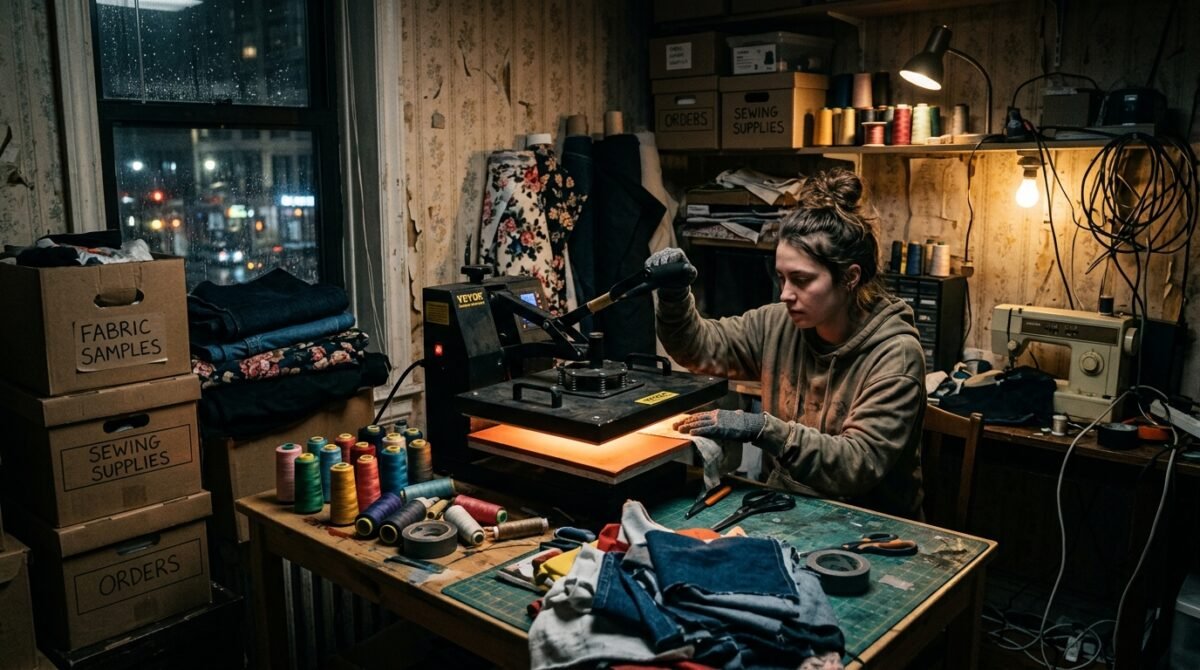
Living in a two-bedroom apartment in the city is an exercise in compromise. You balance the budget, you share the chores, and you respect the common spaces. For three years, Mark and I were the perfect roommates: quiet, reliable, and respectful of the thin drywall separating our lives. That changed the moment Mark decided he was going to become the next streetwear mogul using nothing but a second-hand, industrial-grade textile heat-press he found on a liquidator site.
It started as a hobby, a way to print custom designs on hoodies for some online brand he was launching. I didn’t mind the occasional hum of a printer. But then, the machine arrived—a beast of steel and heating elements that looked like it belonged on a factory floor, not in a dining nook that barely fit a breakfast table. It was heavy, it was loud, and, as I quickly learned, it was a ravenous beast for electricity.
The first time the circuits blew, we were watching a movie. The living room went pitch black, the fridge groaned, and the Wi-Fi router died instantly. I thought it was a grid issue until I heard Mark shouting in the dining room, followed by the heavy clunk of him resetting the breaker box. I ignored it, thinking it was a one-time fluke. I was wrong.
Within a week, the pattern became a terrifying rhythm. Every evening after I got home from work, just as I was trying to relax, the power would surge and vanish. The dining area became a staging ground for mass production, complete with stacks of drying ink, smell of burnt adhesive, and the constant, rhythmic thud of the press. The moral dilemma wasn’t just about the electricity bill; it was about the total erasure of my quiet enjoyment of my own home.
I tried talking to him. I tried suggesting a workshop space. I even offered to pay for a smart plug to monitor his usage. But Mark was convinced his hustle was ‘part of the grind’ and that I was simply being unsupportive. By the third week, when the entire kitchen circuit fried for the fourth time while I was cooking dinner, something in me snapped. I didn’t call him; I went straight to the source.
The Day the Beast Arrived
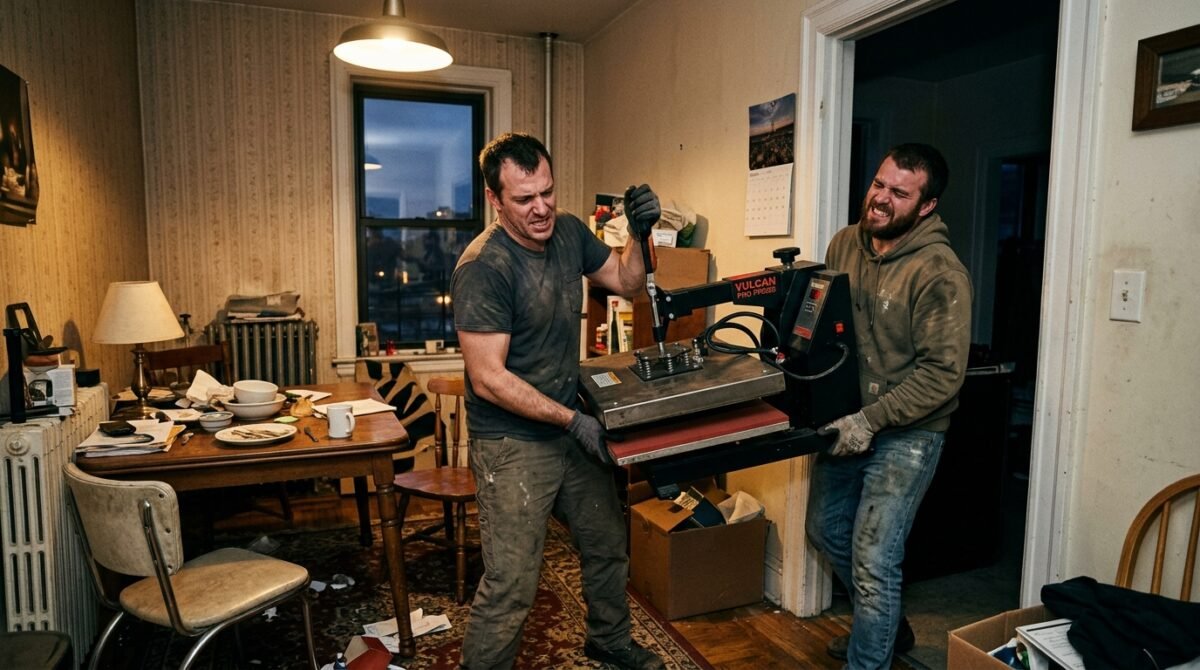
The arrival of the machine was a logistical nightmare. Mark had bragged about it for weeks, calling it his ‘golden ticket’ to entrepreneurship, but I don’t think either of us realized the sheer scale of the equipment. When the delivery truck pulled up, I had to help him drag the crate up the stairs. It took us forty minutes and nearly broke the door frame. The box was marked ‘Industrial – 220V Compatible’ which, in my ignorance, I didn’t realize was a warning sign.
Once we uncrated it, it dominated the apartment. It was a hulking mass of iron, painted an aggressive, industrial gray, with a lever that required significant force to depress. It occupied the entire dining table, leaving no room for meals. Our ‘dining room’ was effectively gone, replaced by a workspace that smelled like ozone and heavy-duty chemicals.
I remember standing there, hands on my hips, looking at the tangled mess of extension cords snaking across the floor. ‘Mark,’ I said, ‘this thing is massive. Are you sure our wiring can handle this? It looks like it belongs in a warehouse.’ He laughed it off, pulling out a hoodie and pressing the lever down with a satisfied metallic clang.
“You’re looking at this like a roommate, man. Look at it like an investor. This is the seed of our financial freedom. Just give it a week, I’ll be pulling in thousands and we can afford a place with a studio.”
— Mark, during the first week of production
The optimism was infectious, or so he thought. I wasn’t an investor; I was a tenant who liked watching TV at night. But I held my tongue, wanting to be the ‘cool’ roommate who supported a friend’s dream. I didn’t know that my patience was being harvested as capital for his project.
The First Total Blackout
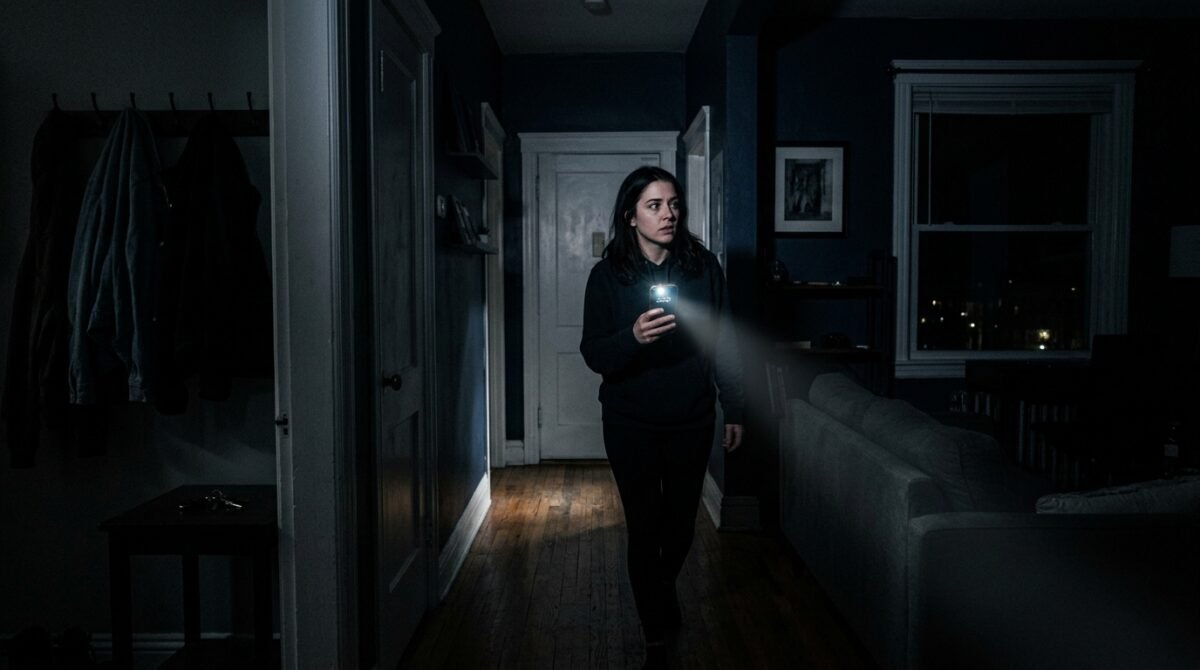
It didn’t take long for the grid to give up. It was a Tuesday evening, and I was deep into a documentary, finally relaxing after a brutal day at the office. Suddenly, the television flickered, the lights pulsed a sickly yellow, and then, total silence. The darkness was sudden and suffocating. I didn’t even have time to reach for my phone before the apartment was plunged into a void.
I stood up, tripping over the coffee table in the process. ‘Mark?’ I shouted into the dark. ‘What happened?’ From the dining room, I heard a sharp curse and the sound of someone scrambling for a flashlight. Moments later, the beam of a phone light cut through the gloom, revealing Mark standing by the dining table, looking panicked.
He didn’t apologize. He didn’t even acknowledge the inconvenience to me. He was staring at the heat-press, which had gone cold. ‘The breaker flipped,’ he muttered, not even looking my way. ‘Give me a second, I’m in the middle of a rush order for a local skate shop.’ I was flabbergasted. He treated the power outage as a minor technical hurdle rather than a failure of his setup.
“Mark, the whole unit is down. You can’t just flip the breaker back on if the system is clearly overloaded. We’re going to blow a fuse permanently if you keep doing this.”
— OP, attempting to reason with the roommate
He ignored me, marching to the utility closet. A moment later, the lights flickered back to life, but the fridge started making a high-pitched, concerning whining noise. I knew then that we were playing with fire—or at least with very expensive electrical repairs that we couldn’t afford.
The Escalation of Ambition
Following the first outage, things didn’t get better; they got faster. Mark stopped working only in the evenings. He started waking up at 5:00 AM to ‘catch the morning rush’ of customers, meaning the constant, rhythmic thumping of the heat-press became my alarm clock. It wasn’t just the noise, though; it was the sheer entitlement. He began stacking boxes in the hallway, blocking the entrance to the bathroom.
Our lease specifically stated that the apartment was for residential use only, not commercial manufacturing. I brought this up, pointing to the stacks of branded hoodies that were beginning to attract moths and dust. Mark looked at me as if I were a buzzkill, a man standing in the way of progress. He insisted that he was doing this ‘on the down-low’ and that the landlord would never find out.
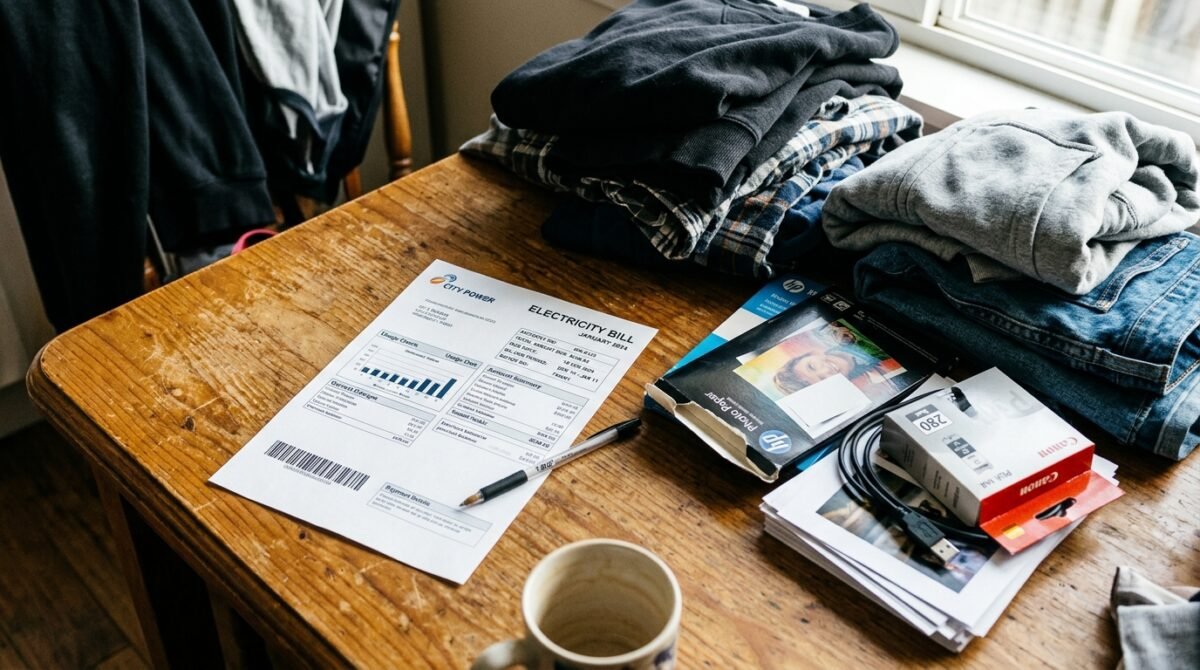
The electricity bill arrived at the end of the month, and it was nearly double what we usually paid. When I placed it on the kitchen counter, Mark didn’t even look at the total. He simply shifted it aside to make room for his screen-printing frame. The lack of accountability was starting to grate on me like sandpaper.
I started documenting everything. I took photos of the blocked hallway, the burn marks appearing on our dining table, and the circuit breaker settings. I felt like I was living in a manufacturing plant, and I was the only person who cared about the living conditions. I wasn’t just his roommate anymore; I was his unwilling business partner, and I wanted out of the contract.
The Midnight Confrontation

It reached a breaking point on a Friday night. I had guests over for a small dinner party, something we had discussed weeks in advance. Just as I was putting the finishing touches on dinner, the power cut out again. The oven, which was mid-bake, died. The light over the table died. My guests were left sitting in the dark, and the awkward silence was deafening.
I marched into the dining room. Mark was there, illuminated only by the light from the streetlamp outside. He was fumbling with the heat-press, trying to reboot it for the tenth time. I didn’t wait for him to explain. I hit the light switch, which did nothing, and then turned my rage toward him. I had had enough of the ‘entrepreneurial spirit’ destroying my social life and my living space.
“This is over, Mark. Tonight. I have guests. You have ruined dinner, you have ruined the electronics in this kitchen, and you are treating this apartment like your personal sweatshop. Pack it up, or I’m calling the landlord.”
— OP, confronting Mark during a dinner party
Mark stood up, his face flushed. He tried to tell me I was being dramatic, that this was just a ‘minor setback’ in his grand plan. He didn’t see the guests in the other room, the half-cooked meal, or the sheer exasperation in my voice. He only saw his press.
The Day the Circuits Fried
Two days later, the real catastrophe hit. I was working from home, trying to finish a report, when the power didn’t just flicker—it popped. A loud, sharp crack echoed from the breaker box, followed by the smell of ozone and burning plastic. The lights didn’t just go out; they emitted a faint, dying whine before the entire apartment went dead silent.
I checked the kitchen. The fridge was off. The microwave was dead. The heat-press was silent, sitting there like a tombstone. I walked to the breaker box, pulled the panel cover off, and saw the damage. The main breaker had tripped, but the circuit for the dining room was completely scorched. It wasn’t just a reset; it was a fire hazard.
I realized then that if we didn’t do something, we might actually lose the apartment—or worse. I felt a surge of cold, calculated fury. I walked into the dining room where Mark was sitting on his phone, looking annoyed at the lack of power. I picked up the heavy-duty power cord connected to his machine. It was thick, rubberized, and clearly the source of the load.
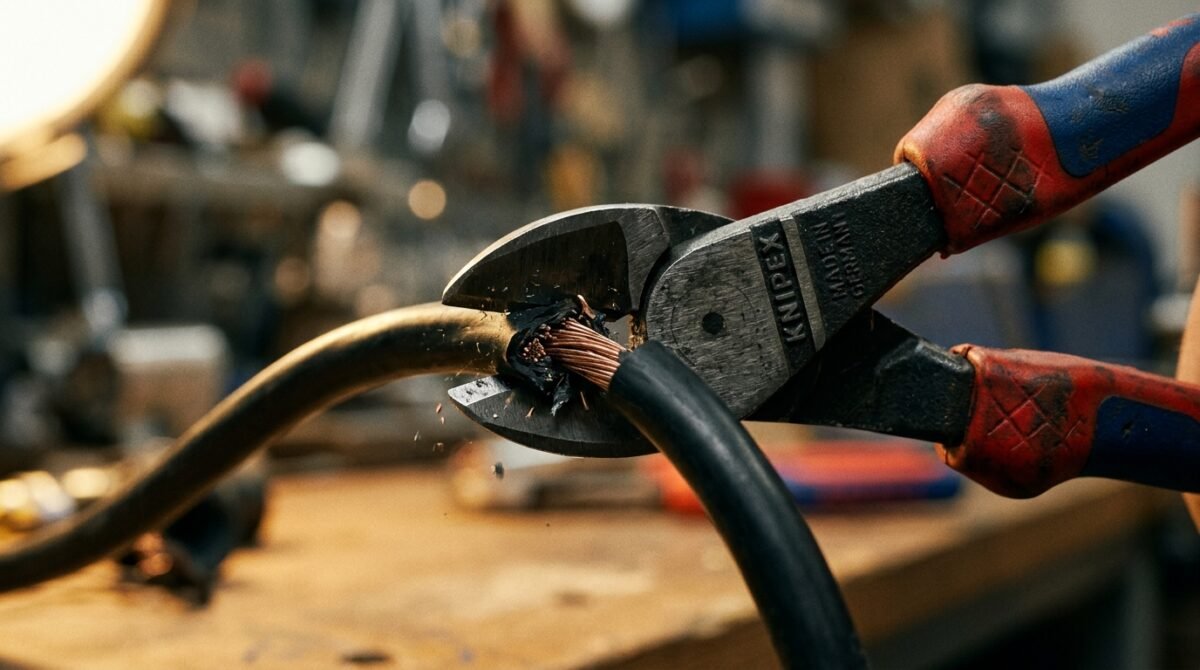
Without a word, I walked to the utility closet, found a pair of heavy-duty wire cutters I had bought for a home project, and went back to the machine. I didn’t just unplug it. I looked Mark in the eye, and with a single, decisive motion, I snipped the cord clean through. The snap of the copper wire was the most satisfying sound I had heard in months.
The Fallout and the Silence
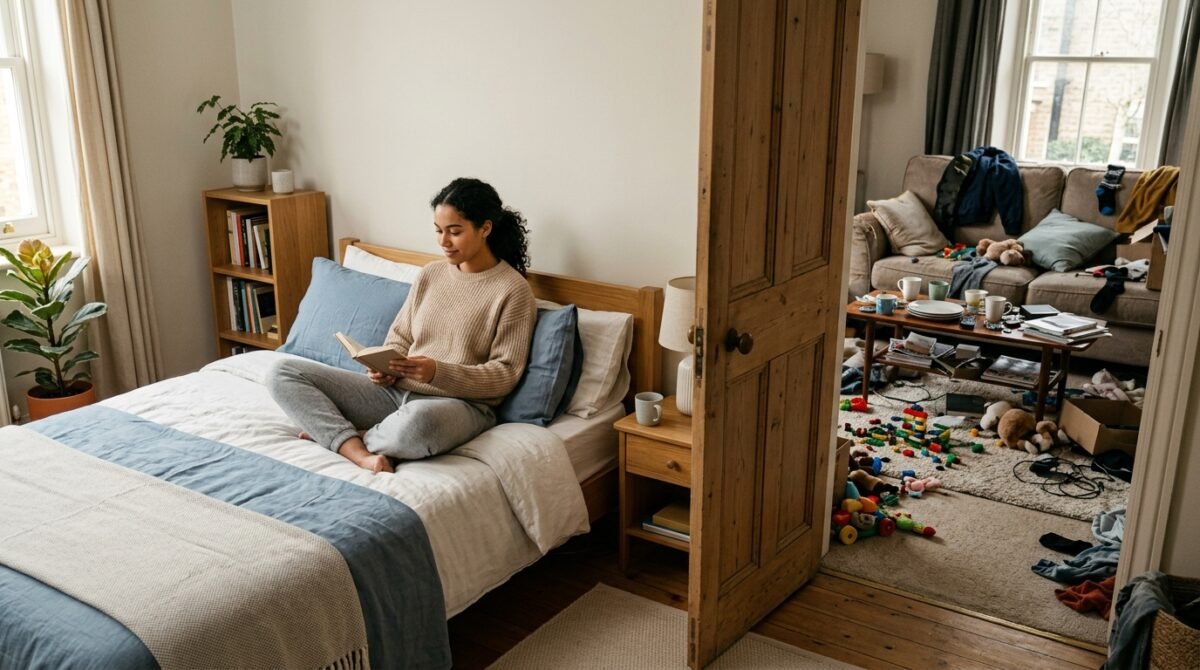
Mark stared at the severed cord, then at me, his mouth agape. He couldn’t believe it. He started yelling, his face turning a deep shade of crimson. He called me every name in the book, accusing me of sabotaging his future, of being a jealous failure who couldn’t stand to see someone else succeed. I didn’t say a word. I simply walked into my room and locked the door.
I listened through the door as he paced, calling his friends, venting about the ‘insane roommate’ who destroyed his property. He didn’t seem to realize that his property was destroying ours. He tried to fix the cord, but he didn’t have the tools, and honestly, the wiring in the wall was so fried that even a new cord wouldn’t have helped.
The silence that followed in the apartment for the next few days was heavy. We didn’t speak. He stayed in his room, presumably plotting his next move or looking for a way to get back at me. I stayed in mine, feeling a strange sense of liberation. The constant, nagging anxiety of the next power surge was gone. I could finally breathe in my own home.
I spent that time looking at our lease. I found the clause regarding commercial activity and property damage. I realized I had the leverage, not him. If he wanted to escalate, I was ready. I wasn’t just a roommate; I was the person who was going to ensure our security deposit wasn’t entirely lost to his failed clothing line.
Leaked Texts and Group Chats
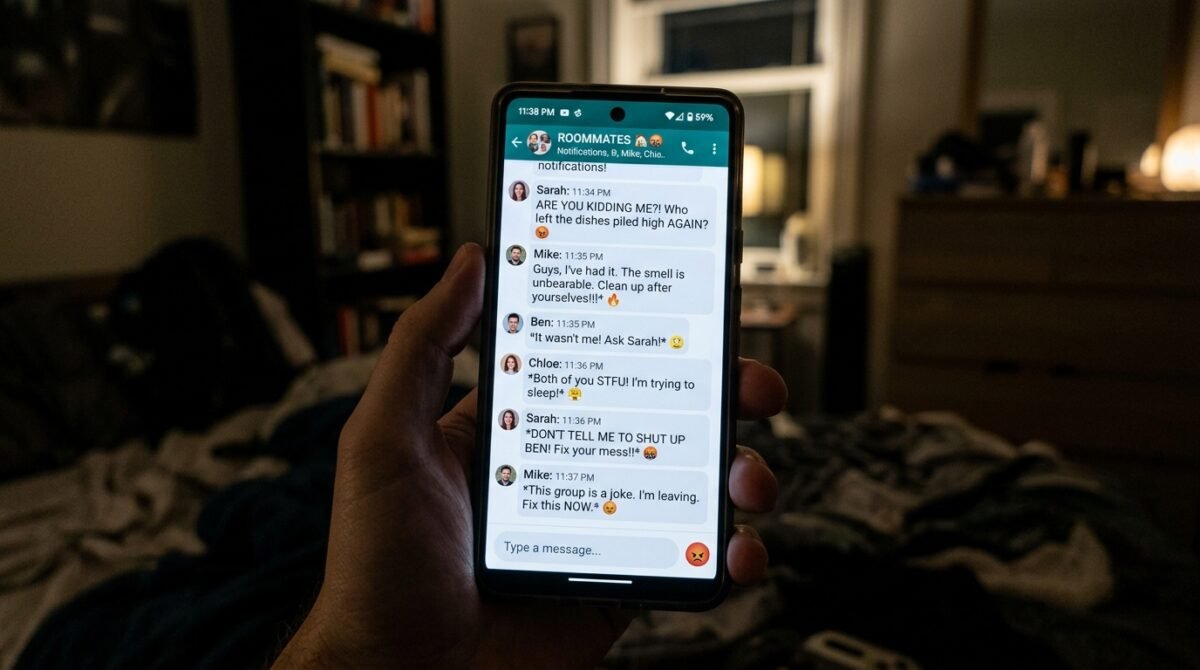
The drama didn’t stop at the apartment door. Mark took to the group chat we shared with our mutual friends to paint himself as the victim. He omitted the part about the circuit damage, the illegal commercial use, or the constant outages. He simply framed me as the ‘angry, controlling roommate’ who destroyed his business equipment for no reason.
“Can you believe what he did? He literally cut my power cord while I was working. My business is ruined, all my inventory is stalled. I don’t know who does something like that to a friend.”
— Mark, in the friends’ group chat
I didn’t argue with him in the chat. I waited. I took screenshots of his messages, alongside the photos I had taken of the scorched breaker box and the blocked hallway. When a friend eventually asked me what happened, I simply sent the photo of the burnt fuse box and the text of our lease agreement. The tide turned instantly.
It’s amazing how fast support evaporates when people see the actual facts. My friends, who had been sympathetic to Mark’s ‘hustle,’ suddenly realized that his hustle was a danger to everyone. The group chat went quiet, then slowly started to turn against him. He wasn’t the victim; he was the liability.
The Landlord’s Unexpected Visit
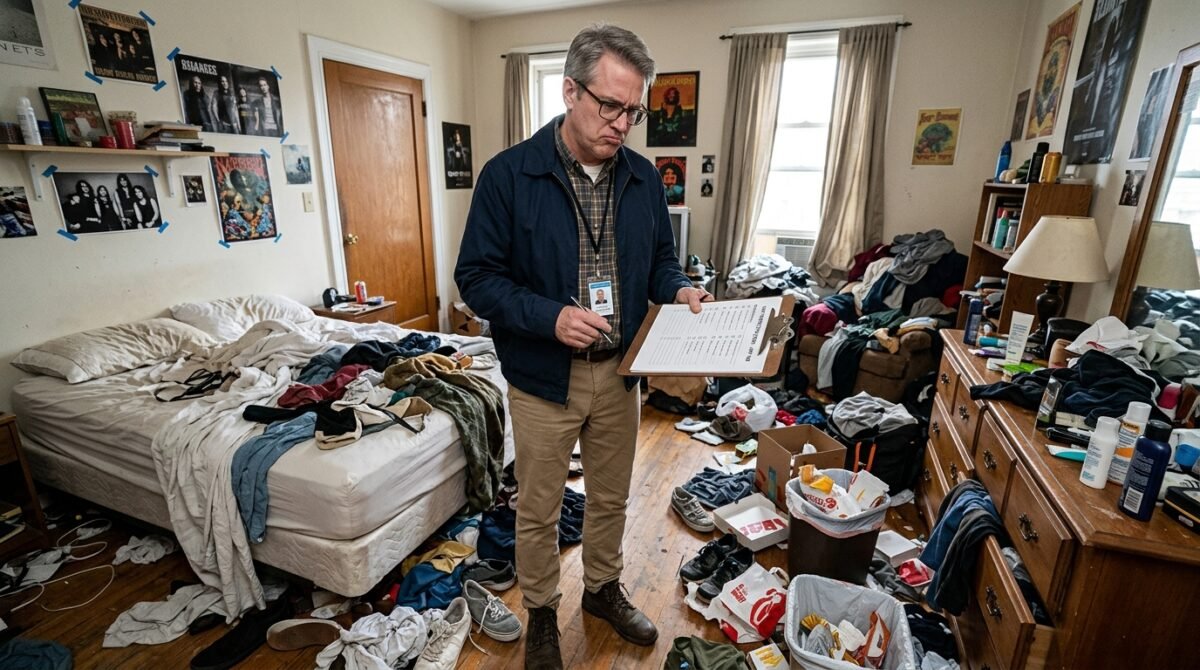
A few days later, our landlord stopped by. He wasn’t there for a surprise inspection; he was there because the building manager had flagged our apartment for excessive power consumption. Apparently, the smart meter for our unit had been throwing red flags for weeks. Mark tried to hide the machine, but it was too late.
The landlord walked into the dining area, saw the massive press, the piles of boxes, and the scorched walls near the outlet. He didn’t yell, which was worse. He just sighed, looked at the damage, and pulled out his phone. He told us we were in violation of the lease and that we had thirty days to vacate or resolve the damage.
Mark tried to protest, but the landlord shut him down. ‘This is a residential unit,’ he said. ‘Not a textile factory. The damage to the electrical system is significant. You’ll be liable for the repairs.’ Mark looked at me, looking for support, but I just nodded at the landlord. I wasn’t going to lie to save his skin.
The look on Mark’s face as he realized he was going to be evicted was one of total defeat. He had sacrificed our housing for a pipe dream, and now he was going to lose both. He tried to blame me for ‘snitching,’ but the landlord had already been tracking the power surges for weeks. My actions were just the final act in a play Mark had written himself.
The Reddit Jury Deliberates
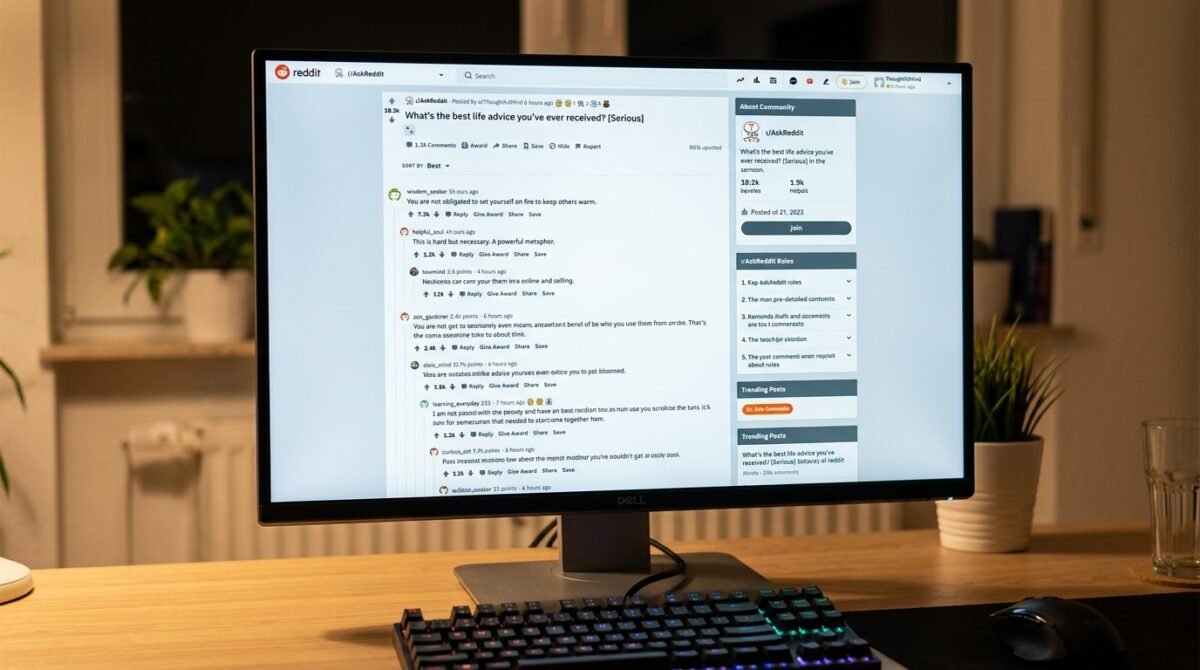
I decided to post the story on a popular forum to see if I was in the wrong. The response was overwhelming. Thousands of users weighed in, and the verdict was, to my relief, overwhelmingly on my side. The consensus was clear: I had protected myself and the apartment, and Mark was an entitled, dangerous roommate.
“NTA. Your roommate was turning a residential apartment into a fire hazard. He ignored your boundaries, ignored the lease, and ignored the physical reality of the building’s wiring. Cutting the cord was petty, sure, but he pushed you to a point where he left you no choice.”
— u/ReasonableObserver (Top Comment, 18.5k upvotes)
“ESH. You shouldn’t have cut the cord—that’s property damage. But your roommate is a complete nightmare for running an industrial machine in a residential unit. You should have gone to the landlord weeks ago instead of escalating.”
— u/NeutralParty (2.4k upvotes)
The debate in the comments was fierce. People shared their own horror stories about nightmare roommates, from illegal subletting to hoarding. It was validating to know that I wasn’t the only one who had reached a breaking point, even if some people disagreed with my method of conflict resolution.
Moving Out and Moving On

The aftermath was a flurry of activity. Mark moved out, leaving behind a mountain of branded hoodies that no one wanted to buy. I had to pay for the electrical repairs, which were deducted from our shared security deposit. It stung, but it was worth it to have the apartment back to a normal, functional state.
We haven’t spoken since the day he handed over his keys. He thinks I’m the villain, and I’ve accepted that. I’ve learned that setting boundaries isn’t about being mean; it’s about protecting your peace. If I had been more assertive in the first week, maybe I could have saved the relationship, but I doubt it. Some people just don’t respect the needs of others.
Now, when I hear a humming noise, I get a little anxious, but it passes. I live alone now, and the silence in my dining room is my favorite thing in the world. I have a small table there where I eat my meals, and I never, ever think about starting a business in my kitchen.
I learned a lot about myself, too. I learned that I can hold my ground, even when it feels like I’m the bad guy. I learned that the ‘grind’ isn’t an excuse to stomp on the people who share your life. And most importantly, I learned that a good roommate is a blessing, and a bad one is a lesson you only need to learn once.
Conclusion
Looking back, the entire incident feels like a fever dream. The sheer absurdity of an industrial machine in a small apartment, the destroyed circuits, and the dramatic, final act of cutting the cord—it all sounds like a sitcom script, but it was my reality. The lesson here isn’t just about electricity or leases; it’s about the fundamental human need for respect in shared spaces.
We live in a culture that glorifies the ‘hustle,’ often at the expense of our mental health, our relationships, and the people around us. Mark was caught up in that, blinded by the idea of success to the point where he couldn’t see the ruin he was causing in his own home. By the time he realized he had lost his housing, it was too late to salvage the dream or the friendship.
I hope this story serves as a reminder to anyone struggling with a boundary-crossing roommate: don’t wait until the power goes out. Address the issue early, document the behavior, and if necessary, involve the landlord. Your home should be your sanctuary, not a battleground for someone else’s ambitions. Have you ever had a roommate who crossed the line in a way that left you speechless? What would you have done in my situation? Share your thoughts below.
What's your verdict on this dilemma?
Vote below to contribute to the official community consensus.

Have a Dilemma Keeping You Up at Night?
Share your real-life feud, wedding chaos, or relationship crossroads anonymously with our editorial team.
What do you think ?
0 Comments🛡️ Comments are moderated to protect community integrity. Your comment will appear once approved by the editorial team.