

It was supposed to be the experience of a lifetime—a four-month sabbatical in a secluded villa in Tuscany, shared between two best friends who had spent years planning every detail. Sarah and I had talked about this trip since college, meticulously saving every spare dollar from our corporate salaries. We were dreamers, envisioning long afternoons sipping local wine, writing in our journals, and living the kind of life we had only ever seen on Pinterest boards.
However, the dream shattered exactly three weeks before our departure when I discovered that my partner in this grand adventure, Elena, had silently drained her portion of our shared travel fund. The culprit? An impulsive, high-end shopping spree that included designer handbags, custom-tailored suits, and luxury accessories that she claimed were ‘investments’ for the trip. The realization that she expected me to cover her half of the $12,000 villa lease wasn’t just a financial blow; it was a fundamental shift in my perception of our entire friendship.
The moral dilemma weighed on me like a physical anchor. If I backed out, I would lose my deposit and the dream I’d worked so hard for. If I stayed, I would be shackled to a person who clearly didn’t respect our shared commitments. How do you confront someone who has spent your common future on temporary vanity? This wasn’t just about money; it was about the breach of trust that happens when someone assumes your generosity is a bottomless well.
As the date of our flight loomed, the pressure mounted. Elena didn’t see the problem. To her, I was ‘rich enough’ to handle it, and the friendship was worth more than a few thousand dollars. But as I started to document the reality of the situation, the entitlement grew more suffocating. This is the story of how an idyllic Italian summer turned into a brutal lesson on boundaries, greed, and the difficult art of walking away from people who don’t prioritize you.
The Illusion of a Shared Dream

Our friendship was built on the foundation of shared ambition. We were the duo in the office who worked late, saved aggressively, and promised each other that we wouldn’t end up trapped in the suburban monotony of our parents’ generation. The four-month villa lease was the pinnacle of our planning. We spent months vetting properties, reading reviews, and ensuring that every euro accounted for was part of a balanced budget that wouldn’t leave us destitute upon our return.
Elena was always the one pushing for the finer details. She was the one who insisted on a villa with a private pool and a chef’s kitchen. I agreed, trusting that her financial contributions were as solid as her aesthetic taste. We had a joint spreadsheet, a digital ledger that tracked every expense, from flights to insurance to our projected grocery budget. For months, it was a perfectly balanced equation.
The cracks started to show in the small things. Elena would mention new purchases—a designer coat, a limited-edition watch—but she’d always frame them as ‘pre-trip essentials.’ I didn’t question it initially, assuming that she had a separate ‘fun’ budget that wouldn’t impact our core travel fund. I was working extra shifts and skipping vacations to ensure the lease deposit was ready to go. I thought she was doing the same.
“I’m so excited for us to be in Tuscany. I’ve already bought the perfect wardrobe for those sunset dinners. You’re going to love what I picked out!”
— A text from Elena, two months before the trip.
The irony of her text still burns. She was buying expensive clothes to wear for dinners that she hadn’t actually paid the rent for. I was living in a bubble, believing that our partnership was equitable, while she was actively cannibalizing the very resources that were meant to provide our shelter for the duration of the trip.
The Morning the Spreadsheet Screamed
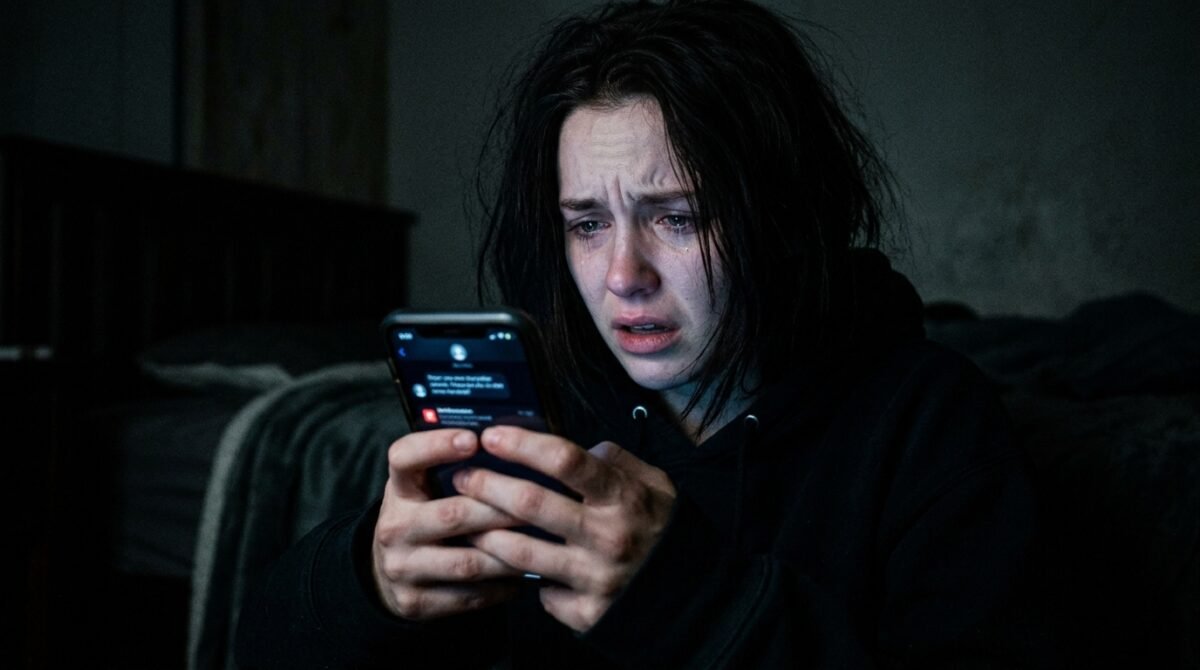
The realization didn’t come from a confession; it came from a notification. My banking app synced with our shared travel account for the final transfer to the villa host. I opened the spreadsheet to finalize the numbers, expecting to see a healthy balance. Instead, the cell highlighted in bright red indicated a massive shortfall. The funds were gone. Not just slightly under, but completely decimated.
I sat at my kitchen table, staring at the screen until the numbers blurred into nonsense. I refreshed the page, convinced it was a glitch. When the reality set in, my heart rate spiked. I checked the transaction history—a series of high-end boutique withdrawals, luxury department store charges, and online orders that totaled nearly $6,000. It wasn’t just a mistake; it was a deliberate, systematic draining of the account.
I called her immediately. My hands were shaking so violently I nearly dropped my phone. When she answered, her voice was calm, almost breezy, as if we were discussing what wine to bring to the villa. I didn’t even say hello. I just read out the final balance of the account and asked her what happened to the rest of the money.
“Oh, that? Don’t worry about it. I had to get a few things for the trip. You have enough in your savings to cover the deposit for now, right? We can settle up when we get there and start earning our freelance money.”
— Elena’s response over the phone.
I felt a cold sensation wash over me. She didn’t sound apologetic. She sounded like she had expected me to be the safety net all along. The audacity was breathtaking. She hadn’t just spent her money; she had spent mine, assuming I would simply accommodate her lack of discipline without a word of protest.
The Confrontation at the Coffee Shop

We met at a crowded café downtown to discuss the ‘situation.’ I wanted a public space to keep her from making a scene, but as soon as she walked in, I realized she wasn’t planning on being reasonable. She arrived wearing a brand new, expensive designer bag that I recognized from the bank statements. She looked radiant and unbothered, while I looked like I hadn’t slept in forty-eight hours.
I placed a printout of the ledger on the table between us. I didn’t yell. I didn’t make a scene. I simply pointed to the missing funds and asked her how she planned to replace them before the villa owner canceled our reservation. Her reaction was a masterclass in deflection. She laughed, a light, dismissive sound that made the people at the next table glance over.
She argued that the clothes were ‘part of the experience’ and that I was being ‘petty’ about money between best friends. She told me that if I really valued our friendship, I wouldn’t be focusing on numbers. She even suggested that I was acting like an accountant rather than a sister-figure. The gaslighting was so precise it almost made me question my own sanity for a split second.
“I can’t believe you’re doing this. We’ve been friends for years, and you’re going to hold a little money over my head? It’s not like I spent it on nothing. I’m dressing for the life we’re going to live!”
— Elena during our heated argument.
I realized then that she truly believed she was entitled to my financial security. She didn’t view our friendship as a partnership of equals; she viewed me as her personal insurance policy. The conversation ended with her walking out, leaving me to pay for the coffee, which felt like a poetic, if bitter, summary of our entire dynamic.
The Silent Treatment and the Secret Group Chat
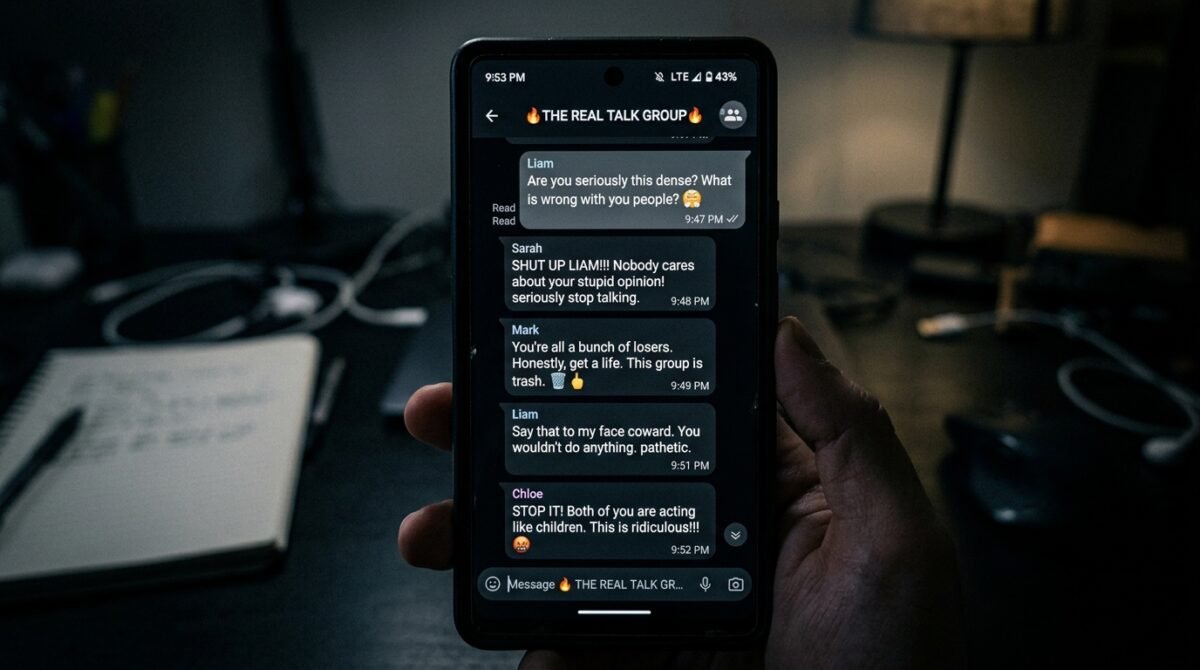
For three days, she didn’t contact me. I spent that time in a state of purgatory, wondering if I should just pay the money to save the trip or cut my losses and cancel everything. Then, a mutual friend sent me a screenshot. It was from a private group chat I wasn’t part of—a chat that included Elena and three of our other friends. She had been painting me as the ‘controlling, money-obsessed’ villain.
The texts were chilling. She was mocking my financial anxiety and telling everyone that I was trying to ‘ruin the trip’ because I was jealous of her style. She was framing the whole thing as if I were the one who had made a mistake, and she was just trying to keep the spirit of the vacation alive. Seeing my character assassinated by the person I trusted most was a distinct kind of pain.
I didn’t reply to the chat. I didn’t even message her directly. I instead messaged our mutual friend back with the screenshots of the bank account and the timeline of her purchases. The silence that followed in the group chat was deafening. It turned out that none of them knew she had drained our shared fund; they all thought she had paid her share and was just ‘splurging’ on the side.
“She’s being so difficult. I don’t know why she’s so obsessed with a few thousand dollars. It’s not like she’s going to be poor. She just likes to be in control of everything.”
— Leaked text from Elena to our friend group.
The betrayal was complete. She wasn’t just broke; she was manipulative. The realization that she had been lying to everyone around us to maintain her image made me realize that the person I had been traveling with existed only in my imagination. The ‘best friend’ I knew was a fiction.
The Final Ultimatum: Pay or Stay

I decided to send her a formal email, not a text. I needed to document everything. I laid out the exact costs, the missed payments, and the breach of our agreement. I gave her 48 hours to either replace the funds or I would proceed with canceling the reservation and informing the landlord of the situation. I told her the friendship was effectively on hold until she took accountability.
She responded within an hour, but not with an apology. She tried to guilt-trip me, claiming that I was ‘abandoning her’ right before the trip. She tried to frame my boundaries as a ‘punishment’ for her being a ‘creative soul.’ It was a desperate attempt to manipulate my emotions, but by then, I was cold. I had detached myself from the outcome of the trip because I had already accepted that I wasn’t going to Tuscany with her.
The stress began to fade once I stopped trying to salvage the unsalvageable. I started looking into the cancellation policy of the villa. It was strict, but there was a clause for ‘unforeseen financial circumstances’ if we were willing to lose a portion of the deposit. I was willing. Losing a few thousand dollars felt like a small price to pay to avoid spending four months trapped in a foreign country with someone who didn’t respect my labor.
“If you don’t send the money by Friday, I am canceling the lease. This isn’t a discussion. It’s a statement of fact. You spent the rent, Elena. Now you have to deal with the consequences.”
— Final email sent by OP.
The Friday deadline came and went. She didn’t send the money. She didn’t even reply. She clearly thought I was bluffing, that I was too invested in the ‘dream’ to actually pull the plug. She was wrong. I hit ‘submit’ on the cancellation request, and for the first time in weeks, I breathed.
The Internet Weighs In

I posted the situation on a popular subreddit, asking if I was in the wrong for cutting ties and potentially ruining the trip. The response was overwhelming. Within hours, thousands of people had weighed in, and the consensus was not what Elena would have wanted. The support was validating, but it was also a sobering reflection of how common this kind of financial abuse is in friendships.
The comments sections were filled with stories from people who had been in similar situations—friends who were ‘borrowers’ who never paid back, friends who treated shared finances as their personal piggy bank. It was a dark look at the social contract of modern friendships. Most people agreed that my boundary was the only healthy option, and that I was lucky to have realized this before we were trapped in a villa in Italy.
I read through thousands of responses, and some stood out for their blunt, necessary wisdom. They weren’t just attacking Elena; they were analyzing the psychological entitlement that allows people to treat their friends as secondary assets. It gave me the perspective to see that this wasn’t about the money; it was about the lack of respect that had likely been there for years, hidden under the surface of our ‘best friendship.’
“You didn’t ruin the trip, she did. She treated you like an ATM and then played the victim when you wanted the money back. Don’t let her guilt-trip you into paying for her lifestyle choices. She’s a user, plain and simple.”
— u/TravelGuard (Top Comment, 32.1k upvotes)
Seeing that many people validate my decision helped me stop feeling like the ‘bad guy.’ I had spent so long trying to be the supportive friend that I had forgotten to be a friend to myself. The Reddit community’s harsh, objective look at the facts served as the closure I needed.
The Aftermath: Moving On

I didn’t go to Italy. Instead, I took a week off and stayed at a local cabin, disconnected from social media. I had to pay the cancellation fee, but I didn’t have to spend a single second in a villa with someone who viewed me as a resource. The silence in the cabin was the exact opposite of the chaotic energy Elena brought into my life. It was a time for reflection, not just on the money, but on why I had tolerated that behavior for so long.
Elena, of course, was furious. She messaged me periodically for a few weeks, blaming me for her ‘stolen summer’ and accusing me of being a cold-hearted person. I never replied. I had blocked her on every platform. I realized that responding would only give her the satisfaction of feeling like she was still in a conversation with me. My silence was the final boundary I had to enforce.
I also took a hard look at my finances. I had saved for a long time, and while losing that money hurt, it wasn’t the end of my life. I started a new savings plan, this time with a different goal. I realized that my desire to travel was still there, but my desire to travel with someone who didn’t respect my boundaries was gone. I would go to Italy, but I would go on my own terms, in my own time.
“You’re going to regret this. Everyone thinks you’re the one who ruined our plans. You’re such a selfish person. I hope you’re happy alone.”
— Final text from Elena before I blocked her.
Her words didn’t sting anymore. If she truly believed that I was the selfish one for expecting her to pay her half of a rent we both agreed upon, then she was living in a reality that I no longer wanted to share. I found peace in the realization that I didn’t need to explain myself to her anymore.
The Psychology of Entitlement

Looking back, I see the patterns that I ignored. Elena always expected things to ‘work out.’ She had a deep, almost pathological belief that the universe would provide for her, usually through someone else’s effort. I had been the one to fix her minor mistakes, to lend her money she ‘forgot’ to return, and to smooth over the social frictions her bluntness often caused. I was her enabler, and I didn’t even realize it.
This episode wasn’t a one-off event; it was the culmination of a dynamic where I was the responsible one and she was the one who ‘lived in the moment.’ The problem is that when one person lives in the moment at the expense of the other, that’s not a friendship; that’s an exploitation. She didn’t view me as a person with my own goals and limitations; she viewed me as a character in her story.
Understanding this helped me heal. It wasn’t about whether she was a ‘bad’ person; it was about the fact that our values were fundamentally incompatible. I value accountability, planning, and mutual respect. She values spontaneity, appearance, and the immediate gratification of her desires. When those two worldviews collide, the result is always going to be conflict.
“Entitlement is a cancer in friendships. Once it starts, it eats away at everything until there’s nothing left but resentment. You did the right thing by cutting it out before it destroyed more than just a vacation.”
— u/PsychologyFan (Community comment)
I realized that I needed to set higher standards for the people I let into my life. If I couldn’t trust them with a shared budget, I certainly couldn’t trust them with my deeper, more personal life. This was a expensive lesson, but it was a necessary one for my future.
Lessons Learned from the Villa Debacle

I learned a lot about boundaries through this ordeal. The most important lesson was that ‘no’ is a complete sentence, and I didn’t need to justify why I wanted my money back. I also learned that trust isn’t a static thing; it has to be earned and maintained, and it can be broken in a single afternoon. You can’t assume that someone else’s integrity matches your own.
I also learned the value of legal and financial foresight. From now on, any shared financial commitments—whether it’s an apartment, a trip, or a project—will be governed by formal agreements. It might seem cold, but it’s the only way to protect yourself from the ‘best friends’ who think their whims are more important than your reality. Money is a stress test for relationships, and now I know why.
Lastly, I learned that I am capable of being alone. For a long time, I feared that setting a boundary would mean losing a friend, and losing a friend meant I would be lonely. But the reality was that I was lonely even when I was with her, because I couldn’t be my true self without worrying about her reactions or her financial chaos. Being alone is vastly superior to being with the wrong person.
“Never compromise your financial stability for someone else’s lack of impulse control. A true friend would never dream of putting you in that position.”
— Wise advice from my mentor after I told her the story.
I feel stronger now, and I feel lighter. The weight of her entitlement is no longer something I have to carry. I am looking forward to my future, and for the first time in a long time, I am excited to see what I can achieve on my own, without anyone else anchoring me to their chaos.
Rebuilding the Life I Wanted

I’m back to my routine now, but it feels different. The hole in my savings is slowly being refilled, and the sting of the betrayal has dulled into a distant memory. I’ve reconnected with friends who respect my boundaries and who understand that my time and energy are not infinite resources. I’ve even started planning a solo trip—somewhere smaller, somewhere I can afford entirely on my own, where I don’t have to answer to anyone.
It’s funny how a disaster can lead to a breakthrough. I wasn’t happy in my career before, and the stress of the trip actually pushed me to look for new opportunities. I’ve started a job that I actually enjoy, and I’m surrounded by colleagues who are collaborative and professional. The chaos of my previous friendship seems like a bad movie that I’ve already seen the ending to.
I’m not angry at Elena anymore. I’m just indifferent. She’s living her life, and I’m living mine. We were friends in a season of life that has now ended. That’s okay. Not all friendships are meant to last forever, and some are just lessons that we have to learn the hard way so we can grow into the people we’re meant to be.
“The best revenge is living a life that you actually enjoy, surrounded by people who respect you. Don’t waste another second on someone who didn’t value your worth.”
— My sister, during a heart-to-heart conversation.
I’ve realized that my worth was never defined by our shared goals or her opinion of me. My worth is defined by how I treat myself and the life I build. I’m proud of the person I’ve become, and I’m thankful that I finally had the courage to say, ‘no, I won’t pay for your mistakes.’
Conclusion
The story of the villa lease is, at its heart, a story about the fragility of trust when money enters the equation. It’s a reminder that no matter how close you think you are to someone, you can never fully know their relationship with responsibility until you’re put to the test. I lost a friend, but I gained a deeper understanding of my own boundaries and my own resilience.
I hope that by sharing this, someone else might recognize the signs of an entitled friend before they get as far as I did. It’s not about being cynical; it’s about being wise. It’s about ensuring that your generosity isn’t exploited by those who should be supporting you. Don’t be afraid to set boundaries, and don’t feel guilty for protecting your peace and your future.
What about you? Have you ever had a friend cross a line that you couldn’t ignore? Have you ever had to walk away from a ‘dream’ because the person you were sharing it with wasn’t who you thought they were? Let’s talk about it in the comments below—I want to hear your stories of boundary setting, recovery, and finding the strength to walk away.
What's your verdict on this dilemma?
Vote below to contribute to the official community consensus.

Have a Dilemma Keeping You Up at Night?
Share your real-life feud, wedding chaos, or relationship crossroads anonymously with our editorial team.
What do you think ?
0 Comments🛡️ Comments are moderated to protect community integrity. Your comment will appear once approved by the editorial team.