
Living with roommates is supposed to be an exercise in compromise, communication, and basic human decency. When I signed the lease for our three-bedroom apartment with Mark, I knew he was a bit of a hustler—he was always talking about ‘passive income streams’ and ‘scaling operations’—but I never imagined he would treat our shared living space like a suburban warehouse for his bizarre entrepreneurial schemes. It started with boxes of bulk inventory stacked in the living room and escalated to a point I never thought possible.
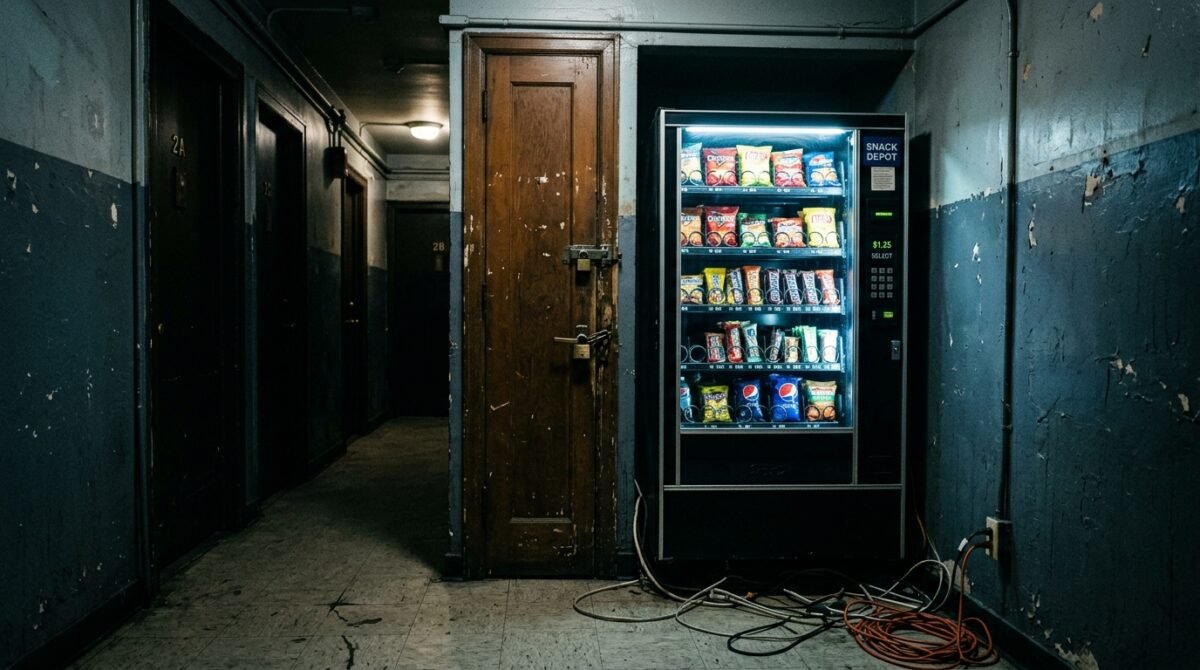
The moral dilemma began when Mark decided that the small, windowless hallway connecting our bedrooms was the ideal ‘prime real estate’ for his new venture: a refurbished, commercial-grade snack vending machine. He didn’t just place it there; he bolted it into the drywall, plugged it into the shared electrical outlet, and then—in a move of sheer, unadulterated audacity—he padlocked the common pantry, claiming he needed the ‘storage space’ for his restock inventory. I was effectively locked out of my own kitchen storage and forced to navigate a humming, neon-lit obstacle course every time I wanted to go to the bathroom.
I tried to be reasonable. I tried to schedule house meetings. I tried to point out that our lease agreement explicitly prohibited running a commercial business out of a residential unit. But Mark just laughed, telling me I didn’t ‘understand the hustle’ and that the machine was ‘generating value’ for the household. The tension in our apartment reached a boiling point when I realized that not only was he profiting off the hallway, but he was also forcing me to pay for the electricity he was siphoning from our shared meter.
This story is a deep dive into the absolute absurdity of living with an entrepreneur who has no respect for boundaries or personal space. From the moment the heavy metallic clanging of the machine echoed through our walls at 3:00 AM to the day I finally made the call to our property manager, this is a chronicle of how one man’s greed destroyed a perfectly good living arrangement. It serves as a reminder to always, always vet your roommates for their grasp on reality before signing on the dotted line.
The Arrival of the Metal Monster
The installation happened on a Tuesday, while I was at work. I came home to find our hallway transformed into a scene from a low-budget cyberpunk movie. The vending machine was massive, a hulking beast of brushed steel and flickering LED lights that seemed to consume all the available oxygen in our narrow corridor. It hummed with a low-frequency vibration that I could feel in my teeth, and the smell of ozone and stale plastic hung heavy in the air.
Mark was standing there, beaming, holding a clipboard as if he were a captain of industry rather than a guy who hadn’t paid his half of the internet bill in two months. He had even gone so far as to put a small sign on the front of the machine that read ‘Employee Discounts Not Applicable.’ I stared at it, bewildered, my keys dangling limply from my hand as I processed the sheer visual pollution of the scene.
“You have got to be kidding me, Mark. What in the hell is this monstrosity? Why is it plugged into our outlet? And why is it in the hallway?”
— Me, upon first seeing the machine
Mark didn’t even look up from his clipboard. He just adjusted his glasses and gave a smug, dismissive wave. He told me it was a ‘passive revenue opportunity’ and that I should be thanking him for the convenience. He claimed he had crunched the numbers and that the foot traffic—which consisted of us and the occasional delivery person—would be enough to turn a profit within a fiscal quarter. I felt a cold knot of dread form in my stomach; this was no longer a roommate situation, it was a hostage crisis.
I tried to articulate the logistical nightmare he had created. I couldn’t move past the machine without sucking in my stomach, and the constant hum of the compressor was going to make sleeping impossible. But Mark just brushed me off, claiming I was ‘afraid of success’ and ‘lacking a growth mindset.’ The delusion was staggering. It wasn’t about the money; it was about the fact that my home, a place of sanctuary, had been turned into a retail storefront without so much as a discussion.
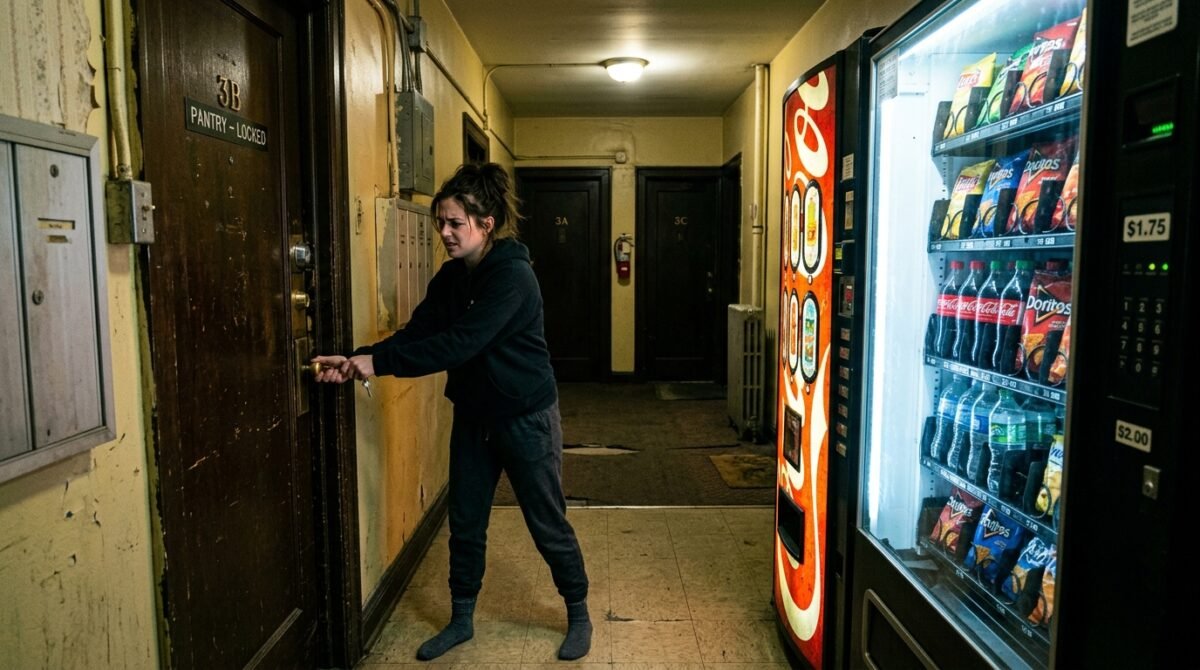
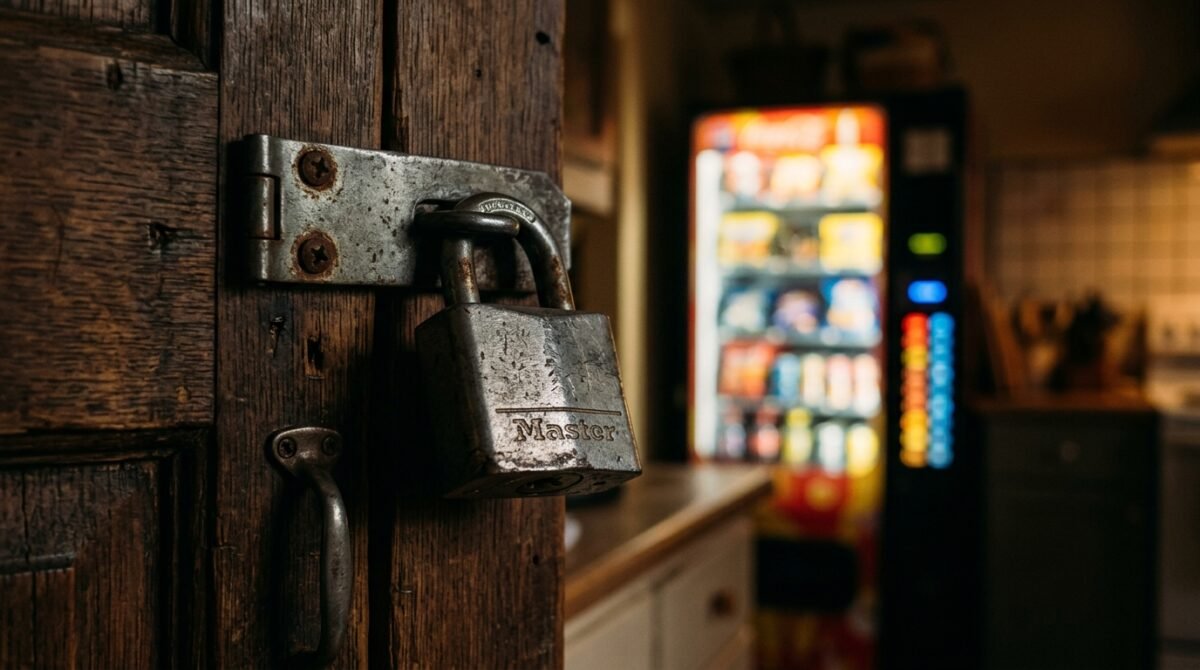
The final insult was the pantry. I walked past the machine and reached for the kitchen door, only to find a heavy-duty master lock hanging from the handle. Mark had installed it while I was out. He told me he couldn’t have me ‘messing with the inventory.’ I stood there in the hallway, trapped between a vibrating machine and a locked door, realizing that I was dealing with a level of entitlement that defied all logic.
The Pantry Lockout and the First Ultimatum
The next morning was a tactical disaster. I needed my coffee, but the pantry contained my French press, my favorite mug, and, most importantly, my stash of coffee beans. When I confronted Mark, he was already at his desk, typing away at his laptop, looking entirely unbothered by the fact that our apartment was functioning more like a kiosk than a residence. He told me I could purchase coffee from the machine, but I’d have to wait until he loaded the instant packets, which were currently on backorder.
I was vibrating with rage. I pointed out that the pantry was a shared space outlined in our lease as a communal area. I told him he had exactly two hours to remove the lock, or I would find a way to remove it for him. Mark just looked at me with a pitying expression, as if I were a child failing to understand the complexities of his business model. He started talking about ‘business assets’ and ‘liquidation protocols’—nonsense words designed to mask the fact that he was just a jerk.
“Listen, Mark. The pantry is not your warehouse. My equipment is in there. Unlock the door, or I am calling the landlord right now to explain why there is a commercial grade vending machine blocking the fire exit in our unit.”
— My second, much firmer, warning
He scoffed at the mention of the landlord. He claimed he had a ‘side deal’ with the building superintendent, a guy named Dave who liked to gamble on sports. I had my doubts about the validity of this ‘side deal,’ but it added a layer of uncertainty. Was the landlord actually in on this? Or was Mark just bluffing to maintain control? The power imbalance felt like it was shifting into dangerous territory, and I knew I had to act fast before he started charging rent for the living room couch.
I spent the afternoon researching our lease agreement. It was buried in a folder on my laptop, a dense document of legalese that I had skimmed over when we moved in. Under section 4.2, it clearly stated that no commercial activities could be conducted on the premises. I had all the leverage I needed, but I wanted to see if I could resolve this like a functional adult first. I sent him a final, professional text, laying out the terms: the machine goes, the lock goes, or the lease ends.
“Mark, this is your final notice. The machine violates our lease, the pantry lock is illegal, and you are stealing electricity. Remove them by 5 PM or I am escalating this to the property management company. This is not a negotiation.”
— The text message I sent before walking out the door
The silence that followed was deafening. He didn’t reply for hours. I sat in the living room, watching the vending machine hum, the neon light casting a sickly blue glow over the carpet. I felt like a stranger in my own home. My stress levels were through the roof, and every time the compressor kicked in, I felt my blood pressure rise. I knew that whatever happened next, the friendship—if it could even be called that—was officially dead.
The Landlord’s Midnight Visit
When the landlord, Mr. Henderson, arrived at 8:00 PM, I wasn’t sure what to expect. I had sent him a concise, professional email with photos of the vending machine, the lock, and the electrical cord snaking across the floor. He didn’t reply, but when he showed up at the door, he looked less like a landlord and more like a man who had just seen a ghost. Mark was in the kitchen, trying to reorganize a box of expired candy bars when Mr. Henderson walked in.
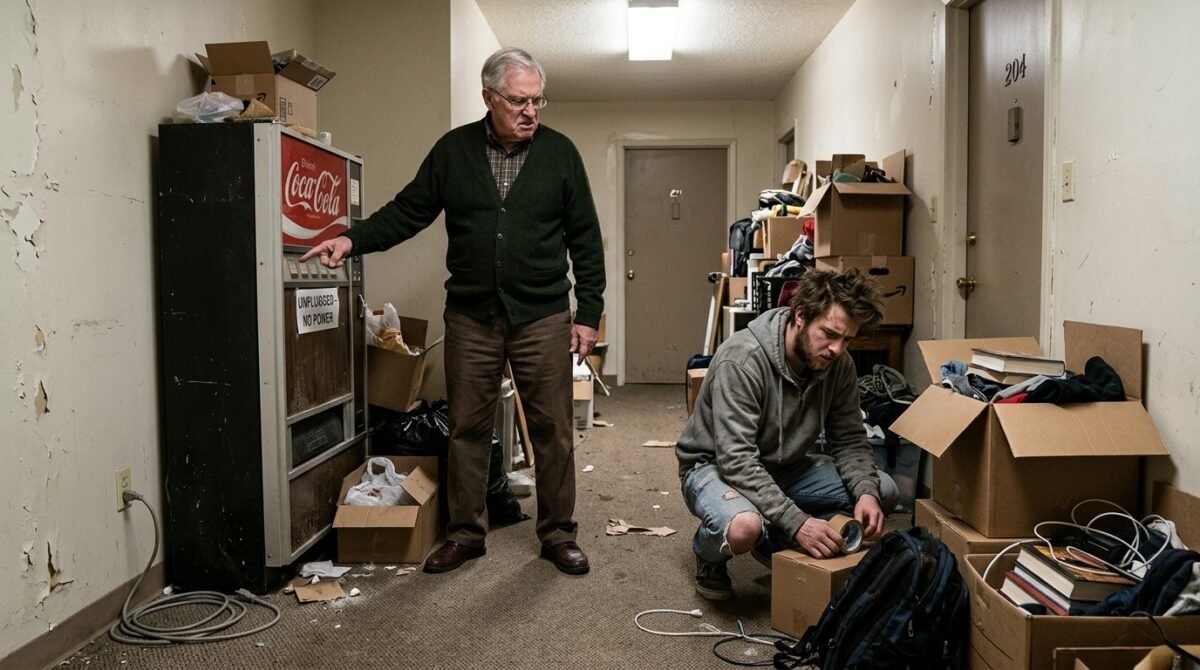
The look on Mark’s face was priceless. All the bravado, the ‘hustle’ rhetoric, and the smug entitlement evaporated instantly. He tried to stammer out an explanation about ‘community resources’ and ‘convenience for the residents,’ but Mr. Henderson wasn’t having any of it. He walked straight to the machine, unplugged it, and then stood there for a moment, just staring at the sheer absurdity of the object. He then turned to Mark and asked for the key to the pantry.
“Mr. Miller, I don’t care if you think you’re running the next Amazon. This is a residential unit. If I see this machine here tomorrow morning, you’re evicted. And if I find that lock on the pantry again, you’re evicted. Do I make myself clear?”
— Mr. Henderson, the property manager, laying down the law
Mark turned a shade of pale that I hadn’t thought possible. He started to protest, mentioning the ‘side deal’ with Dave, but Mr. Henderson cut him off with a sharp laugh. Dave had been fired two weeks prior for incompetence, which explained why Mark hadn’t heard from him. The lie had finally crumbled, and Mark was left standing in his own failure. He looked at me, expecting sympathy, but I just crossed my arms and waited for him to start packing.
Mr. Henderson gave us both an stern warning about the terms of our lease and told us he would be doing an inspection in 48 hours to ensure the ‘commercial equipment’ had been removed. After he left, the air in the apartment felt lighter, despite the lingering tension. Mark stood there in the middle of the kitchen, looking small and defeated. He didn’t say a word to me. He just started grabbing bags of snacks and shoving them into cardboard boxes, his movements jerky and frantic.
I didn’t offer to help. I went into my room, closed the door, and for the first time in weeks, I felt a sense of relief. The humming was gone. The hallway was clear. I could finally see the end of this nightmare. But I knew that living with Mark for the remainder of our lease was going to be a cold, awkward affair. The bridge wasn’t just burned; it had been dismantled, piece by piece, by a man who thought a vending machine was a personality trait.
The Aftermath and the Silent Treatment
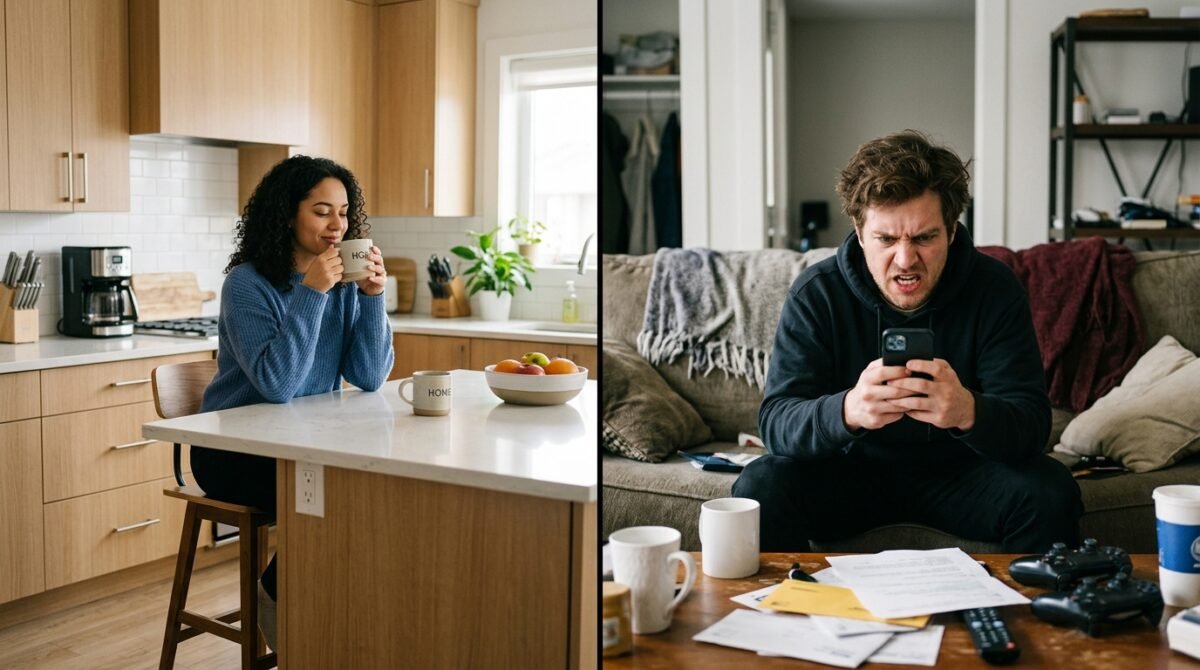
The next three days were a masterclass in passive-aggression. Mark didn’t speak a single word to me, choosing instead to communicate through sighs, aggressive dishwashing, and slamming his bedroom door. It was almost comical how much effort he put into pretending I didn’t exist, as if I were the villain in his grand entrepreneur narrative. I just went about my business, reclaiming my pantry space and throwing away the various ‘business’ flyers he had plastered on our front door.
I started to realize just how deep the resentment went. He felt victimized by my adherence to the lease, as if ‘rules’ were merely suggestions meant for people without vision. He was still convinced that he was onto something, that the vending machine was a stroke of genius that I had sabotaged out of jealousy. He started posting on his social media about ‘haters holding back his potential,’ which was just the final, pathetic cherry on top of the sundae.
“It’s truly sad when those closest to you fear your success. Some people just want to stay in their comfort zone while others are trying to build an empire. Lesson learned: keep your vision away from the small-minded.”
— Mark’s passive-aggressive Instagram story
I didn’t respond to any of it. I knew that engaging would only feed the cycle of drama. I just kept my head down, focused on my own work, and started looking for a subletter for his room. I knew I couldn’t live like this for another six months. The air was thick with unspoken insults, and the apartment had lost its feeling of home. It was just a place where two people existed, avoiding each other in the kitchen and tip-toeing around the ghost of the vending machine.
Eventually, Mark realized that he couldn’t maintain his high-and-mighty act forever. He needed the rent money, and he needed someone to share the utilities. He tried to initiate a ‘reset,’ acting as if nothing had happened, suggesting we go out for drinks to ‘clear the air.’ I declined, obviously. There was no clearing the air; the air was permanently tainted by the sight of that metal box and the feeling of being treated like an obstacle in his life.
The lesson here, I suppose, is that you never truly know someone until you live with them. You can be friends with someone for years, thinking you understand their character, only to find out that they have a secret, dormant desire to run a vending machine business in your hallway. It’s a bizarre, specific kind of betrayal, but a betrayal nonetheless. I look forward to the day my lease ends, and I can finally close this chapter on the ‘entrepreneurial’ roommate.
The Reddit Verdict
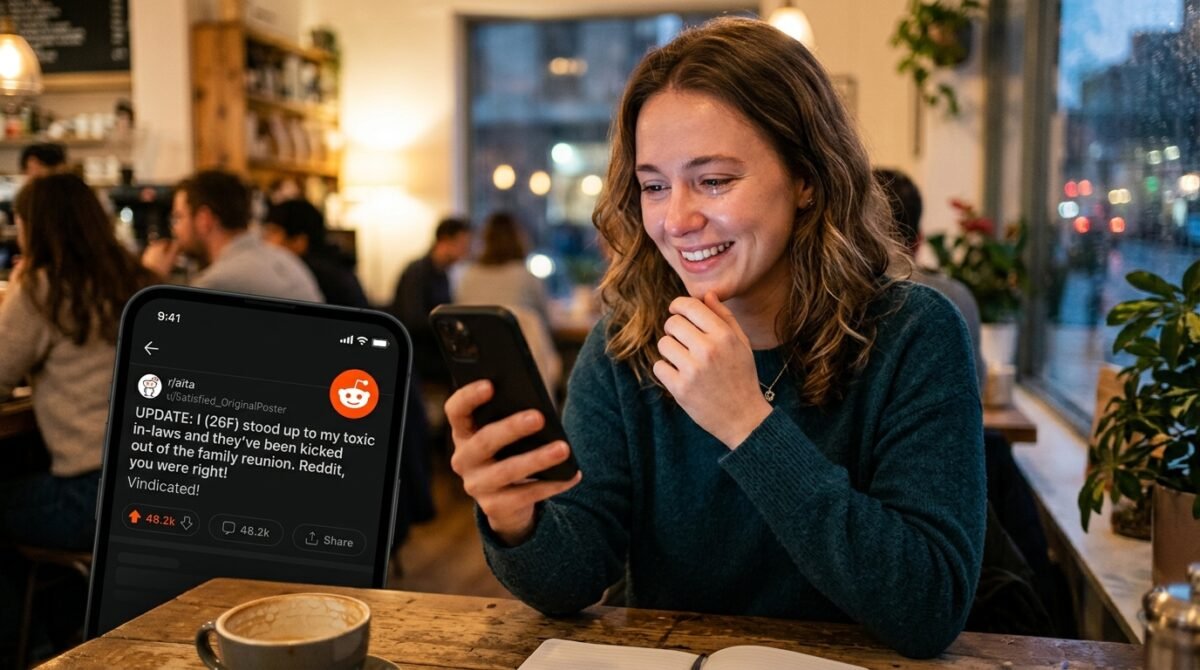
I decided to post the entire saga on Reddit, just to see if I was actually being the ‘small-minded’ person Mark claimed I was. The response was overwhelming. Within hours, the post hit the front page, with thousands of people weighing in on the absurdity of the situation. It was validating to see that I wasn’t alone in my disbelief, and the community had some truly hilarious and brutal takes on the whole ordeal.
The consensus was clear: I was absolutely NTA (Not The Asshole). The comments section became a forum for people to share their own roommate horror stories, most of which made my vending machine crisis look like a minor inconvenience. It was a strange sense of community to find, bonding over the shared trauma of living with people who have absolutely no respect for boundaries or the concept of common space.
“OP, you were way too patient. I would have had that thing on the curb the second he brought it through the door. The fact that he called it a ‘passive revenue stream’ while siphoning your electricity is the most entitled thing I’ve read all month.”
— u/RoommateRegrets (Top Comment, 32.4k upvotes)
“This isn’t just a bad roommate; this is a delusional narcissist. He probably thinks he’s going to be the next Elon Musk, but he can’t even pay his own internet bill. Move out as soon as you can, OP. These people don’t change.”
— u/RealTalkPro (15.2k upvotes)
Reading the comments gave me the courage to stand my ground. It helped me realize that my desire for a quiet, functional living space wasn’t ‘small-minded’—it was basic, reasonable behavior. The internet can be a harsh place, but in this instance, it was incredibly supportive. It helped me frame the situation for what it was: a test of boundaries that I had passed, even if it meant sacrificing a friendship I thought was stronger than it actually was.
I also got some great advice on how to handle the remaining time on the lease. People suggested documenting everything, keeping a record of all interactions, and preparing for the possibility that Mark might try to retaliate in other, equally absurd ways. It was practical, helpful advice that helped me sleep better at night. I wasn’t just a person dealing with a bad roommate; I was part of a collective, a group of people who had been through the fire and came out the other side.
Looking back at the thread now, I see the humor in it. We were all laughing at the absurdity of a guy trying to run a commercial business out of a two-bedroom apartment. It was a bizarre, surreal experience that I now view with a sense of detachment. The vending machine is gone, the lock is gone, and soon enough, Mark will be gone too. And that is the best ending I could have hoped for.
The Final Inspection
The day of the official inspection arrived, and I was nervous. Mark had spent the previous evening scrubbing the hallway, trying to hide the scuff marks the machine had left on the floor. It was a pathetic sight, watching him try to erase the evidence of his failed venture. He still hadn’t apologized, still hadn’t acknowledged that he had crossed a line. He just wanted to pass the inspection so he could keep his deposit and move on, likely to his next ‘big idea.’
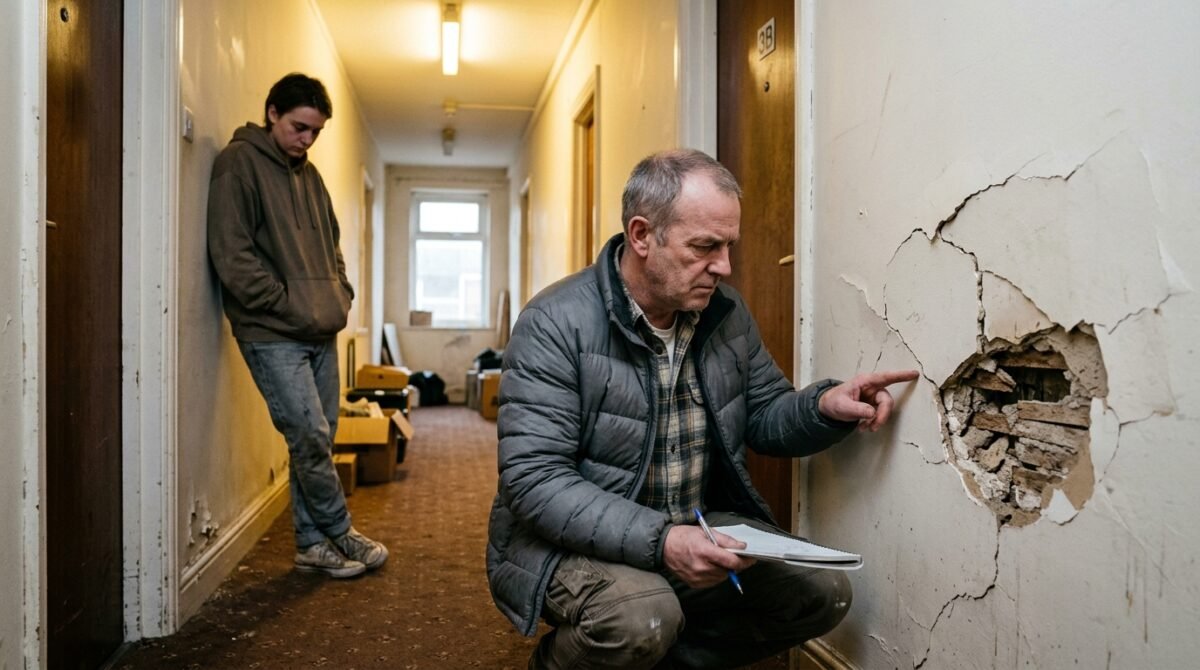
Mr. Henderson showed up right on time, looking as serious as he had during his previous visit. He walked through the apartment, checking the appliances, the walls, and the floors. He spent a significant amount of time staring at the patch of wall where the machine had been anchored. He frowned, pulled out a small notepad, and started writing something down. My stomach dropped. I knew the damage to the wall was going to be a point of contention.
“Mr. Miller, this damage to the drywall is not ‘normal wear and tear.’ This is a modification of the property without my consent. You will be held responsible for the repairs, which will be deducted from your security deposit.”
— Mr. Henderson, holding Mark accountable for the wall damage
Mark started to argue, claiming it was ‘minor cosmetic damage’ and that he could fix it himself, but the landlord shut him down instantly. He told him that professional repairs were required and that a contractor would be sent out to assess the cost. The look on Mark’s face was one of pure, unadulterated shock. He had assumed he would get away with it, that he could just leave the apartment as he found it, but the consequences were finally catching up with him.
I watched from the doorway, feeling a strange mix of pity and satisfaction. He had tried to treat our home like a business, and now he was getting a harsh lesson in the realities of property management. He had wanted to be an entrepreneur, but he was failing the most basic test: taking responsibility for his actions. It was a sobering moment for him, and I hope it taught him something about the value of respect and honesty.
After the landlord left, the room was silent. Mark didn’t look at me. He just started packing his last few boxes, his movements slow and dejected. The ’empire’ had fallen, and he was left with nothing but a bill for dry-wall repair and a damaged reputation with his landlord. It was a quiet, anticlimactic end to the drama, but it was exactly what needed to happen.
The Lesson on Boundaries
Looking back, the most important lesson I learned was the value of setting boundaries early and often. I had been too passive, hoping that if I just waited, the situation would resolve itself. I had treated Mark’s eccentric behavior with a level of tolerance that he ultimately exploited. I learned that you don’t have to be ‘nice’ when someone is actively disrespecting your home and your peace of mind. You have to be firm, clear, and uncompromising.
I also realized that I had been too quick to trust. I had assumed that our friendship would be enough to sustain us through a difficult living situation, but I was wrong. Friendship doesn’t mean you can ignore the rules of the house, and it certainly doesn’t mean you have the right to impose your ‘hustle’ on your roommates. I learned to look for signs of entitlement in potential roommates, to ask the hard questions before moving in, and to trust my gut when something feels off.
“Boundaries aren’t just for strangers. They’re for the people you live with, the people you trust. When someone crosses those lines, they’re telling you exactly who they are. Don’t ignore them.”
— A piece of advice I wish I had known sooner
I started looking for a new apartment, one where I could live on my own or with people who had a better grasp of what a home is meant to be. I wanted a place where I didn’t have to worry about vending machines, locked doors, or secret ‘hustles.’ I wanted a sanctuary, a place where I could relax and feel secure. And I knew that I would be much more selective about who I chose to share that space with in the future.
It was a difficult, frustrating experience, but it also made me stronger. It taught me how to communicate my needs effectively, how to handle confrontation, and how to stand up for myself when I was being mistreated. It was a trial by fire, but I came out the other side with a much clearer understanding of what I want and need in a home. I am grateful for the experience, in a way, because it showed me that I am capable of handling even the most absurd, ridiculous, and infuriating of situations.
So, here is to the future, to finding a home that feels like a home, and to never, ever living with another aspiring entrepreneur who thinks the hallway is the next big retail opportunity. I’m moving on, and I’m taking these lessons with me, ready to build a life that is, hopefully, a little less chaotic and a lot more peaceful.
Moving Out and Moving On
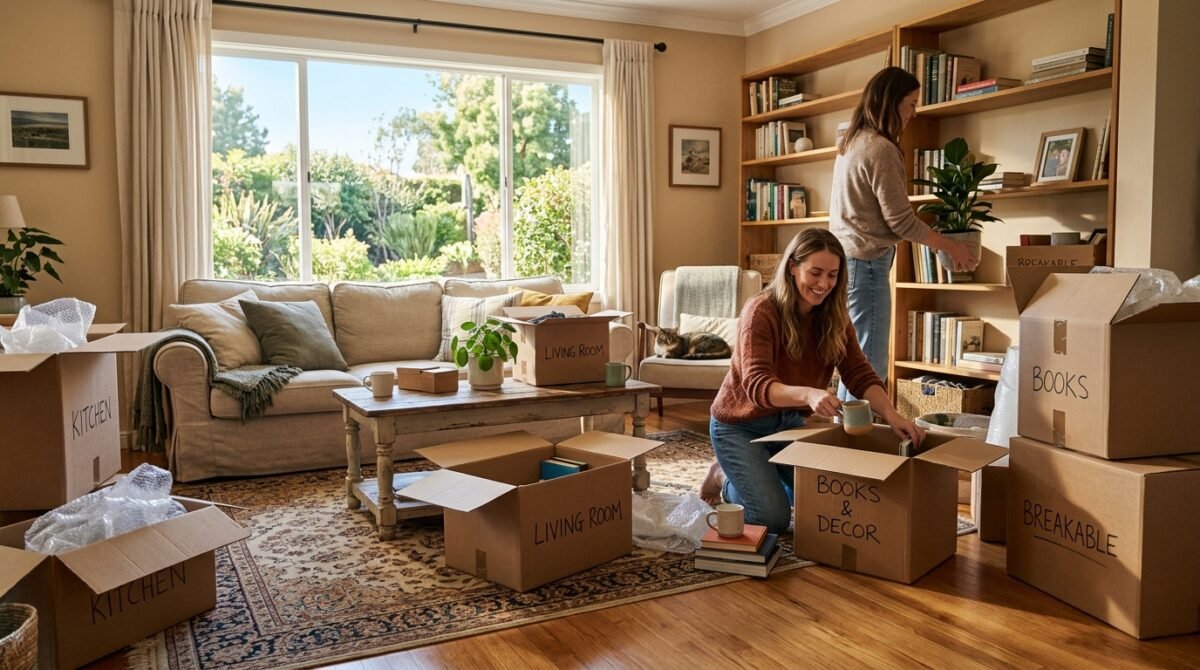
The final day of my lease couldn’t come fast enough. I packed my belongings with a sense of purpose, feeling lighter with every box I sealed. Mark had already moved out a week prior, leaving behind nothing but the scuff marks on the wall and the memory of that ridiculous machine. I didn’t reach out to him, and he didn’t reach out to me. The silence was final, and in a way, it was a relief. We were done, and that was for the best.
I did a final walk-through of the apartment, checking every corner to make sure everything was in order. It was strange to see the place so empty, so quiet. It felt like the space was finally healing, the negative energy that had built up over the last few months dissipating into the air. I left the keys on the counter, took one last look at the hallway, and walked out the door for the last time. It was a moment of closure I had been waiting for since the day that machine arrived.
“Sometimes the best way to handle a toxic situation is to just leave. You don’t owe anyone an explanation for why you need to protect your own peace.”
— My parting thought as I locked the door
I spent the next few weeks getting settled in my new place, a small, cozy apartment where the only ‘hustle’ is me trying to make the perfect cup of coffee. It’s quiet, it’s peaceful, and it’s mine. I have my own pantry, my own hallway, and my own rules. And most importantly, I have my boundaries. I am much more careful now, much more aware of the signs, and much more willing to stand my ground.
I still think about the vending machine sometimes, and I can’t help but laugh at the sheer absurdity of it all. It was a bizarre, surreal chapter in my life, one that I know I will be telling for years to come. It taught me so much about who I am, what I value, and how I want to live my life. It was a hard lesson, but it was a valuable one, and I am a better person for having gone through it.
If you are currently in a roommate situation that feels like it’s spiraling out of control, know that you are not alone. You have the power to change your circumstances, to stand up for yourself, and to demand the respect you deserve. Don’t settle for less than what makes you feel comfortable, safe, and happy. Your home is your sanctuary, and you have every right to protect it.
The Unsolicited Entrepreneurial Pitch
Even after we parted ways, Mark couldn’t help himself. Two weeks after I had moved into my new place, I received an email from him. It was a long, rambling message about a ‘new opportunity’—a subscription-based model for cleaning supplies that he wanted me to invest in. He hadn’t even mentioned the vending machine, the lock, or the eviction-level drama that had defined our last few months together. He was just moving on to the next thing, completely oblivious to the wreckage he had left behind.
I read the email once, felt a momentary spike of irritation, and then hit delete. I didn’t need to respond. I didn’t need to tell him why his ‘opportunity’ was doomed to fail or why I wanted nothing to do with him. I just needed to let it go. It was a final, pathetic attempt to maintain some form of connection, some way to keep the ‘hustle’ alive, and I wasn’t going to give it a second of my time.
“Hey, just wanted to check in. I’ve got this new idea that’s going to be huge. I know we had our differences, but this is a ground-floor opportunity. Think about it?”
— The final, delusional email from Mark
It was a reminder that some people never change. They are so consumed by their own narratives, their own sense of self-importance, that they can’t see how their actions affect others. They view people not as friends or partners, but as stepping stones, as potential customers, or as obstacles. And once you realize that, it becomes much easier to walk away and never look back.
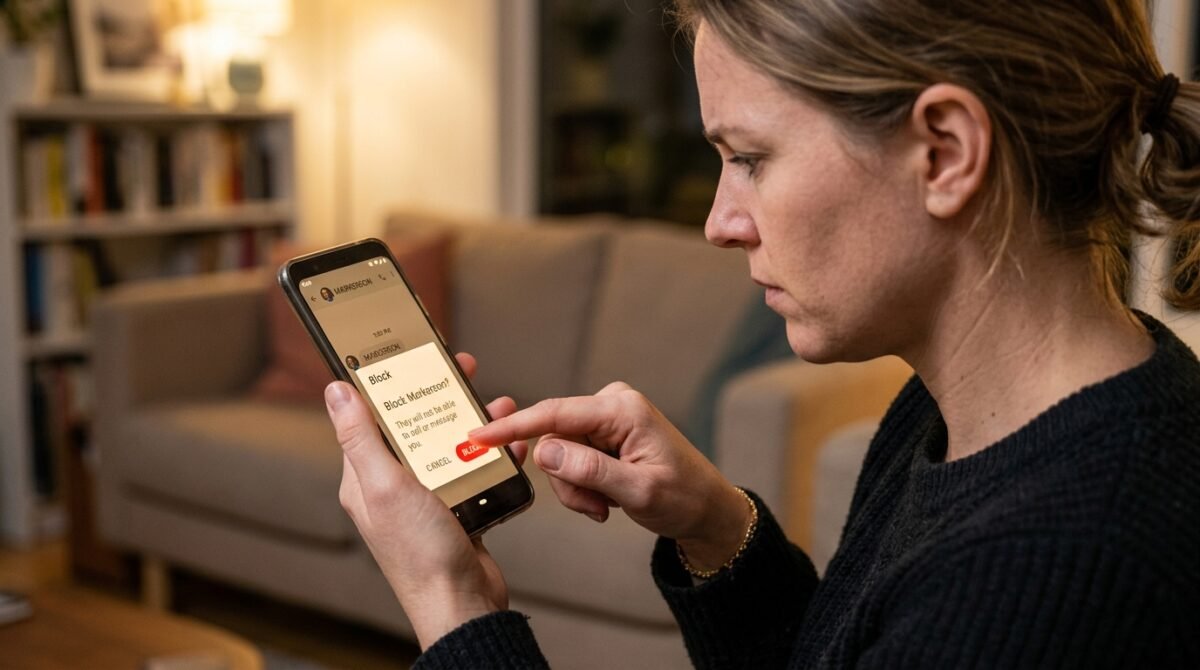
I chose to block him after that. I didn’t need to hear about his next ‘big idea.’ I had already heard enough. I was ready to move on, to focus on my own goals, my own life, and my own happiness. And I knew that by cutting him out, I was finally, truly free. It was the last step in a long, difficult process, but it was the most important one.
I’m finally at peace. I’m happy, I’m productive, and I’m living in a space that feels like my own. I have moved on from the vending machine drama, from the roommate from hell, and from the constant, low-level stress of that apartment. And I am so, so grateful to be where I am today.
Reflecting on the Chaos

When I look back at the whole experience, I’m struck by how quickly things can change. We had moved in with such optimism, thinking it would be a fun, shared experience. We had talked about cooking together, about game nights, about making the apartment a home. But then, bit by bit, the ‘hustle’ took over. It started with small things, like the bulk inventory in the living room, and escalated into the madness of the vending machine and the locked pantry.
It’s a cautionary tale, I think. A reminder that when you share your space with someone, you are sharing your life. You are sharing your time, your energy, and your sense of self. And when that trust is broken, it can be incredibly difficult to rebuild. I’m glad I took the time to process it all, to write it down, and to share it with you. It’s been a cathartic experience, and I hope it helps others who might be going through something similar.
“We often ignore the small cracks because we don’t want to admit that the foundation is broken. But the cracks always get bigger. Always.”
— My reflection on the experience
I’m not the same person I was before the vending machine. I’m more cautious, yes, but I’m also more resilient. I’ve learned to value my own boundaries, to communicate my needs, and to walk away when the situation no longer serves me. And that’s a gift that I’ll carry with me for the rest of my life. It was a hard-earned lesson, but one that was worth every bit of the chaos.
So, here is to the chaos, to the lessons, and to the peace that follows. I’m ready for whatever comes next, and I’m ready to face it with the confidence that I can handle anything. I’m moving forward, and I’m leaving the past where it belongs: in the rearview mirror.
And as for Mark? I hope he finds what he’s looking for, even if I have no interest in being a part of it. I hope he learns that there’s more to life than the ‘hustle’ and that true success is built on relationships, not on vending machines in hallways. But that’s his journey, not mine. And I’m just happy to be on my own path, finally, truly, on my own terms.
Conclusion
Looking back at the entire ordeal, I am still amazed that this actually happened. It serves as a reminder that no matter how well you think you know someone, the pressures of living together—and the corrosive nature of unchecked greed—can reveal sides of a person that you never expected to see. The ‘vending machine saga’ wasn’t just about a snack machine; it was about the fundamental clash between a desire for a peaceful home and an obsession with ‘side hustles’ that disregard the basic humanity of those sharing the space.
I have moved on to a life where my hallway is mine to walk through, my pantry is mine to access, and my home is a place of genuine relaxation. For those of you currently dealing with a roommate who seems to have forgotten that they aren’t living alone: set your boundaries early. Don’t wait for the commercial equipment to arrive. If a boundary is crossed, address it immediately. If the person refuses to listen, protect your peace and make a plan to exit. You are the architect of your own environment, and you deserve a sanctuary that supports your well-being, not one that adds to your stress.
I am curious, though: what is the most absurd, ridiculous, or downright infuriating thing a roommate has ever done in your living space? Have you ever dealt with someone trying to run a business out of your kitchen, or a roommate who thought they were entitled to more than their fair share of common space? Share your horror stories in the comments below, and let’s see if we can find a collective sense of humor in these moments of domestic madness.
What's your verdict on this dilemma?
Vote below to contribute to the official community consensus.

Have a Dilemma Keeping You Up at Night?
Share your real-life feud, wedding chaos, or relationship crossroads anonymously with our editorial team.
What do you think ?
0 Comments🛡️ Comments are moderated to protect community integrity. Your comment will appear once approved by the editorial team.