
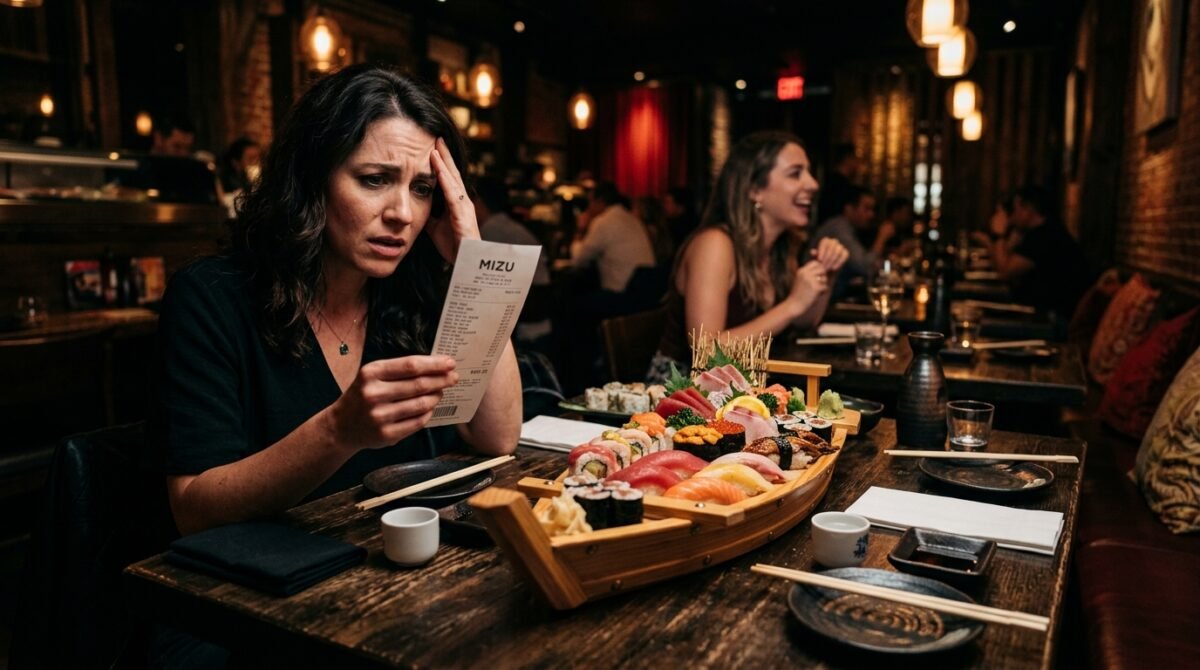
It started as a simple celebration. My friend, Sarah, had reached a milestone at work, and I thought it would be a lovely gesture to take her out to a high-end Japanese fusion spot we had both been talking about for months. We had been friends since college, sharing countless meals and small-town secrets, but lately, the dynamic had shifted. Sarah had begun to show signs of a growing, unchecked sense of entitlement, though I had foolishly convinced myself it was just a byproduct of her recent life stressors.
When I sent the invitation, I was clear about my intentions. It was a ‘treat’—a celebratory dinner for two. I never imagined that this gesture would become the battlefield for a fundamental breakdown in our relationship. I had a budget in mind for the evening, one that accounted for a couple of appetizers, main courses, and perhaps a glass of wine each. I certainly did not account for Sarah treating my credit card like an unlimited expense account for her own personal indulgence.
The evening began with light laughter and the usual catch-up, but the tension started to coil in my stomach the moment the server arrived for the second time. Sarah’s eyes lit up as she scanned the menu, not for a meal, but for the most exorbitant items listed under the ‘Specialties’ section. The sheer audacity of what followed was not just a breach of manners; it was a calculated maneuver that left me feeling used, disrespected, and frankly, furious.
As the night wore on, the casual atmosphere evaporated, replaced by a suffocating realization: Sarah didn’t value the invitation as a gesture of friendship. She valued it as an opportunity. By the time the check arrived, the silence at our table was deafening. I was faced with a moral crossroad: do I swallow the cost to keep the peace, or do I stand my ground and risk the fallout of an ugly confrontation in a crowded restaurant?
I chose the latter. What happened next wasn’t just a scene; it was a public unraveling of a decade-long friendship. It was the moment I realized that being a ‘good friend’ doesn’t mean being a doormat, and that sometimes, the most important lesson you can learn about a person is exactly how they react when their sense of entitlement is finally checked.
The Menu-Scanning Predator
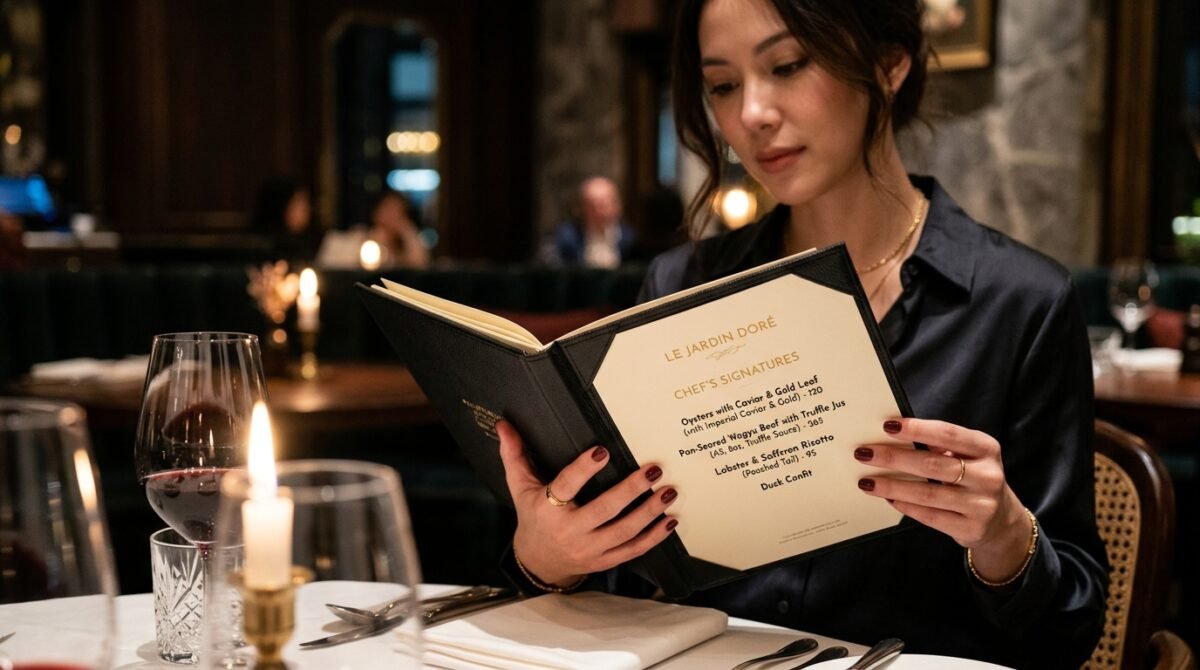
The restaurant was dimly lit, smelling of fresh ginger and toasted sesame. We were seated in a plush corner booth, a prime spot for a celebratory night. Sarah didn’t even look at the prices. She started ordering with the confidence of someone spending a company expense account. I ordered a modest roll and a house salad, but Sarah kept going, her finger tracing down the premium sashimi section.
“I think I’ll take the Omakase platter and the extra-large Sashimi boat, plus the specialty wagyu rolls for the table,” she told the server with a casual wave of her hand. My heart sank. I tried to interject, to suggest we share one platter, but she looked at me with a coy smile and said, “Oh, don’t be such a buzzkill! You said you were treating, right? We need to celebrate properly.”
I felt a cold prickle of anxiety. The wagyu rolls alone were $60, and the sashimi boat was another $80. My budget for the evening was effectively being vaporized in under three minutes. I tried to catch the server’s eye, hoping for a subtle intervention, but he was already scribbling it all down, oblivious to the fact that I was mentally calculating the damage.
“I didn’t think we needed that much food, Sarah. Are you sure you can finish all of that?” I asked, trying to keep my voice light, though my jaw was tight.
“It’s a celebration! Treat yourself, stop worrying about the bill. You make way more than me, anyway,” she countered, not even looking up from her phone.
That comment—’you make way more than me’—hit like a physical blow. It was the justification for everything that followed. She had decided, unilaterally, that my financial stability was her playground. As the plates started arriving, it became clear that this wasn’t about hunger. It was about the display of power, the thrill of ordering without consequence.
I watched as she barely touched the wagyu, picking at the expensive cuts and pushing them aside to make room for the next delivery. The arrogance of it was staggering. I realized then that I wasn’t having dinner with a friend; I was having dinner with a parasite who had finally found an opening to feed.
The To-Go Box Betrayal
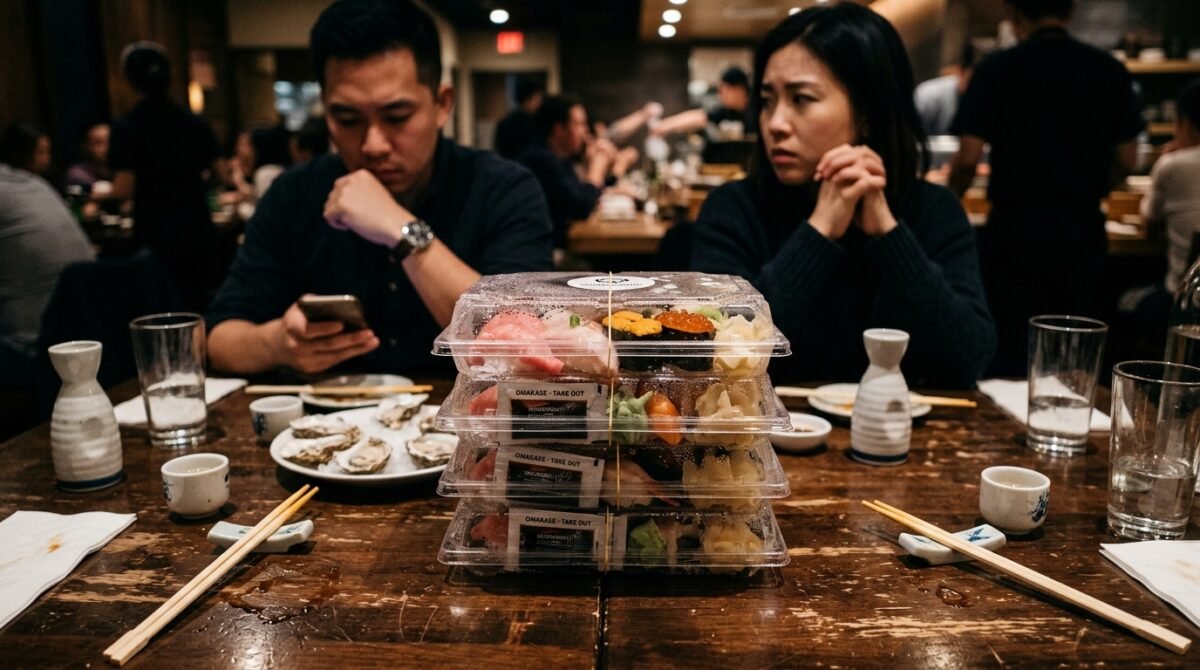
The tipping point didn’t come when she ordered the food; it came when she asked the server for a stack of takeout containers. We were barely halfway through the meal, and she was already packing the most expensive, untouched items into boxes. She wasn’t just eating on my dime; she was grocery shopping for the rest of her week.
“Oh, I’m just going to take these home for lunch tomorrow,” she said, acting as if it were the most natural thing in the world. I sat there, fork hovering over my modest roll, feeling the heat rising in my neck. The audacity reached a new level when she signaled the waiter again, this time to order a high-end dessert and a bottle of sake to take home.
I felt the gaze of the people at the neighboring tables. Maybe I was being paranoid, but I felt like everyone knew what was happening. I was the person being taken for a ride, and I was allowing it to happen because I was too terrified of the social repercussions of saying ‘no’ in a public setting.
“Sarah, I invited you for dinner, not for a week’s worth of groceries. This is getting out of hand,” I said, finally snapping.
“You’re really going to make this weird over a few extra items? I thought you were a generous person,” she scoffed, genuinely offended that I would dare to suggest she stop.
The argument wasn’t loud, but it was sharp. Every word felt like a serrated edge. I realized that if I let this go, I would never be able to look at myself in the mirror again. I wasn’t just paying for dinner; I was funding her disrespect for me. The ‘generous’ card was her favorite weapon, and she used it whenever I tried to set a boundary.
I looked at the mountain of plastic containers accumulating on the table. It was a visual representation of her disregard for my boundaries. The internal monologue was running a mile a minute: ‘If I stop this now, I’m the villain. If I don’t, I’m a victim.’ I chose to be the villain. I reached for my phone and signaled the waiter for the check, my mind made up.
The Waiter’s Intervention
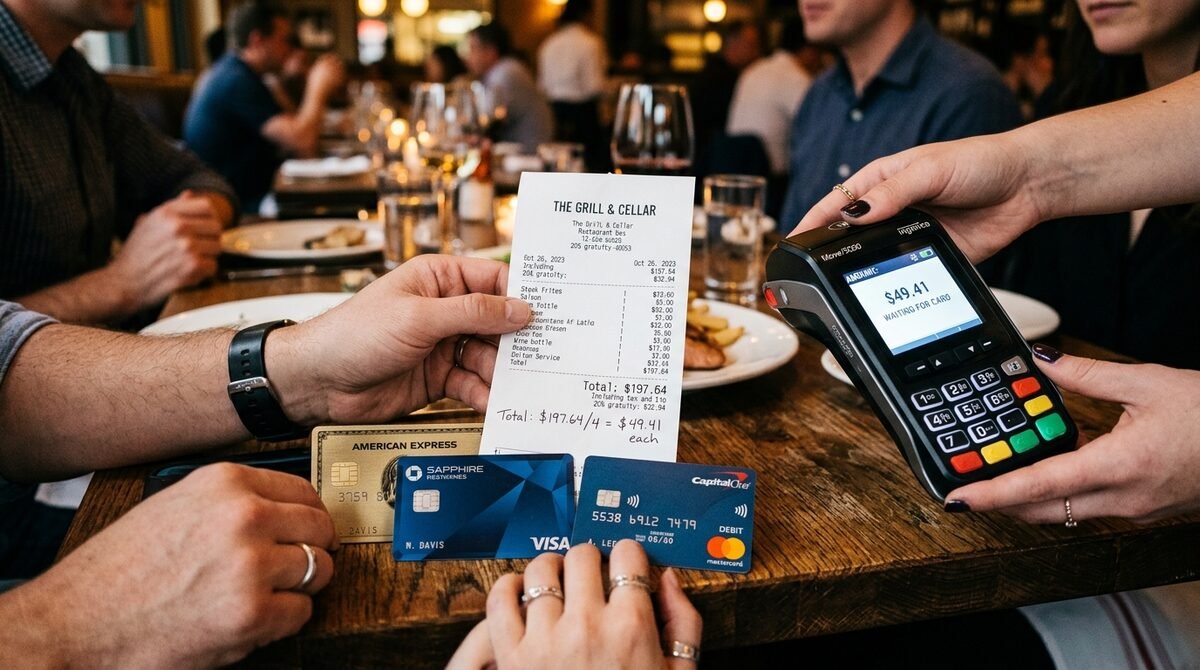
When the bill arrived, it was exactly what I feared: $312. My share would have been roughly $70. The rest was all Sarah—the extra platters, the sake to-go, the dessert. I didn’t even look at her. I turned to the waiter, who looked nervous, sensing the thick tension radiating from our booth. I kept my voice steady, despite the adrenaline shaking my hands.
“Could you please run my card for everything except the items in these specific containers, and then run a separate check for the remainder?” I asked. The table went deathly quiet. Even the ambient music seemed to drop away. Sarah’s face turned a shade of crimson that I hadn’t seen since our college days.
“Are you serious right now? You’re going to embarrass me in front of everyone?” she hissed, leaning across the table. Her voice was a low, dangerous whisper. She didn’t care about the money; she cared about the optics. She cared about the fact that I was stripping away her armor of entitlement.
“I am serious. I invited you to dinner, Sarah. I didn’t invite you to raid the menu for your personal grocery supply. You want the food, you pay for it,” I replied, my voice calm but cold.
The waiter didn’t hesitate. He seemed relieved that he had an excuse to split the check. He took the cards, leaving us in a vacuum of silence. Sarah looked around the room, clearly hoping for an ally, but the other patrons were pointedly looking at their own plates, avoiding the fallout. She was alone with her own behavior, and she hated it.
She started to scramble, tapping on her phone, likely messaging someone to vent about how ‘cheap’ and ‘petty’ I was. I didn’t care. I watched the waiter return with the two receipts. The transaction was over. My card was cleared, and her bill—the $180 worth of sushi she had insisted on taking home—was sitting in front of her, waiting to be paid.
The Walk of Shame

The walk to the exit was the longest I’ve ever taken. Sarah didn’t say a word as she paid the remainder of the bill. Her face was a mask of cold fury. She grabbed her bags of sushi with a jerky motion, almost knocking over a water glass in the process. We stepped out into the cool evening air, and the silence was heavy, stifling.
“You have no idea what you’ve done,” she said, turning to face me. Her eyes were glassy, but not with tears—with rage. “You think you made a point, but you just made yourself look like a complete psycho. Who does that to a friend?”
I looked at her, really looked at her, and realized I didn’t recognize this person. I saw someone who had been coasting on my kindness for years, someone who had never once thought about what she could give back, only what she could extract. “I do that to a friend who treats me like a wallet instead of a human being,” I replied.
“We’re done. Don’t call me. Don’t text me. And honestly? Enjoy the sushi. I hope it was worth the price of a friendship,” I said, before walking away toward my car.
I didn’t look back. I could hear her shouting something behind me, but I didn’t catch the words. As I sat in my car, my hands were finally starting to shake. The adrenaline was fading, leaving behind a hollow, cold feeling. I had stood my ground, but at what cost? The social fallout was inevitable. I knew the group chat would be buzzing by morning.
I felt a strange sense of liberation. For years, I had walked on eggshells around Sarah, worried that if I pushed back, I would lose the friendship. But in that moment, I realized I had already lost it. I had lost it the moment she decided my generosity was a weakness to be exploited. I drove home in silence, the weight of the night finally beginning to lift.
The Group Chat Explosion
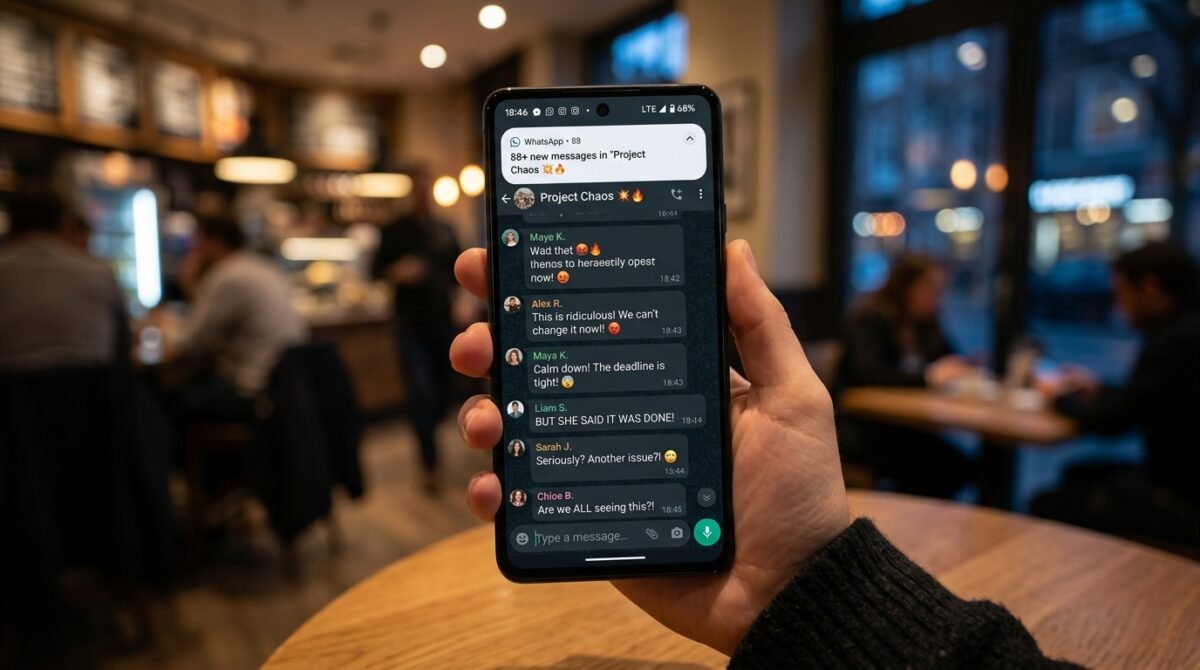
By 8:00 AM the next day, my phone was vibrating off the nightstand. The group chat was already at 40 messages. Sarah had clearly been busy. She had painted a picture of me that was unrecognizable—a stingy, unstable, ‘crazy’ person who had ruined a night out because of a few extra rolls of sushi.
Some of our mutual friends were chiming in, clearly taking her side based on her skewed narrative. ‘I can’t believe she did that to you, Sarah!’ one wrote. ‘That’s so embarrassing,’ said another. I sat in my pajamas, scrolling through the vitriol, feeling the familiar sting of being the villain in someone else’s manufactured drama.
I didn’t reply for a long time. I just watched. I saw how Sarah had omitted every detail about the $180 bill, the to-go containers, and the fact that she had ordered items without asking. To them, I was just a friend who had a breakdown over a dinner bill. It was a classic smear campaign, designed to isolate me before I could tell my side.
“I don’t know the full story, but surely there’s a middle ground here? You guys have been friends for years,” one mutual friend, Mark, interjected, trying to play the mediator.
“There is no middle ground when someone tries to humiliate you for being ‘stingy’ at a restaurant. This is who she is,” Sarah replied instantly.
I finally started typing. I didn’t get angry. I didn’t name-call. I simply laid out the facts. I attached a photo of the itemized receipt—the one I had kept, just in case—and highlighted the $180 in total. I wrote, ‘I invited Sarah to dinner. I paid for my meal and a fair portion of the appetizers. She ordered $180 worth of food to take home on my tab. I asked her to pay for her own excess. You can decide if that makes me the villain.’
The chat went dead. The silence was absolute. It was the digital equivalent of a room freezing over. People started deleting their previous messages of support for Sarah. The narrative had shifted, and the reality of her entitlement was laid bare for everyone to see.
The Aftermath of Public Scrutiny

In the following days, the fallout was swift. A few friends apologized to me, admitting they had been manipulated by Sarah’s initial version of events. Others, the ones who had enabled her behavior for years, went silent. It was a harsh pruning of my social circle, but one that I realized was long overdue.
I found myself re-evaluating every interaction I’d had with Sarah over the last two years. The small, ‘minor’ instances of entitlement I had ignored—the ‘forgotten’ wallets, the ‘accidental’ over-ordering, the constant expectation that I would be the one to pay for everything—suddenly formed a clear, undeniable pattern. I had been a participant in my own exploitation.
The emotional toll was significant. It’s hard to mourn a friendship when you realize the person you were mourning never truly existed. I wasn’t missing Sarah; I was missing the person I thought she was, the version of her that I had projected onto her for the sake of comfort.
“I’m sorry I didn’t see it sooner. I think we all just got used to her being the one who ‘takes’ and you being the one who ‘gives,’” Mark messaged me privately later that week.
That message was the validation I needed. It confirmed that I wasn’t crazy, and I wasn’t just being petty. There was a systemic imbalance in our friendship, one that had finally reached its breaking point. I started taking steps to move forward, focusing on my own well-being and setting firmer boundaries with everyone in my life.
I started reading through forums, looking for similar experiences, and I was shocked by how many people had stories exactly like mine. It was a universal human struggle: the difficulty of saying ‘no’ to people we care about, and the painful process of learning that some people will only take as much as you are willing to give, no matter the cost.
Reddit’s Verdict: The Community Weighs In
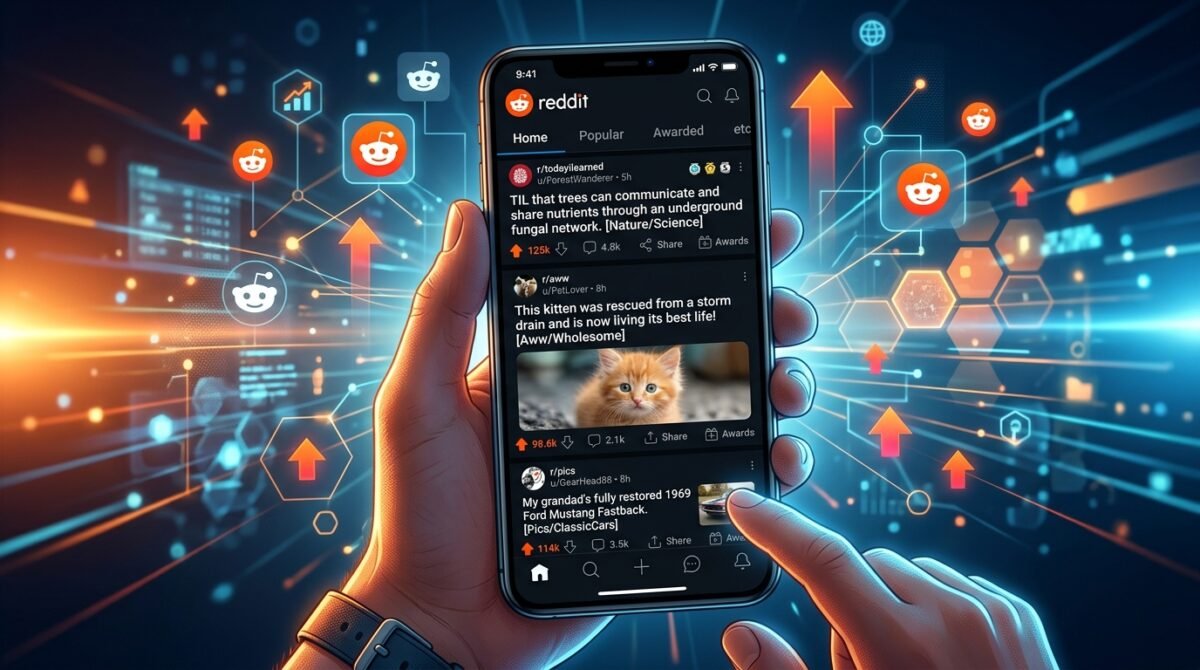
I posted a summary of the situation to r/AITA under a throwaway account, just to see if the internet would confirm what I already felt. I didn’t expect the response to be as overwhelming as it was. Within hours, the post had thousands of upvotes and an endless stream of comments.
The consensus was immediate and overwhelming. The vast majority of people were on my side, citing the sheer audacity of ordering take-home food on someone else’s tab as a major breach of social etiquette. There were, of course, the dissenters—the people who argued that if you invite someone, you should pay for everything—but they were quickly drowned out by the logic of the situation.
“NTA. Your friend isn’t a friend; she’s a mooch. Ordering $180 of to-go food on someone else’s dime is a level of entitlement that is genuinely impressive. You did the right thing by splitting the check.”— u/BudgetWarrior, 14.2k upvotes
The thread became a repository for similar stories. I read about people whose ‘friends’ had invited entire groups of people to dinners they expected them to pay for, or who had ordered the most expensive wine on the menu without asking. It was a sobering look at how common this kind of behavior was.
Some comments were more philosophical, questioning the nature of friendship itself. ‘Friendship is a reciprocal relationship,’ one user wrote. ‘When it becomes a transaction where one side is always paying, it’s not a friendship anymore; it’s a service agreement that the other party hasn’t signed up for.’ That hit home.
I found comfort in the community. It wasn’t about the validation of the bill itself; it was about the confirmation that I was allowed to set boundaries, and that doing so didn’t make me a bad person. It was the most refreshing, grounding experience I had through the entire ordeal.
The Financial Breakdown

Looking back at the numbers, the reality was even starker than I realized that night. I created a spreadsheet to track the ‘hidden’ costs of our friendship over the last year. It was a painful exercise in self-reflection. I saw that I had been subsidizing her lifestyle for months without even realizing it.
| Date | Event | My Contribution | Her ‘Extra’ |
|---|---|---|---|
| March | Dinner | $80 | $60 |
| June | Drinks/Appetizers | $50 | $45 |
| August | Birthday Celebration | $120 | $90 |
| October | The Sushi Incident | $70 | $180 |
The total, when added up, was over $600 in ‘excess’ spending. That was money I could have saved, invested, or used for my own experiences. It was a wake-up call. I realized that my financial health had been directly impacted by my inability to say ‘no.’ The sushi incident was just the final, explosive straw.
I started implementing a ‘pre-set budget’ rule for any future outings. If I’m treating, I’m explicit about what that covers—an appetizer, a main, and a drink. If they want more, they can pay for it themselves. It feels awkward at first, but it saves me the mental and financial anxiety that had been plaguing me for so long.
This isn’t about being stingy; it’s about being responsible. It’s about ensuring that my generosity is a choice, not an obligation. By taking control of my finances, I’ve taken control of my social interactions, and I’ve found that the people who value me as a person are more than happy to respect those boundaries.
The Lesson on Entitlement

What did I learn? I learned that entitlement is a slow-growing vine. It starts with small, easily ignored things—a forgotten tip, a ‘quick’ borrow, a request for a slightly more expensive dish. Before you know it, it has wrapped itself around your life, strangling the healthy parts of the relationship until only the obligation remains.
I also learned that I have to own my part in it. I allowed this. I taught Sarah that she could treat me this way by never challenging her. I was the architect of my own frustration. By avoiding conflict, I was inviting disrespect. That is a hard lesson to swallow, but it’s the most important one I’ve taken from this.
I’ve started to look for signs of entitlement in other relationships, not to be suspicious, but to be proactive. If I see someone who expects, rather than appreciates, I know to keep them at arm’s length. It’s not about being cynical; it’s about being intentional with my time and my resources.
“The most important thing I’ve learned is that when you set a boundary, the people who were benefiting from your lack of boundaries will be the ones who get the most upset. Their reaction is a confirmation that the boundary was necessary.”
I feel lighter now. The relationship with Sarah is effectively over, and while there is a sadness there, there is also an immense sense of relief. I don’t have to worry about the next dinner bill, or the next ‘surprise’ expense. I am free to enjoy my own company and the company of those who truly value the spirit of a shared meal.
Moving Forward: Boundaries and Balance

Life has returned to a new normal. I’ve reached out to a few friends I had neglected during the ‘Sarah Era,’ and we’ve been reconnecting. It’s amazing how much more energy I have when I’m not constantly managing someone else’s expectations or worrying about the financial fallout of our hangouts.
I still go to that sushi restaurant, though. I order my favorite roll, I pay for my own meal, and I enjoy it. Sometimes I see other groups, and I find myself watching them, seeing the dynamics at play. It’s a habit I’m trying to break, but it serves as a constant reminder of how far I’ve come.
I’ve also started being much more open about finances with my friends. We talk about budgets, we talk about what we can afford, and we plan accordingly. It’s made our friendships stronger, not weaker. There’s a level of honesty that has transformed the way we relate to one another.
If you are in a similar situation, if you are being pushed to the edge by someone who doesn’t respect your boundaries, know this: you are not the villain for asking for fairness. You are not ‘cheap’ for expecting respect. You are a person who deserves to be valued, not used.
Take the stand. The fallout might be loud, it might be messy, and it might be uncomfortable, but the peace on the other side is worth every bit of it. You deserve to be in relationships that lift you up, not ones that drain your bank account and your sanity.
Conclusion
This experience was more than just a dinner bill; it was a masterclass in self-respect. Sarah’s reaction to my boundary-setting was a mirror reflecting her own lack of accountability, and I am grateful for the clarity that the confrontation provided. It taught me that friendship is a two-way street, and that my generosity is a gift, not a tax to be levied by those who feel entitled to it.
We often fear the fallout of confrontation, worrying that we might be seen as the ‘bad guy.’ But true friends understand, respect, and even applaud the setting of healthy boundaries. If someone makes you feel small for wanting to be treated with fairness, then they were never the friend you needed them to be.
To those of you who have read this story, I ask: Have you ever been in a situation where you felt trapped by someone else’s financial entitlement? How did you handle it, and what did it teach you about your own boundaries? I’d love to hear your stories in the comments below. Let’s create a space where we can talk about the hard parts of friendship and learn how to foster the ones that truly matter.
What's your verdict on this dilemma?
Vote below to contribute to the official community consensus.

Have a Dilemma Keeping You Up at Night?
Share your real-life feud, wedding chaos, or relationship crossroads anonymously with our editorial team.
What do you think ?
0 Comments🛡️ Comments are moderated to protect community integrity. Your comment will appear once approved by the editorial team.