
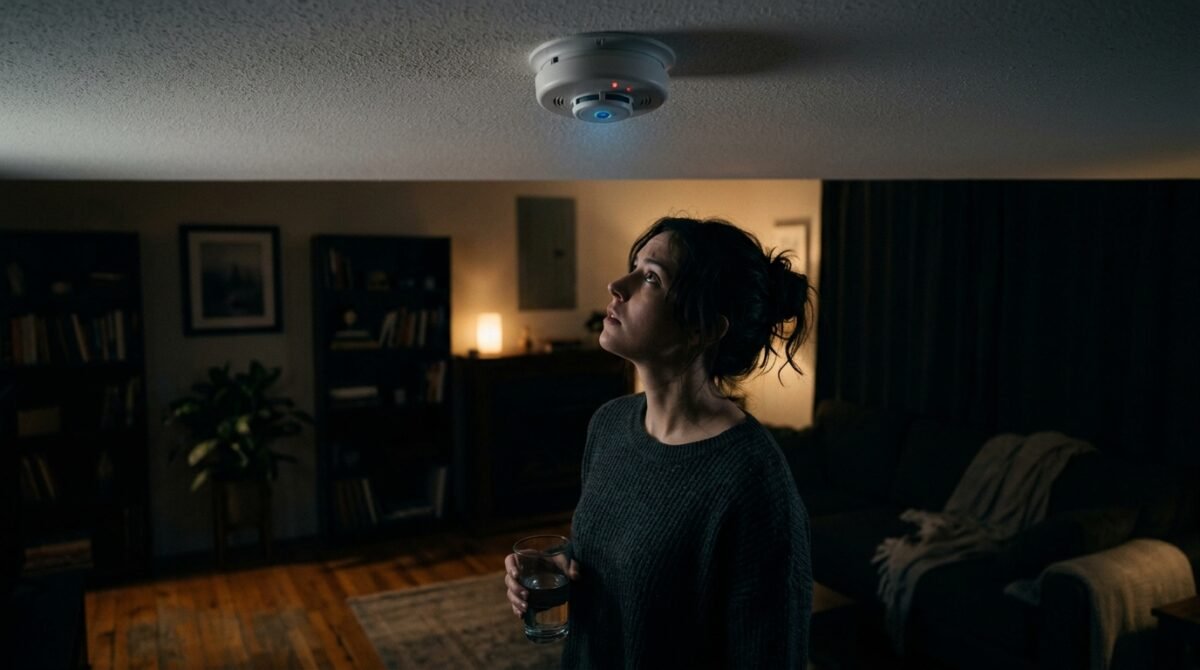
We all have our definitions of security. For some, it’s a deadbolt; for others, it’s a password-protected phone or a shared location pin. But for my boyfriend, Mark, security had evolved into something far more clinical, something that belonged in the cold, detached world of a prison guard rather than a suburban living room. I spent two years believing our relationship was built on a foundation of mutual trust and transparency, only to realize that the ‘transparency’ was entirely one-sided. I was living in a glass house, and he was the one holding the hammer.
The smoke detector in our living room was a standard, beige piece of hardware—or so I thought. We had installed it together six months ago during a renovation project, a chore I barely remembered amidst the chaos of picking paint swatches and arguing over rug textures. It hung there, an silent witness to my morning coffee routines, my late-night work calls, and the quiet moments of solitude I cherished most. I never questioned it. Why would I? It was a life-saving device, meant to protect us from fire, not to archive my every movement for his later review.
The unraveling began on a Tuesday, a day so mundane it felt scripted for tragedy. I had been cleaning, moving a ladder to reach the high-hat lights, when a loose wire dangling from the detector caught my eye. As I reached up to push it back into the ceiling mount, the plastic casing shifted. It wasn’t tight. It wasn’t flush with the drywall. I pulled, and the entire unit came down, revealing not just wiring, but a small, glowing green LED indicator and a sleek, black lens embedded in the side of the casing.
My heart didn’t race; it stopped entirely. The silence in the room was deafening as I held the device in my palm, my breath catching in my throat. This wasn’t a fire alarm. This was an intrusion. As the reality of what I was holding began to sink in, the entire last year of my life—the strange comments about my schedule, the way he seemed to know exactly when I’d be home even when I hadn’t told him, the sudden ‘check-ins’—snapped into a sickening, cohesive focus. I wasn’t being loved; I was being audited.
The Anatomy of a Manufactured Coincidence
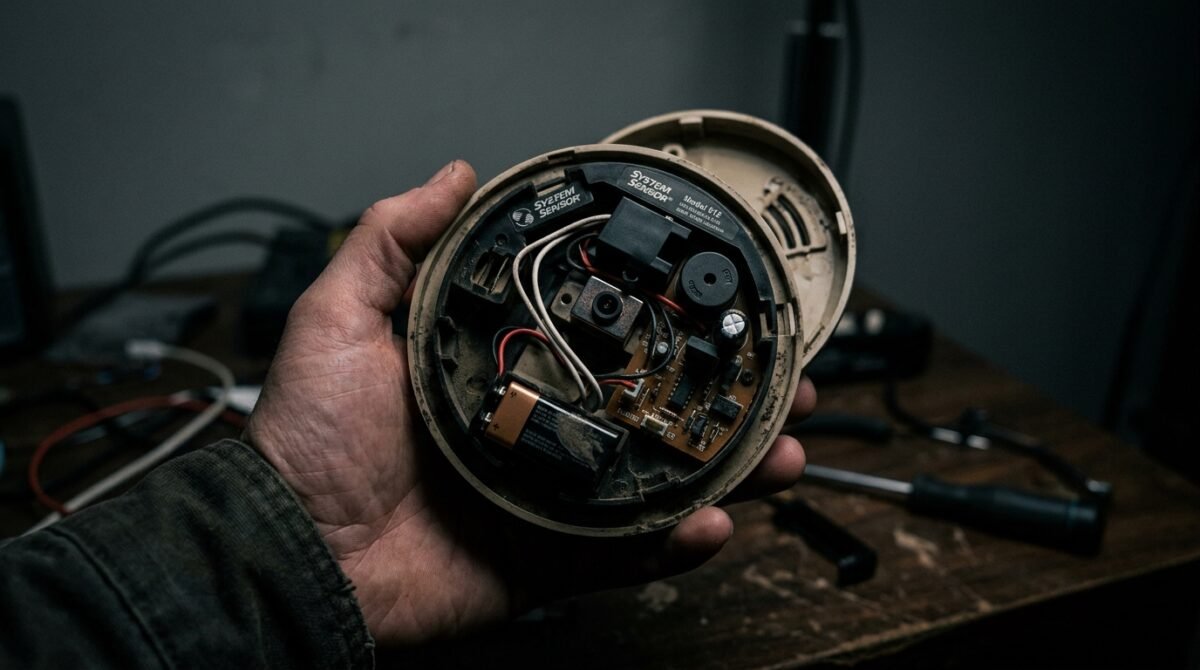
For months, I had chalked up Mark’s knowledge of my daily movements to a strange, almost psychic intuition. He would text me at 2:15 PM, right as I was stepping out for a coffee, asking if I was ‘done with my task yet.’ I’d laugh it off, calling him my little stalker, a joke that felt increasingly hollow with every passing week. I thought he was just attentive; I didn’t realize he was using an app to monitor my presence in the house via the lens hidden in the plastic casing.
The gaslighting was subtle, a drip-feed of psychological manipulation that eroded my confidence in my own reality. When I complained about his constant monitoring, he would turn it back on me, framing his invasive behavior as a symptom of his deep concern for my safety. He had convinced me that the world was an increasingly dangerous place and that our home needed to be a fortress. I hadn’t realized that the person I was most unsafe with was the one standing right next to me at the kitchen island.
“You’re overreacting, babe. I only checked the feed when I was worried about the pipes bursting or if you left the oven on. It’s for the house, not for you. Why are you making this about trust?”
— Mark, during a previous argument about ‘safety measures’
Looking at the device in my hand, I realized that every single ‘coincidence’ was a documented data point. He wasn’t worried about the pipes. He was worried about the control. The feeling of being watched, even when I thought I was alone, washed over me like a cold wave. It wasn’t just the invasion of space; it was the betrayal of the sanctity of my home, the one place where I was supposed to be able to drop the mask and simply exist.
I sat on the floor, the device still in my hand, feeling like a stranger in my own living room. The furniture, the books, the plants—everything looked different now that I knew they had been cataloged. I felt dirty, exposed, and profoundly foolish for ever believing that his desire for ‘security’ was born from a place of affection. It was a possession, a way to ensure that I was always accounted for, always tracked, and always within the reach of his digital tether.
The Confrontation in the Kitchen
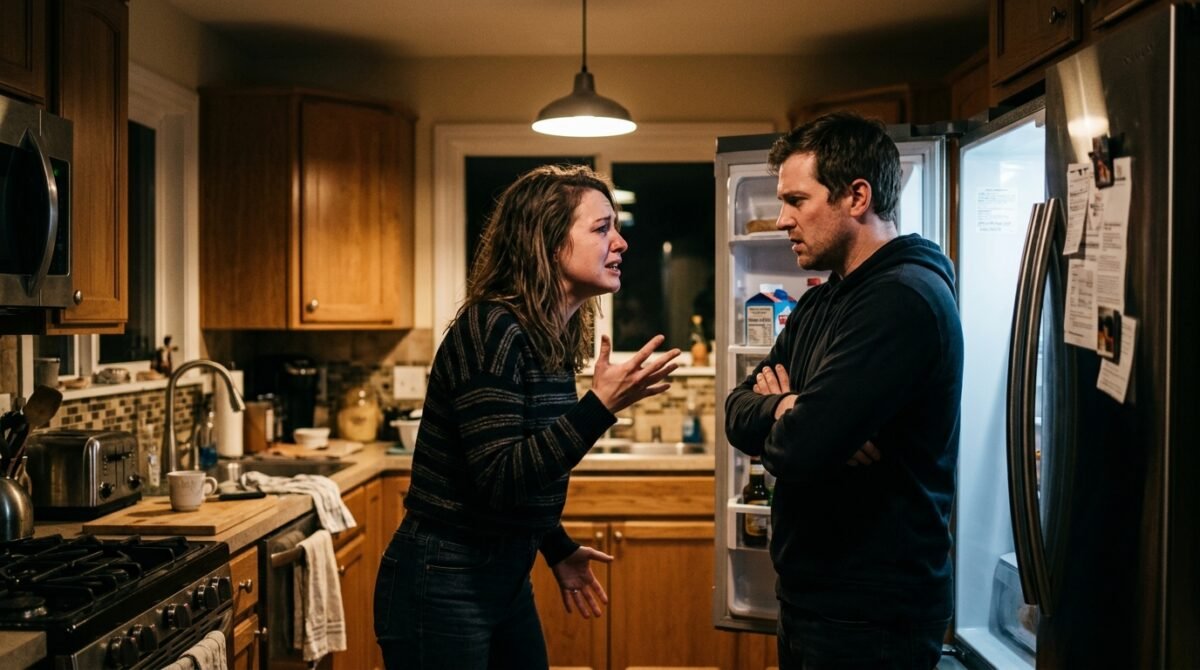
When Mark finally walked through the door at 6:00 PM, he was whistling, a sound that grated on my nerves like sandpaper on skin. He walked straight to the fridge, grabbed a beer, and leaned against the counter, oblivious to the fact that I was sitting on the floor with his surveillance equipment spread out before me. He didn’t even notice the hole in the ceiling at first. He was too busy scrolling through his phone, likely checking his feed.
The silence was heavy, thick with the weight of the coming storm. I didn’t say a word as he finally looked up, his eyes darting from me to the hole in the ceiling, and then to the plastic unit sitting on the coffee table. The mask of the casual, whistling boyfriend dropped instantly, replaced by a cold, calculating look that I had never seen before. He didn’t panic; he simply stood there, waiting to see how I would play this, waiting to see if he could talk his way out of it.
“You shouldn’t have touched that, Sarah. It’s part of the alarm system integration I was working on. You don’t understand how the hardware connects, so please, put it back before you break the circuit.”
— Mark, attempting to deflect
I stood up, my legs trembling, and walked toward him. I didn’t yell; I didn’t have the energy for theatrics. I felt a strange, cold clarity, the kind that only comes when you realize there is absolutely nothing left to save. I asked him how long he had been watching, how many hours of my life he had saved to his private cloud storage, and who else had access to those files. His answers were evasive, filled with technical jargon that served no purpose other than to confuse the issue.
He tried to pivot, mentioning how he had invested thousands into ‘our’ home, trying to weaponize his financial contributions to make me feel guilty for questioning his methods. He claimed he was just ‘looking out’ for me, that I was prone to anxiety, and that having a record of my movements helped him know if I was having a ‘bad day’ before he even stepped through the door. It was the ultimate, condescending excuse for a power trip.
The Digital Breadcrumbs of Control
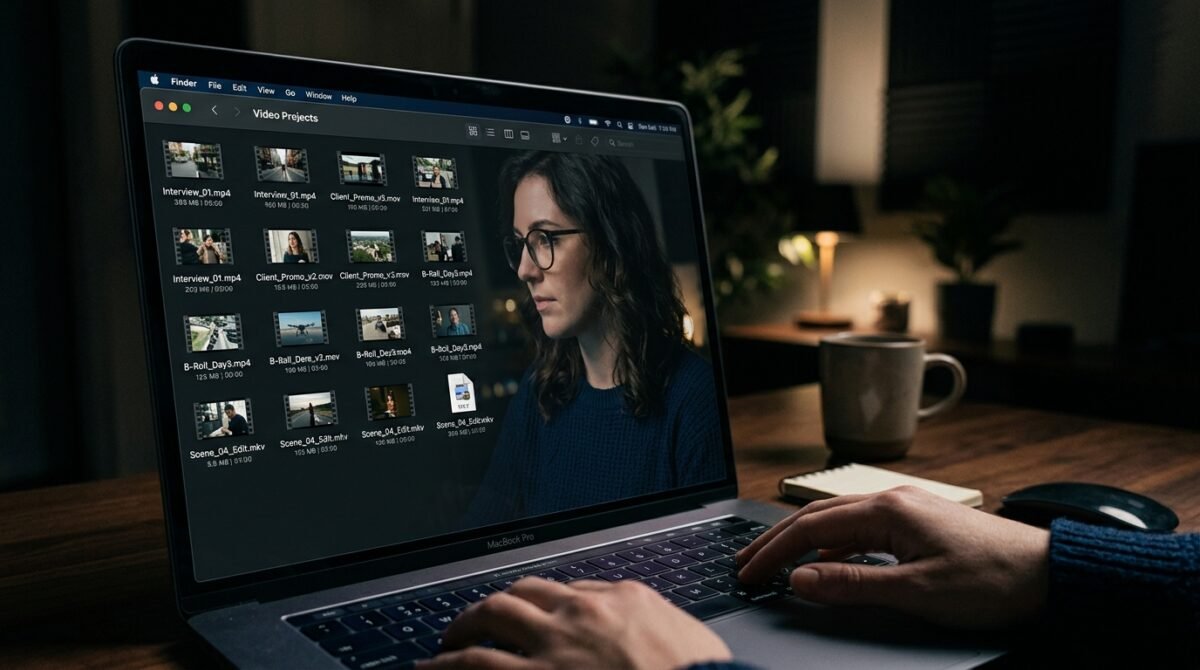
After he left to ‘cool off’—a tactic he often used to regain the upper hand in arguments—I sat down at his laptop, which he had foolishly left logged in. I didn’t have to search long. A folder labeled ‘Home Security’ sat right on his desktop. Inside, there weren’t just clips of the living room; there were folders for the hallway, the kitchen, and even the bedroom. He had been recording audio, too. I clicked on a file from a week ago, hearing myself singing while I cooked, talking to my mother on the phone, and even crying after a long, hard shift.
The sheer scale of his voyeurism was staggering. He had been capturing the intimate, unscripted moments of my life, archiving them like a collection of museum pieces. I felt sick to my stomach. I realized that my privacy hadn’t just been violated; it had been completely annihilated. He wasn’t just watching me; he was studying me, learning my patterns, my reactions, and my vulnerabilities, and likely using them to manipulate my emotional state.
“I swear it was just for the insurance company in case of a break-in! Why are you snooping through my private files? That’s a massive breach of trust, Sarah! You’re the one acting crazy here!”
— Mark, in a text sent after he realized I had seen the files
I started downloading the files, not because I wanted to watch them, but because I needed proof. I needed to document the extent of his betrayal before he had the chance to wipe the drive. My hands were shaking so hard I could barely type. Every file I opened felt like a violation. I saw myself pacing, looking stressed, and Mark’s voice would occasionally play over the speakers, commenting on my ‘erratic behavior’ to himself.
The realization that he had been narrating my life while I was living it, in real-time, was the final nail in the coffin of our relationship. I wasn’t his partner; I was his test subject. The trust I had placed in him was a weapon he had used to dismantle my sense of self-worth. I stood up from the computer, closed the lid, and started packing a bag. I knew I couldn’t stay in that house for one more second.
The Midnight Departure
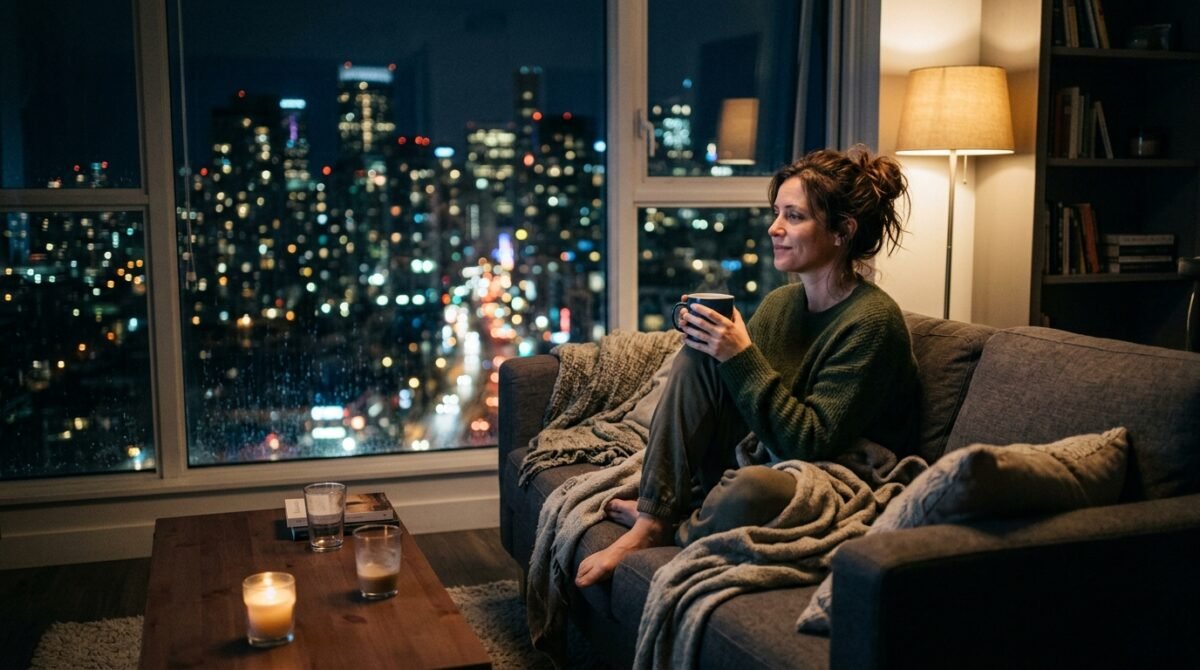
I didn’t pack everything. I didn’t care about the clothes, the books, or the trinkets we had bought together. I grabbed my passport, my laptop, my phone, and the memory drive containing the evidence of his surveillance. I left the house through the back door, the same door I had walked through hundreds of times, but this time, it felt like an escape from a prison. The night air was biting, but it felt cleaner than the air inside that house.
I drove to my sister’s apartment, my heart pounding in my chest, every shadow on the road looking like his car coming to intercept me. I didn’t know what I was going to say, or how I would explain that my life had completely imploded in the span of an afternoon. I just knew that I had to get away from him, from his cameras, and from the suffocating weight of his ‘security’.
“I’m leaving, Mark. Don’t call me. Don’t come to my work. Don’t try to find me. I have the files, and I know exactly what you’ve been doing. If you contact me again, I’m going to the police.”
— My final text to Mark before blocking him
My sister opened the door, her face pale as she saw my tear-streaked eyes and my frantic, wide-eyed expression. She didn’t ask questions. She just pulled me inside, made a pot of tea, and listened as I spilled everything. She was the first person to tell me that I wasn’t crazy, that what he had done was not normal, and that I was right to leave. For the first time in months, I felt a shred of validation.
That night, we sat up until dawn, going through the files I had copied. The more we watched, the more horrifying it became. There were hours of footage of me simply existing, and his comments in the background were chilling. He talked about my ‘habits’ as if they were data points to be optimized. He had been treating me like an algorithm to be solved, not a human being to be loved. That night, I finally let myself cry—not out of fear, but out of relief that it was finally over.
The Legal Reality Check
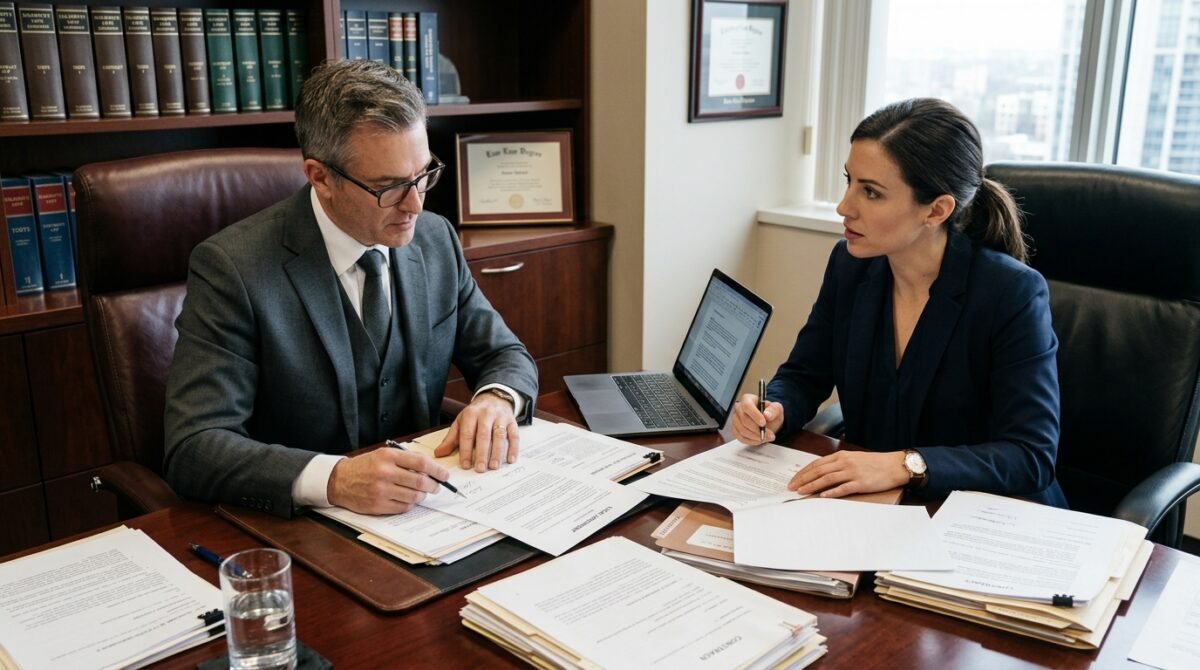
The next morning, my sister insisted we talk to a lawyer. I was hesitant, still feeling like I was the one who had ‘breached his trust’ by snooping on his computer, but she wouldn’t hear of it. The lawyer was a woman who didn’t blink when I told her what had happened. She told me, quite bluntly, that in many jurisdictions, what Mark had done crossed the line into criminal invasion of privacy and potential stalking.
She explained that recording audio and video of someone in their own home without their consent is a serious matter. She told me to keep the drive, store it in a safe place, and under no circumstances delete the footage. We started drafting a cease-and-desist letter, laying out the boundary that he was not to come near me, my workplace, or my family. It was the first step in reclaiming my life, and it felt empowering to finally be the one setting the terms.
“He has created a digital footprint of your private life without your permission. This isn’t a relationship issue; this is a legal vulnerability he created for himself. You are not the perpetrator here, Sarah. You are the victim of a surveillance scheme.”
— My lawyer, during our initial consultation
The process of legal maneuvering was draining, but it gave me a sense of purpose. I had to focus on the facts, on the dates, and on the timeline of his actions. It forced me to detach from the emotional pain and look at the situation objectively. I realized that Mark had been banking on me being too ashamed or too confused to speak up. He had used my own empathy against me, hoping that I would prioritize our ‘relationship’ over my own safety.
I started feeling the anger, the hot, righteous fury that replaces fear once the initial shock wears off. I realized that he had stolen months of my life, that he had corrupted my home, and that he had tried to mold me into someone who would accept his control. I wasn’t going to let him win. I wasn’t going to let him define my story. Every legal step we took was a declaration that my life was my own, and that I would never again allow someone to treat me like a piece of property.
The Community Weighs In: Was It Really ‘Security’?
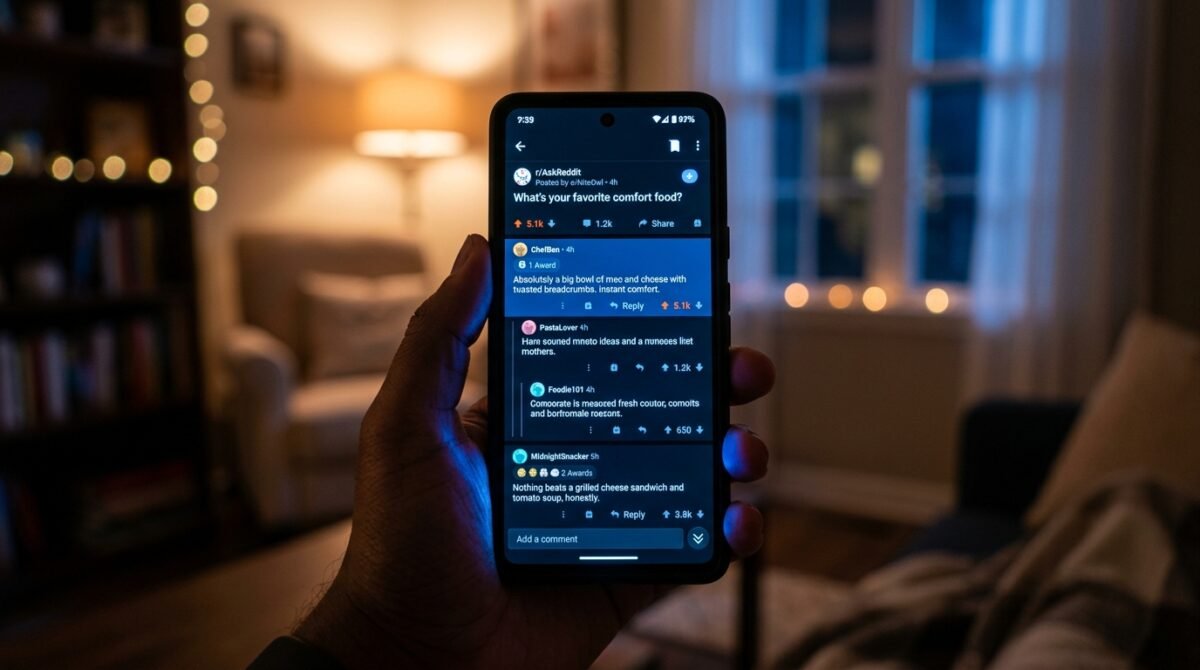
I posted about the situation on an anonymous forum, mostly just to vent, not expecting the tidal wave of support and horror that followed. The internet, often a cruel place, turned out to be a mirror of my own disbelief. Thousands of people reached out, sharing their own stories of controlling partners, and the consensus was overwhelming: what he did was textbook abuse, and I needed to stay far, far away.
The comments were a mixture of sympathy, legal advice, and raw outrage. I read every single one, feeling a strange sense of community with people I had never met. They helped me realize that the gaslighting wasn’t just in my head, that his ‘security’ concerns were a classic control tactic, and that I was right to walk out the door without looking back.
“This isn’t security, this is a felony. The fact that he’s trying to blame you for finding his secret cameras is the biggest red flag of all. Get a restraining order, change your locks, and never look back. He’s dangerous.”
— u/DigitalJusticeSeeker, 15.4k upvotes
Some people, of course, tried to play devil’s advocate, suggesting that maybe he was just ‘insecure’ or ‘had bad experiences in the past,’ but those comments were quickly buried under a mountain of support. The majority of the community understood the difference between protecting a home and stalking a partner. It was the validation I had been craving, the realization that I wasn’t imagining the toxicity of the situation.
Reading the comments, I realized that I wasn’t alone in this. There were countless others who had been subjected to the same kind of subtle, creeping surveillance. It made me feel less isolated, less like a ‘crazy’ person, and more like a survivor who had realized the danger in time. The community had helped me process the trauma, and for that, I will always be grateful.
Rebuilding the Foundation of Self-Trust

After the initial chaos, the hardest part was the quiet. I had to learn how to live in a house again, how to be alone without feeling like I was being watched. I found myself jumping at every sound, checking the corners of rooms for cameras, and feeling a sense of paranoia that I knew wasn’t based in reality. I had to practice grounding exercises, reminding myself that I was safe, that no one was watching, and that I was in control of my space.
I started seeing a therapist, someone who specialized in trauma and relationship abuse. She helped me unpack the layers of gaslighting, helping me understand why I had stayed so long and how to rebuild the trust I had lost in my own judgment. It was a slow process, but it was necessary. I had to learn how to listen to my gut again, to trust the red flags I had ignored for so long, and to prioritize my own boundaries over someone else’s comfort.
“Trust isn’t just about believing the other person; it’s about trusting yourself to recognize when that trust is being abused. You didn’t fail the relationship; he failed to honor the sanctity of your life together.”
— My therapist, during a session on boundary setting
I started making small changes. I changed my passwords, I moved into a new apartment, and I started spending time with friends who didn’t monitor my location or question my schedule. I started to rediscover the parts of myself I had set aside to appease Mark. I started painting again, I started traveling, and I started living a life that was entirely my own, without any interference.
It wasn’t easy. There were days when the anger would return, when I would miss the comfort of a partner, even a toxic one. But those moments were fleeting. The more I built my own life, the more I realized that I didn’t need a partner to feel secure. I was enough on my own. I was the architect of my own safety, and I didn’t need any cameras to prove it.
The Final Echo: A Message from the Past
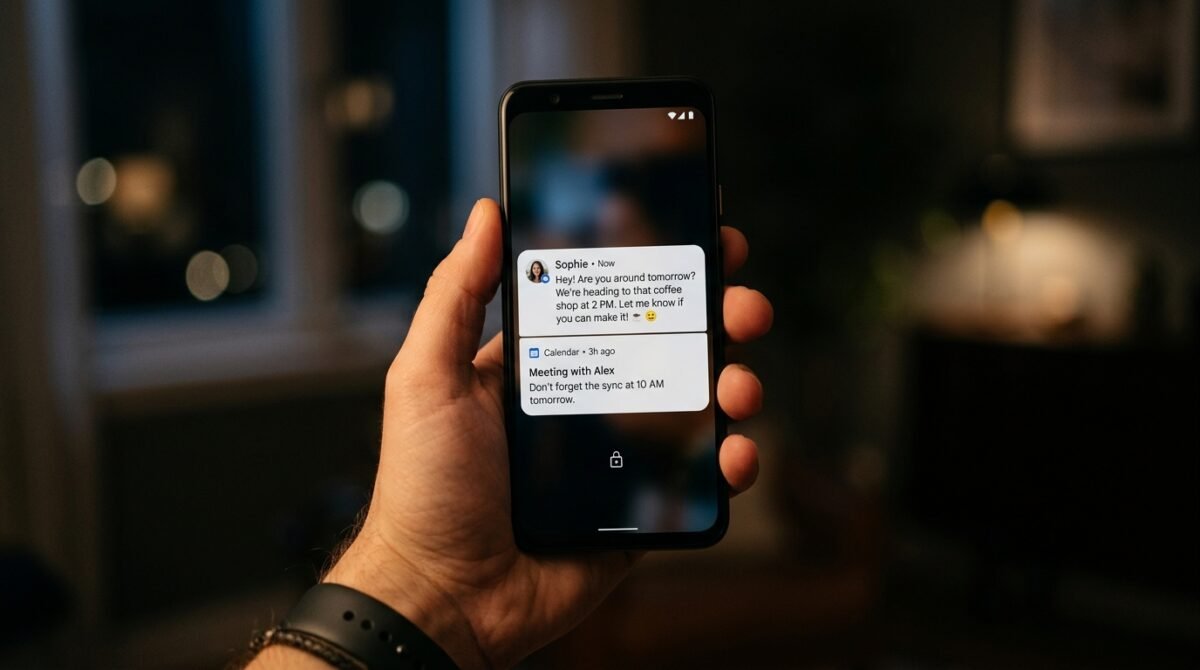
Months later, I received a notification on a burner phone I had set up for legal correspondence. It was a text from Mark. He had been trying to reach out through mutual friends for weeks, but I had blocked them all. This time, he had found a way to send a message directly. It was a long, rambling apology, filled with promises that he had ‘changed,’ that he had ‘learned his lesson,’ and that he still loved me.
I read it once, then deleted it. I didn’t feel tempted. I didn’t feel sad. I felt a strange sense of detachment, as if I were reading a letter from a stranger. The apology was hollow, lacking any real acknowledgment of the harm he had caused or the violation of my trust. It was just another attempt at control, another way to get back into my life, and I wasn’t going to give him the satisfaction of a response.
“I’ve changed, Sarah. I’m in counseling. I realized I was wrong. I just want one chance to explain. Please, I still love you. I’m not that person anymore.”
— Mark, in an unsolicited text message sent months later
I realized that for Mark, the ‘lesson’ wasn’t about respecting privacy; it was about getting caught. He didn’t regret the surveillance; he regretted the consequences. I had moved past him, and his attempts to pull me back into his orbit were just another reminder of why I had left in the first place. I wasn’t interested in his growth; I was interested in my own.
I blocked the number and continued with my day. It was a small victory, but it felt significant. It was the final piece of the puzzle, the confirmation that I had made the right decision. I was no longer the person who would be manipulated into staying; I was the person who knew her worth and was no longer willing to settle for anything less than complete respect and transparency.
The Aftermath: Moving Forward with Clear Eyes

Today, I live in a place where the only thing in the ceiling is a light bulb. I have a life that is mine, filled with people who respect my boundaries and trust my judgment. I still think about the smoke detector sometimes, but it doesn’t trigger the same fear it used to. It’s just a reminder of the strength I found when I finally stood up for myself. I am proud of the person I have become, and I am grateful for the journey that led me here.
I’ve learned that security is not a gadget or a system; it’s the feeling of safety that comes from knowing you are in a relationship based on mutual respect and honesty. If you ever feel like you’re being monitored, if your partner is constantly checking up on you, or if you feel like you’re living in a glass house, please, listen to your gut. You deserve better. You deserve to be seen for who you are, not for who someone else wants to control.
“The most dangerous thing you can do in a toxic relationship is to convince yourself that you are the one who is overreacting. Your instincts are there for a reason. Listen to them. They might just save your life.”
— A reflection from my recovery journal
I have become an advocate for digital privacy, speaking out about the dangers of non-consensual surveillance in relationships. I share my story, not to scare others, but to help them recognize the red flags that I missed. I want everyone to know that they are not alone, that they have the right to their own space, and that they are capable of walking away from anything that threatens their sense of self.
I am finally free, and that is a feeling I will never take for granted again. The cameras are gone, the monitors are switched off, and I am the only one who has access to my life. I am the narrator, the protagonist, and the author of my own story, and for the first time in a long time, I am excited to see what happens next.
The Final Verdict: Lessons Learned

Looking back, the most important lesson I learned is that love is never worth the price of your dignity. I had stayed because I was afraid of being alone, because I was afraid of the change, and because I had let myself believe that I was ‘difficult’ or ‘anxious’. I learned that these were just tools he used to keep me in line. The moment I realized that, the moment I chose my own well-being over the relationship, I found the strength I didn’t know I possessed.
I also learned the importance of trusting my community. Whether it’s friends, family, or even strangers on the internet, there is strength in numbers. Sharing my story allowed me to see the bigger picture, to understand that my experience was part of a larger, systemic problem. It allowed me to move from a place of victimhood to a place of empowerment, and for that, I will always be grateful.
“If you are ever in doubt about whether your partner’s behavior is ‘normal,’ ask yourself this: would you want your own daughter or best friend to be in the same situation? If the answer is no, then it’s time to walk away.”
— Wise words from my therapist
I encourage anyone reading this to take a hard look at their own lives. Ask yourself if you feel free, if you feel respected, and if you feel like your partner is your biggest supporter or your biggest monitor. If you find yourself questioning your reality, if you find yourself feeling like you’re being watched, please, reach out. Talk to someone you trust, seek professional help, and remember that you have the power to change your life.
I am not the person I was when I found that camera, and I am grateful for that. I am stronger, I am more aware, and I am more in control of my life than I have ever been. And I know that whatever life brings my way, I will handle it with the same strength and clarity I found when I finally realized that my life was mine to live, and no one else’s.
Conclusion
My story is not unique; it is one of thousands, and that is the most terrifying part of all. But it is also a story of reclamation. By leaving that house and that relationship, I reclaimed my right to exist without being recorded, monitored, or judged. I reclaimed my privacy, my peace of mind, and my sense of self. And I hope that by sharing my journey, I can help even one person recognize the signs of an abusive, controlling relationship before it’s too late.
We need to talk more about the intersection of technology and domestic abuse. We need to normalize the conversation about privacy within relationships, and we need to stop romanticizing ‘protective’ behaviors that are actually just control in disguise. I am here to tell you that it is possible to walk away, to start over, and to find a life that is truly your own. If you have ever felt like your privacy has been invaded, I want to hear from you. Let’s create a space where we can share our experiences, support each other, and advocate for a world where everyone can live without fear of being watched.
Do you believe that ‘security’ measures in relationships, like location sharing or home monitoring, are ever truly healthy, or do they always signal a deeper issue? Let’s discuss in the comments below.
What's your verdict on this dilemma?
Vote below to contribute to the official community consensus.

Have a Dilemma Keeping You Up at Night?
Share your real-life feud, wedding chaos, or relationship crossroads anonymously with our editorial team.
What do you think ?
0 Comments🛡️ Comments are moderated to protect community integrity. Your comment will appear once approved by the editorial team.