
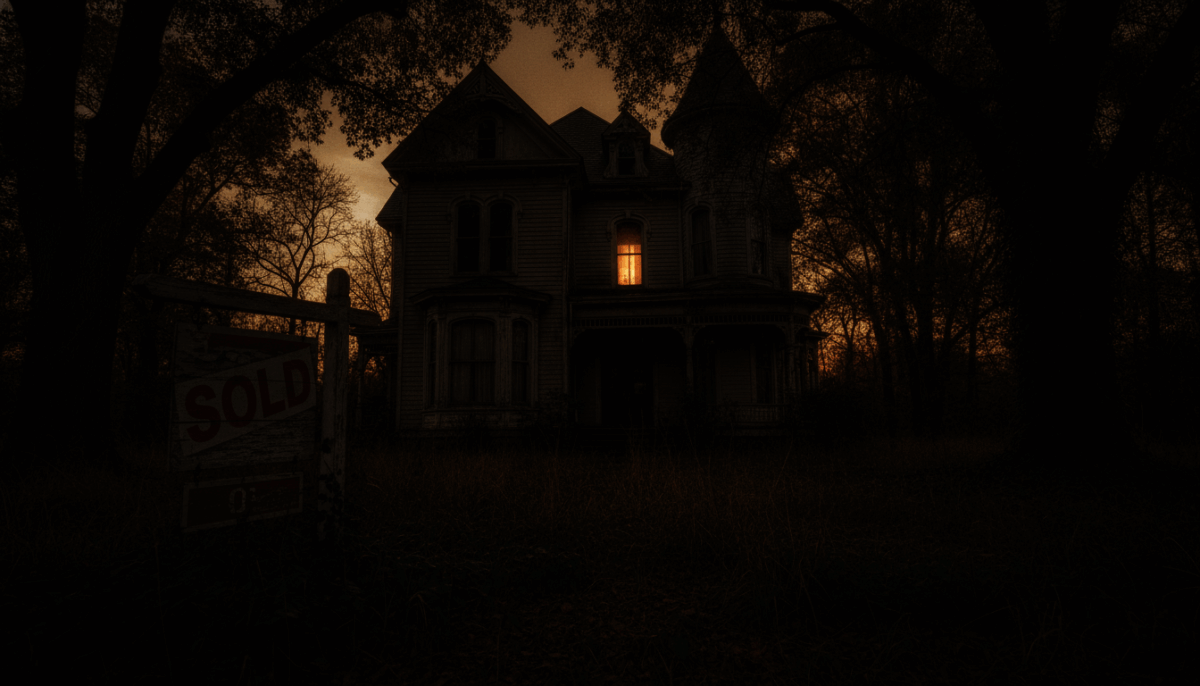
Grief is a ghost that inhabits the hallways of a home long after the person it belongs to has departed. For me, that home was a sprawling, creaky Victorian my mother had spent decades curating. It was filled with her oil paintings, her antique clocks, and the specific, floral scent of her garden. When she passed, the house became my sanctuary, my tether to a woman who had been taken far too early. But sanctuary is a fragile concept when you are young and your father is grieving in the wrong direction.
Enter Elena. My father brought her into our lives exactly six months after the funeral. She was vibrant, loud, and possessed a distinct, burning need to rewrite the history of every room she entered. At first, I ignored the small shifts—a throw pillow here, a picture frame there. But soon, the home that felt like a sanctuary began to feel like a museum of a life that wasn’t mine, and certainly wasn’t my mother’s.
The legal situation was clear, even if no one talked about it. My mother had placed the house in a trust, naming me the sole beneficiary upon her passing. My father was granted life estate, provided he maintained the property, but he had no power to sell or renovate against the beneficiary’s wishes. When Elena began gutting the library—my mother’s pride and joy—and tossing her personal effects into trash bags, the moral dilemma ceased to be about grief and started being about preservation.
I watched from the sidelines as the walls of my childhood were stripped of their character. Elena wasn’t just decorating; she was erasing. She wanted a fresh start, a blank slate, and she was doing it by scrubbing my mother’s existence from the foundation of the house. I tried talking to my father, but he was a shell, entirely subservient to Elena’s whims. That is when I realized the only way to save the soul of that house was to ensure no one else could ever live in it again.
This isn’t a story of casual cruelty; it is a story of calculated defense. By the time the ink dried on the sale documents, the house was empty, the furniture was in storage, and Elena was screaming at a locked door. I did what I had to do to keep my mother’s memory from being turned into a generic, modern-day flip project. This is how the deed saved me.
The Day the Library Walls Came Down
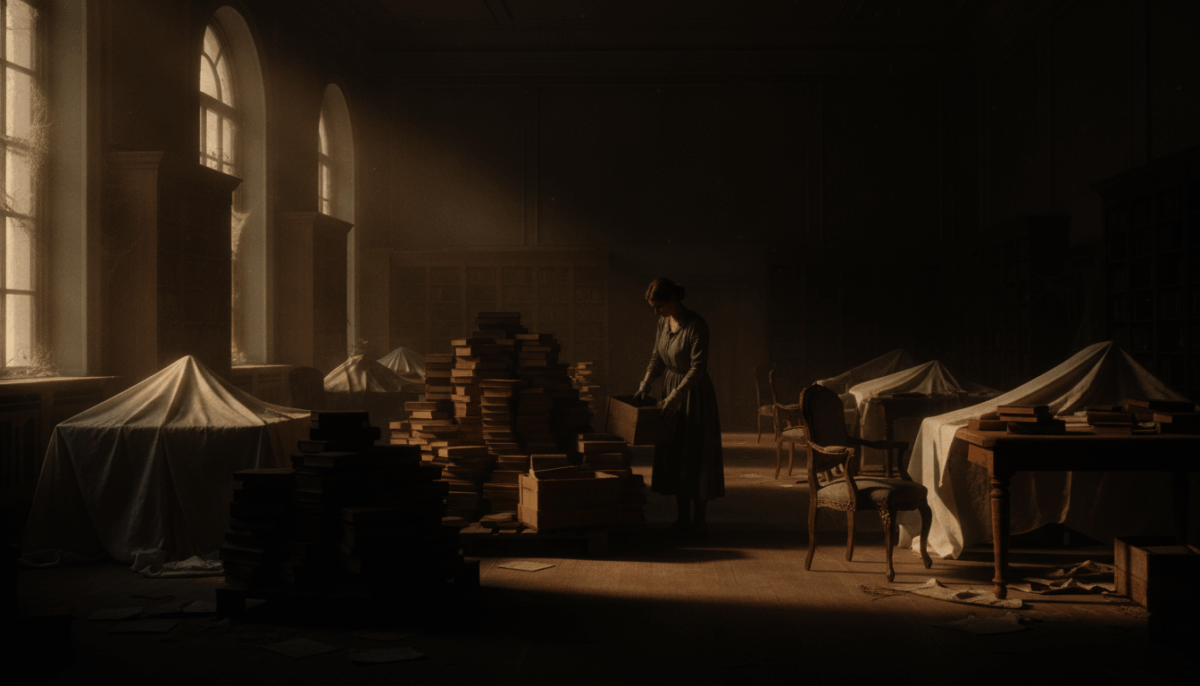
The sound of heavy-duty garbage bags hitting the hardwood floor was the first warning sign. I had come home from university for the weekend, expecting to find the house as I left it. Instead, I walked into a construction zone. My mother’s collection of first-edition novels was piled haphazardly in the middle of the room, dust jackets crinkling under the weight of heavy, industrial cleaning supplies.
Elena stood in the center of the room, waving a paintbrush in the air like a conductor. She was talking to a contractor about ‘opening up the space’ and ‘getting rid of the clutter.’ I felt a cold, sharp pain in my chest. That library wasn’t clutter; it was a curated collection of a woman’s intellectual life. It was the place where she read to me when I was six.
“Elena, what are you doing? Those books are my mother’s. They have notes in the margins. You can’t just throw them away.”
— Me, confronting the destruction
Elena didn’t even look at me. She just pointed toward the door with a dismissive wave. She told me that I was being dramatic, that the house needed to ‘breathe’ and that my mother had been gone long enough that keeping her things was bordering on unhealthy. She spoke as if she were doing me a favor, clearing out the cobwebs of the past so I could move forward.
I walked to the kitchen to find my father. He was sitting at the table with a crossword puzzle, pretending he couldn’t hear the chaos happening ten feet away. He had the look of a man who had traded his spine for a quiet life, and it made my skin crawl. He told me that Elena had a ‘vision’ for the house, and I should really try to be more supportive of his happiness.
That was the moment the veil lifted. I realized that my father wasn’t just a bystander; he was an accomplice to the erasure. Every item of my mother’s that disappeared was a permission slip for him to forget. I walked back into the library, picked up a single, leather-bound volume of poetry, and decided that the house had to go. If they couldn’t respect the past, they didn’t deserve to reside in the monument to it.
The Legal Discovery That Sealed Her Fate
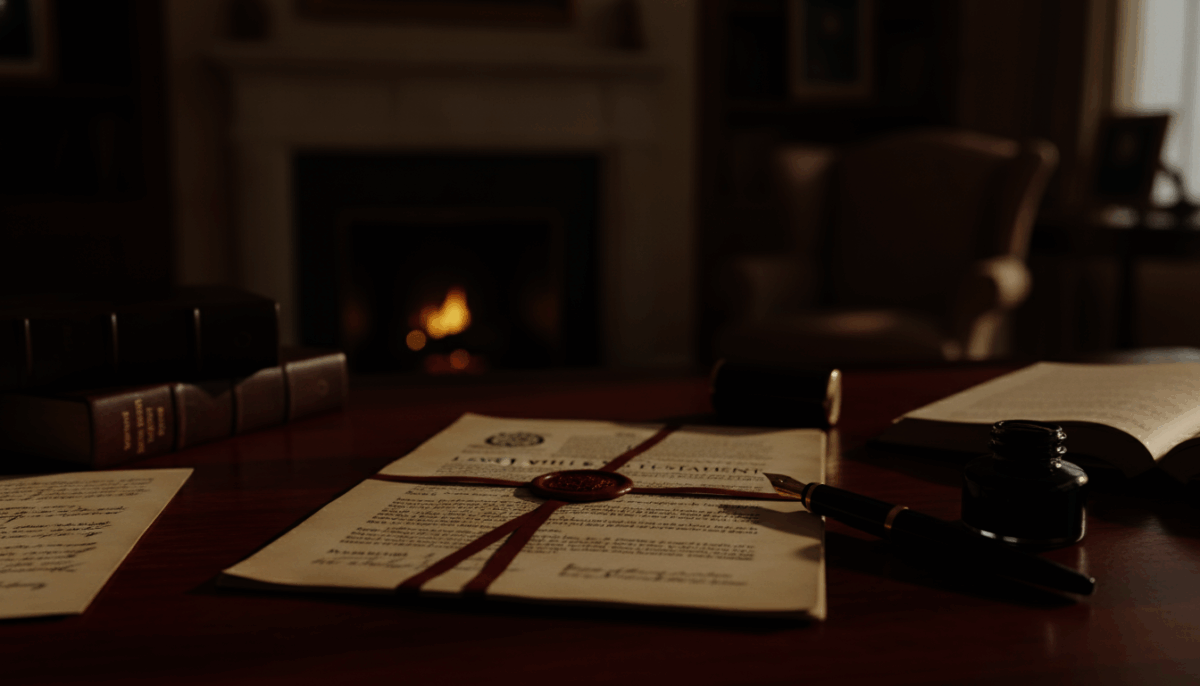
I didn’t act on impulse. I acted on the advice of a family attorney who had handled my mother’s estate. I had spent weeks digging through old filing cabinets in the attic, looking for the original deed and the trust documents. I needed to know exactly what kind of power I held. What I found was better than I could have imagined. The trust was ironclad. My father’s life estate was conditional on him not making any structural changes to the property without the beneficiary’s written consent.
He had violated the terms the moment he allowed Elena to knock down the wall between the kitchen and the dining room. He had no legal standing to do what he was doing. I sat in my car outside the lawyer’s office, clutching the copies of the documents. I felt a surge of adrenaline that was entirely unfamiliar. For years, I had been the child, the one who had to listen to adults tell me how to feel about my own history.
I realized then that I didn’t need to ask for permission. I was the owner of the remainder interest. I reached out to a real estate agent who specialized in inherited estates and properties in trust. I didn’t tell my father. I didn’t tell Elena. I simply began the process of valuing the property, knowing that the structural changes they had forced upon the house had actually given me the grounds to trigger a breach of contract.
The irony was not lost on me. Elena wanted to flip the house to make it her own, and in doing so, she had provided the exact legal leverage I needed to evict them. I spent the next few weeks playing the part of the compliant daughter. I visited on weekends, I smiled, and I watched as they spent thousands of dollars on marble countertops that I was planning to sell off as part of the estate liquidation.
The silence in the house was heavy, but I found comfort in it. Every time Elena mentioned her future plans for the garden or the master bedroom, I just nodded. I was already living in the future, a future where that house was sold and the proceeds were safely tucked away in a trust that they couldn’t touch. It was the ultimate long con, played out in the name of preserving a legacy they were too selfish to appreciate.
The Sunday Dinner That Felt Like a Funeral
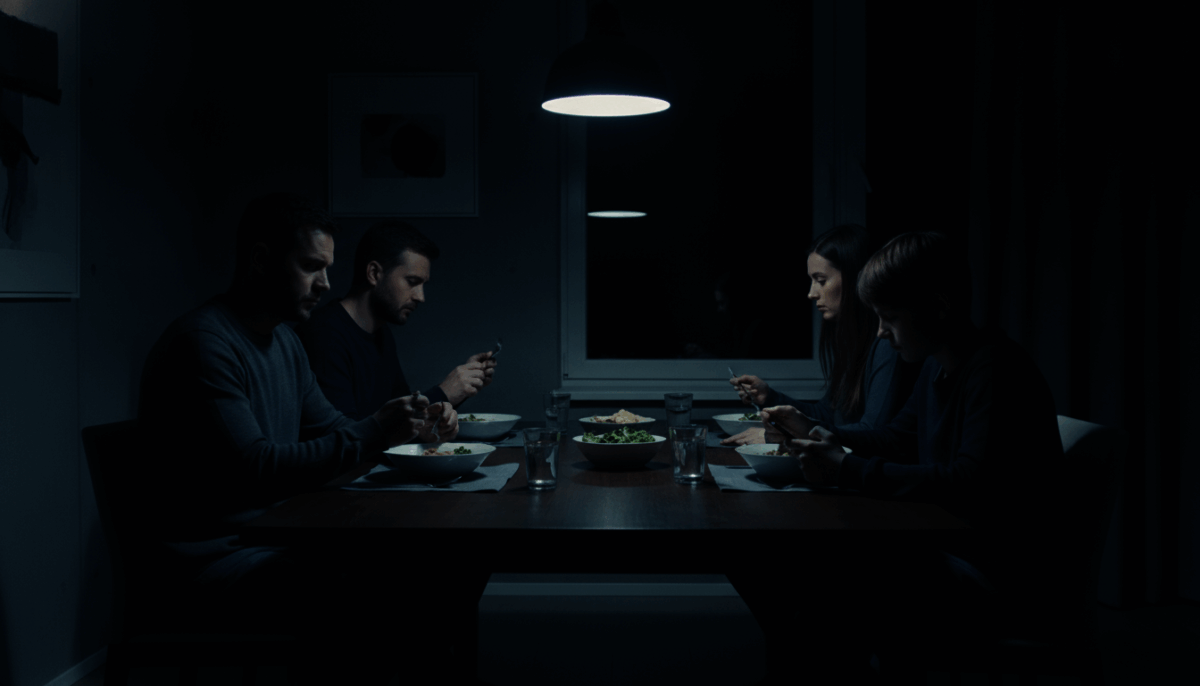
Sunday dinner at the house had become a ritual of performative domesticity. Elena would cook elaborate, complicated meals that my mother would have hated, and we would sit at a table that was no longer ours. The conversation was always strained, revolving around Elena’s social calendar or my father’s golf game. It was a masquerade, and I was the only one who knew the ending of the play.
My father looked tired. The stress of the renovations was starting to wear on him, and I could tell he was beginning to realize that Elena’s ‘vision’ was an expensive, bottomless pit. I took a sip of wine and watched them interact. They reminded me of strangers sharing an Airbnb, desperate to project an image of a happy couple that just didn’t exist.
“So, when are you finally going to clear out those boxes in the guest room? We need the space for my mother’s visit in August.”
— Elena, addressing me across the table
I looked at her, really looked at her, and smiled. I told her that she would have plenty of room soon enough. My father looked up, a flicker of confusion in his eyes. He didn’t know what I meant, and for a second, I felt a pang of pity. But then I remembered the library, and the empty space where my mother’s portrait used to hang, and the pity evaporated.
I kept the conversation light, talking about my job and my apartment in the city. I was careful not to let them see the steel in my resolve. It was the last dinner we would have in that house, though they didn’t know it. By the time I left that night, I had already signed the listing agreement. The house was officially on the market, and there was absolutely nothing they could do to stop the momentum.
As I drove away, I looked at the house in the rearview mirror. It was still beautiful, even with the modern upgrades they had forced on it. I promised it—and my mother—that I would get it back to someone who actually appreciated the history. It wasn’t about the money. It was about the principle of the thing. They had tried to erase the past, and so, the past was evicting them.
The Certified Letter Heard ‘Round the World
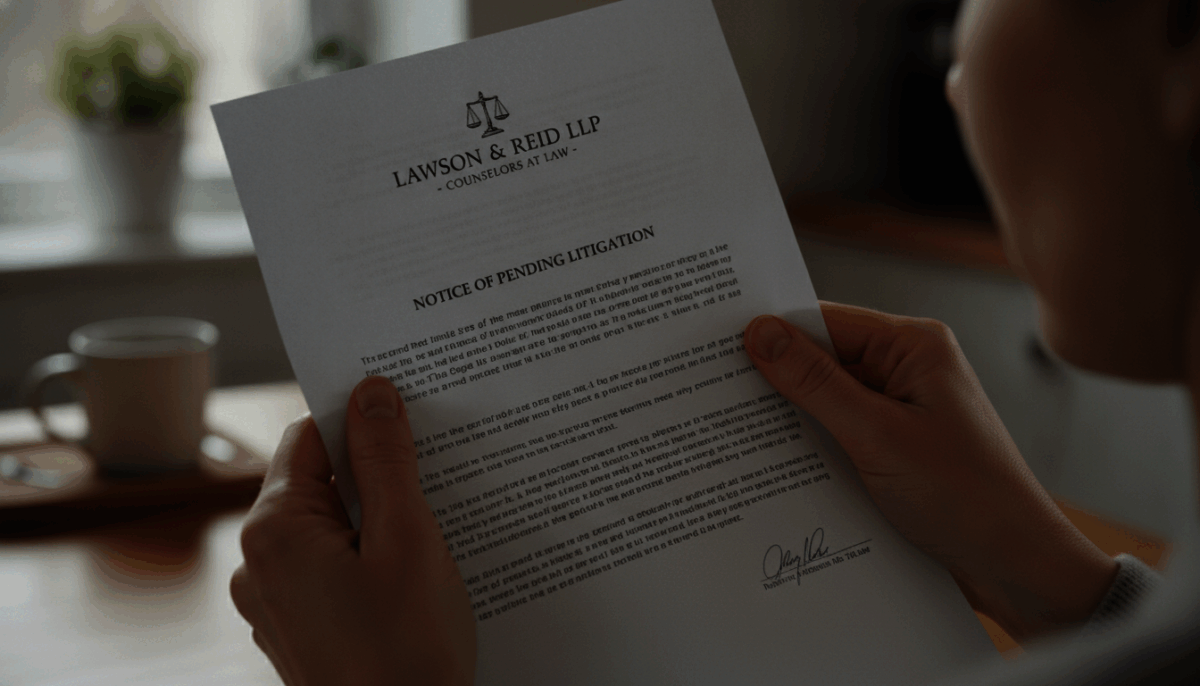
The letter arrived on a Tuesday morning. I made sure to be there when it was delivered, standing on the porch with a coffee as the postman handed the thick envelope to my father. He looked at the return address—my attorney’s firm—and his face went pale. He opened it in the kitchen, with Elena hovering over his shoulder, her eyes wide with mounting panic as she read the contents.
The letter was clear: they were in breach of the trust’s structural requirements, and the property was being listed for immediate sale. The proceeds would be distributed according to the original estate plan, which meant my father would receive his life-interest share, but he would no longer have the right to occupy the property. They had thirty days to vacate.
“You can’t do this! This is our home! You’re just a spoiled brat trying to hurt us because you can’t get over your mother’s death!”
— Elena, screaming into the phone at me
I stayed calm. I told her that this wasn’t about my mother’s death; it was about the legal reality of the trust. I explained that she had been warned about the renovations and had chosen to ignore the terms. The law didn’t care about her ‘vision,’ and it certainly didn’t care about her feelings. I felt a profound sense of peace as I hung up the phone.
My father called me ten minutes later, his voice shaking. He tried to guilt-trip me, bringing up my childhood and how much he had sacrificed. I didn’t interrupt him. I just let him talk until he ran out of steam, and then I told him that I had already hired a moving company to help them transition to a smaller, more appropriate place. I had even picked out the apartment for them, just to make sure they wouldn’t end up homeless.
It was a cold, calculated move, but it was necessary. If I had left it to them, they would have stayed until the house was literally falling down around them. The certified letter was the only language they understood. It was the end of the line, the final checkmate in a game I hadn’t even realized I was playing until it was almost too late.
The Scramble for the Exit
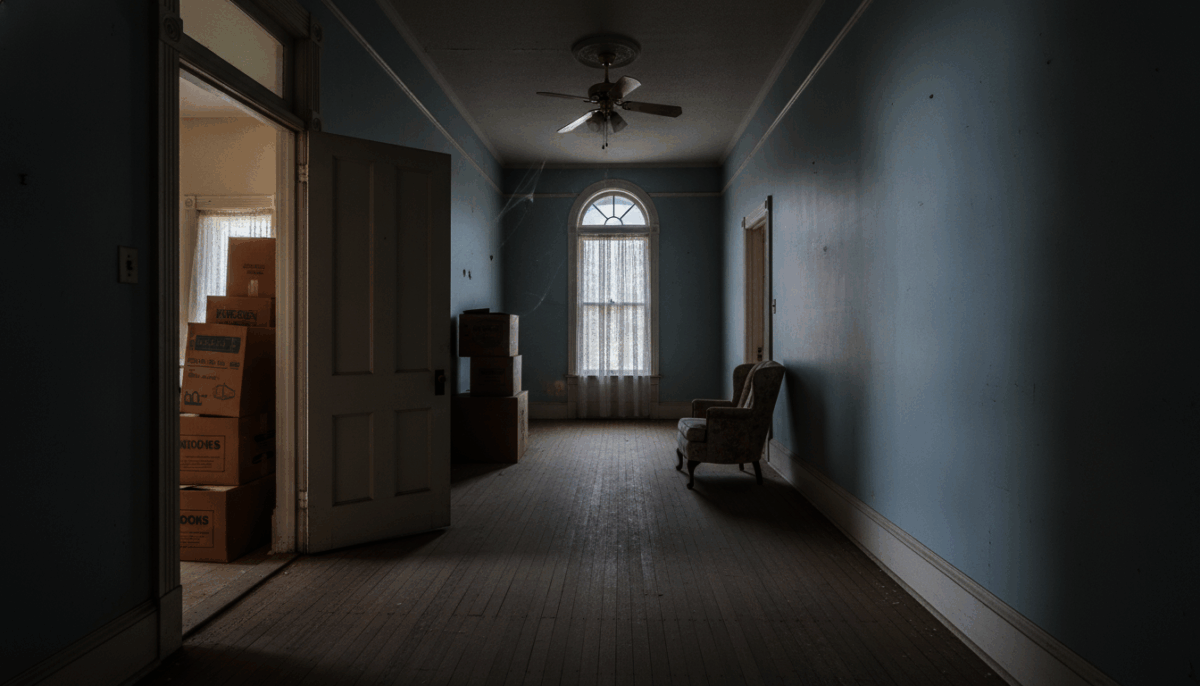
The next month was a blur of boxes, moving trucks, and pure, unadulterated hostility. Elena spent the entire time packing, muttering under her breath about how ‘ungrateful’ I was. She tried to sell off the appliances they had bought, but I had to intervene and point out that anything installed in the house became property of the estate once they were served with the eviction notice.
The house was being shown to potential buyers while they were still living in it, which made for some incredibly awkward moments. I made a point of being at every showing, standing by the front door like a silent sentinel. When potential buyers asked about the history of the house, I made sure to tell them about my mother’s original design choices, contrasting them with the modern, sterile upgrades.
My father stopped speaking to me entirely. He spent his time in the backyard, staring at the trees, looking like a man who had suddenly woken up from a long, expensive dream. I felt a tiny bit of regret, but then I looked at the wall where my mother’s portrait used to hang, and the regret vanished. He had let her be erased. He didn’t deserve my sympathy.
“You’ve ruined everything. We had a life here. We were building a future.”
— My father, speaking for the first time in weeks
I looked at him and told him that his future shouldn’t have been built on the demolition of the past. It was the last thing I said to him before the final walk-through. Watching them load the last box into the moving van was like watching a fever break. The air in the house seemed to lighten, even as the walls were stripped bare of their belongings.
I stayed behind after they left, walking through the empty rooms. The house was quiet, echoing with the sounds of a life that was finally being allowed to rest. It wasn’t the same as it was when my mother was alive, but it was finally free of the people who had tried to turn it into something it wasn’t. The sale was pending, the contracts were signed, and I was finally able to breathe.
The Internet Weighs In: A Reddit Retrospective

I posted the story on a popular subreddit for family drama, mostly to see if I was actually the villain in this scenario. The response was overwhelming. Within hours, the post had been upvoted thousands of times, and the comments section became a massive, polarized debate about inheritance, boundaries, and the nature of grief. I read every single one, finding a weird sense of validation in the chaos.
“NTA. Your stepmother tried to erase your mother’s memory while living in a house she didn’t legally own. She played a stupid game and won a stupid prize. You were well within your rights to enforce the trust.”
— u/JusticeForMom (Top Comment, 28.4k upvotes)
Some people argued that I was being too harsh, that I should have let my father live out his days in the house regardless of the renovations. They called me ‘vengeful’ and ‘cruel.’ I found these comments the most interesting; they were usually from people who had never dealt with the specific, suffocating feeling of having a parent’s memory systematically dismantled in front of them.
“ESH. You all sound like you’re fighting over a house while your relationship is clearly in shambles. You might have won the legal battle, but you’ve effectively destroyed any chance of having a relationship with your father.”
— u/PerspectiveChecker (1.2k upvotes)
I had to agree with the ESH (Everyone Sucks Here) crowd on the point about my relationship with my father. It was destroyed. But as I read through the comments, I realized that the relationship was destroyed the moment he let Elena touch my mother’s books. The house was just the final battlefield.
The community support provided a strange kind of comfort. It helped me realize that the intensity of my feelings wasn’t a sign of madness, but a reaction to a very specific kind of betrayal. The legal experts in the comments confirmed that I had done the right thing by acting before the structural integrity of the trust was permanently compromised. It wasn’t just revenge; it was estate management.
The Aftermath: Life After the Deed
Six months later, the house was sold to a young couple who actually appreciated the Victorian architecture. They kept the original molding, restored the library, and even planted flowers in the garden that reminded me of my mother. I sent them a box of her old gardening tools as a housewarming gift. They were thrilled, and it gave me a sense of closure I hadn’t expected.
My father and Elena are living in a condo about an hour away. We haven’t spoken since the day of the move. Every once in a while, I get a text from an unknown number, but I’ve blocked all of them. I’m focusing on my career, my friends, and my own life. I’ve realized that the ‘childhood home’ was never really about the walls or the roof; it was about the love that was built inside it.
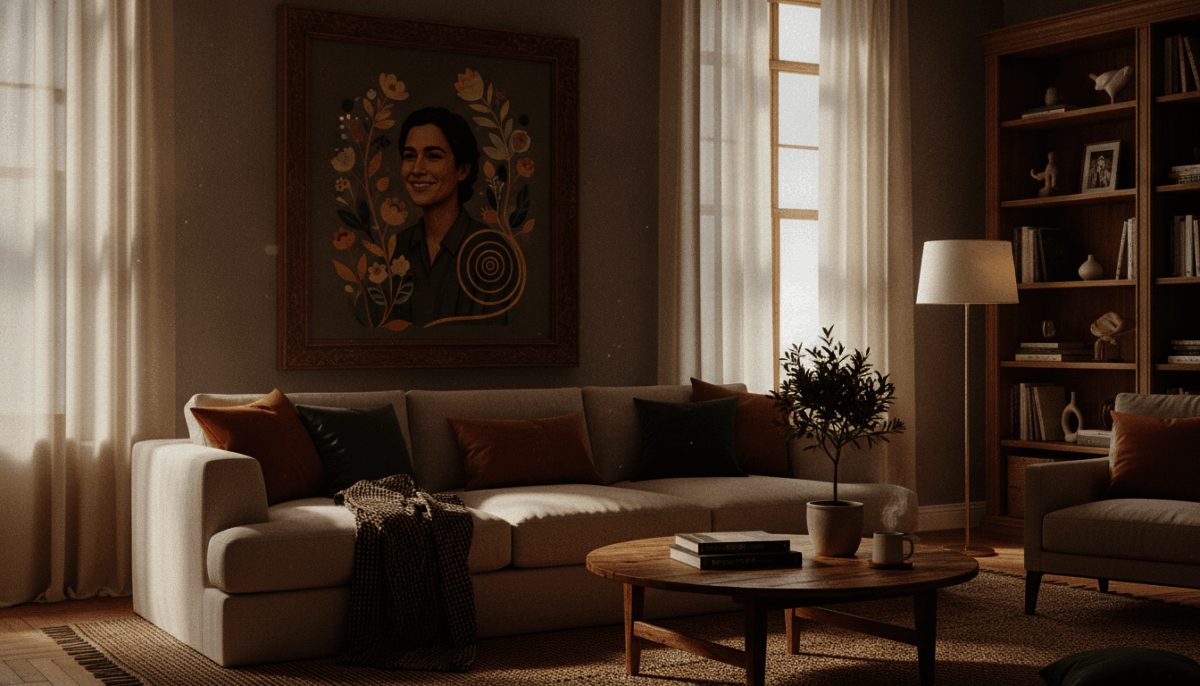
I still have my mother’s portrait, safe and sound in my own apartment. It hangs in the living room, a constant reminder of who she was and what she meant to me. I don’t feel the need to visit the old house anymore. I’ve done my duty, I’ve protected what was mine, and I’ve moved on. The haunting is over.
“You didn’t just save a house, you saved your own peace of mind. Some things are worth the scorched earth.”
— A supportive friend, over coffee
Healing isn’t a linear process. There are still days when I miss the way the house smelled on a rainy afternoon, or the way the sunlight hit the floorboards in the morning. But then I remember the garbage bags, the tearing down of walls, and the cold indifference of my father. And then, I am glad. I am glad I did what I did, and I would do it all over again if I had to.
Lessons in Boundaries and Inheritance

If there is one thing I’ve learned from this experience, it is that boundaries are the only thing that keep us sane in a world that wants to consume us. I had spent so long trying to be the ‘good daughter’ that I had forgotten that I had rights, too. I had rights to my history, to my mother’s legacy, and to the sanctity of my own upbringing.
Inheritance is a complicated, messy business. It’s not just about money or property; it’s about the emotional weight we attach to things. When I allowed others to dictate how that weight was handled, I lost control. Reclaiming that control was the hardest thing I’ve ever done, but it was also the most liberating.
I hope that anyone reading this understands that it’s okay to stand up for your past. It’s okay to be the person who says ‘no’ when everyone else is saying ‘go along with it.’ We are the guardians of our own stories, and sometimes, that means making difficult decisions that others won’t understand. And that is perfectly, entirely okay.
The house was just a house. But the act of selling it? That was a declaration. It was me saying that I wouldn’t be erased, just like my mother wouldn’t be erased. It was a reclaiming of power in a situation where I felt powerless. And looking back, it was the best thing I could have ever done for myself.
Why the Silence Was Necessary

The silence that followed the move was the most difficult part. People expect you to reach out, to reconcile, to ‘let bygones be bygones.’ But some things aren’t bygones. Some things are fundamental disagreements about the value of a human life and the respect due to those who have passed. My father and I were never going to see eye-to-eye on that.
I chose silence because I didn’t want to fight anymore. I had said my piece, I had taken my actions, and I was satisfied with the outcome. Anything else would have just been noise, an attempt to justify the unjustifiable. I realized that silence wasn’t a lack of communication; it was a boundary in itself.
It’s important to realize when a conversation is over. There was no more to be said between me and the people who tried to dismantle my history. By walking away, I was choosing to prioritize my own mental health over their need to be validated. It was the ultimate act of self-care, a quiet, steady decision to walk into a future that was truly my own.
People ask if I regret it. I tell them no. I regret that it came to that, but I don’t regret the outcome. I’ve found a peace I didn’t think was possible when I was living in that house. And that peace is worth more than any real estate in the world.
Final Thoughts on the Legacy We Carry

We all carry the legacies of those who came before us. Some of us carry them in our hearts, some of us carry them in our homes, and some of us carry them in our memories. The challenge is in protecting those legacies without letting them consume us. I found that balance by letting go of the physical space and holding onto the emotional truth.
I am grateful for the house, for what it taught me, and for the strength I found within its walls. I am also grateful for the life I have now, free from the expectations and the manipulations of the past. It’s a clean slate, but one that is built on a foundation of self-respect and integrity.
If you are in a similar situation, my advice is simple: look at the documents, talk to a professional, and don’t be afraid to take charge. Your history belongs to you, and no one has the right to rewrite it without your consent. Stand tall, trust your instincts, and never, ever apologize for protecting what is yours.
Thank you for letting me share my story. It’s been a long journey, but I’ve finally arrived, and I’m ready for whatever comes next.
Conclusion
My journey from the girl who watched her mother’s library be dismantled to the woman who reclaimed her future by selling the house is one I never expected to take. The moral dilemma was never about the house itself, but about the boundaries we draw between our grief and the people who want to override it. I stand by my decision to enforce the trust and move on, as it was the only way to preserve the legacy that mattered.
We have all been in situations where we felt our history was being challenged, and I want to hear from you. Have you ever had to take drastic measures to protect a family legacy or a memory that was under threat? Do you think I was too harsh, or did the circumstances justify the actions I took? Let’s discuss in the comments below.
What's your verdict on this dilemma?
Vote below to contribute to the official community consensus.

Have a Dilemma Keeping You Up at Night?
Share your real-life feud, wedding chaos, or relationship crossroads anonymously with our editorial team.
What do you think ?
0 Comments🛡️ Comments are moderated to protect community integrity. Your comment will appear once approved by the editorial team.