
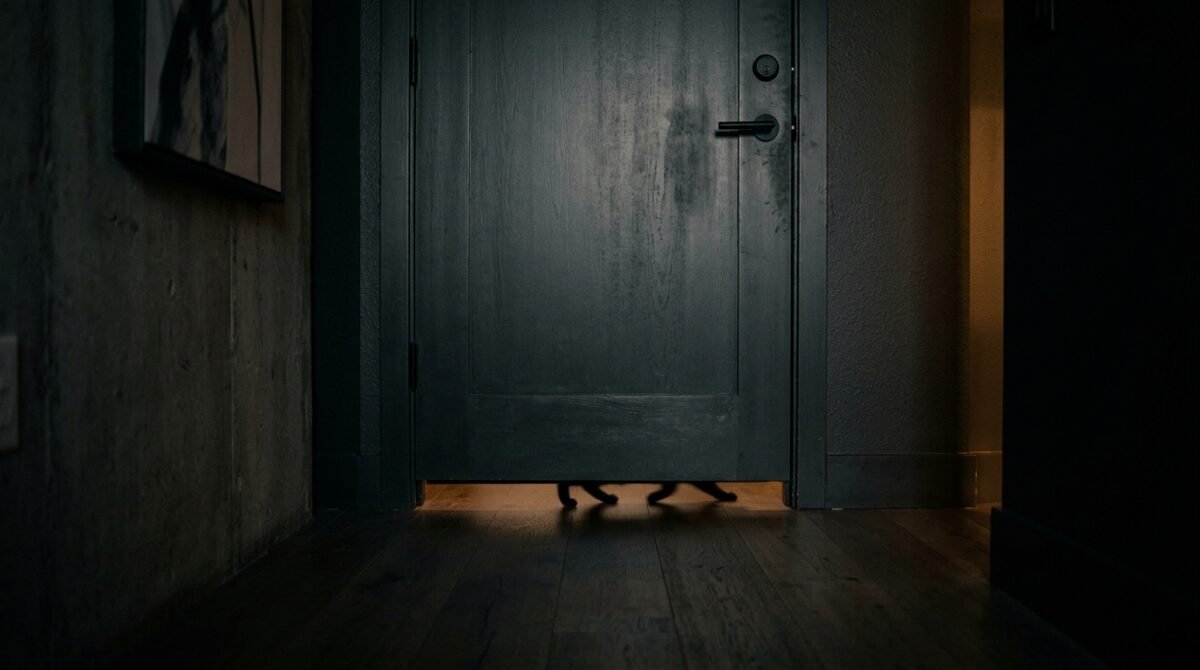
When Sarah and I moved into our spacious three-bedroom apartment in the city, the arrangement felt like a dream. The third bedroom was meant to be a shared home office—a place where I could focus on my freelance graphic design work and Sarah, my college friend, could organize her various volunteer commitments. It was an expensive unit, but splitting the rent three ways between us and the office space cost felt sustainable. I valued our friendship and, at the time, trusted her implicitly with our shared living space.
However, the shift began subtly. Sarah started bringing home ‘foster’ cats. At first, it was just one senior tabby, ostensibly for a weekend stay. Then, it became two. Then, she began leaving for hours at a time, returning with bags of expensive kibble and industrial-sized bins of cat litter. The subtle odor of ammonia started creeping through the ventilation shafts, and the once-pristine third bedroom became a forbidden zone, locked tight with a heavy-duty deadbolt she had installed without my permission.
The moral dilemma crystallized when I noticed the spike in our utility bills and the constant, frantic scratching emanating from behind that door. I wasn’t just living with a friend anymore; I was living with an unauthorized, unlicensed animal rescue operation. The apartment was technically under my name for the lease, and my anxiety over potential damages and lease violations began to eclipse my loyalty to our friendship.
This story is a deep dive into the realization that boundary-crossing often starts with small favors and ends with a complete takeover of your personal sanctity. It’s an exploration of how far a person will go to justify a ‘good cause’ at the expense of another person’s legal safety, financial stability, and peace of mind.
The Subtle Creep of Feline Encroachment
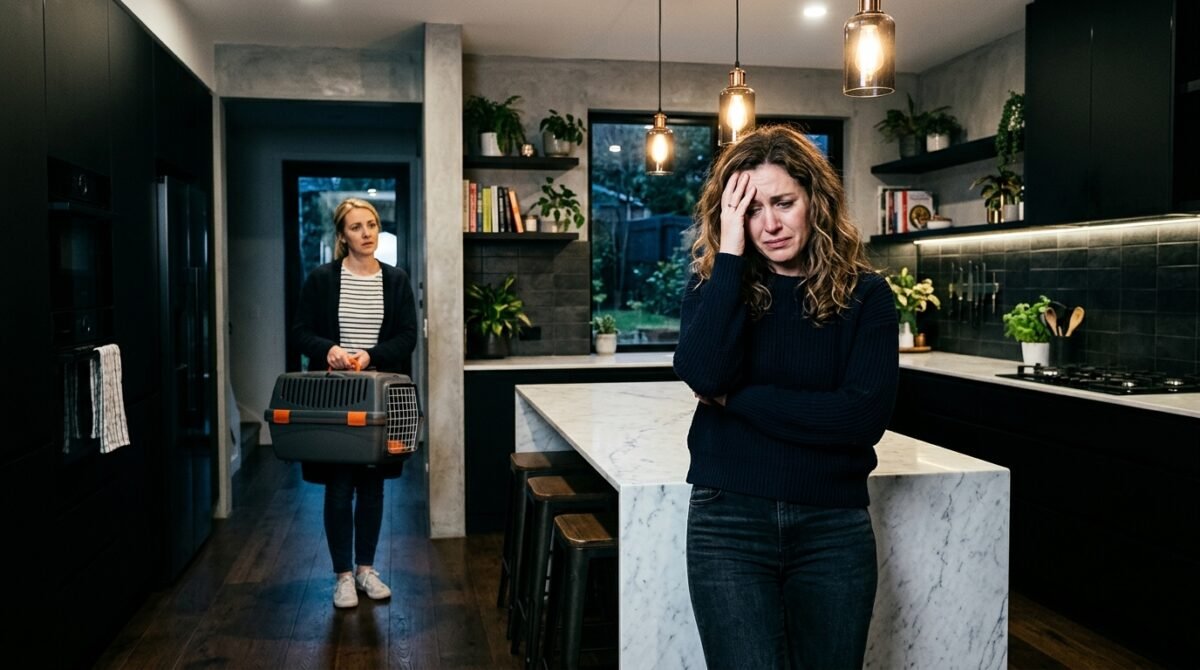
It began on a Thursday. Sarah walked through the front door cradling a carrier, her face lit up with a kind of desperate, savior-complex glow that I had grown to recognize. ‘Just for two days,’ she promised. ‘He’s a rescue from the shelter, they’re at capacity, and he just needs a quiet place to crash until his transport to the permanent sanctuary arrives.’ I didn’t think much of it. I liked cats, and I was busy with a project deadline.
Two days turned into two weeks. Then, another cat arrived—a nursing mother with three kittens. The sound of high-pitched mewing became the soundtrack to my mornings, replacing the quiet focus I usually enjoyed. When I asked Sarah about it, she brushed me off with a casual wave of her hand, claiming that ‘helping animals in need’ was a shared responsibility of anyone who had the space. I didn’t feel like I had the space, but I didn’t want to be the person who hated kittens.
The real turning point was the smell. It wasn’t just ‘pet’ smell; it was an overwhelming, thick, musty scent that clung to the upholstery in our shared living area. I started spending more time at local coffee shops just to escape the apartment. I felt like a guest in my own home, tiptoeing around in my socks to avoid stepping on stray litter pellets that seemed to migrate from the third bedroom to the kitchen floor.
“I don’t see why you’re so upset. It’s not like they’re pooping on your rug. They are sentient beings that were going to be euthanized, and you’re worried about a little bit of dust?”
— Sarah, mid-argument in our kitchen
I realized then that Sarah wasn’t just fostering; she was collecting. The distinction was blurring, and the third bedroom was no longer a space where I could work. It was a restricted, biohazardous zone that I was legally responsible for, given that my signature was on the lease.
The Locked Door and the Vanishing Office
I finally reached my breaking point when I needed to access my printer, which was located inside the third bedroom. I knocked, but there was no answer. I tried the handle, only to find it locked. A few minutes later, Sarah emerged from the room, sweating and smelling like disinfectant. She blocked the doorway with her body, her eyes darting nervously toward the hallway. ‘You can’t go in there,’ she snapped. ‘The kittens are skittish. You’ll stress them out.’
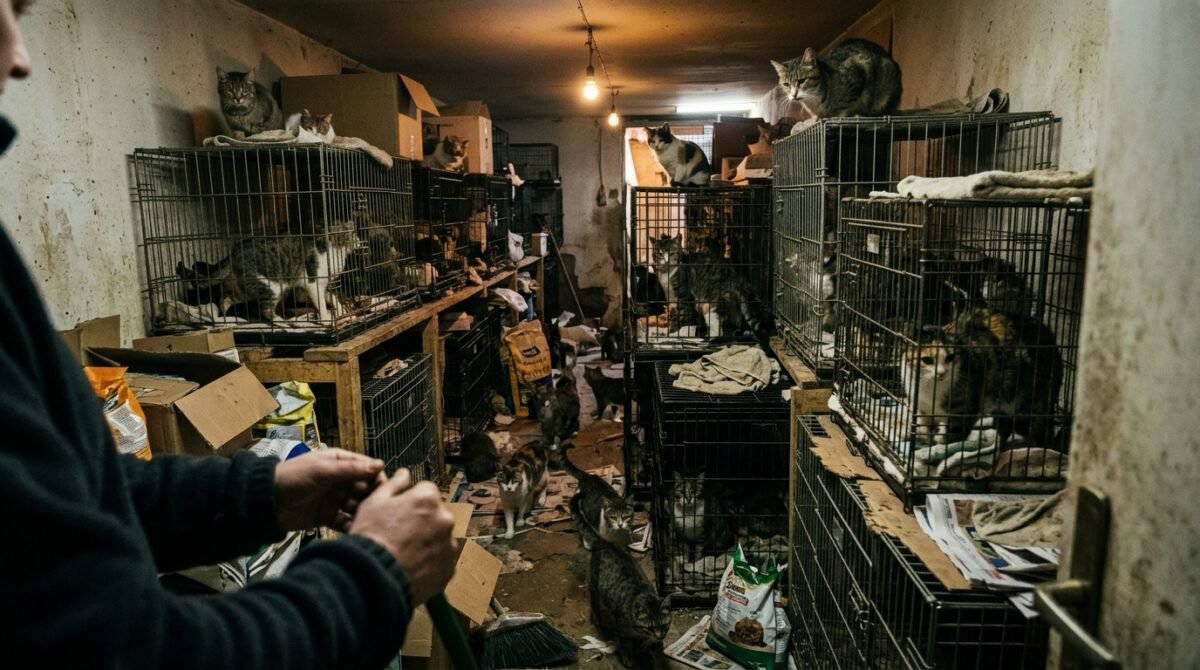
I told her I needed my printer. She told me she would get it for me later. I felt a surge of genuine alarm. This was my room, my portion of the rent, and my equipment. I walked around her, ignoring her protests, and pushed the door open. The sight was sickening. The room had been stripped of all office furniture. In its place were seven mismatched wire crates stacked two-high, filled with cats in various states of distress. The air was so thick with ammonia it made my eyes water.
The walls were scratched to the studs. There were no curtains, just plastic sheets taped over the windows. It looked less like a home and more like a scene from a documentary on animal hoarding. My desk, which I had spent a significant amount of money on, was covered in urine-soaked newspapers. I stood in the doorway, paralyzed by the sheer absurdity of the situation. How had this happened right under my nose?
Sarah didn’t even try to apologize. Instead, she launched into a lecture about the ‘lack of empathy’ in the world. She claimed that my office didn’t matter because my work was ‘just for money,’ whereas her work was ‘for the preservation of life.’ She looked at me with genuine disdain, as if my desire to have a functional, clean apartment was a moral failing. I knew then that we were no longer just roommates; we were adversaries.
Financial Ruin and the Utility Bill Surprise
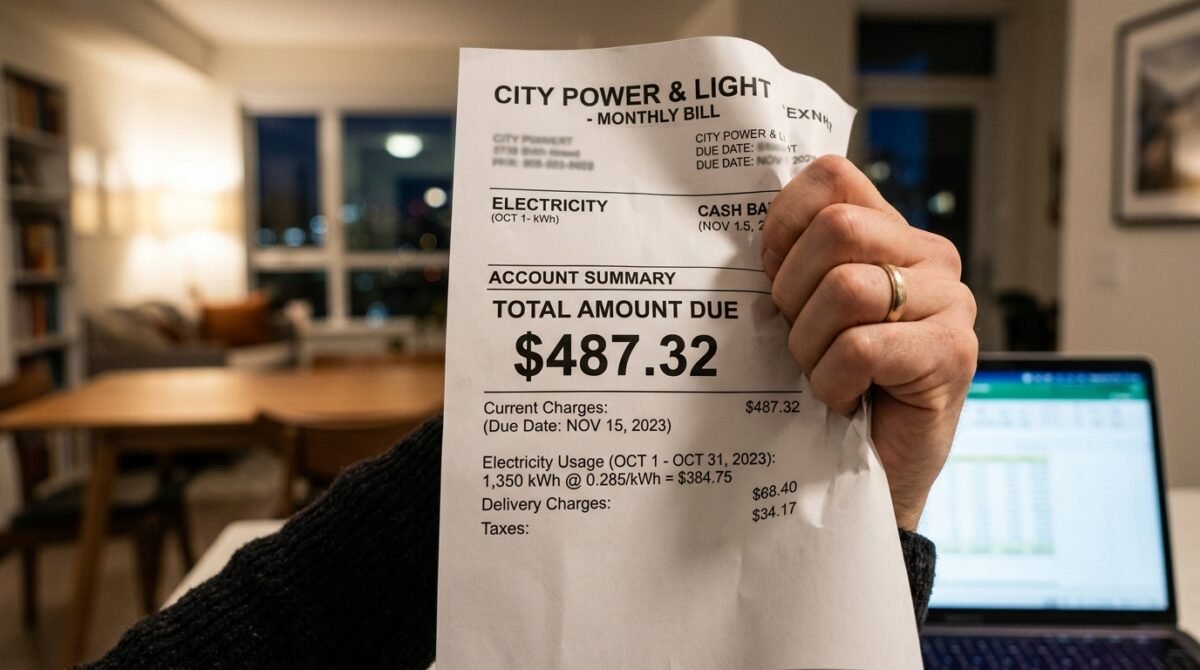
The next morning, the utility bill arrived. It was nearly triple the usual amount. Our electricity usage had skyrocketed, likely due to the industrial fans she was running 24/7 to mask the smell. When I confronted her with the bill, she laughed. ‘You make more than I do,’ she said, as if that were a valid argument for me to subsidize her illegal animal rescue. She refused to pay the extra, citing her ‘charitable contributions’ as a form of non-monetary currency.
I looked at the bill, then at the piles of cat food stacked in our hallway, and finally at Sarah. I realized that she was using the money she saved on rent and utilities to fund this operation. She was effectively laundering our shared living budget into her personal hobby. I began keeping a meticulous log of every dollar she hadn’t paid, every piece of furniture she had ruined, and every hour I spent cleaning up after her.
I contacted the landlord that afternoon. My heart was pounding as I dialed the number. I explained the situation, knowing full well that an unauthorized animal rescue could lead to immediate eviction for both of us. But I had no choice. The damages to the floors alone were going to cost thousands, and the health code violations were looming. The landlord’s voice on the other end was cold, precise, and entirely unsympathetic.
“You have thirty days to rectify the situation, or you are both out. If the property is damaged, I will be holding the primary leaseholder, which is you, entirely responsible for the repairs and the loss of income.”
— Our Landlord, over the phone
The ultimatum was clear. I wasn’t just fighting for my peace of mind; I was fighting to avoid being blacklisted by the rental agency. I had to get her out, and I had to get those cats out, or I would lose everything.
The Group Chat Explosion
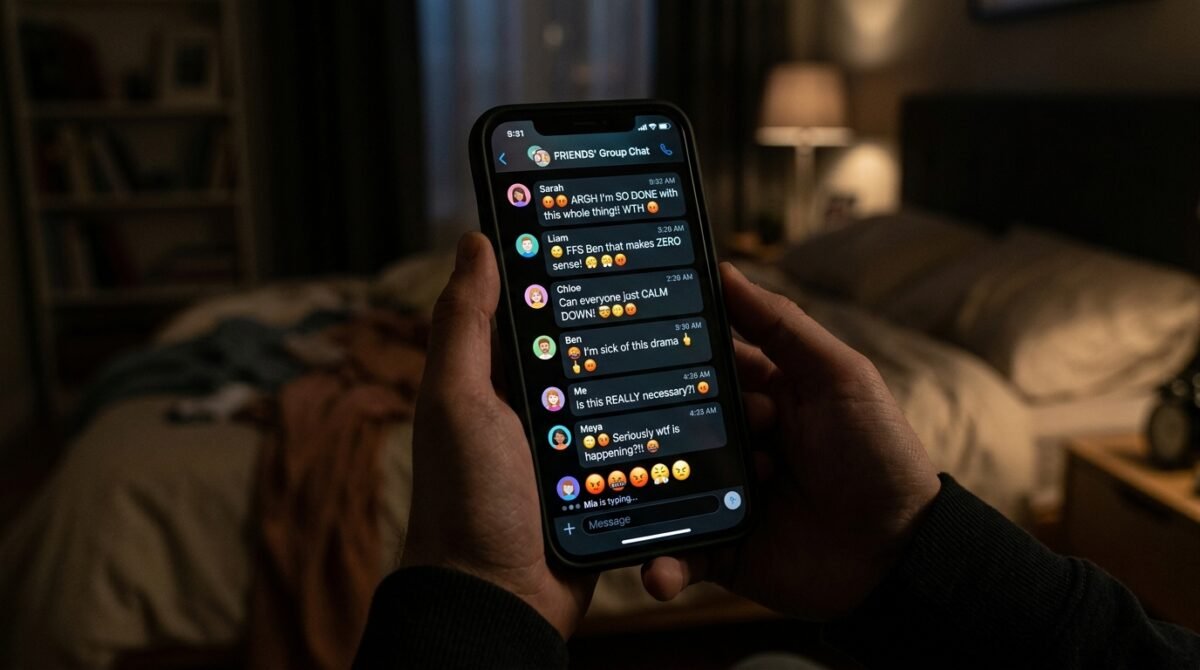
That evening, the tension in the apartment was suffocating. I sent a message to our shared group chat with a few of our mutual friends, hoping that someone could talk sense into her. I explained the situation calmly, focusing on the lease violations and the damage. Sarah responded immediately, turning the narrative into a personal attack on my character. She claimed I was trying to ‘kill innocent animals’ and that I was a ‘heartless, capitalistic monster.’
“OP is literally trying to evict kittens. If anyone wants to help, I have three litters that need homes immediately. Please share this so people know what kind of person lives here.”
— Sarah, sent to our friend group chat
The responses were mixed. Some were horrified by the state of the apartment, while others, caught up in the emotional manipulation, sided with Sarah. It was a social nightmare. I felt isolated, painted as the villain because I wanted to live in a hygienic space. One of our friends, who had always been a bit of a pushover, actually offered to take two of the cats, which only emboldened Sarah further.
I stopped engaging with the group chat. It was a circular argument that led nowhere. I went to my room, locked the door, and started researching tenant laws. I needed to know exactly how to serve an eviction notice that would hold up. I realized that my kindness had been my weakness. By being the ‘chill roommate,’ I had allowed Sarah to trample my boundaries until there was nothing left of my comfort.
Every notification on my phone felt like a stab. I saw screenshots of our private messages being circulated, framed to make me look like I hated animals. I had to remind myself that my reality—the smell, the damage, the legal risk—was the truth. The narrative Sarah was spinning was just a web of lies designed to make her feel like a saint while she turned our home into a disaster.
The Breaking Point: The Emergency Removal
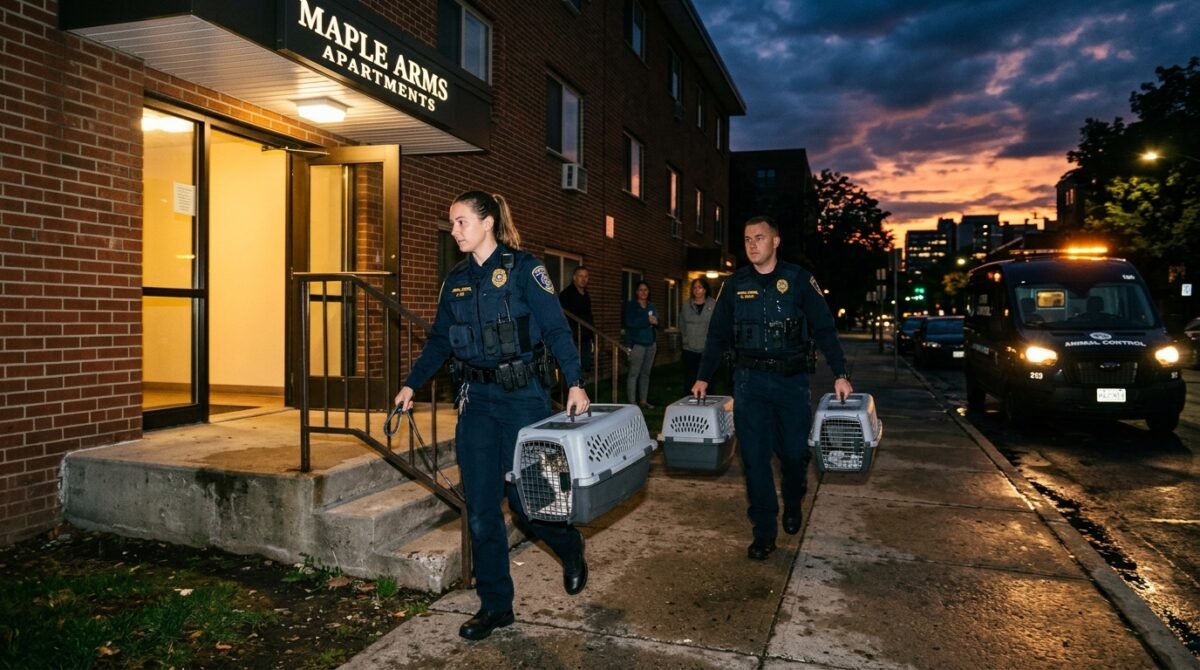
On Tuesday, I came home to find a cat had escaped into the living room. It was sick, sneezing bright yellow mucus onto my sofa. That was it. I called the local animal control and explained that there was an unlicensed rescue operating in the unit. I didn’t frame it as ‘Sarah’s project’; I framed it as a public health hazard. Within two hours, two officers were at our door. The look on Sarah’s face when they arrived was a mixture of pure terror and blinding rage.
She tried to block their path, claiming the cats were her ‘property’ and that they had no right to enter without a warrant. One of the officers, a no-nonsense woman with a thick folder of paperwork, informed her that under the local health ordinances, they had every right to inspect the property if there was a report of neglect or unsanitary conditions. Watching her be escorted out of the way was one of the most cathartic moments of my life.
They found eighteen cats in the third bedroom. Eighteen. The room was decimated. The floorboards were soaked through, the drywall was crumbling, and the smell was so intense that even the officers, who were used to bad conditions, were visibly repulsed. Sarah stood in the hallway, crying, not for the loss of her home or the friendship, but because she realized she was going to be held liable for the fines. She didn’t care about the cats—she cared about being exposed.
“You’ve ruined everything! They were safe with me! You’re going to be the reason these cats get put down!”
— Sarah, screaming as the officers carried out the carriers
I didn’t argue back. I just watched. I felt a profound sense of sadness, not for the situation, but for the realization that I had known this person for years and had never seen this side of her. It was a cold, hard lesson in the importance of setting boundaries before they are needed.
The Aftermath: Damage Assessment
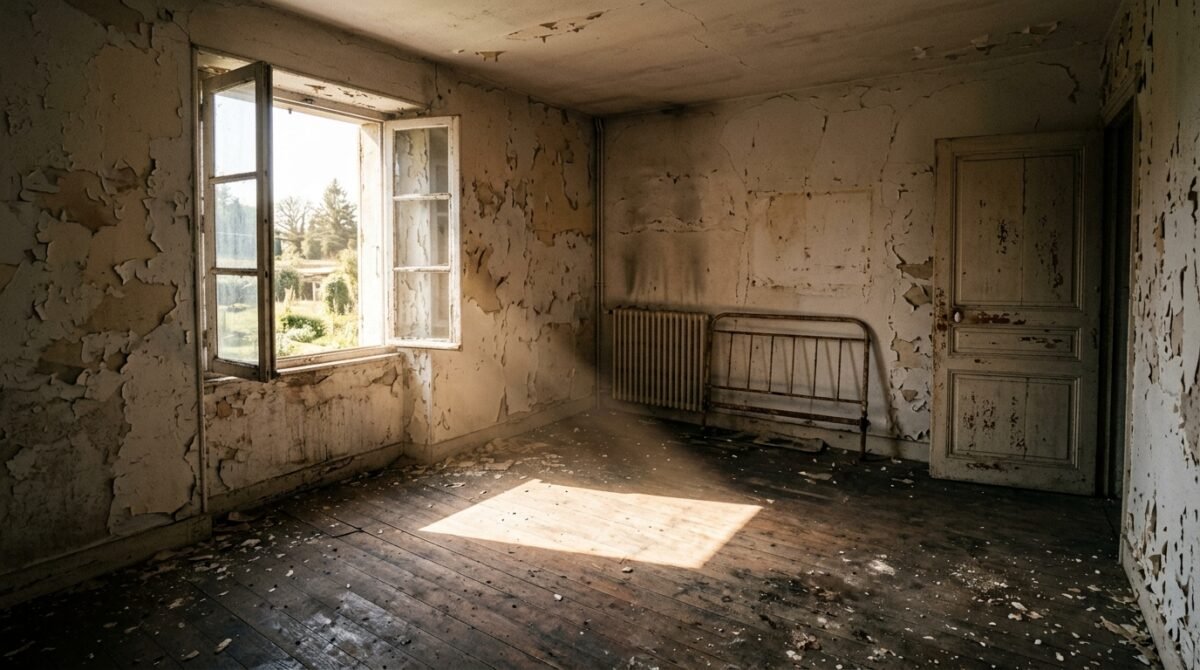
Once the dust settled and the final cat was removed, I walked into the third bedroom. The extent of the damage was worse than I had initially thought. The mold had already started to bloom in the corners where the cats had been urinating for months. I would have to replace the flooring, the baseboards, and potentially the drywall. The cost was going to be astronomical.
I sat on the floor, surrounded by the remnants of the ‘rescue.’ There was a pile of shredded boxes, a few forgotten toys, and the lingering, suffocating scent of neglect. My landlord sent a contractor the next day to assess the work. The total estimate for the repairs was nearly $8,000. It felt like a punch to the gut. I was young, just starting out, and that amount was more than I had in my savings.
I reached out to Sarah one last time, sending her an itemized list of the damages and the legal bills. Her response was a single, curt text message. She had moved back in with her parents, and she had blocked me on every social media platform. The bridge wasn’t just burned; it had been leveled. I realized I would likely never see a dime of that money, and that I would have to handle the financial burden on my own.
I felt a strange sense of liberation, despite the debt. The house was quiet. The smell was fading, replaced by the scent of industrial-strength cleaner. I was alone, but for the first time in months, I was the only person living in my home. I started to rebuild my office, one piece of furniture at a time, finding a new appreciation for the simple act of having a space to work in peace.
Community Reaction: The Reddit Verdict

I decided to post the story on a popular forum to see if I was in the wrong for calling animal control. The response was overwhelming. Thousands of people weighed in, with the vast majority siding with me. They validated my frustration, my fear, and my decision to put my own stability first. It helped to see that I wasn’t just a ‘cruel person’—I was a victim of a very specific kind of manipulation.
“NTA. Your roommate wasn’t running a rescue; she was running an animal hoarding operation. She didn’t care about the cats; she cared about the moral high ground. You saved those animals from a life of neglect. Well done.”
— u/RescueAdvocate (Top Comment, 32.4k upvotes)
Others shared their own stories of ‘do-gooder’ roommates who turned their homes into sanctuaries without consent. It was a reminder that this happens more often than we think. People use altruism as a shield to deflect criticism, and it’s a very effective tactic until the reality of the situation catches up with them. The support of the community made me feel less alone.
However, there were a few contrarians. Some argued that I should have tried to help Sarah find a legitimate way to manage the cats rather than calling the authorities. I dismissed these comments easily. When you are dealing with hoarding, there is no ‘negotiating’ with the person involved. They are deep in a delusion that reality cannot penetrate. My only choice was to step out of the way before the house of cards fell on me.
The discussion taught me that setting boundaries isn’t just about protecting yourself; it’s about protecting the situation from escalating into something irreparable. If I had waited even another month, the damage to the apartment would have been beyond repair, and I would have been facing a lawsuit that would have followed me for years.
The Financial Cleanup Plan

I had to get creative to cover the $8,000 in damages. I took on extra freelance projects, working nights and weekends. It was grueling, but it kept me focused. I treated every dollar I earned as a down payment on my freedom. I stopped eating out, cut back on subscriptions, and lived as frugally as I possibly could. It was a period of intense discipline, but it paid off.
I also kept a rigorous paper trail for everything. I saved every receipt for the cleaning supplies, the contractor’s quotes, and the correspondence with my landlord. I knew that if Sarah ever decided to come after me—or if I decided to take her to small claims court—I would be prepared. Being organized became my new mantra.
I eventually decided against small claims court. The legal fees would have been more than I could afford, and I wasn’t sure if Sarah had the assets to pay even if I won. I decided that the $8,000 was the price of a very expensive, very painful lesson in human behavior and property management. I would pay the debt, move on, and never look back.
| Expense | Cost | Status |
|---|---|---|
| Flooring Replacement | $3,500 | Paid |
| Drywall & Paint | $2,200 | Paid |
| Deep Cleaning/Sanitation | $1,500 | Paid |
| Legal Consult | $800 | Paid |
Looking at the table of expenses, I felt a sense of pride. I had dealt with the consequences of someone else’s chaos and come out the other side. I had paid every cent, and I had done it on my own terms. The ‘debt’ was a marker of my autonomy.
Healing and New Beginnings

Six months later, my apartment looked like a model home. The third bedroom was now a pristine, well-lit studio where I could finally focus on my art. I had replaced the old, urine-soaked rug with a new, plush one, and the air was perpetually fresh. Every time I walked into the room, I felt a sense of peace that I hadn’t realized I was missing.
I also started volunteering at a legitimate, licensed animal shelter. It was an interesting experience. I got to see how a real operation worked—the strict protocols, the sanitation, the genuine love for the animals. It made me realize just how far from the ‘rescue’ Sarah had been. She wasn’t saving lives; she was just collecting them. Being part of an ethical organization helped me reconcile my feelings about the cats I had removed.
I haven’t spoken to Sarah since the day the authorities arrived. I hear rumors through mutual friends that she’s moved across the country, but I don’t follow up on them. The past is the past, and I have no interest in being part of her narrative anymore. I’ve moved on to a better job, a better apartment, and a better understanding of what I deserve in a living situation.
I learned that loyalty is a two-way street. You can love your friends, but you cannot let them destroy your life in the name of a ‘good cause.’ If someone isn’t willing to respect your home, your boundaries, and your legal responsibilities, they aren’t a friend—they are a liability. And life is far too short to live with liabilities.
Lessons Learned from the Feline Fiasco

Looking back, the biggest lesson I learned was about the ‘slow creep.’ It didn’t start with eighteen cats. It started with one. If I had put my foot down at the first sign of a violation—the first time she left a mess, the first time she brought in an animal without asking—the situation never would have spiraled out of control. Boundaries are much easier to enforce when they are small and clear.
I also learned the importance of being the primary leaseholder. When you are the one responsible, you have to be the one to set the tone. It’s not about being a ‘boss’ or a ‘landlord’ to your friend; it’s about being an adult and protecting your interests. It’s a hard conversation to have, but it’s a necessary one. If a friend truly respects you, they will understand. If they don’t, then you know exactly where you stand in the relationship.
I’ve become much more discerning about who I let into my space. I ask more questions, I have clearer expectations, and I don’t apologize for having standards. The comfort of a quiet, clean, and safe home is something I will never again take for granted. The feline fiasco was a brutal experience, but it was also the catalyst for a version of myself that is stronger, wiser, and much more confident.
If you find yourself in a situation that feels ‘off,’ trust your gut. Don’t wait for the evidence to become overwhelming. Don’t let someone use your kindness to mask their own dysfunction. Your home is your sanctuary, and it is worth protecting at all costs. You are not a bad person for wanting to live in a place that is free from chaos and destruction.
Conclusion
Reflecting on this journey, I realize that the most difficult part of the situation wasn’t the cost or the stress, but the realization that a friendship I valued was built on a foundation of entitlement and manipulation. The experience taught me that being ‘easygoing’ is often interpreted as an invitation to exploit, and that standing up for oneself is a necessary component of self-respect.
I am now more intentional with my boundaries, my time, and my living situation. The silence in my apartment is the most beautiful sound I know, a constant reminder that I am safe, in control, and that my sanctuary is truly mine once again.
I invite you to share your own experiences with boundary-crossing roommates in the comments below. Have you ever been pushed to your limit by a friend’s ’cause’? How did you handle the fallout? Let’s discuss the thin line between being a good friend and being a victim of someone else’s delusion.
What's your verdict on this dilemma?
Vote below to contribute to the official community consensus.

Have a Dilemma Keeping You Up at Night?
Share your real-life feud, wedding chaos, or relationship crossroads anonymously with our editorial team.
What do you think ?
0 Comments🛡️ Comments are moderated to protect community integrity. Your comment will appear once approved by the editorial team.